
Can you solve a computational thinking puzzle without writing a single line of code?
Discover Bebras Bytes, a new video series from Malta helping primary school pupils develop logic, reasoning and problem-solving skills through engaging puzzles.
Coding is just one way to explore computer science. Learning to think logically, recognise patterns and solve problems is equally important, and these skills can be developed without a computer.
That is the idea behind Bebras Bytes, a series of short educational videos created by
Computational Thinking Malta to help pupils explore computational thinking through fun, accessible challenges.
Each video introduces a puzzle from the international Bebras Challenge, an initiative that encourages young people to develop computational thinking skills. Rather than requiring programming knowledge or specialist software, the puzzles invite pupils to apply logic, reasoning and creativity to find solutions.
In Malta, the challenge is organised by Computational Thinking Malta under the name Bebras Malta. The Bebras Bytes video series was funded through the EU Code Week Small Grants initiative, with support from the Malta Digital Innovation Authority (MDIA).
How Bebras Bytes works
The series currently explores three puzzles:
Inner Tubes,
Island Research Expeditions and
The Exciting Waterslide.
Each puzzle is presented through three complementary videos, allowing pupils to explore the challenge independently while giving teachers the guidance needed to support learning.
Part 1: The challenge
Pupils are introduced to the puzzle and encouraged to pause the video, think about the problem and develop their own solution.
Part 2: The solution
The video explains the solution step by step, helping pupils understand the reasoning behind the answer.
The Teacher’s Version
A dedicated explanation explores the puzzle, its solution and the underlying computer science concepts.
All videos are available in both English and Maltese, making the resources accessible to a wider range of classrooms.
Bringing computational thinking into the classroom
Bebras Bytes is designed to encourage active participation rather than passive viewing. The videos provide a starting point for classroom discussion, collaborative problem-solving and independent thinking.
A simple five-step classroom activity
- Prepare: The teacher watches the Teacher’s Version to understand the puzzle, its solution and the computational thinking concepts involved.
- Explore: Pupils watch Part 1 and work individually or in groups to develop possible solutions.
- Discuss: The class shares ideas and considers whether the proposed solutions successfully solve the puzzle.
- Discover: Pupils watch Part 2 to compare their reasoning with the step-by-step explanation.
- Reflect: Pupils explain the solution in their own words, reinforcing their understanding of the underlying concepts.
This approach gives pupils opportunities to experiment, explain their thinking and learn from one another. It also helps teachers introduce computational thinking in a structured and approachable way.
Meet the people behind Bebras Bytes
The series was developed with both computer science expertise and classroom experience, ensuring that the explanations are accurate, accessible and suitable for young learners.

Mariah Zammit
Computer science graduate and video presenter
Mariah Zammit, a computer science graduate working in the field, produced and presented the Bebras Bytes series. Her involvement also helps challenge stereotypes about who works in computing, providing young learners with a positive example of a woman working in computer science.
Drawing on her technical knowledge, Mariah explains the reasoning behind each puzzle in a clear, patient and engaging way, tailored to primary school pupils.
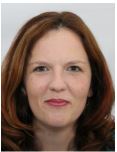
Tania Gatt
Head of Department in Digital Literacy from the Directorate for Digital Literacy & Transversal Skills (DDLTS) and Maltese EU CodeWeek Leading Teacher.
Tania Gatt, Head of Department in Digital Literacy at the Directorate for Digital Literacy & Transversal Skills (DDLTS), reviewed the videos and provided feedback informed by her classroom experience.
Her contribution helped ensure that the resources are relevant to teachers and appropriate for classroom use.
The entire series was produced in just over ten weeks. Computational Thinking Malta hopes to expand Bebras Bytes in the future, introducing additional puzzles that pupils may find challenging.
Watch Bebras Bytes and try a challenge
Curious to see how it works? Start with The Exciting Waterslide, one of the three puzzles featured in the series.
Try The Exciting Waterslide
Step 1:
Watch Part 1 and solve the puzzle
Step 2:
Watch Part 2 to discover the solution
For teachers:
Explore the Teacher’s Version
Teachers, parents and anyone interested in computational thinking can explore the complete series and discover more about the Bebras Challenge through the resources below.
Building digital skills, one puzzle at a time
Initiatives such as Bebras Bytes demonstrate that developing digital skills does not always begin with a keyboard or a line of code. Sometimes, it starts with a question, a puzzle and the confidence to try a different approach.
By making computational thinking accessible to primary school pupils and providing practical support for teachers, Bebras Bytes reflects the EU Code Week mission of encouraging creativity, problem-solving and digital learning for everyone.
For questions about the series, contact
bebras@computationalthinking.mt
.
Article contributed by Computational Thinking Malta. The Bebras Bytes series was supported by the Malta Digital Innovation Authority (MDIA) and EU Code Week through the Small Grants initiative.
