





EU Code Week Grants for Grassroots
Round 1 of Grants
Round 1 of Grants
- Projects implemented: 53 projects across 16 hubs
- Countries of implementation: Albania, Austria, Belgium, Bulgaria, Croatia, Cyprus, Czech Republic, France, Germany, Greece, Italy, Latvia, Luxembourg, Netherlands, Romania, Slovakia, Slovenia, Spain, Switzerland, Türkiye, Ukraine (21 countries)
- Total young people reached: 9,348 participants
- Gender of participants: Approx. 4,520 male; Approx. 4,828 female
- Educators engaged: 1,048 teachers, educators, mentors, facilitators, and trainers
- Activities delivered on the Code Week platform: 534 activities, workshops, trainings, festivals, coding events, and community sessions
- Project durations: Most projects implemented between May – December 2025, with several extending into early 2026
- Projects targeting underserved groups: 19 out of 53 projects
Common types of activities delivered
- Coding workshops using Scratch, micro:bit, Arduino, LEGO robotics, Makey Makey, and AI tools
- Robotics, physical computing, and STEM laboratories
- AI literacy, media literacy, and digital citizenship activities
- 3D printing, game design, creative coding, and digital fabrication workshops
- Hackathons, coding festivals, public exhibitions, and community events
- Teacher training, peer mentoring, and classroom integration activities
- Environmental education, sustainability, and climate-focused STEM activities
- Inclusive and assistive technology projects for learners with disabilities and neurodivergent learners
Projects supported underserved and underrepresented groups including girls in STEM, refugees, children affected by war, students in rural and low-access regions, learners with disabilities and visual impairments, neurodivergent learners, and communities with limited access to digital education opportunities. Activities focused on improving digital inclusion, confidence, creativity, computational thinking, media literacy, and equitable access to STEM and coding education across Europe.
Funded projects by country hub
Greece – CityLab
Projects funded: 7
Participants reached: 633
Educators engaged: 44
Activities on Code Week platform: 19
Projects in Greece focused on introducing computational thinking, robotics, and programming across different education levels, from kindergarten to secondary school. Activities combined hands-on coding, creative storytelling, robotics, and interdisciplinary themes such as space, local culture, and sustainability. Several initiatives also involved parents, educators, and academic institutions, strengthening community engagement and promoting innovative, project-based learning approaches.
Funded Projects
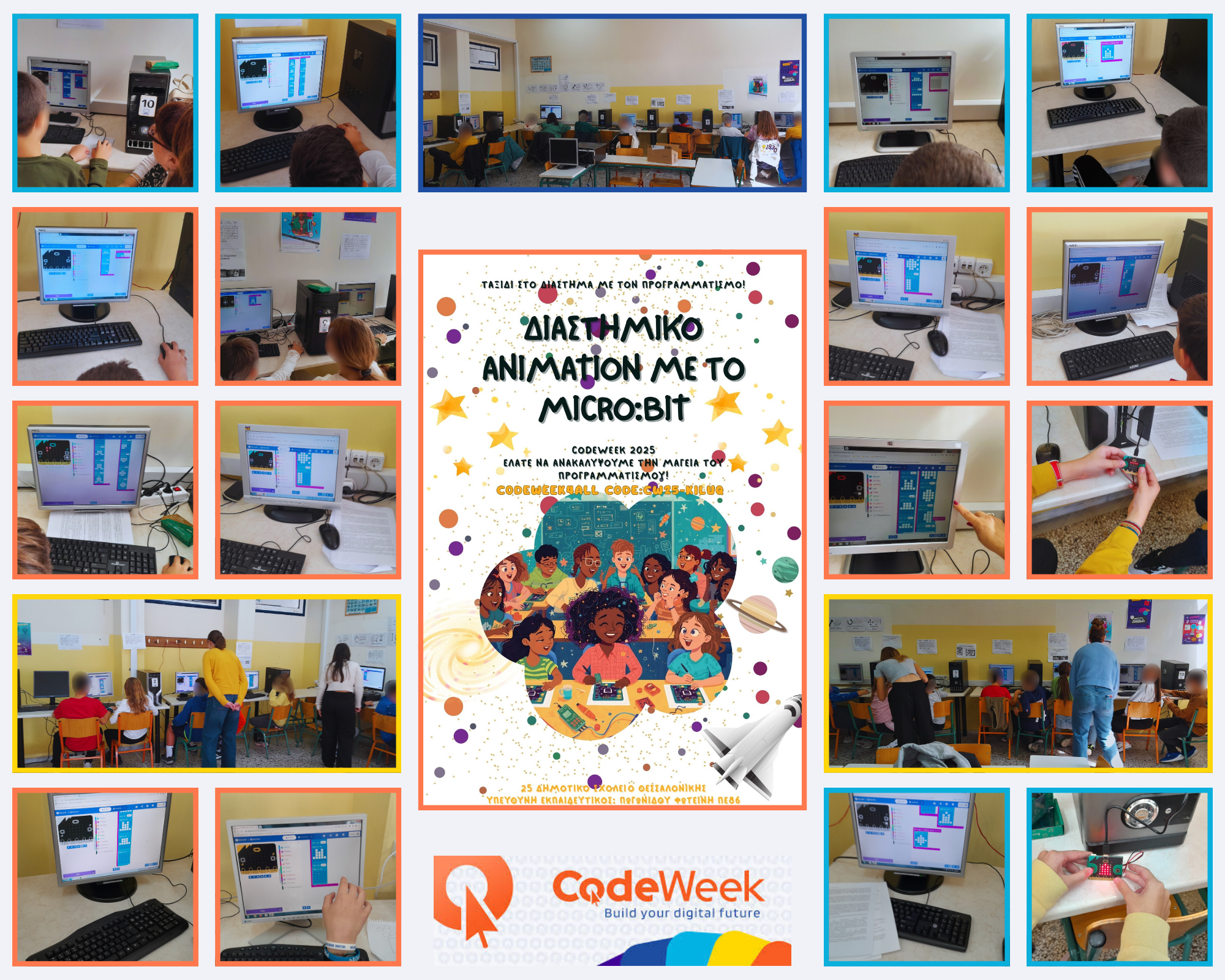
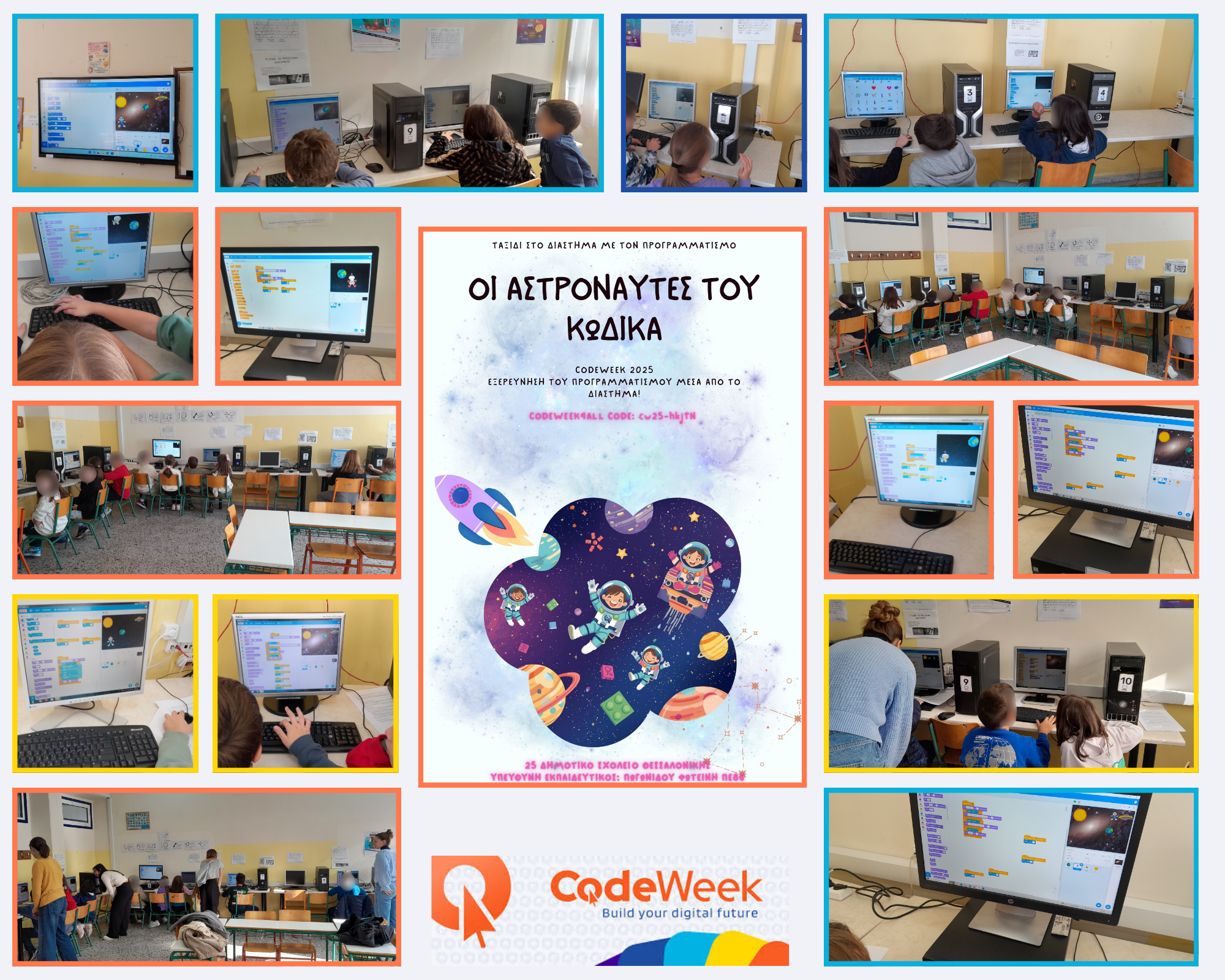
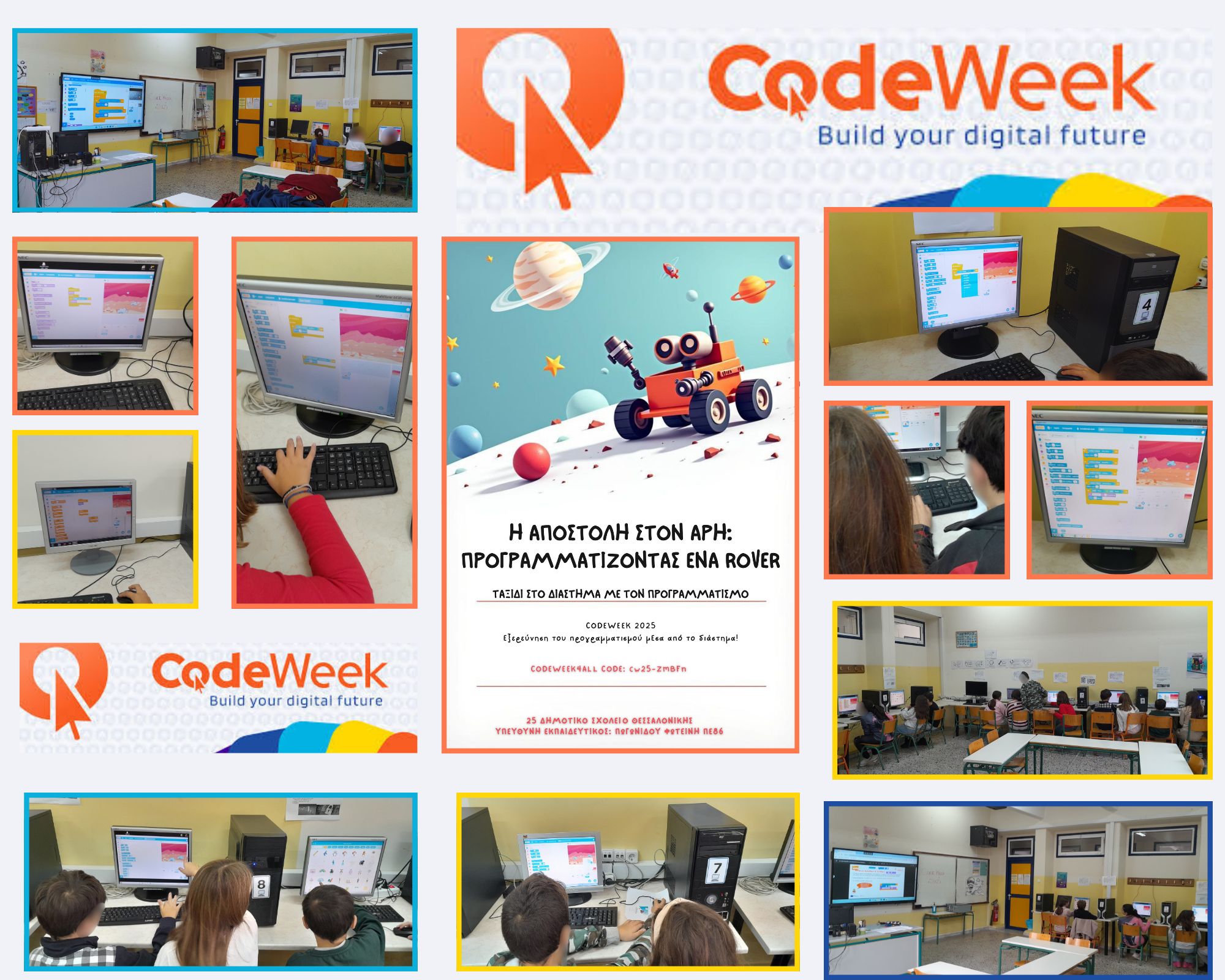
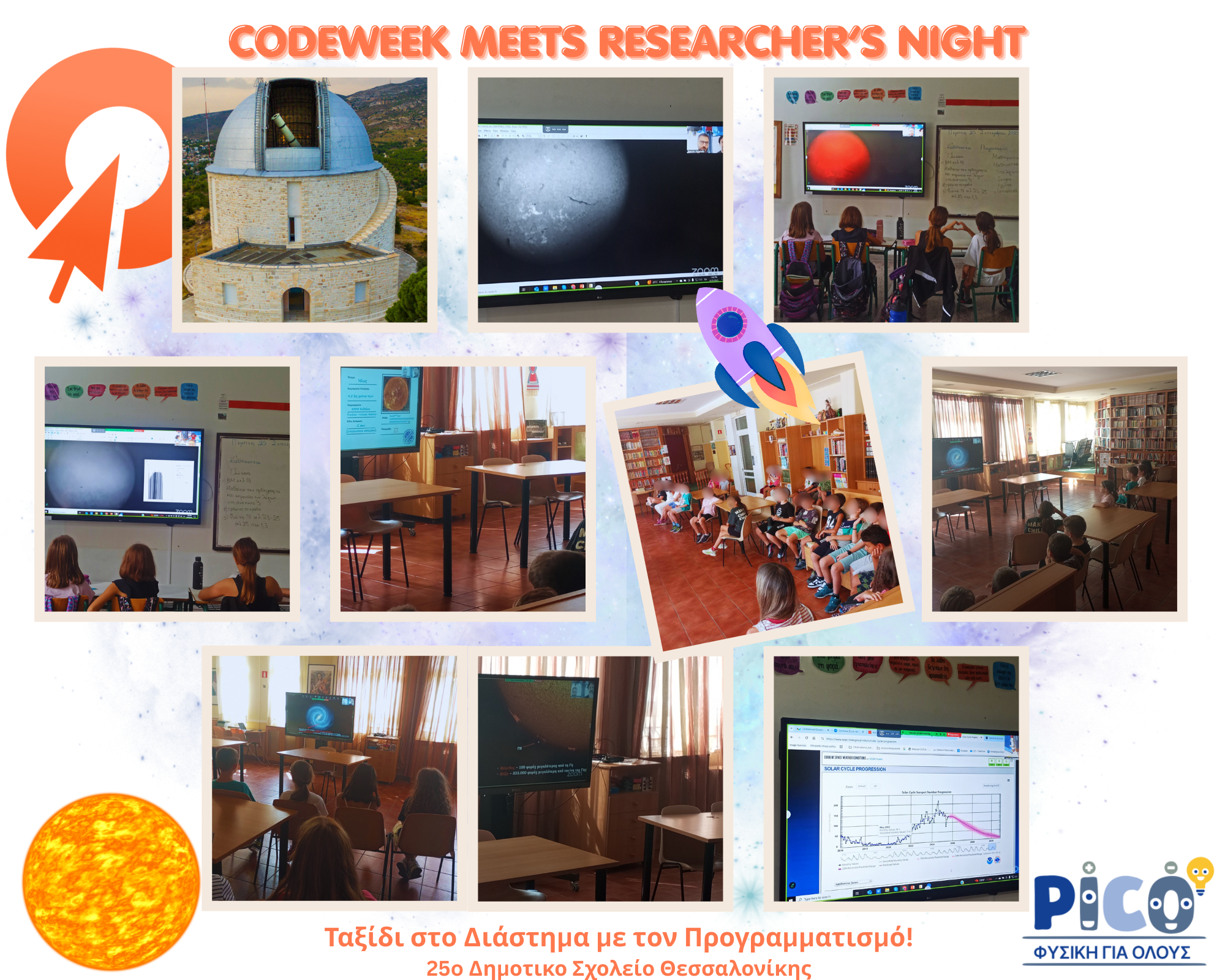
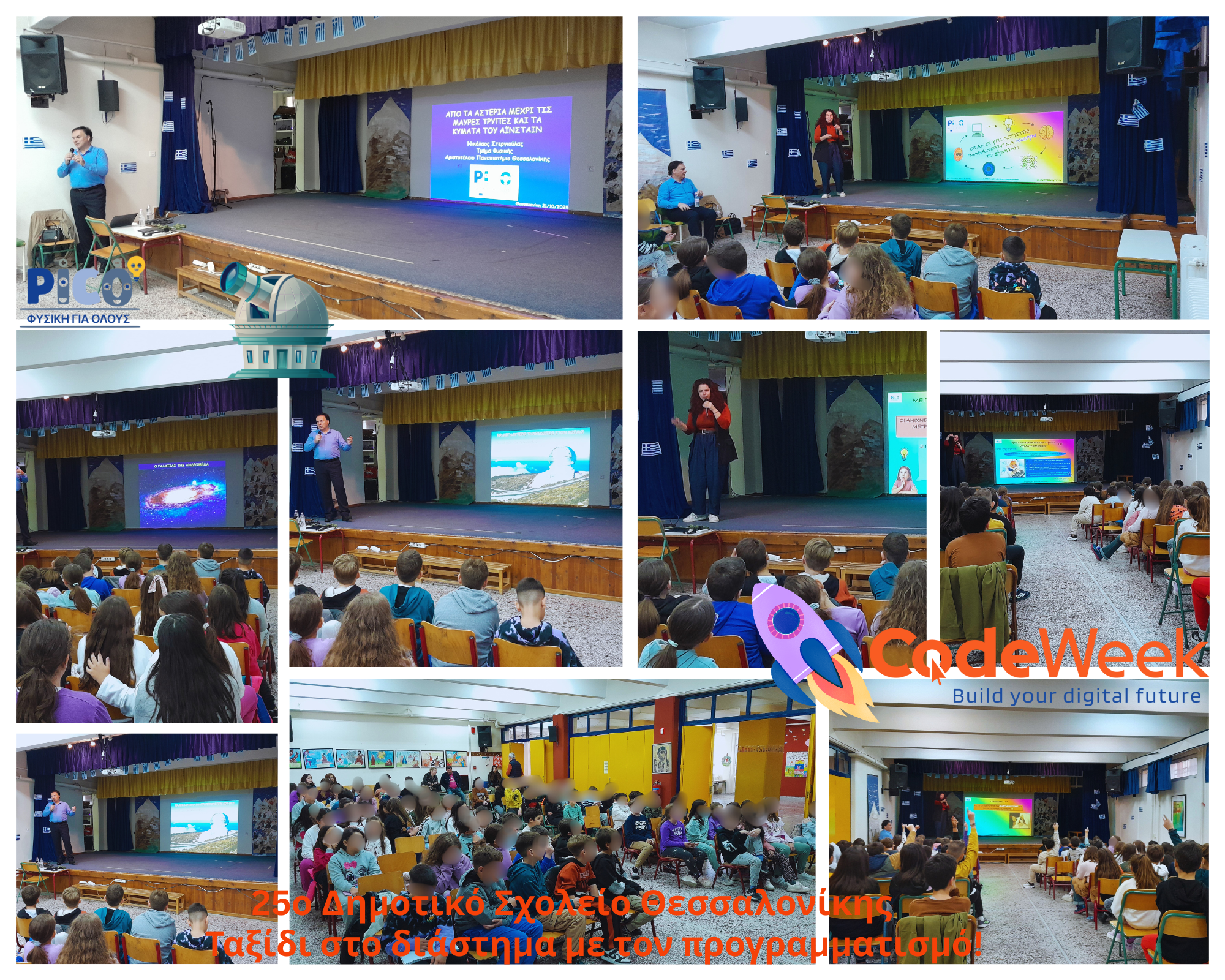
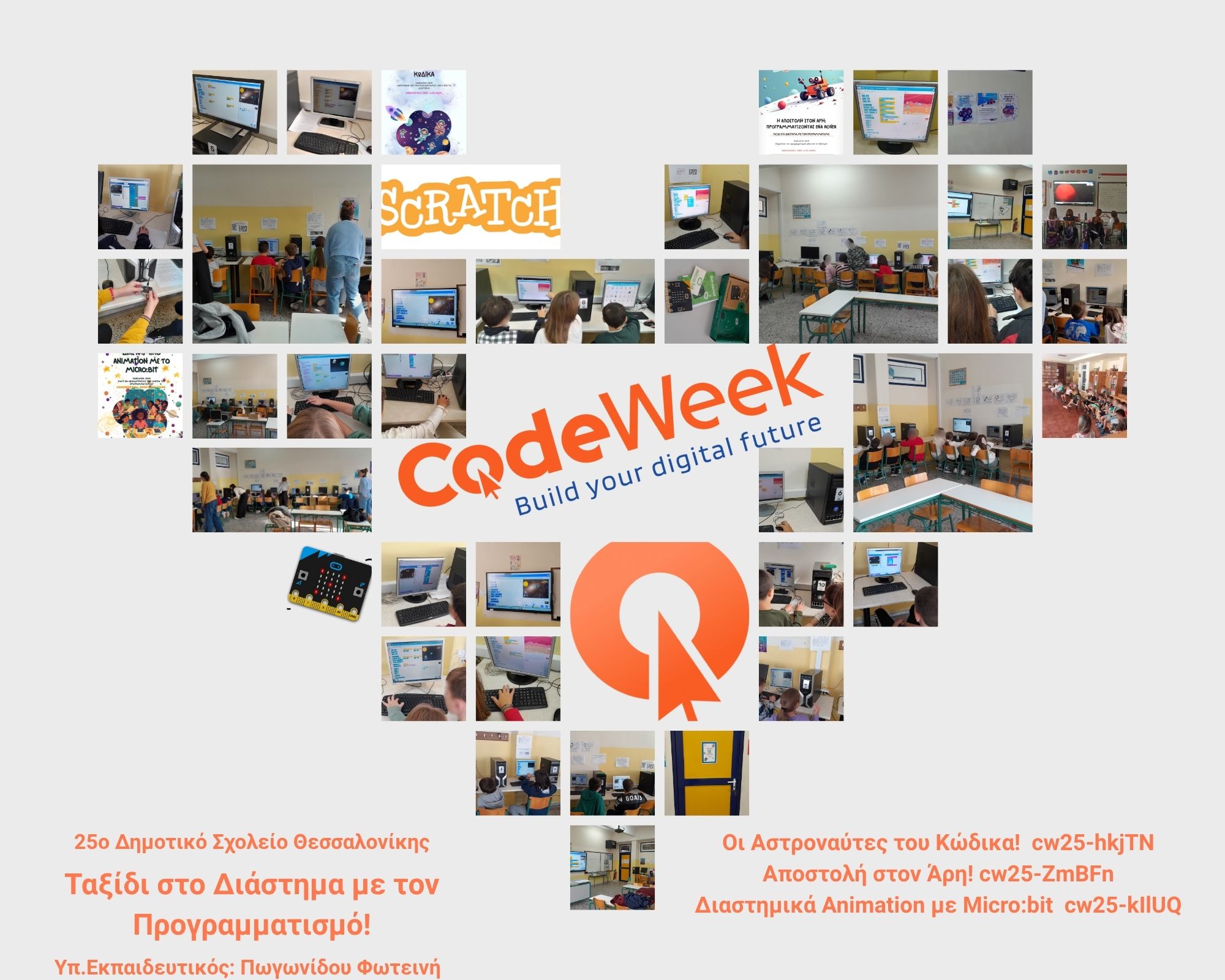
Journey to Space with Programming!
Organisation: 25th Primary School of Thessaloniki
Location: Thessaloniki, Greece
Participants: 92 | Educators: 10 | Activities: 12
A space-themed programme introducing students to programming through Scratch and micro:bit. Activities were tailored by grade level and combined coding with scientific exploration, supported by collaborations with local universities.
Links:
- https://codeweek.eu/view/1286592/taksidi-sto-diastima-me-ton-proghrammatismo-h-apostoli-ston-ari-proghrammatizontas-ena-rover
- https://codeweek.eu/view/1286593/taksidi-sto-diastima-me-ton-proghrammatismo-diastimiko-animation-me-to-microbit
- https://codeweek.eu/view/1286591/taksidi-sto-diastima-me-ton-proghrammatismo-oi-astronautes-toy-kwdika
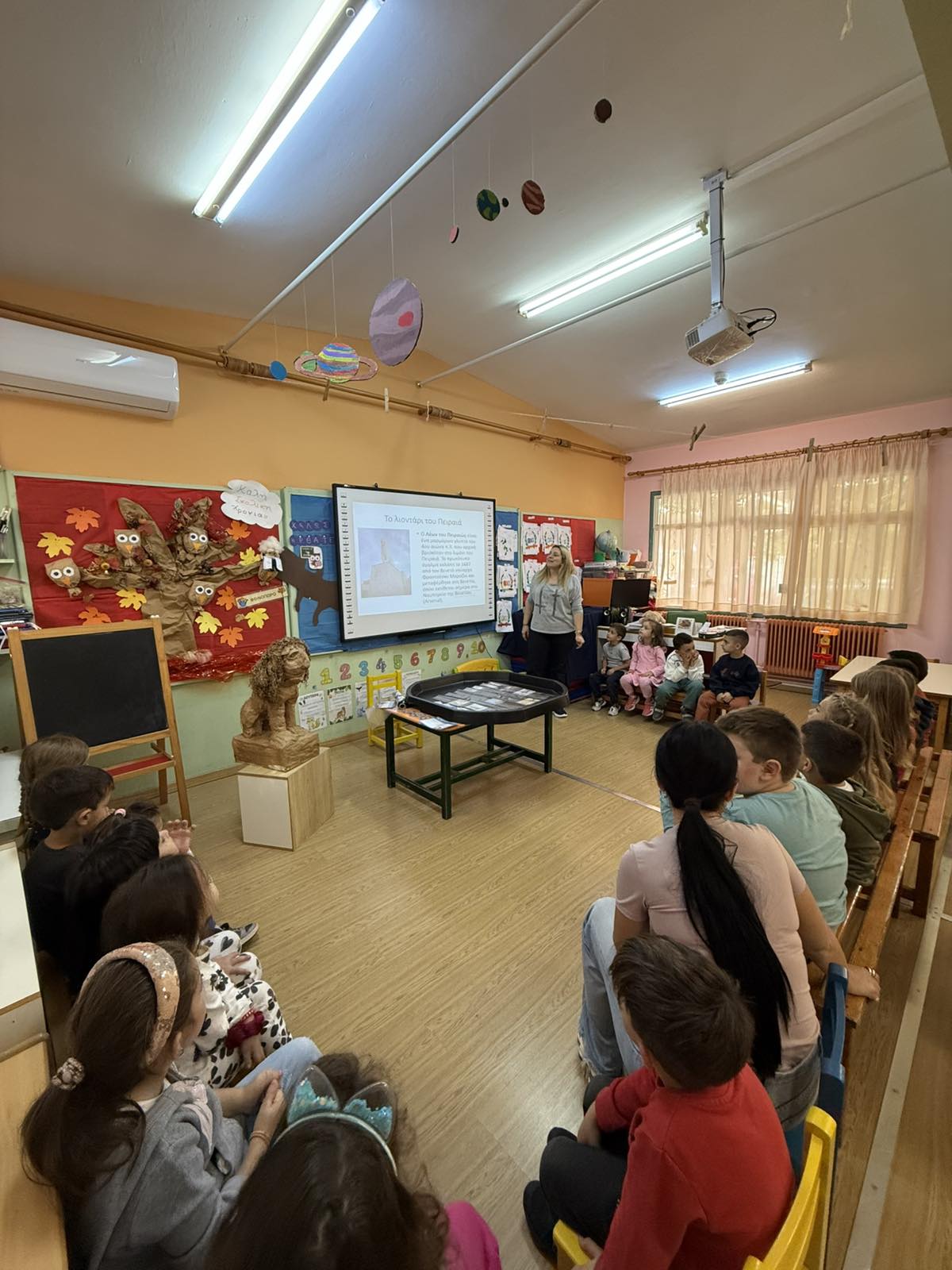
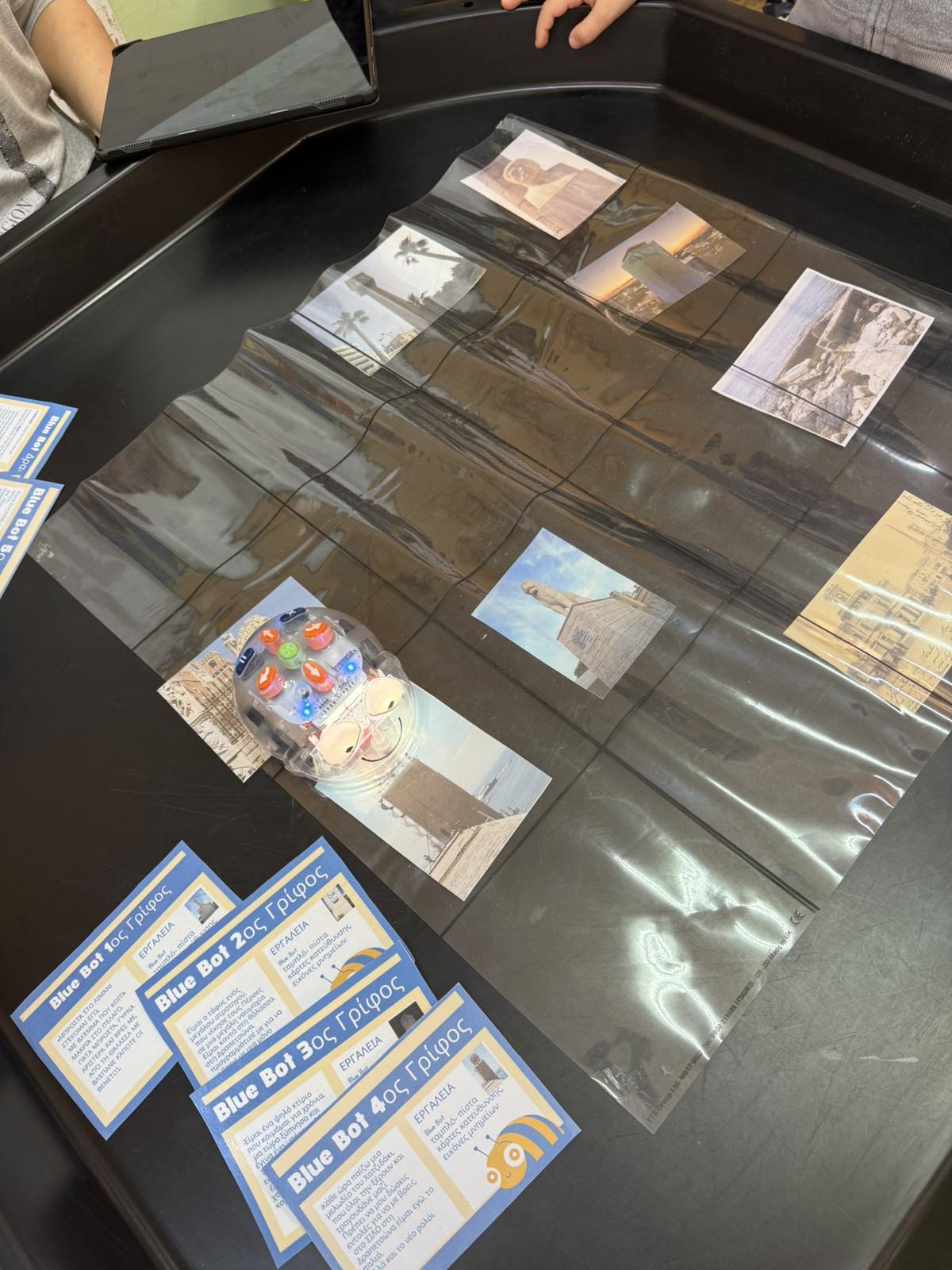
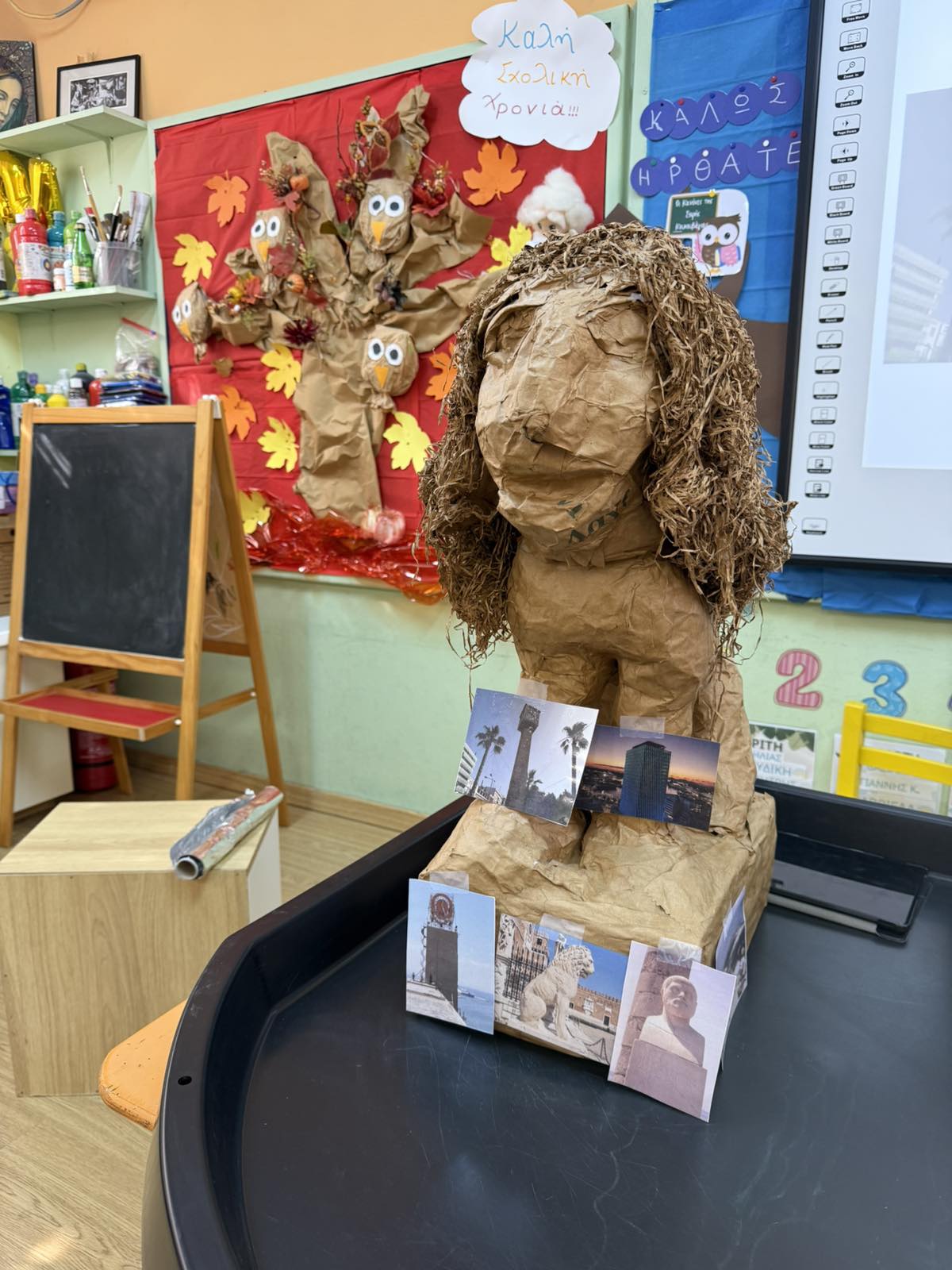
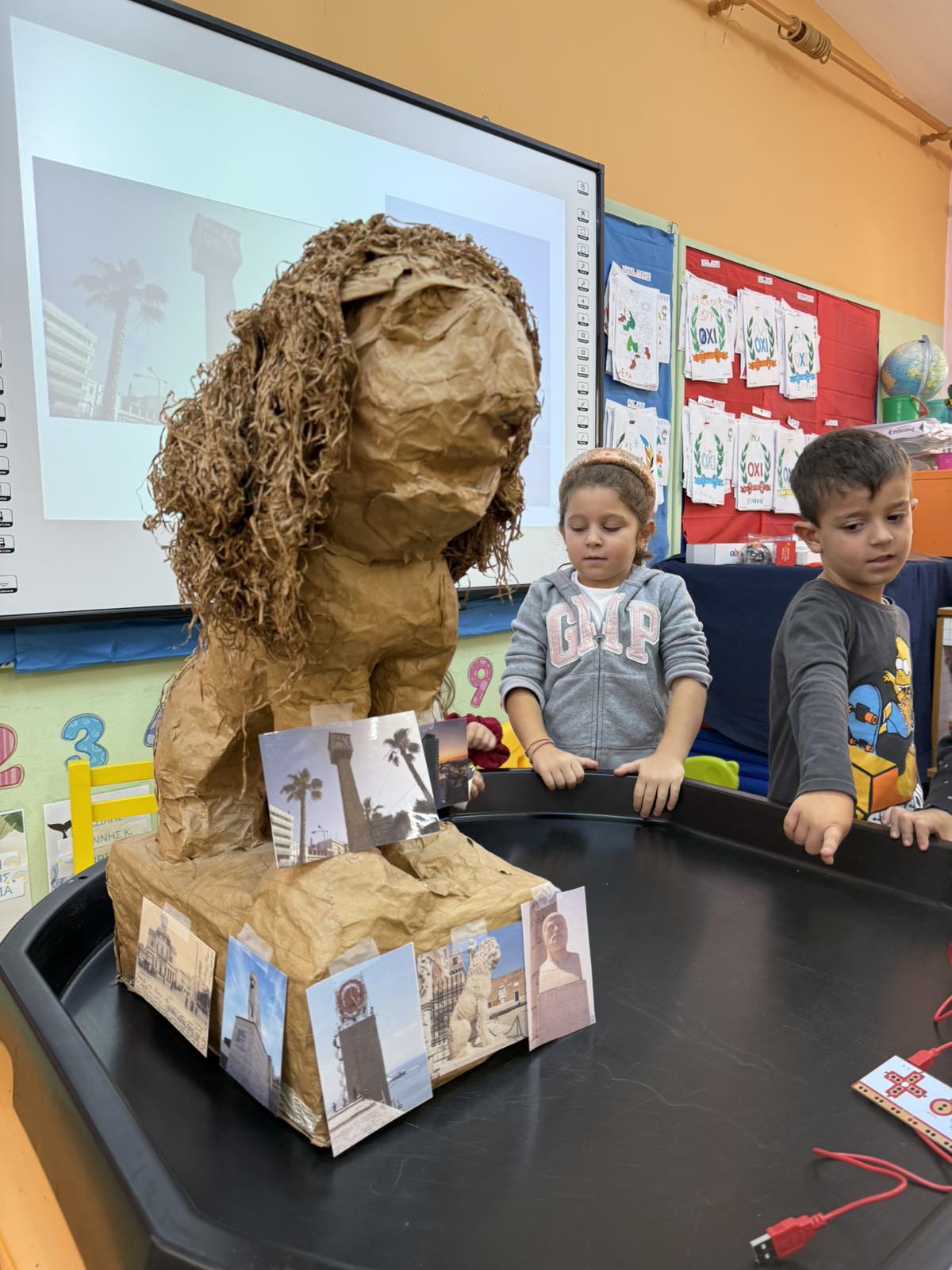
Cultivating Cultural Heritage and STEAM through Programming
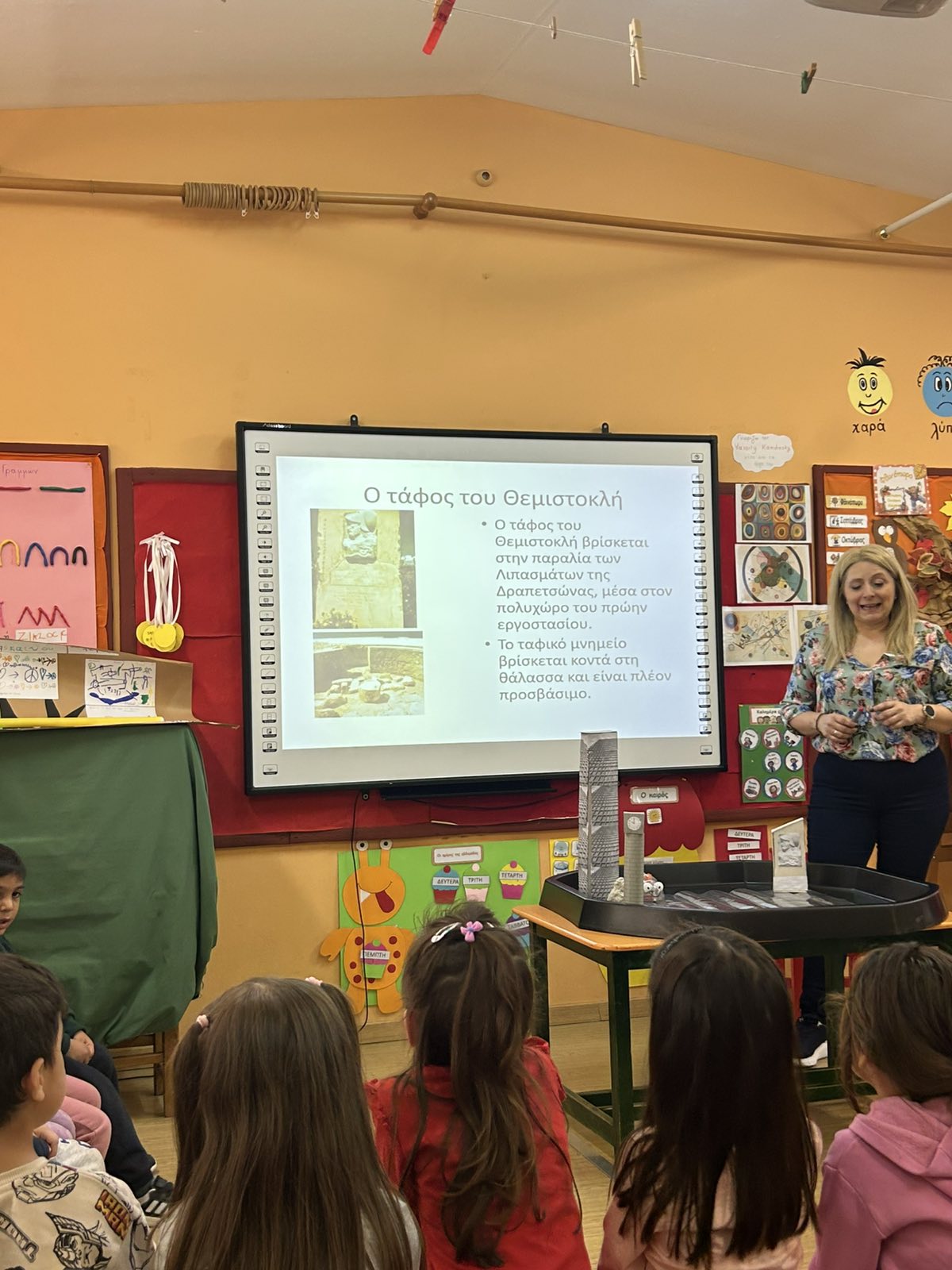
Organisation: 54th Kindergarten of Piraeus
Location: Piraeus, Greece
Participants: 50 | Educators: 4 | Activities: 1
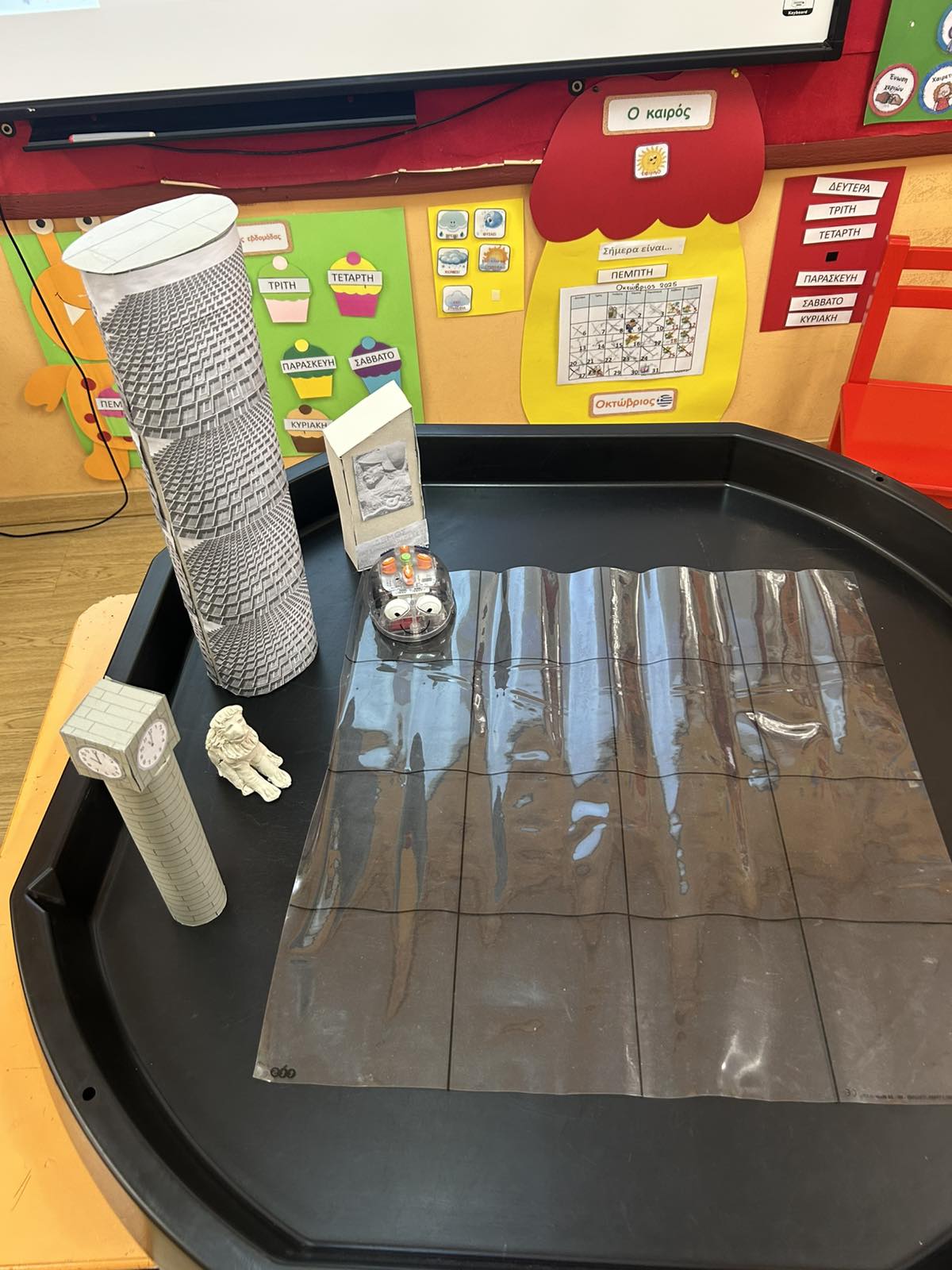
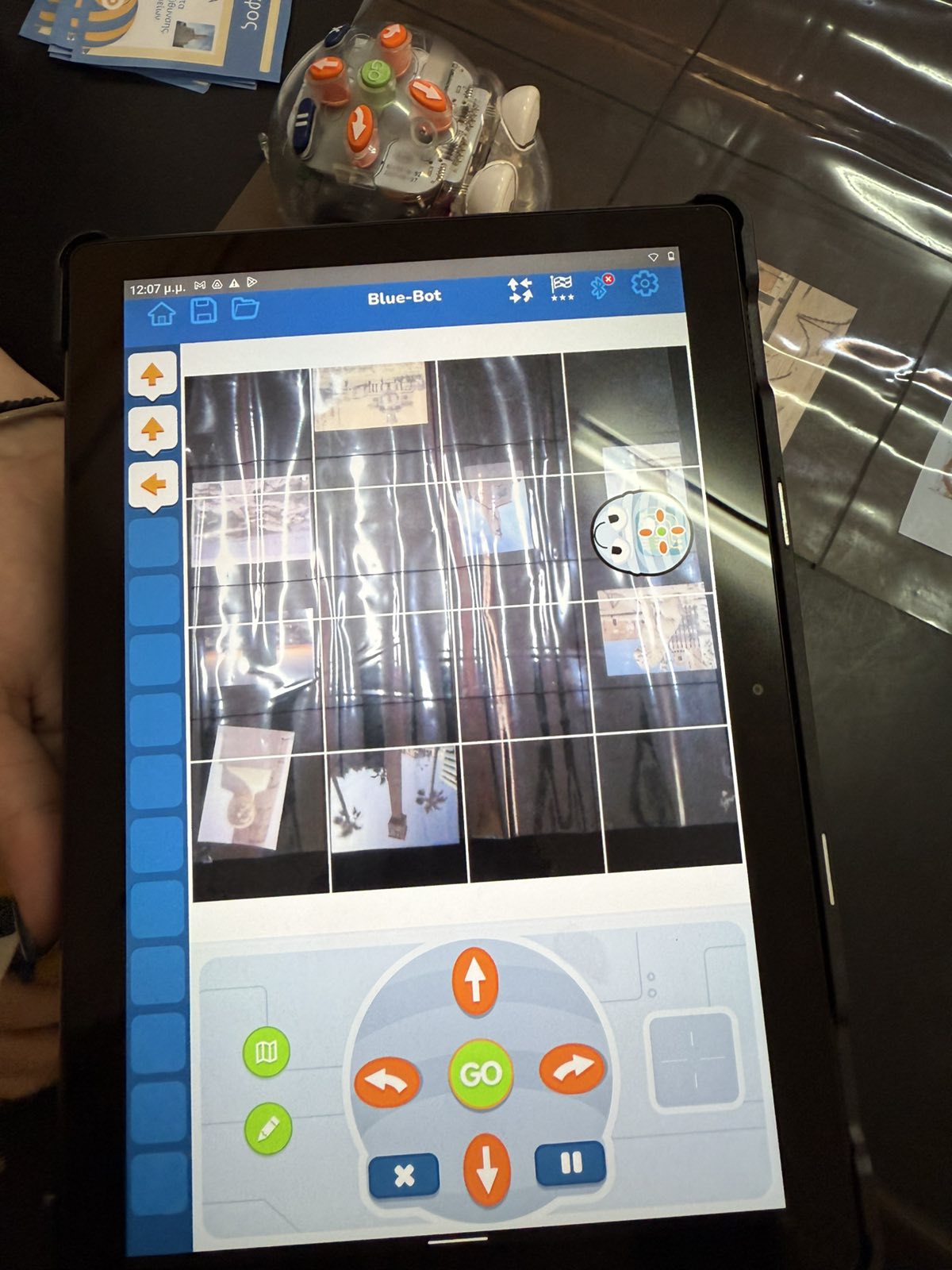
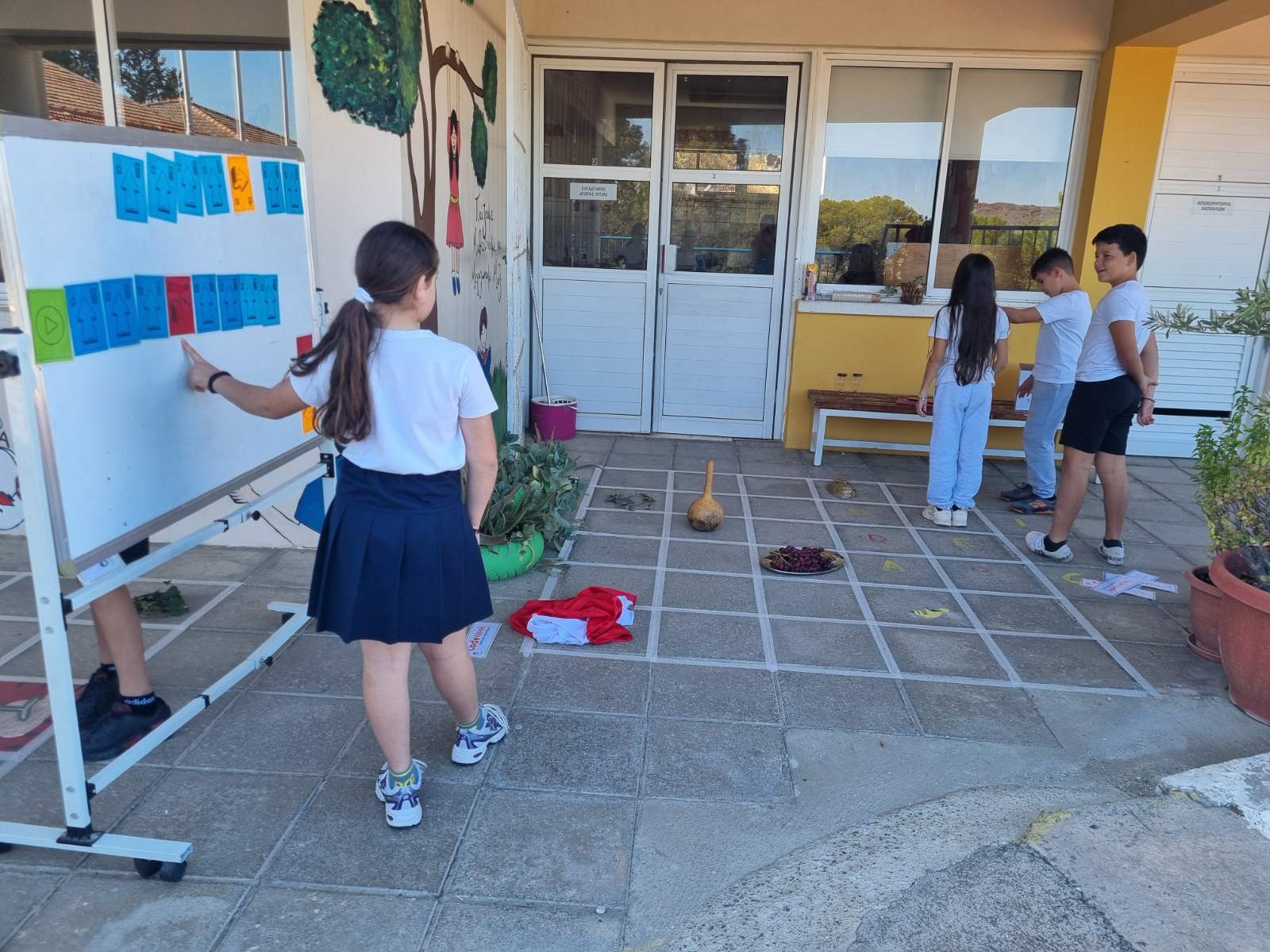
A preschool project combining coding and robotics with local cultural heritage. Children used educational robots and storytelling to explore monuments of Piraeus, linking programming with creativity and local identity.
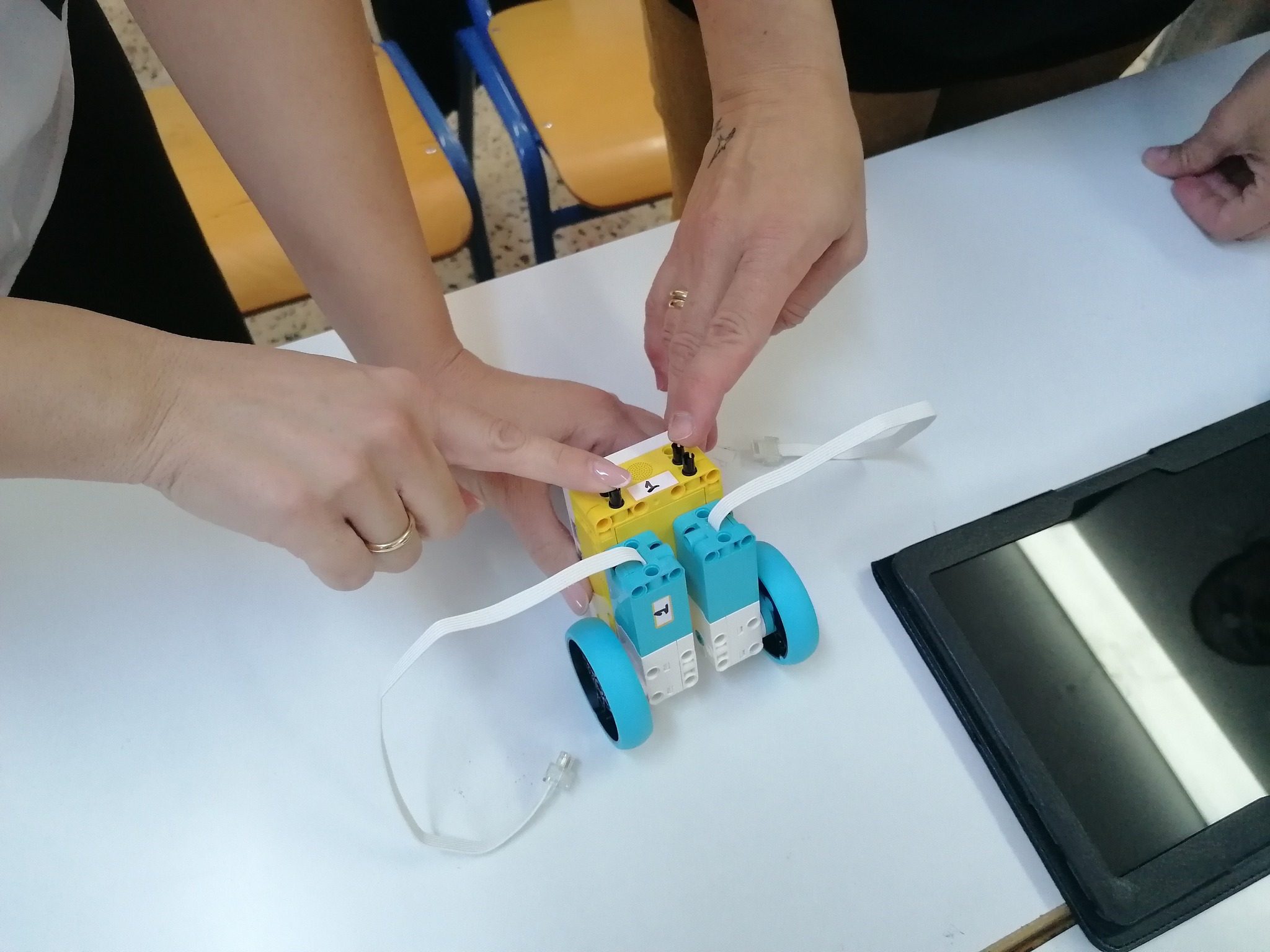
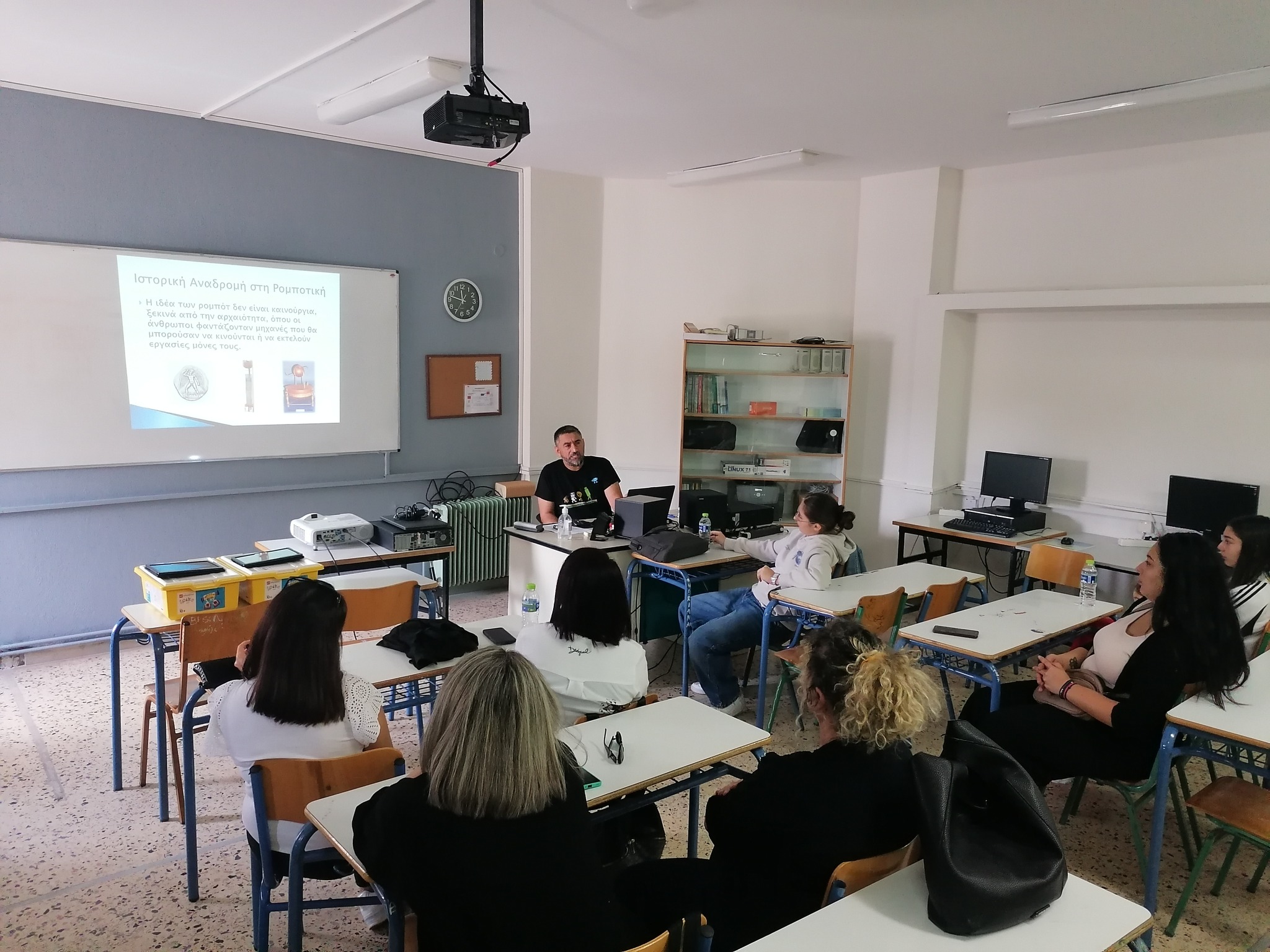
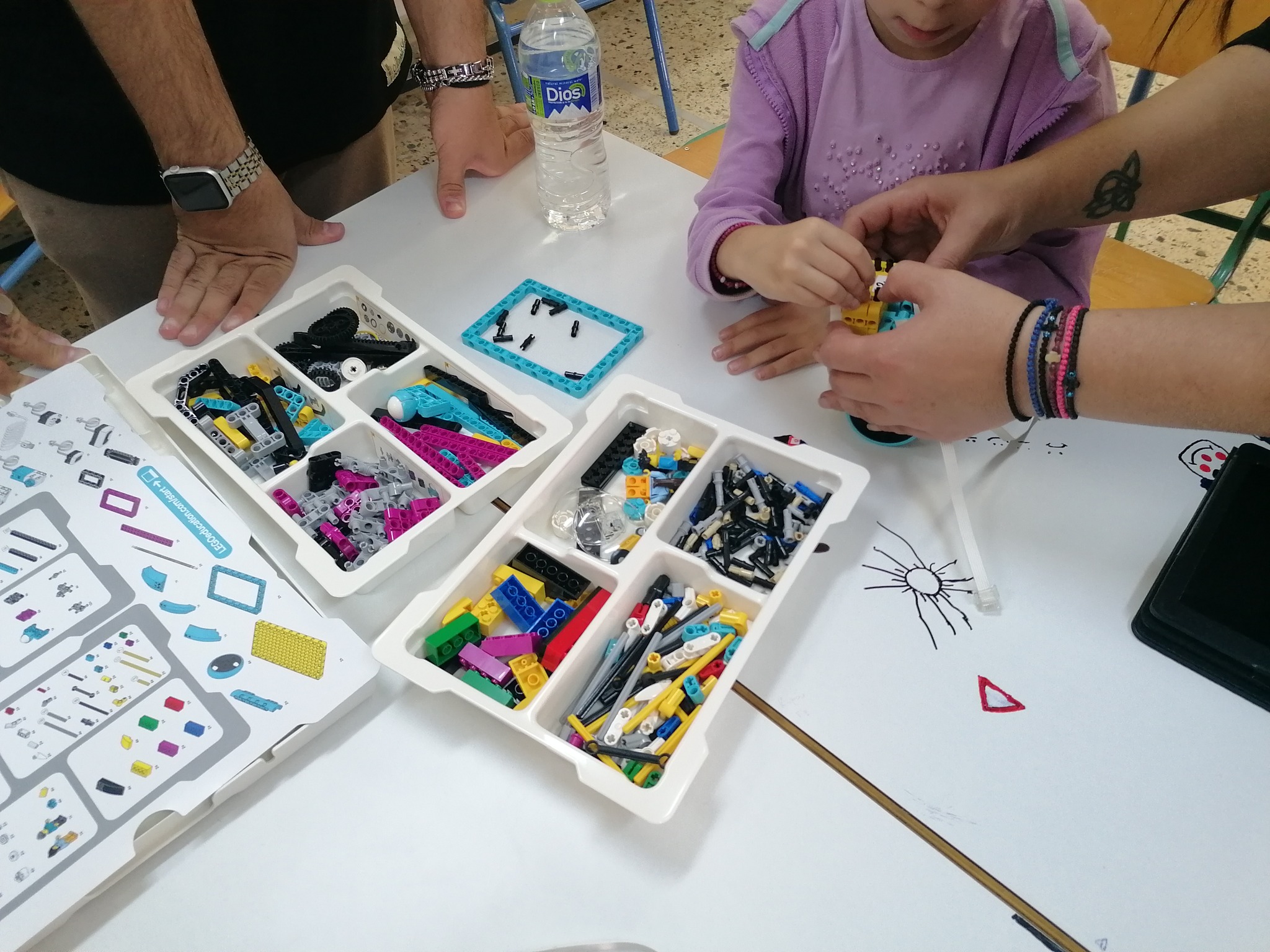
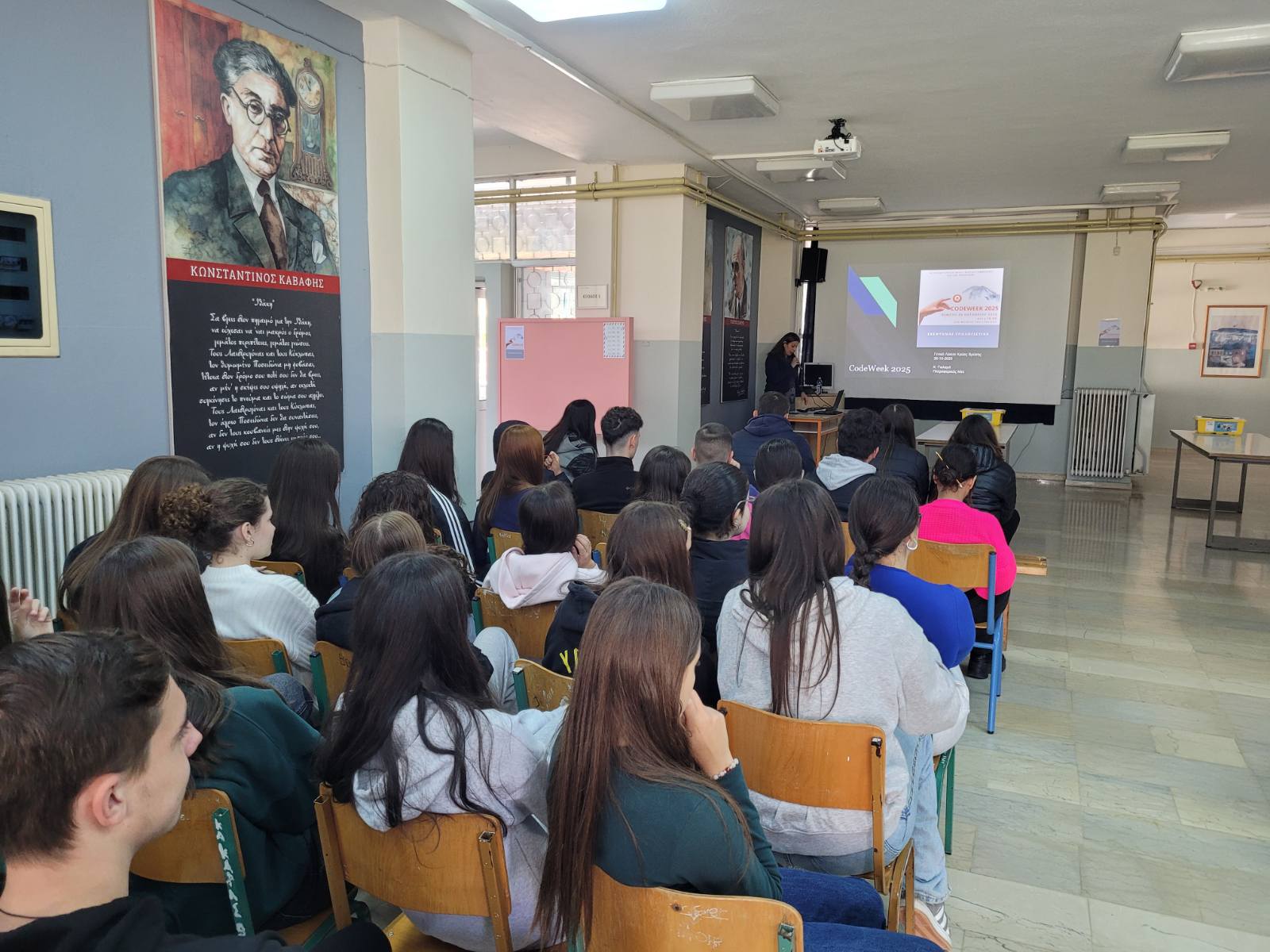
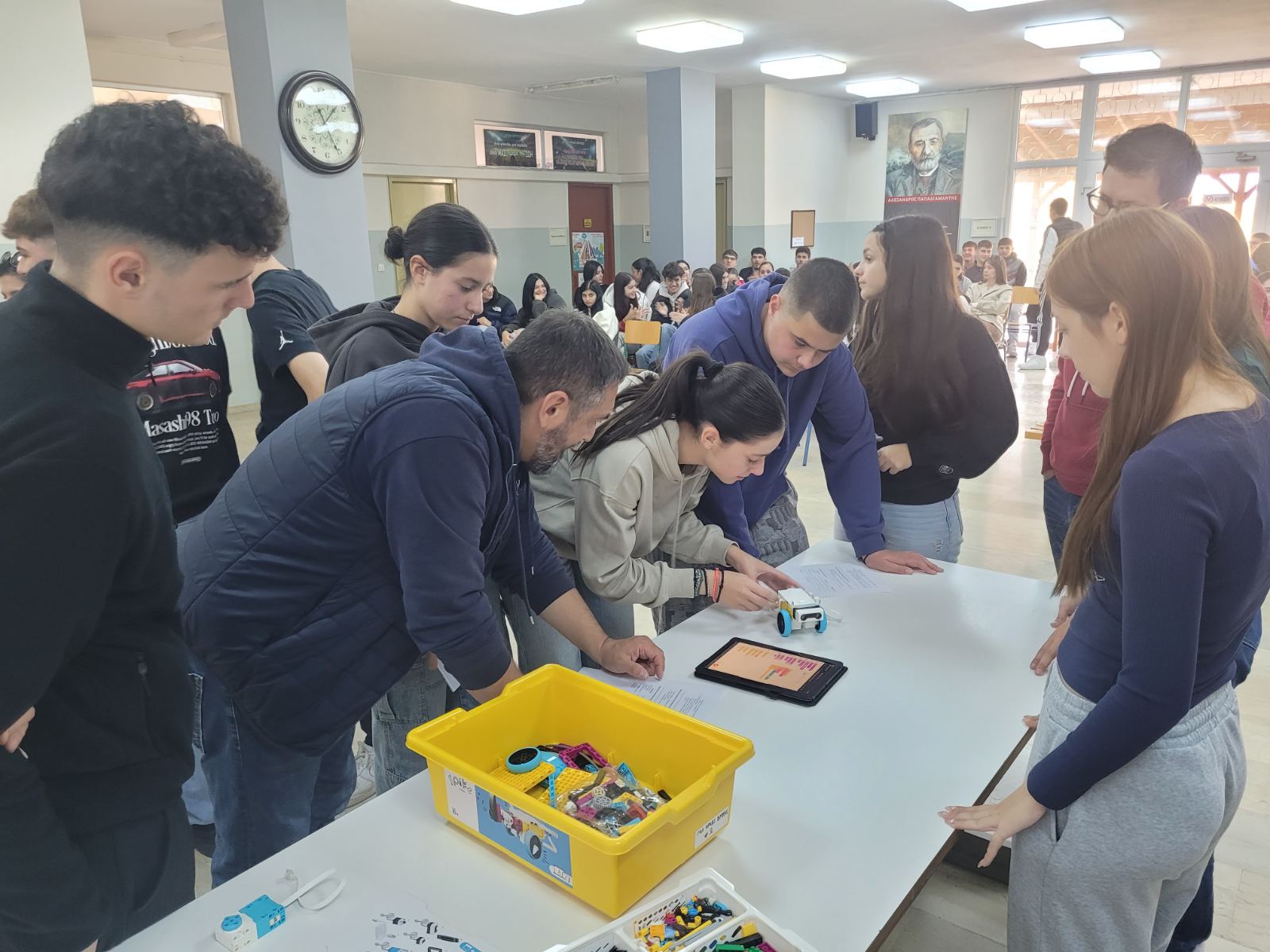
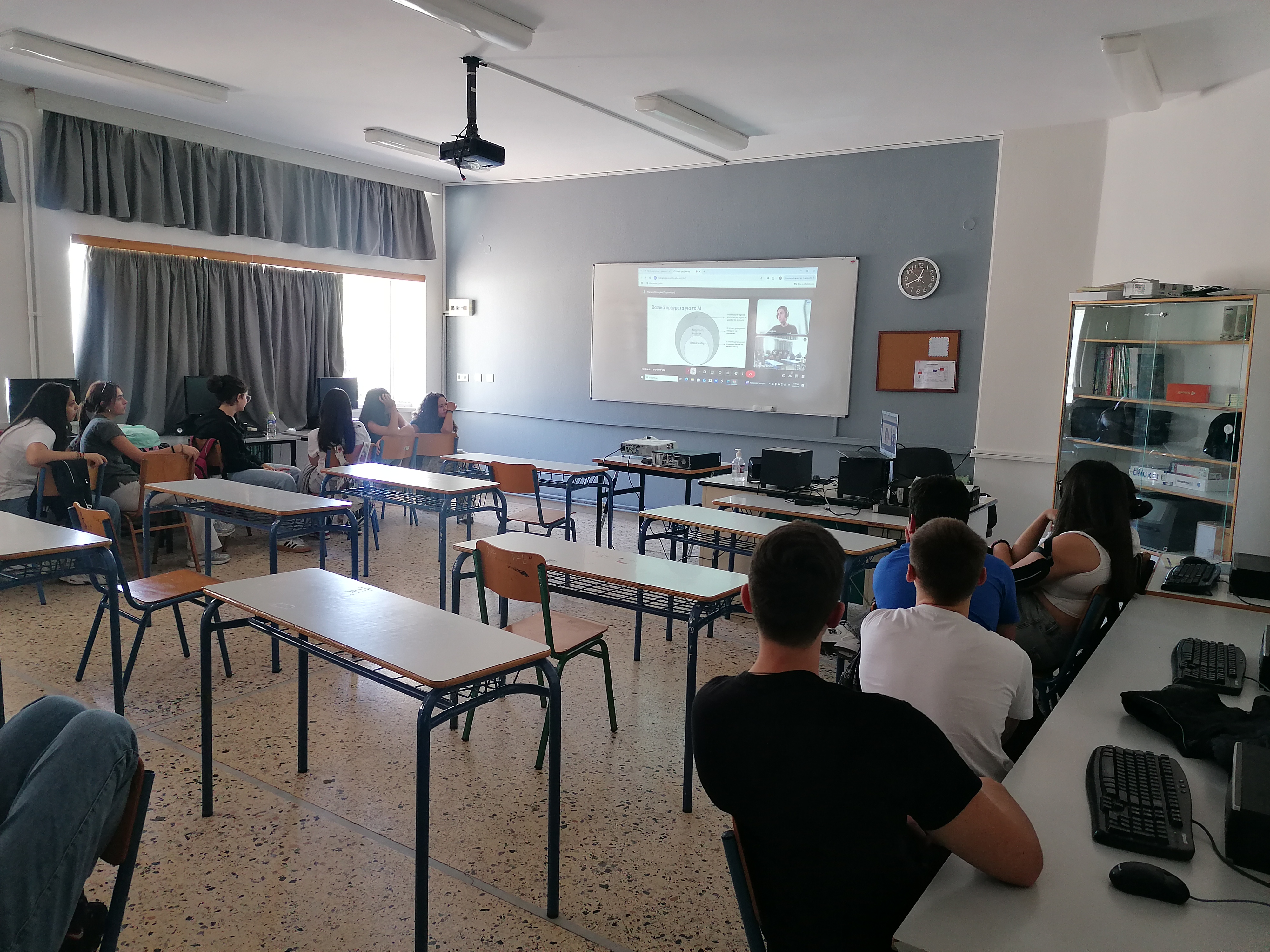
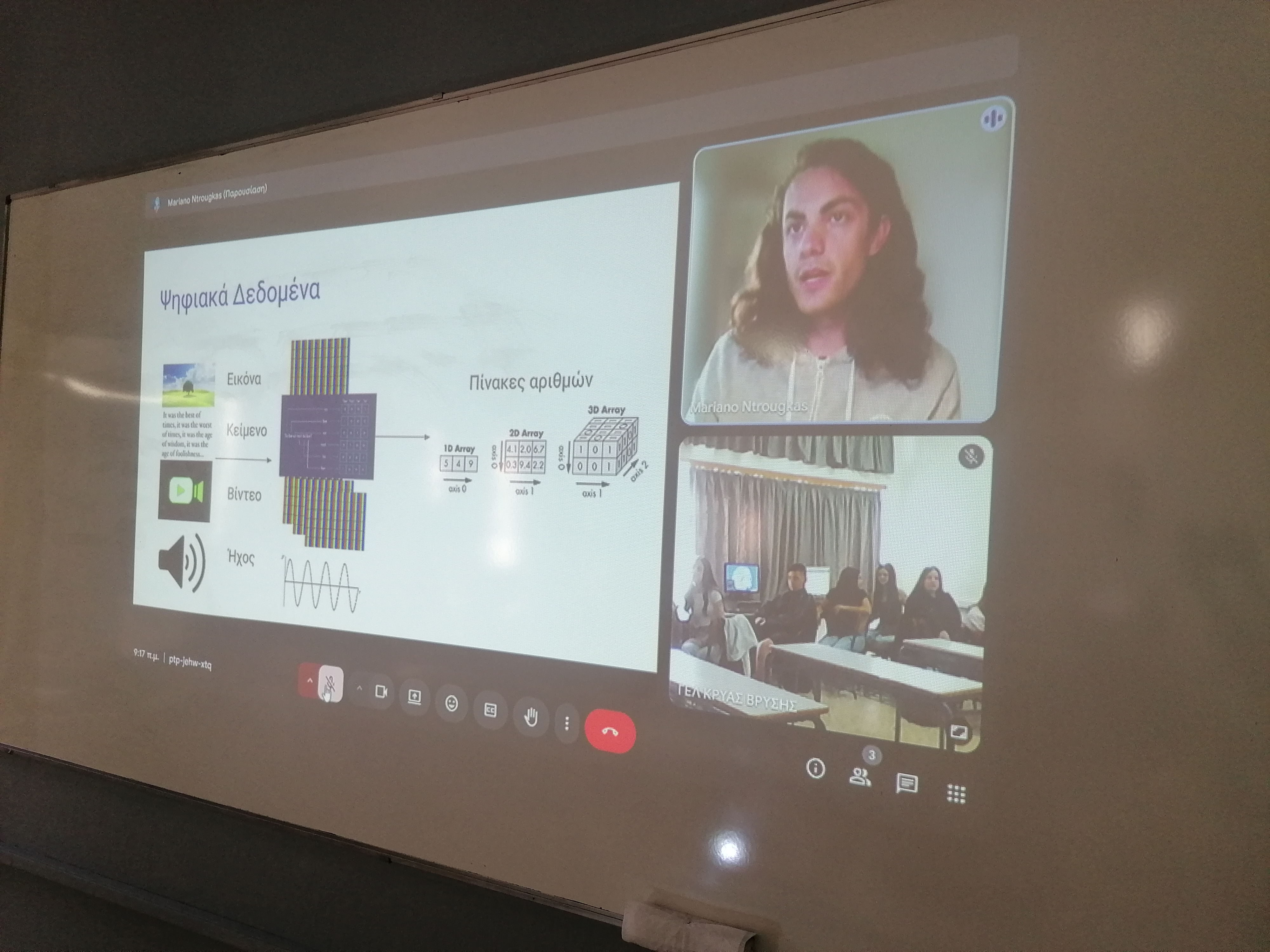
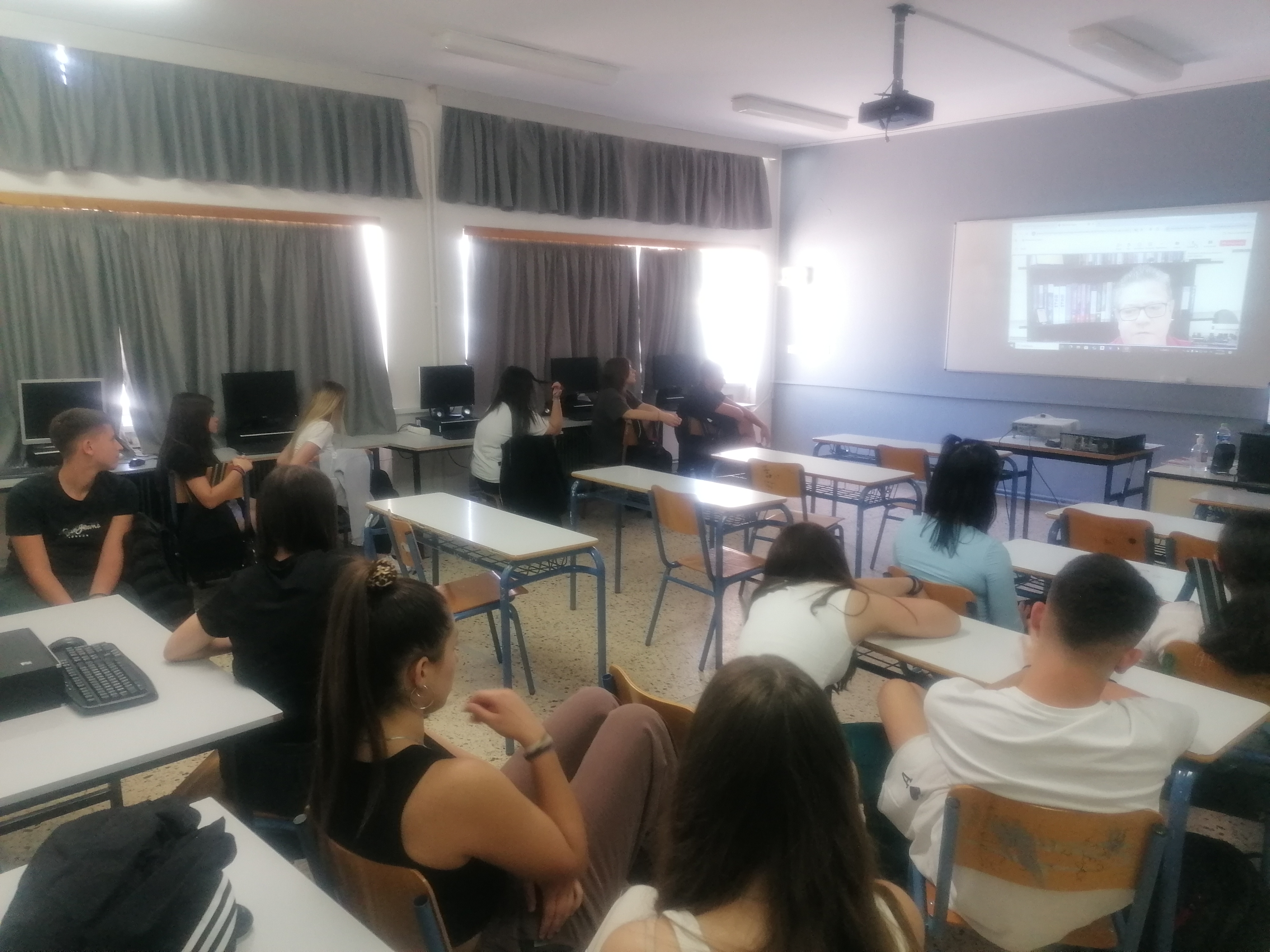
I Think Computationally
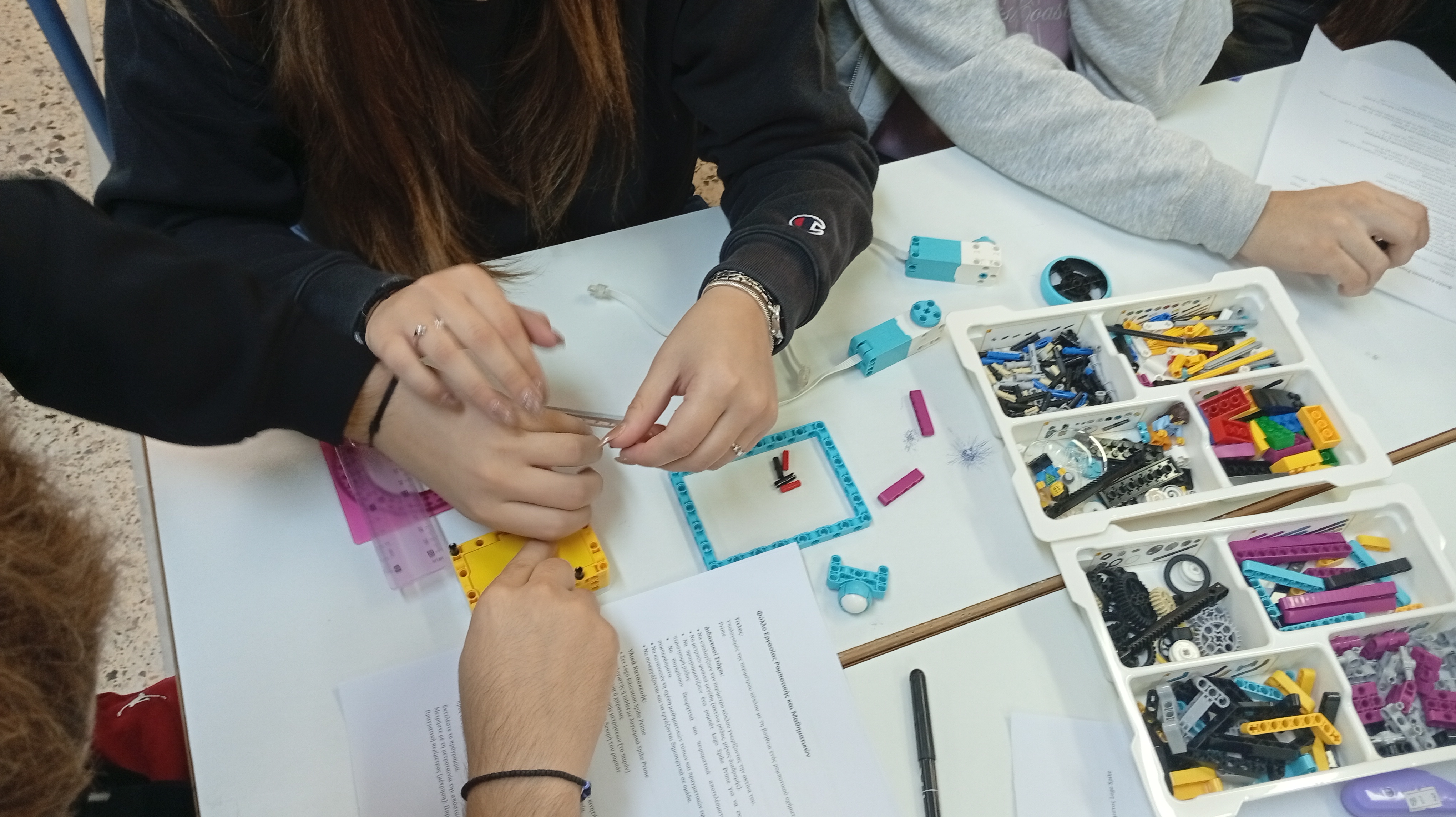
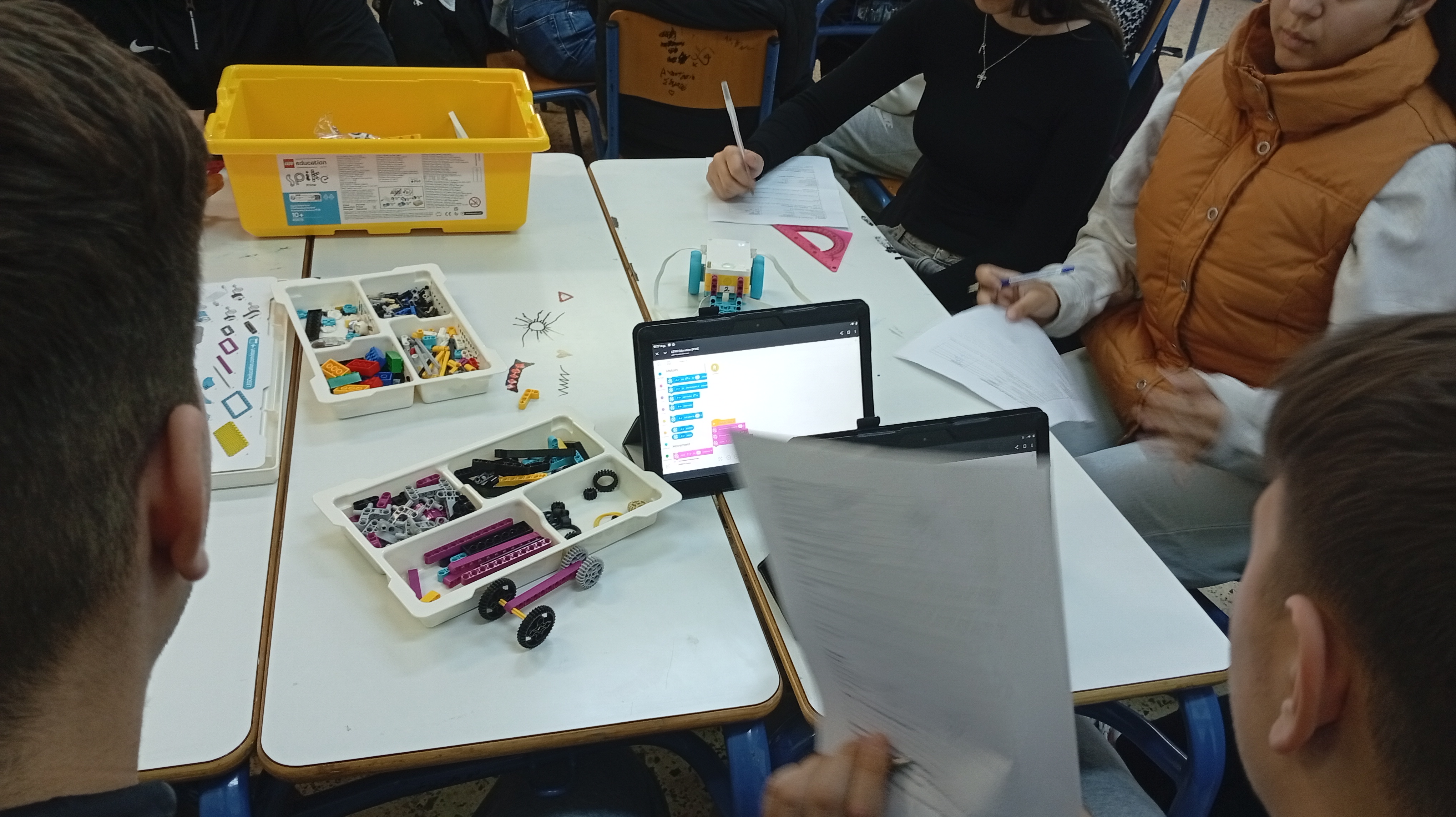
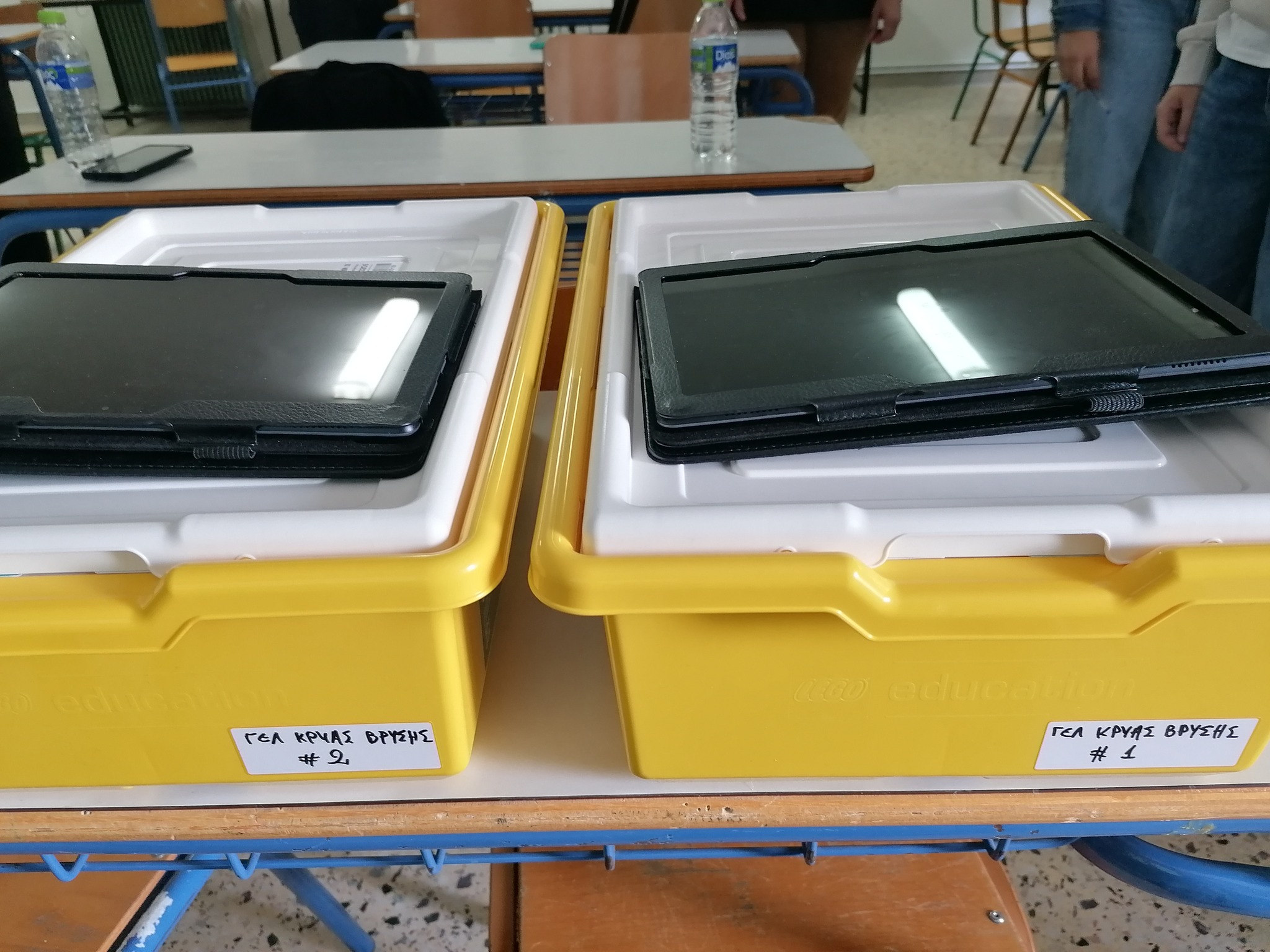
Organisation: High School of Krya Vrysi
Location: Pella, Greece
Participants: 164 | Educators: 19 | Activities: 1
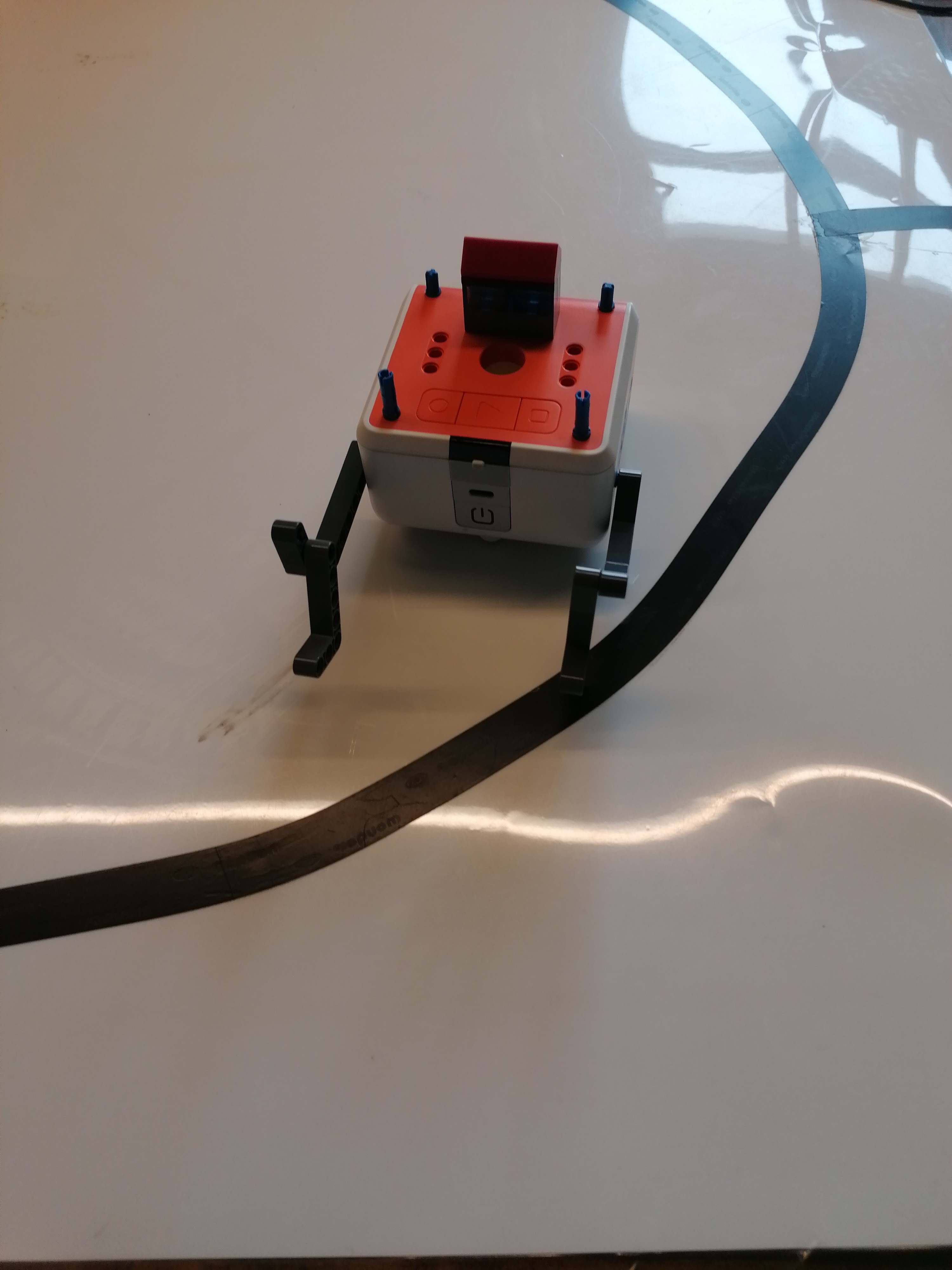
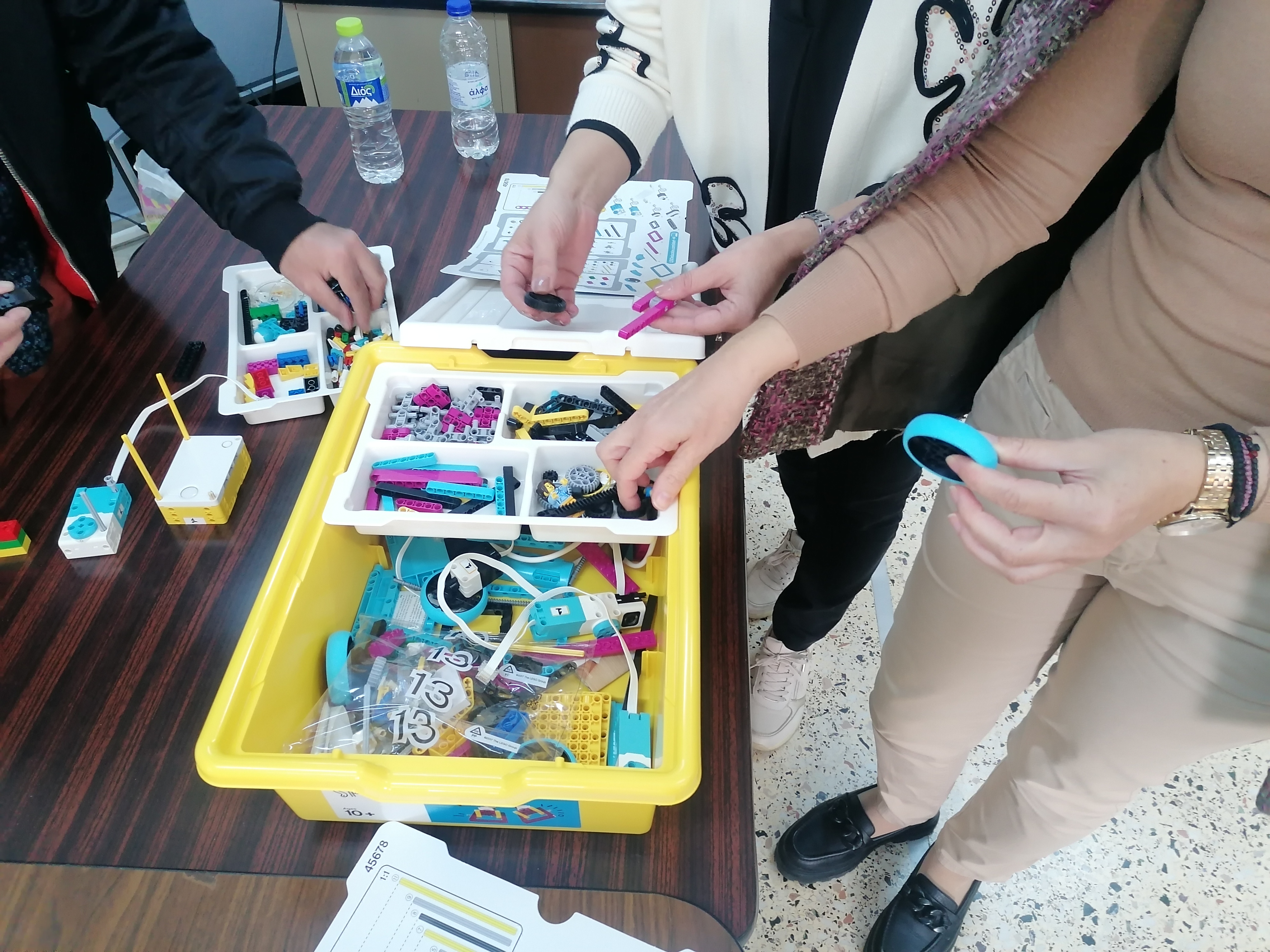
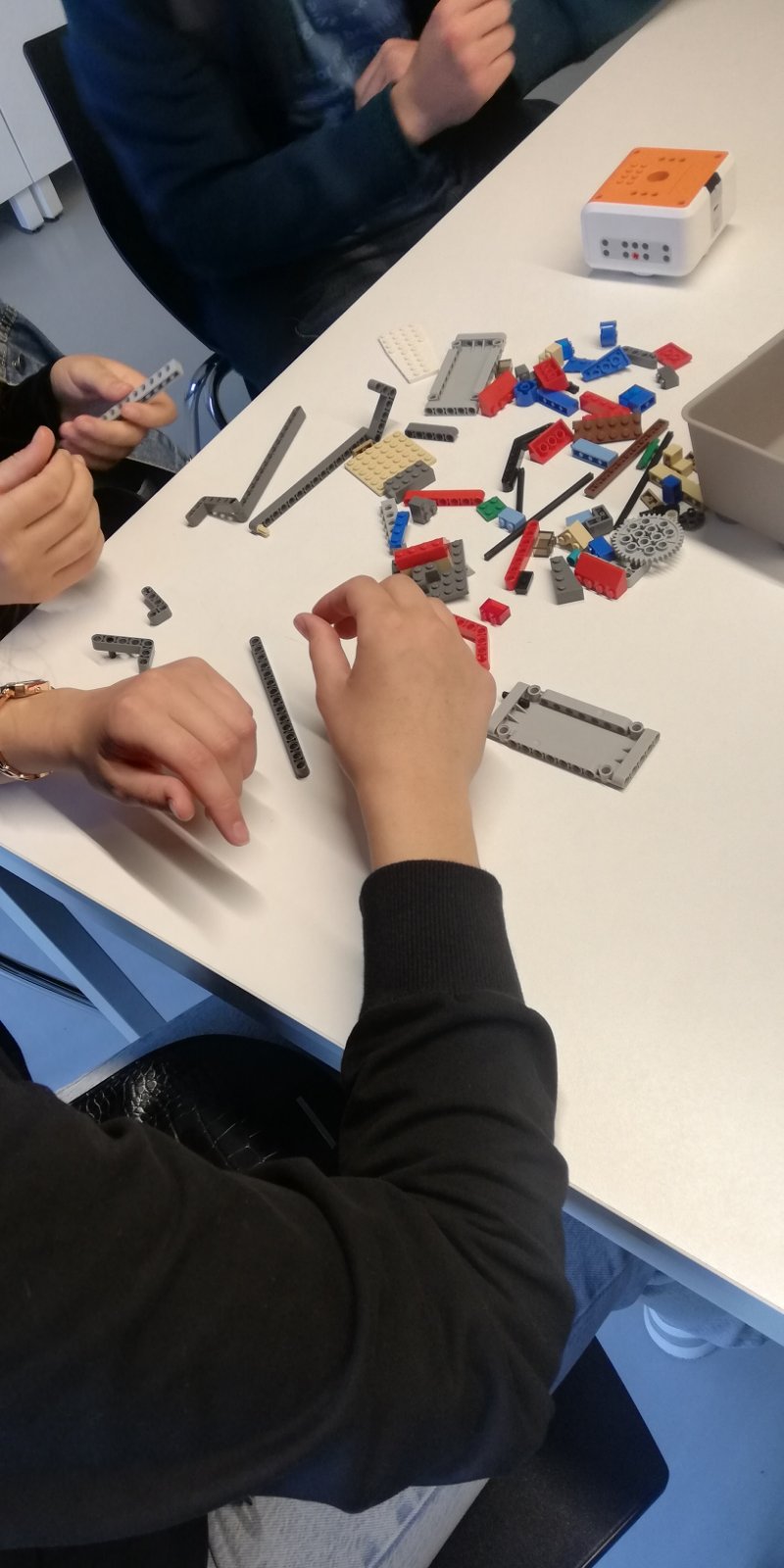
A school-wide initiative integrating robotics and digital skills through workshops, school events, and teacher training. The project engaged students, parents, and educators, strengthening the overall learning ecosystem.
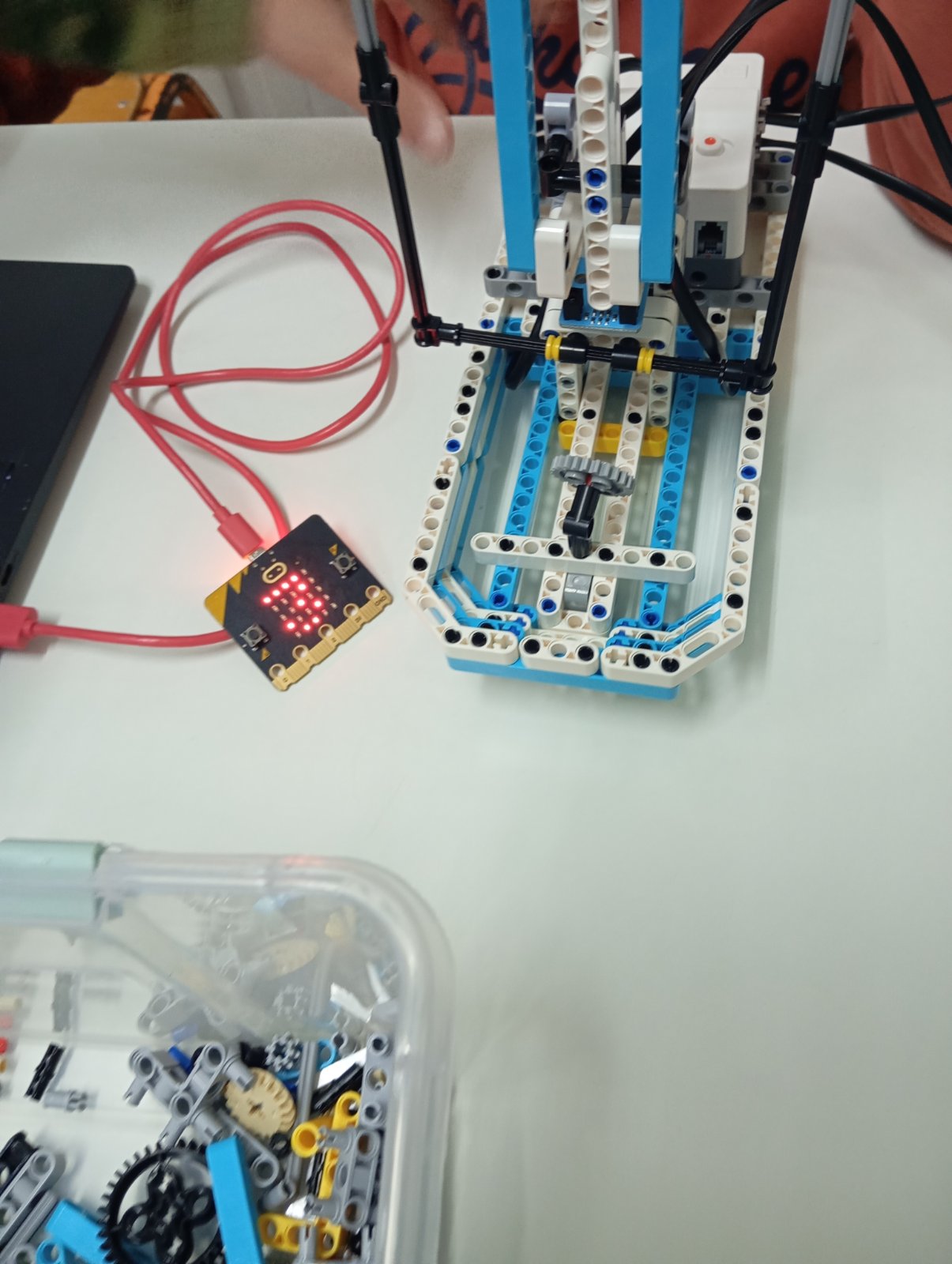
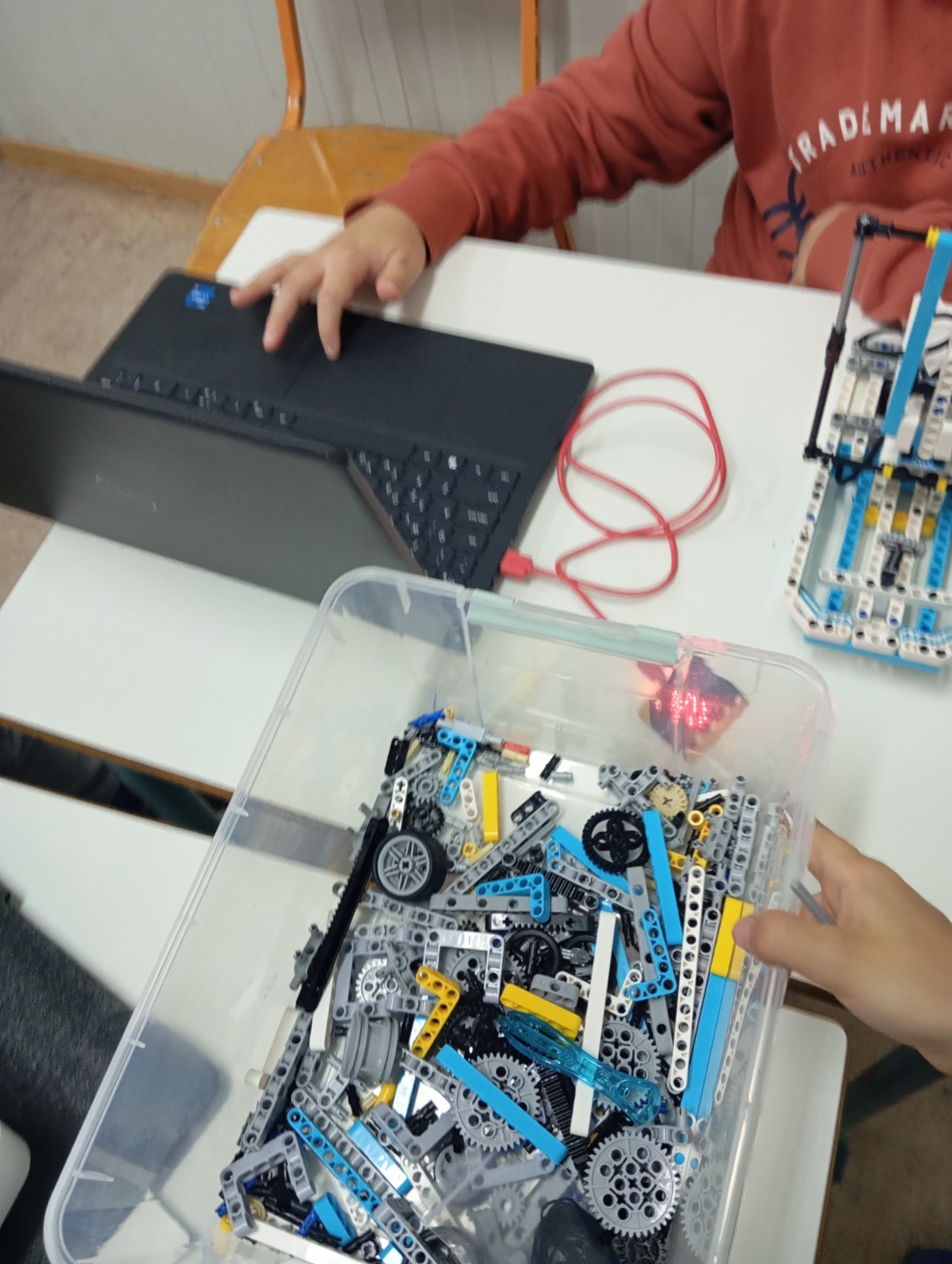
Little Programmers, Big Ideas: 2nd Interschool Robotics and Code Festival of Aigialeia
Organisation: Eliki Primary School
Location: Achaia, Greece
Participants: 90 | Educators: 1 | Activities: 1
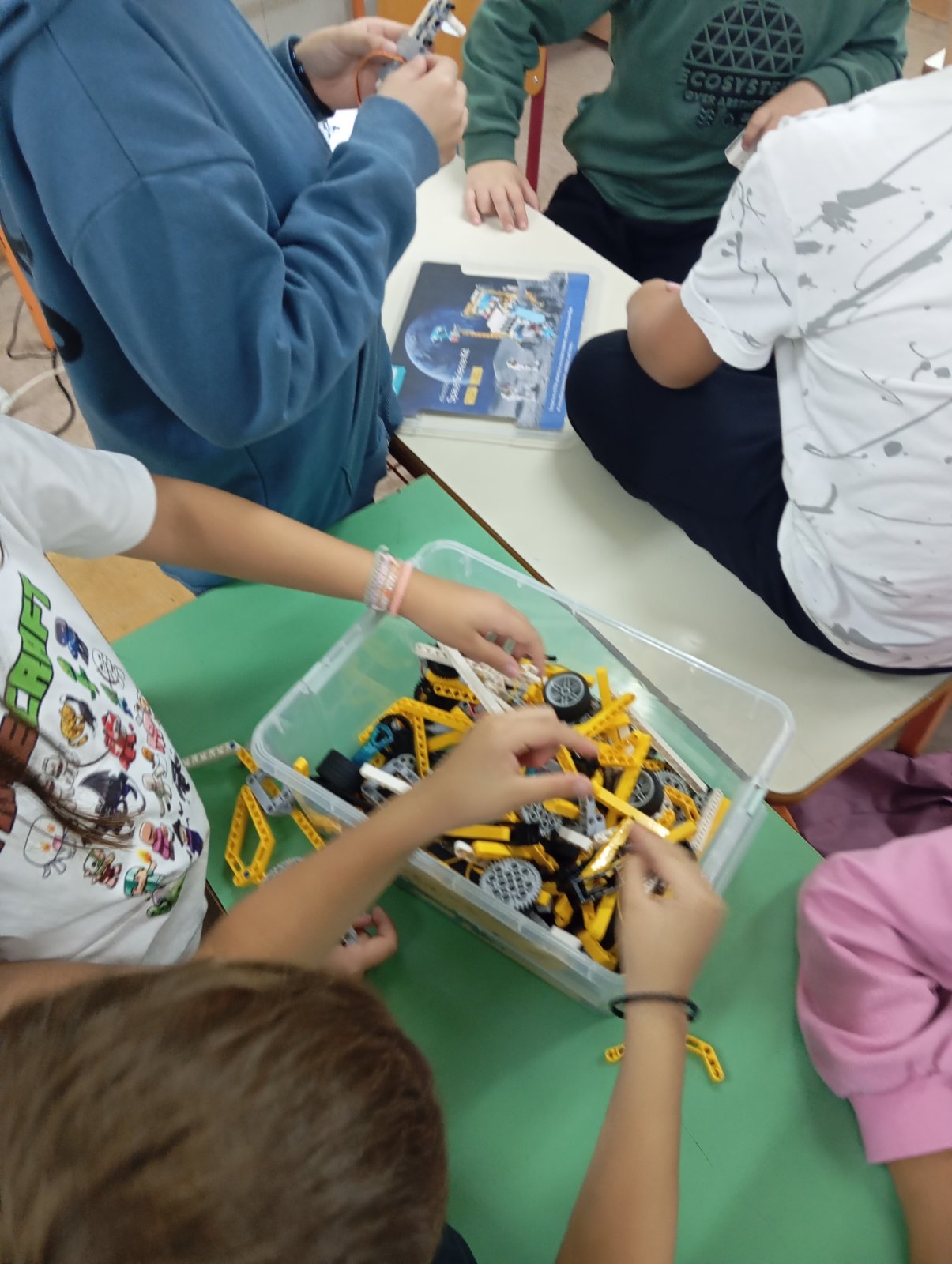
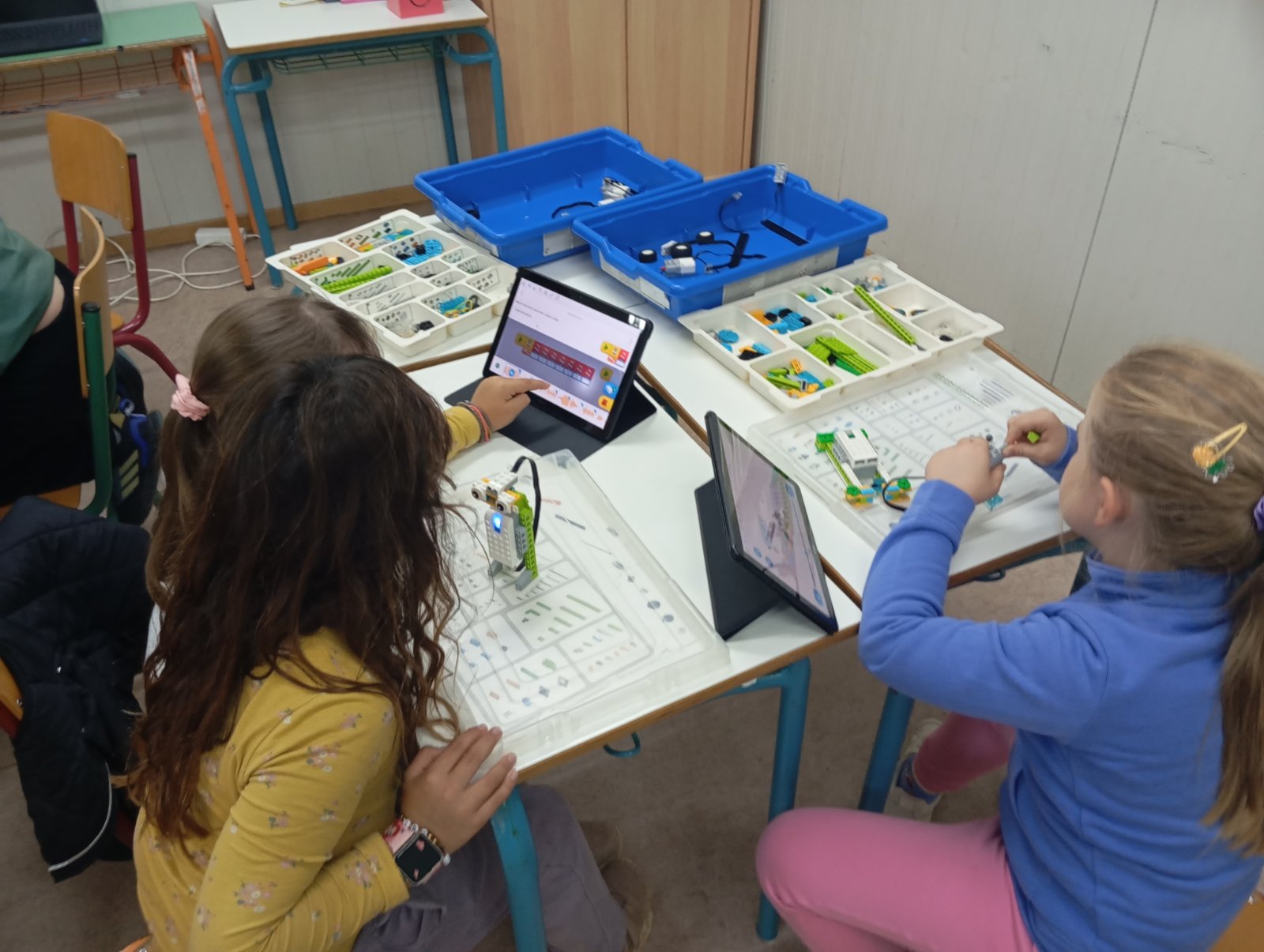
A project preparing students for a regional robotics and coding festival through workshops, coding projects, and collaborative challenges, promoting teamwork and presentation skills.
Small Programmers, Big Ideas: 2nd Interschool Robotics and Code Festival of Aigialeia
Organisation: Diakopto Primary School
Location: Diakopto, Greece
Participants: 150 | Educators: 1 | Activities: 1
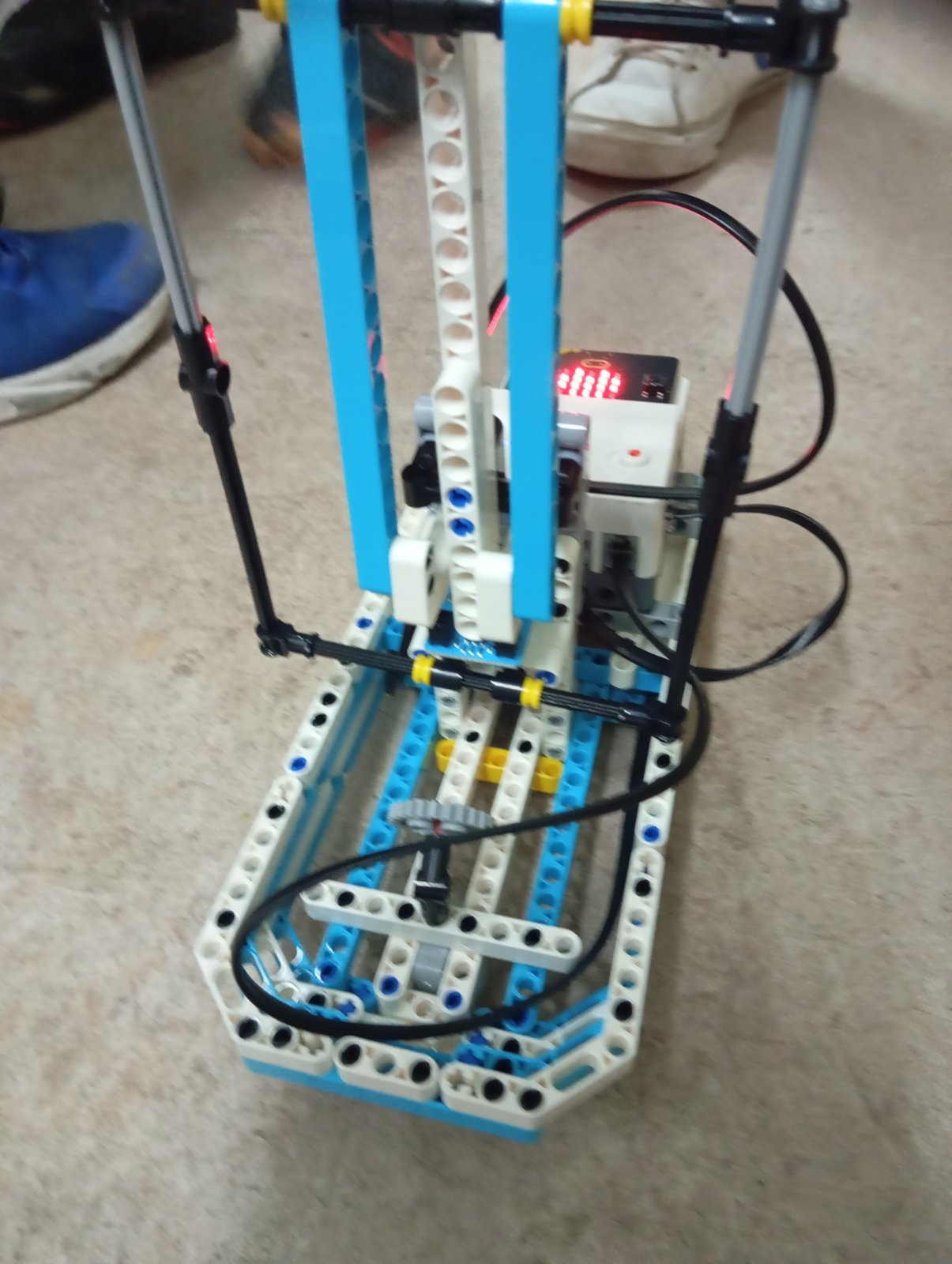
A parallel initiative supporting the same robotics festival, focusing on hands-on programming, robotics challenges, and community engagement through student-led projects and presentations.
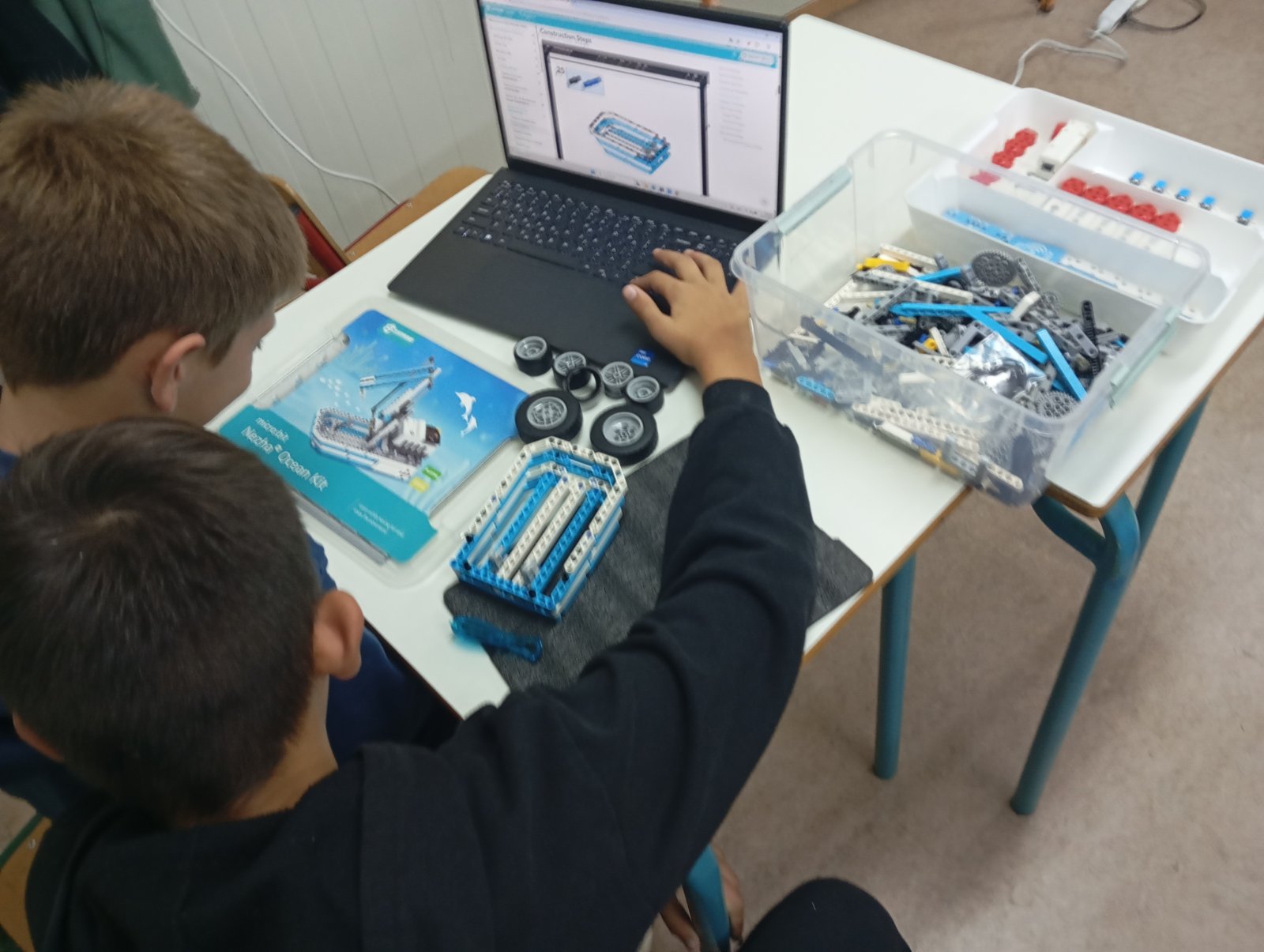
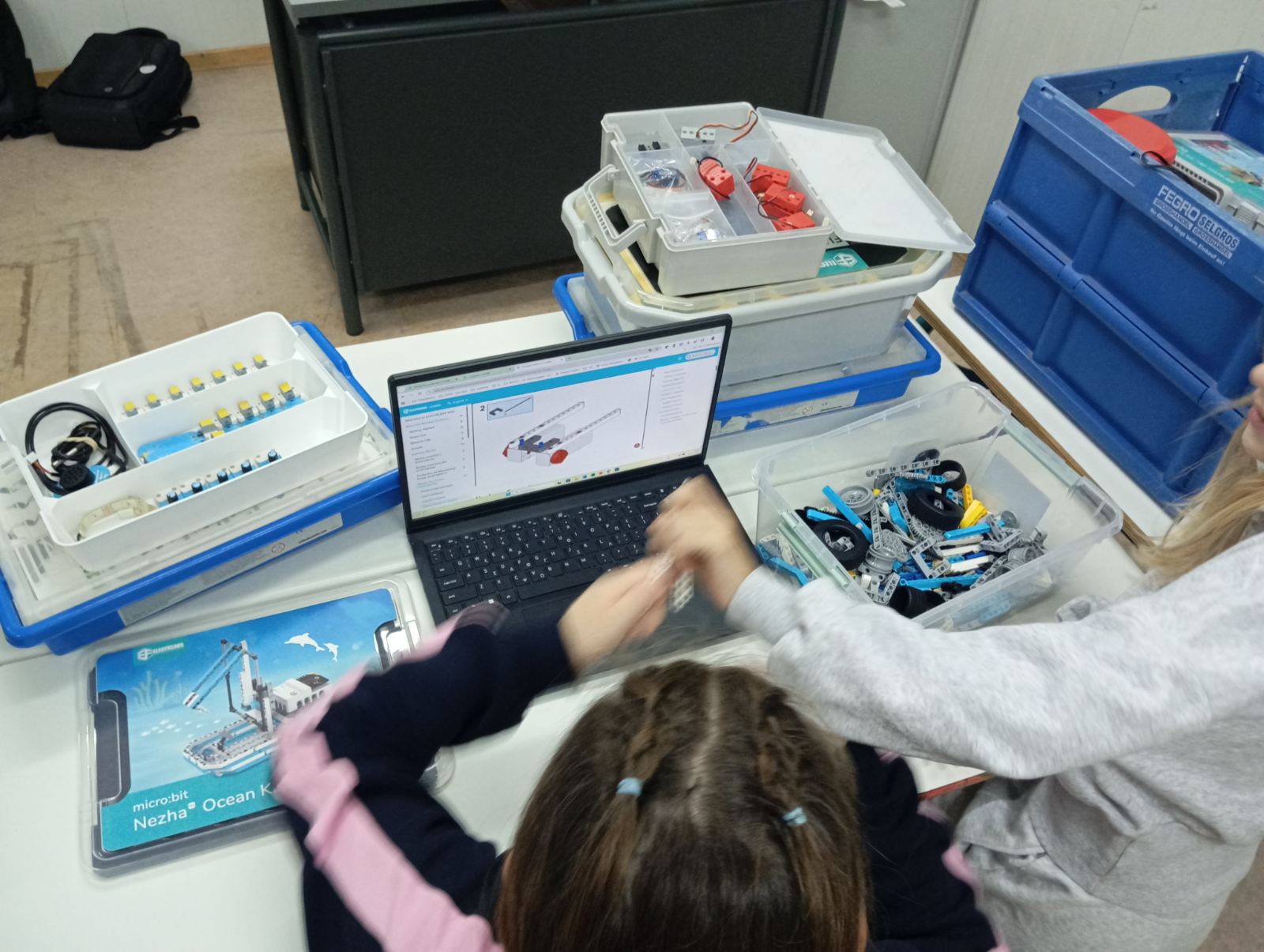
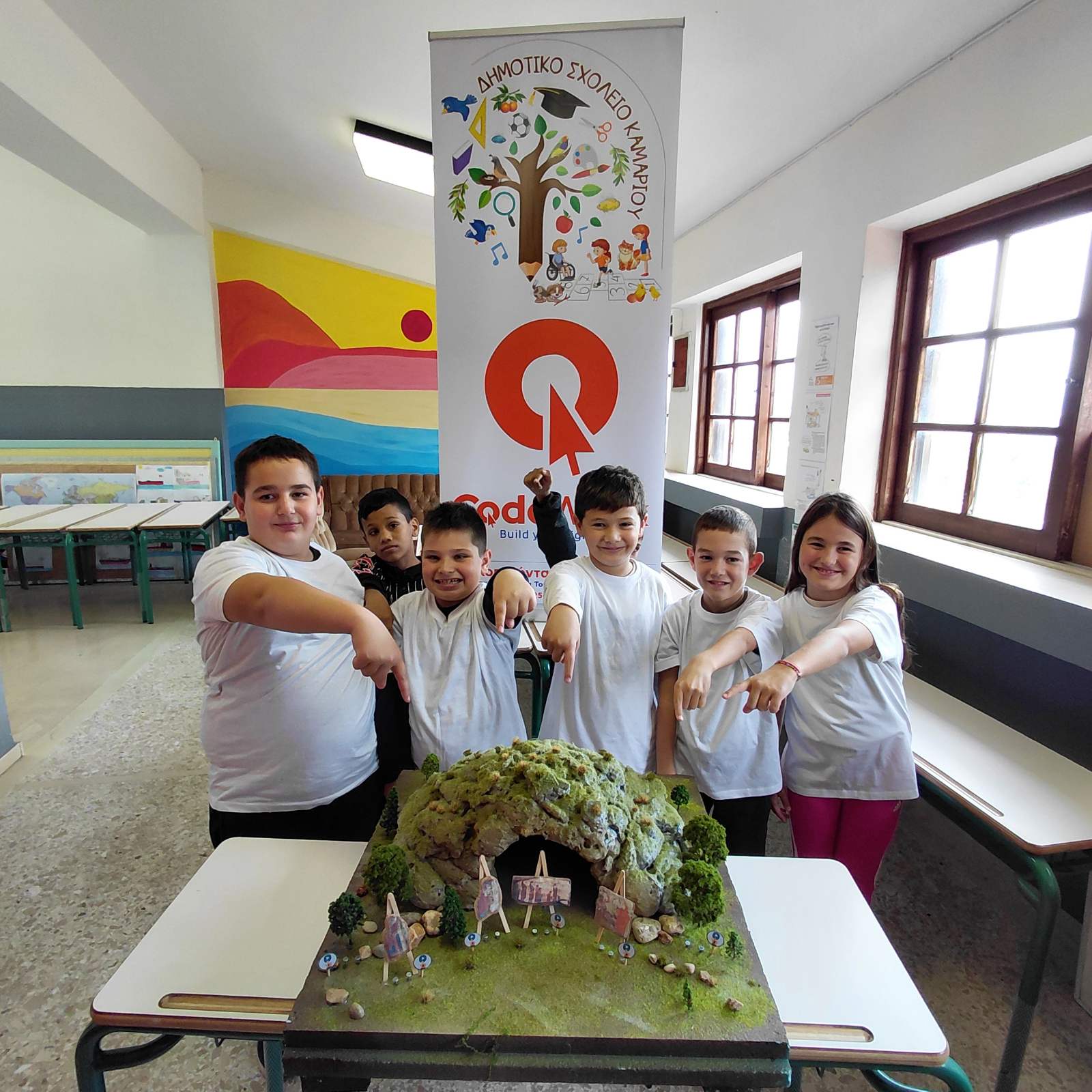
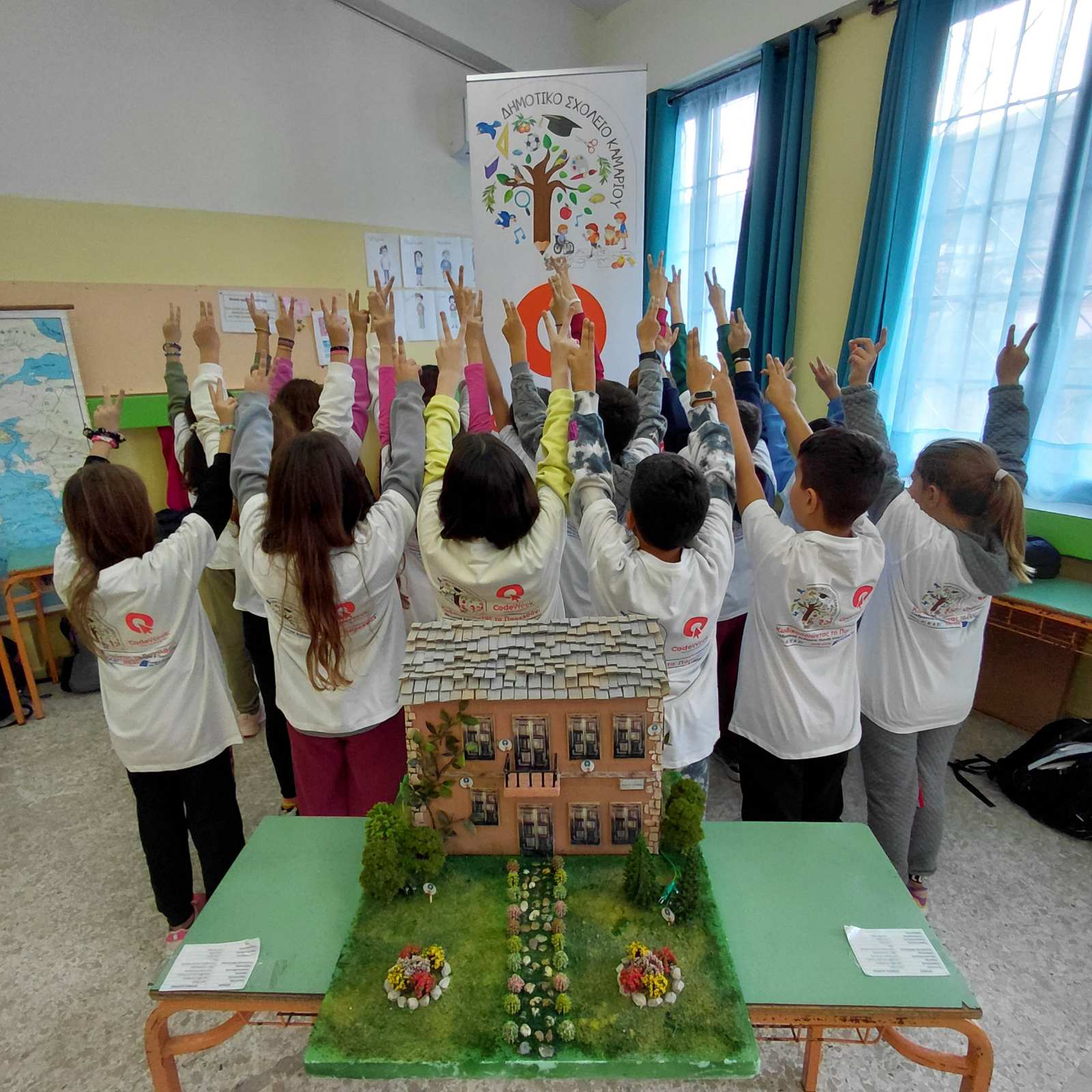
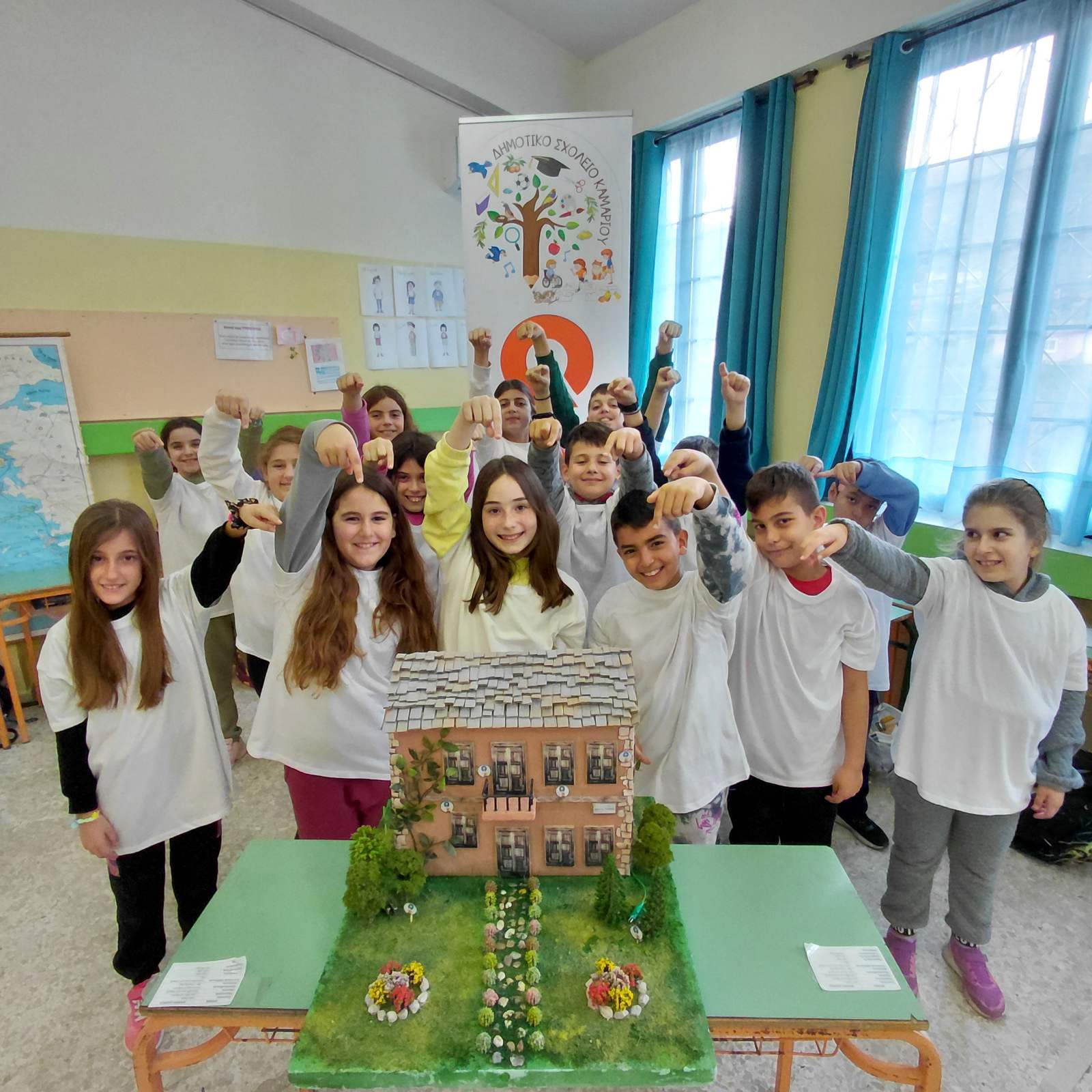
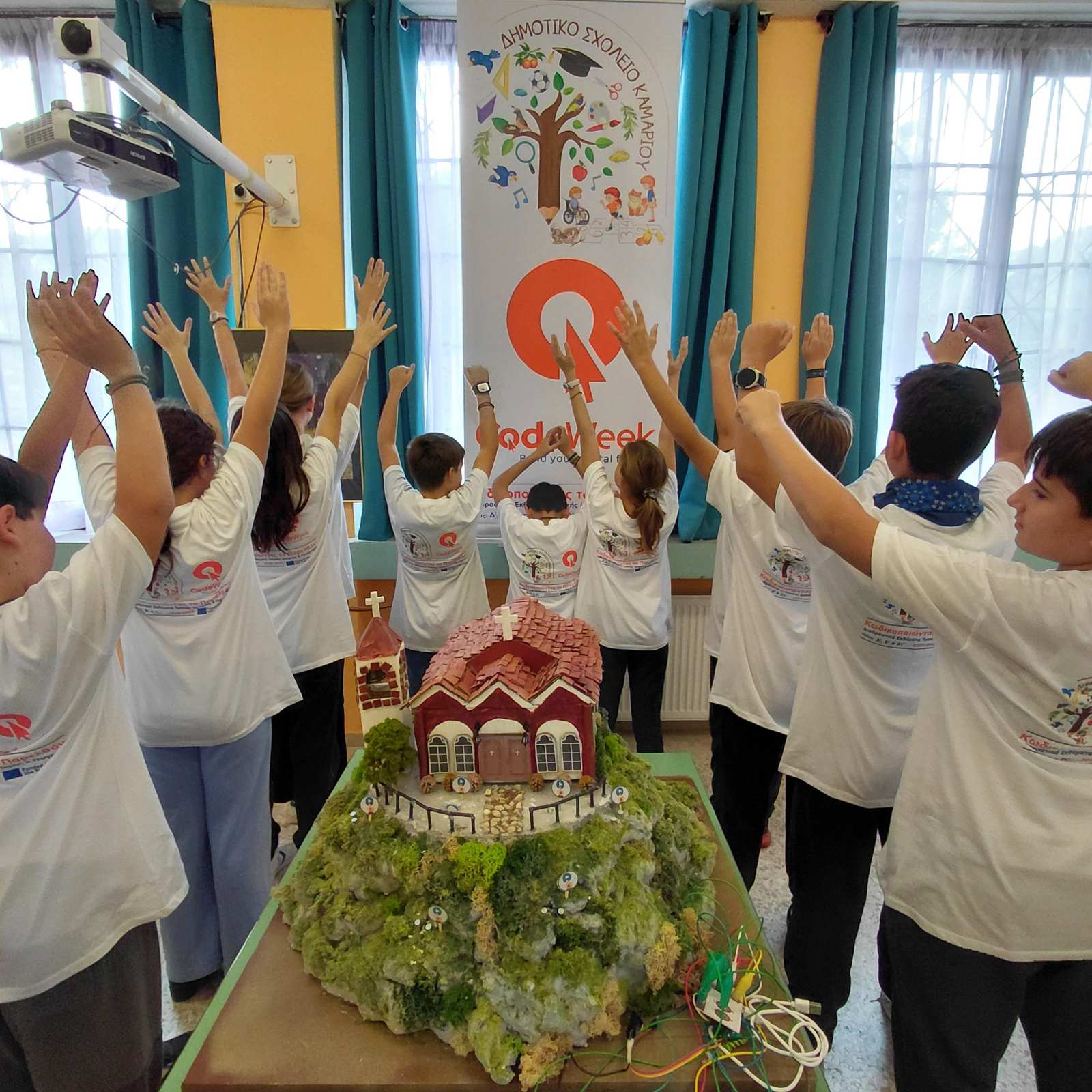
Coding the Past: Interactive Exhibits of Local History and Geography
Organisation: Kamari Primary School
Location: Korinthia, Greece
Participants: 44 | Educators: 7 | Activities: 1
Students created interactive “digital museum” exhibits using Makey Makey and Scratch, combining programming with local history and storytelling. The project also introduced accessibility features and community exhibitions.
Links:
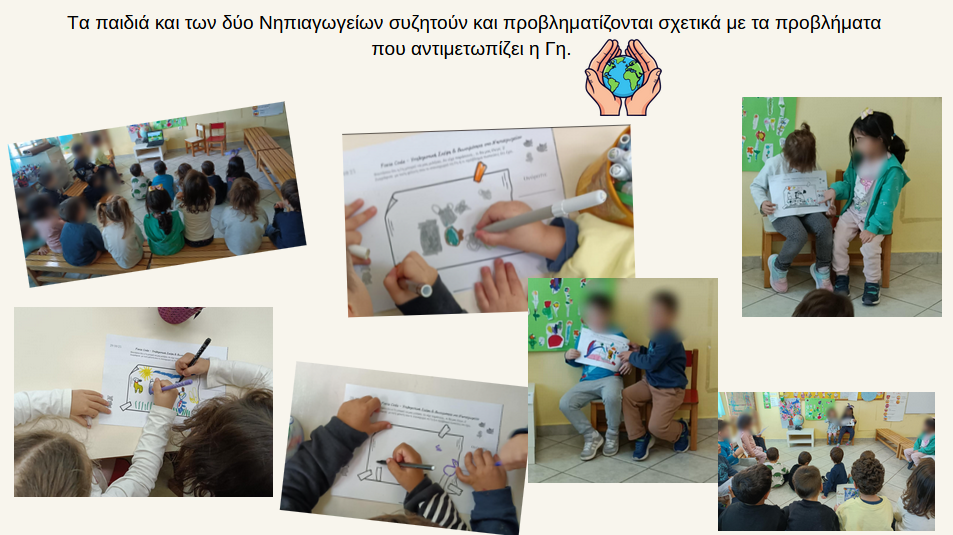
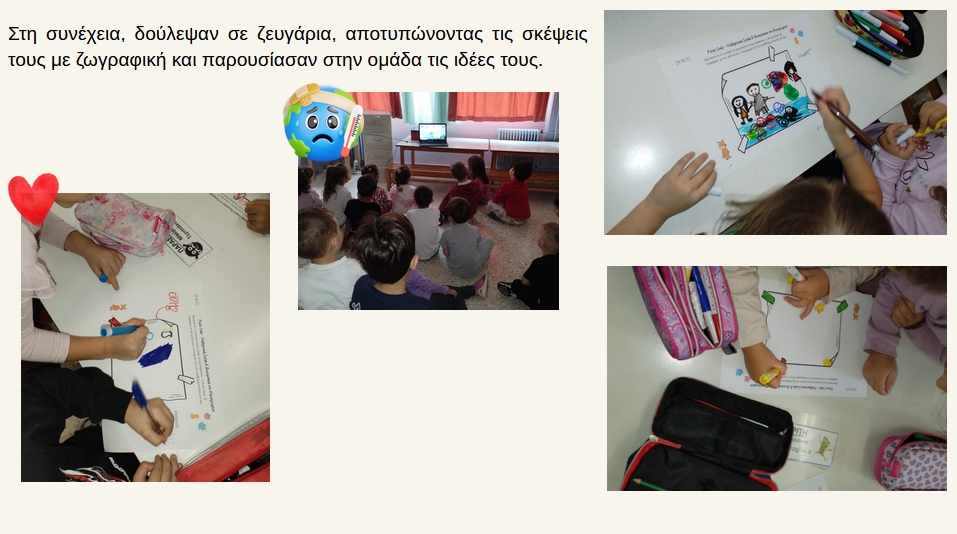
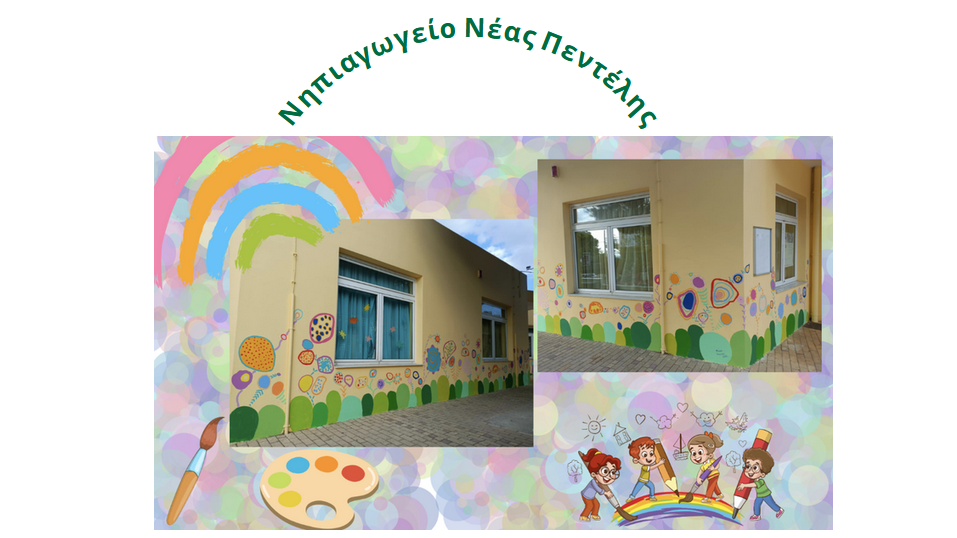
Foxie Code – Computational Thinking & Sustainability in Kindergarten
Organisation: Nea Penteli & Alimos Kindergartens
Location: Greece
Participants: 43 | Educators: 2 | Activities: 2
A collaborative early education project introducing programming and sustainability through storytelling, unplugged coding, and creative digital tools. It emphasized environmental awareness and cooperation between schools.
Links:
Bulgaria – JA Bulgaria
Projects funded: 4
Participants reached: 572
Educators engaged: 22
Activities on Code Week platform: 13
Projects in Bulgaria focused on combining foundational coding skills with real-world applications, including hardware, web development, and robotics. A strong emphasis was placed on experiential learning, peer-to-peer education, and community engagement. Several initiatives also addressed gender inclusion and access for rural or underserved communities, contributing to both technical skill development and broader social impact.
Underserved focus: Yes – outreach to rural and remote communities, with efforts to increase girls’ participation.
Funded Projects
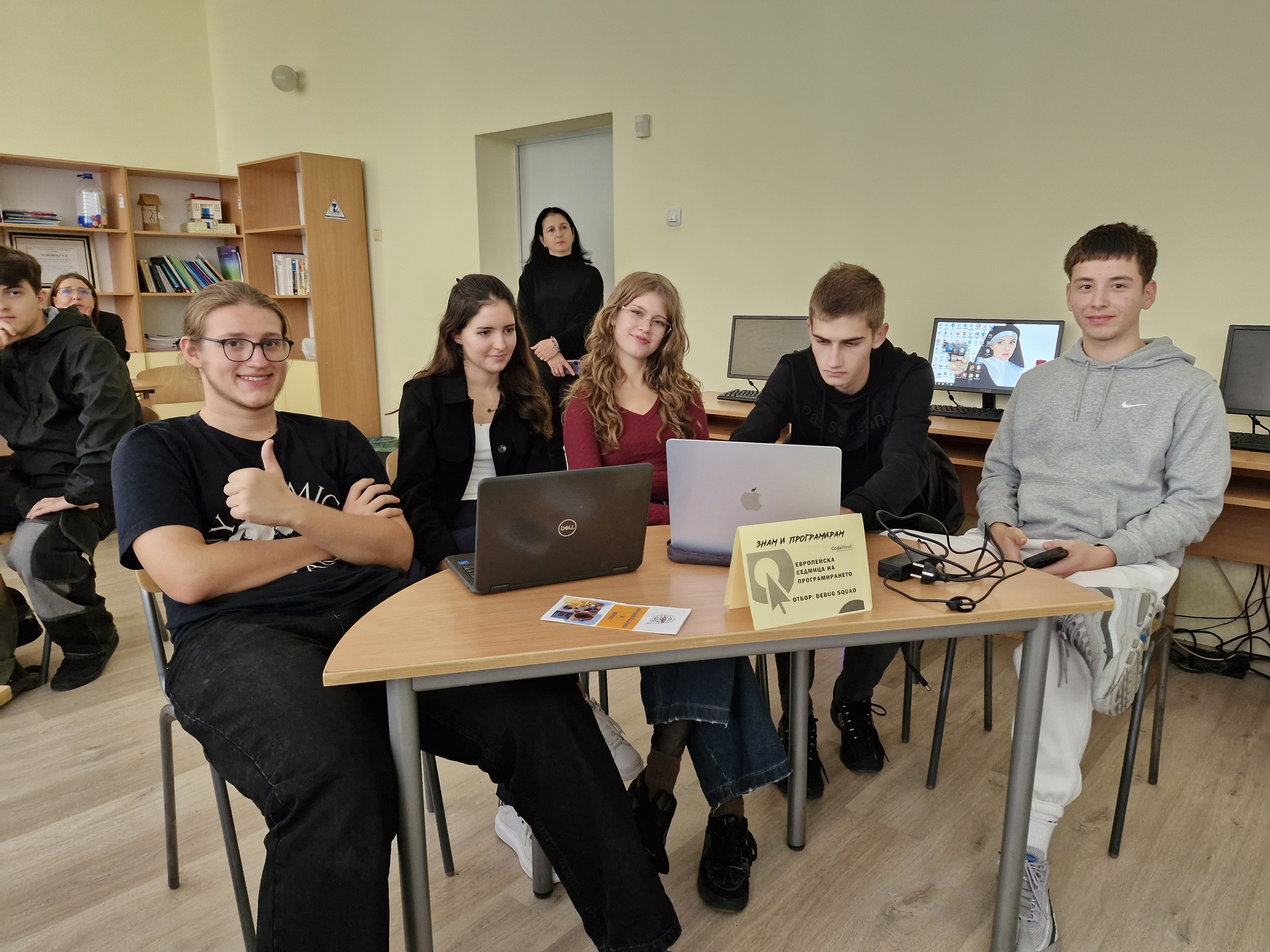
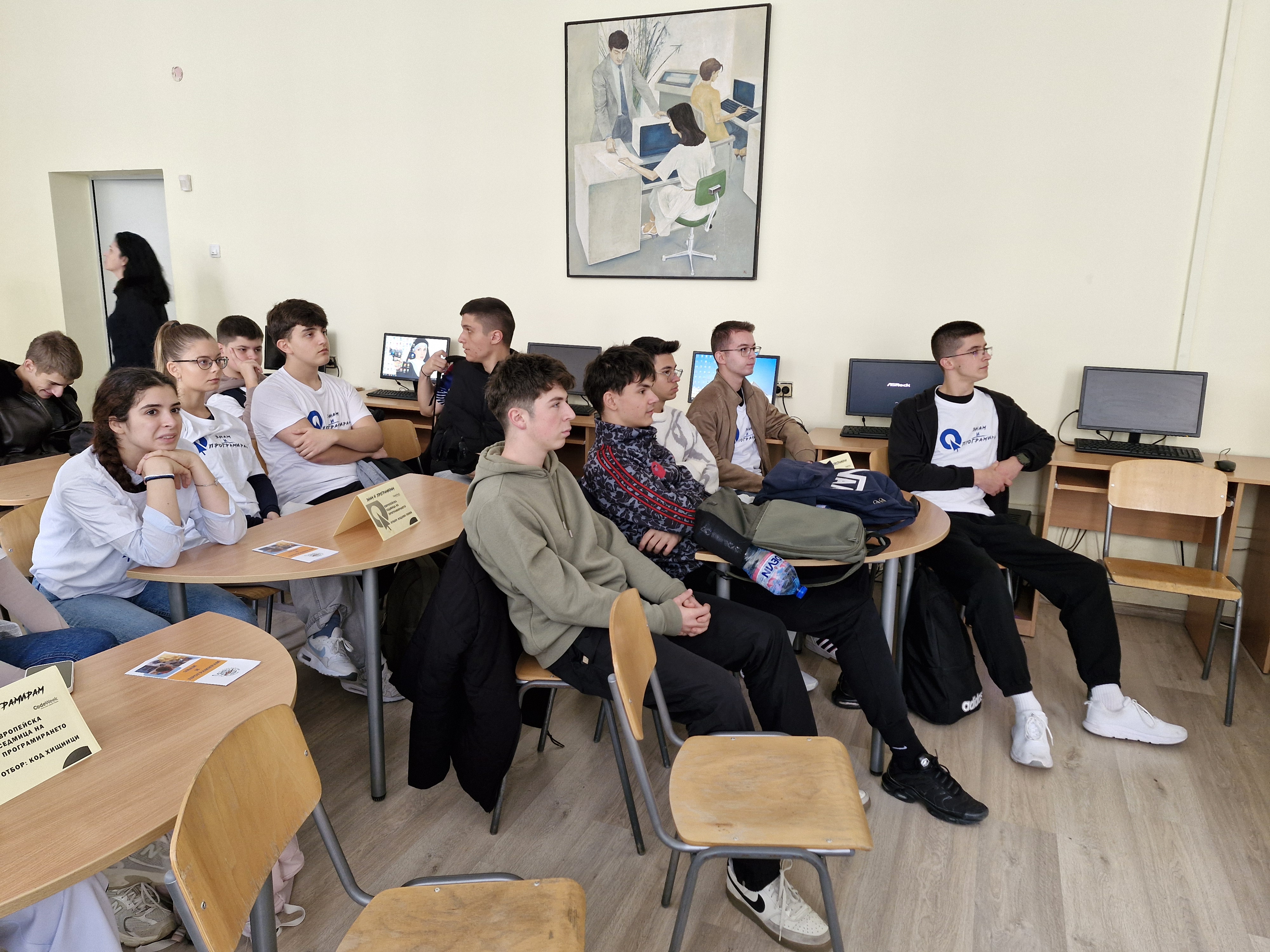
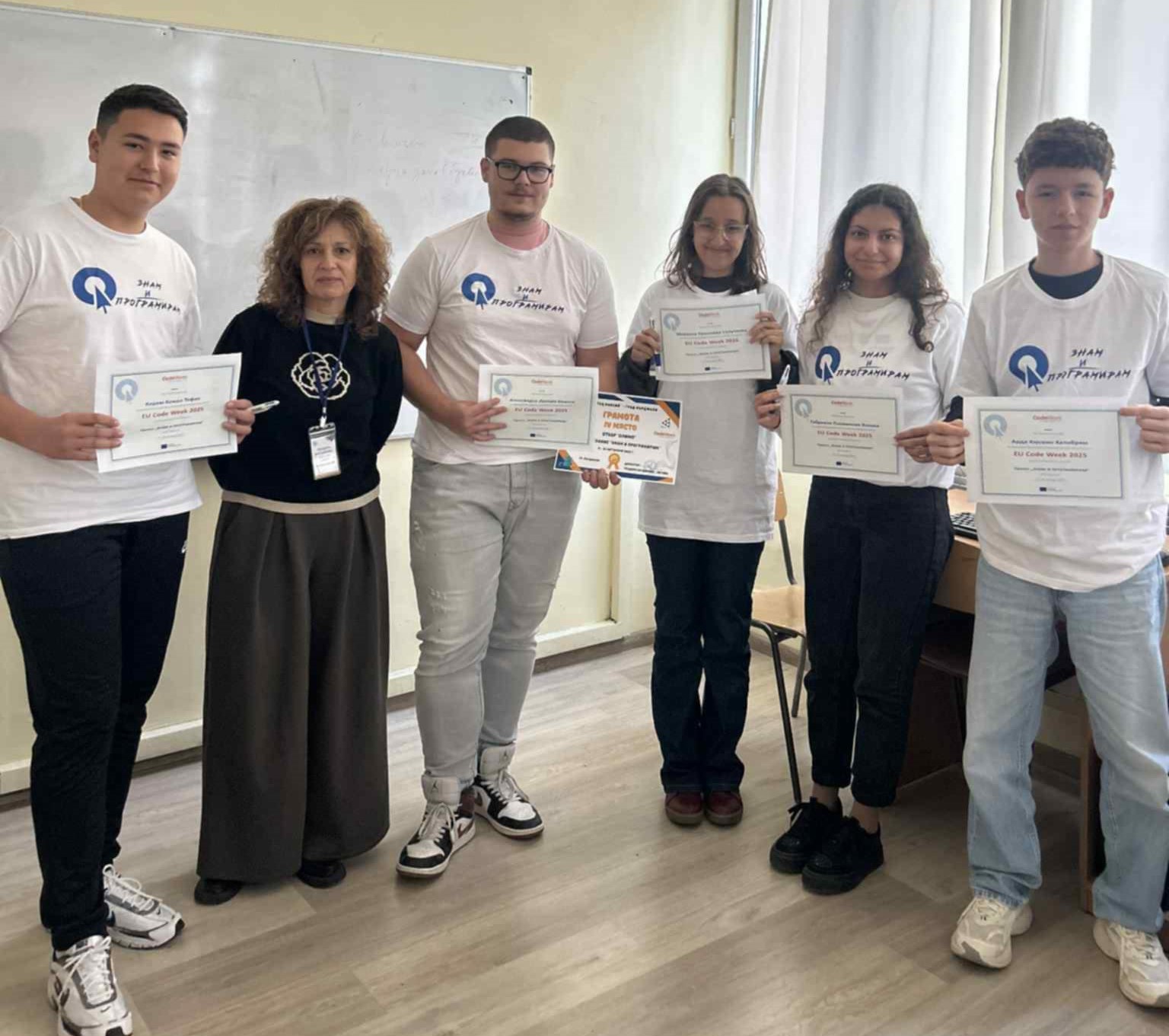
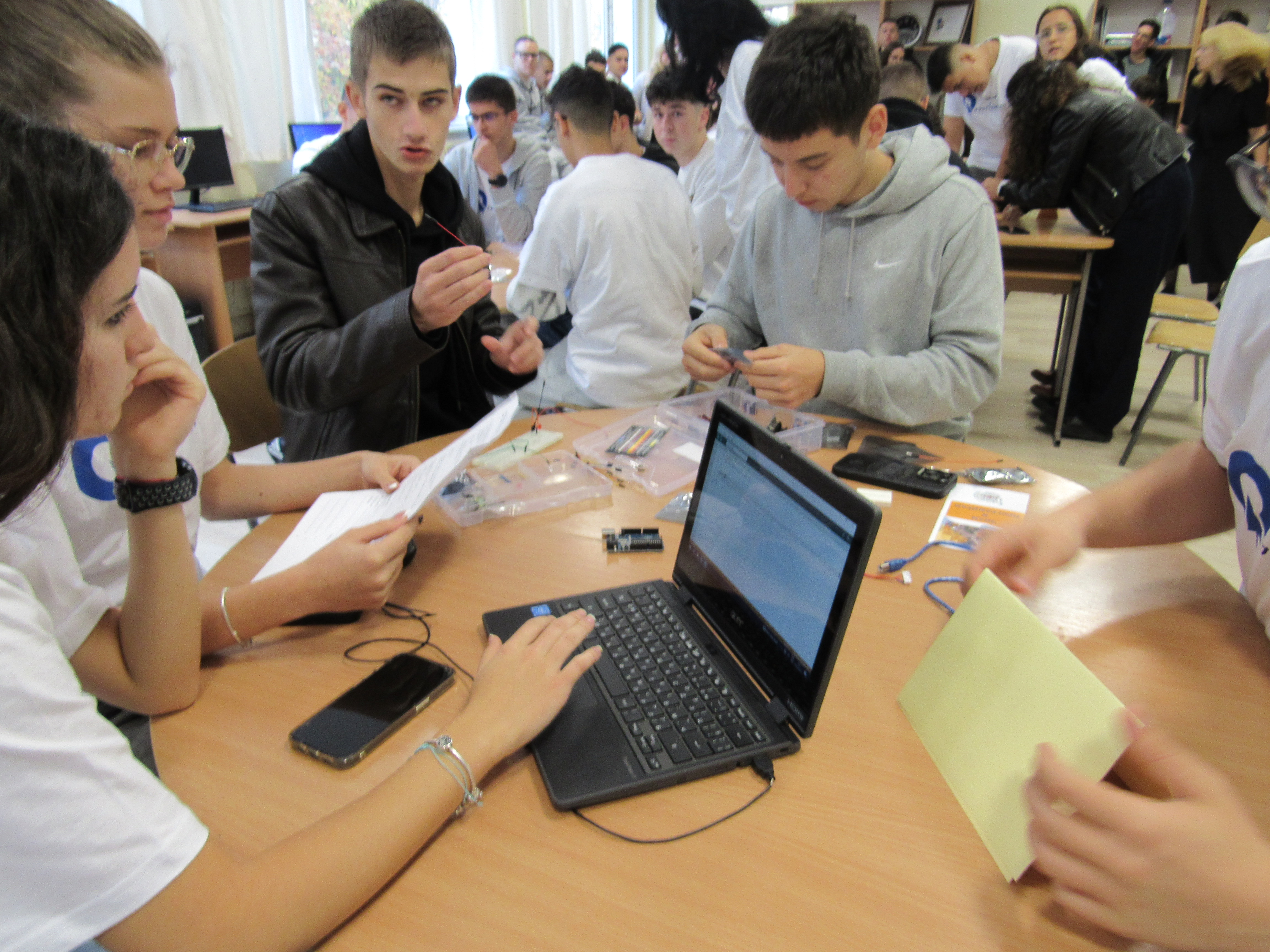
“I Know How to Program”
Organisation: SU Otez Paisii
Location: Kardzhali, Bulgaria
Participants: 125 | Educators: 3 | Activities: 5
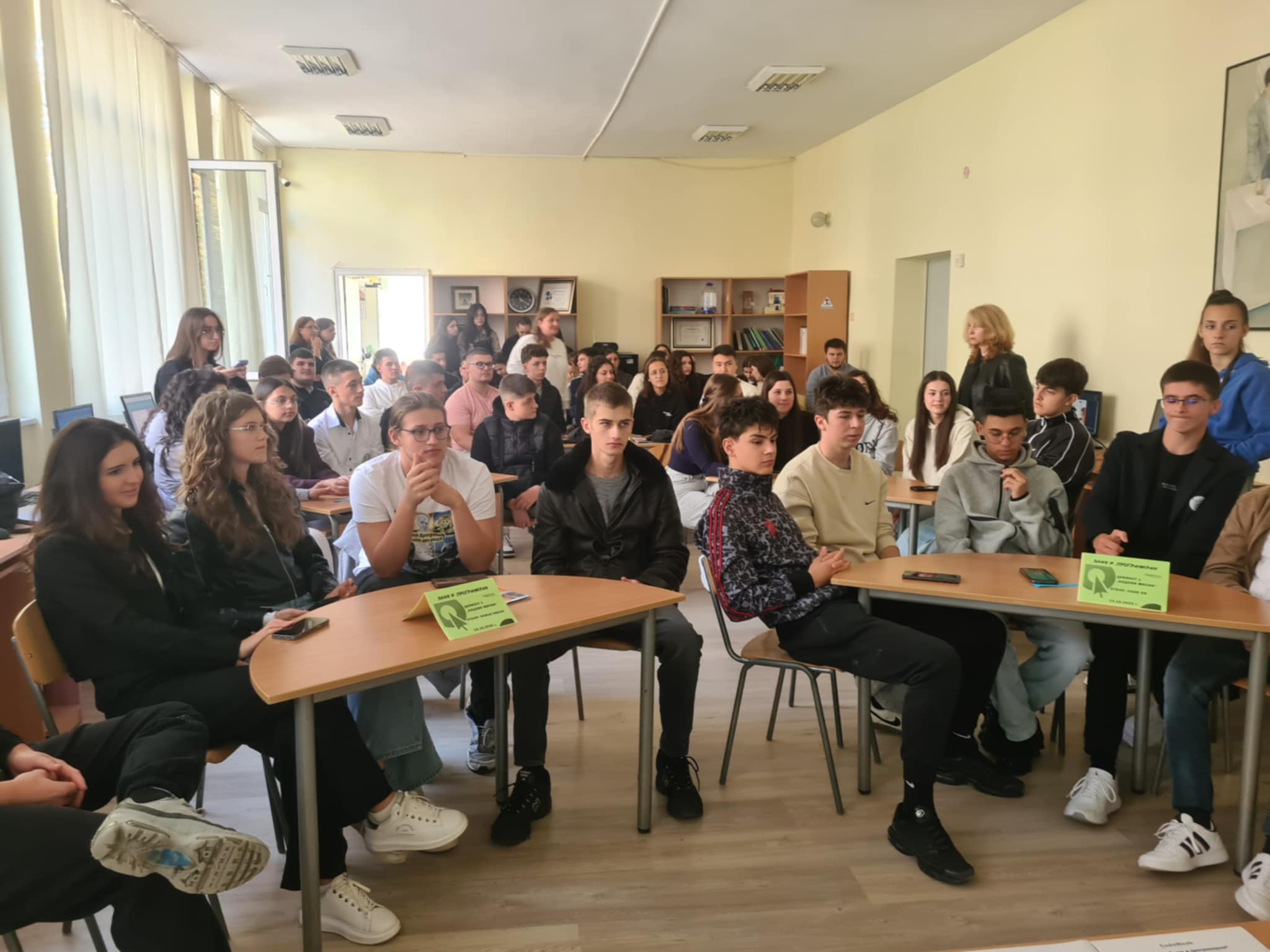
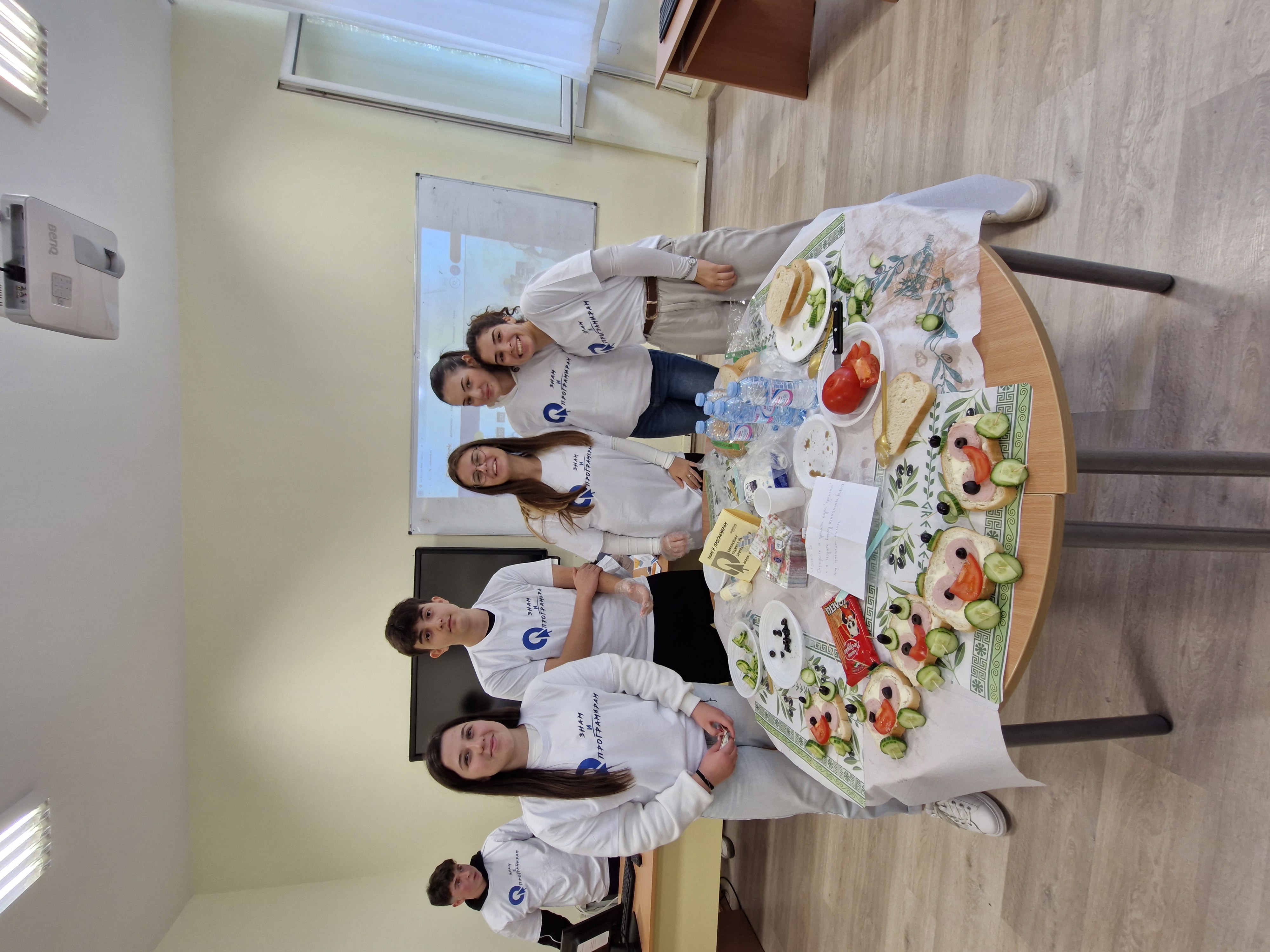
A structured programme guiding students from basic algorithmic thinking to practical applications such as Arduino-based smart home systems and web development projects addressing social issues. The project combined gamified learning, hands-on coding, and mentorship from a female IT professional to encourage broader participation in STEM.
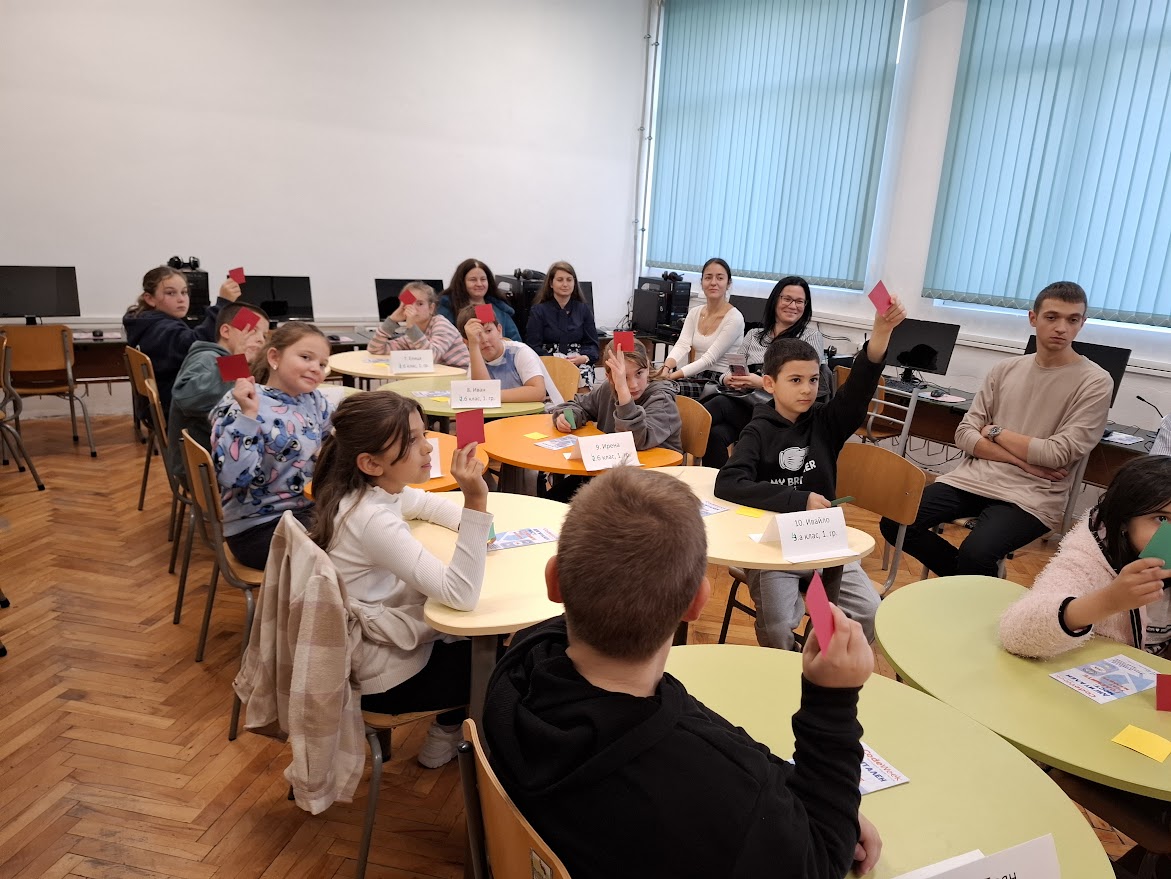
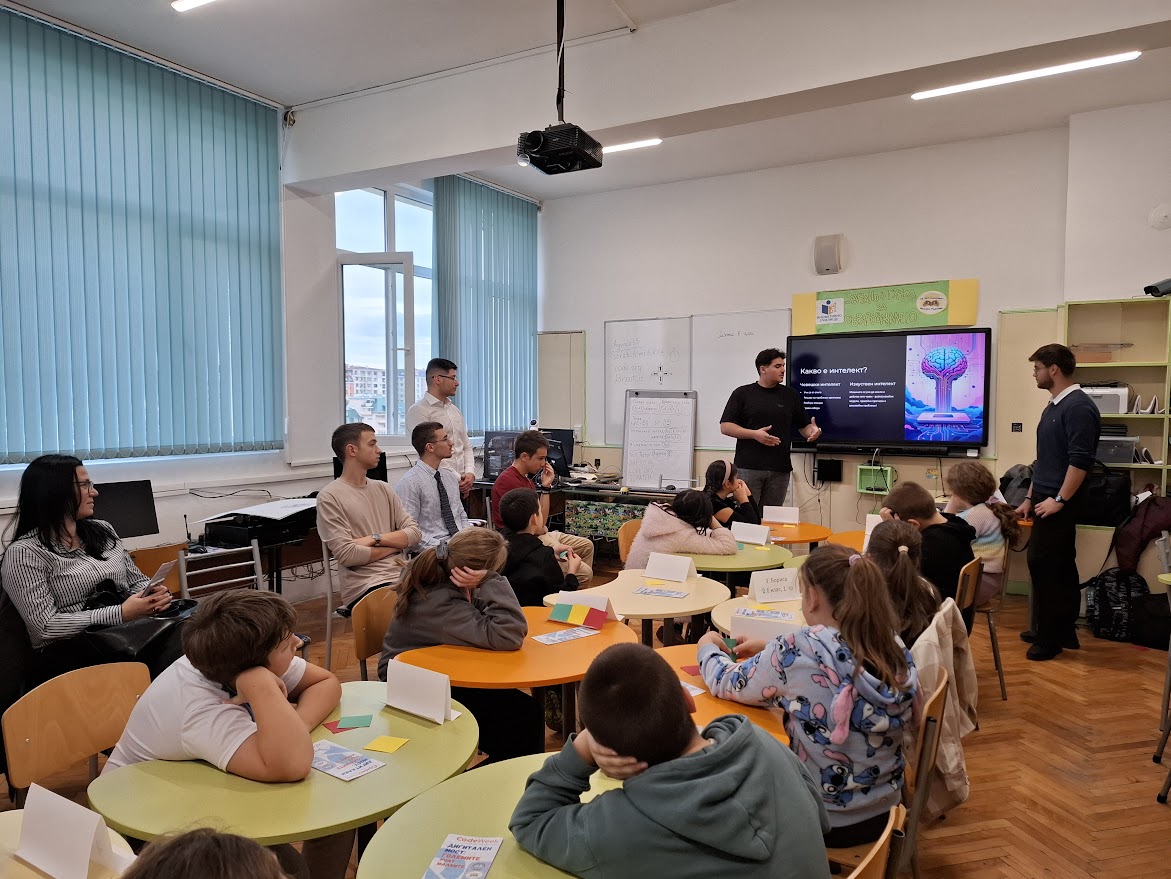
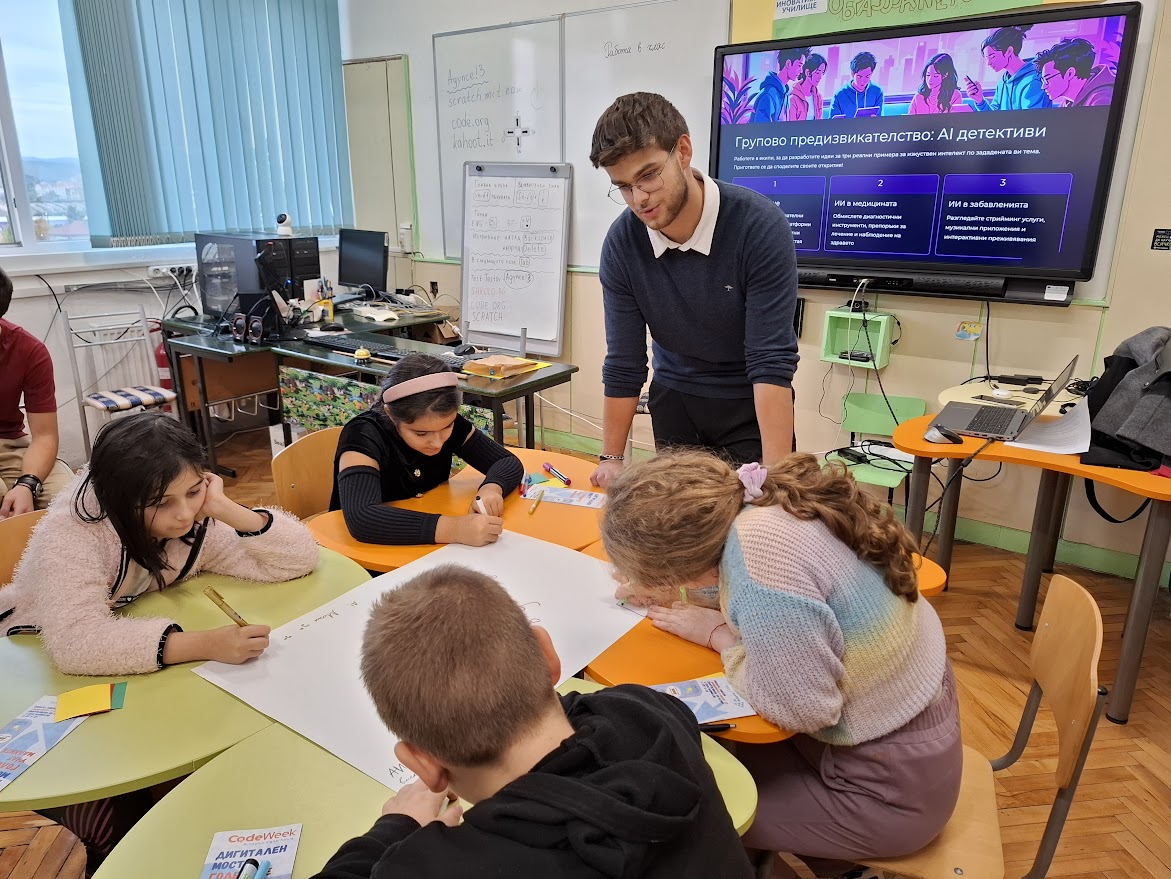
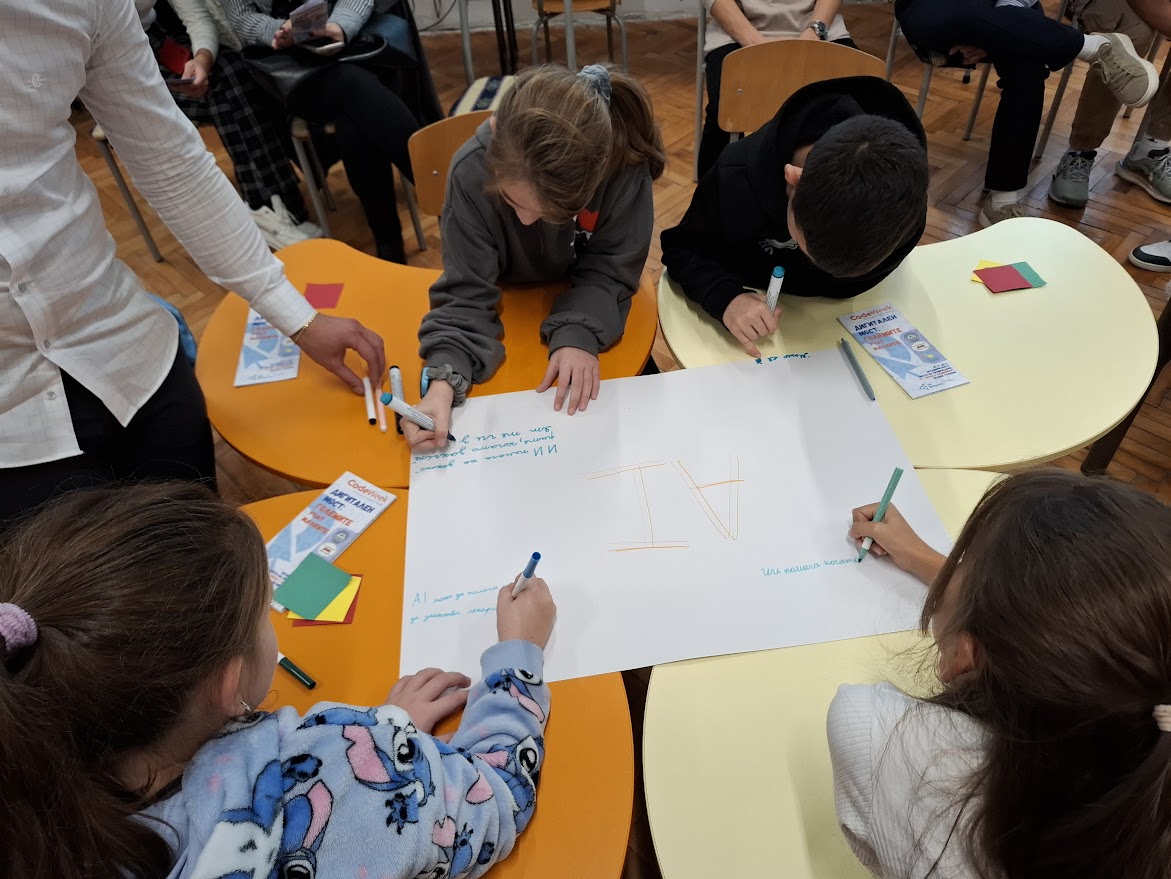
Digital Bridge: The Big Teach the Little
Organisation: FUSION PP Ltd.
Location: Veliko Tarnovo, Bulgaria
Participants: 19 | Educators: 3 | Activities: 1
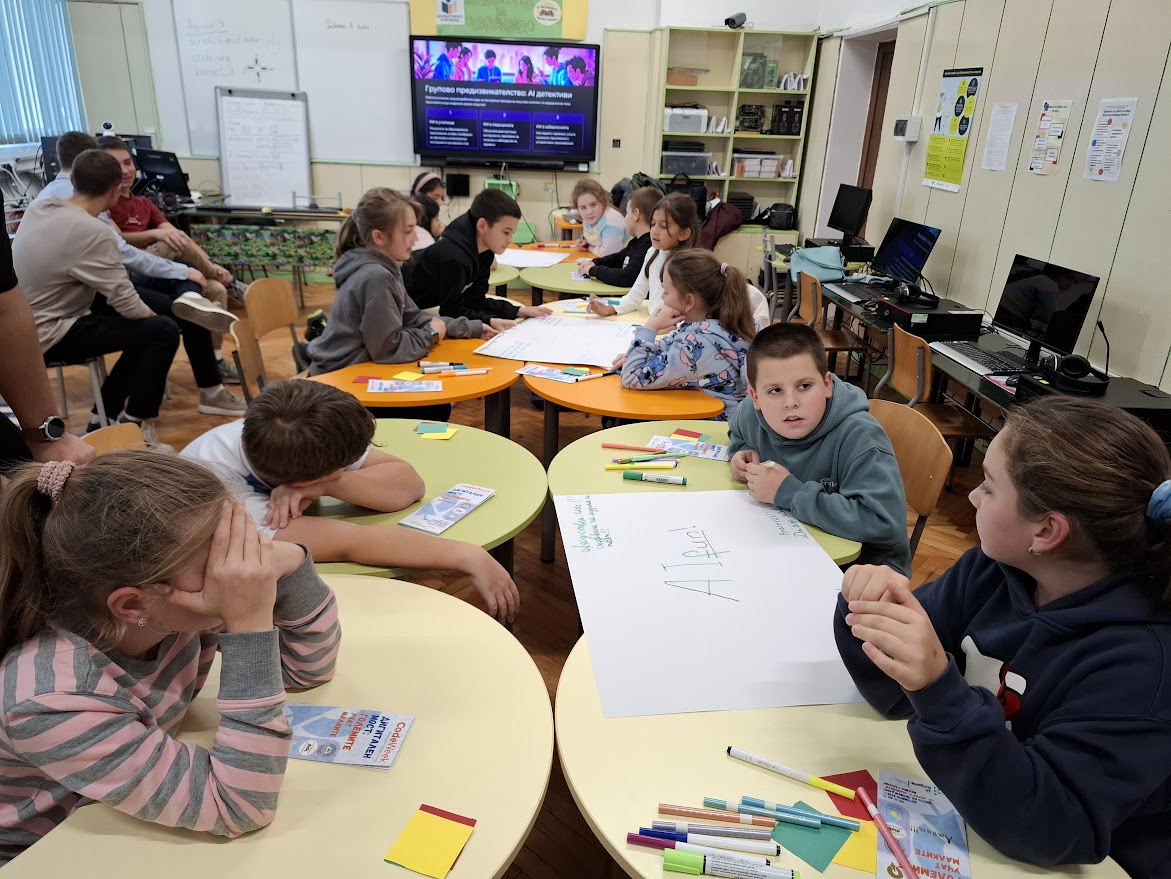
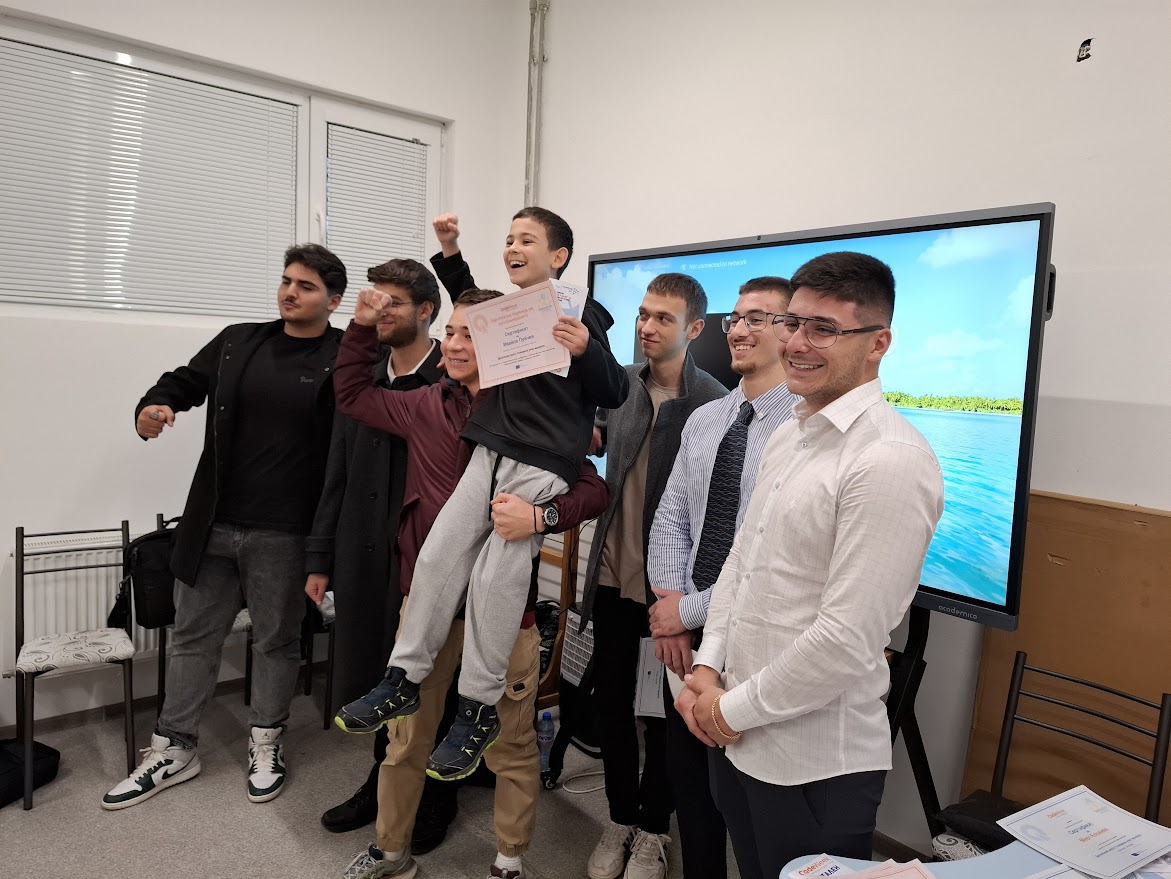
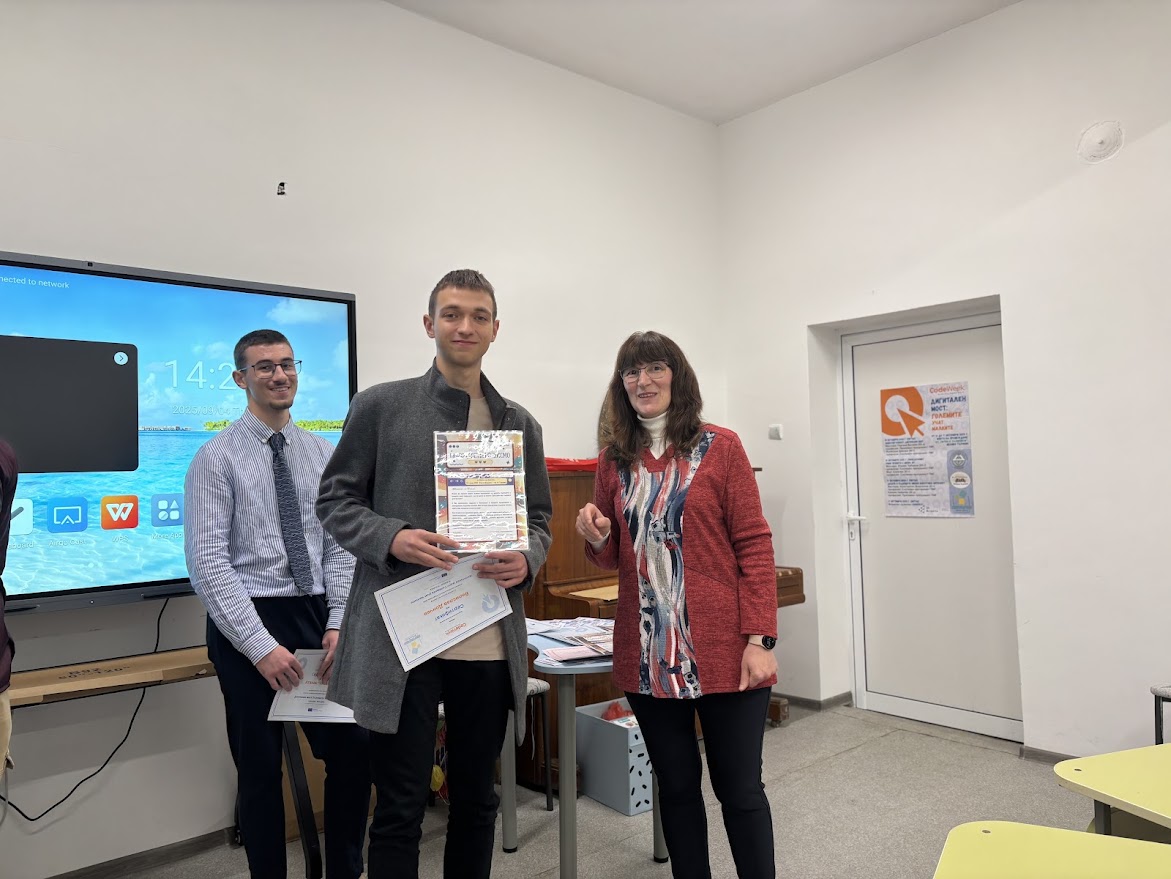
A peer-to-peer learning initiative where high school students mentored younger learners through workshops on cybersecurity, micro:bit programming, and AI. The project strengthened both digital skills and soft skills such as leadership, communication, and collaboration, while establishing a sustainable school partnership model.
Links:
Code_{6OU_KN}
Organisation: OU Sv. Paisii Hilendarski
Location: Kyustendil, Bulgaria
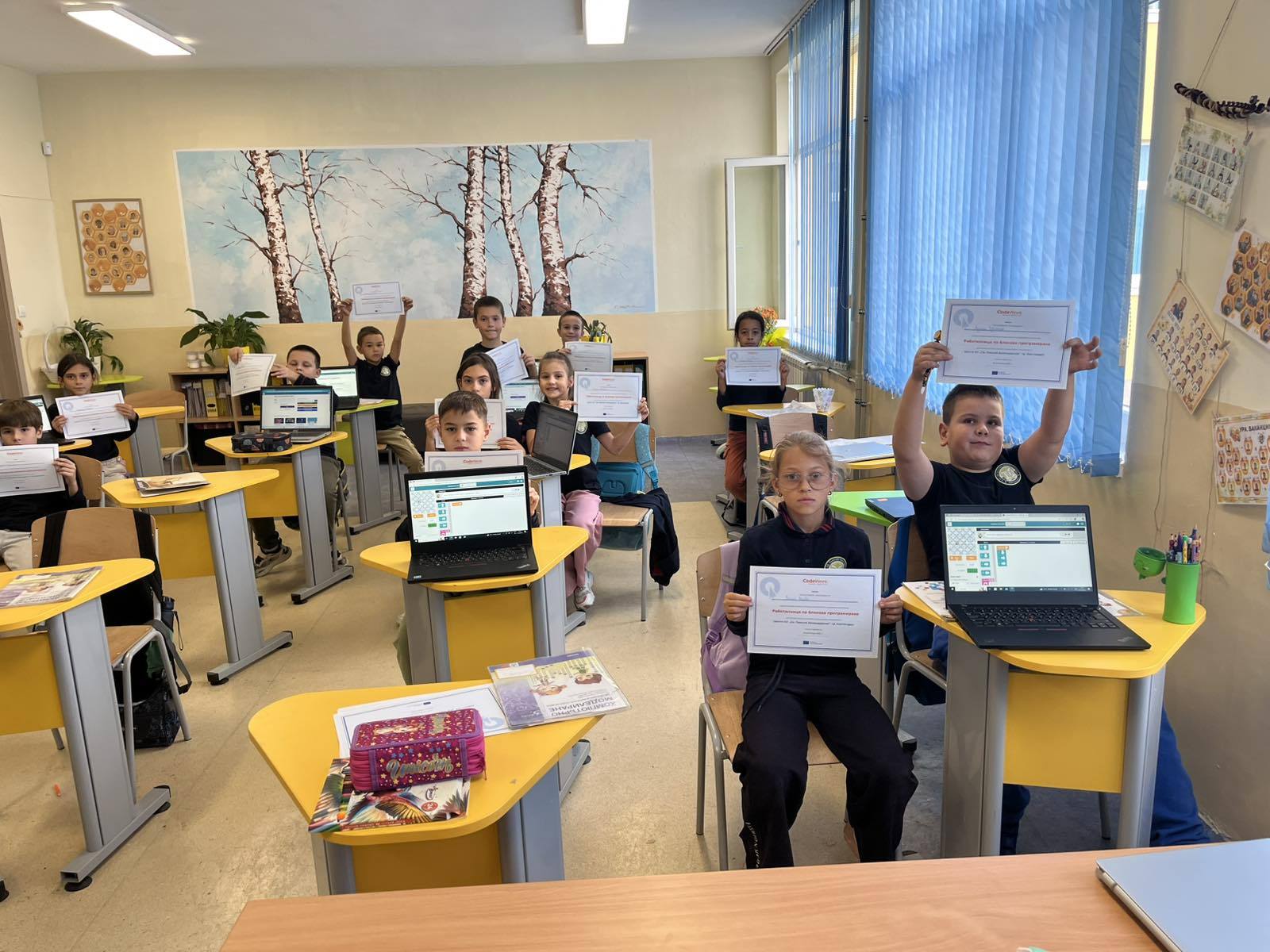
Participants: 370 | Educators: 6 | Activities: 4
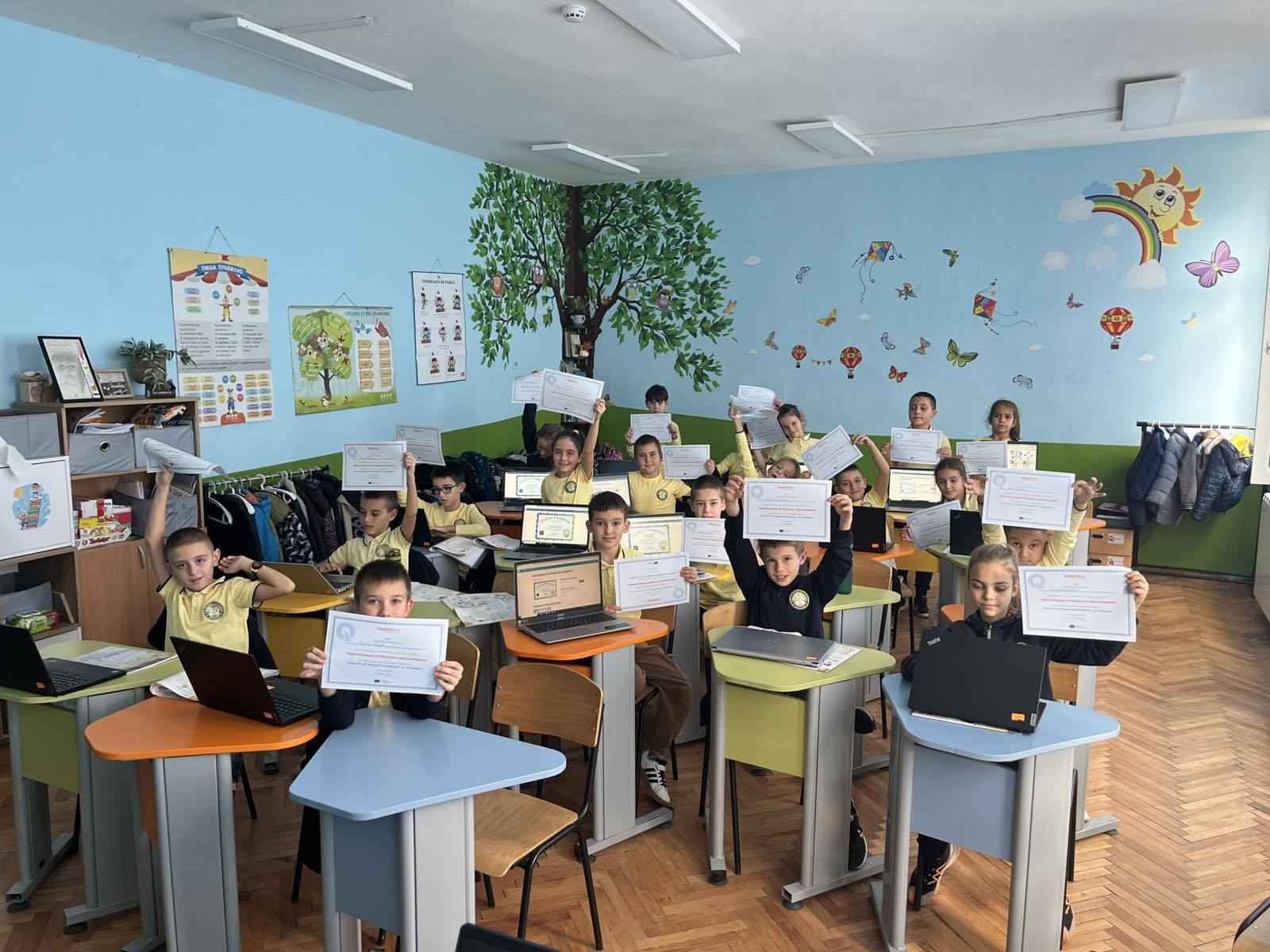
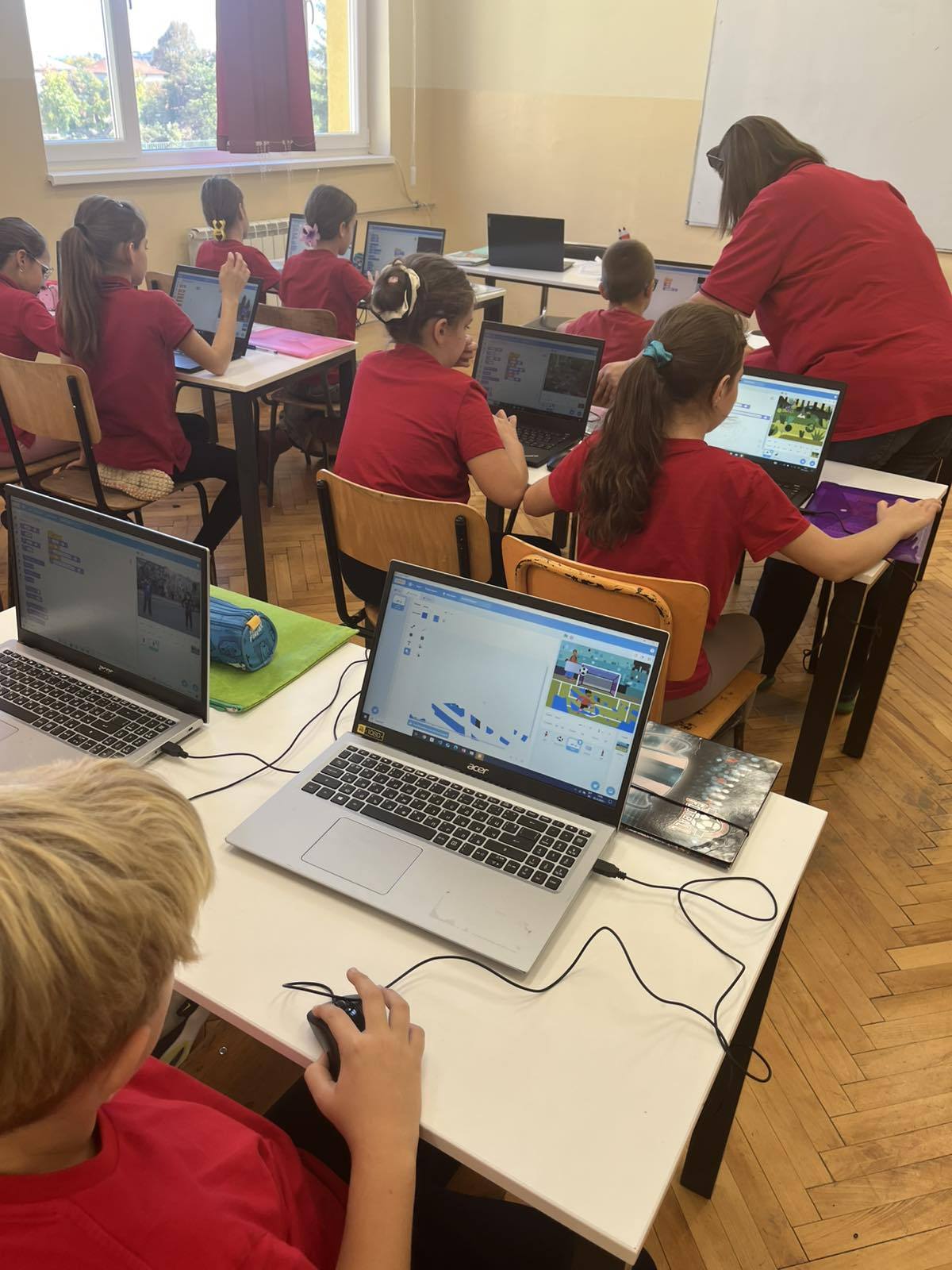
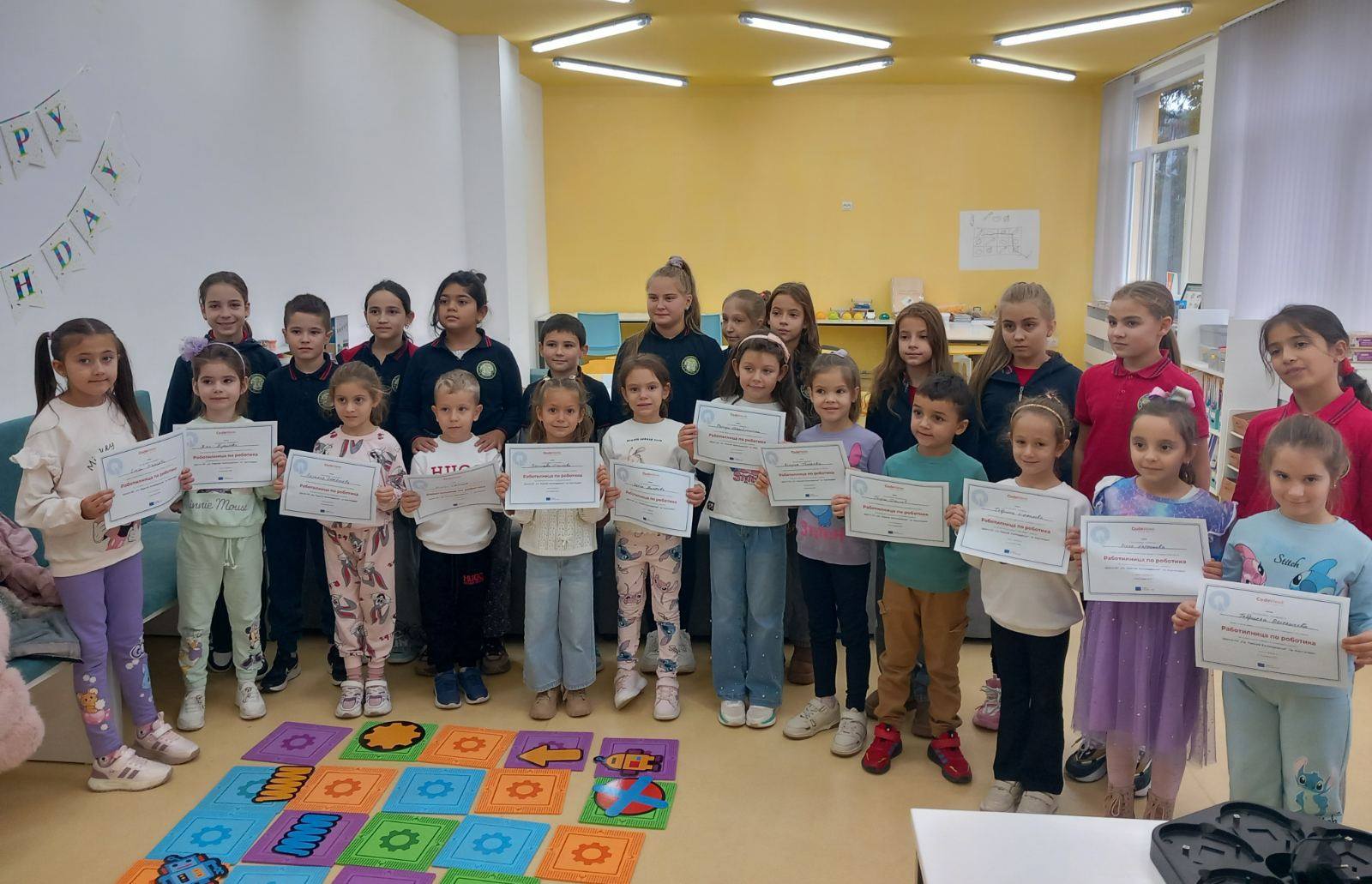
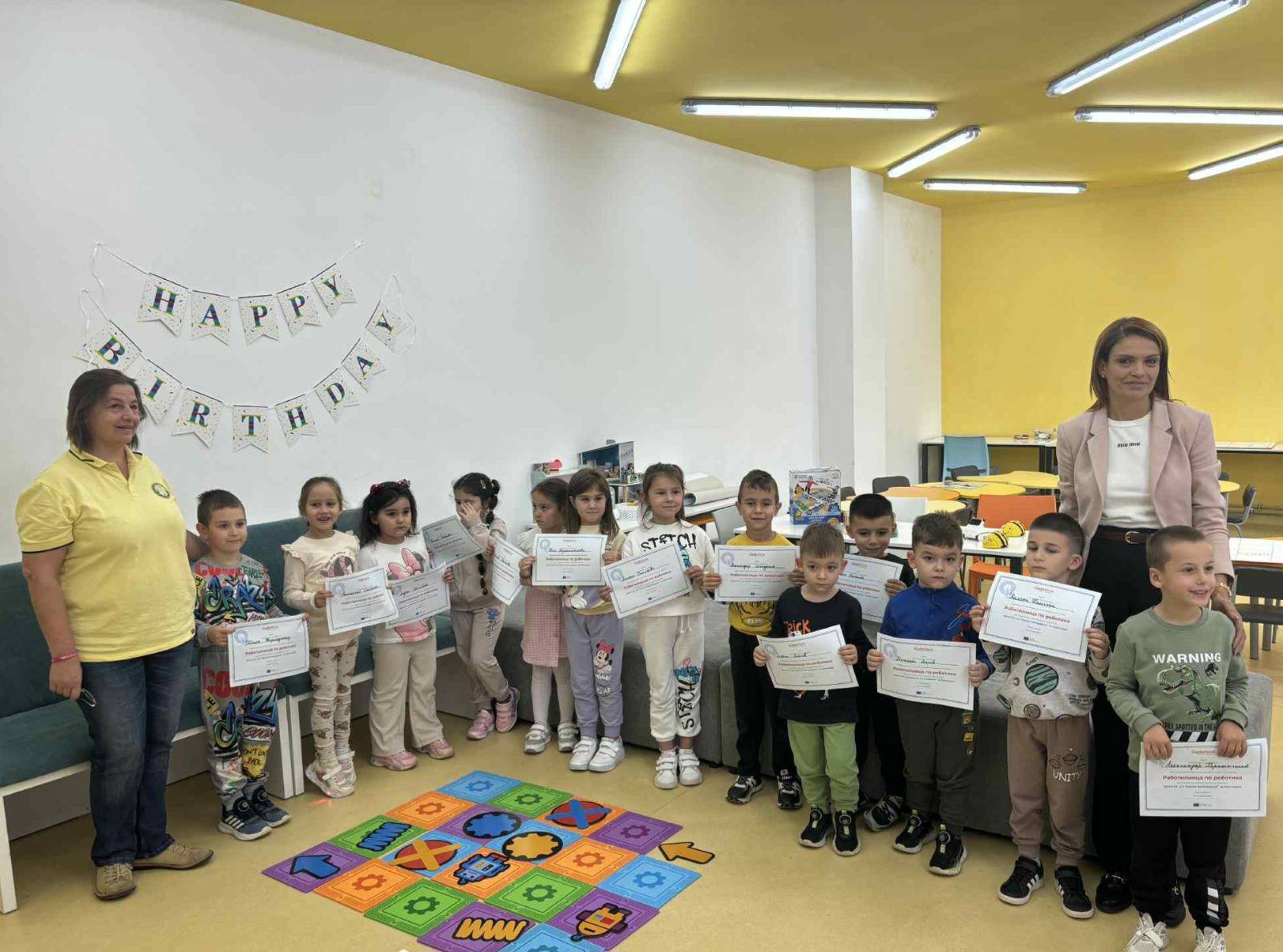
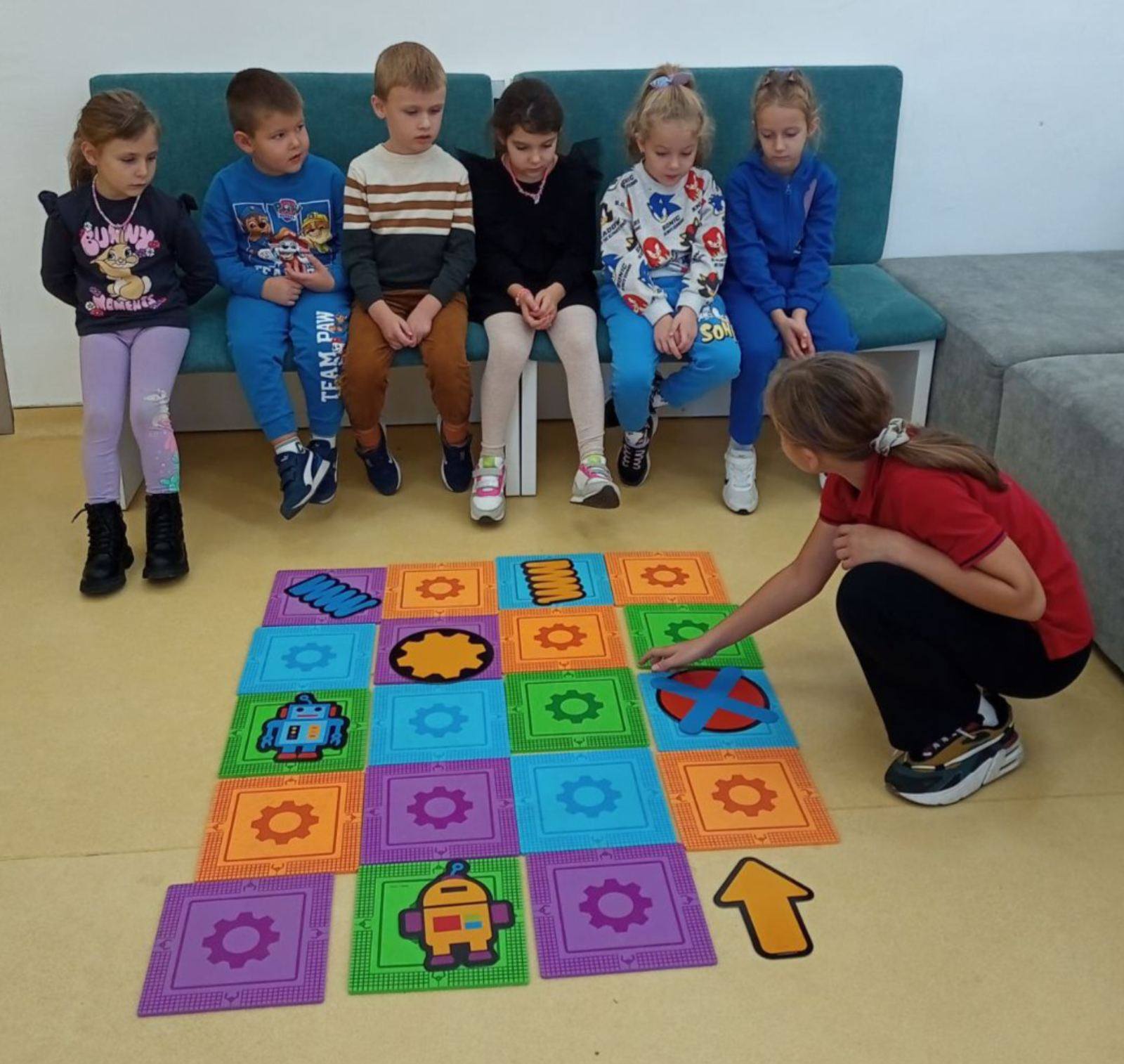
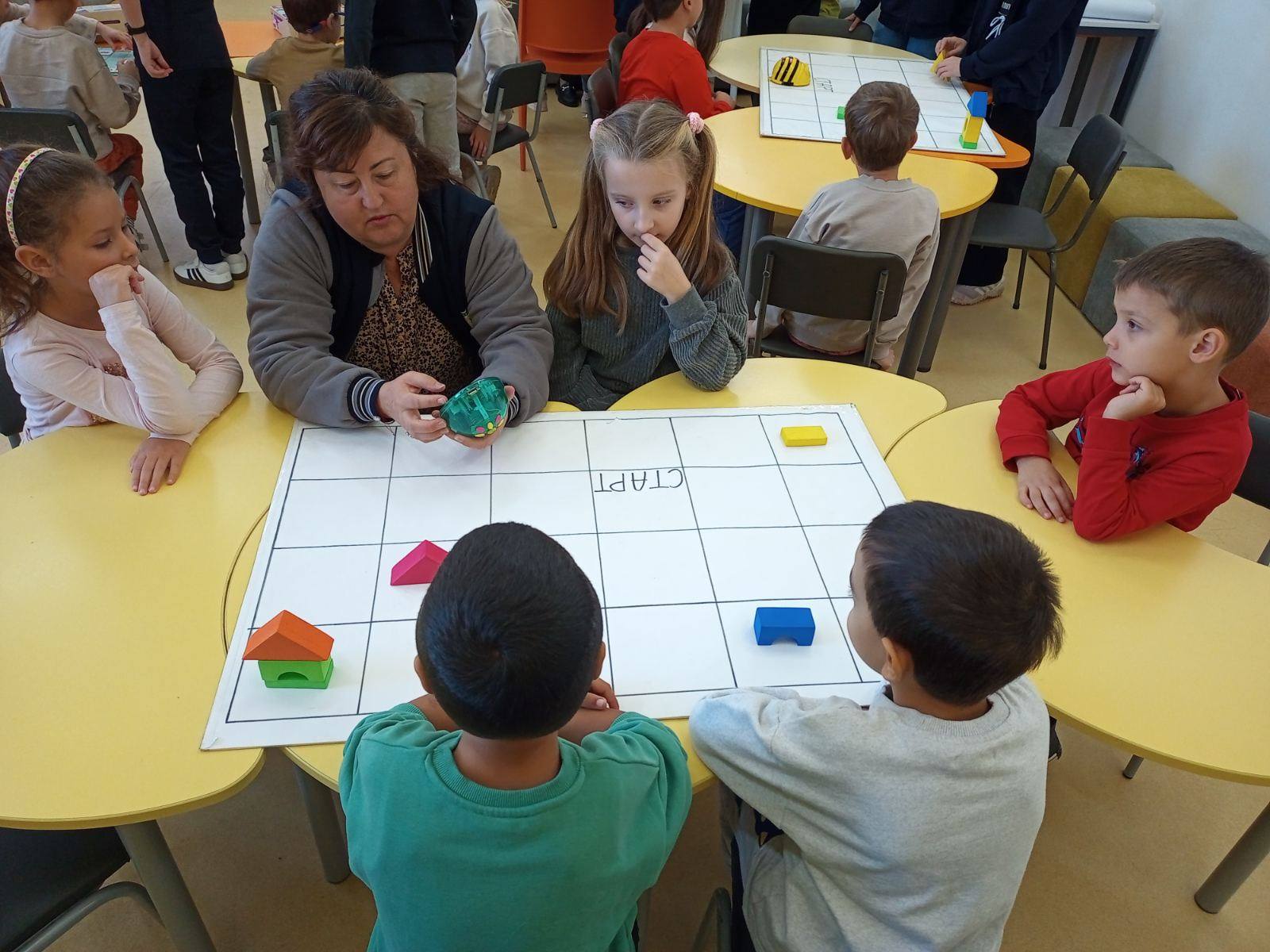
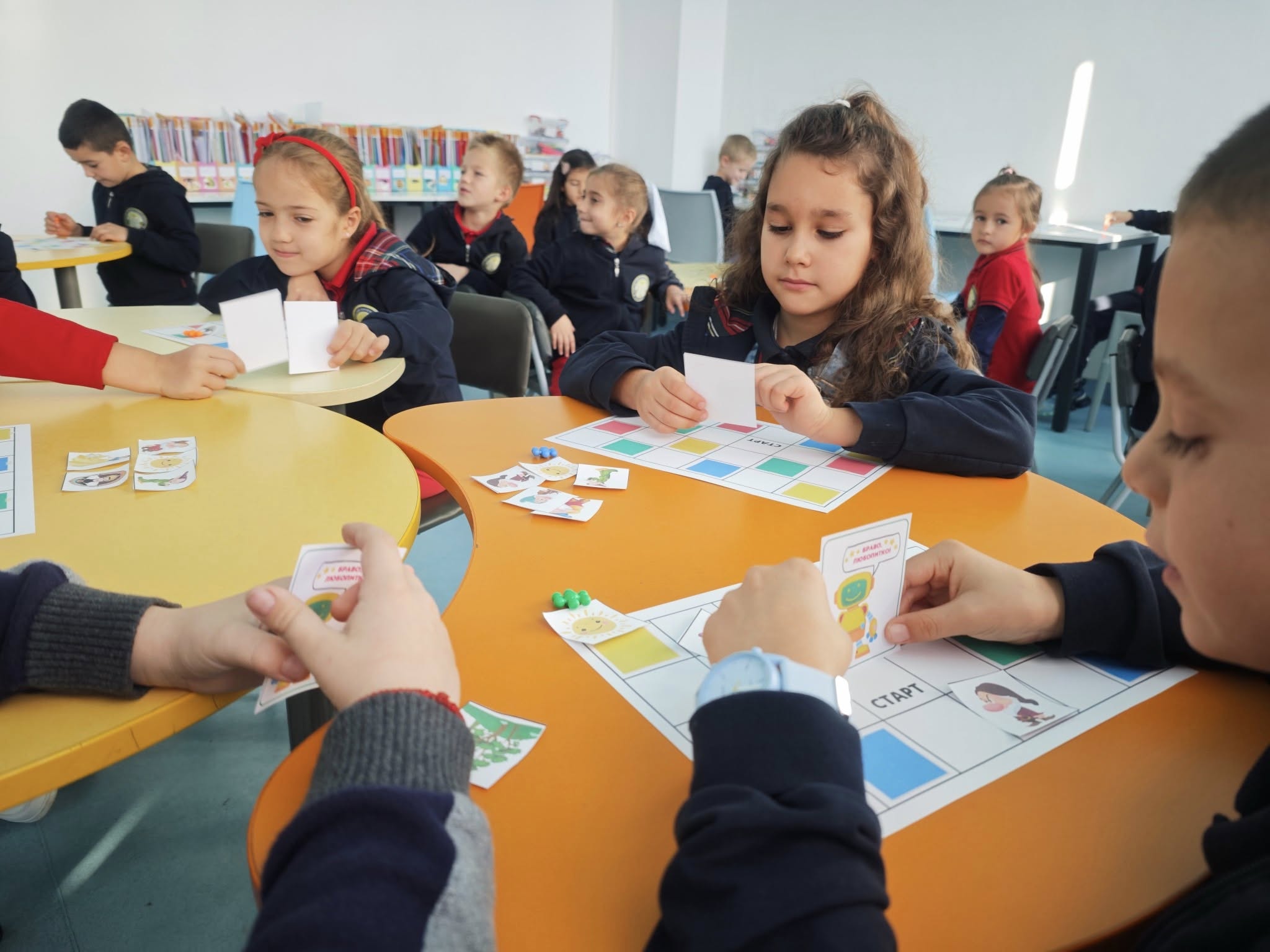
A large-scale school initiative introducing coding and robotics across age groups, from kindergarten to lower secondary. Activities ranged from unplugged coding and Scratch workshops to robotics hackathons and a dedicated girls’ coding bootcamp, supported by teachers, parents, and external experts.
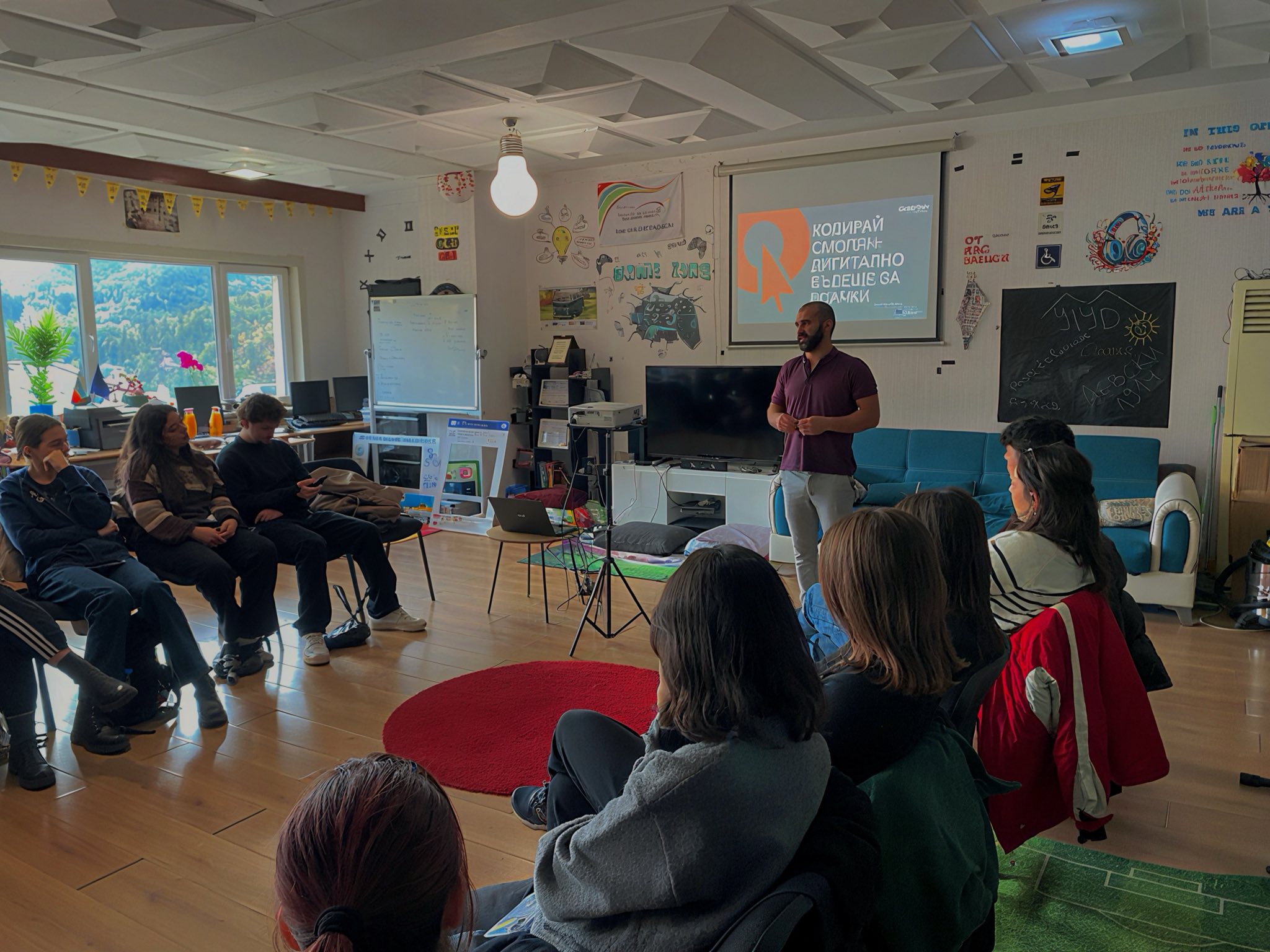
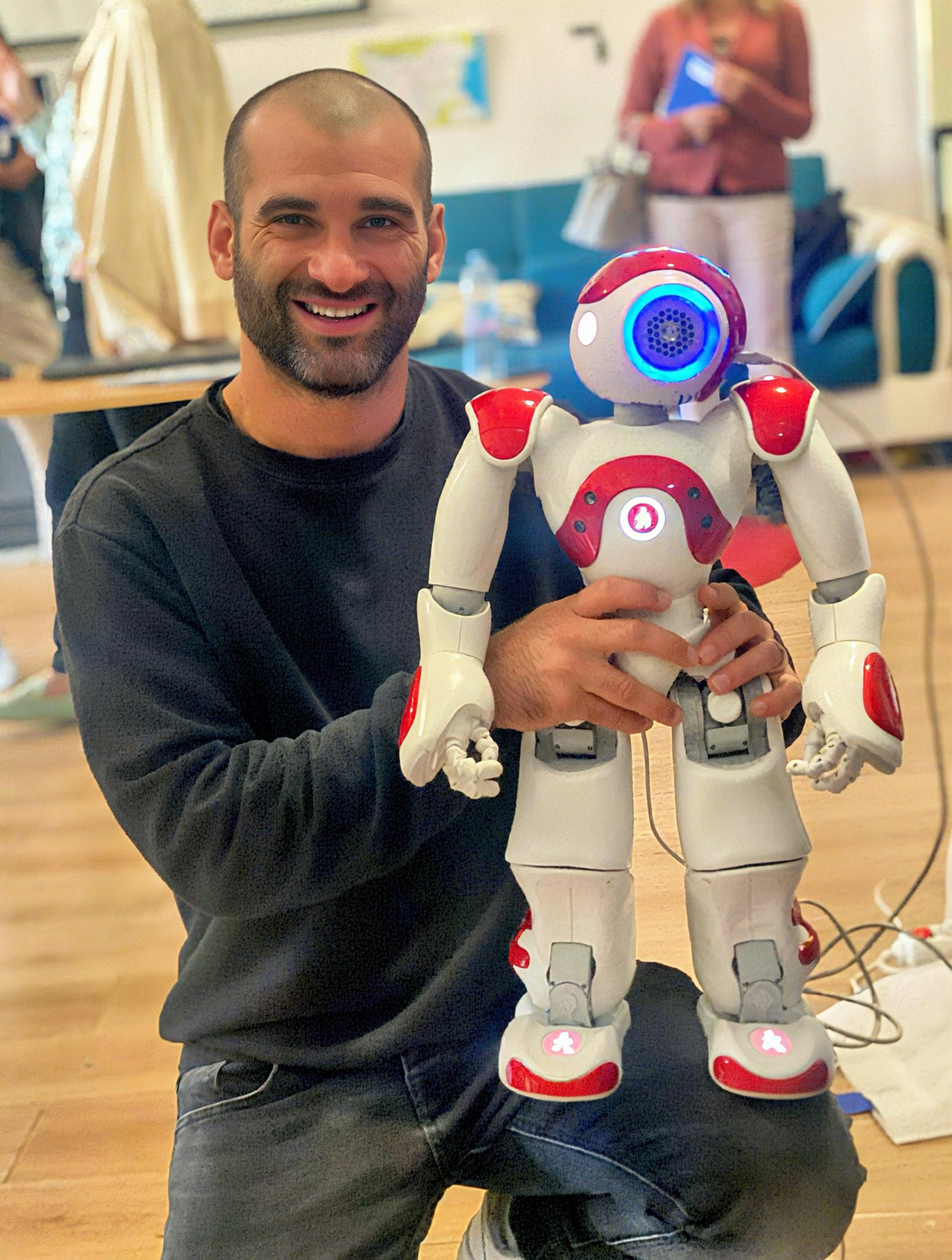
Code Smolyan
Organisation: Young Improvers for Youth Development (YIYD)
Location: Smolyan, Bulgaria
Participants: 58 | Educators: 10 | Activities: 3
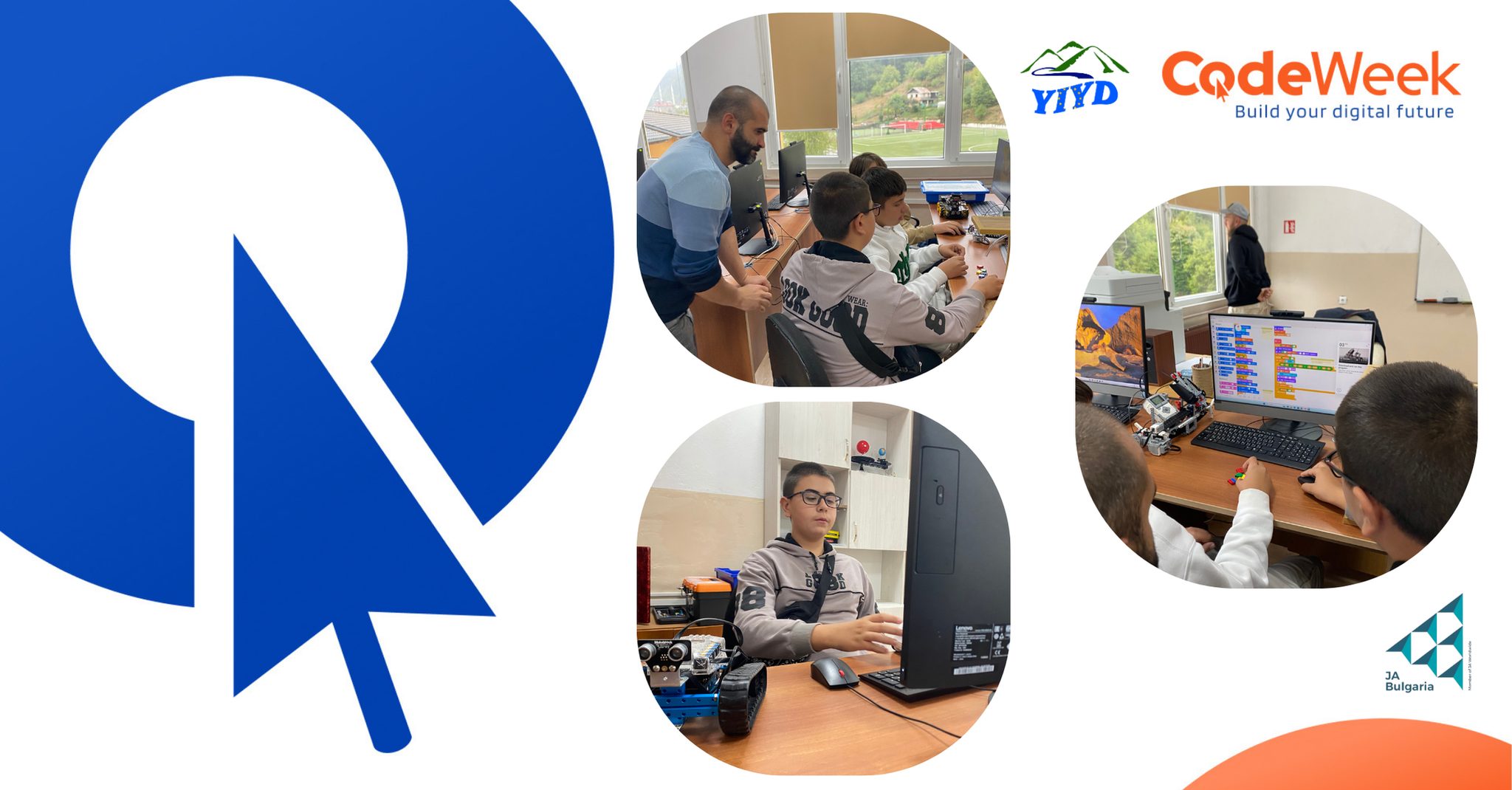
A regional initiative combining school-based and non-formal learning to introduce coding and robotics, particularly targeting youth in remote areas. The project emphasized inclusion, outreach to rural communities, and the creation of sustainable local coding clubs and learning networks.
Cyprus – CY.R.I.C
Projects funded: 2
Participants reached: 97
Educators engaged: 18
Activities on Code Week platform: 8
Projects in Cyprus combined digital skills development with strong thematic focuses on cultural heritage and gender inclusion. Initiatives integrated coding, robotics, AI, and creative technologies into educational settings, while also addressing participation gaps, particularly among girls in STEAM. Both projects emphasized experiential learning, role models, and community engagement, contributing to more inclusive and context-driven digital education practices.
Underserved focus: Yes – targeted support for girls in STEAM through free access and dedicated programming.
Funded Projects
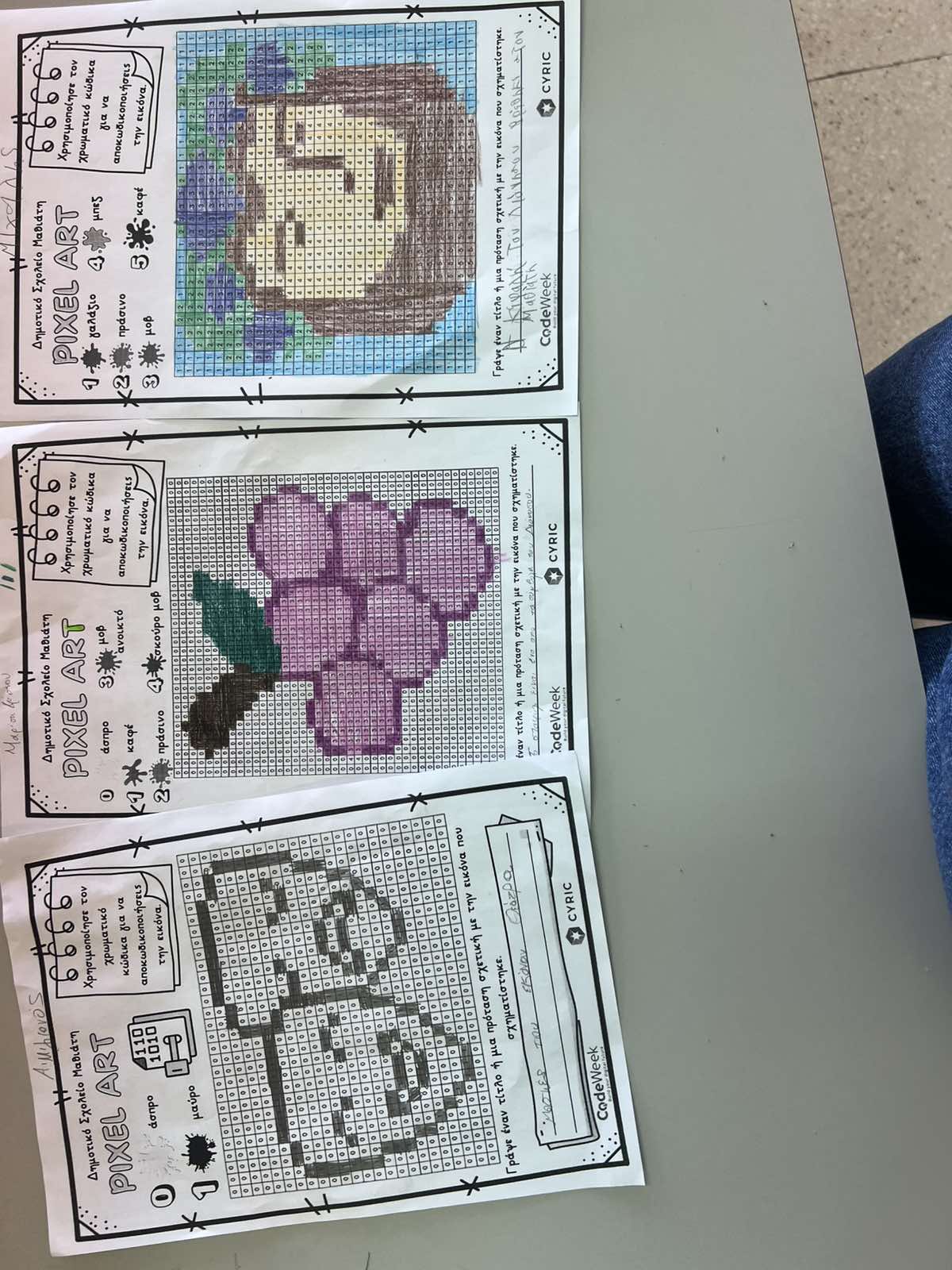
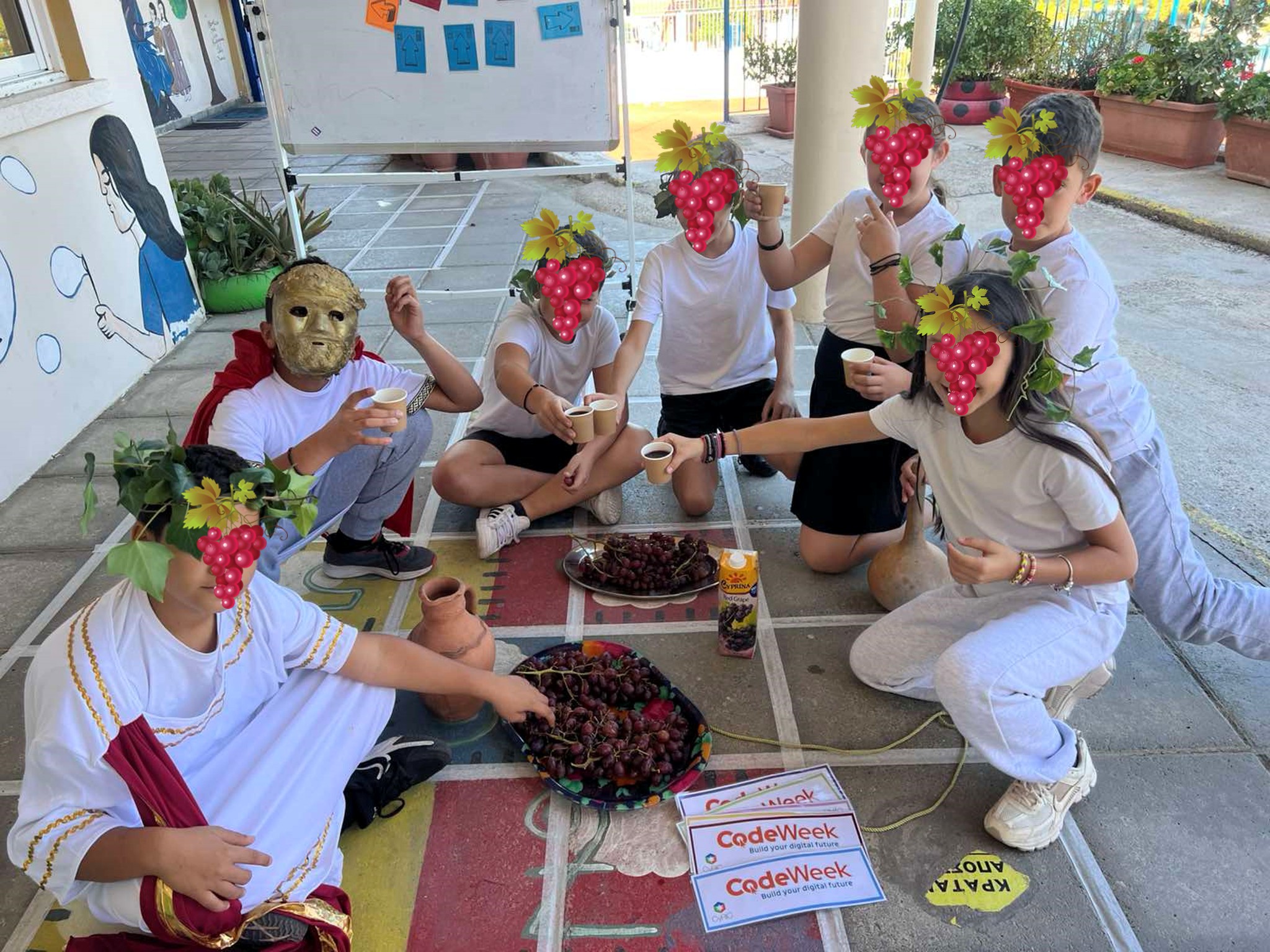
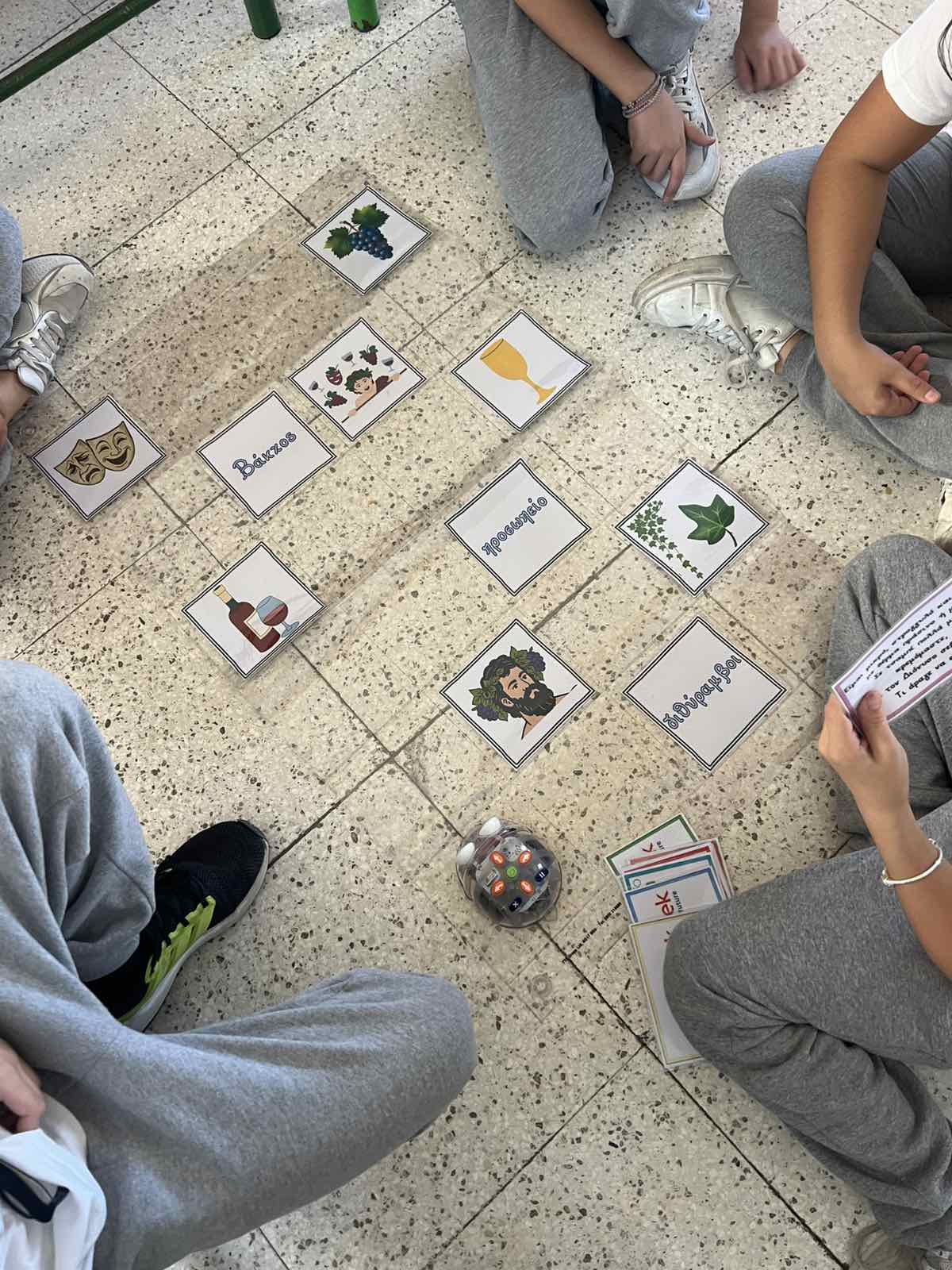
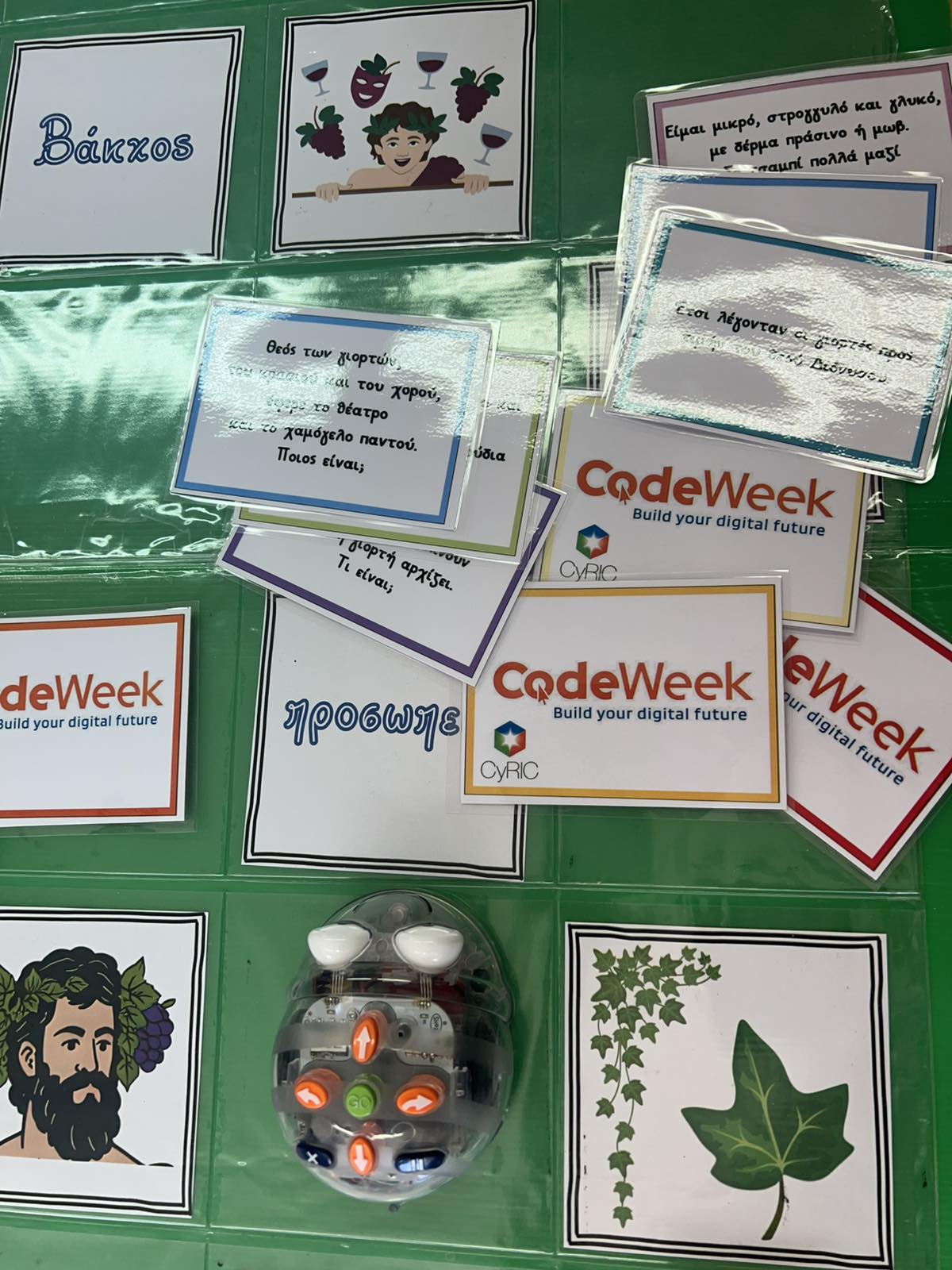
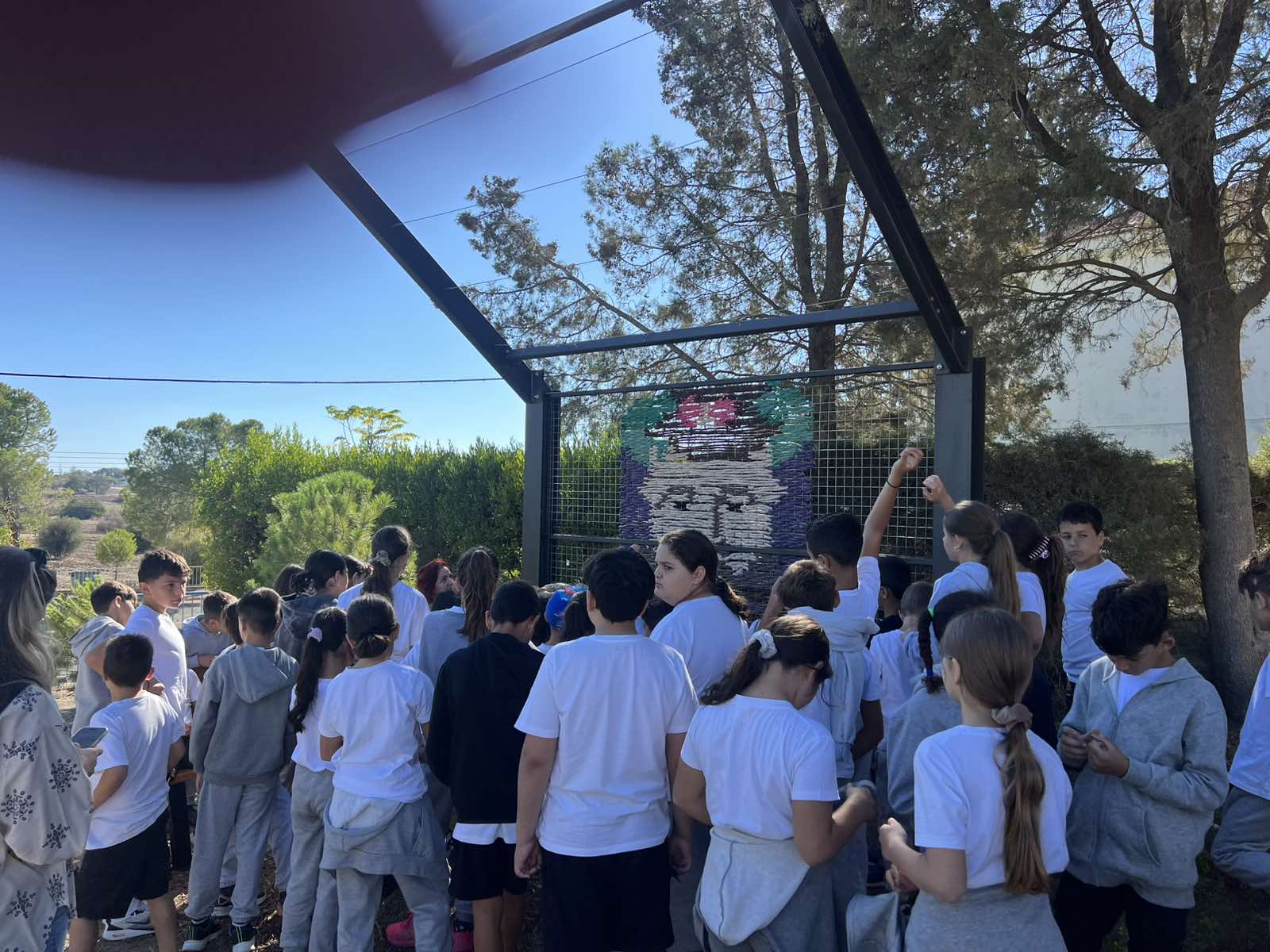
Dionysus: God, Myth, Inspiration – From Antiquity to the Digital World
Organisation: Primary School of Mathiatis
Location: Nicosia District, Cyprus
Participants: 55 | Educators: 11 | Activities: 6
A multidisciplinary STEAM project combining programming, robotics, AI, and 3D technologies with local cultural heritage. Students explored Greek mythology through hands-on activities such as Scratch storytelling, robotics, and 3D scanning/printing, linking ancient history with modern digital tools.
Girls in STEAM Academy – Programme BridgeSTEAM
Organisation: Be an Ally Foundation
Location: Nicosia and Limassol, Cyprus
Participants: 42 | Educators: 7 | Activities: 2
A targeted programme supporting girls’ participation in STEAM through coding workshops, career guidance, and interaction with female role models. The initiative focused on building confidence, skills, and awareness of career pathways, directly addressing gender disparities in technology fields.
Romania – UPB
Projects funded: 3
Participants reached: 125
Educators engaged: 21
Activities on Code Week platform: 10
Projects in Romania focused strongly on inclusive digital education, combining coding with real-world themes such as accessibility, environmental awareness, and community engagement. Initiatives balanced hands-on technical learning with broader social impact, particularly around inclusion of learners with disabilities and increasing participation of girls in STEM.
Funded Projects
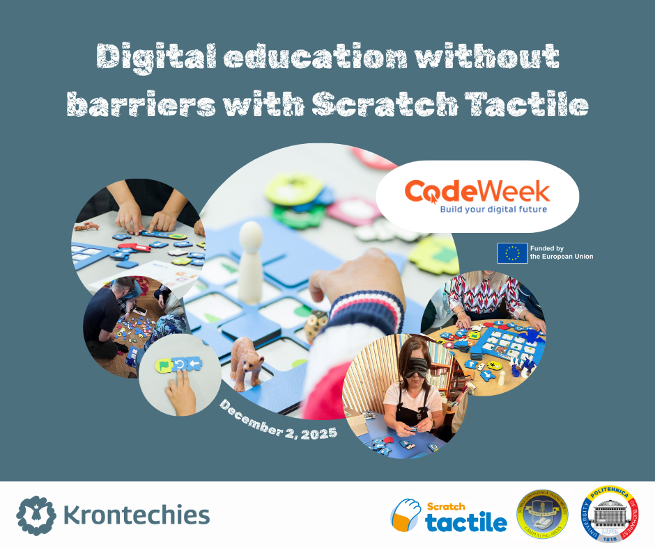
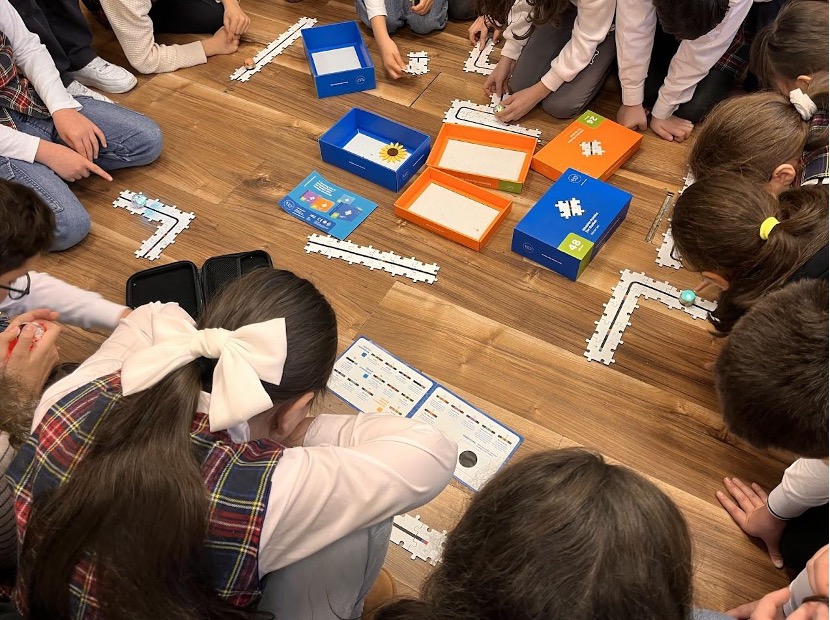
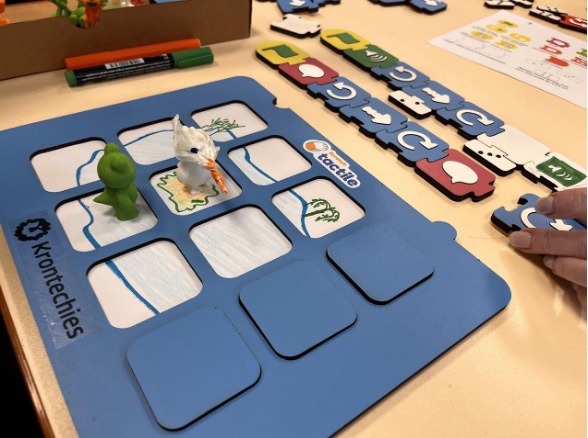
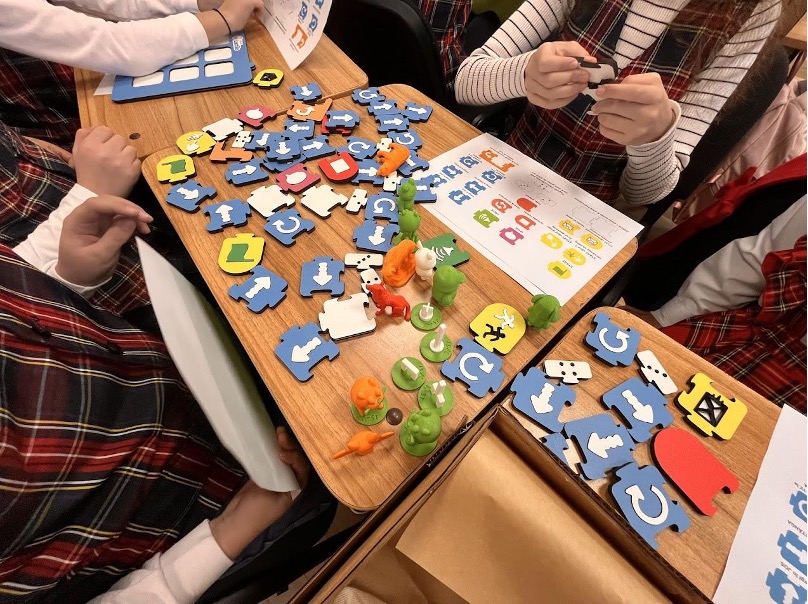
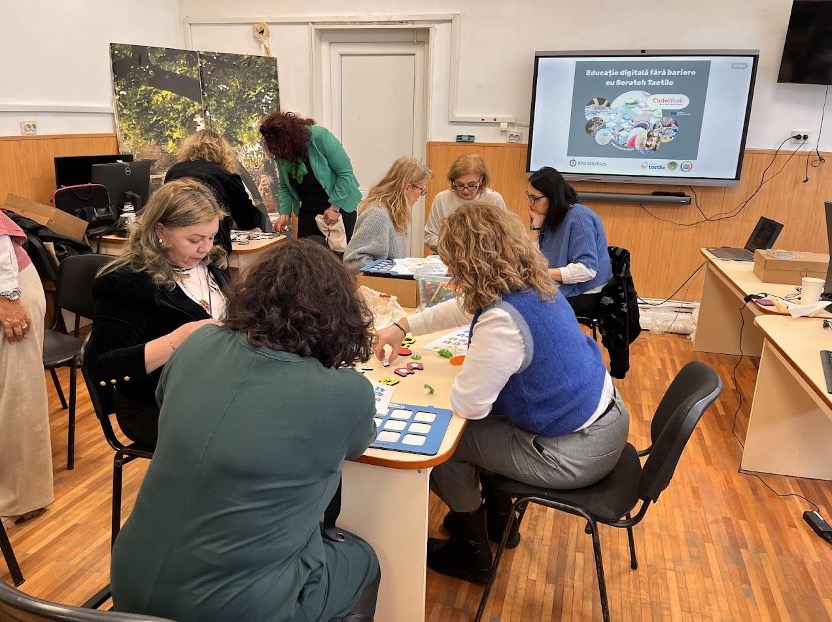
Digital Education without Barriers with Scratch Tactile
Organisation: Asociația Krontechies
Location: Câmpulung, Romania
Participants: 25 | Educators: 14 | Activities: 2
An inclusive learning initiative using tactile coding tools to make programming accessible, particularly for learners with visual impairments. Teachers were trained to integrate Scratch Tactile into their classrooms, while students explored computational thinking through hands-on, sensory-based activities.
Underserved focus: Yes – inclusion of learners with visual impairments.
Links:
The BIT Ranger on Patrol in Protected Areas
Organisation: Propark Foundation for Protected Areas
Location: Zărnești, Romania
Participants: 50 | Educators: 2 | Activities: 2
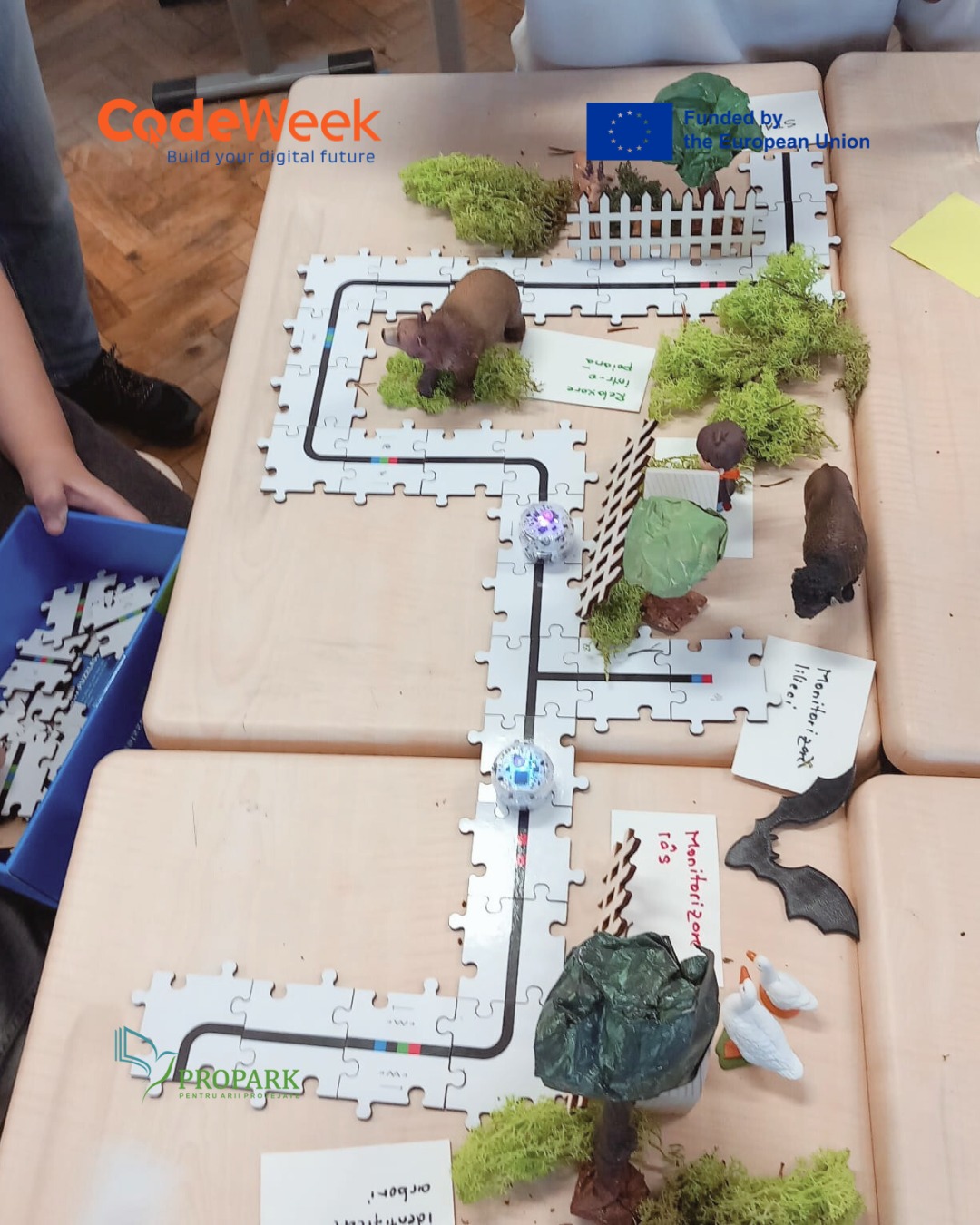
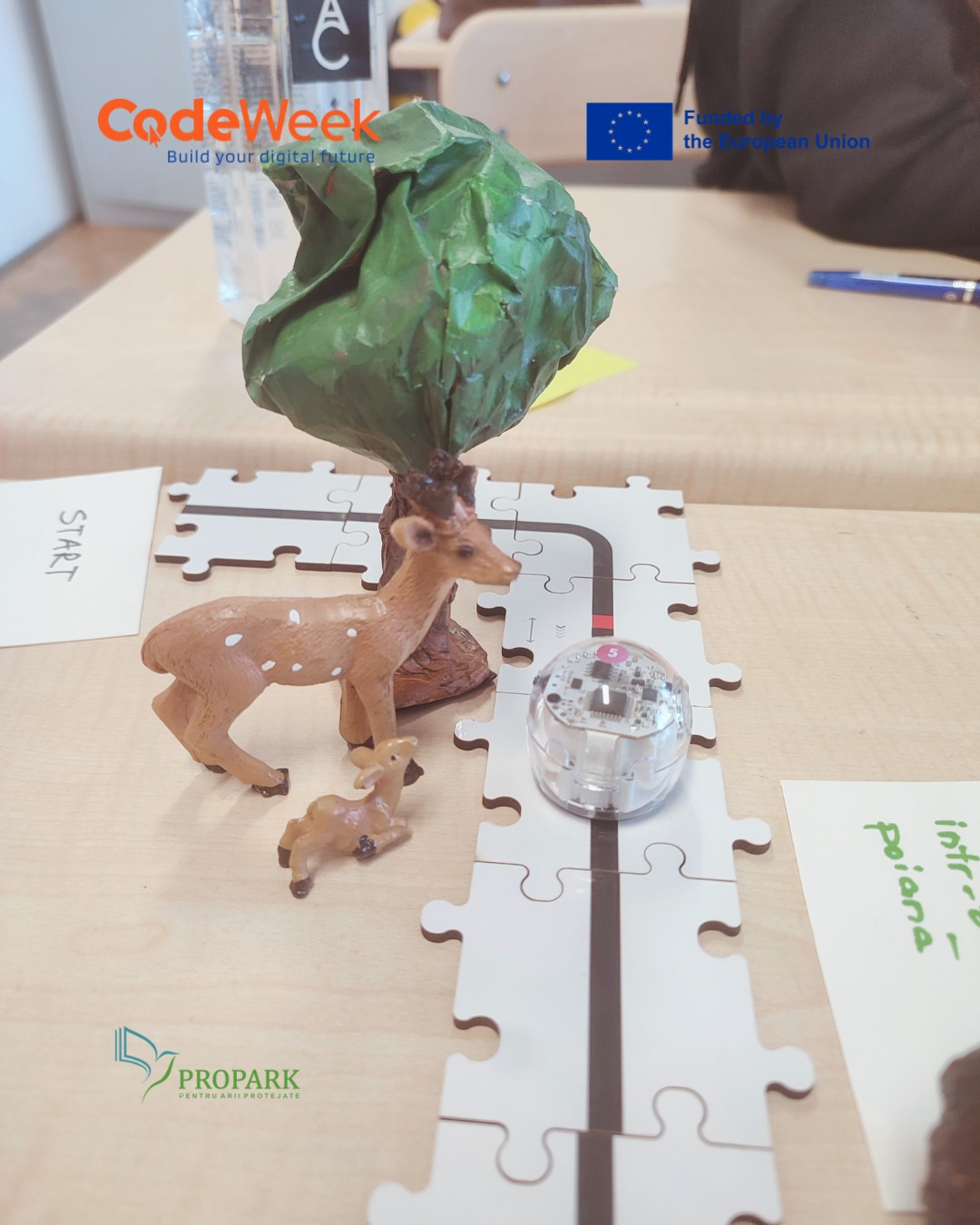
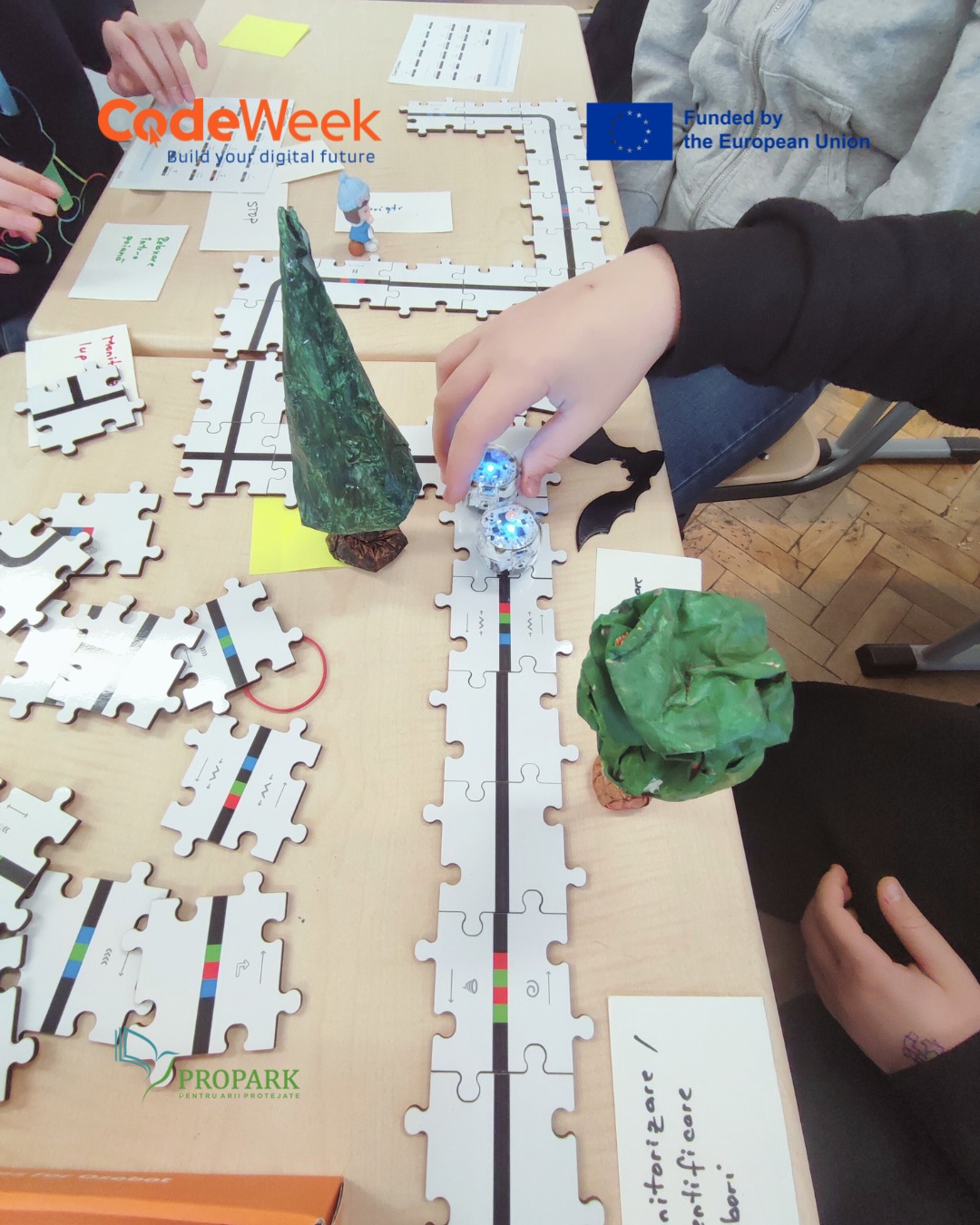
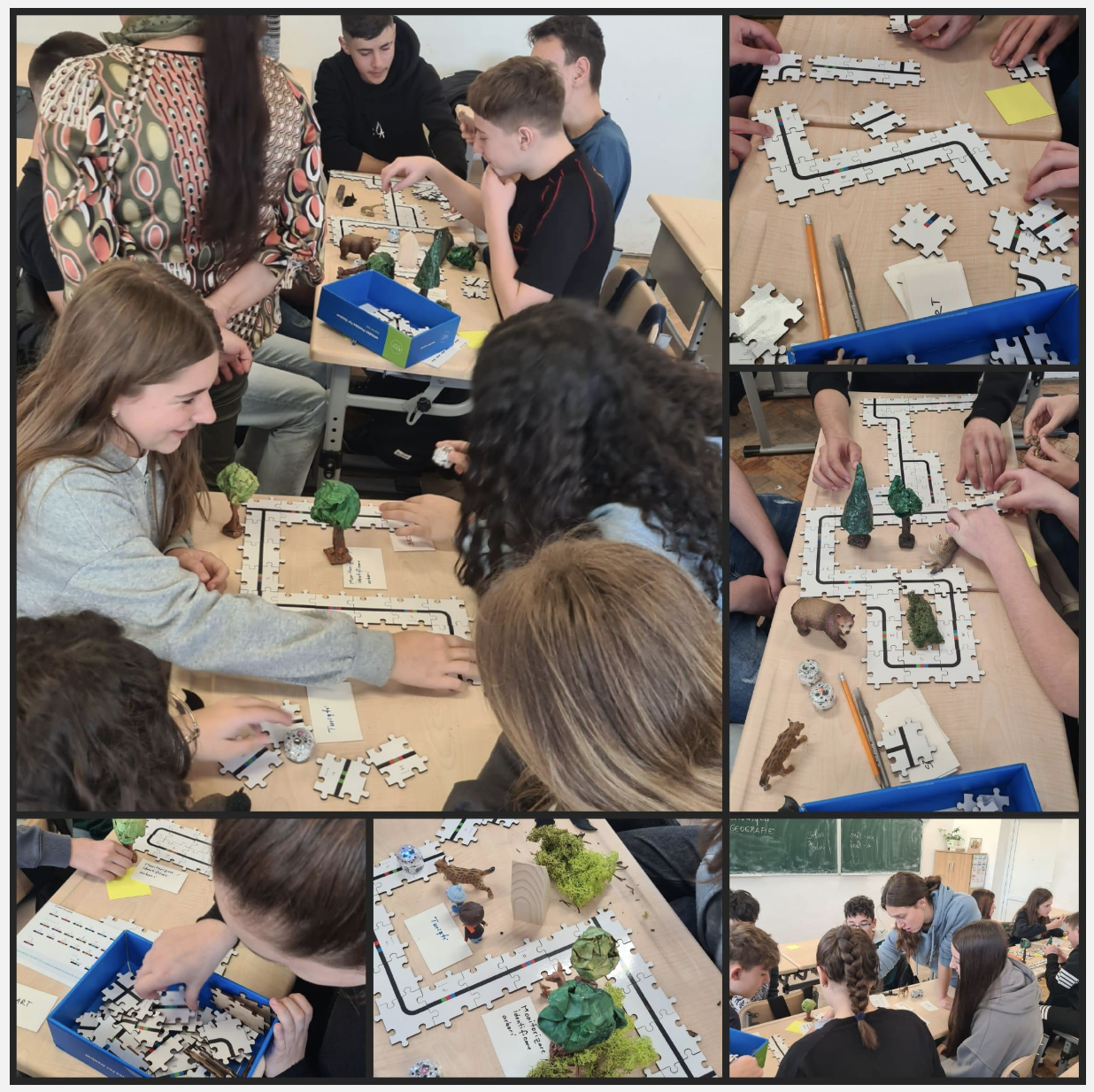
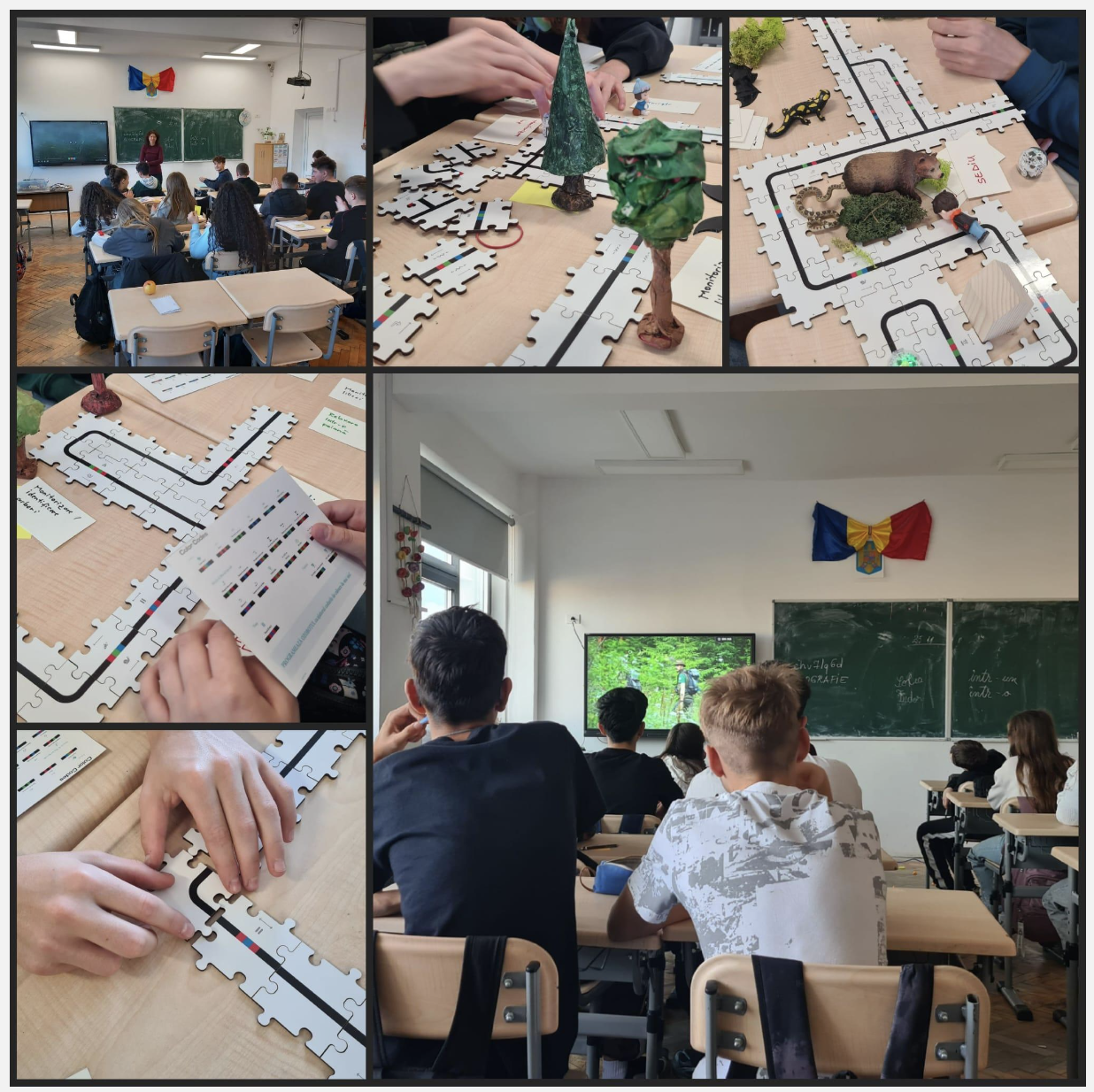
A project connecting coding with environmental education, where students programmed Ozobot robots to simulate real-life ranger tasks. The initiative introduced computational thinking through nature-based scenarios, linking digital skills with conservation awareness.
Links:
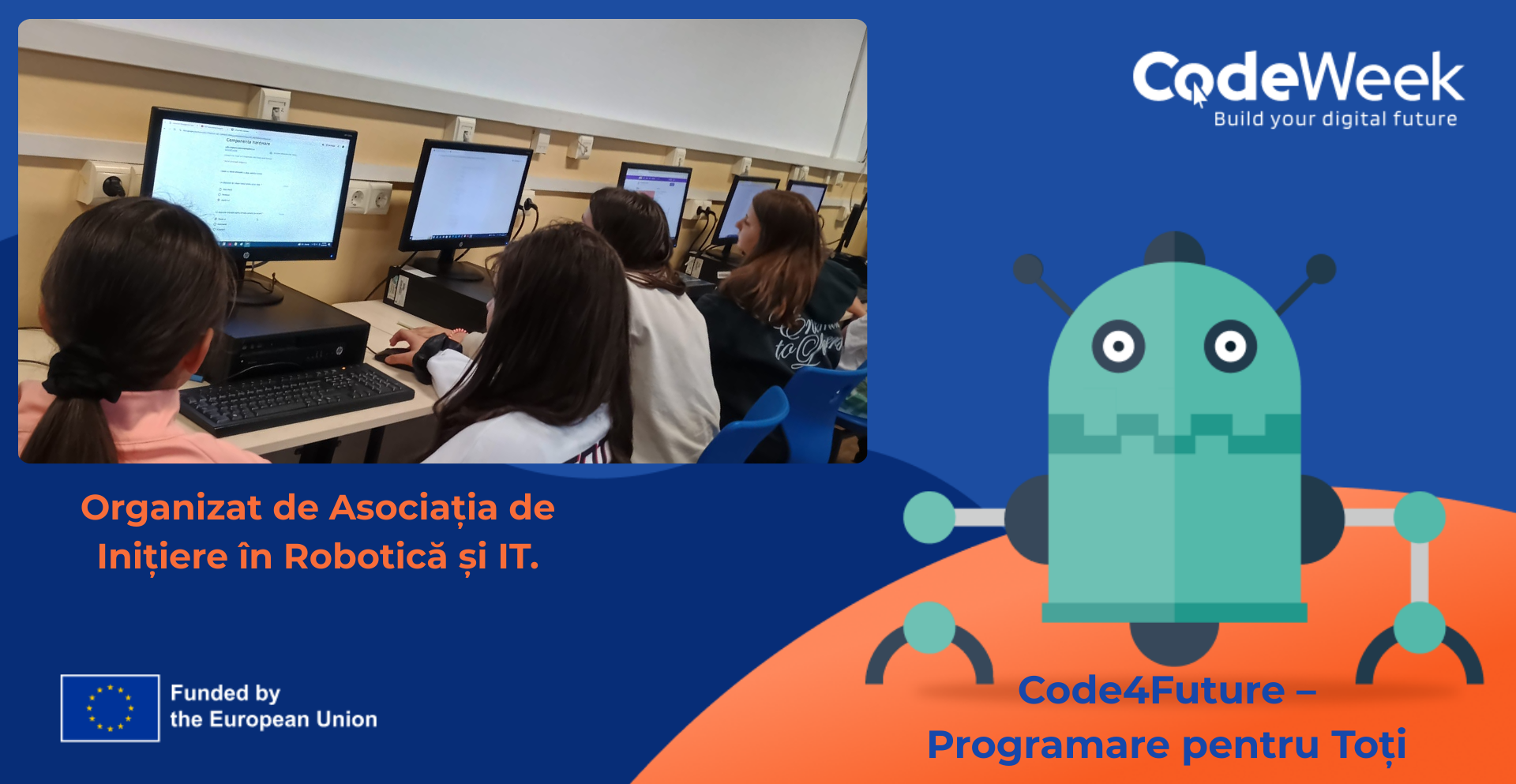
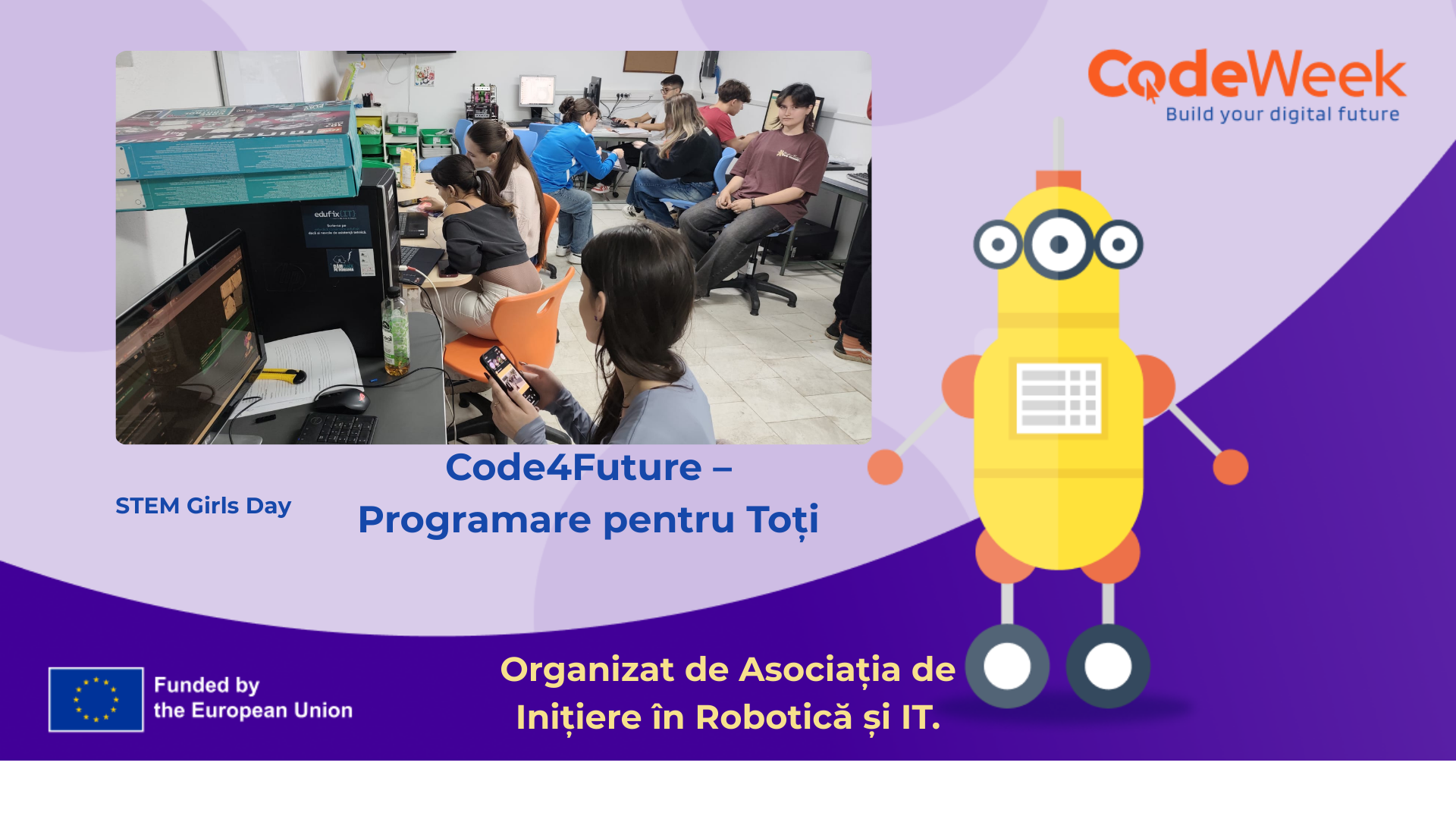
Code4Future – Programming for All
Organisation: Asociația de Iniţiere în Robotică şi IT
Location: Pitești, Romania
Participants: 50 | Educators: 5 | Activities: 6
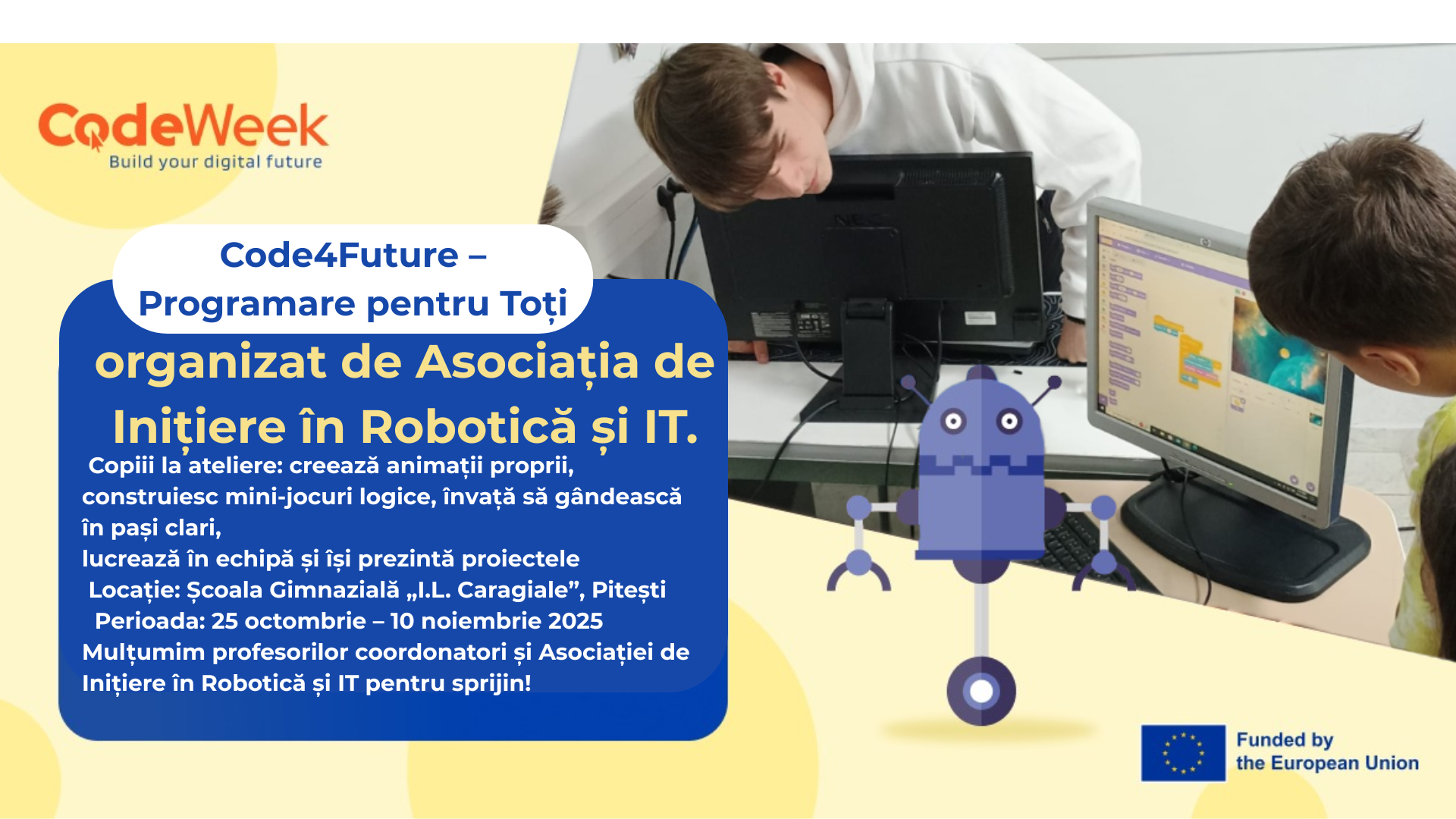
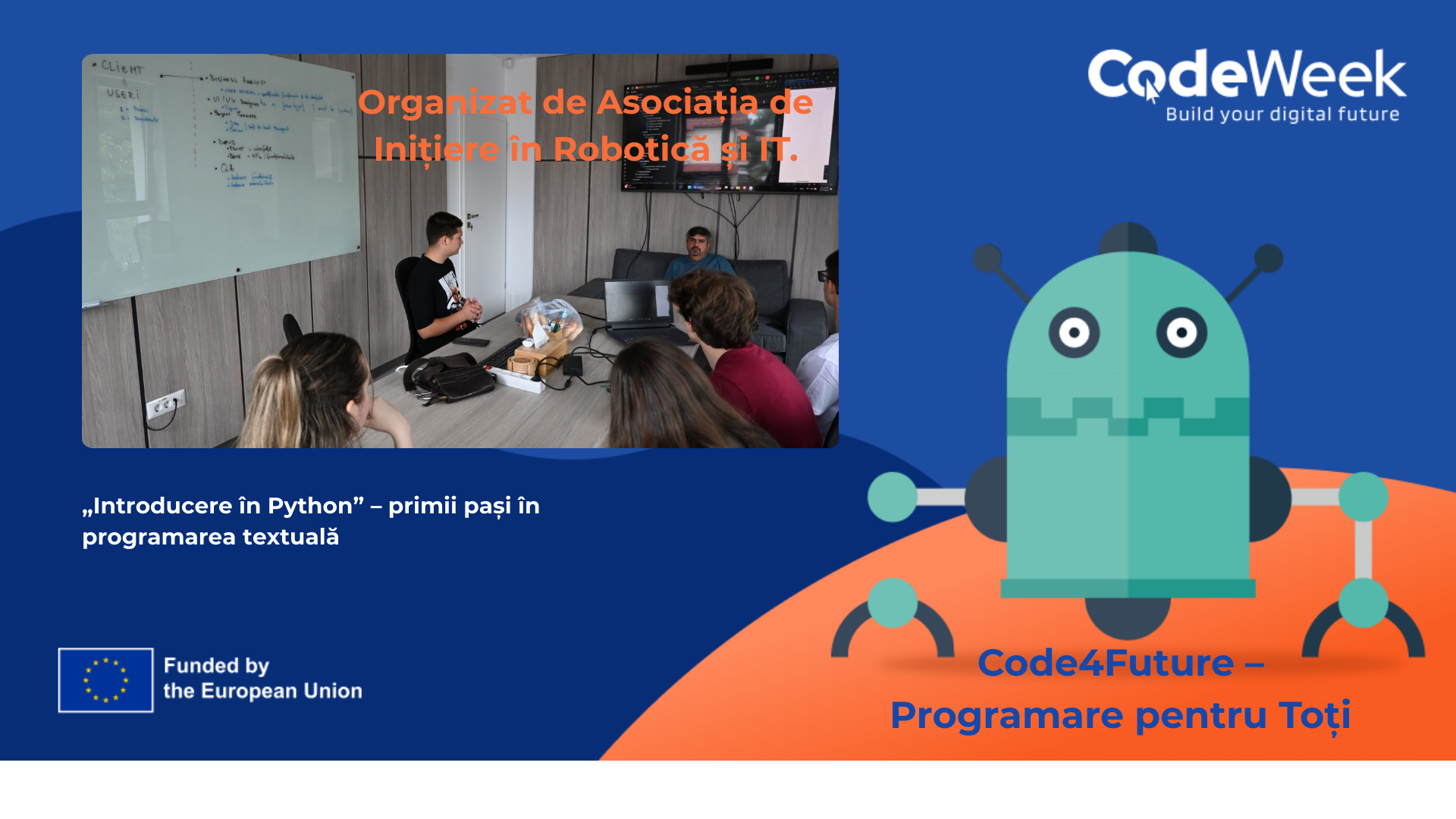
A comprehensive programme offering hands-on coding workshops in Scratch, Python, and web development, combined with mentoring and community events. The project included initiatives such as STEM Girls Day and a hackathon, promoting both digital skills and broader community engagement.
Underserved focus: Yes – digital inclusion and encouraging girls’ participation in STEM.
Ukraine – JA Ukraine
Projects funded: 10
Participants reached: 2,909
Educators engaged: 203
Activities on Code Week platform: 341
Projects in Ukraine reached a large number of young people through coding, robotics, 3D printing, STEM laboratories, media literacy, and digital creativity activities. Many projects were designed to support learning continuity and access to digital education in challenging circumstances, including for children affected by war. The portfolio also placed strong emphasis on teacher capacity building, girls’ participation in STEM, and the creation of reusable learning resources and local STEM communities.
Funded Projects
“Engineers of the Future” STEM Laboratory for Preschoolers
Organisation: Pryluky preschool education institution No. 3
Location: Pryluky, Chernihiv region, Ukraine
Participants: 156 | Educators: 12 | Activities: 60
A preschool STEM initiative introducing children to scientific thinking through hands-on experiments, LEGO Education kits, interactive tools, and group projects. The project strengthened early technical literacy, curiosity, teamwork, and educators’ capacity to use STEM approaches in early learning.
Underserved focus: Yes – children affected by war.
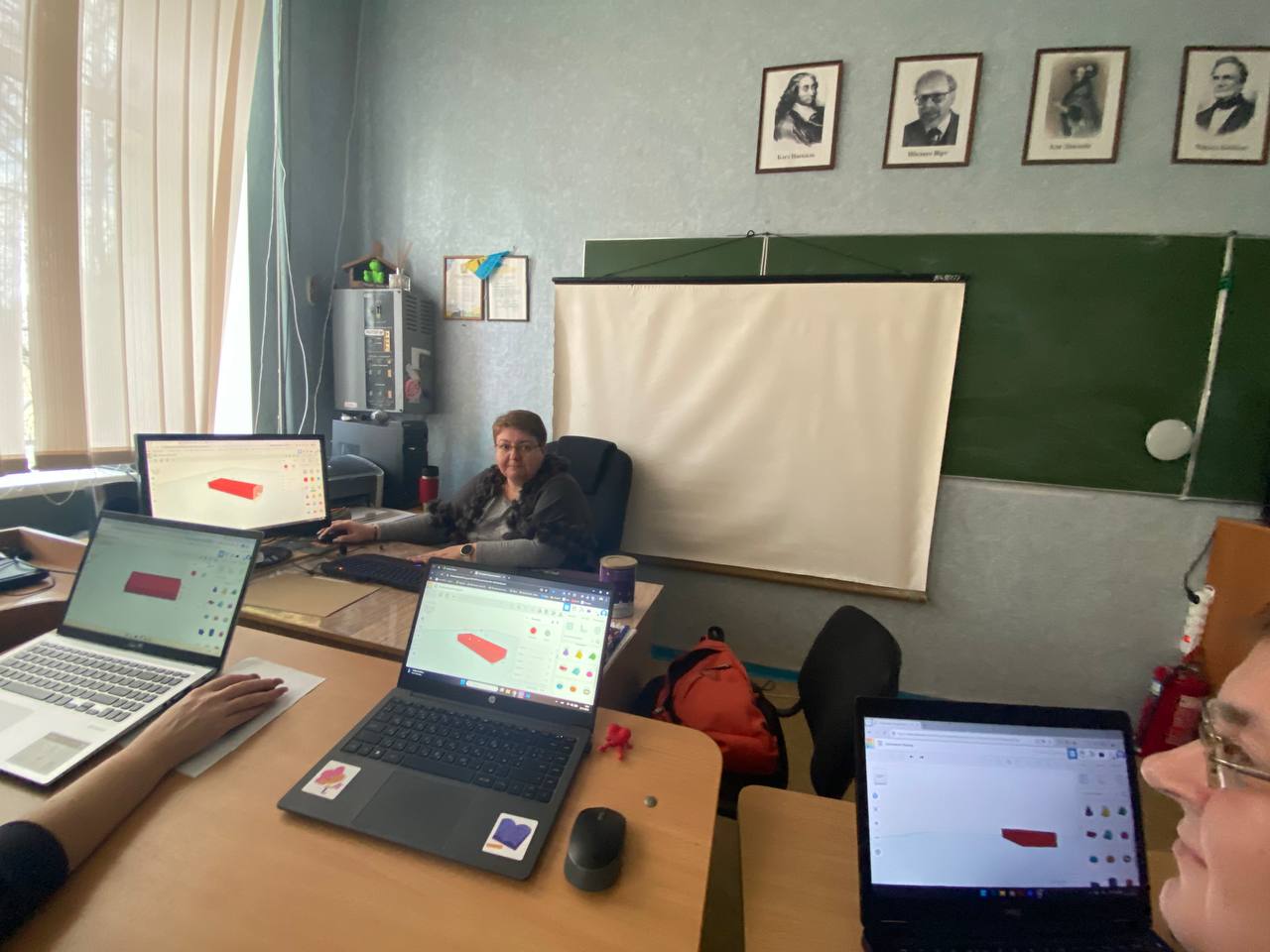
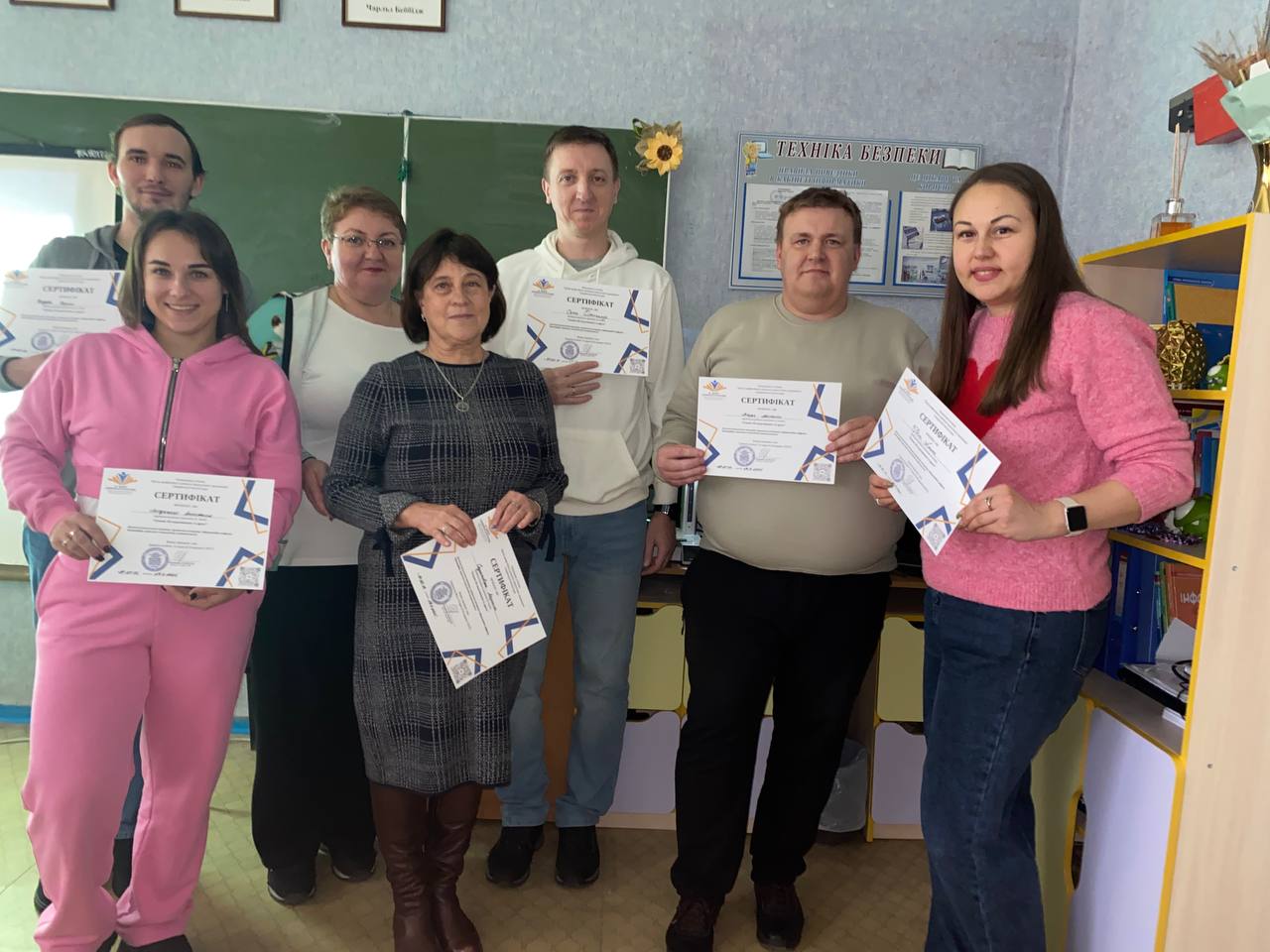
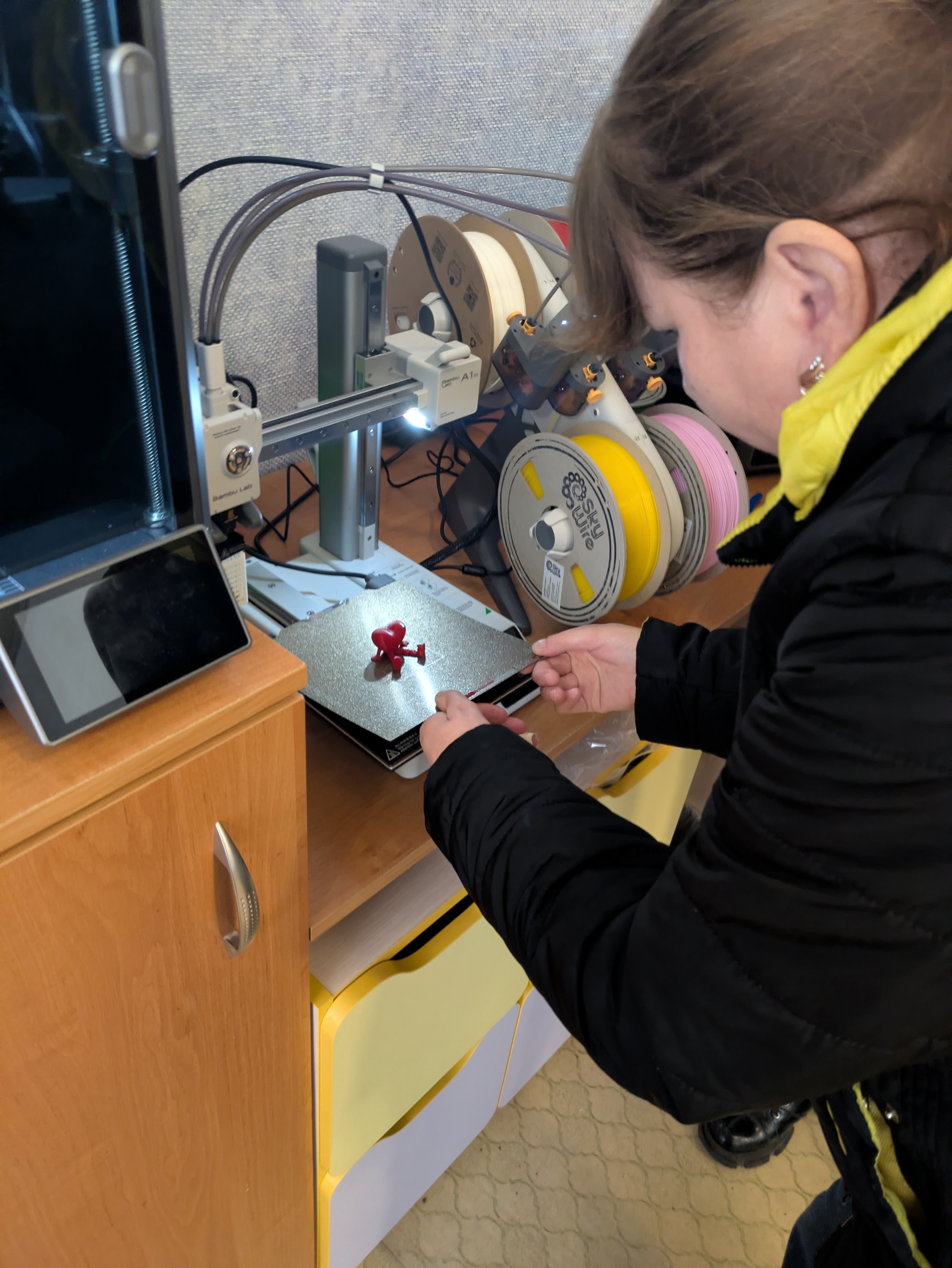
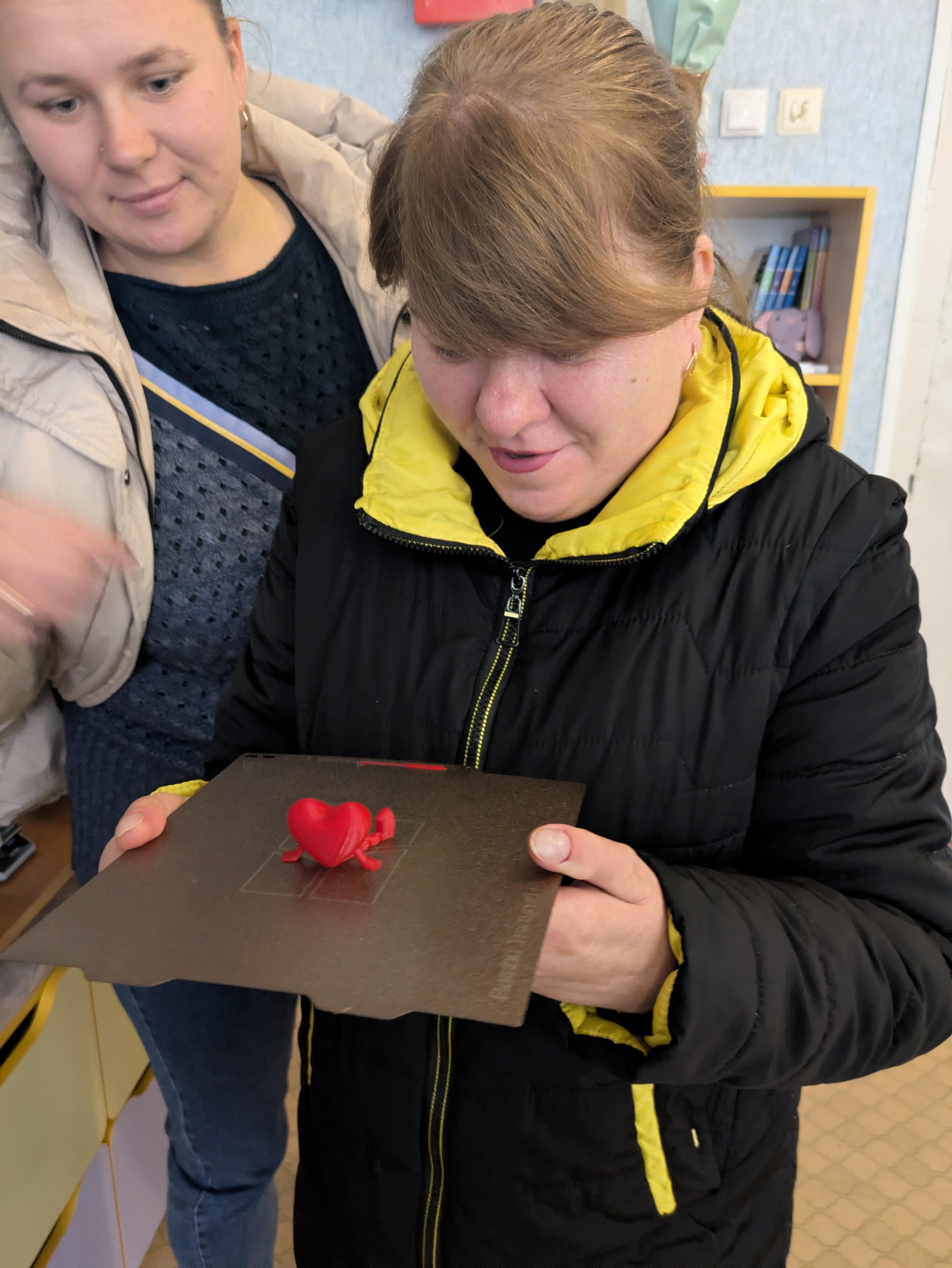
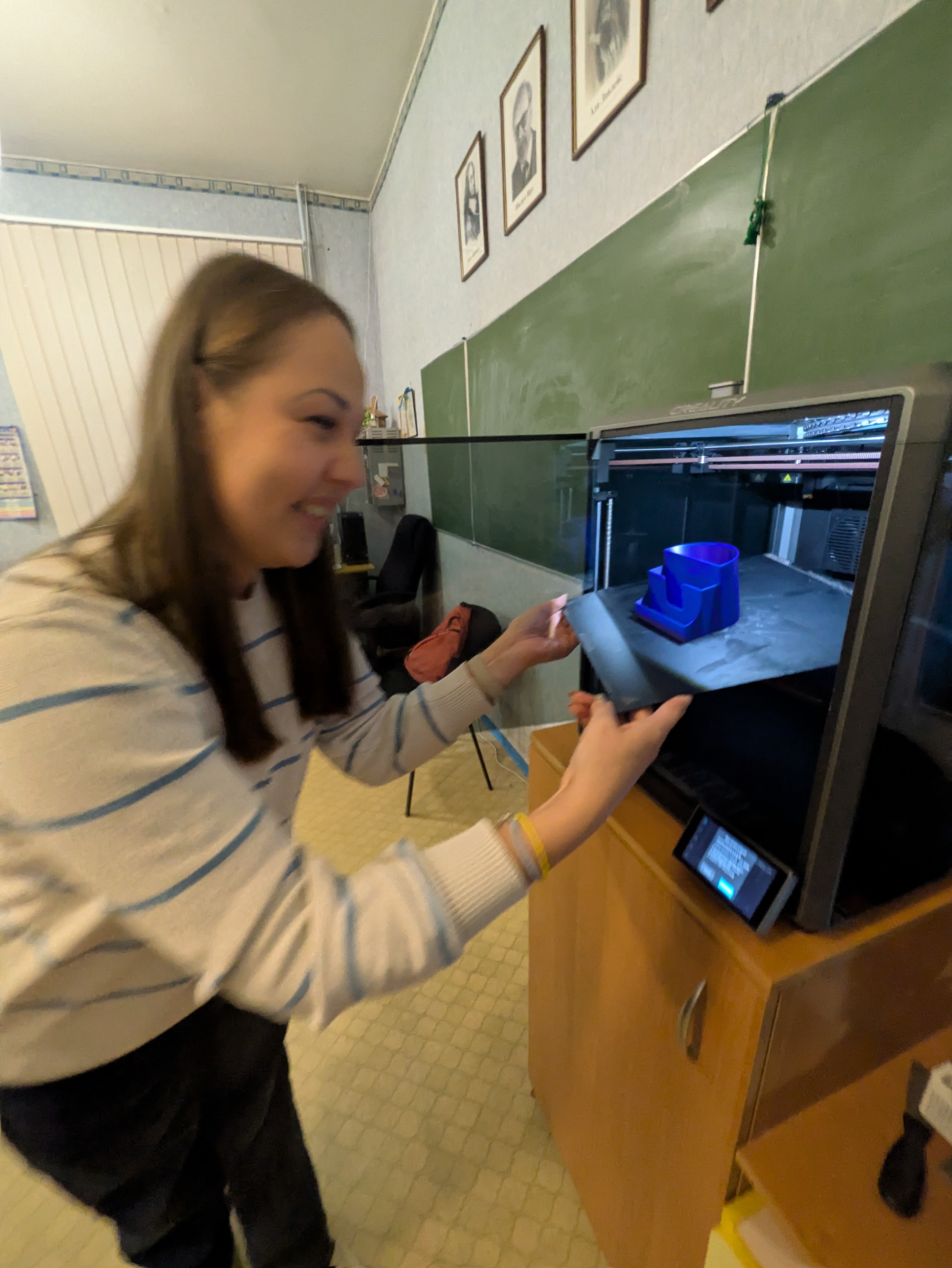
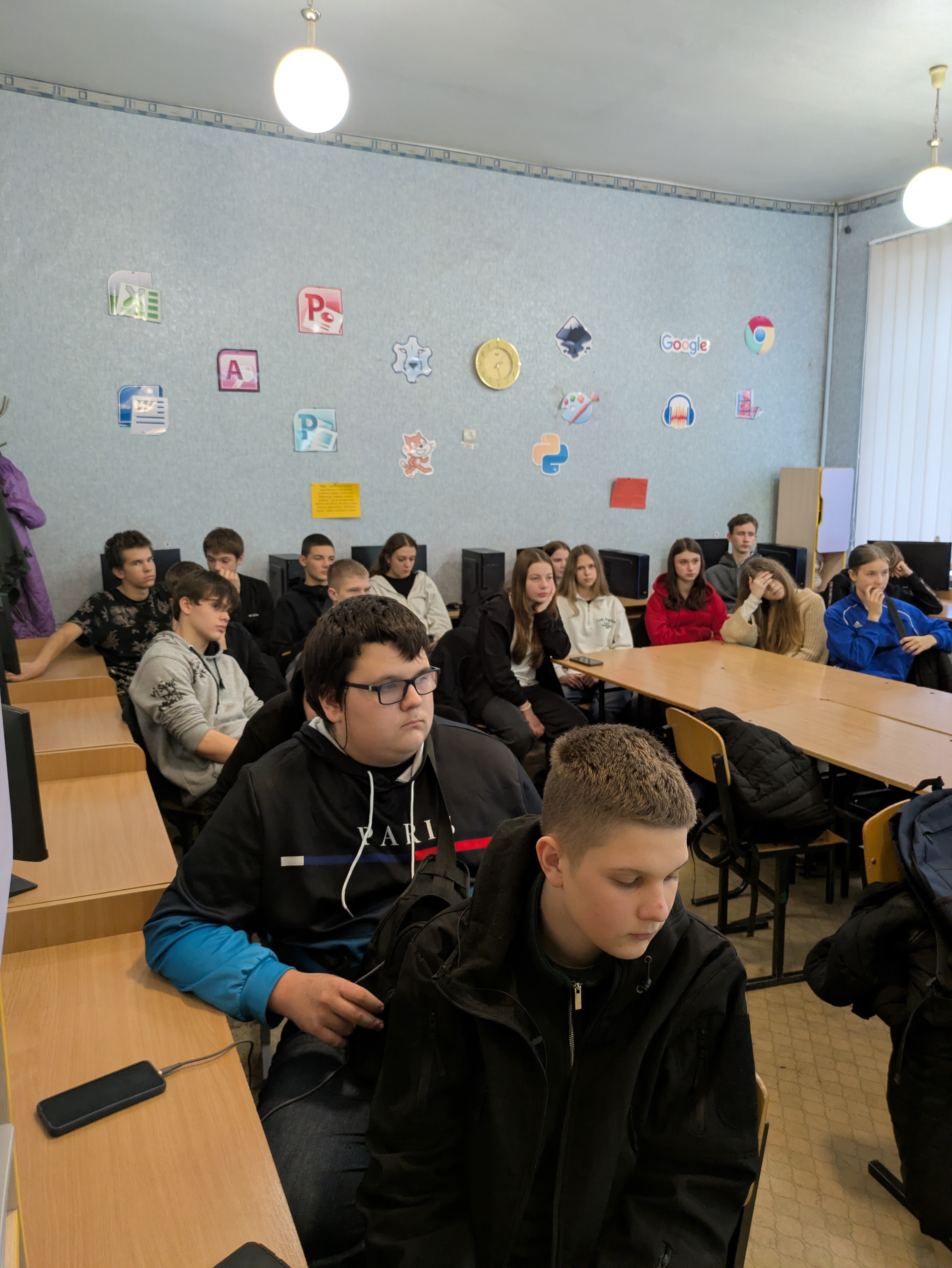
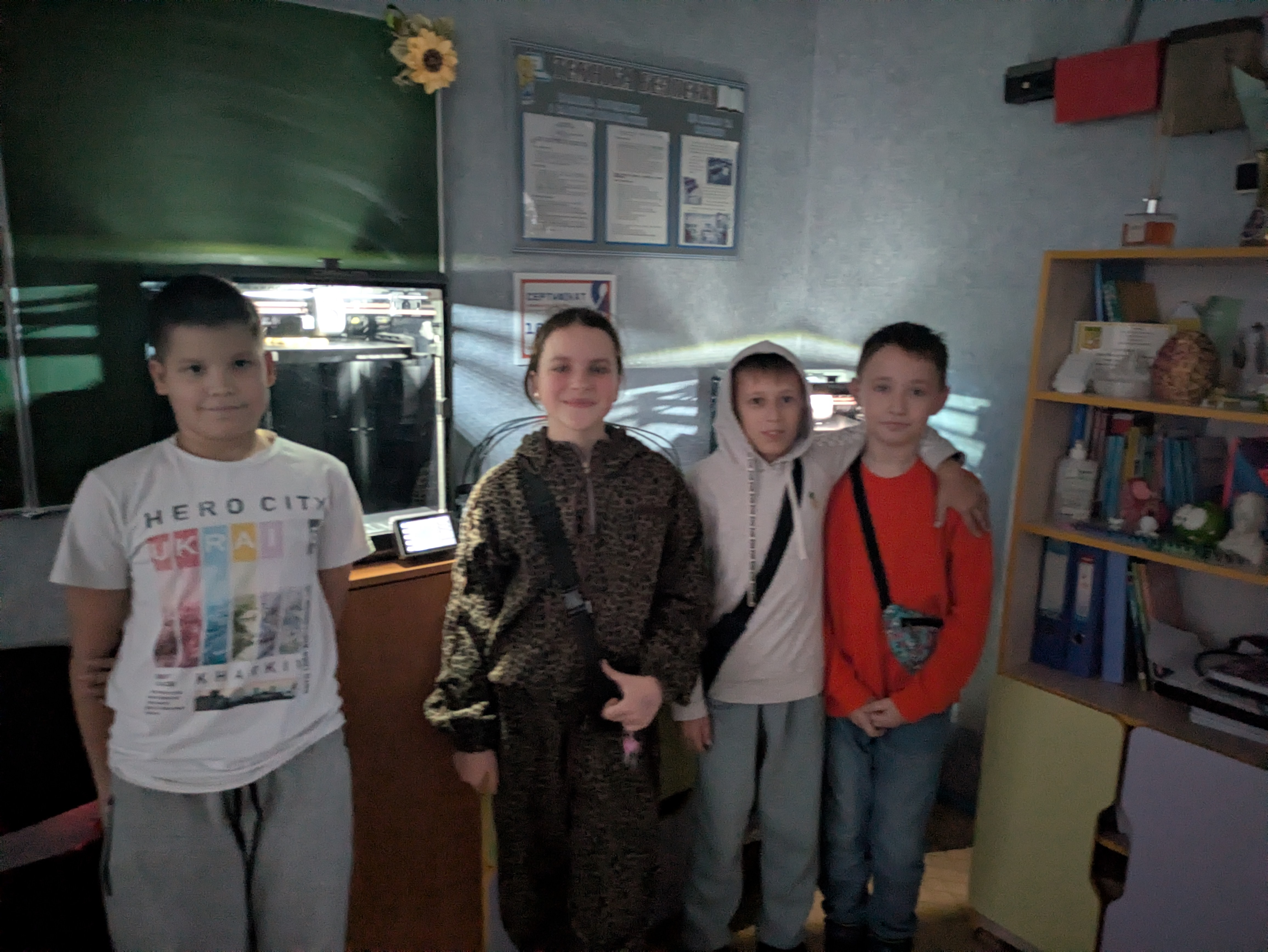
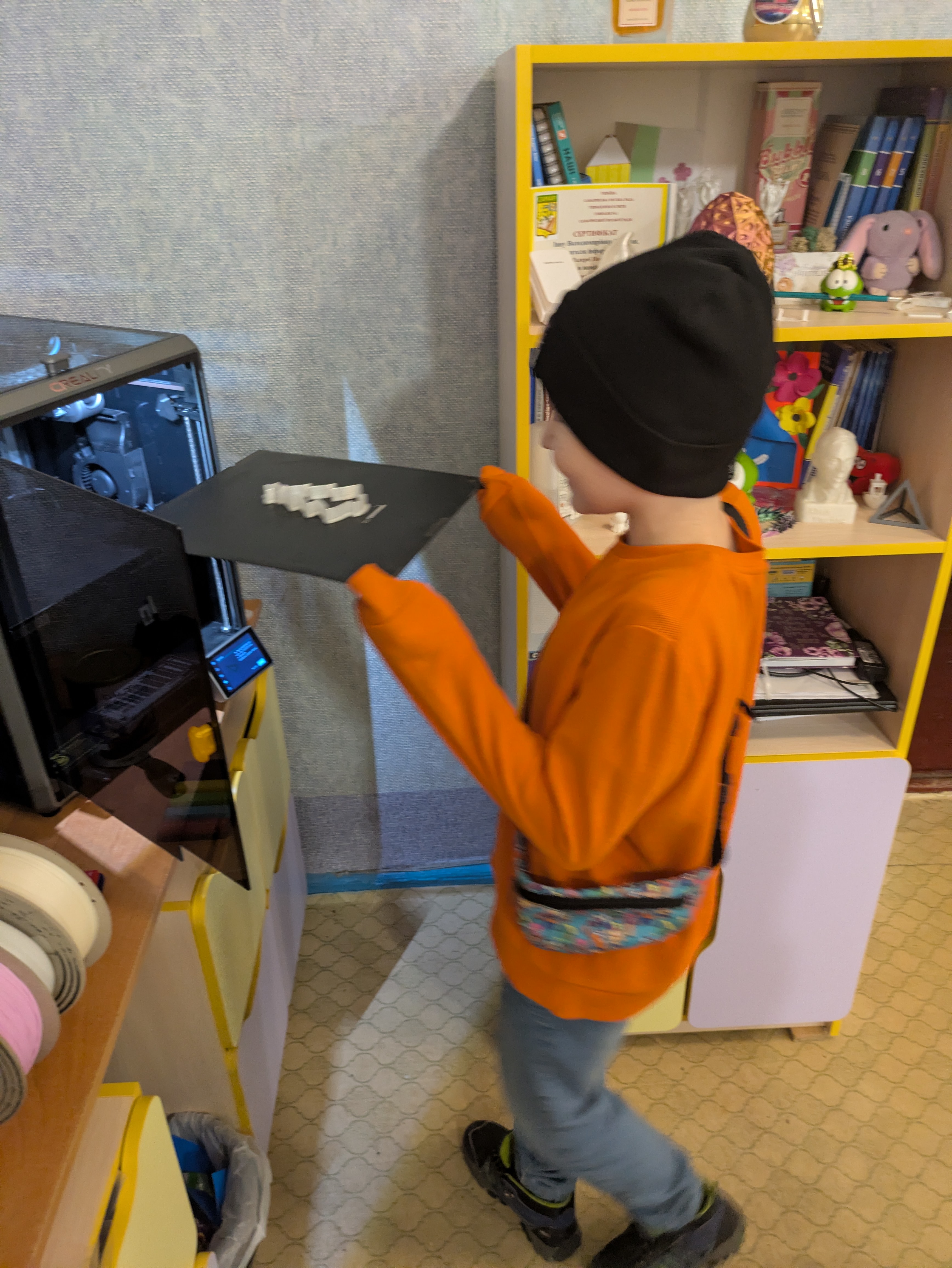
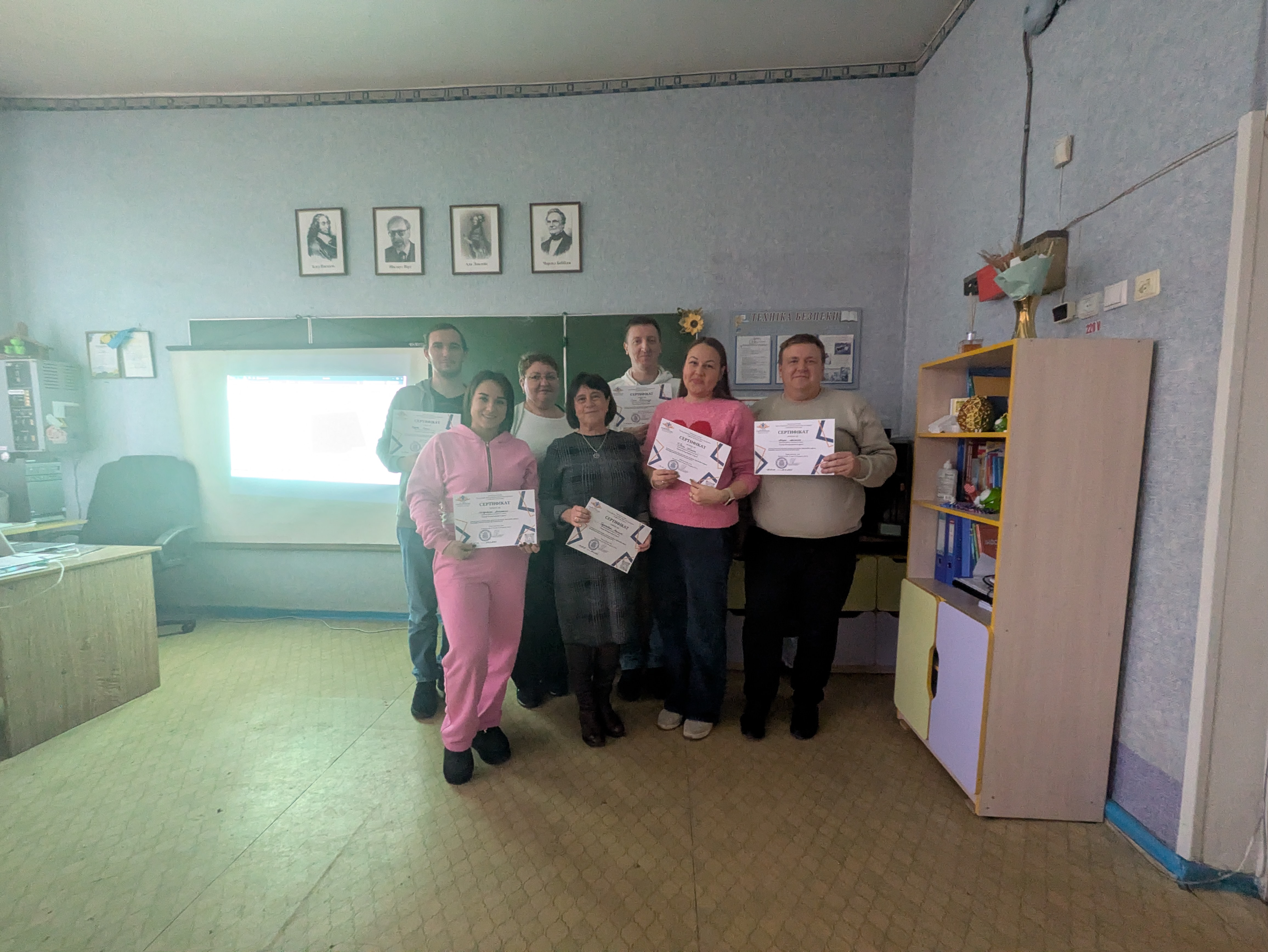
3D Education: Shaping the Future through Innovation
Organisation: NGO “From Dream to Action”
Location: Samara, Dnipro region, Ukraine
Participants: 572 | Educators: 60 | Activities: 17
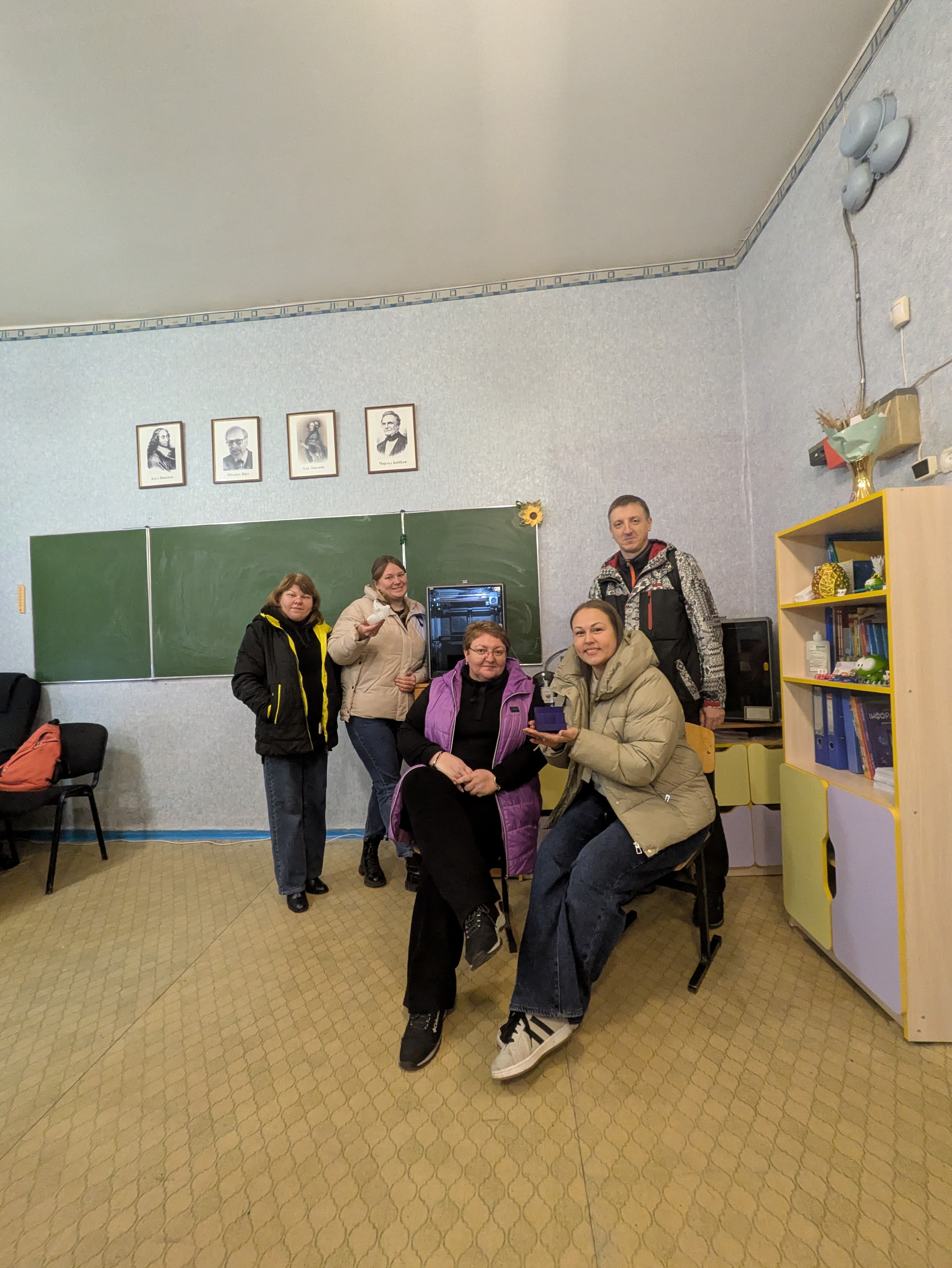
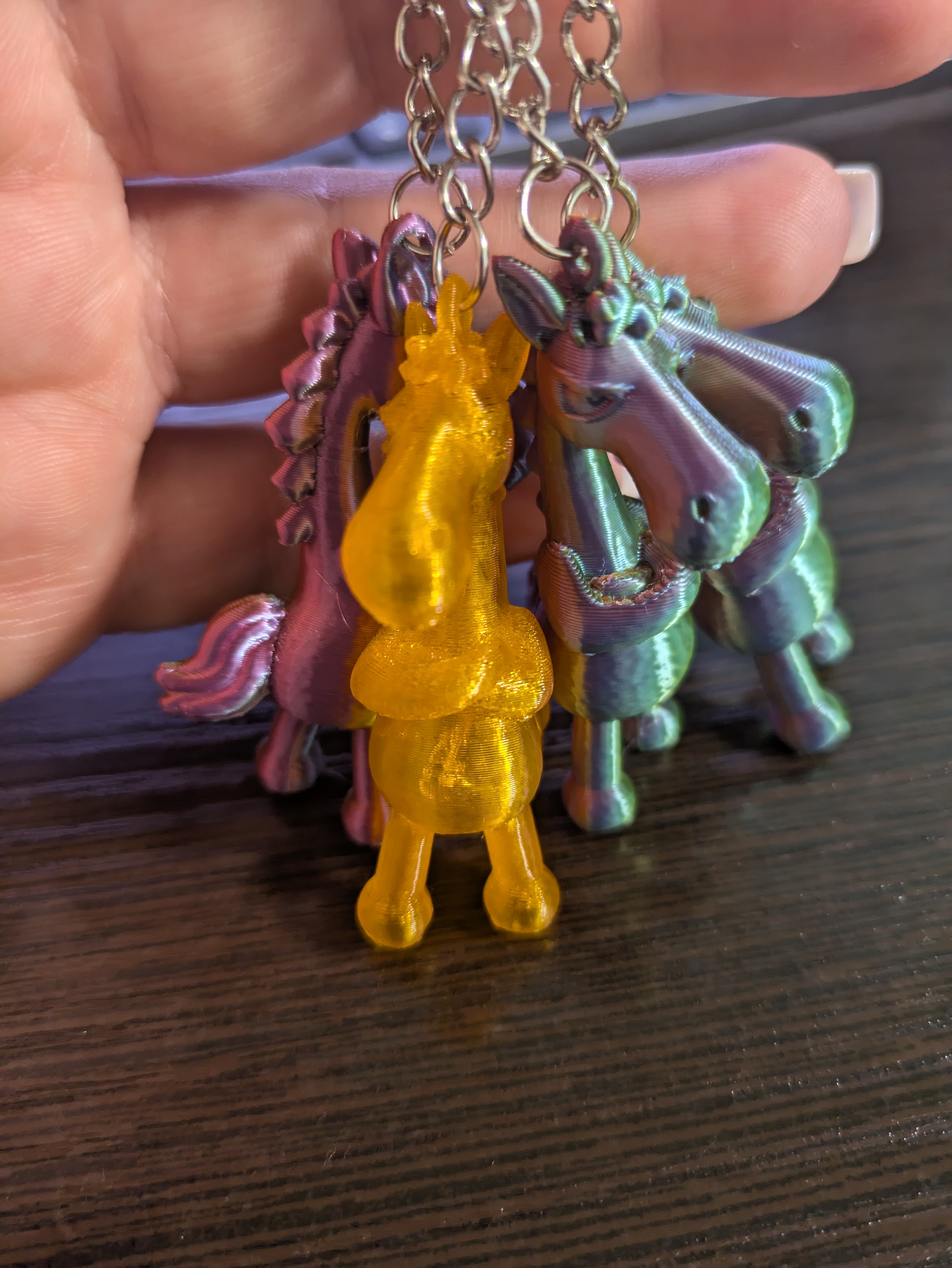
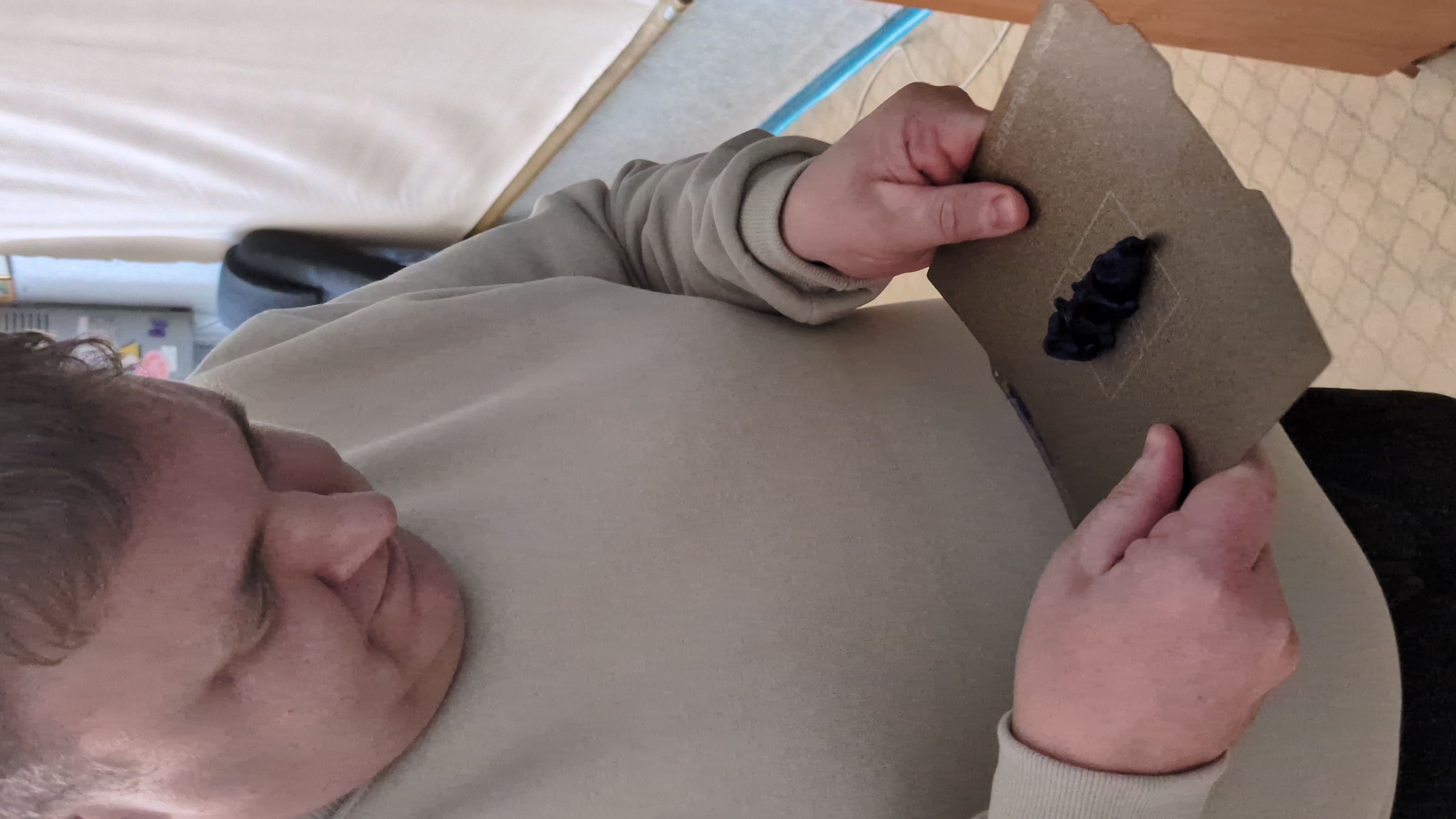
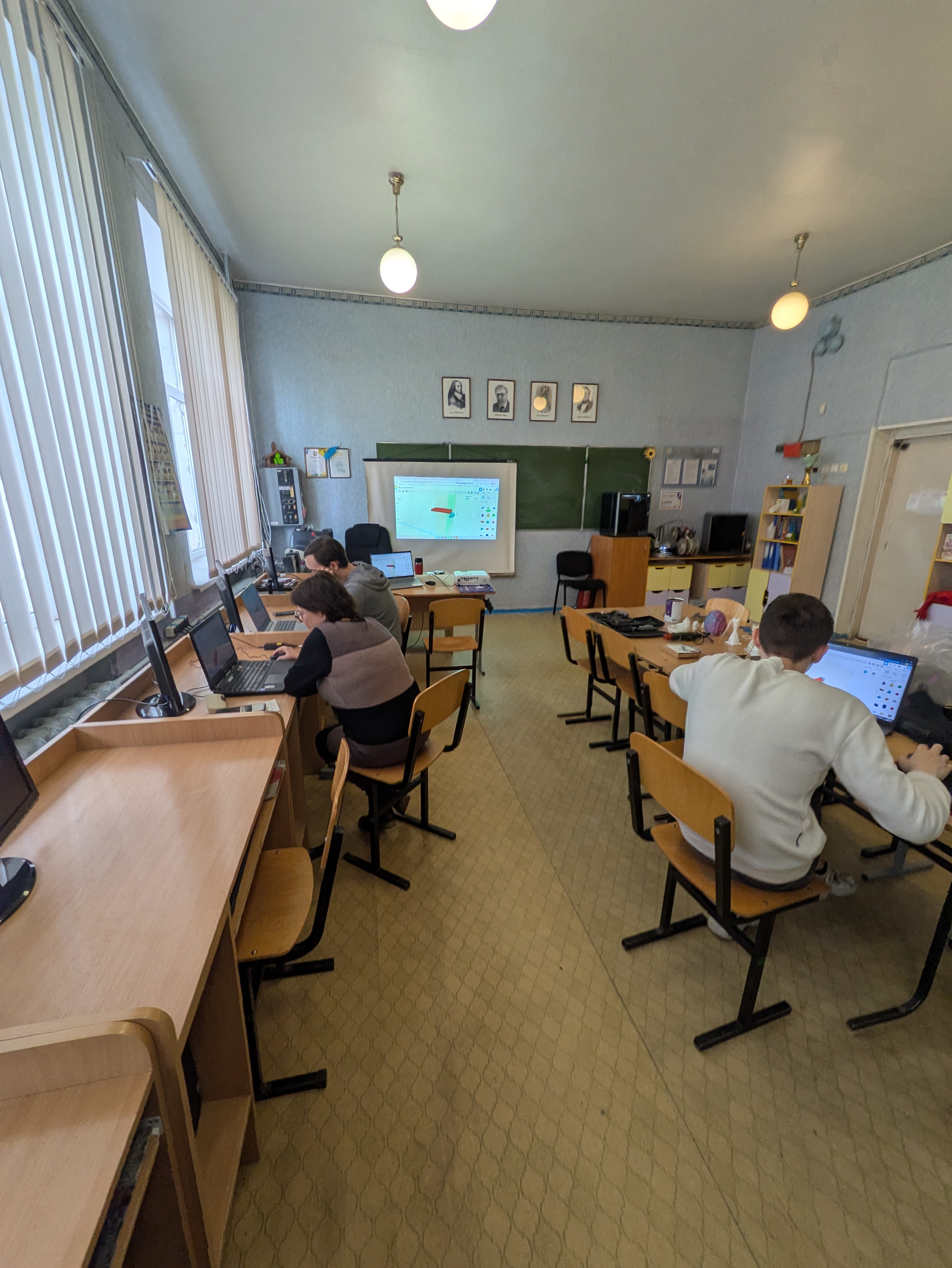
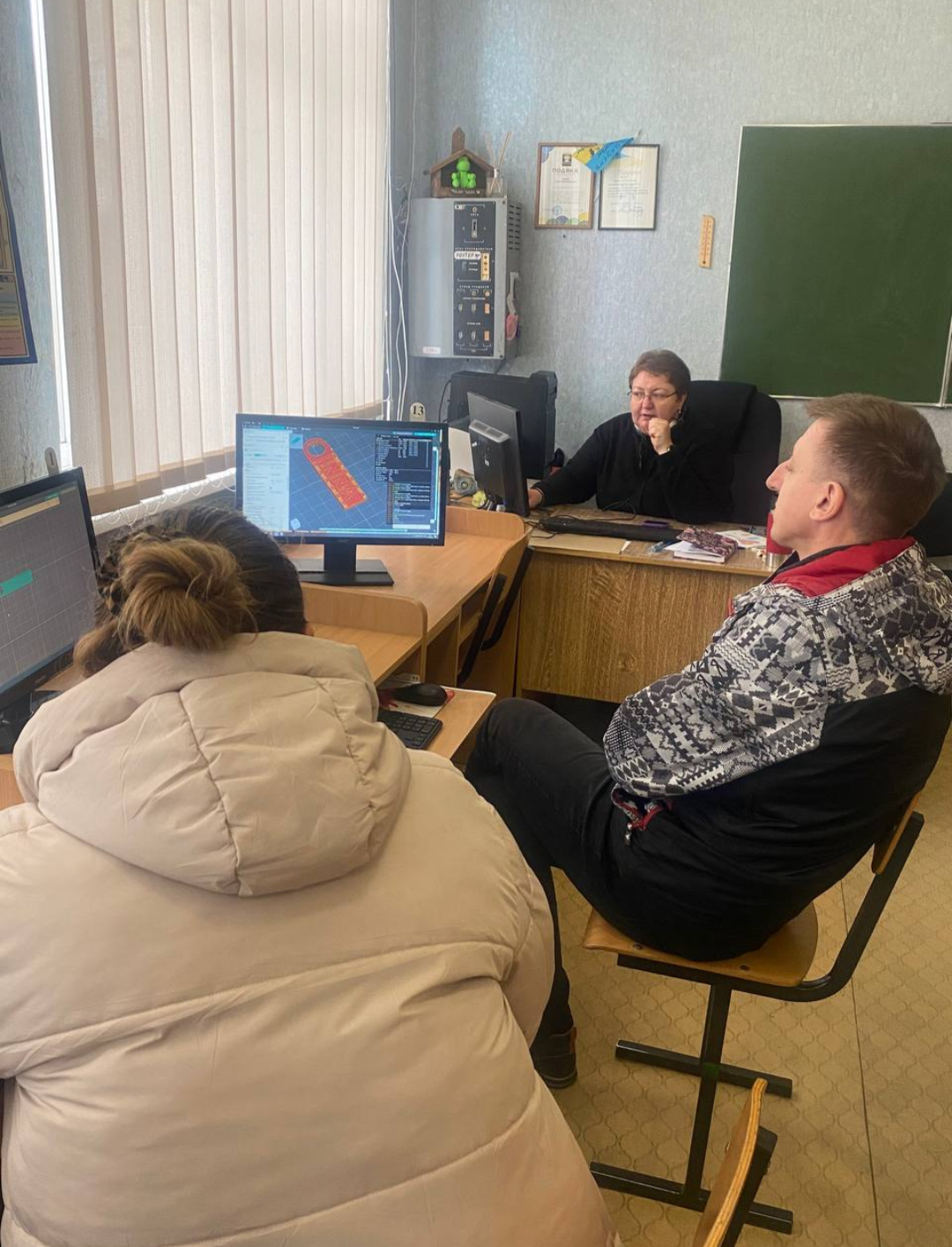
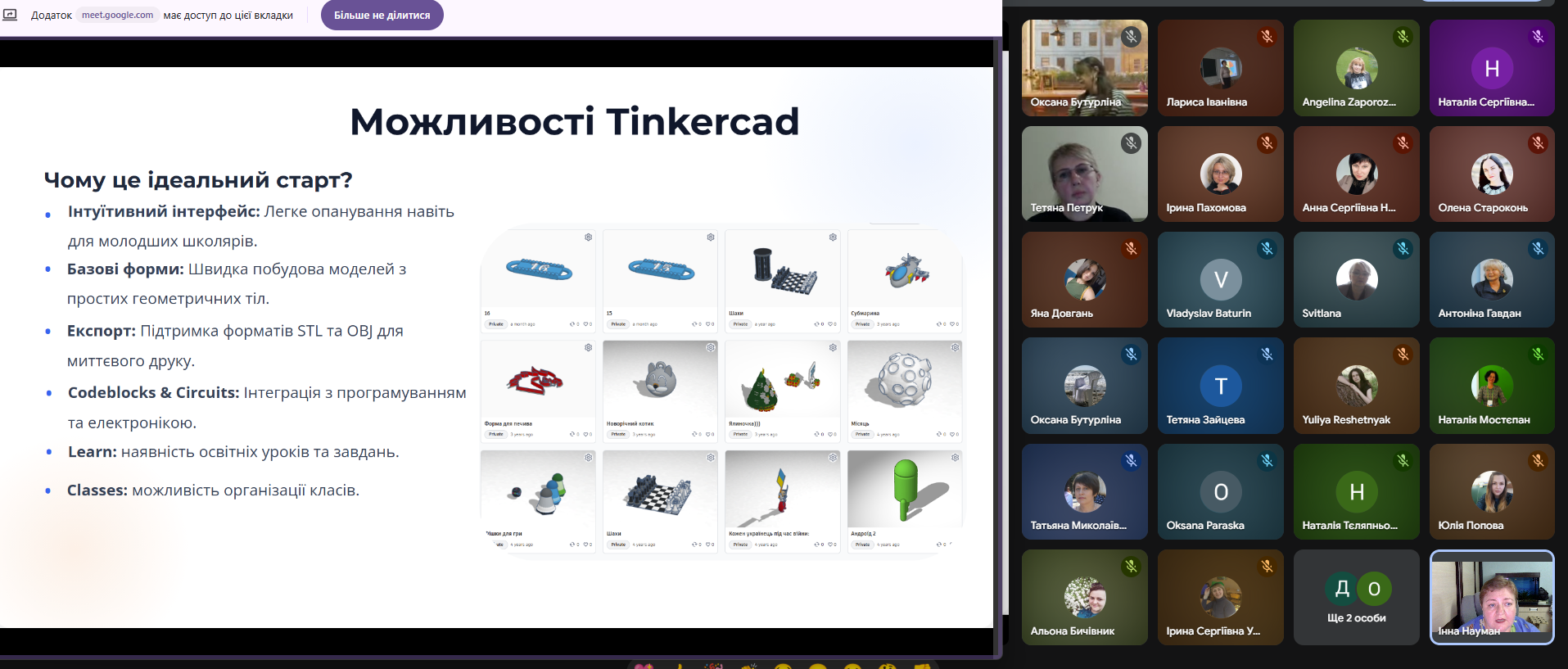
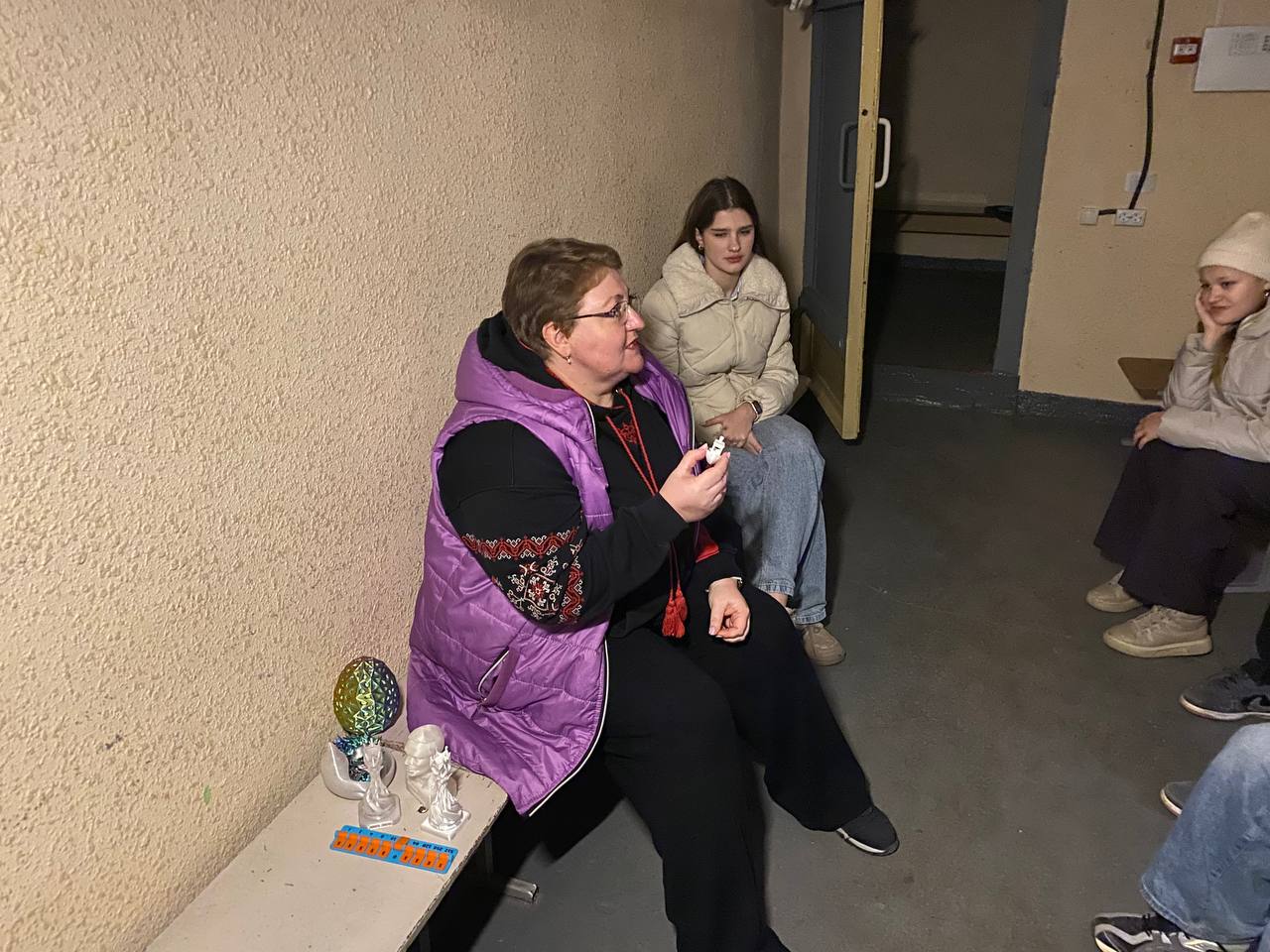
A large-scale 3D modelling and printing project combining teacher training, student workshops, open educational resources, and school-based implementation. The project helped educators and students develop practical skills in tools such as Tinkercad, Fusion 360, Blender, and 3D printing workflows, while creating reusable learning materials and models.
Underserved focus: Yes – children affected by war.
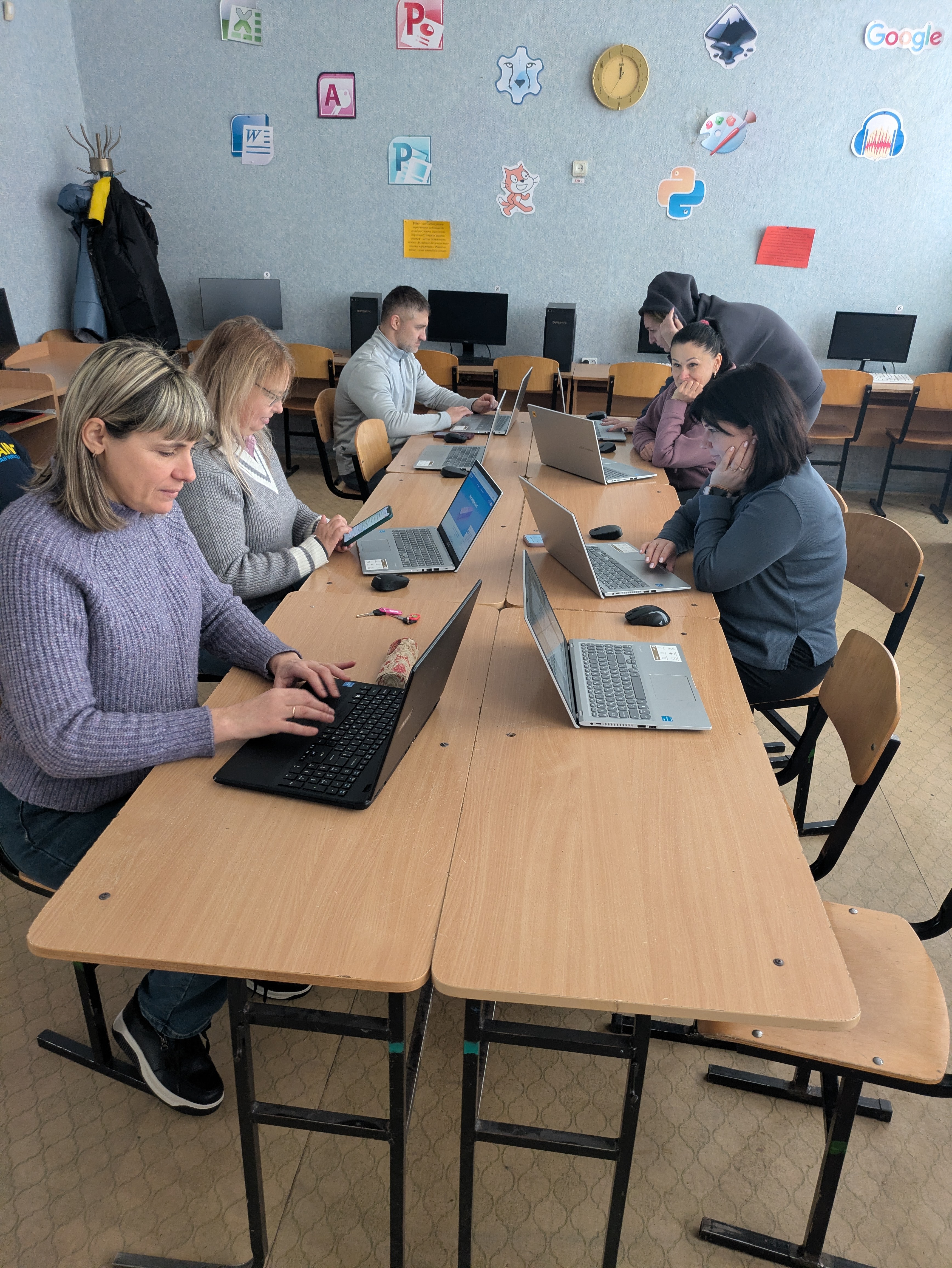
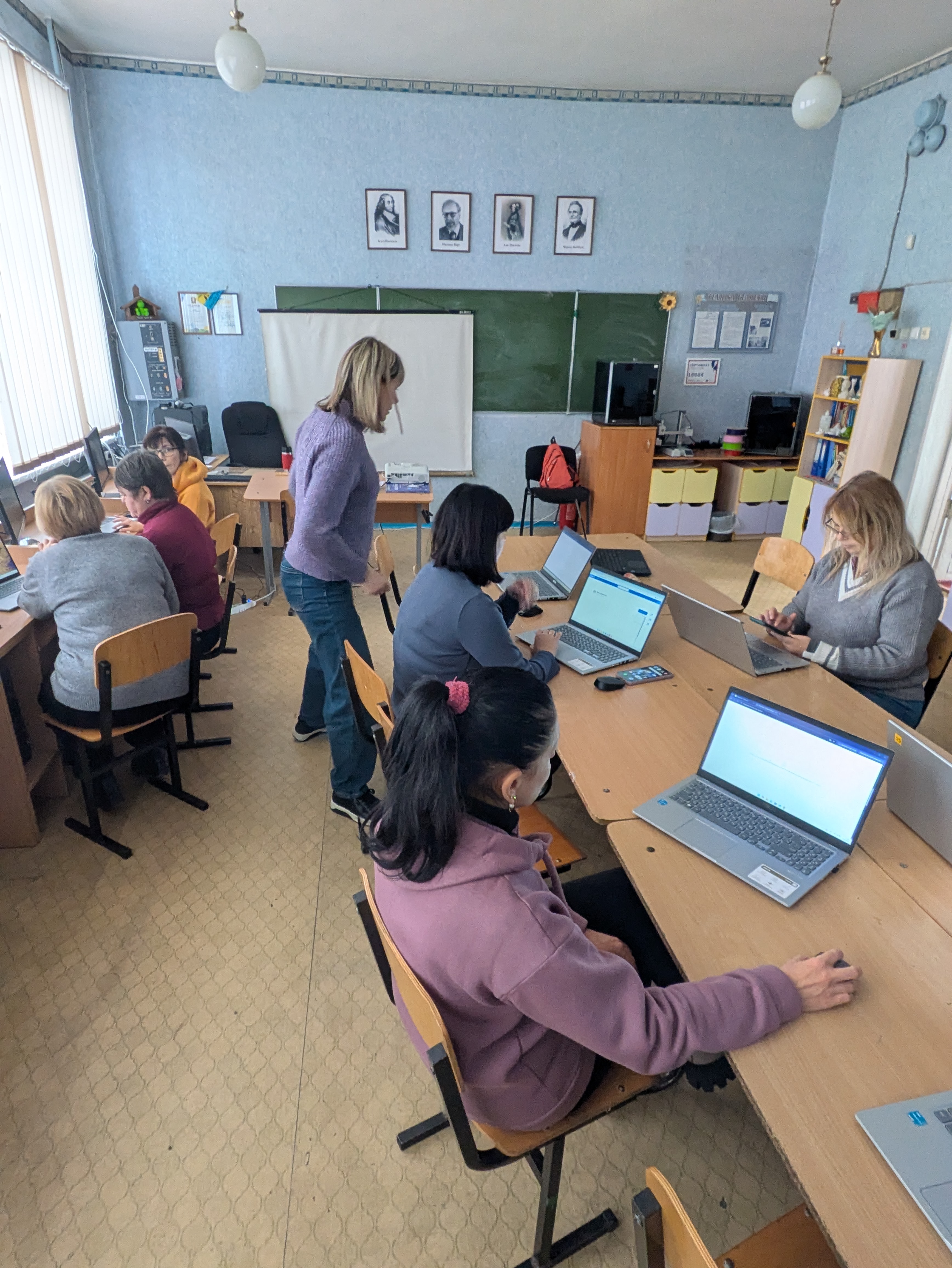
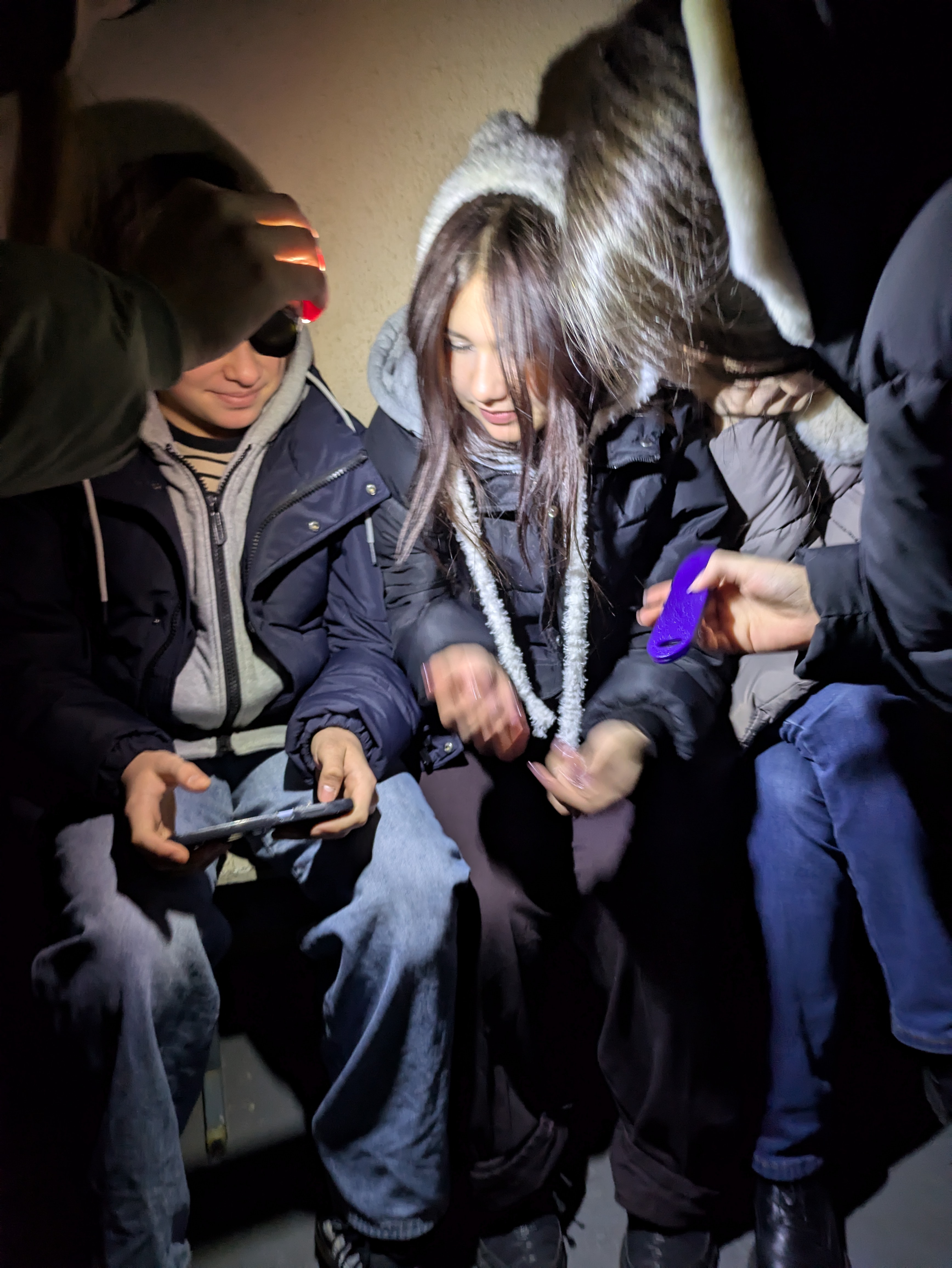
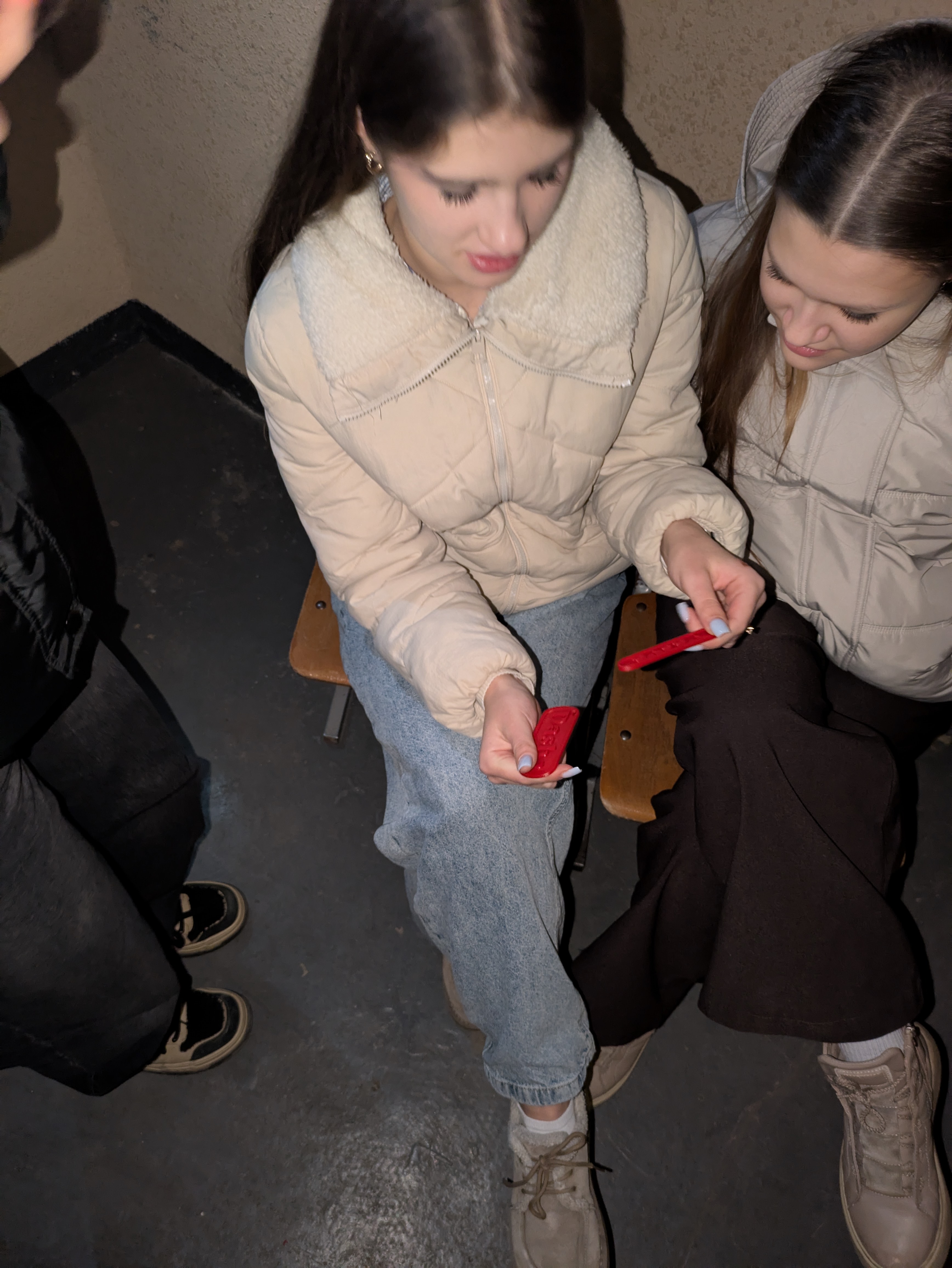
Easy_Code: Start in the World of Programming
Organisation: NGO “RECOVERY 2.0”
Location: Velykyi Bereznyi, Zakarpattia region, Ukraine
Participants: 379 | Educators: 9 | Activities: 16
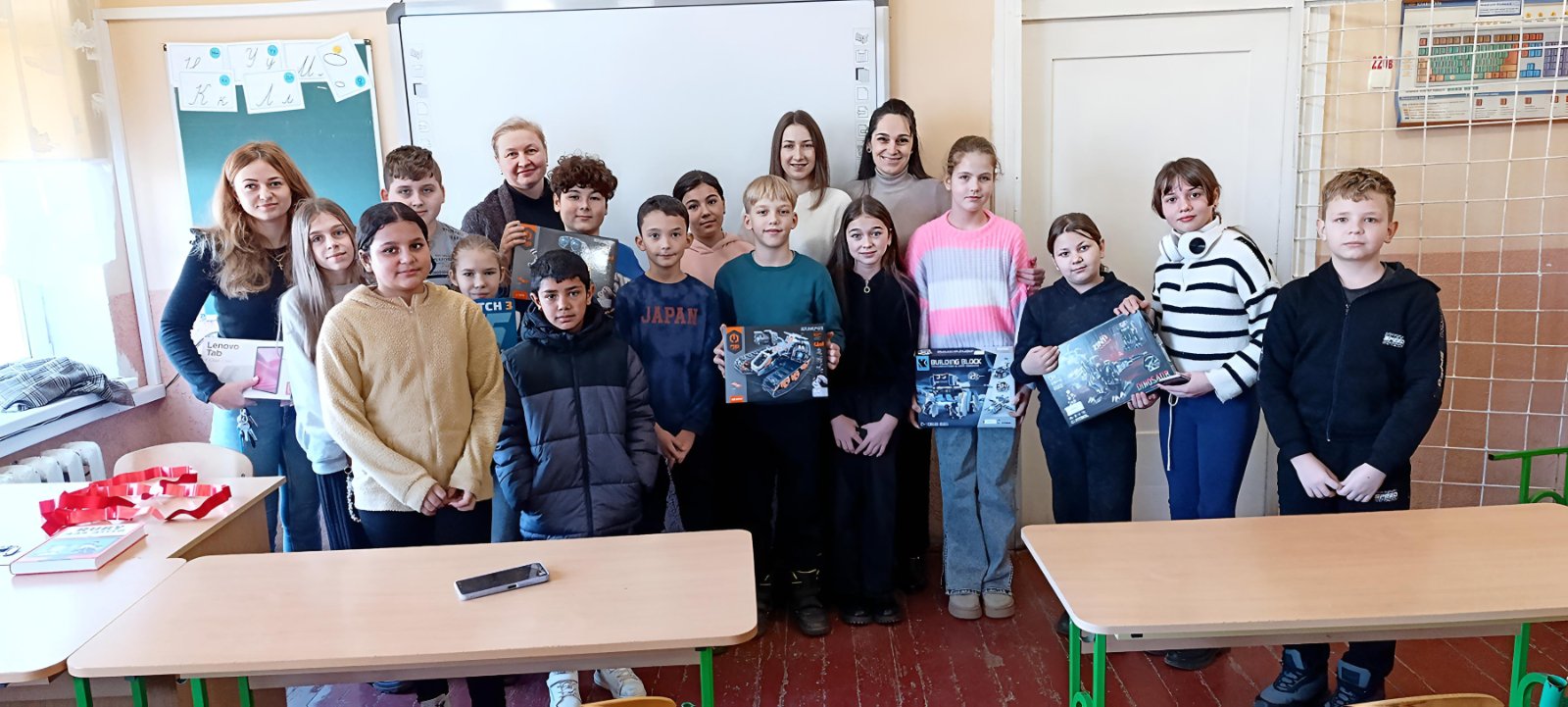
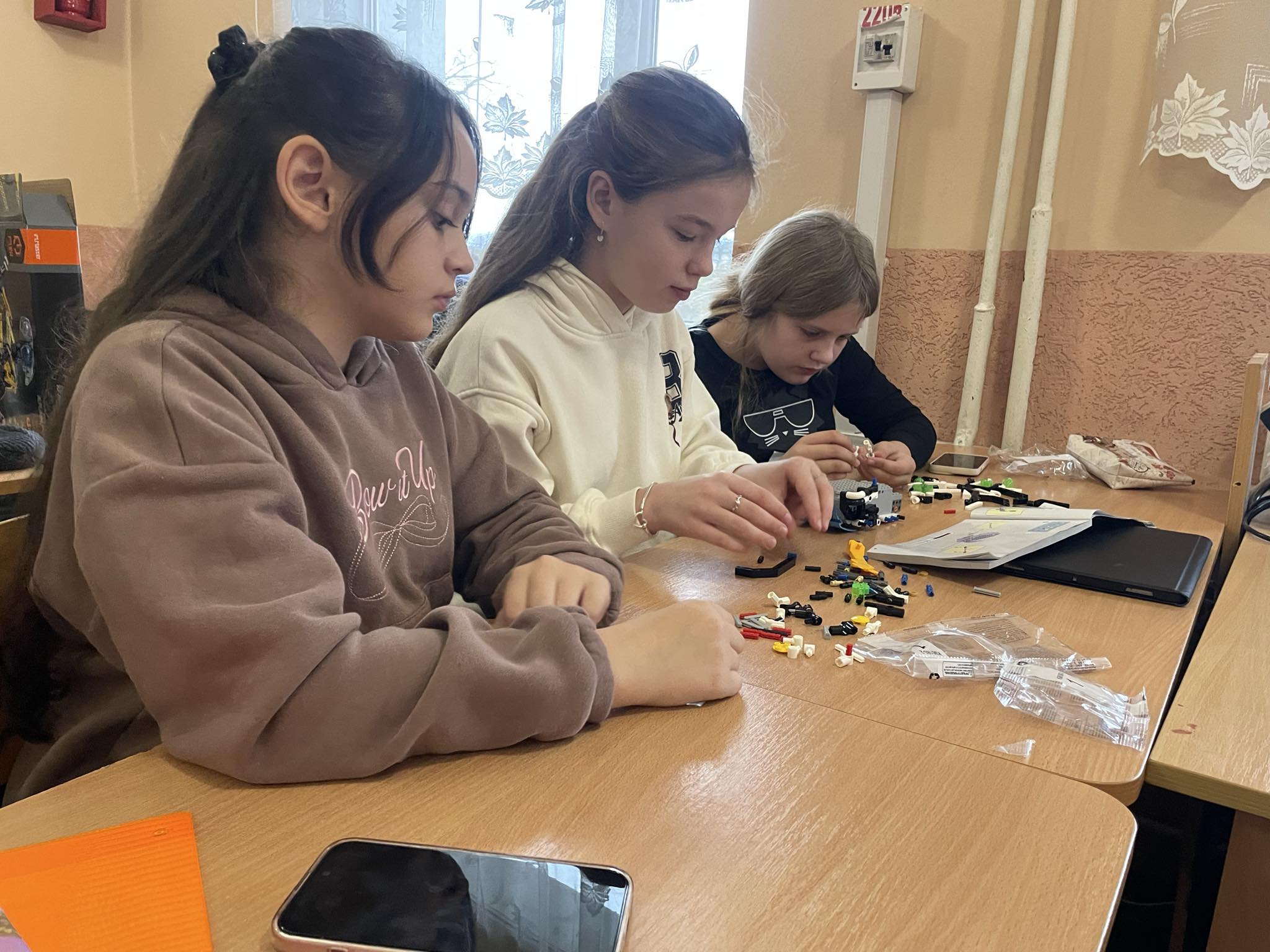
A project introducing students to visual programming and STEM through Scratch, gamified activities, and new classroom STEM kits. The initiative supported three schools, updated computer science lessons, and concluded with an interschool coding challenge where students presented their mini-projects.
Links:
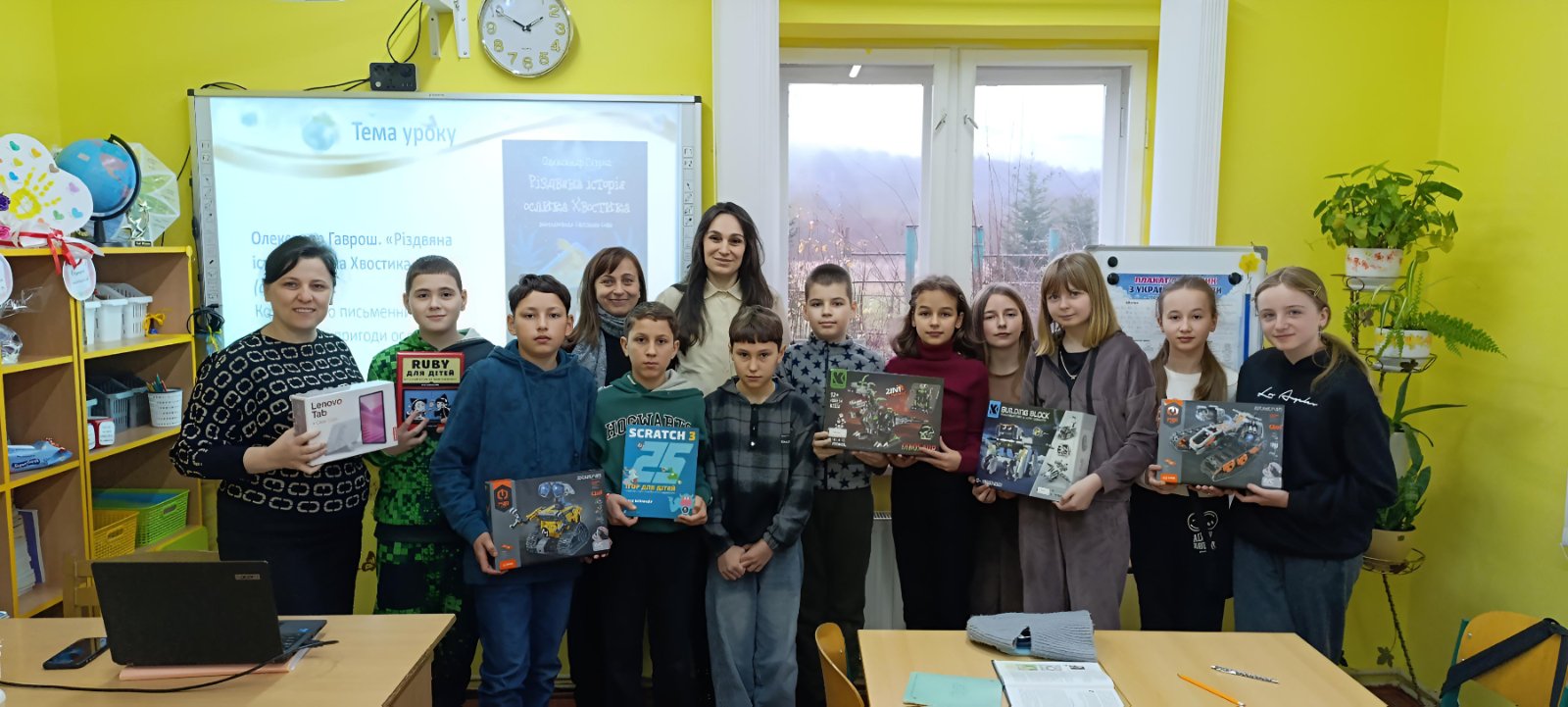
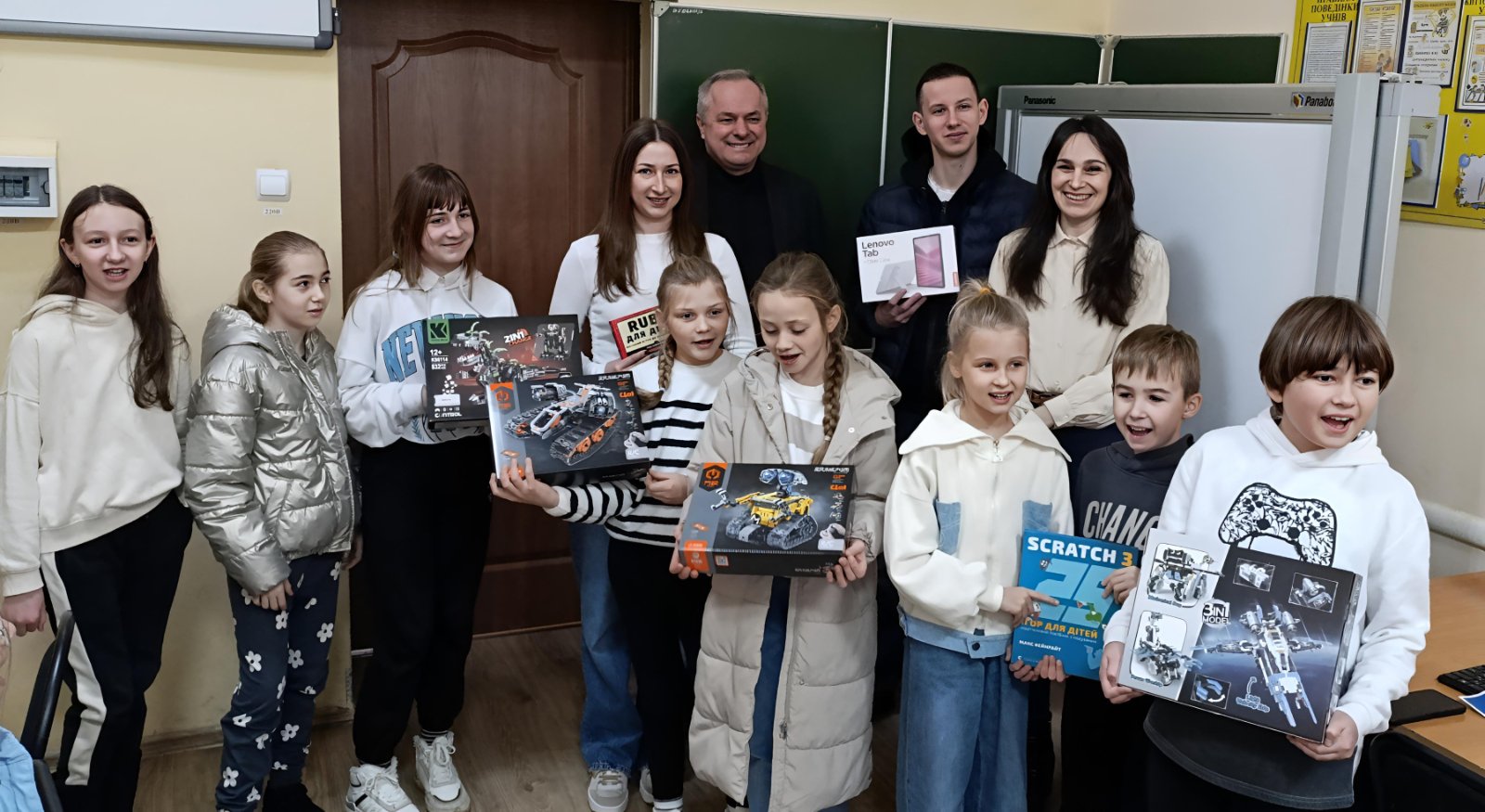
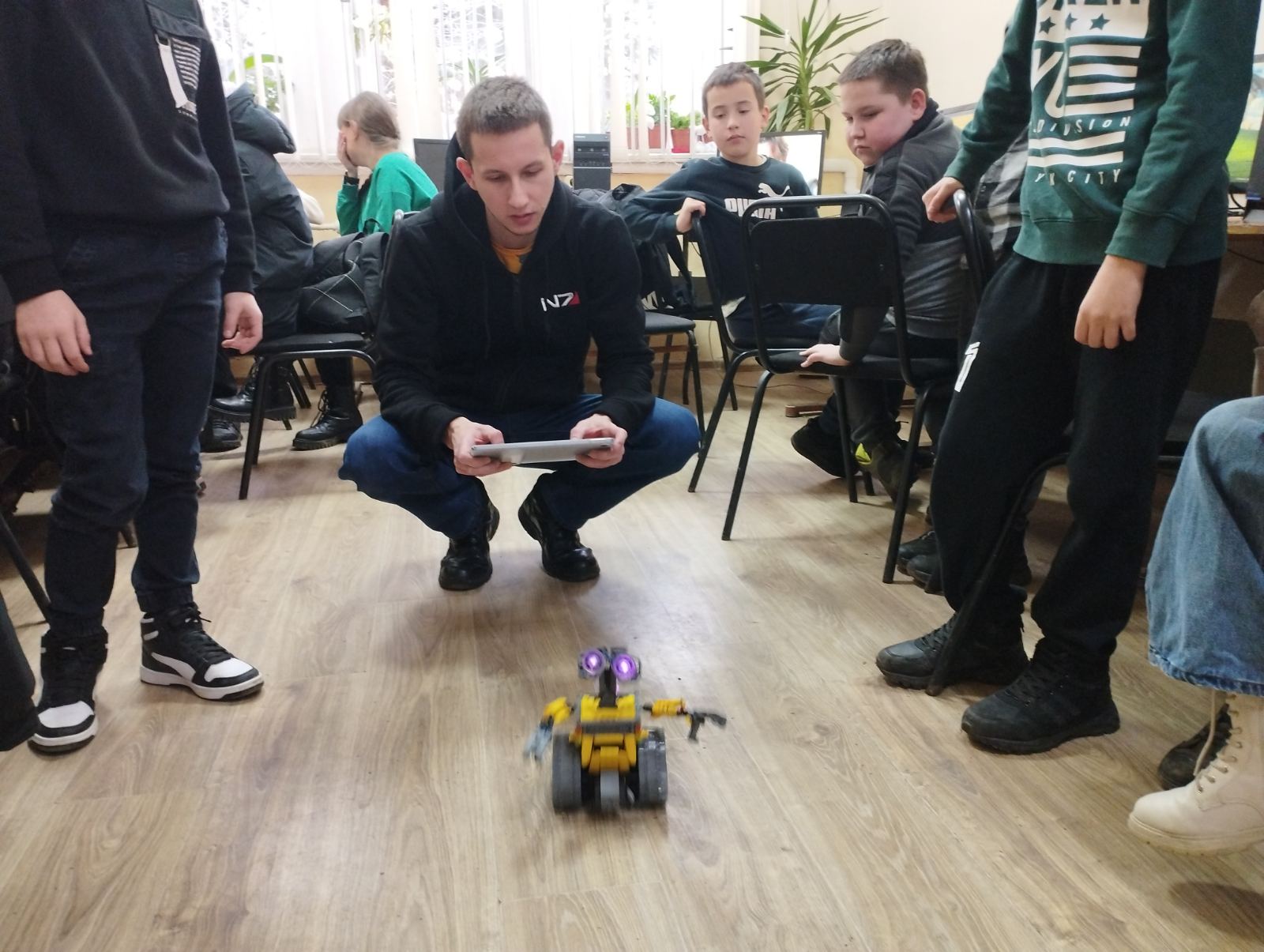
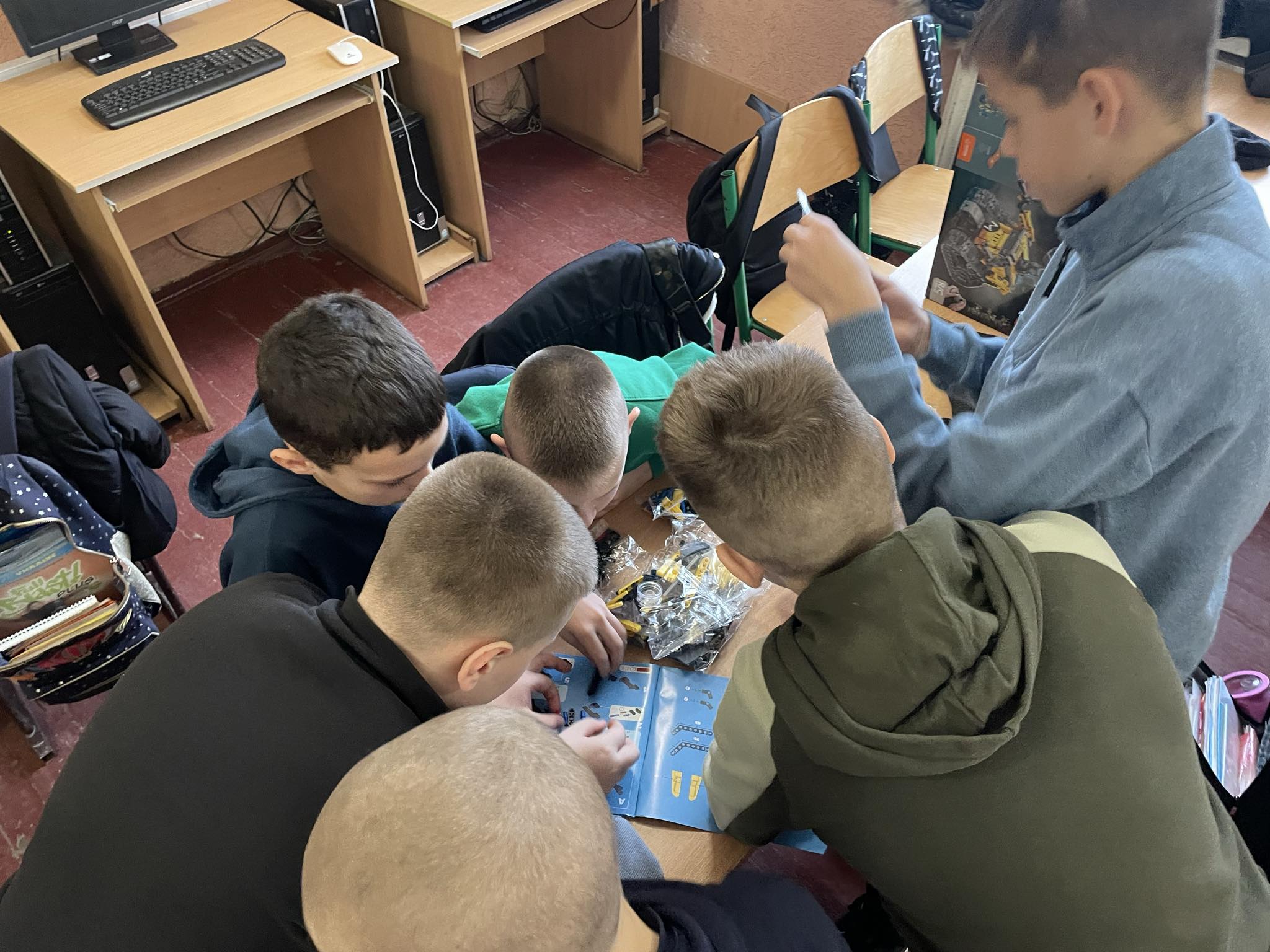
StemLab: Innovations for Modern Education
Organisation: Zaporizhzhia Gymnasium No. 109
Location: Zaporizhzhia, Ukraine
Participants: 354 | Educators: 53 | Activities: 30
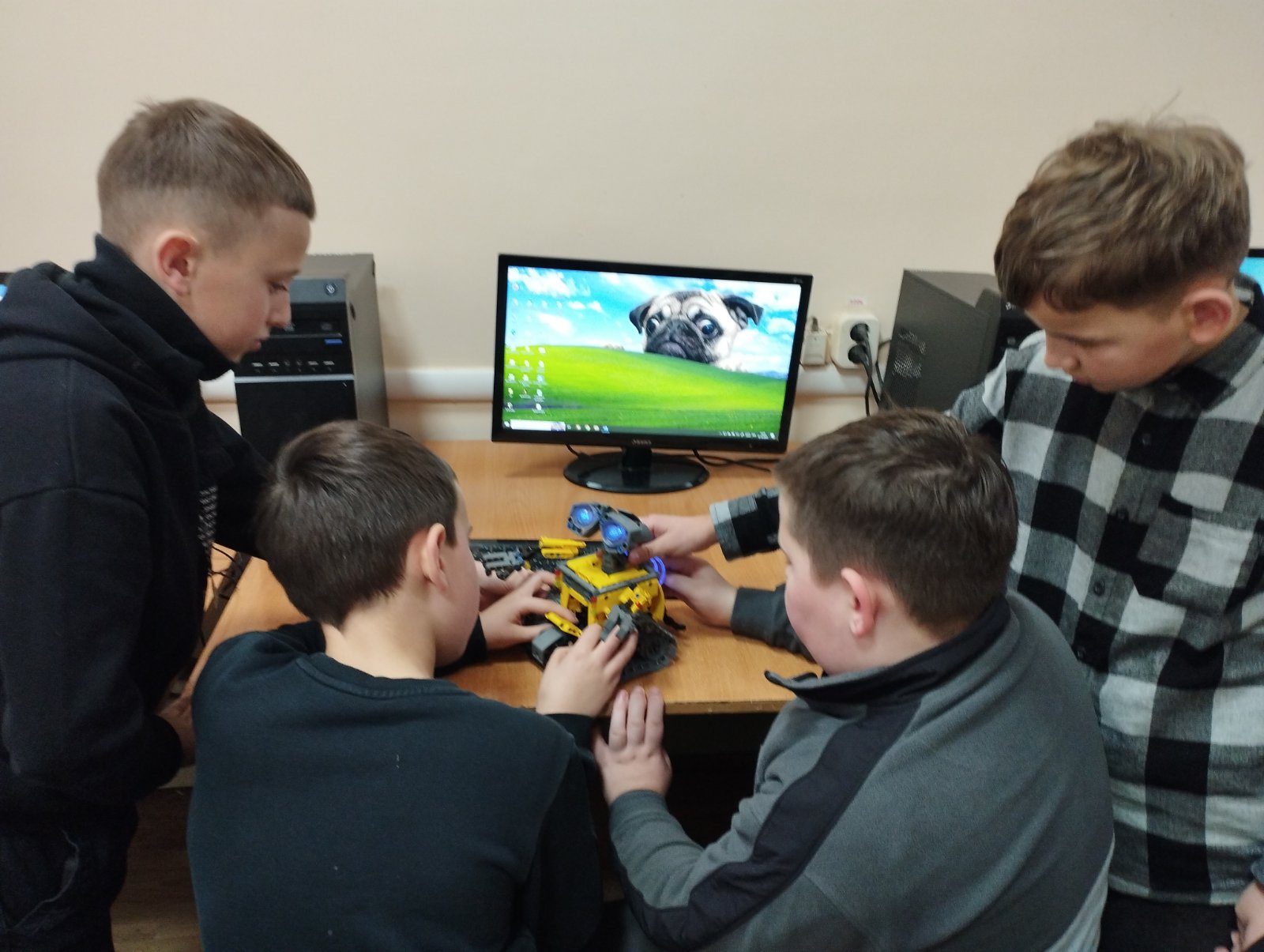
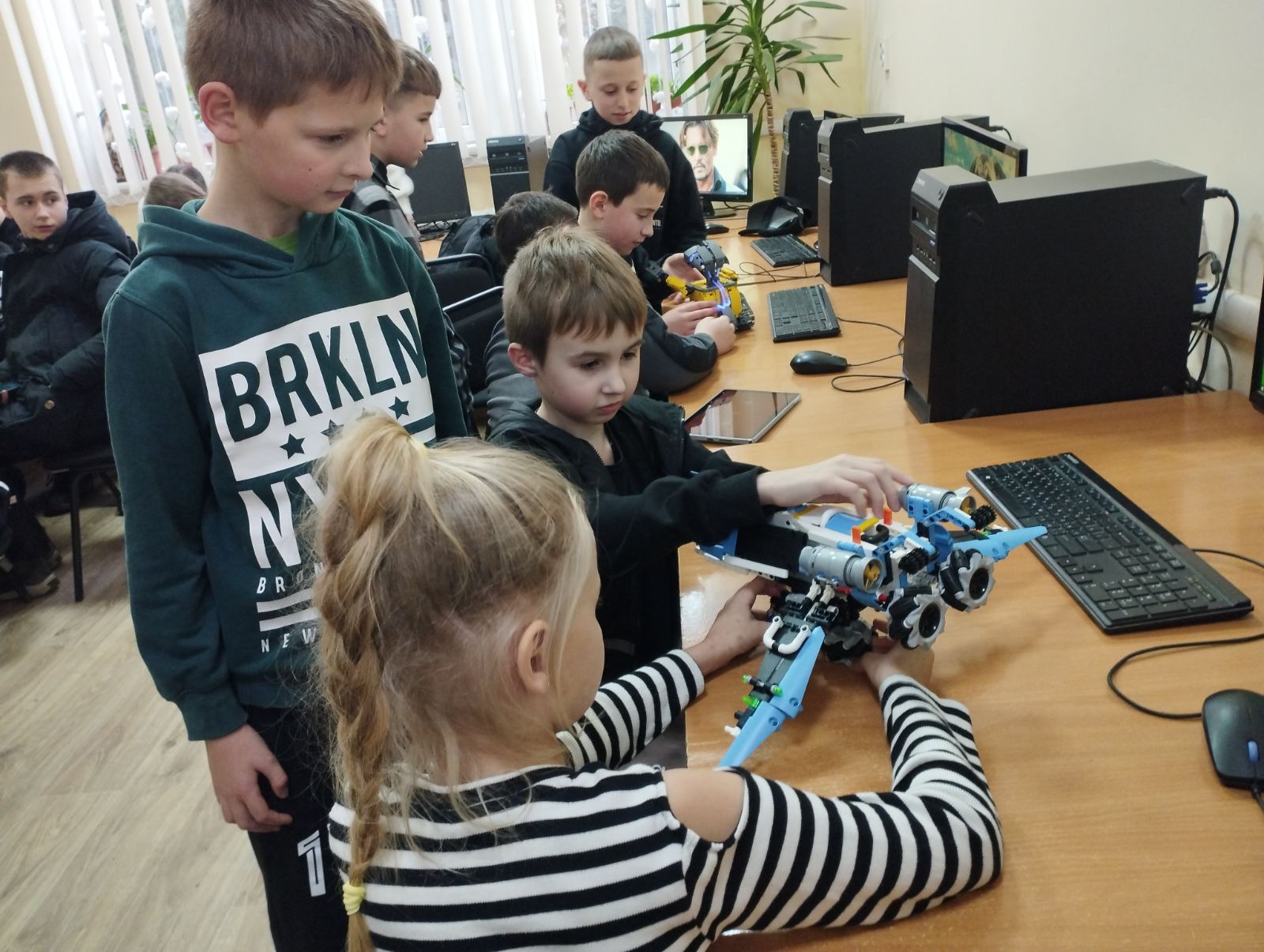
A mobile STEM laboratory project designed to provide continuous access to hands-on STEM education, including in shelters and partner schools. Through mobile STEM boxes, integrated lessons, hackathons, and teacher training, the project supported practical learning in robotics, programming, engineering, and digital modelling.
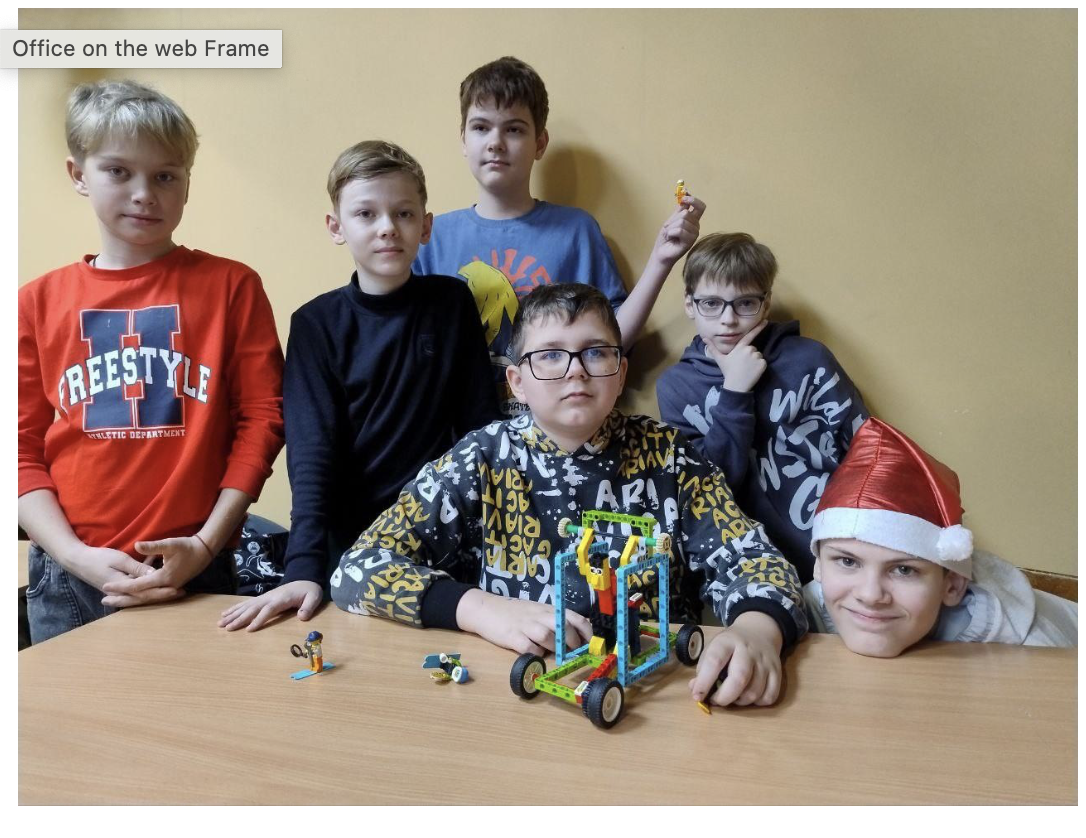
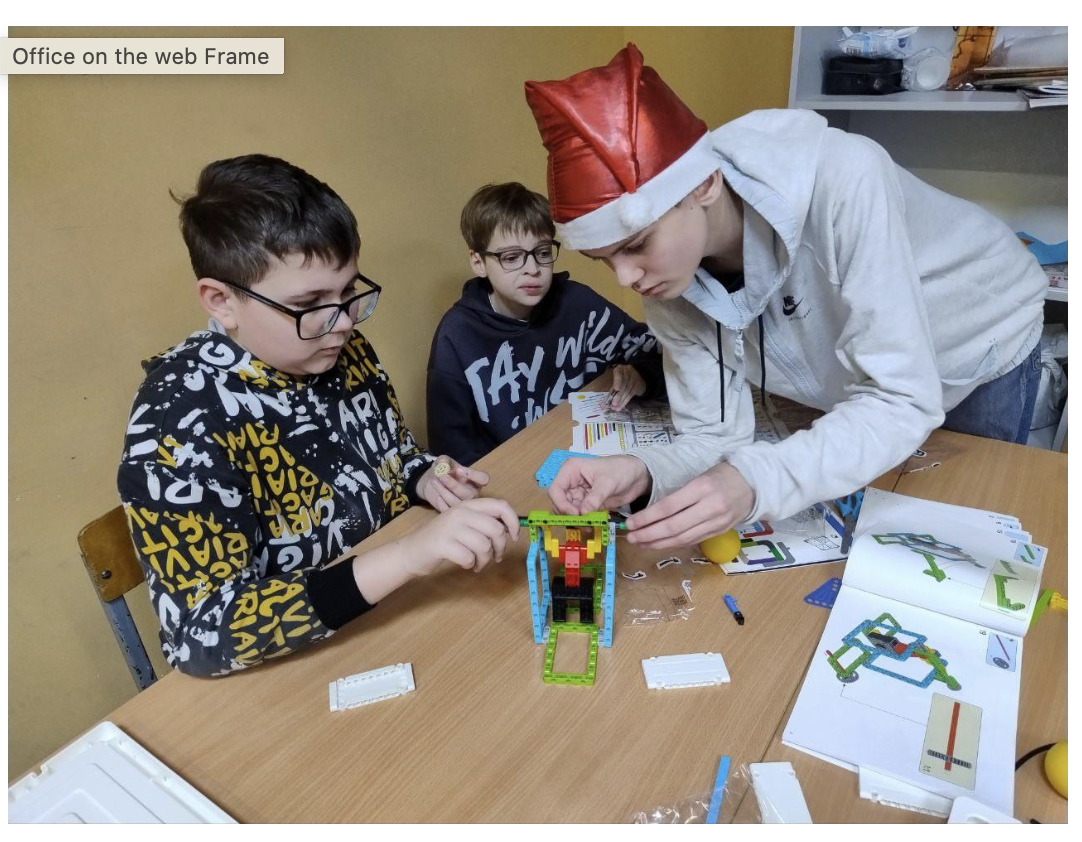
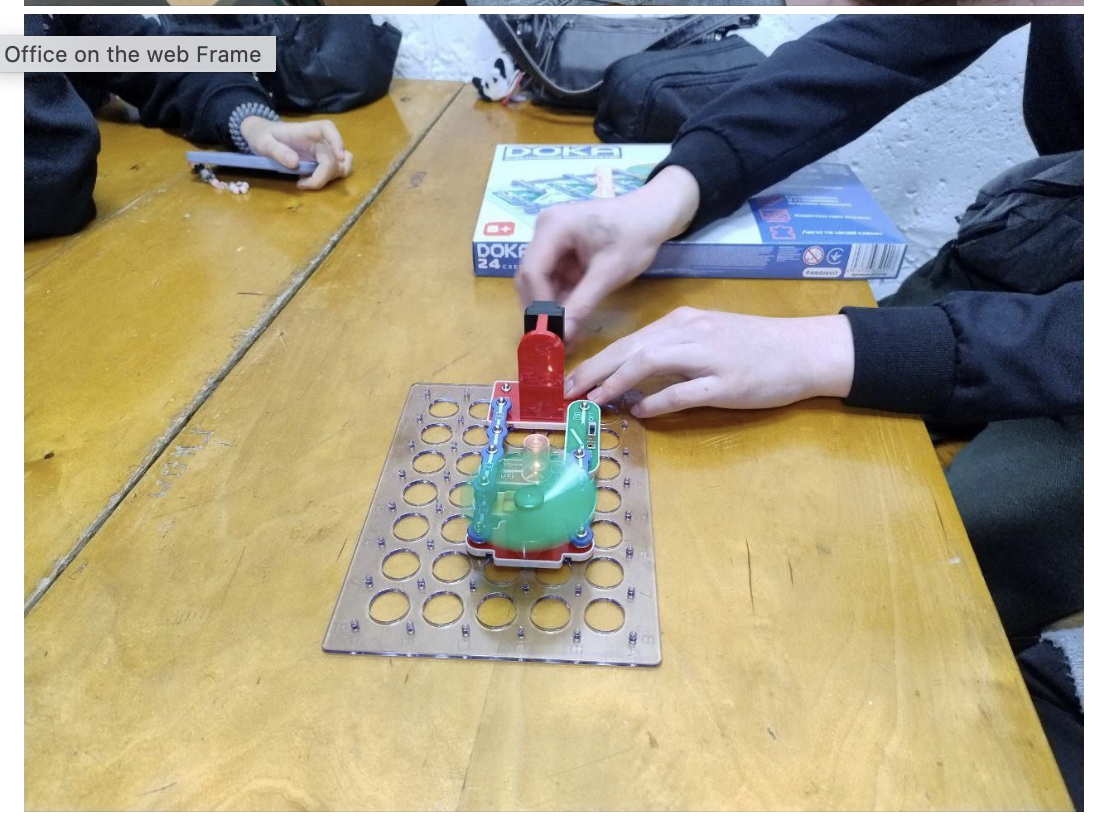
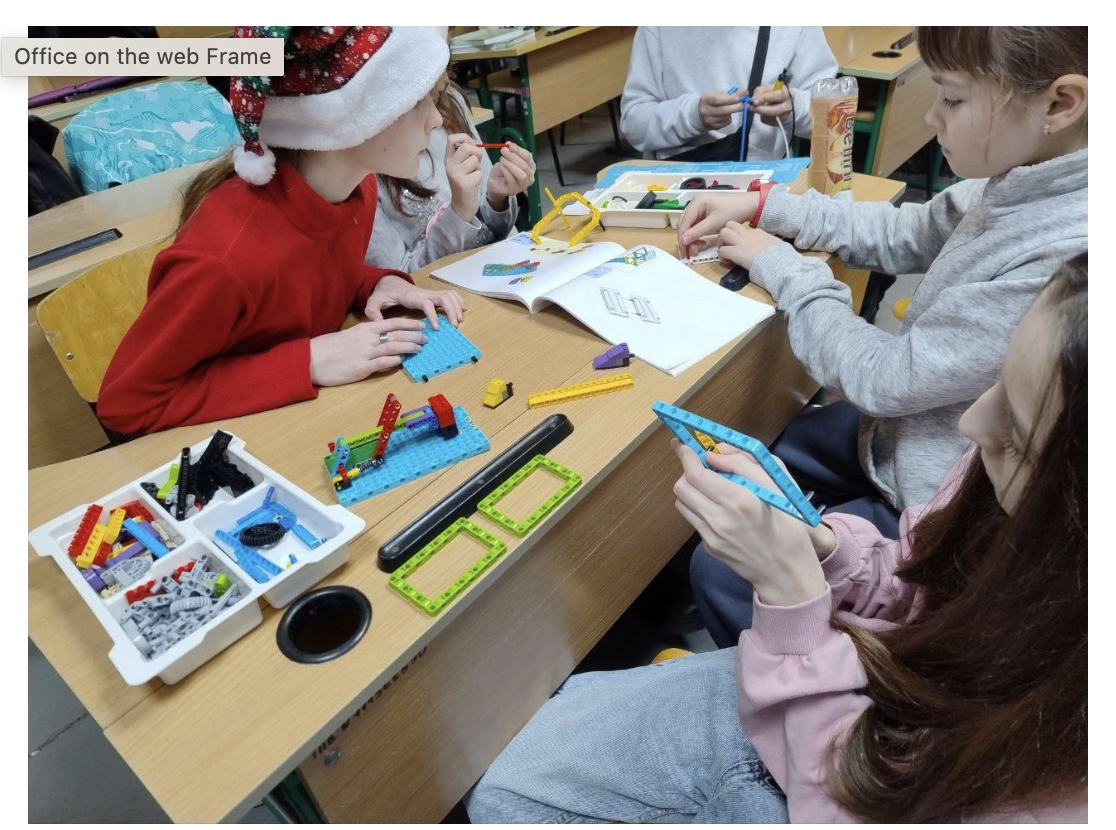
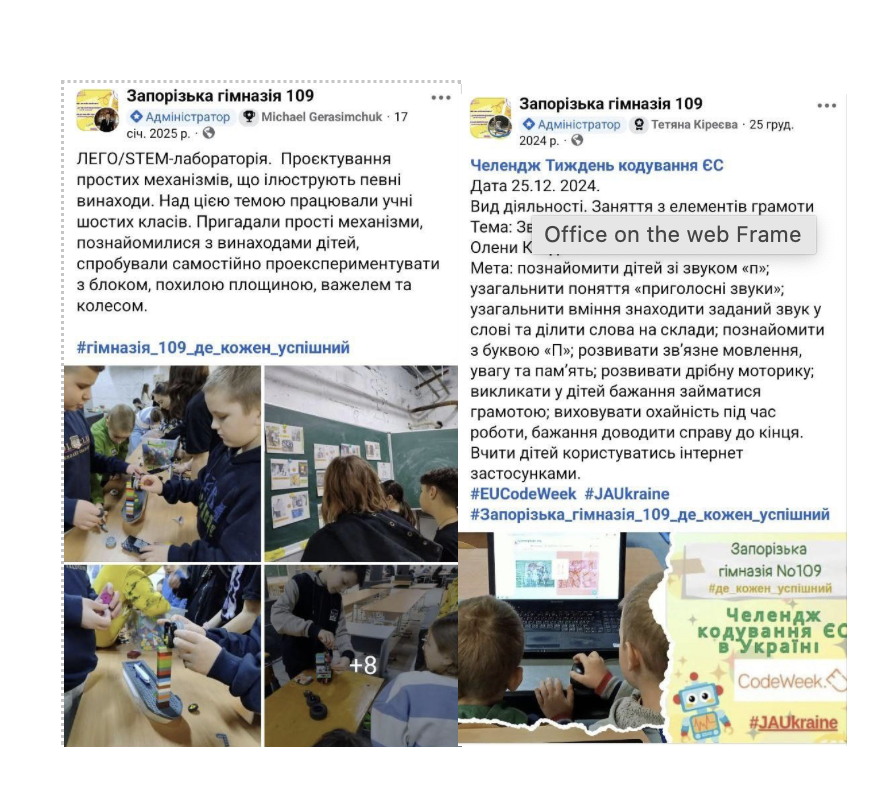
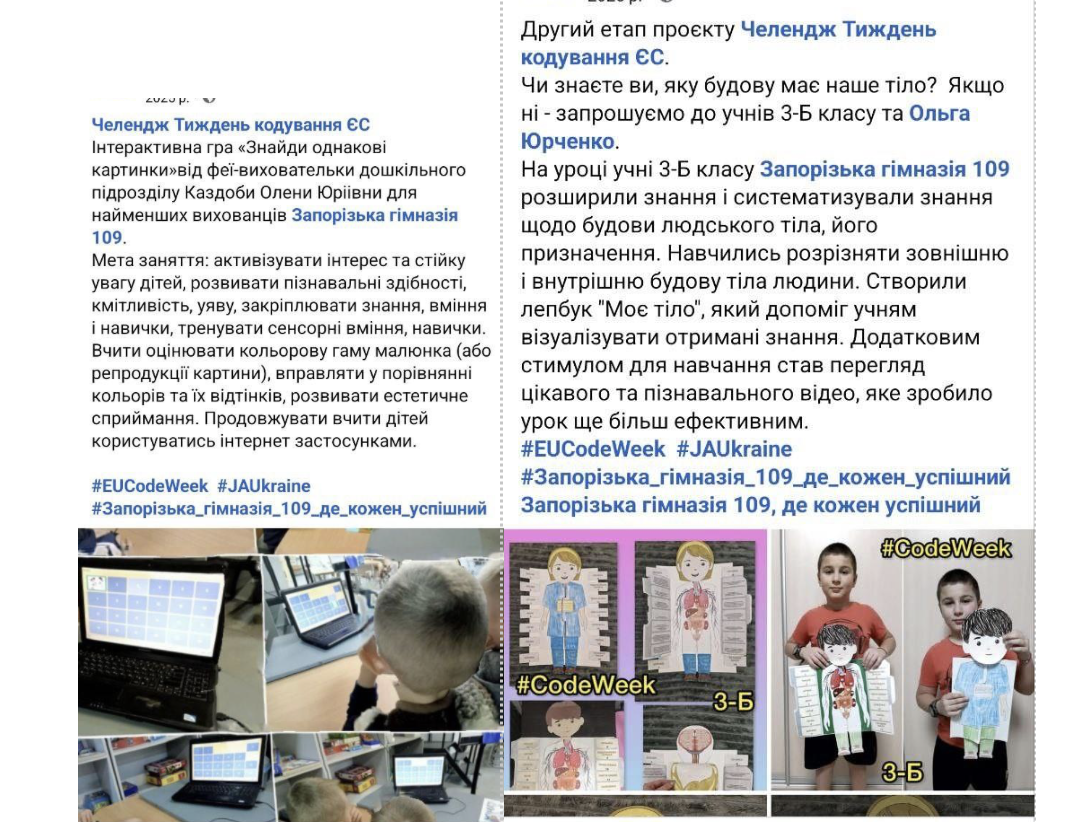
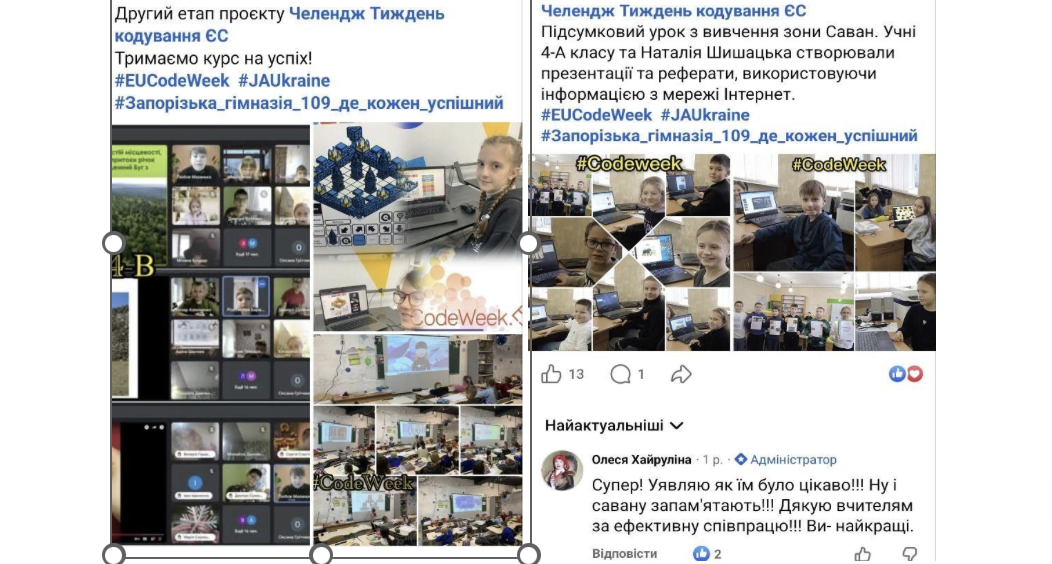
#CodeGirls: Robotics and Programming for Girls 6–14 Years Old
Organisation: NGO “Teachers’ Guild”
Location: Lviv, Truskavets, Sheptytskyi, Ukraine
Participants: 120 | Educators: 6 | Activities: 7
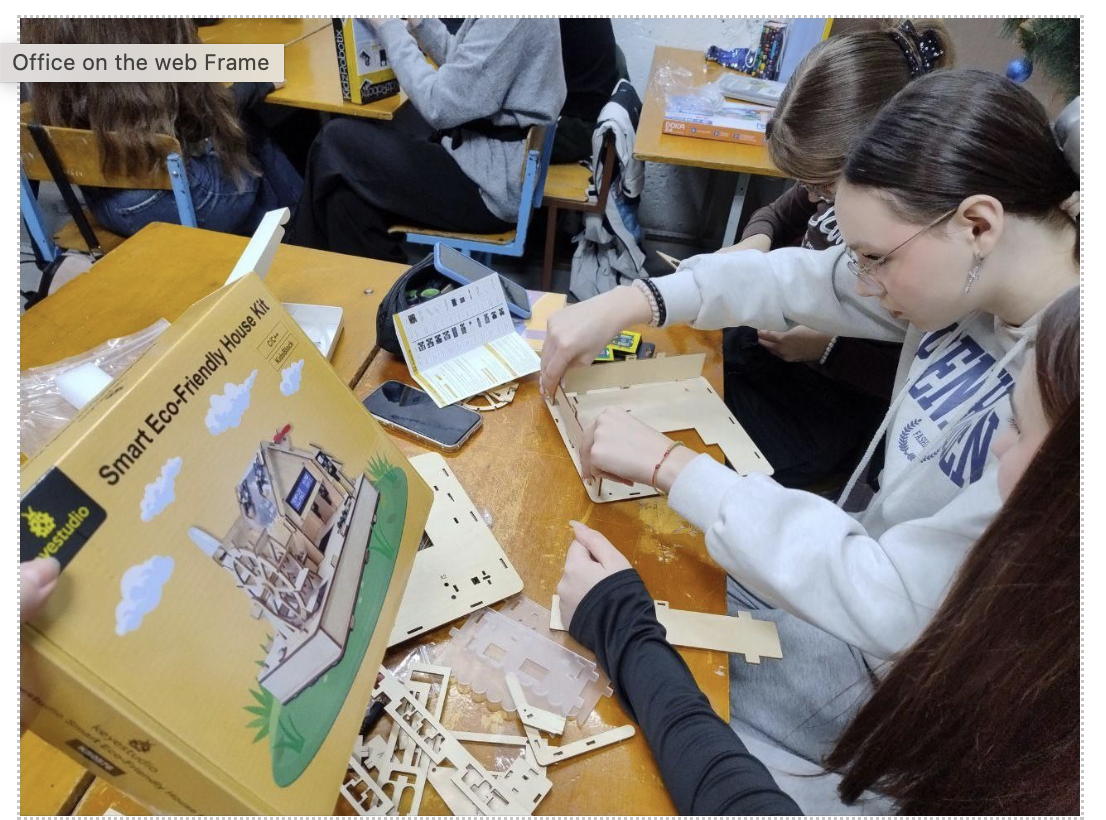
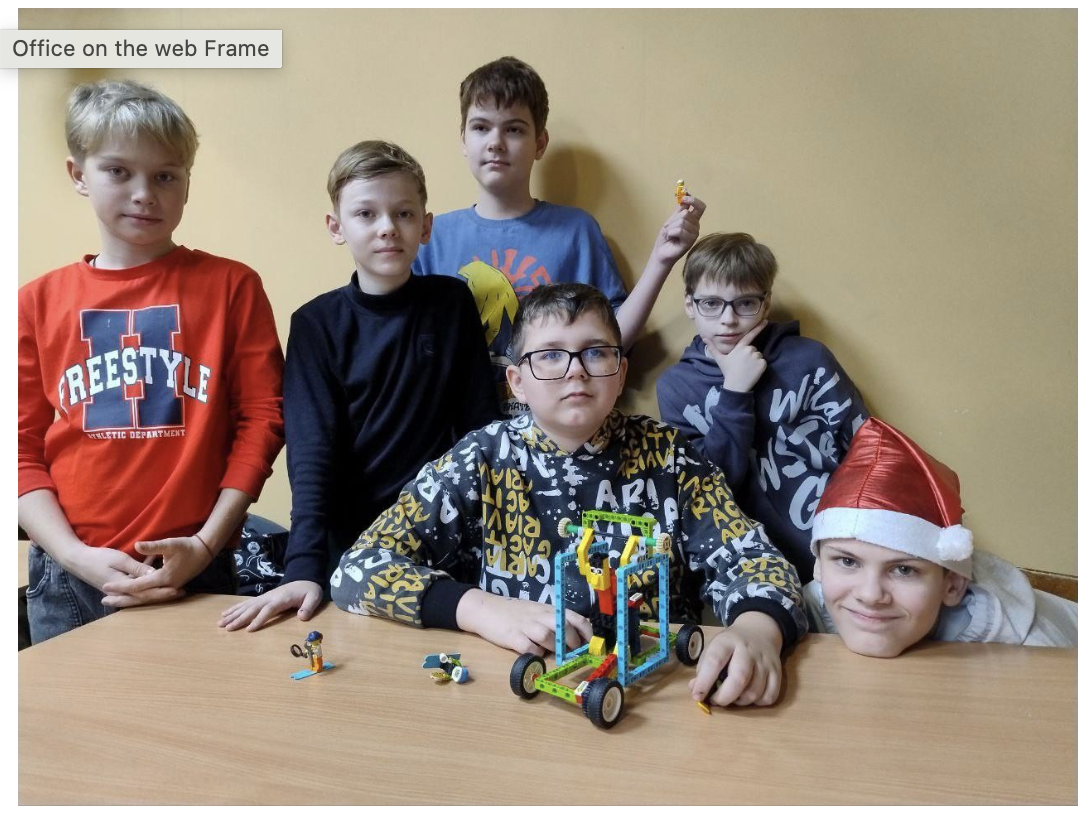
A girls-focused robotics and programming initiative offering hands-on workshops on space exploration, renewable energy, pollination, and racing robots. The project culminated in a robotics festival where girls presented team projects and strengthened their confidence in STEM.
Links:
SheCodes: Digital Breakthrough
Organisation: NGO Femen Center “Aelita”
Location: Smila, Cherkasy region, Ukraine
Participants: 121 | Educators: 3 | Activities: 25
A project empowering girls and youth through coding, robotics, IoT, VR, and project-based learning. Participants joined workshops and an innovation sprint, producing more than 25 mini-projects while strengthening digital confidence, teamwork, and motivation to continue in STEM.
Underserved focus: Yes – low access to education.
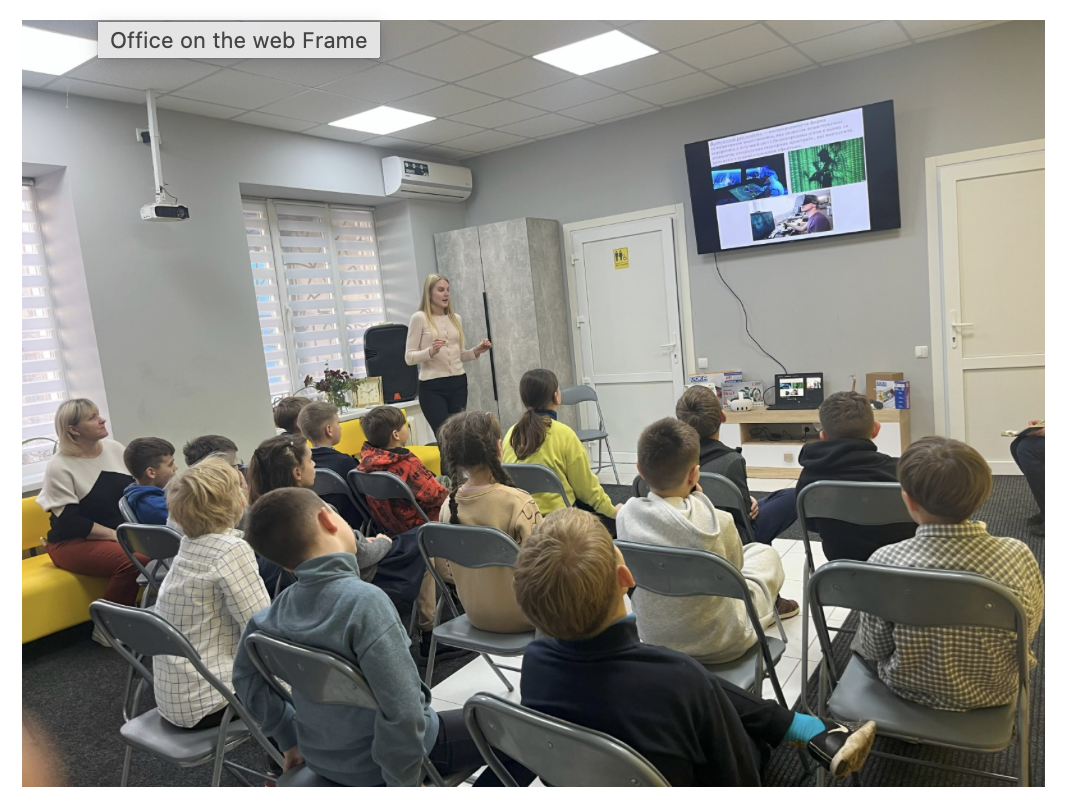
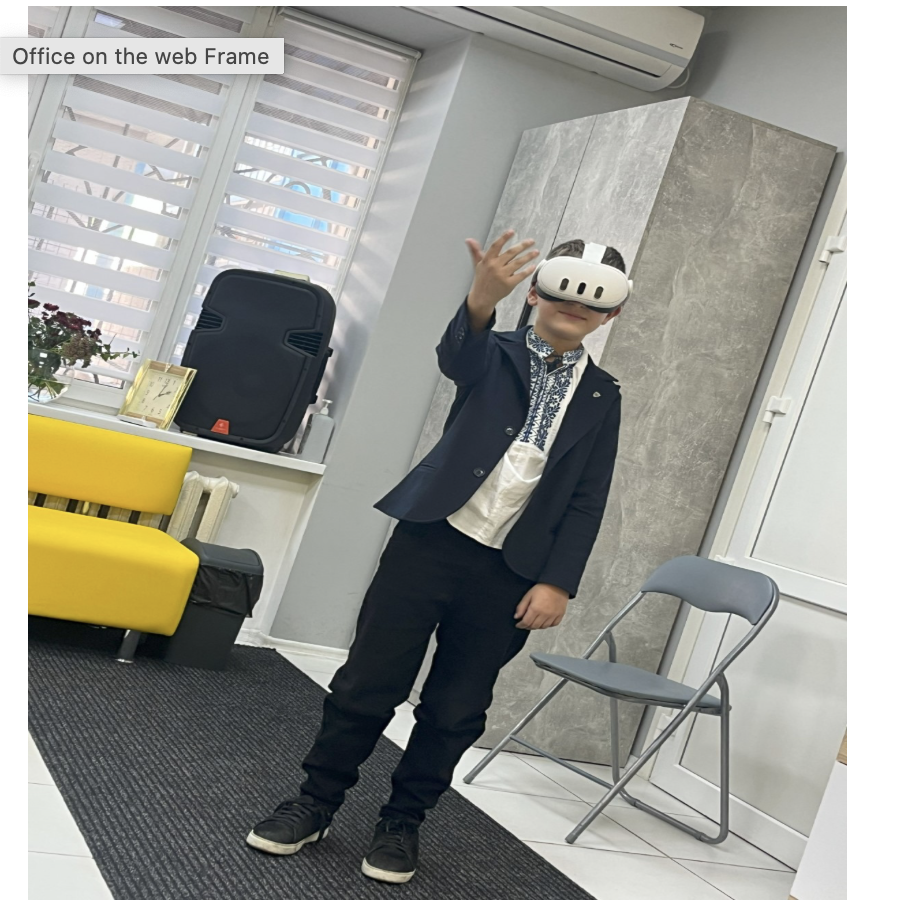
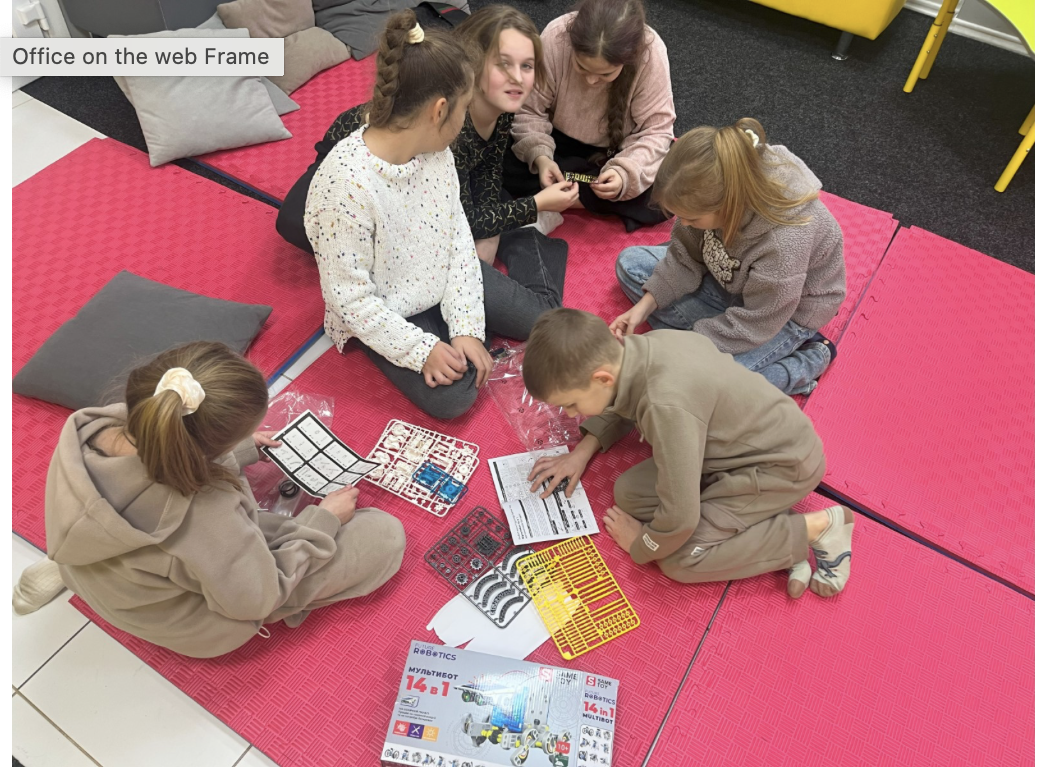
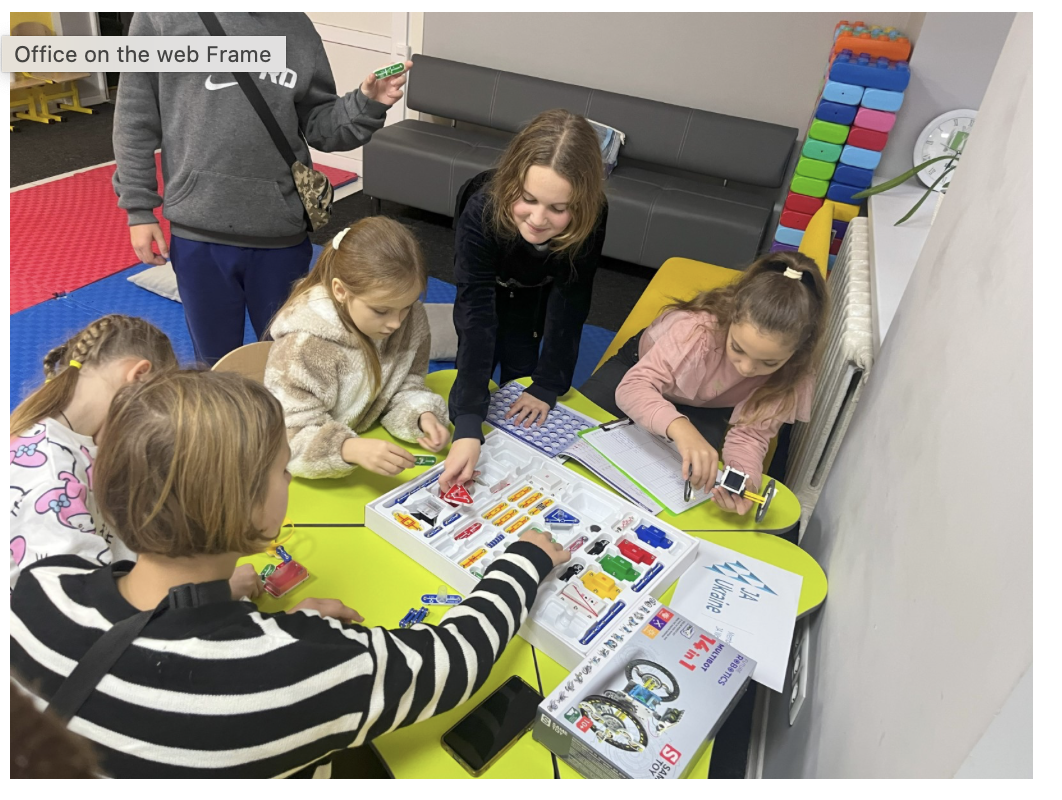
Workshop “Digital Writer”
Organisation: Cherkasy Secondary School No. 22
Location: Cherkasy, Ukraine
Participants: 84 | Educators: 7 | Activities: 30
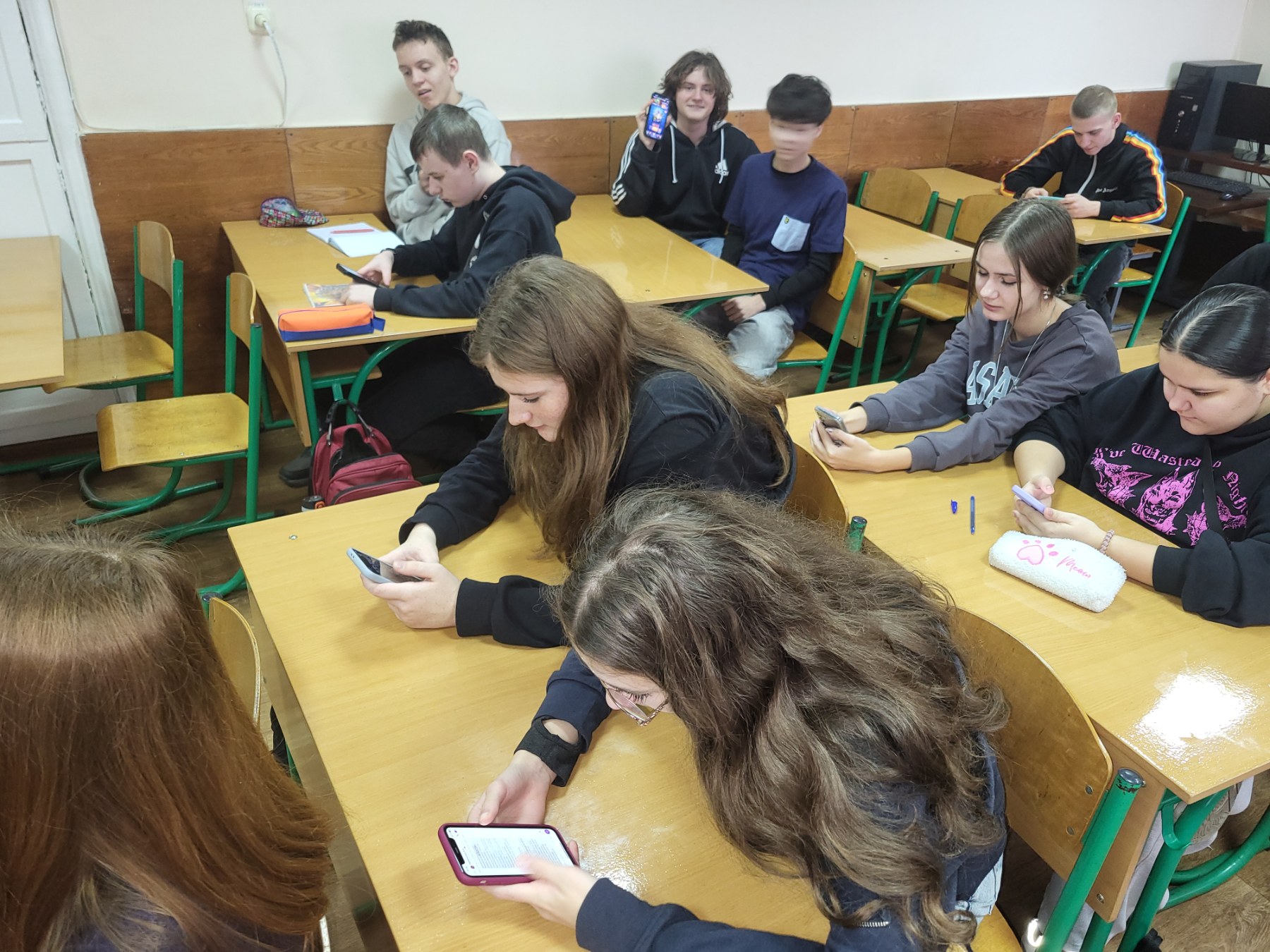
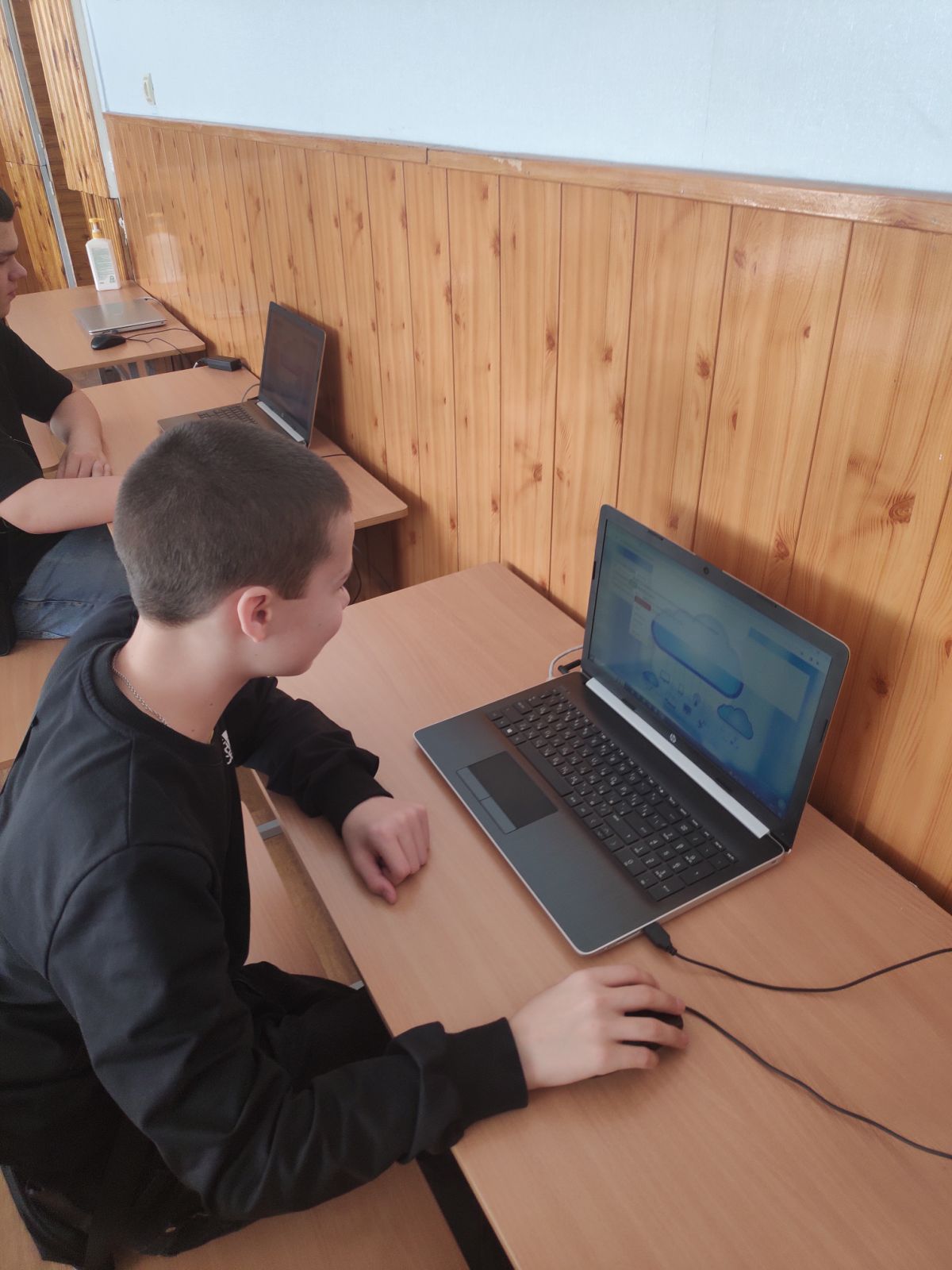
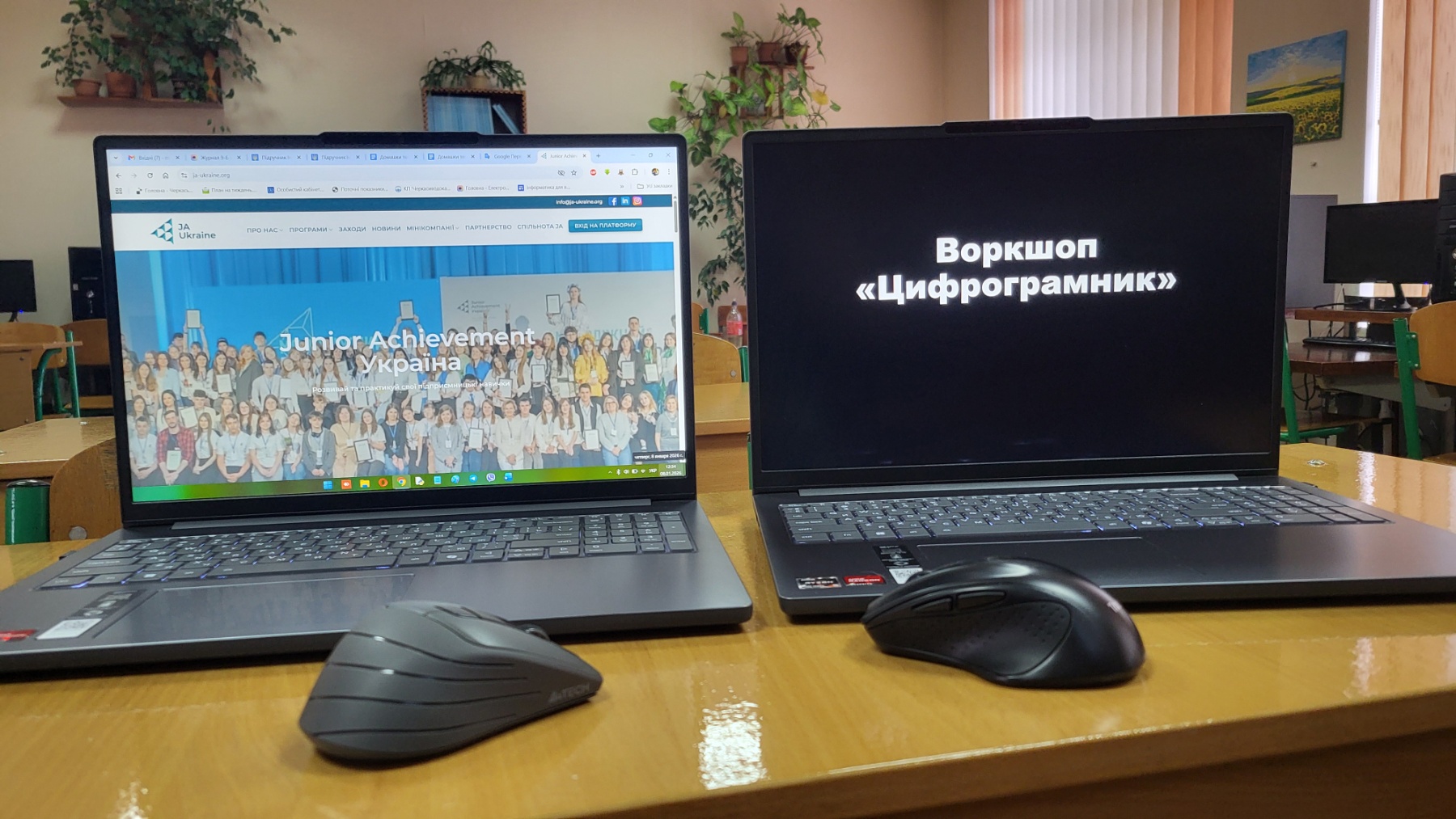
A digital literacy and creative learning workshop helping students collect and analyse information, work in teams, present ideas, and apply digital tools to real-life tasks. The project also supported critical thinking, communication, self-management, and healthier use of digital technologies.
Media Literacy – Confidence in the Future
Organisation: Slavyansk Secondary Education Institution No. 15
Location: Slavyansk, Donetsk region, Ukraine
Participants: 584 | Educators: 15 | Activities: 50
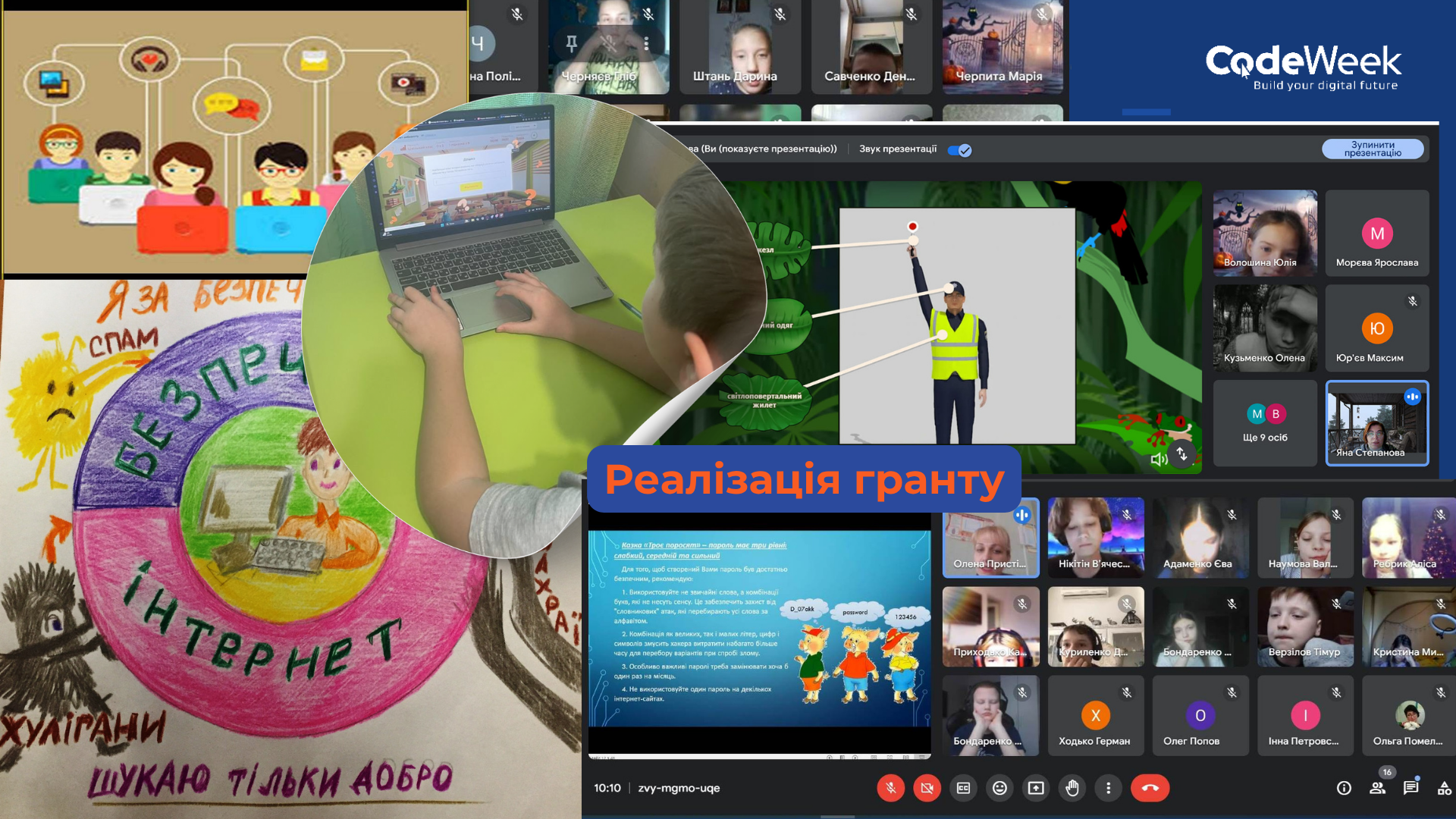
A large-scale media literacy project focused on critical thinking, source evaluation, misinformation, fake news, and digital resilience. The project engaged students through thematic lessons, creative outputs, mentoring, and support from media, cybersecurity, psychology, and communication experts.
Underserved focus: Yes – children affected by war.
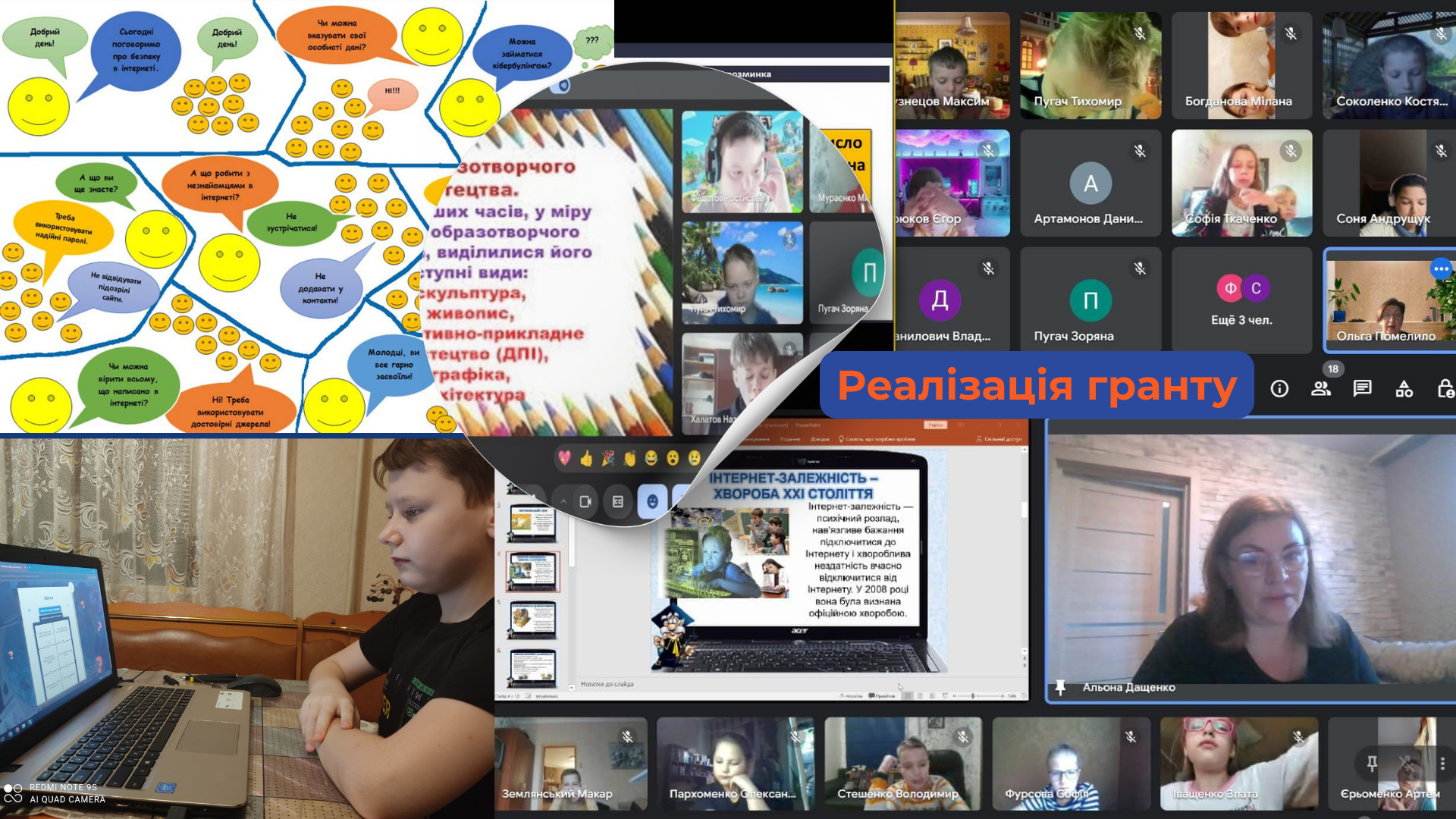
CodeUp
Organisation: A Piece of Good
Location: Ternopil, Ukraine
Participants: 461 | Educators: 38 | Activities: 89
A high-reach programming project introducing students to Scratch, Python, and JavaScript through hands-on coding challenges, local Code Week events, and mini-projects. The project improved digital literacy, strengthened teacher competencies, and encouraged students to continue learning digital technologies.
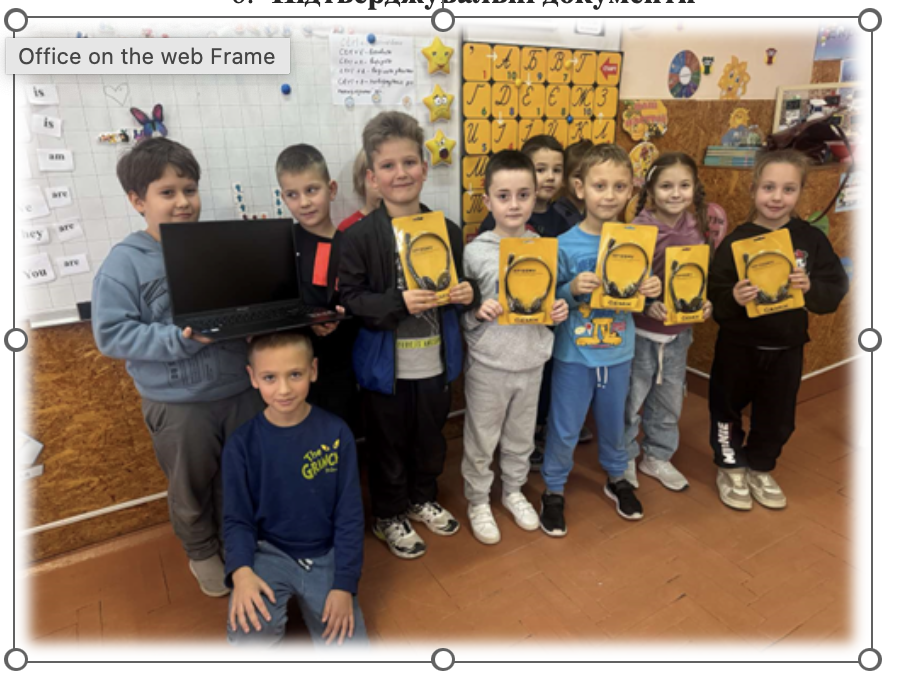
Türkiye – JA Türkiye
Projects funded: 3
Participants reached: 174
Educators engaged: 17
Activities on Code Week platform: 4
Projects in Türkiye focused on expanding access to digital and STEM education for underserved and disadvantaged groups, with a strong emphasis on inclusion, gender balance, and rural outreach. Activities combined coding, robotics, 3D design, and immersive technologies (AR/VR) to build both technical skills and confidence, while also supporting social cohesion and early engagement with future career pathways.
Funded Projects
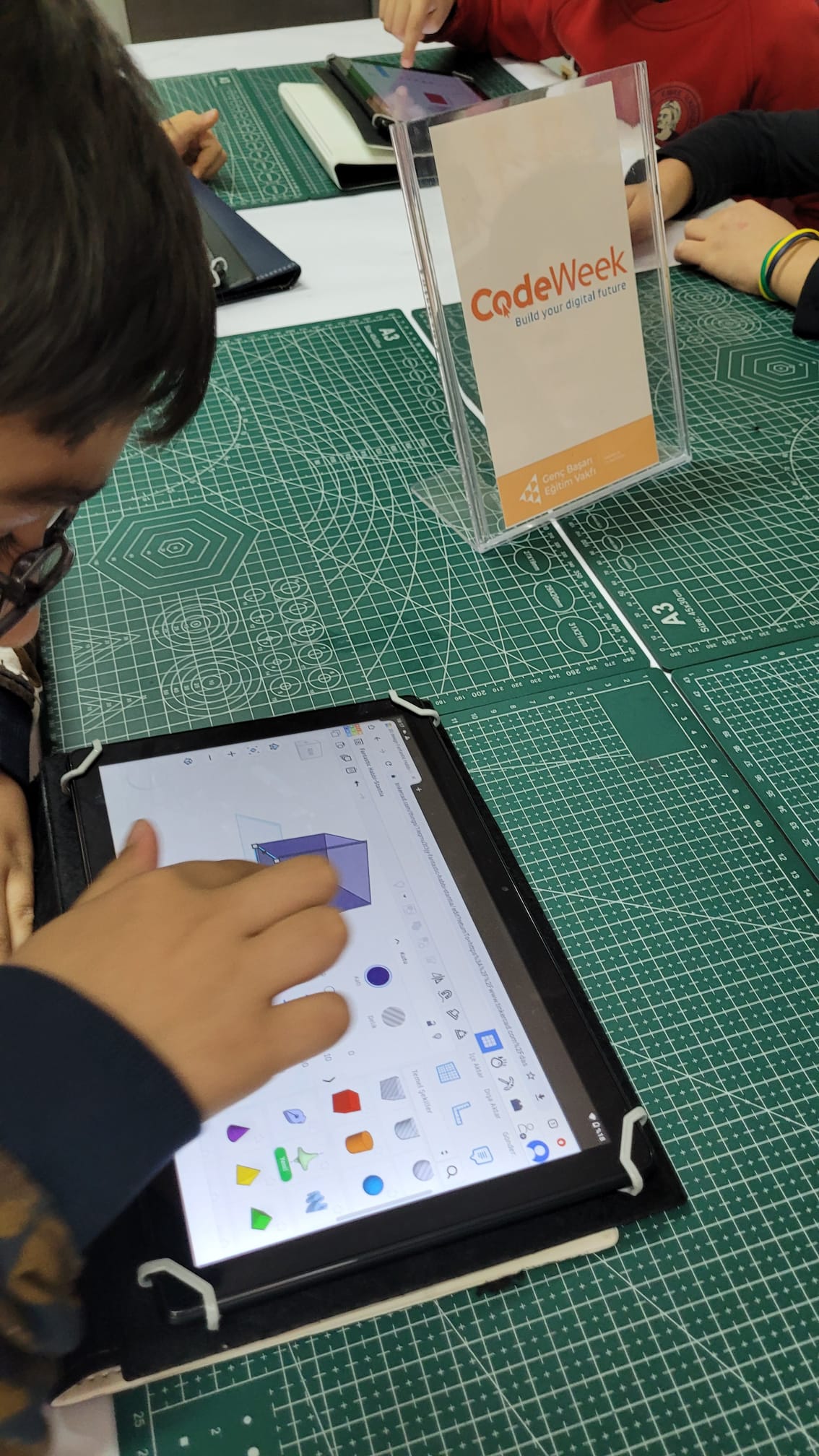
Geleceği Kodlayan Gençler (Youth Coding the Future)
Organisation: Çukurova Bilim ve Sanat Merkezi
Location: Adana, Türkiye
Participants: 30 | Educators: 4 | Activities: 1
A project combining coding and 3D design to support students in developing practical STEM solutions to local problems. Participants created functional prototypes such as robots and automated systems, while gaining hands-on experience with digital fabrication tools. The initiative also contributed to increased confidence—particularly among girls—and established a foundation for a permanent design and coding workshop.
Underserved focus: Yes – low access to education.
Kodlayan Minik Eller: Kültürlerarası Oyun Atölyesi (Little Coders: Intercultural Game Workshop)
Organisation: Karatay Bilim ve Sanat Merkezi
Location: Konya, Türkiye
Participants: 24 | Educators: 3 | Activities: 1
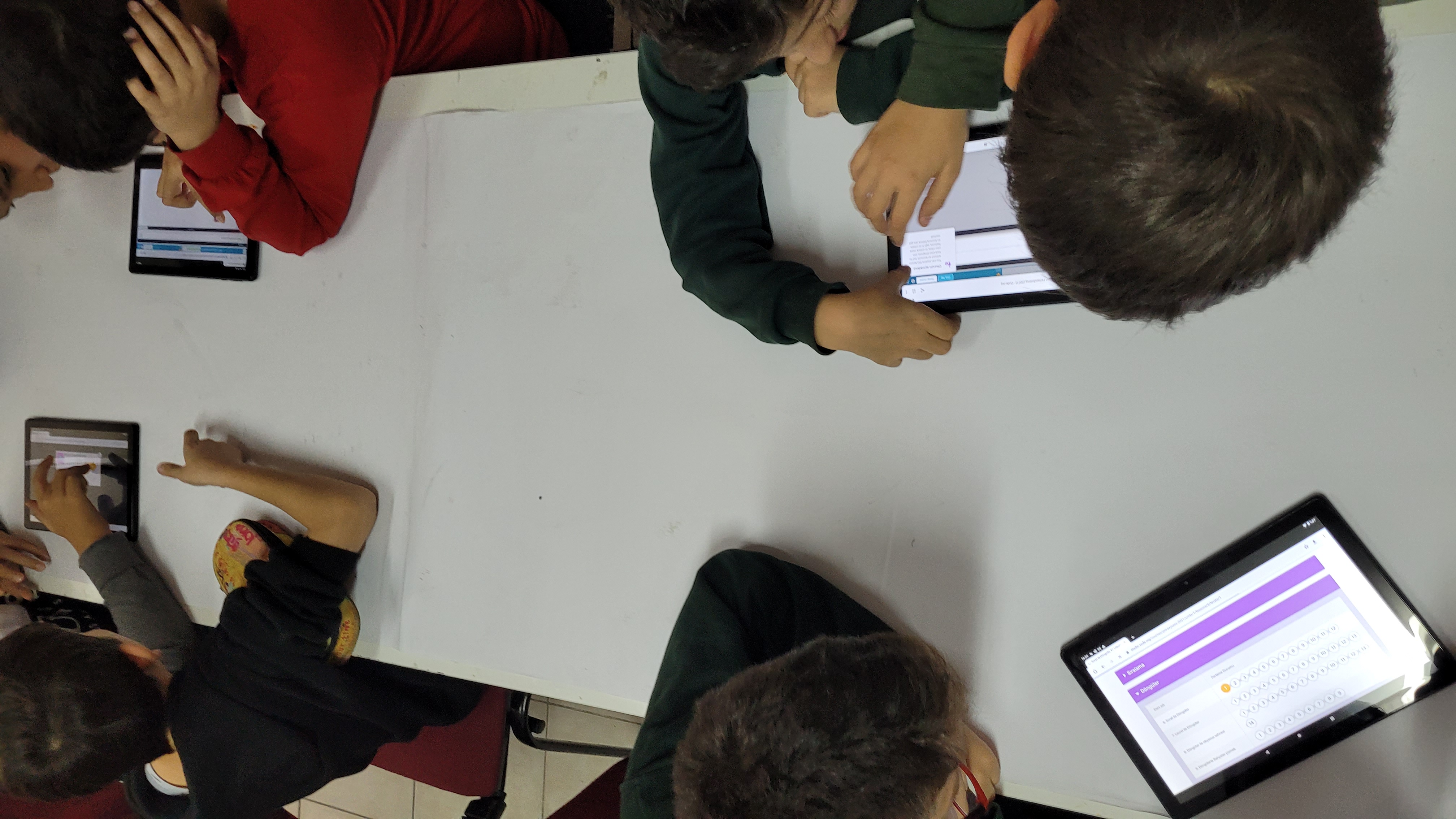
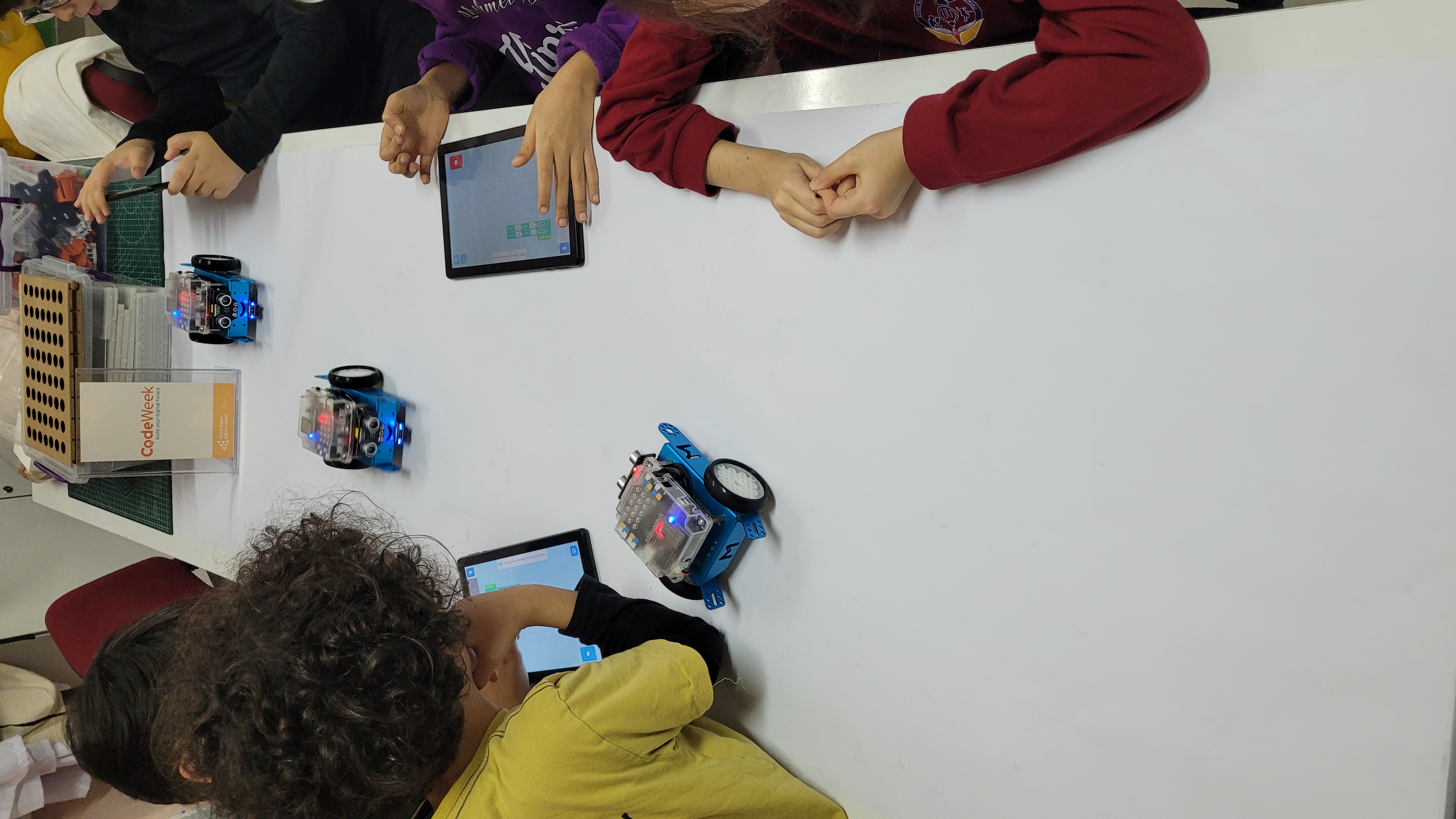
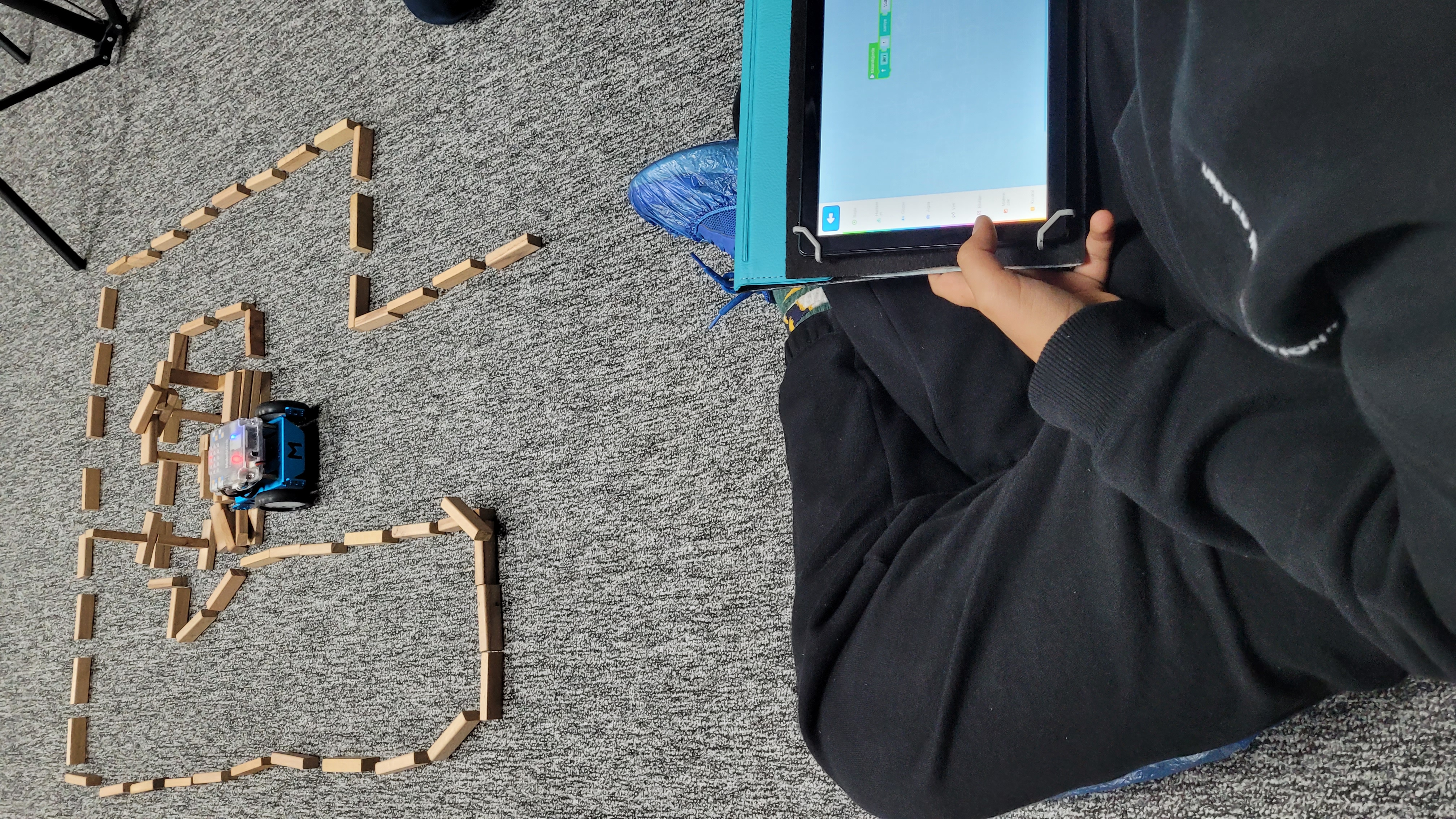
An intercultural coding and game design project bringing together local and refugee students through a structured STEAM programme. Over seven weeks, participants developed algorithmic thinking and built interactive game prototypes, while significantly improving collaboration and social cohesion. The project demonstrated how technology can serve as a bridge between communities.
Underserved focus: Yes – multiple vulnerabilities (education and livelihood access, refugee inclusion).
STEM ile Geleceğe (Towards the Future with STEM)
Organisation: Şanlıurfa STEM ve Bilim Merkezi
Location: Şanlıurfa, Türkiye
Participants: 120 | Educators: 10 | Activities: 2
A large-scale outreach project delivering hands-on STEM and digital skills activities in rural and disadvantaged areas. Through robotics, AR/VR, digital design, and experimental learning, students—many encountering such technologies for the first time—developed curiosity, critical thinking, and interest in STEM careers.
Underserved focus: Yes – low access to education and opportunities in rural regions.
Poland – KPI Status: Call not launched
The small grants call was not launched in Poland during the implementation period. As a result, no projects were funded under Round 1 in this country.
Malta – eSkills Malta Status: Cancelled due to low number of applications
The small grants call in Malta was cancelled due to a low number of applications. Consequently, no projects were selected or implemented under Round 1.
Ireland – Microsoft Status: Call not launched
The small grants call was not launched in Ireland during the implementation period. Therefore, no projects were funded under Round 1.
Luxembourg – WIDE ANDCO
Projects funded: 1
Participants reached: 87
Educators engaged: 1
Activities on Code Week platform: 27
The project implemented under the WIDE ANDCO hub focused on strengthening robotics and coding education through both curricular and extracurricular learning opportunities. Using tools such as VEX V5 and LEGO Spike Prime, the initiative introduced students to hands-on robotics, coding, and engineering activities while also establishing a sustainable robotics infrastructure within the school. The project combined classroom sessions, club-based learning, outreach activities, and community engagement, contributing to the long-term development of digital learning environments despite challenges related to participation and gender balance.
Funded Projects
L-Bot-V
Organisation: Lycée Bel-Val
Location: Luxembourg, Esch Belval
Participants: 87 | Educators: 1 | Activities: 27
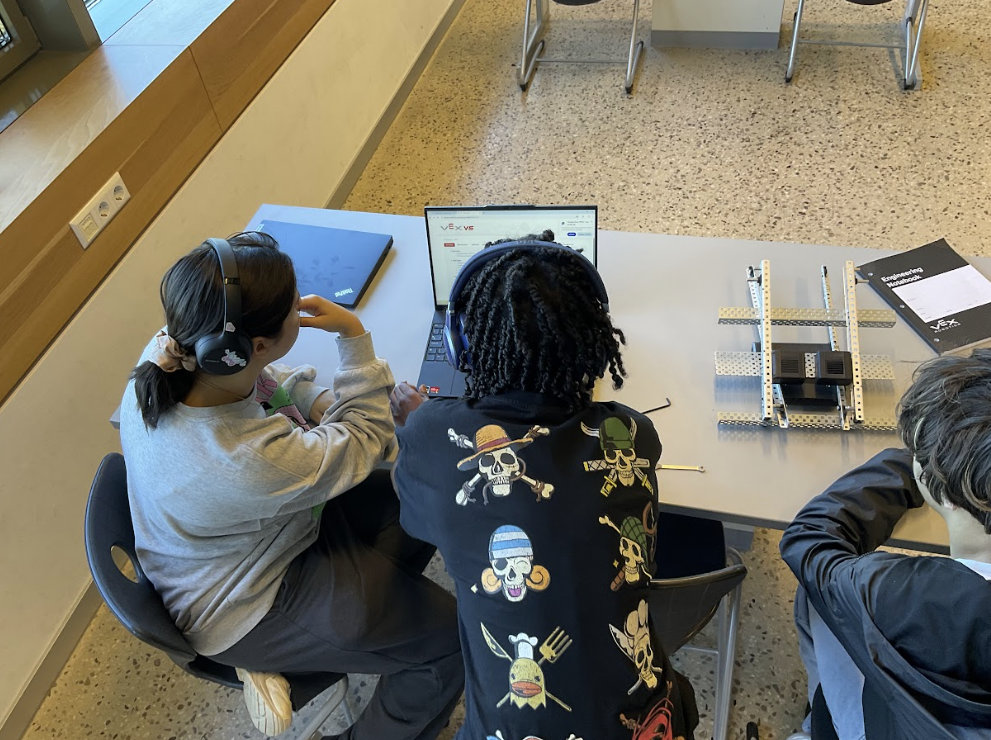
A robotics and coding initiative introducing students aged 13–18 to hands-on learning through VEX V5 and LEGO Spike Prime/FLL activities. The project combined curricular sessions, extracurricular robotics clubs, community outreach, and public demonstrations, while also establishing dedicated robotics infrastructure and peer-learning opportunities within the school. Although participation and gender inclusion remained below expectations, the initiative contributed to strengthening the school’s digital culture and laid the foundation for continued robotics activities, competitions, and future curriculum integration in 2026.
Italy – Fondazione LINKS
Projects funded: 4
Participants reached: 964
Educators engaged: 549
Activities on Code Week platform: 73
Projects implemented under the Fondazione LINKS hub demonstrated strong diversity in methodology, combining coding, computational thinking, robotics, digital making, arts integration, and community-based learning. Activities were delivered across schools, libraries, and public spaces, often using inclusive and interdisciplinary approaches that connected digital education with reading, creativity, mathematics, civic participation, and peer learning. The portfolio placed particular emphasis on accessibility, public engagement, teacher capacity building, and long-term community collaboration, while significantly expanding local participation in EU Code Week activities across different regions of Italy.
Funded Projects
Codylibriamo
Organisation: Istituto Comprensivo di Monteforte d’Alpone
Location: Monteforte d’Alpone, Verona, Italy
Participants: 75 | Educators: 30 | Activities: 6
A library-based initiative combining reading, unplugged coding, block programming, and introductory digital making through age-tailored workshops delivered during EU Code Week 2025. The project engaged students and families across multiple municipal libraries, supported teacher uptake through observation and apprenticeship opportunities, and created a companion website and QR-linked resources to encourage future replication. The initiative strengthened local collaboration between schools, libraries, and municipalities while promoting computational thinking through accessible and community-oriented learning experiences.
Volla vola in Europa con EU Code Week
Organisation: Comune di Volla – Biblioteca di Volla
Location: Volla, Naples, Italy
Participants: 450 | Educators: 50 | Activities: 18
A large-scale community initiative delivering coding, programming, and robotics workshops through schools, libraries, and public spaces during EU Code Week 2025. Using inclusive and low-barrier approaches such as unplugged coding and hands-on activities, the project engaged children, families, teachers, and first-time participants while strengthening collaboration between schools, local authorities, and community organizations. The initiative significantly increased local visibility and participation in EU Code Week, promoting coding as an accessible and creative learning tool for all.
Coding in piazza – Connessioni di gioco
Organisation: ICS Verga Scordia
Location: Scordia, Catania, Italy
Participants: 394 | Educators: 460 | Activities: 37
A large-scale public coding initiative combining classroom preparation, peer tutoring, and community events to promote computational thinking through unplugged coding and collaborative games. Students, teachers, kindergarten children, and families participated in workshops and public square activities where older students acted as facilitators and mentors for younger learners. The project strengthened logical reasoning, teamwork, leadership, and community engagement while creating a highly visible and inclusive local Code Week experience.
Matematica Stitch & Chips
Organisation: Liceo STEAM International Emilia
Location: Bologna, Italy
Participants: 45 | Educators: 9 | Activities: 12
An interdisciplinary project combining creative coding, geometry, and digital embroidery to make mathematics and computational thinking more engaging and accessible through hands-on design activities. Using TurtleStitch and digital embroidery tools, students transformed geometric concepts and algorithms into physical textile artifacts while developing coding, problem-solving, and design skills. The project also promoted inclusion and outreach through collaborations with teachers, local organizations, and members of the deaf community, while increasing visibility for innovative STEAM approaches across the region.
Links:
France – Simplon
Projects funded: 1
Participants reached: 200
Educators engaged: 8
Activities on Code Week platform: 0
The project implemented under the Simplon hub focused on peer-to-peer digital learning and early exposure to coding through collaboration between secondary and primary education. By engaging high school students as facilitators of coding workshops for younger learners, the initiative combined digital skills development with pedagogical learning, teamwork, and social inclusion. The project demonstrated strong impact in disadvantaged school environments, while also contributing to gender inclusion and reducing stereotypes around computing from an early age.
Underserved focus: Yes – low access to education and livelihoods, with implementation in disadvantaged (REP+) school environments.
Funded Projects
Les Petits Génies du Code
Organisation: Lycée Aristide Maillol
Location: Perpignan, France
Participants: 200 | Educators: 8
A peer-led coding initiative implemented during European Code Week 2025, where high school students designed and delivered coding workshops for primary and kindergarten pupils across multiple schools. Activities included unplugged coding games, robotics, and logic-based exercises adapted to different age groups, creating accessible and engaging first experiences with computational thinking.
The project created strong educational benefits for both groups of participants. High school students strengthened communication, teamwork, and pedagogical skills through the preparation and facilitation of workshops, while younger pupils developed curiosity and confidence around digital learning. The initiative also demonstrated strong inclusion outcomes, particularly in REP+ schools, where it improved access to digital education opportunities and encouraged active participation among girls.
Belgium & Netherlands – Digitale Wolven
Projects funded: 4
Participants reached: 370
Educators engaged: 16
Activities on Code Week platform: 4
Projects under the Digitale Wolven hub focused on strengthening digital inclusion and access to coding and emerging technologies, particularly for underserved learners. The portfolio combines formal school integration, library-based outreach, and structured coding programmes, with a strong emphasis on hands-on learning, creativity, and accessibility. Many initiatives targeted students with limited access to digital education and aimed to build long-term capacity through equipment provision and reusable learning formats.
Funded Projects
Code Week op school
Organisation: GVBS Sint-Rumoldus
Location: Deurne, Belgium
Participants: 100 | Educators: 10 | Activities: 1
A school-based coding initiative integrating structured programming lessons into primary education. Students engaged with tools such as LEGO Education, BeeBot, Makey Makey, Scratch, and Micro:bit to build foundational computational skills through hands-on activities. The project strengthened both student competencies and teacher capacity while expanding access to digital tools within the school.
Underserved focus: Yes – low access to education and digital opportunities.
AI met de micro:bit
Organisation: Stichting CodeKlas
Location: Arnhem, Netherlands
Participants: 70 | Educators: 2 | Activities: 1
This project introduced students to artificial intelligence through practical experimentation using Micro:bit devices. Participants explored core AI concepts such as inputs, outputs, and data by building simple responsive systems, making abstract ideas tangible. The initiative provided first-time access to AI and physical computing tools for students in underserved schools and left a lasting resource through equipment provision.
Underserved focus: Yes – low access to education and digital skills.
BIEBlab – Make your own adventure with Code!
Organisation: Het Fluoriet
Location: Borculo and multiple library locations, Netherlands
Participants: 130 | Educators: 3 | Activities: 1
A library-based programme combining coding with storytelling and reading literacy. Workshops enabled children to create interactive stories, games, and animations inspired by the theme of adventure, aligning with Children’s Book Week. The project successfully engaged a diverse group of learners, including children with non-Dutch home languages, demonstrating how digital and traditional literacy can reinforce each other.
Underserved focus: Yes – inclusive outreach to diverse and underrepresented learners.
CodeKit Academy
Organisation: CodeKit
Location: Leeuwarden, Netherlands
Participants: 70 | Educators: 1 | Activities: 1
A structured coding programme designed to teach children how to think computationally through game creation and project-based learning. Students worked across programming environments and were introduced to machine learning concepts using tools such as Scratch and Machine Learning for Kids. The project combined creativity with technical skill-building, offering an accessible entry point into advanced digital topics.
Underserved focus: Yes – addressing gaps in access to digital education.
Slovakia & Czech Republic – Digitalna Koalicia
Projects funded: 3
Participants reached: 160
Educators engaged: 16
Activities on Code Week platform: 3
Projects under the Digitalna Koalicia hub combined digital skills development with creative, cultural, and reflective learning approaches. The portfolio includes both technology-focused and interdisciplinary initiatives, ranging from web application development to AI-integrated heritage projects and targeted programmes for girls in coding. The projects demonstrate strong diversity in methodology, including arts-based digital experiences, hands-on production, and inclusive learning pathways.
Underserved focus: Yes – focus on girls’ inclusion in STEM.
Funded Projects
DOTYKÁČE
Organisation: Spolek Circulus
Location: Czech Republic
Participants: 80 | Educators: 3 | Activities: 1
An innovative arts-and-education digital programme centered on a web application exploring young people’s relationship with mobile technology. The interactive platform combines text, audio, video, and visual elements, followed by facilitated workshops to deepen reflection and learning. The project bridges digital literacy with critical thinking and media awareness, with plans for wider implementation in schools.
Links:
Leontyna
Organisation: Základná škola Kudlovská 11, Humenné
Location: Humenné, Slovakia
Participants: 30 | Educators: 1 | Activities: 1
A multidisciplinary project combining local history with digital technologies. Students created a digital avatar of a historical figure, designed and produced physical artifacts using digital fabrication tools, and developed 3D models and AI-generated content. The initiative connected heritage, technology, and entrepreneurship, including real-world product presentation and sales experience.
Dievčatá programujú (Girls Code)
Organisation: Základná škola, Školská 2, Michalovce
Location: Michalovce, Slovakia
Participants: 50 | Educators: 12 | Activities: 1
A targeted initiative to increase girls’ participation in coding through hands-on activities using Scratch and Micro:bit. The project combined classroom learning with peer mentoring, enabling older students to support younger participants. Activities focused on programming fundamentals, creativity, and confidence-building in digital skills.
Latvia & Lithuania – LIKTA
Projects funded: 5
Participants reached: 2,459
Educators engaged: 9
Activities on Code Week platform: 31
Projects implemented under the LIKTA hub focused on strengthening digital literacy, programming, robotics, and artificial intelligence education across different age groups, from preschool learners to secondary school students and educators. The portfolio combined hands-on robotics, Scratch programming, AI-focused online learning, and teacher capacity building, while promoting creativity, algorithmic thinking, and practical STEM skills. A strong emphasis was placed on accessibility, reusable educational resources, teacher training, and increasing participation in digital education across Latvia.
Underserved focus: Yes – targeted support for girls’ participation in programming and STEM.
Funded Projects
Digital Literacy in Preschool Age
Organisation: Alūksne preschool educational institution “Sprīdītis”
Location: Alūksne, Latvia
Participants: 112 | Educators: 25 | Activities: 8
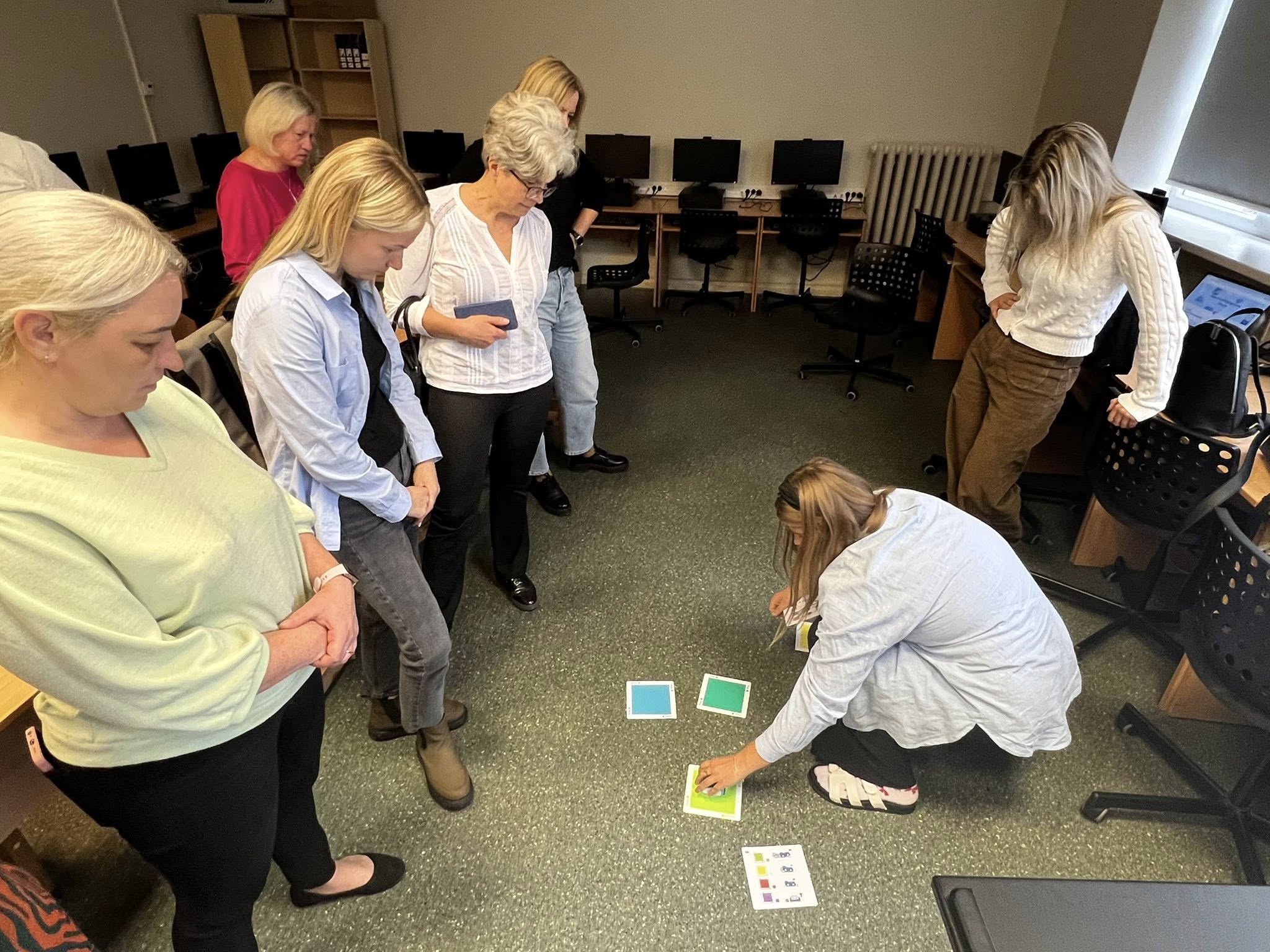
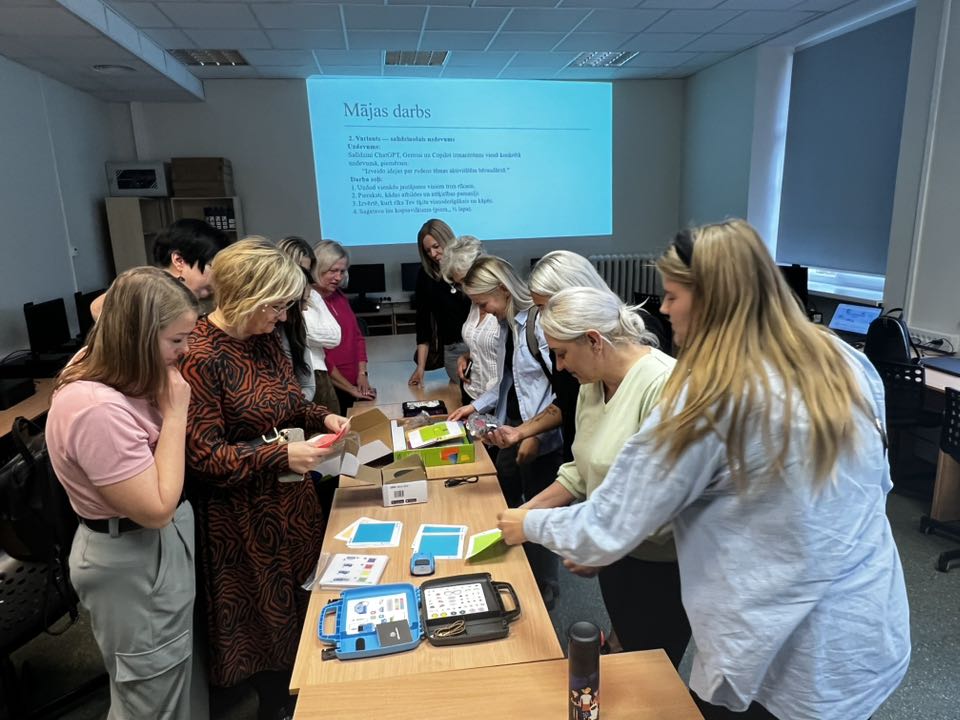
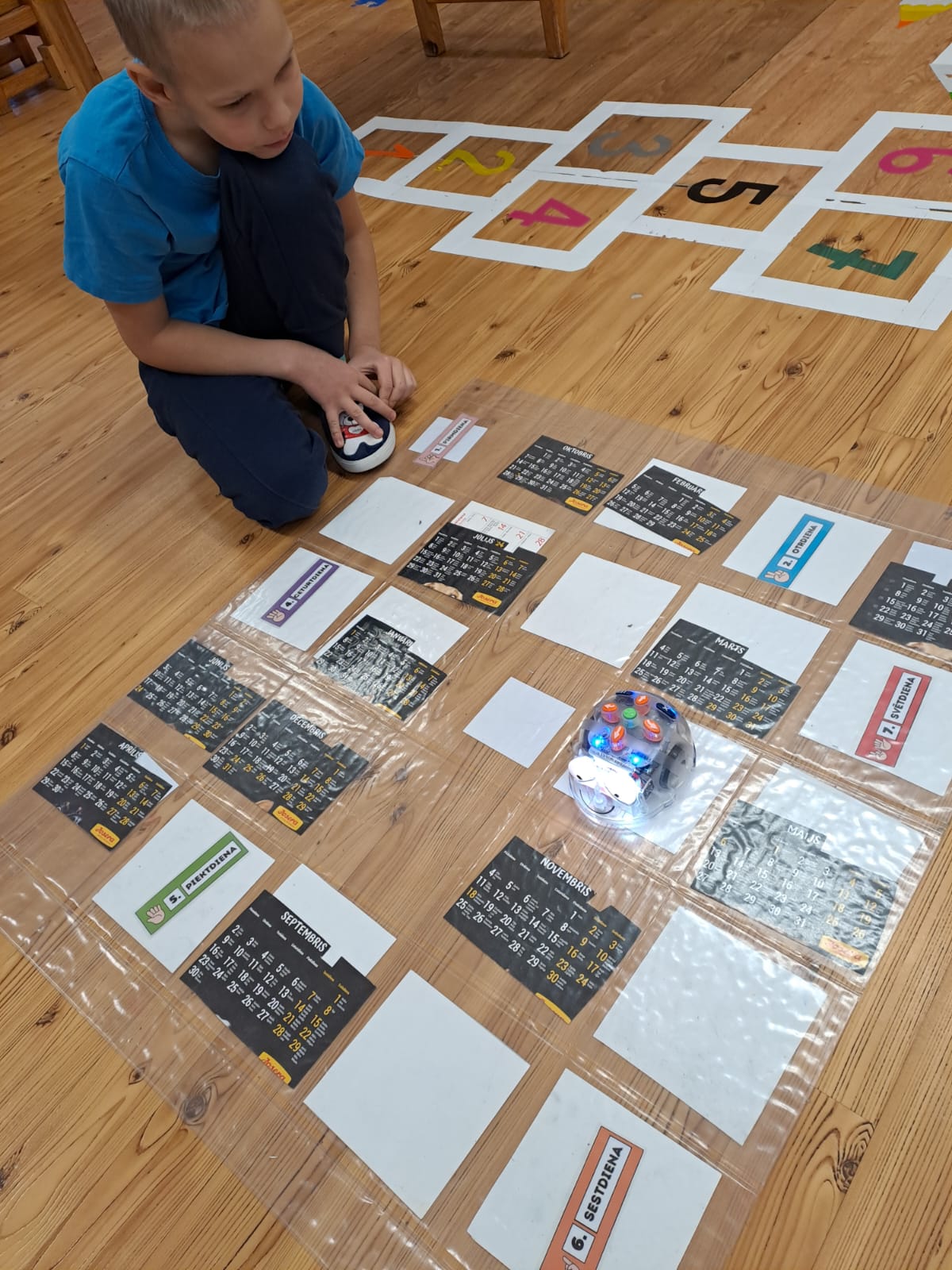
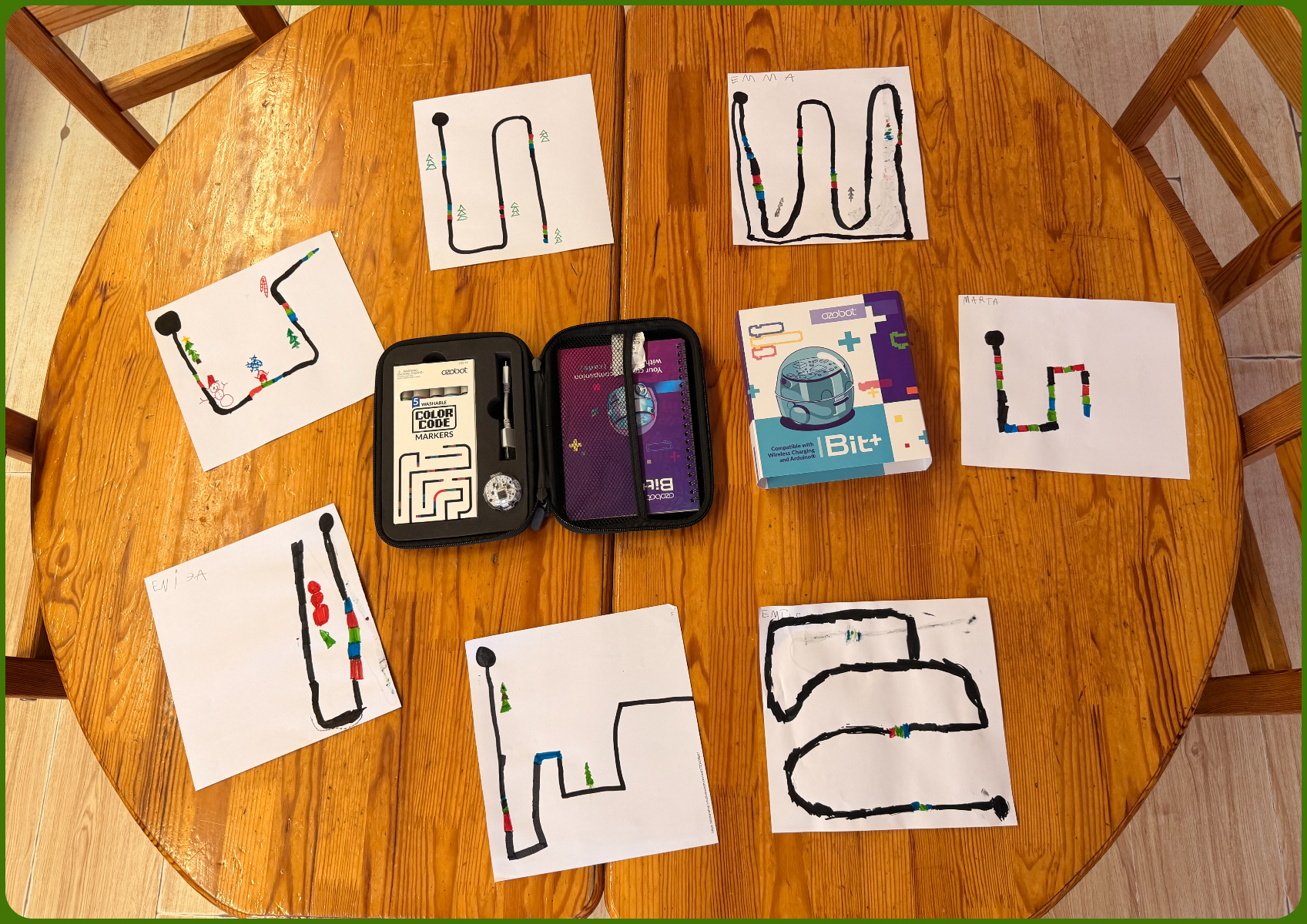
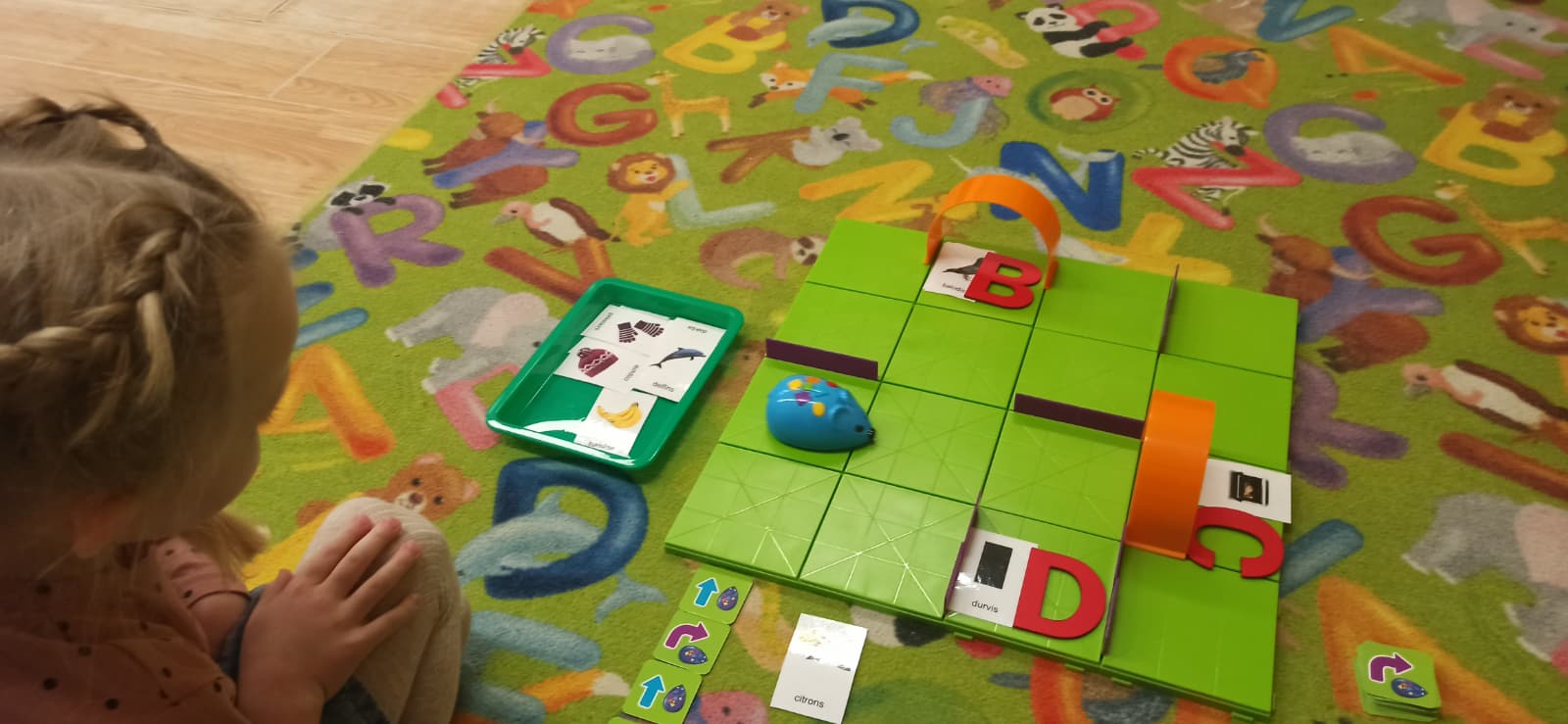
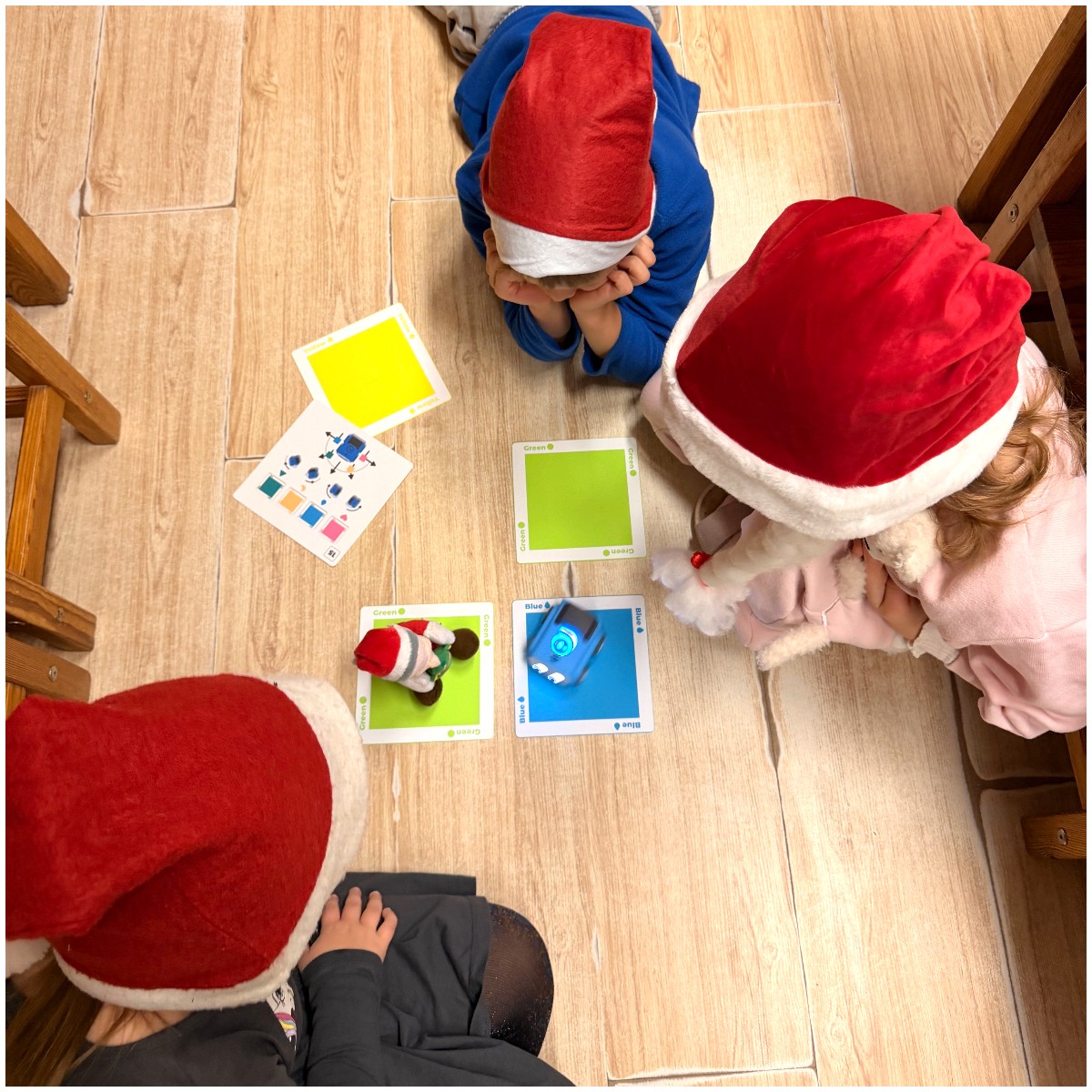
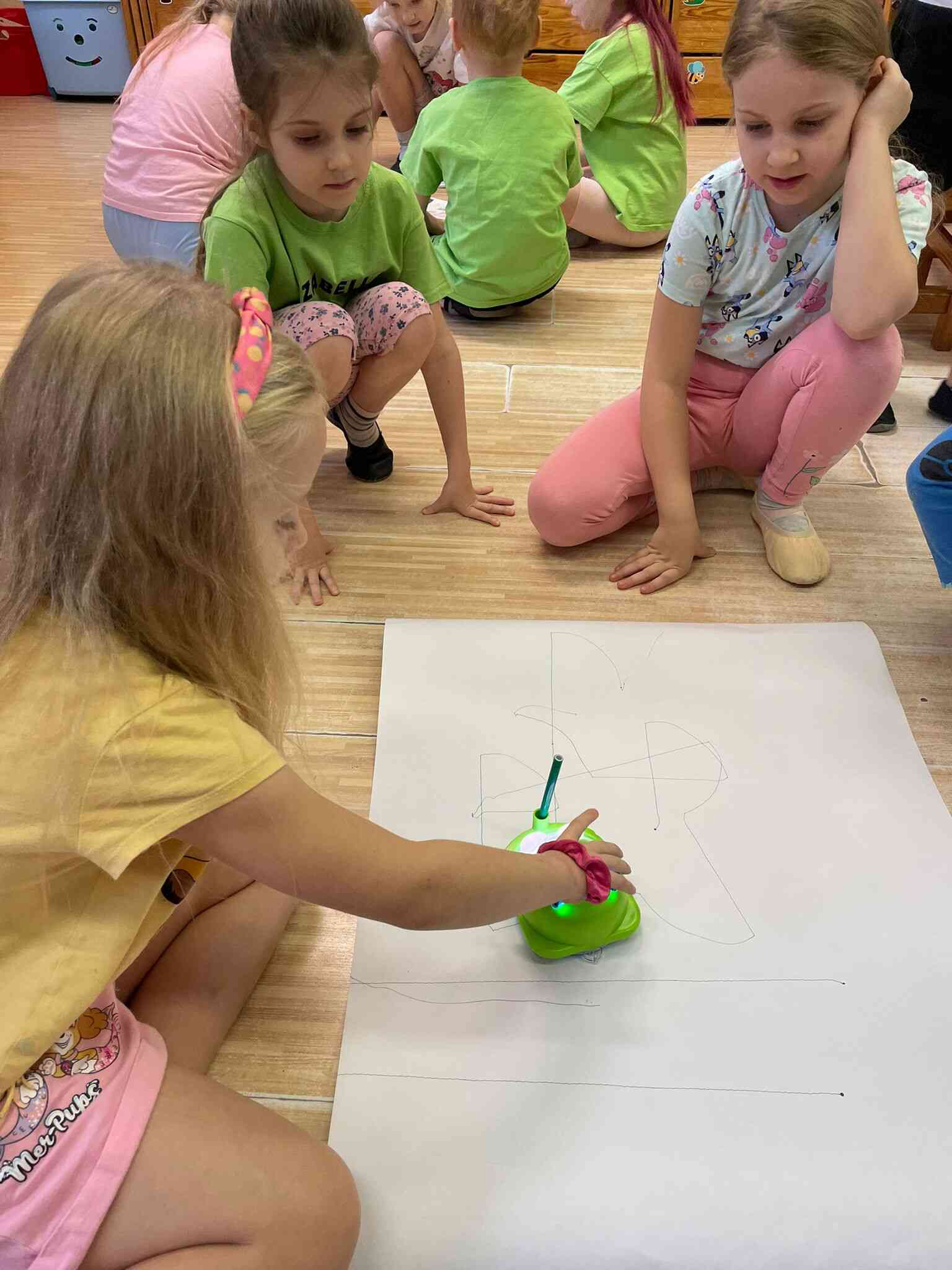
A preschool-focused initiative introducing children to digital literacy and early programming through educational robots such as Blue-Bot, Ozobot, Sphero Indi, and Robots Pele. Coding activities were integrated into multiple preschool learning areas including mathematics, languages, and natural sciences, while teachers and parents were actively involved through training sessions, demonstrations, and shared digital resources. The project also developed a growing digital e-book documenting activities and learning outcomes.
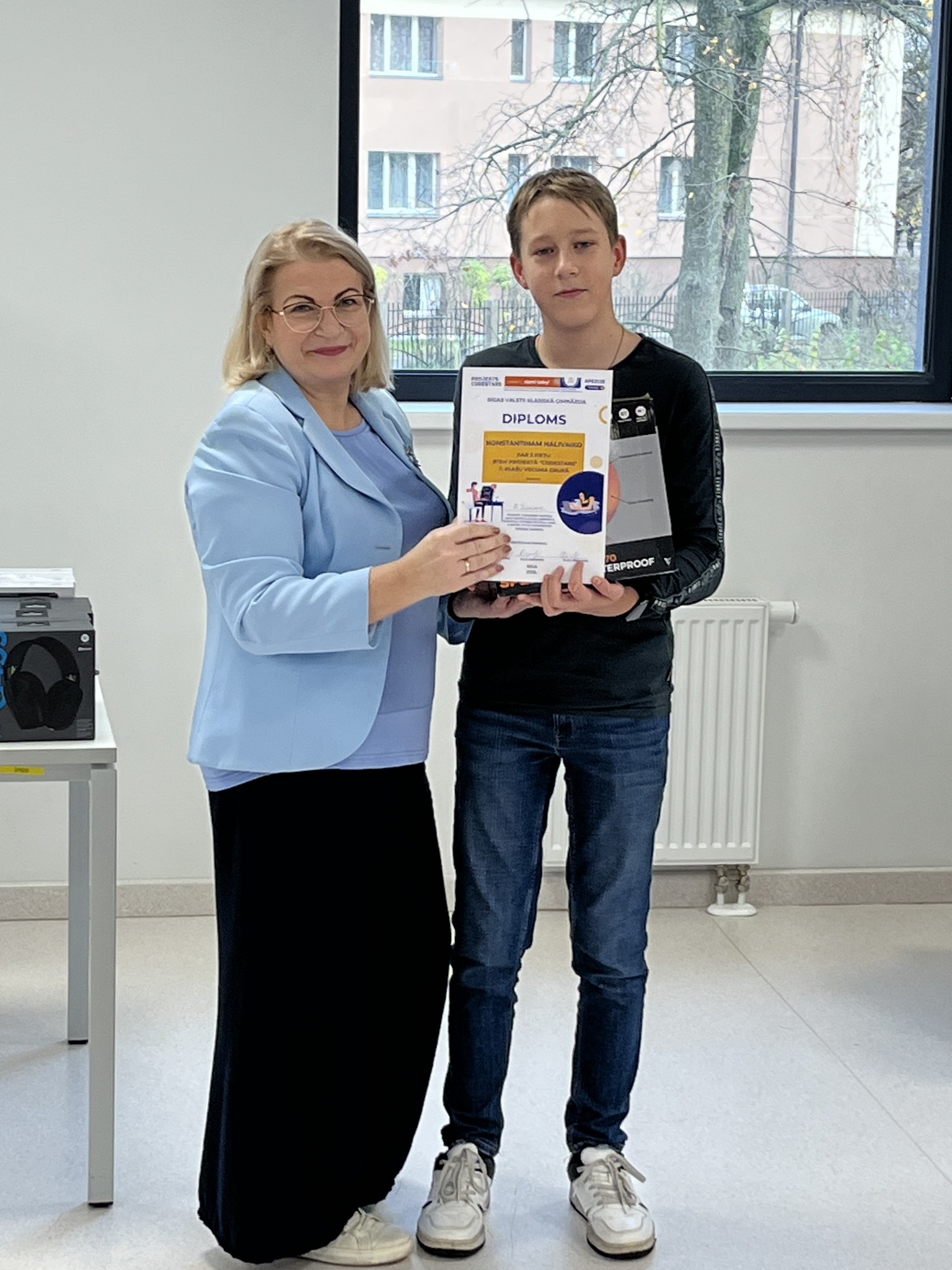
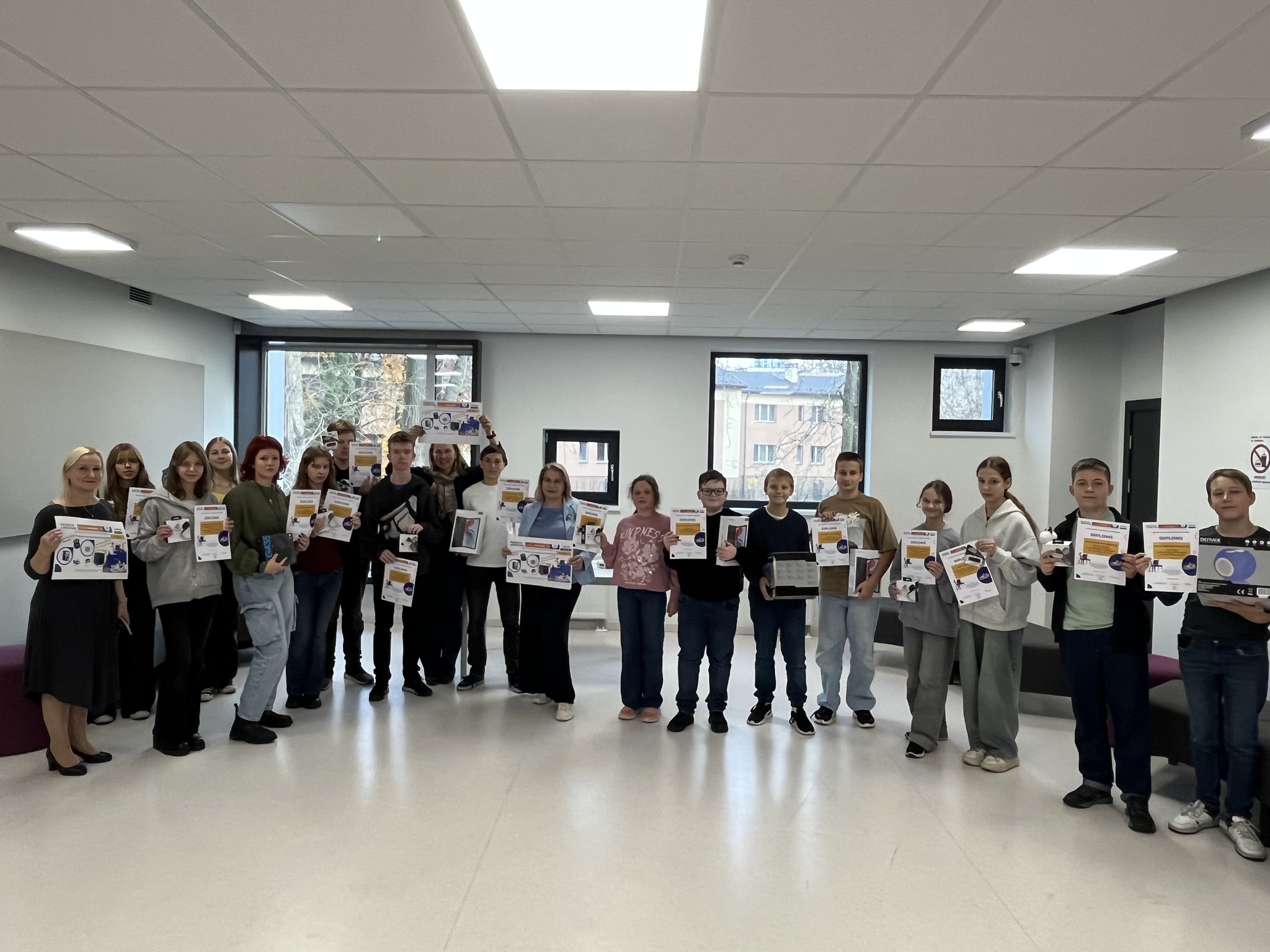
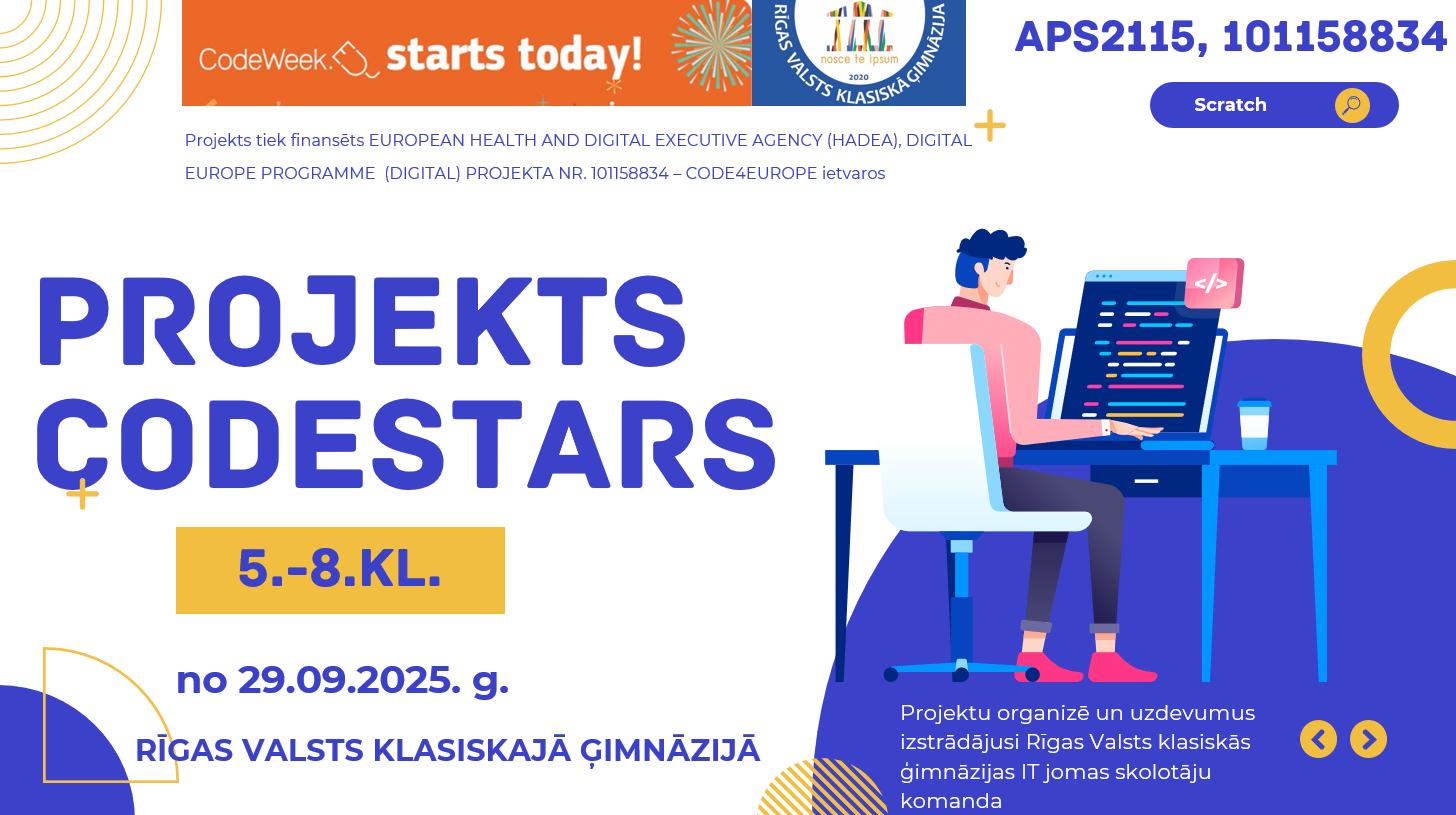
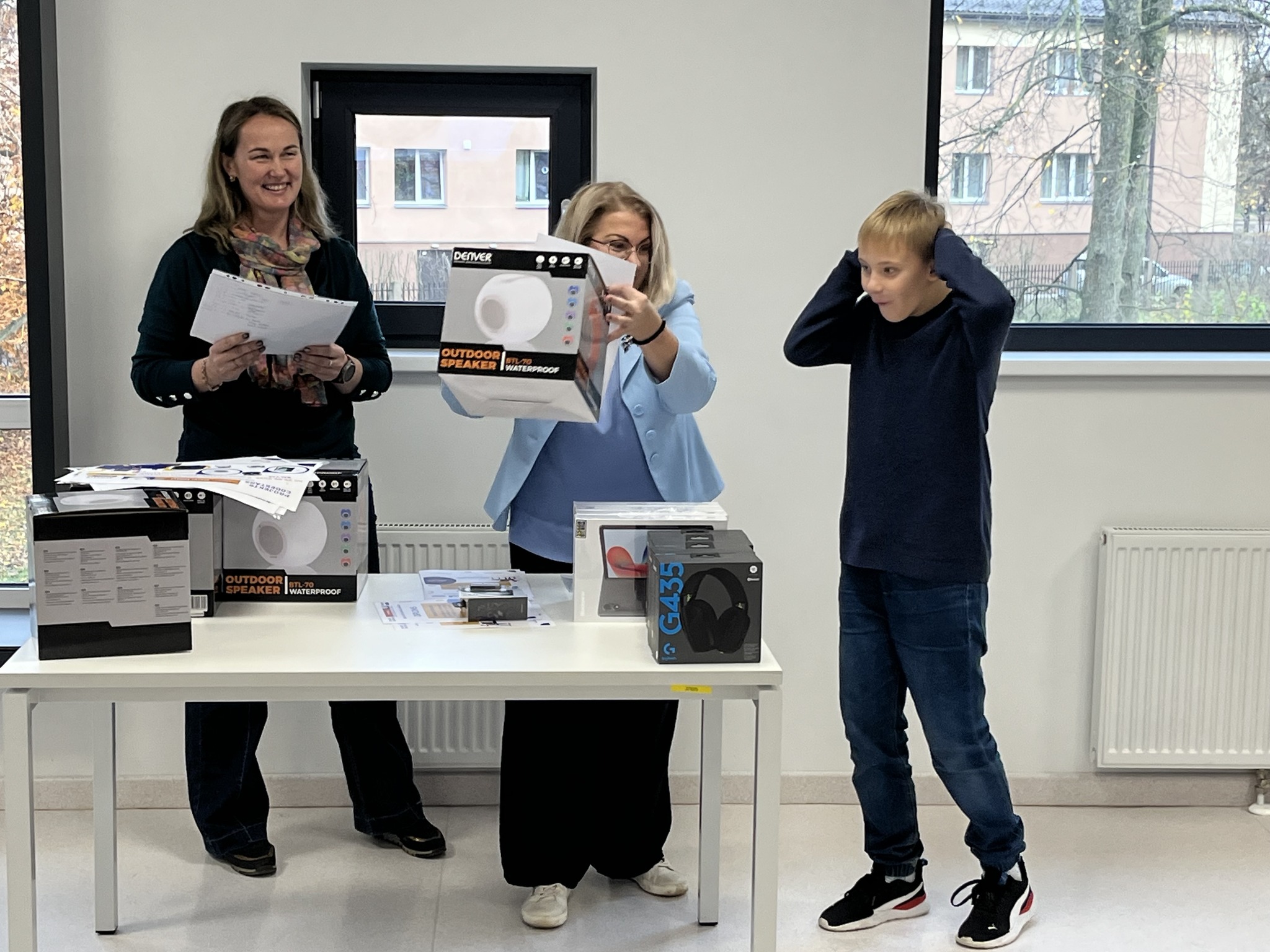
CodeStars
Organisation: Riga State Classical Gymnasium
Location: Riga, Latvia
Participants: 640 | Educators: 7 | Activities: 13
A large-scale Scratch programming initiative designed to strengthen algorithmic thinking, creativity, and interest in STEM among students across multiple age groups. Activities were integrated into computer science lessons and adapted to different skill levels, from storytelling and animations to game creation and simulations. The project also promoted girls’ participation in programming and engaged parents, teachers, and the wider school community through competitions and public recognition activities.
Online AI Summer School for Students Aged 15–17
Organisation: Information Technology Online Secondary School
Location: Riga, Latvia
Participants: 150 | Educators: 5 | Activities: 5
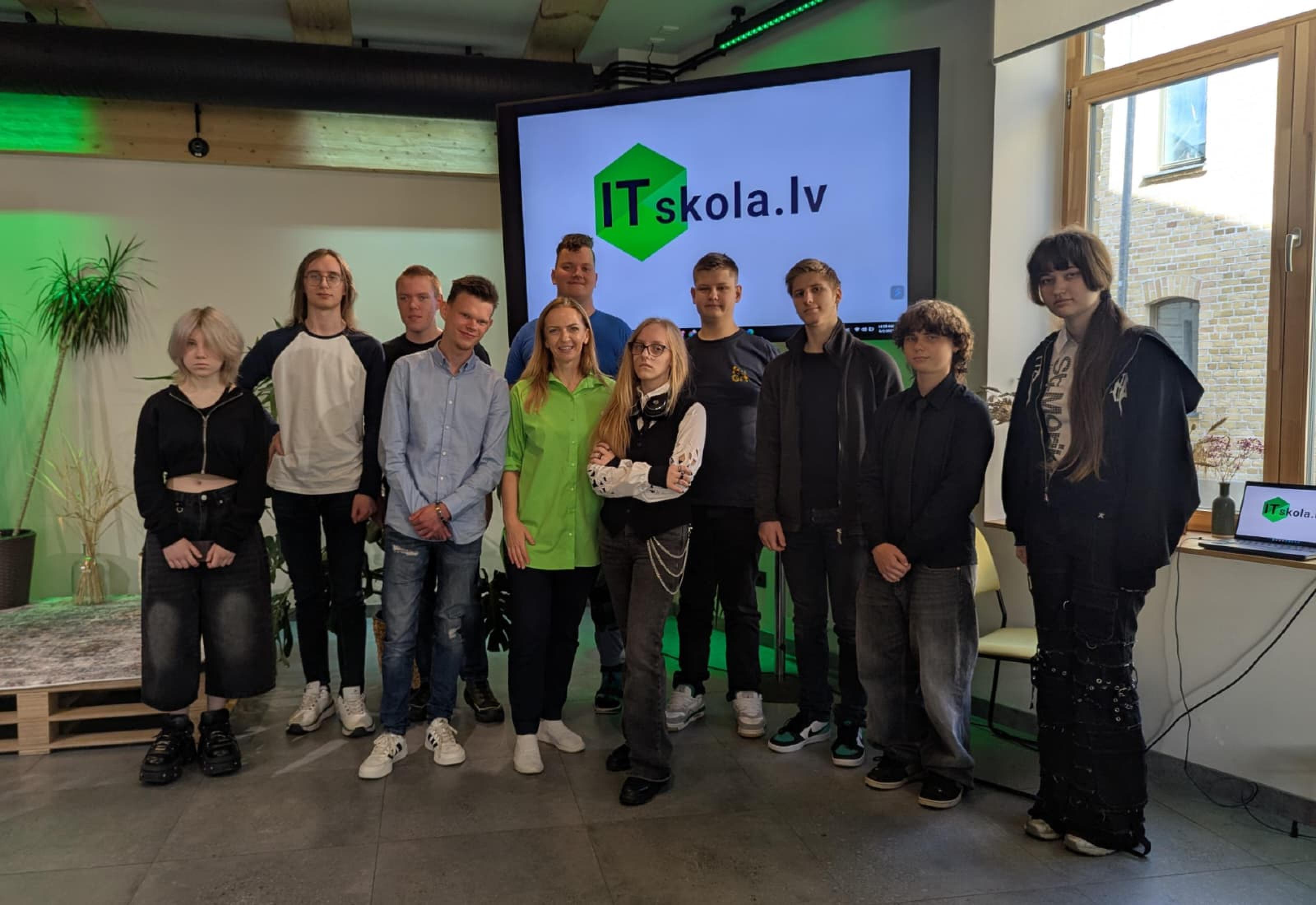
An online summer school introducing students to artificial intelligence, large language models, AI-generated content, and app development through practical workshops and expert-led sessions. Participants explored image, audio, video, and text generation tools, while also learning about hackathons and creative AI applications. All lesson recordings were made publicly available, supporting continued AI education and accessibility for schools and teachers across Latvia.
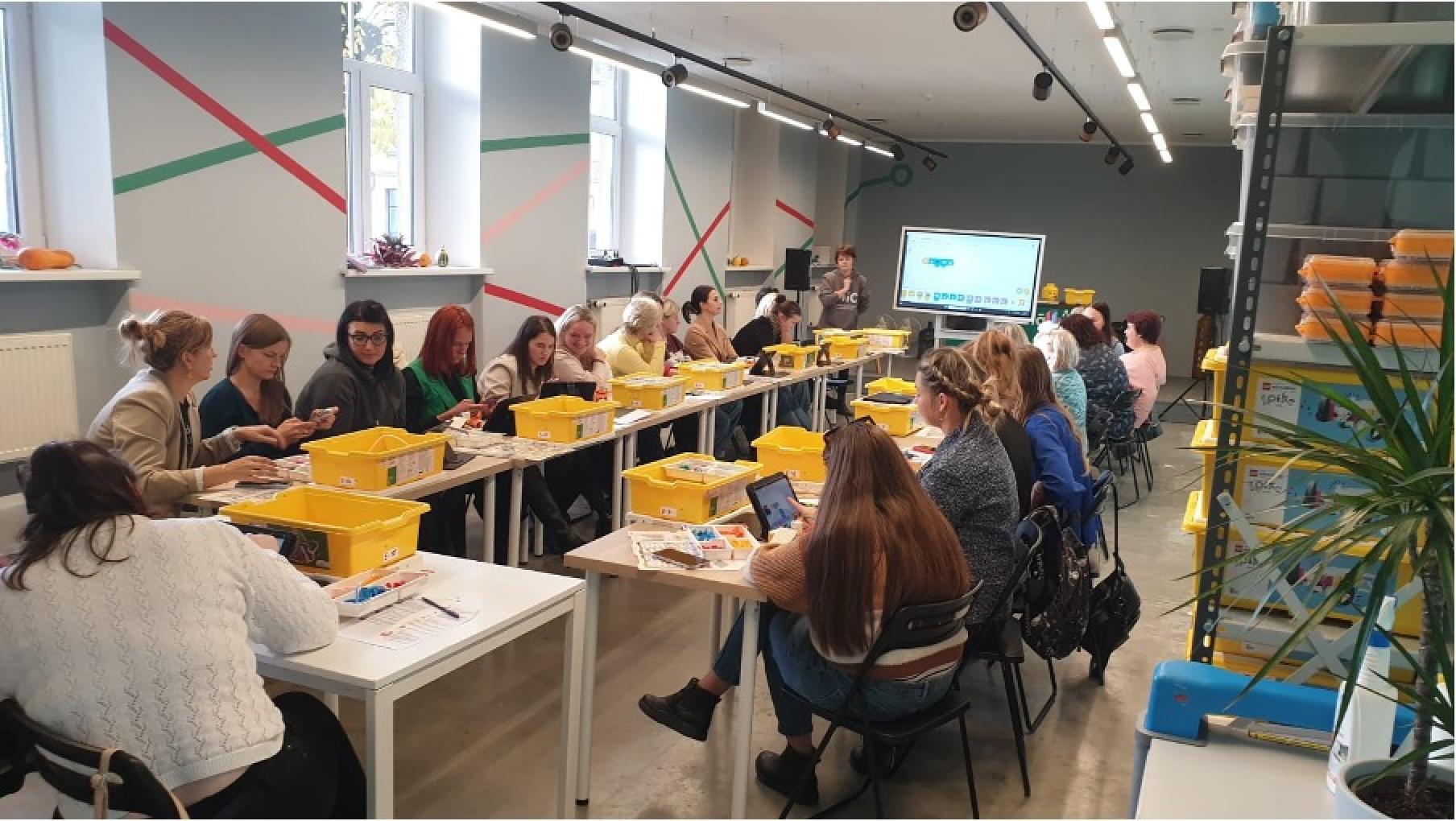
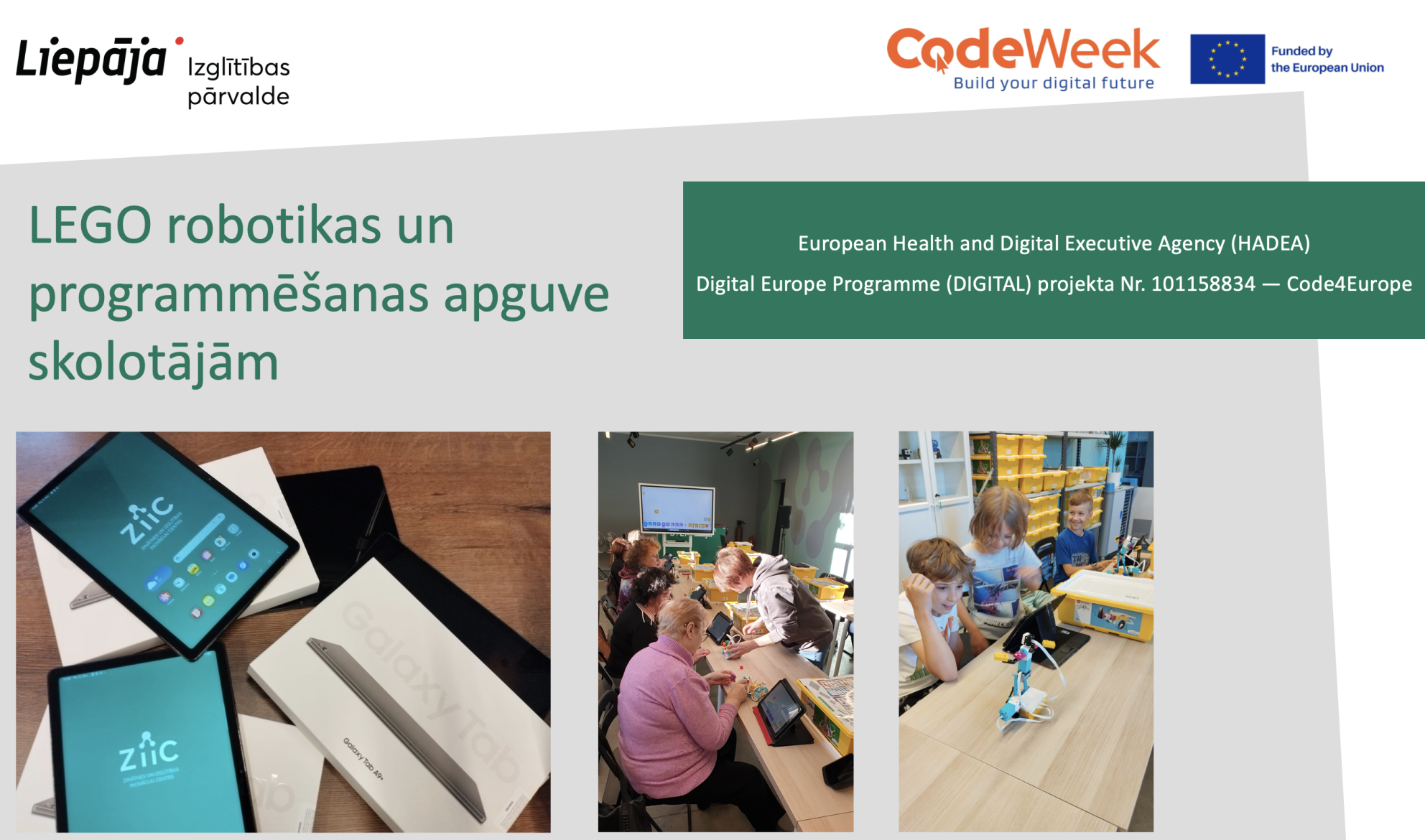
LEGO Robotics and Programming Training for Teachers
Organisation: Liepaja Municipal Education Department Science and Education Innovation Center (ZIIC)
Location: Liepaja, Latvia
Participants: 1557 | Educators: 22 | Activities: 5
A large-scale teacher training and robotics initiative designed to strengthen STEM education through LEGO Spike robotics and programming activities. The project equipped the center with new digital tools and tablets, enabling practical robotics training sessions for educators and expanded STEM classes for children. Due to strong interest and demand, additional robotics trainings and activities are planned, while the purchased equipment continues supporting long-term robotics and programming education.
Pygirls – Programming Course for Girls Aged 14–19
Organisation: Datorium
Location: Riga, Latvia
An online Python programming course designed to encourage girls’ participation in technology and strengthen confidence in coding and STEM-related fields. The initiative focused on introducing programming skills through accessible online learning opportunities while promoting greater representation of girls and young women in digital education and technology pathways.
Underserved focus: Yes – targeted support for girls’ participation in programming and STEM.
Croatia & Slovenia – Profil Klett
Projects funded: 3
Participants reached: 106
Educators engaged: 6
Activities on Code Week platform: 3
Projects under the Profil Klett hub demonstrate a strong emphasis on hands-on, experiential STEM learning across both formal and non-formal education settings. The portfolio ranges from early childhood digital literacy to advanced robotics and engineering preparation, highlighting a clear progression of skills. A key characteristic is the use of physical tools and real-world applications—such as LEGO, robotics competitions, and technical workshops—to make digital learning tangible, engaging, and accessible.
Funded Projects
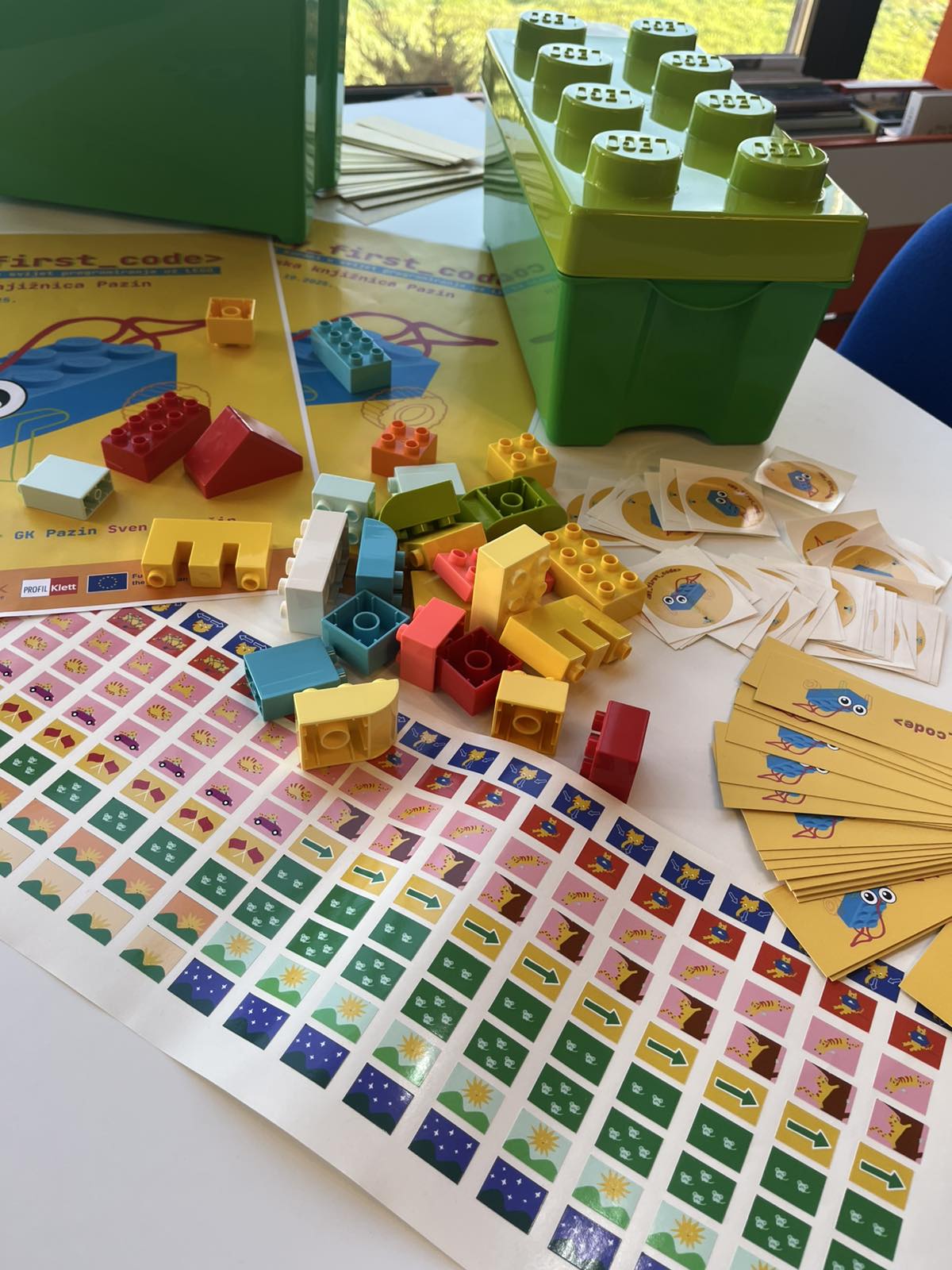
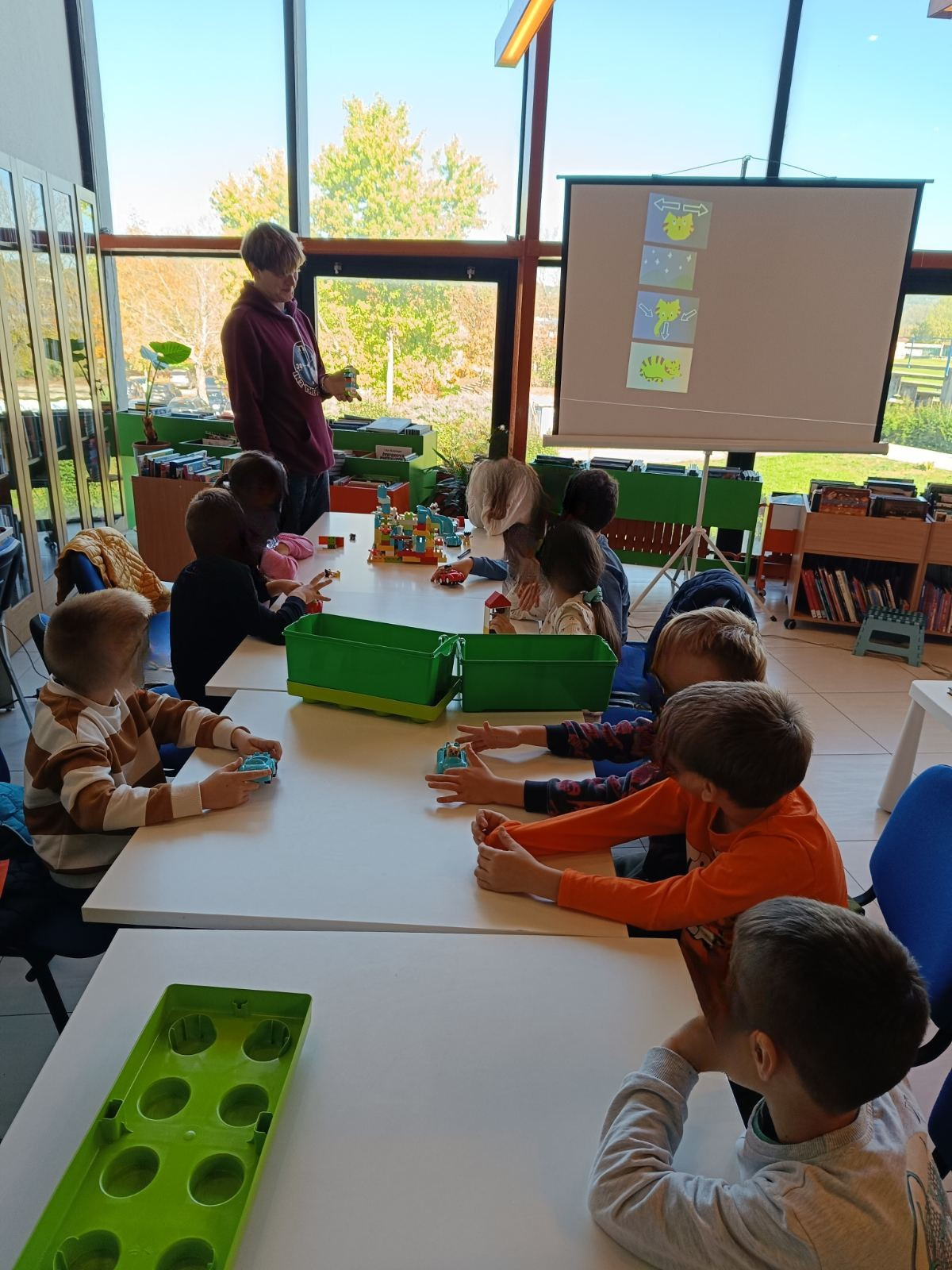
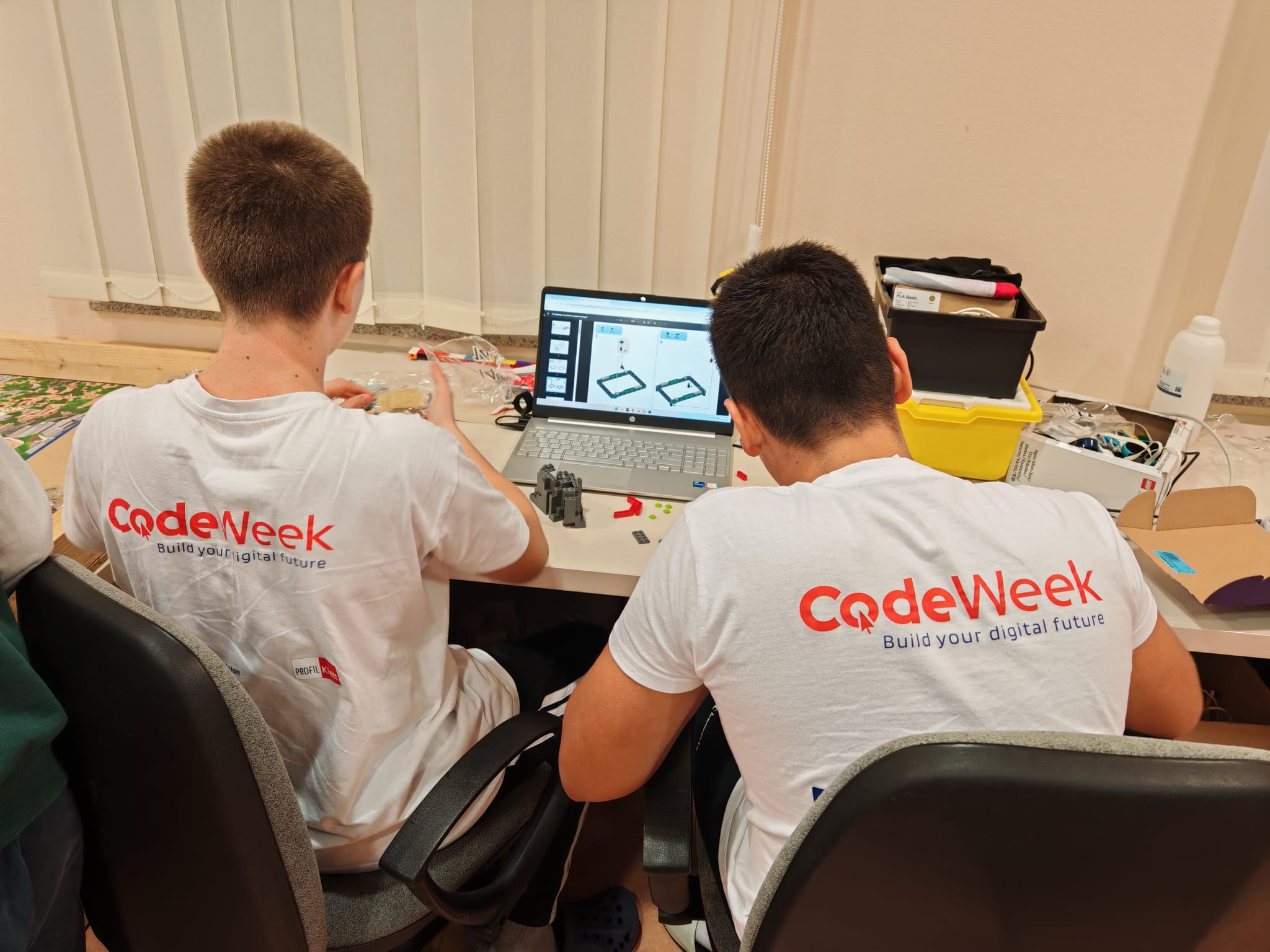
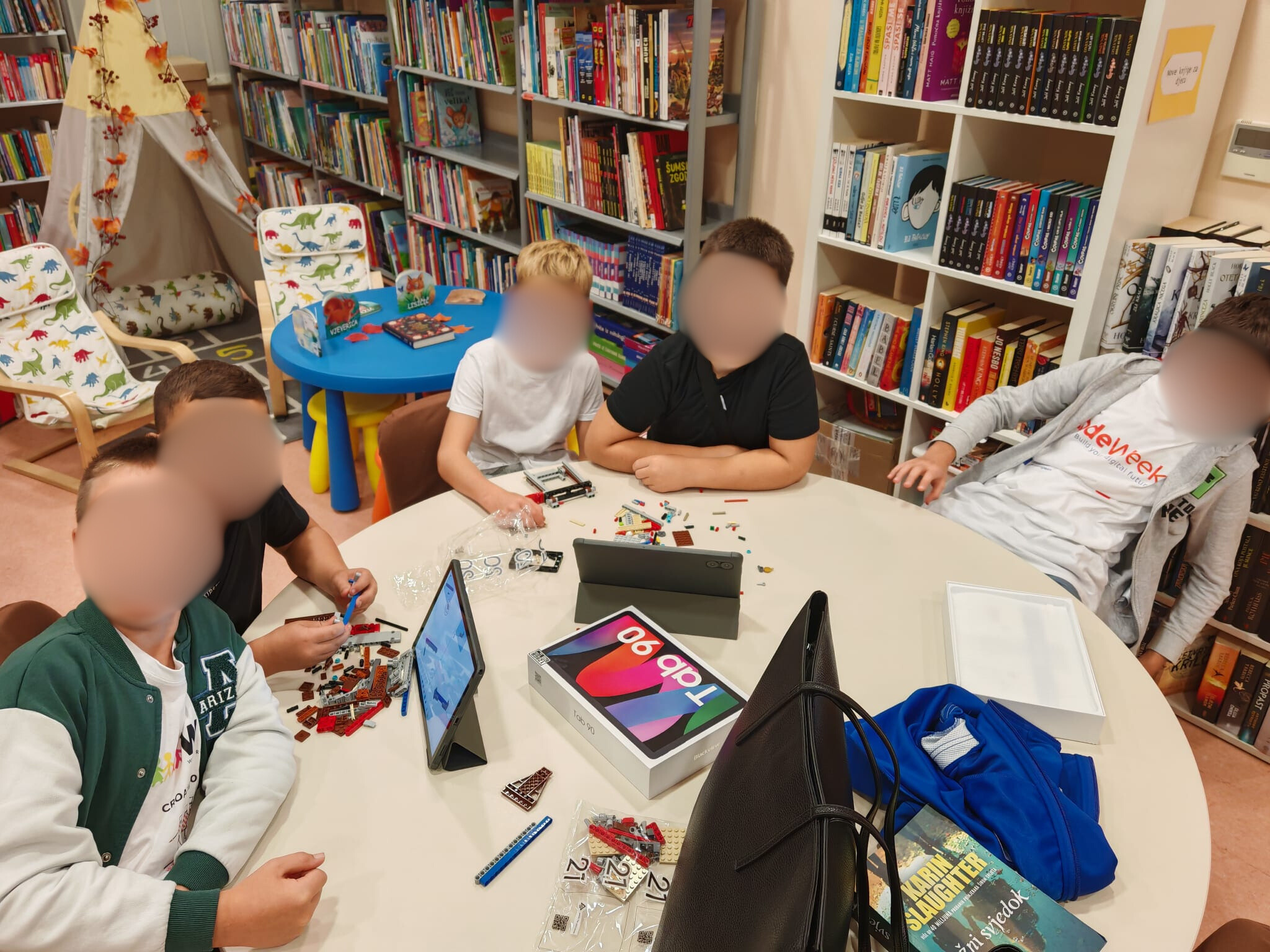
MY FIRST CODE: First steps into the world of coding with LEGO
Organisation: Pazin City Library (Gradska knjižnica Pazin)
Location: Pazin, Croatia
Participants: 63 | Educators: 1 | Activities: 1
A library-based initiative introducing preschool and early primary school children to computational thinking through LEGO-based workshops. The programme used play-based, hands-on activities to develop logical reasoning, creativity, and collaboration. Strong cooperation with local schools and kindergartens ensured wide engagement, while high demand led to additional workshop sessions.
Links:
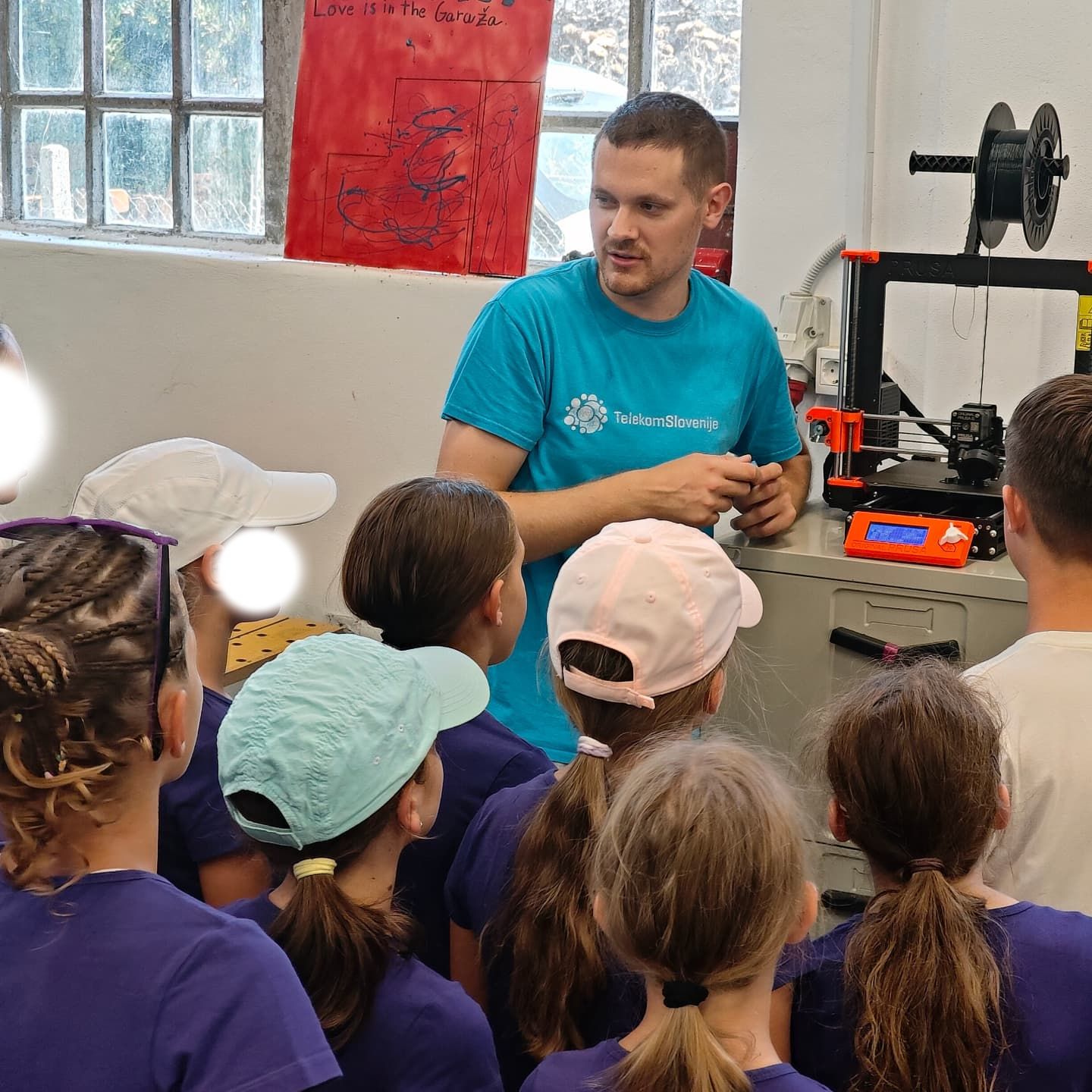
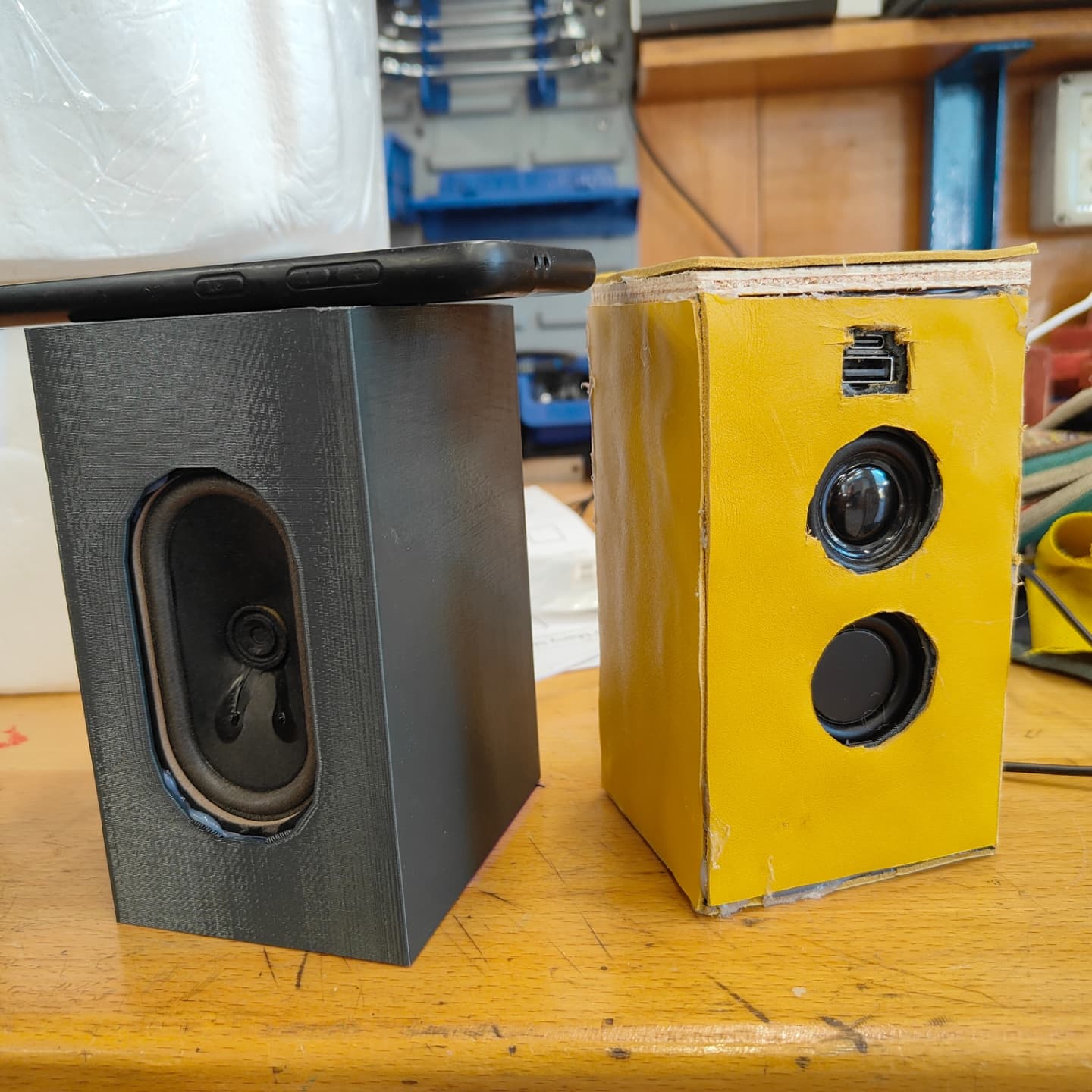
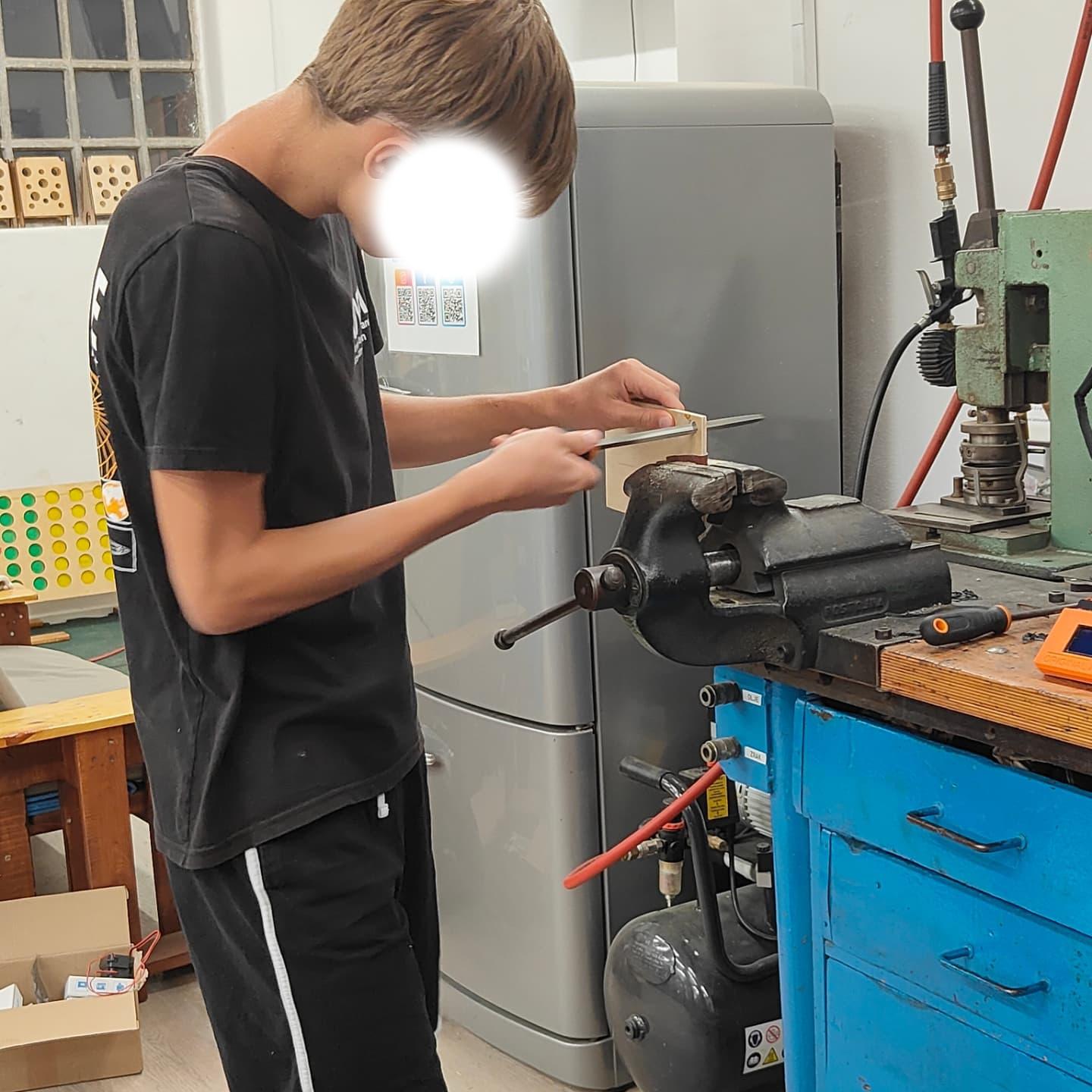
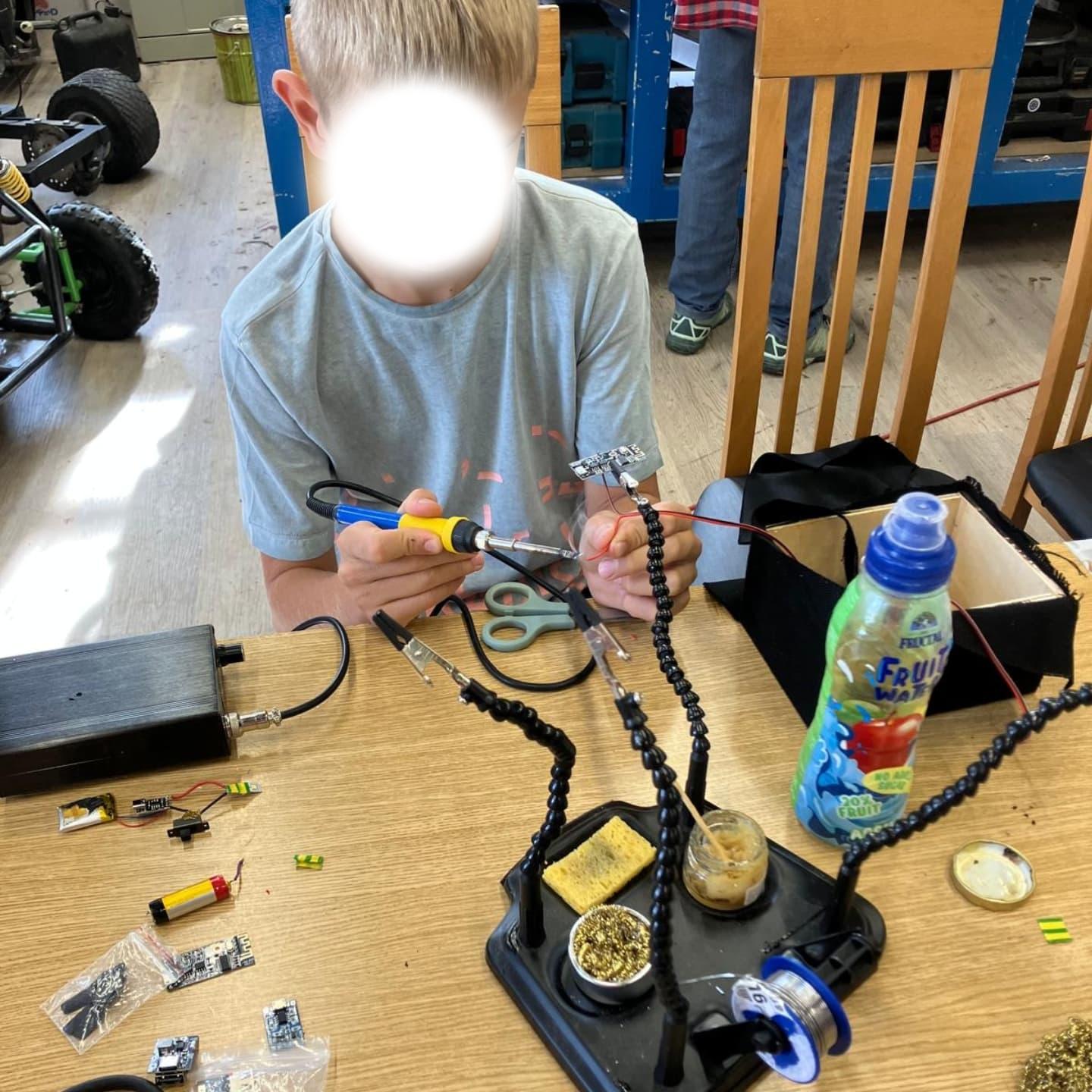
Holiday creative workshops at the Garage for Children 13+
Organisation: BETA Institute for Social Development
Location: Ajdovščina, Slovenia
Participants: 21 | Educators: 1 | Activities: 1
A series of intensive technical workshops combining engineering, digital fabrication, and practical mechanics. Participants built and tested real-world projects such as racing simulators, RC tracks, and Bluetooth speakers, while also gaining experience in welding, electronics, and 3D printing. The project emphasized teamwork, sustainability, and equal participation across genders.
Links:
Preparatory workshops for WRO 2025 Ljubljana
Organisation: Croatian Robotics Association (HROBOS)
Location: Lipovljani, Croatia
Participants: 22 | Educators: 4 | Activities: 1
A structured robotics training programme preparing students for international competitions, including the World Robot Olympiad. Through intensive workshops, participants developed skills in programming, engineering, and problem-solving using tools such as Arduino, Python, and LEGO Spike. The project resulted in strong international performance, including a second-place finish at the European level.
Germany, Austria & Liechtenstein – Science on Stage
Projects funded: 1
Participants reached: 0
Educators engaged: 50
Activities on Code Week platform: 0
The project under the Science on Stage hub focused on large-scale impact through teacher enablement rather than direct student delivery. By developing open educational resources for the Calliope mini ecosystem, the initiative supports early-stage digital literacy across German-speaking countries. The approach emphasizes scalability, accessibility, and long-term integration into formal education systems, with strong dissemination channels ensuring broad uptake.
Funded Projects
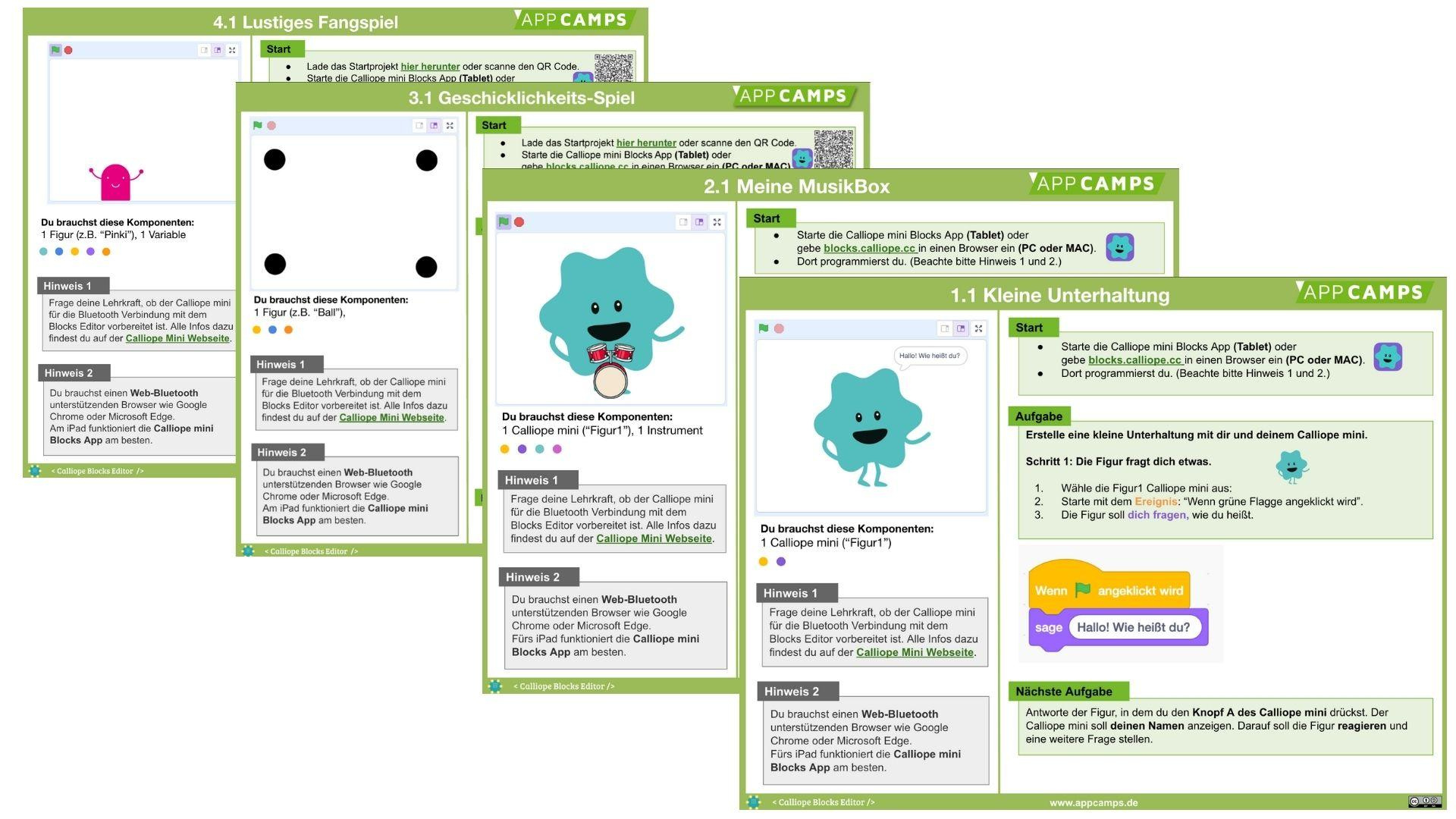
Teaching materials for the Calliope mini Blocks Editor
Organisation: App Camps gemeinnützige Unternehmergesellschaft (haftungsbeschränkt)
Location: Germany, with dissemination across Germany, Austria, and Switzerland
Participants: 0 (direct) | Educators: 50+
A resource development project creating a structured set of four classroom-ready teaching units for introducing block-based programming with the Calliope mini. Designed for primary and lower secondary education, the materials include instructional videos, step-by-step learning guides, and real-world inspiration content.
The project followed a rigorous development and testing process, involving educators in pilot sessions and iterative refinement. Materials were published as openly accessible resources on the fobizz platform, ensuring low-barrier access and adaptability for teachers. The initiative supports early digital literacy, reduces barriers to teaching programming, and enables widespread classroom adoption across the region.
Albania, Serbia, North Macedonia & Montenegro – JA Albania
Projects funded: 1
Participants reached: 150
Educators engaged: 12
Activities on Code Week platform: 1
The project under the JA Albania hub focused on large-scale youth engagement through a regional, non-formal learning format combining coding, creativity, and collaboration. With a strong emphasis on inclusion—particularly for young women and learners with limited access to digital opportunities—the initiative positioned technology as an accessible and creative field. It also strengthened regional cooperation across the Western Balkans and connected education with the gaming and innovation ecosystem.
Underserved focus: Yes – inclusion of young women and youth with limited access to non-formal digital education.
Funded Projects
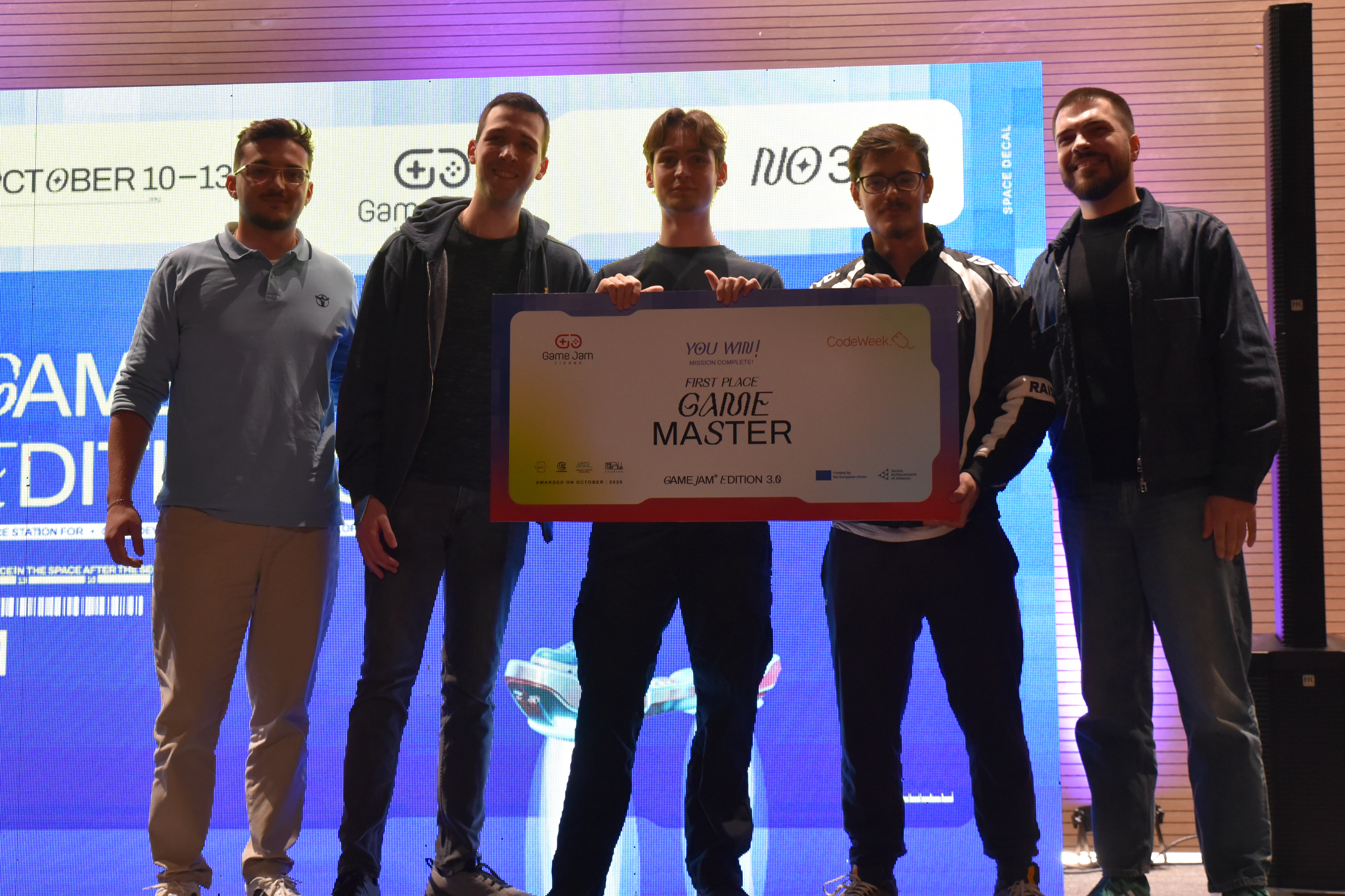
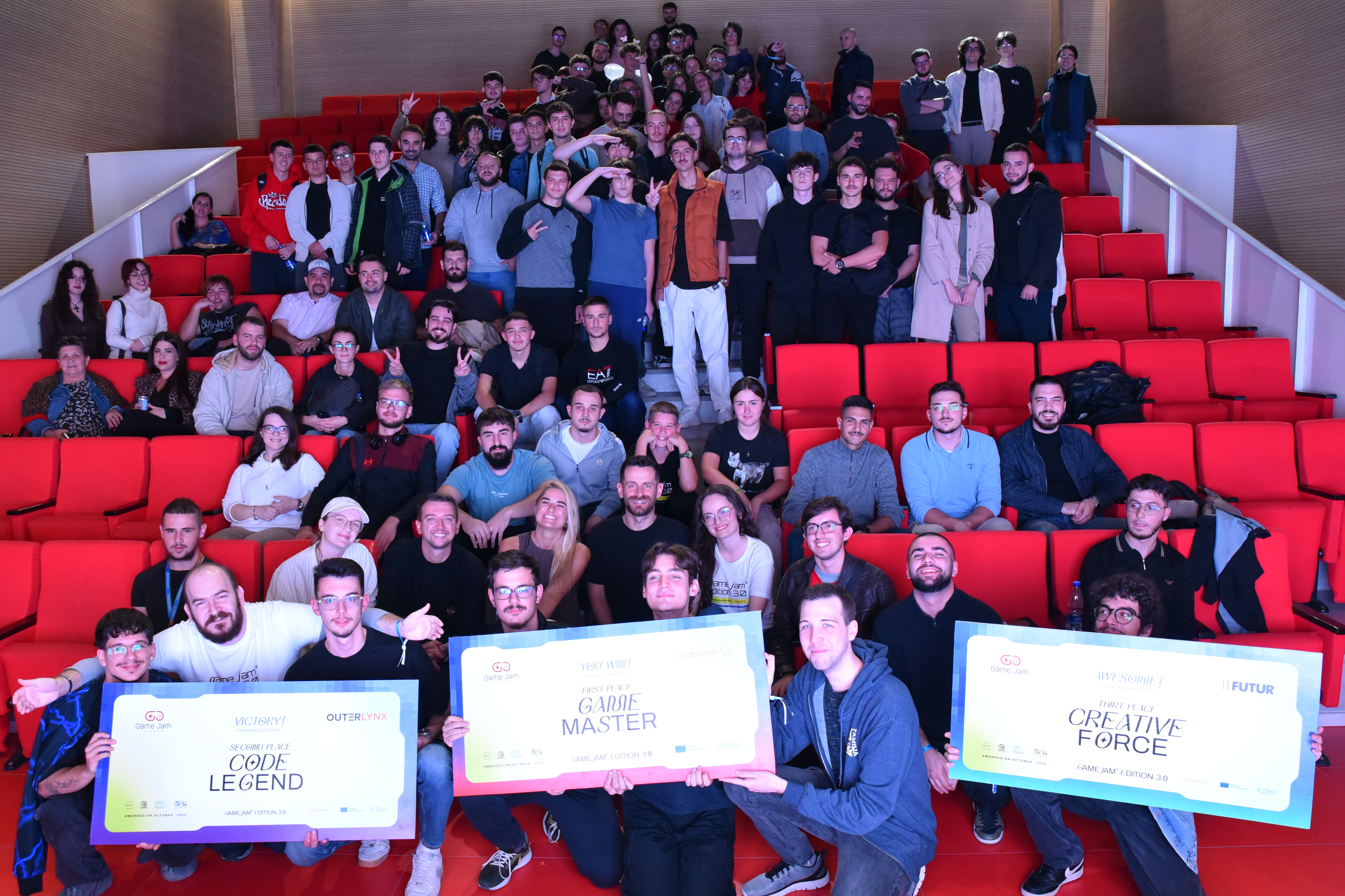
Game Jam Albania 3.0
Organisation: JA Albania / C4Communities
Location: Tirana, Albania (with regional participation)
Participants: 150 | Educators: 12 | Activities: 1
A large-scale game development event bringing together young people from Albania, Kosovo, and North Macedonia in a 48-hour collaborative “game jam.” Participants worked in teams to design and develop original game prototypes based on a shared theme, combining coding, storytelling, and design.
The initiative integrated workshops, mentorship, and peer learning, resulting in 27 game prototypes and strong skill development in programming, creativity, and teamwork. With 40% female participation, the project actively contributed to reducing gender gaps in technology and promoting inclusive participation. It also achieved significant outreach and visibility, engaging a wider audience and strengthening connections between education, industry, and creative sectors.
Underserved focus: Yes – inclusion of young women and youth with limited access to non-formal digital education.
Spain & Portugal – JA Spain
Projects funded: 2
Participants reached: 420
Educators engaged: 6
Activities on Code Week platform: 14
Projects implemented under the JA Spain hub combined digital skills development with strong social and environmental impact themes. The portfolio focused on inclusive and project-based learning approaches, using coding, robotics, and educational technologies to address real-world challenges such as accessibility, emotional wellbeing, neurodiversity, climate change, and disaster prevention. Both initiatives emphasized creativity, collaboration, and hands-on STEM learning while supporting underserved groups and promoting broader awareness within school communities.
Funded Projects
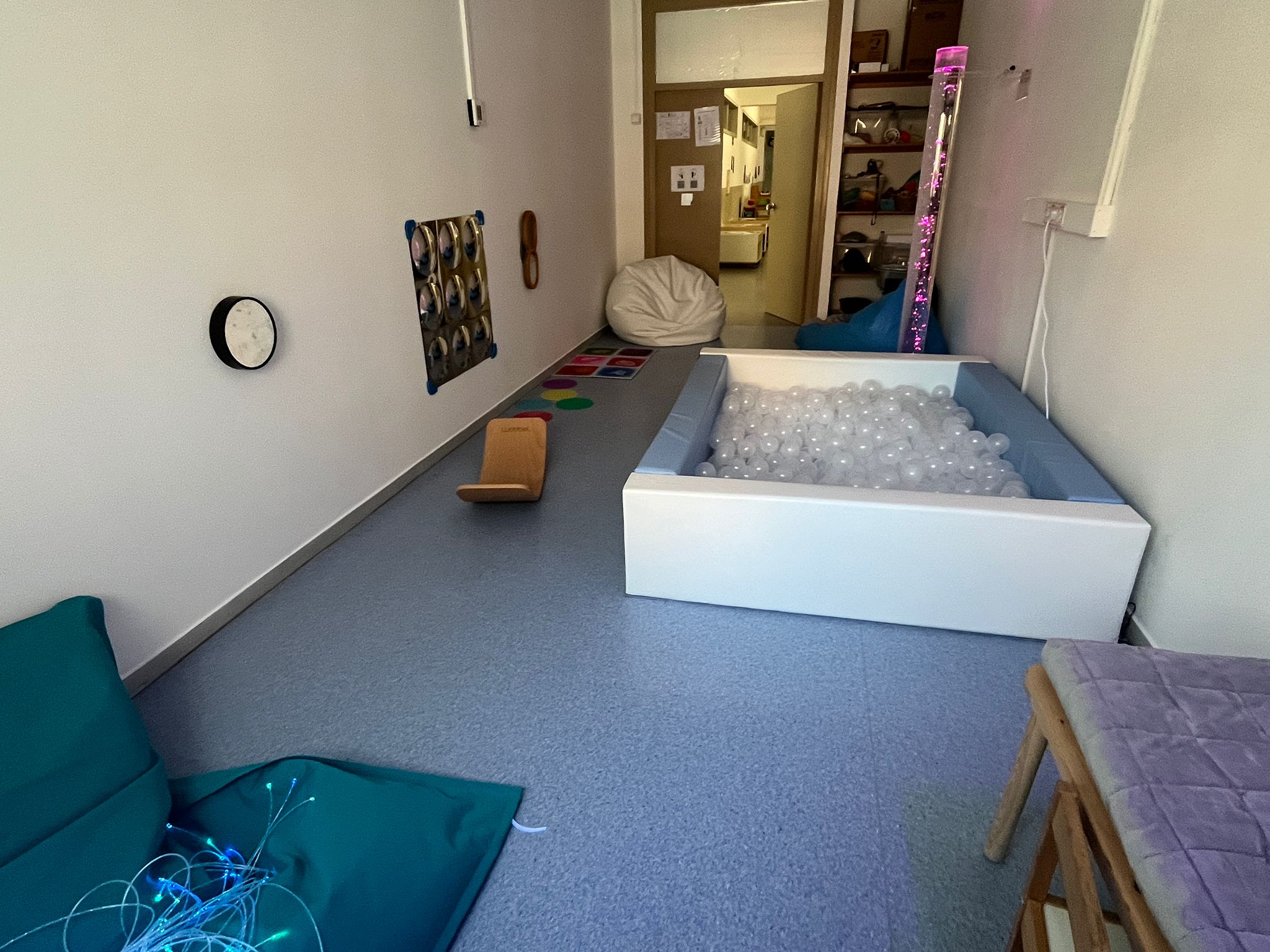
TEAmo Mucho! – Inclusive Technology for Emotional Regulation and Sensory Support for Children with ASD
Organisation: Escola Palma de Mallorca
Location: Barcelona, Spain
Participants: 220 | Educators: 4 | Activities: 12
An inclusive technology project supporting children with Autism Spectrum Disorder (ASD) through the development of digital and sensory regulation tools using robotics and programmable technologies. Students and teachers collaboratively created solutions such as interactive emotional support systems and sensory-responsive devices, promoting emotional wellbeing, accessibility, and inclusion across the wider school environment. The initiative combined Universal Design for Learning (UDL) and Project-Based Learning (PBL), strengthening both digital and social competences while fostering greater awareness of neurodiversity and inclusive education practices.
Underserved focus: Yes – targeted support for children with Autism Spectrum Disorder (ASD) and inclusive learning environments.
Links:
- https://diarisanitat.cat/un-impuls-a-lescola-inclusiva/
- https://educa.barcelona/2025/12/24/programar-amb-microbit-per-a-la-inclusio-dalumnat-amb-tea/
- https://agora.xtec.cat/escpalmademallorca/general/portada/premi-fundacio-hermini-tudela/
- https://dialnet.unirioja.es/servlet/articulo?codigo=10625340
- https://agora.xtec.cat/escpalmademallorca/general/portada/%f0%9f%8c%8d-de-palma-al-mon-el-projecte-teastimo-molt-rep-el-prestigios-premi-internacional-gioct-2025/
Flood Prevention in the Digital Era
Organisation: Francisco José Delgado
Location: Ávila, Spain, with activities connected to flood-affected communities in Valencia and Letur
Participants: 200 | Educators: 2 | Activities: 2
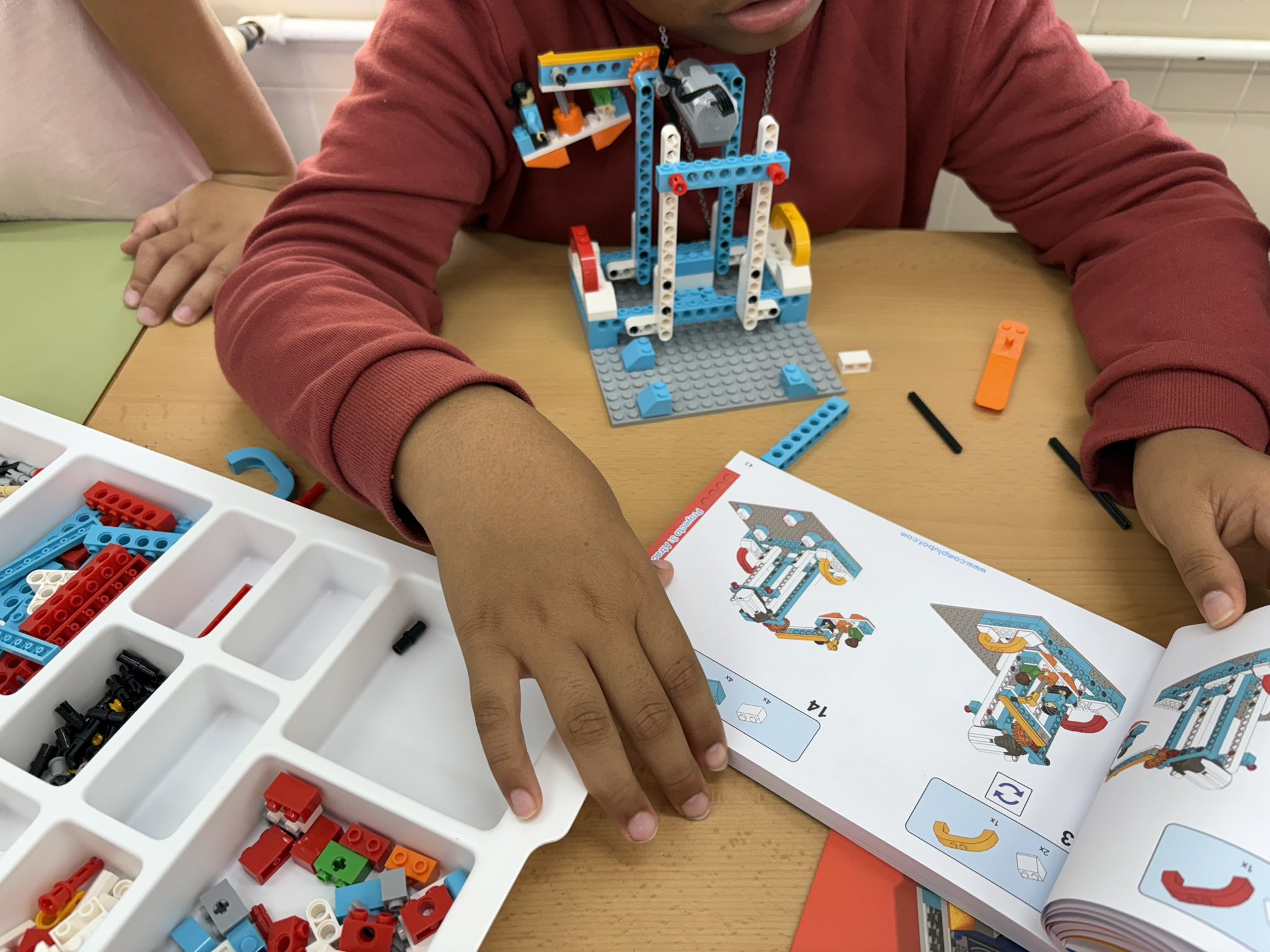
A climate and disaster awareness project combining environmental education with coding, robotics, and digital simulations. Through tools such as Scratch, Makey Makey, and LEGO Spike, students designed and programmed flood prevention solutions including automated floodgates and rainfall monitoring systems. The project strengthened digital, problem-solving, and collaboration skills while raising awareness about climate change and supporting students from communities affected by the 2024 DANA floods.
Underserved focus: Yes – support for students from communities affected by environmental disasters and disrupted learning conditions.
Links:
Denmark, Finland, Iceland, Norway & Sweden – ECWT Status: Call not launched
The small grants call was not launched in the Nordic region during the implementation period. As a result, no projects were funded under Round 1 in these countries.