EU Code Week Grants for Grassroots
Round 2 of Grants
Round 2 of Grants
- Projects implemented: 68 projects across 17 hubs
- Countries of implementation: Albania, Bulgaria, Croatia, Cyprus, France, Germany, Greece, Ireland, Italy, Latvia, Malta, Poland, Romania, Slovakia, Spain, Türkiye, Ukraine (17 countries)
- Total young people reached: 36,901 participants
- Gender of participants: Approx. 18,463 male; Approx. 18,438 female
- Educators engaged: 1,421 teachers, educators, mentors, facilitators, and trainers
- Activities delivered on the Code Week platform: 430 activities, workshops, trainings, festivals, coding events, and community sessions
- Project durations: Most projects were implemented between February and July 2026, with several extending into September 2026
- Projects targeting underserved groups: 23 out of 68 projects
Common types of activities delivered
- Coding workshops using Scratch, ScratchJr, micro:bit, Arduino, LEGO robotics, Makey Makey, Python, and AI tools
- Robotics, physical computing, sensors, IoT, and STEM laboratories
- AI literacy, cybersecurity, media literacy, and responsible technology activities
- 3D printing, game design, creative coding, digital storytelling, and digital fabrication workshops
- Hackathons, coding festivals, public exhibitions, school showcases, and community events
- Teacher training, peer mentoring, family learning, and classroom integration activities
- Environmental education, sustainability, cultural heritage, and community-focused STEAM activities
- Inclusive initiatives for girls in STEM, displaced learners, rural communities, migrant-background students, and learners with disabilities or special educational needs
Projects supported underserved and underrepresented groups including girls in STEM, internally displaced learners, students in rural and low-access regions, learners with disabilities and special educational needs, migrant-background learners, and young people facing educational or livelihood barriers. Activities focused on improving digital inclusion, confidence, creativity, computational thinking, and equitable access to STEM and coding education across Europe.
Funded projects by country hub
Greece – CityLab
Projects funded: 5
Participants reached: 263
Educators engaged: 59
Activities on Code Week platform: 47
Projects under this hub focused on robotics, artificial intelligence, digital fabrication, environmental education. Activities combined hands-on learning, practical technology use, collaboration, and project-based approaches, while strengthening participants’ digital confidence and creating resources or equipment that can continue to support learning beyond the funded period.
Funded Projects
AI & Robotics Hackathon: Innovating for Our City (AI & Robotics Hackathon: Καινοτομούμε για την πόλη μας)
Organisation: 1st Middle School of Preveza
Location: Preveza, Epirus, Greece
Participants: 41 | Educators: 8 | Activities: 1
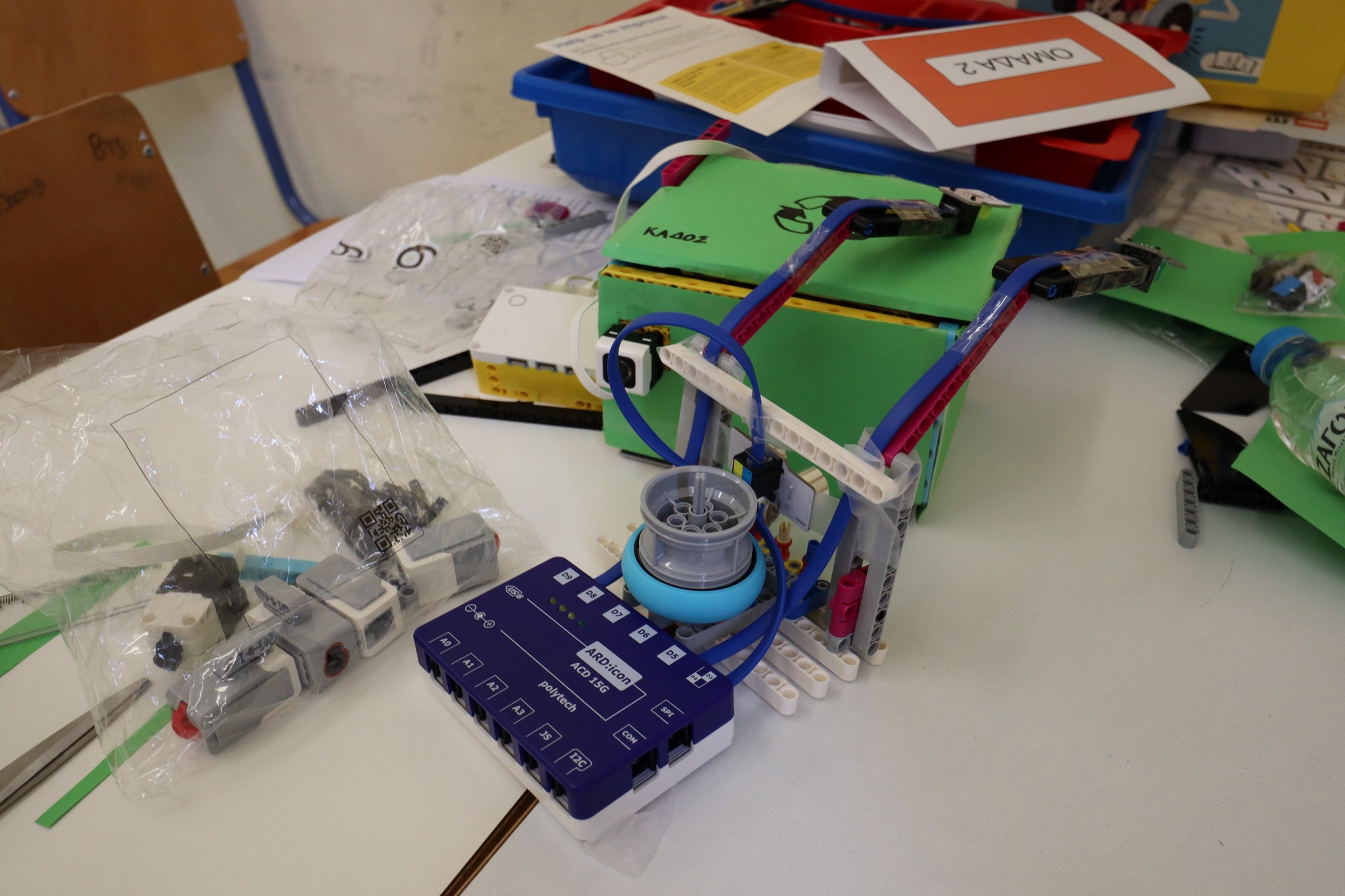
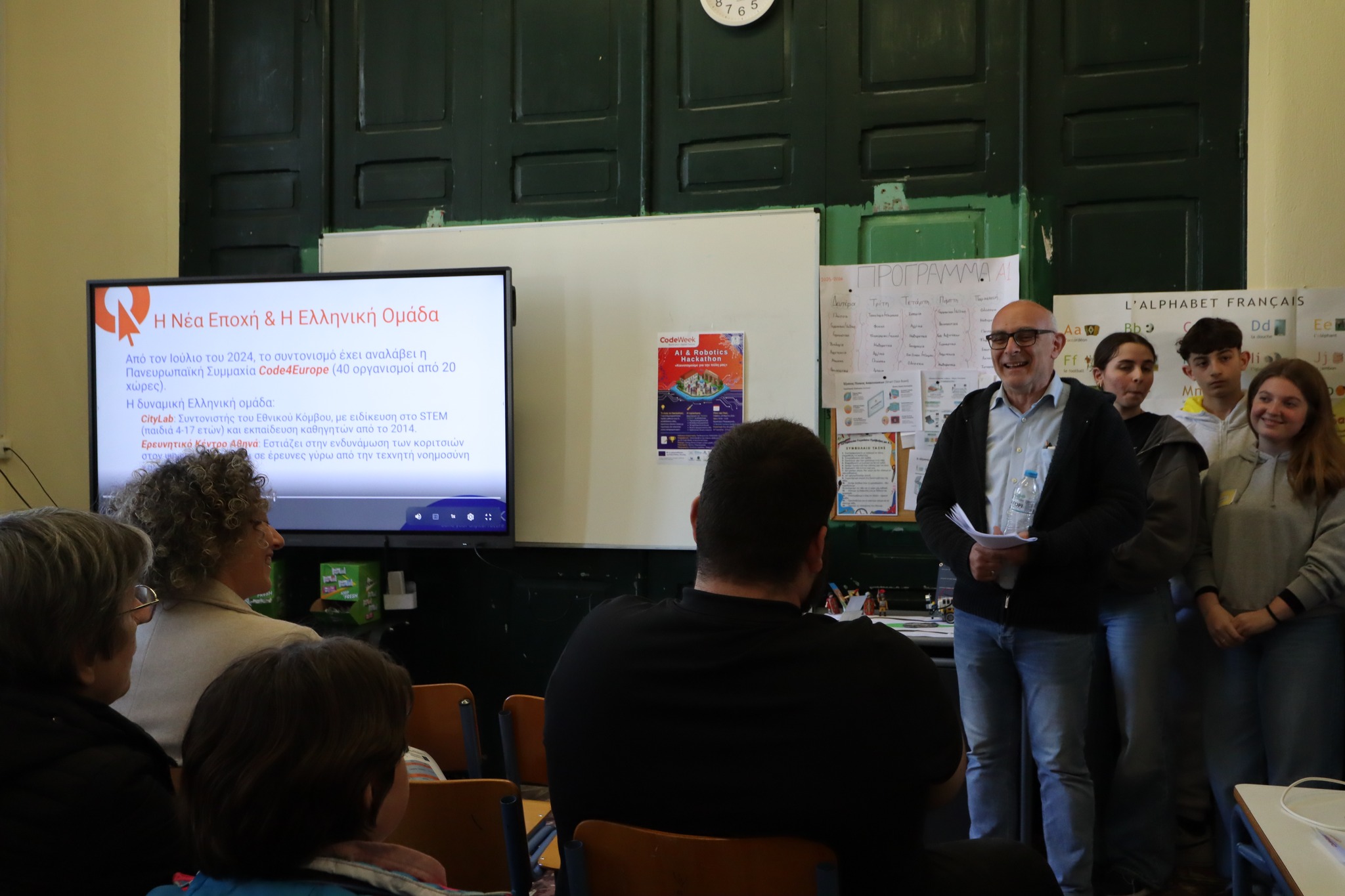
The implementation of the "AI & Robotics Hackathon: Innovating for our city", which was made possible thanks to funding from the EU Code Week Small Grants and the European Union, yielded exceptional results that exceeded initial expectations: Technical excellence and digital constructions: The students, working intensively, developed 8 highly functional prototype projects. Using modern robotics kits, sensors, and Artificial Intelligence cameras, they applied their knowledge in programming environments such as Mind+, Scratch, MIT App Inventor, Python, and MakeCode. The creative process led to the implementation of integrated solutions, such as: Precision automated irrigation systems and telemetry monitoring of water levels in the Amvrakikos Gulf.
Links:
- https://codeweek.eu/view/1407471/ai-robotics-hackathon-kainotomoume-ghia-tin-poli-mas
- https://blogs.sch.gr/1gymprev/2026/03/29/1o-ai-amp-amp-robotics-hackathon-prevezas-oi-mathites-kainotomoyn-gia-tin-poli-mas/
- https://blogs.sch.gr/1gymprev/2026/03/06/to-1o-protypo-gymnasio-prevezas-me-lt-quot-programmatizei-quot-to-mellon-erchetai-to-1o-ai-amp-amp-robotics-hackathon/
- https://share.google/HL0SjJ9iodMEj1EjU
- https://www.prevezatoday.gr/mathites-dimioyrgoyn-to-mellon-tis-prevezas-entyposiakes-idees-sto-1o-ai-amp-robotics-hackathon/
- https://xrcenter.project.uoi.gr/el/the-future-up-close-epirusxrcenter-ieee-sb-uoi-arta-at-the-1st-ai-robotics-hackathon-in-preveza/
- https://ieeesbarta.dit.uoi.gr/to-mellon-se-proto-prosopo-to-epirusxrcenter-to-ieee-sb-uoi-arta-sto-1o-ai-robotics-hackathon-prevezas/
- https://hcilab.dit.uoi.gr/to-mellon-se-proto-prosopo-to-epirusxrcenter-to-ieee-sb-uoi-arta-sto-1o-ai-robotics-hackathon-prevezas/
EU Code Week: Let’s Create Together (EU Code Week: Δημιουργούμε όλοι μαζί)
Organisation: 9th Primary School of Komotini
Location: Komotini, Thrace, Greece
Participants: 99 | Educators: 34 | Activities: 5
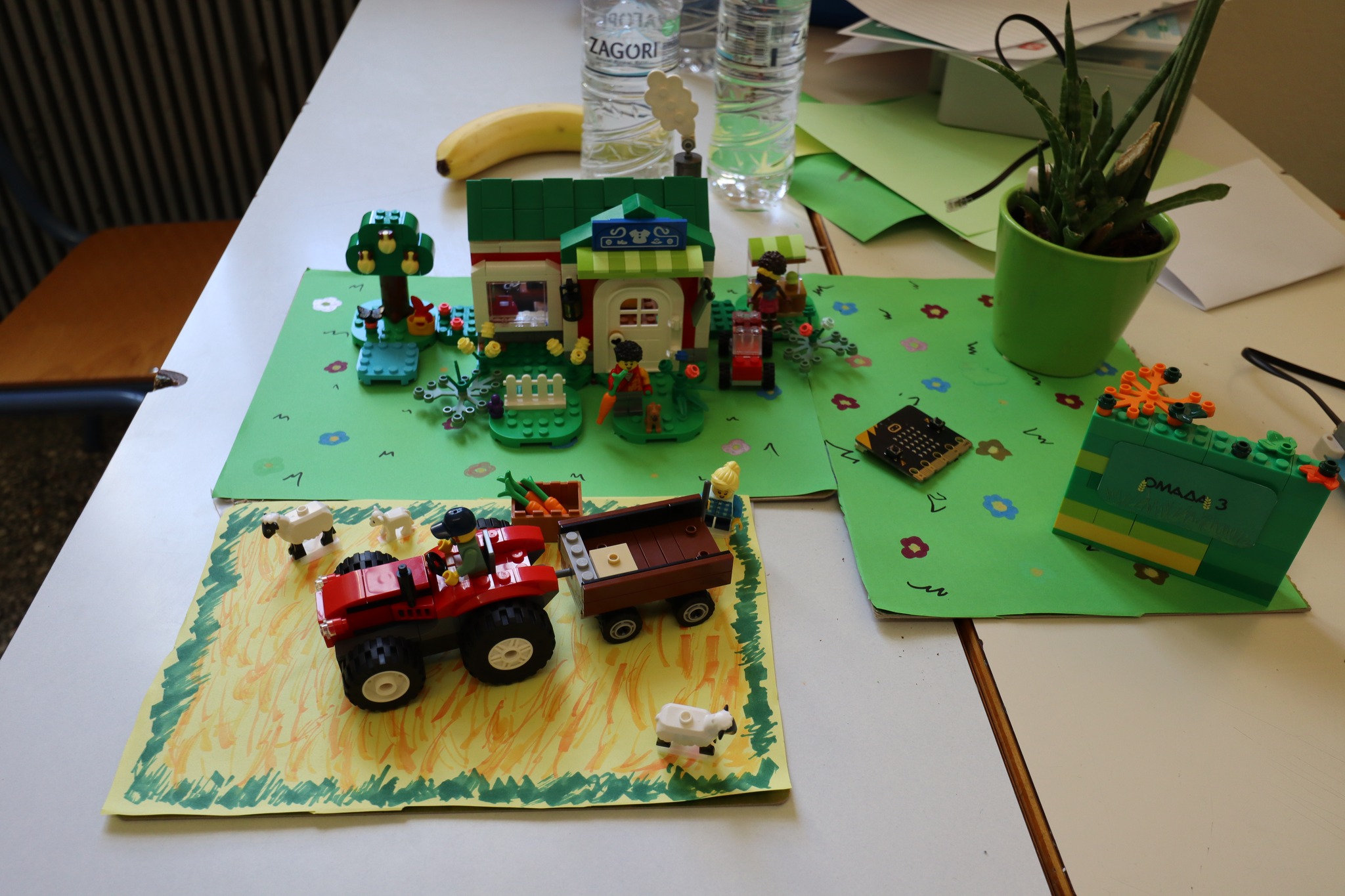
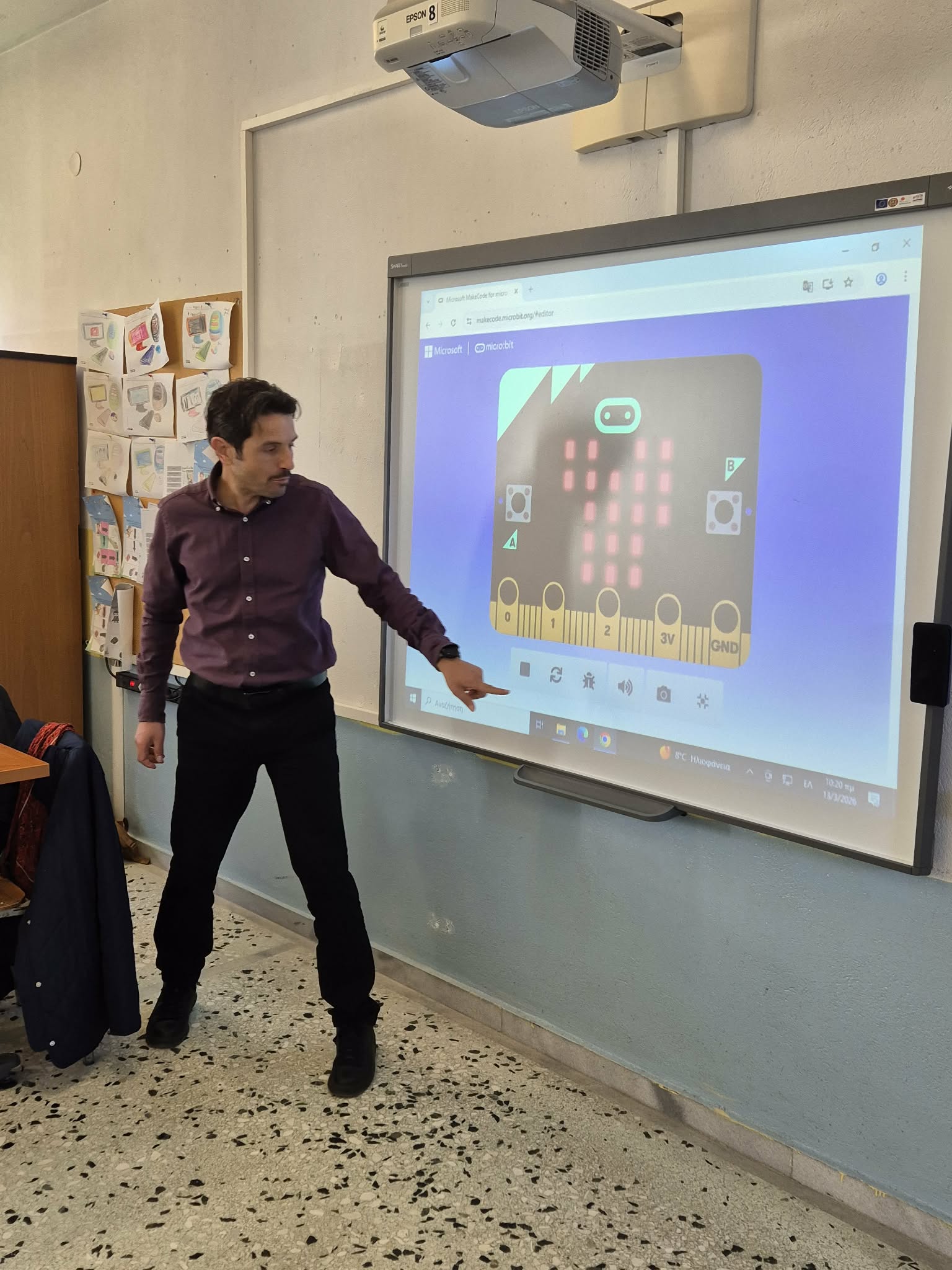
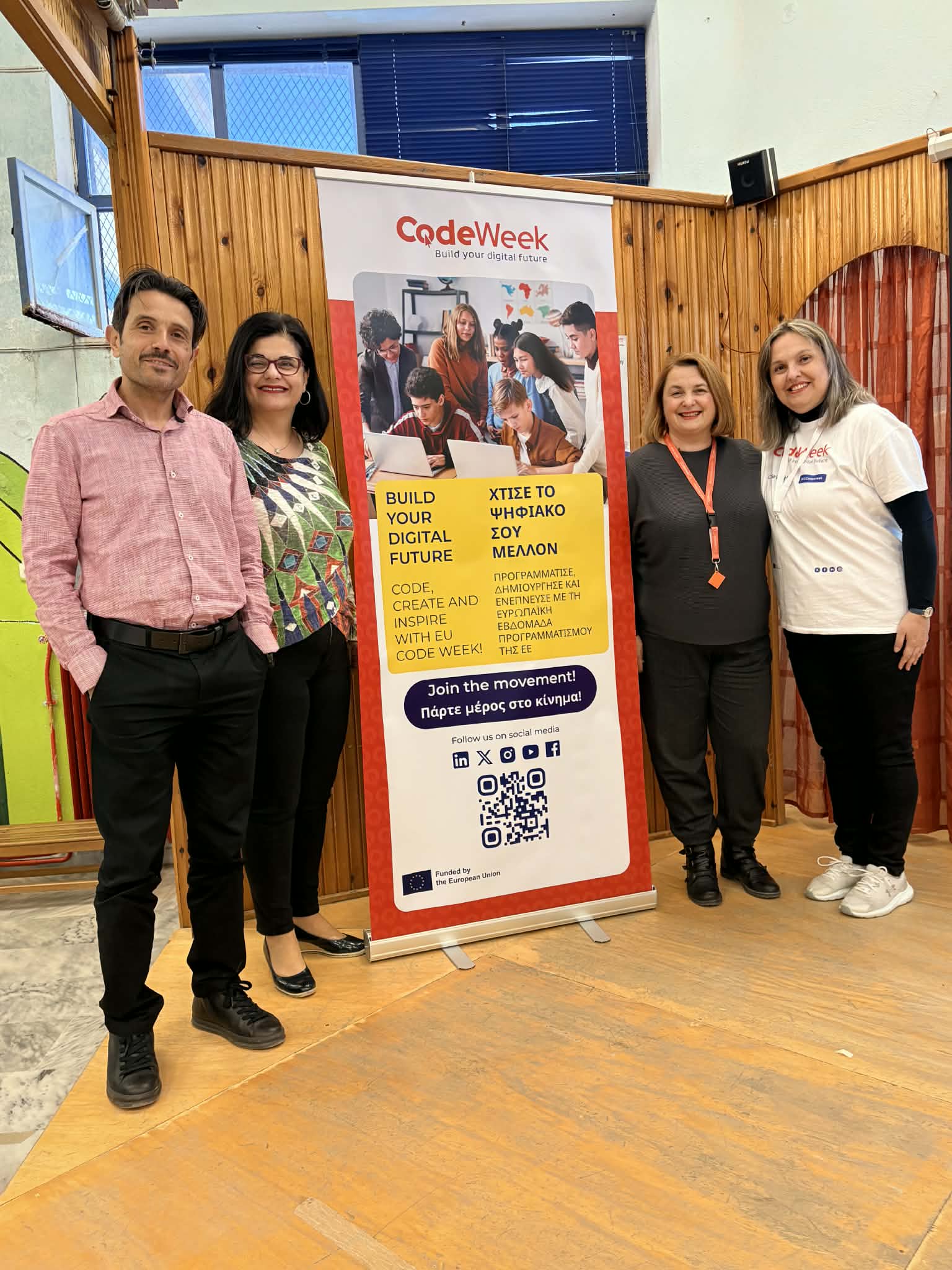
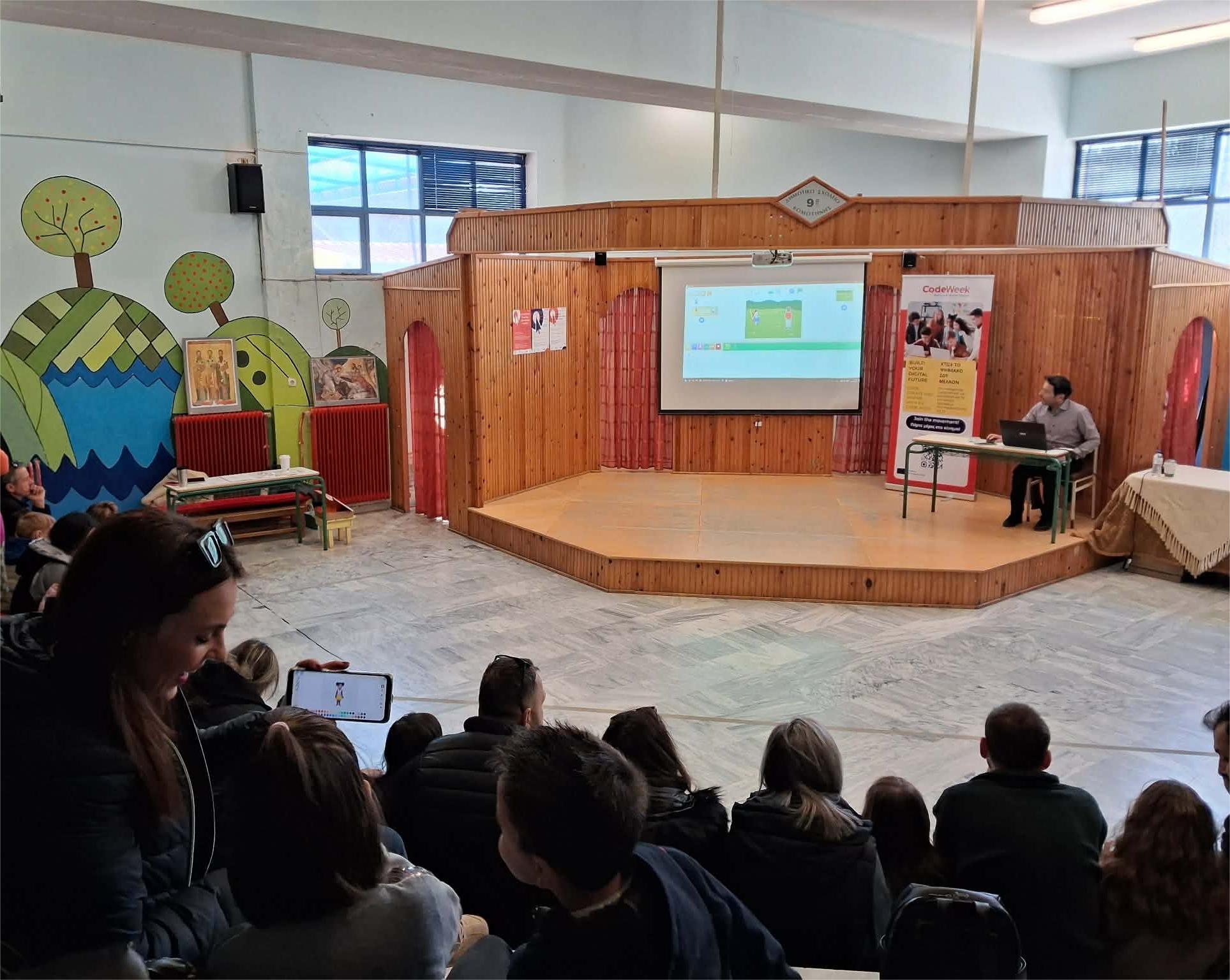
A particularly important two-day educational event, dedicated to programming and the development of computational thinking, was held at the 9th Elementary School of Komotini on March 13–14, 2026, offering students, teachers, and families with children a meaningful introduction to the world of programming and computational thinking. On the morning of Friday, March 13, the heart of programming was beating strongly at the 9th Elementary School. Students in grades 3 through 6 enthusiastically participated in a creative programming workshop using Micro:bit.
Links:
- https://www.paratiritis-news.gr/koinonia/o-programmatismos-kai-i-ypologistiki-skepsi-sto-epikentro-ton-ekpaideftikon-draseon-sto-9o-dimotiko-scholeio-komotinis/
- https://xronos.gr/reportaz/o-programmatismos-kai-i-ypologistiki-skepsi-sto-9o-dimotiko-sholeio-komotinis
- https://blogs.sch.gr/9dimkomo/?p=2404
- https://blogs.sch.gr/9dimkomo/?p=2444
- https://codeweek.eu/view/1409808/eu-code-week-family-day-dimioyrghoume-oloi-mazi
- https://codeweek.eu/view/1424020/eu-code-week-dimioyrghoume-oloi-mazi
- https://codeweek.eu/view/1424021/eucodeweek-dimioyrghoume-oloi-mazi
- https://codeweek.eu/view/1409807/eisaghontas-ton-proghrammatismo-stin-taksi-mia-drasi-ghia-oloys
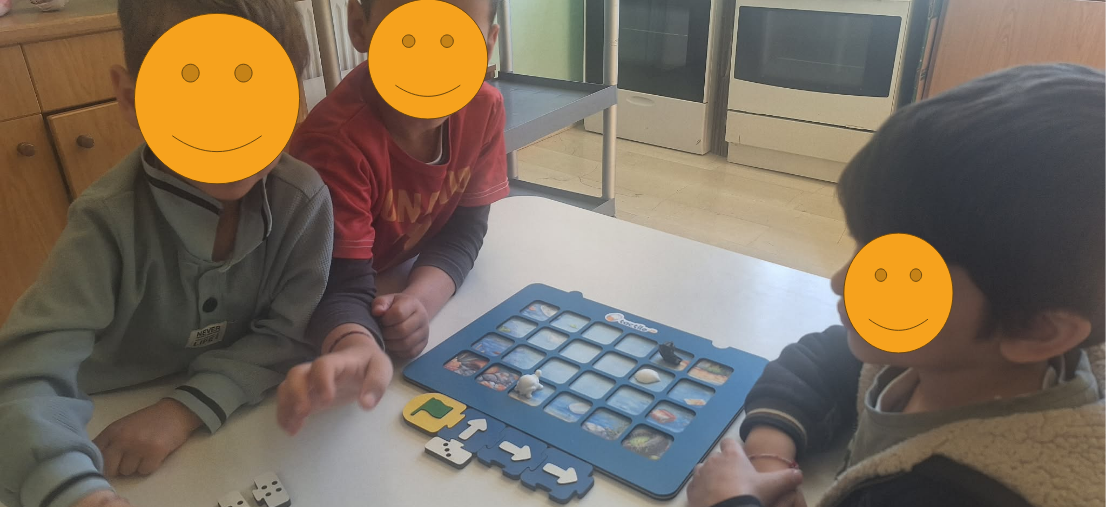
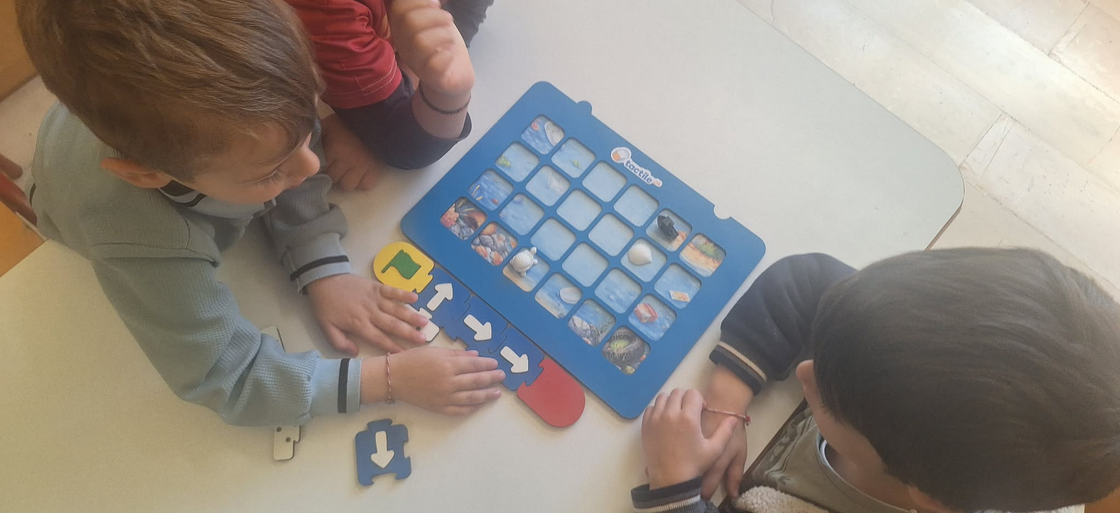
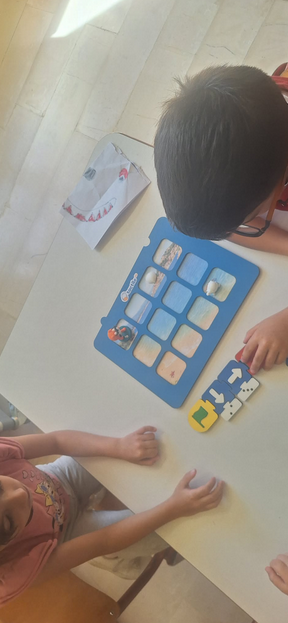
Hands-On Programming for the Protection of the Loggerhead Sea Turtle in the Gulf of Rethymno (Απτικός Προγραμματισμός για την Προστασία της Caretta caretta στον Κόλπο του Ρεθύμνου)
Organisation: 11th Kindergarten of Rethymno
Location: Rethymno, Crete, Greece
Participants: 65 | Educators: 7 | Activities: 1
The implementation of the activity led to significant educational, social, and environmental outcomes. The children developed basic computational thinking skills, such as understanding sequences, logically organizing actions, and solving problems through hands-on programming. At the same time, their collaboration, communication, and active participation in group activities were strengthened. Link: https://codeweek.eu/view/1392317/aptikos-proghrammatismos-ghia-tin-prostasia-tis-caretta-caretta-ston-kolpo-toy-rethymnoy
Code & Create: Creative Programming and Educational Robotics in Elementary School (Code & Create: Δημιουργικός προγραμματισμός και εκπαιδευτική ρομποτική στο Δημοτικό)
Organisation: 4th Experimental Primary School of Ermoupoli
Location: Ermoupoli, Syros, Greece
Participants: 18 | Educators: 5 | Activities: 1
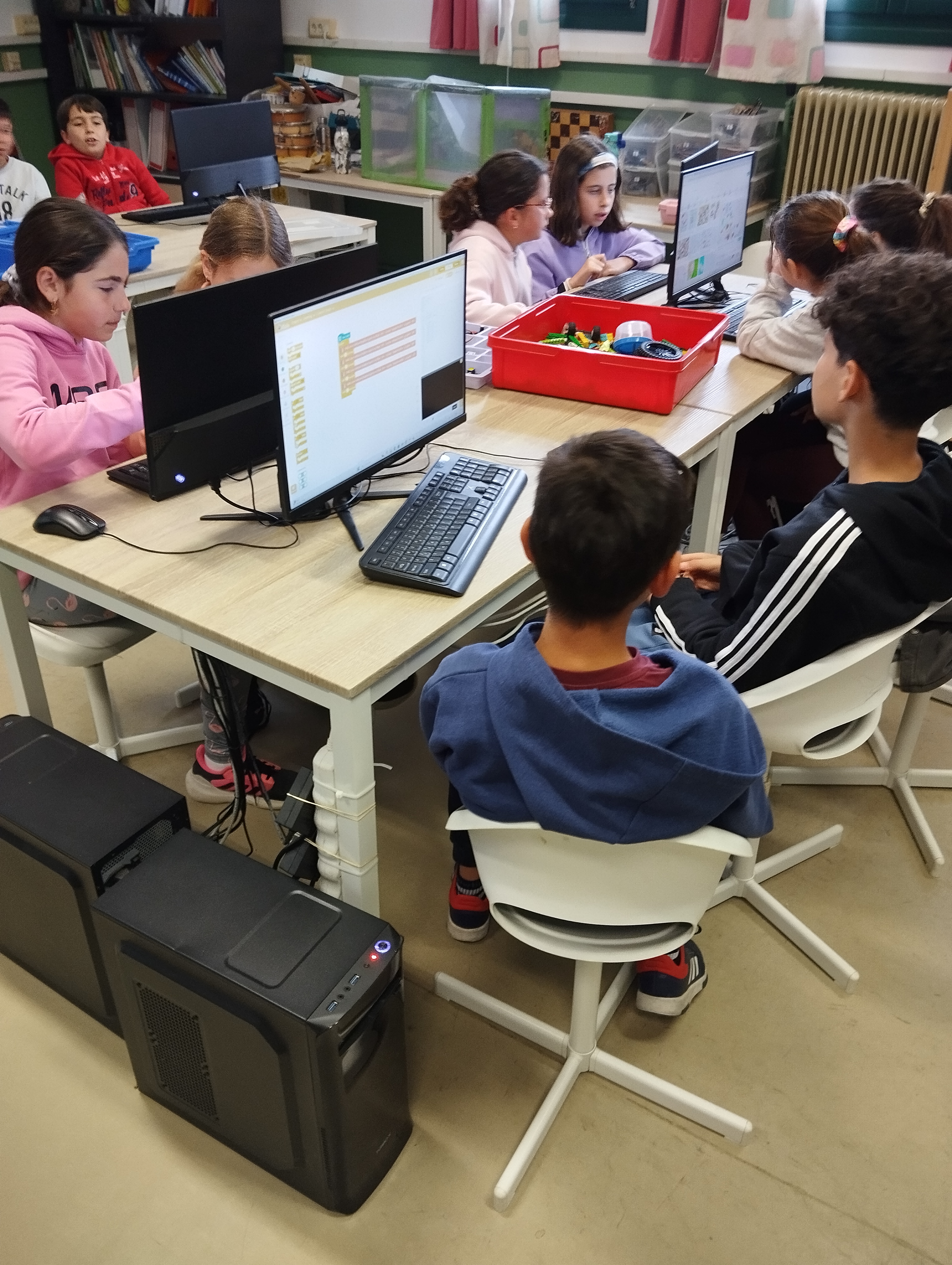
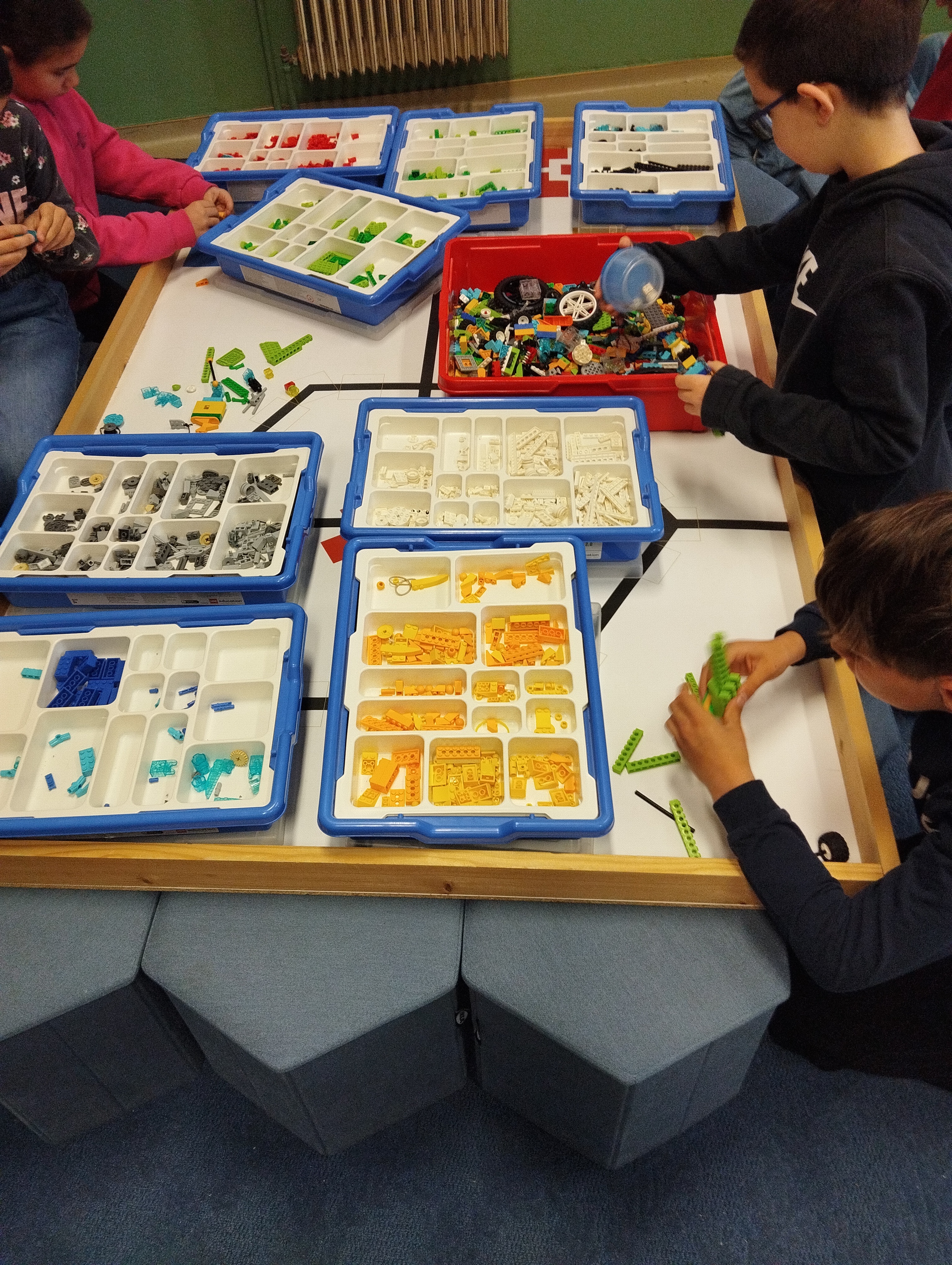
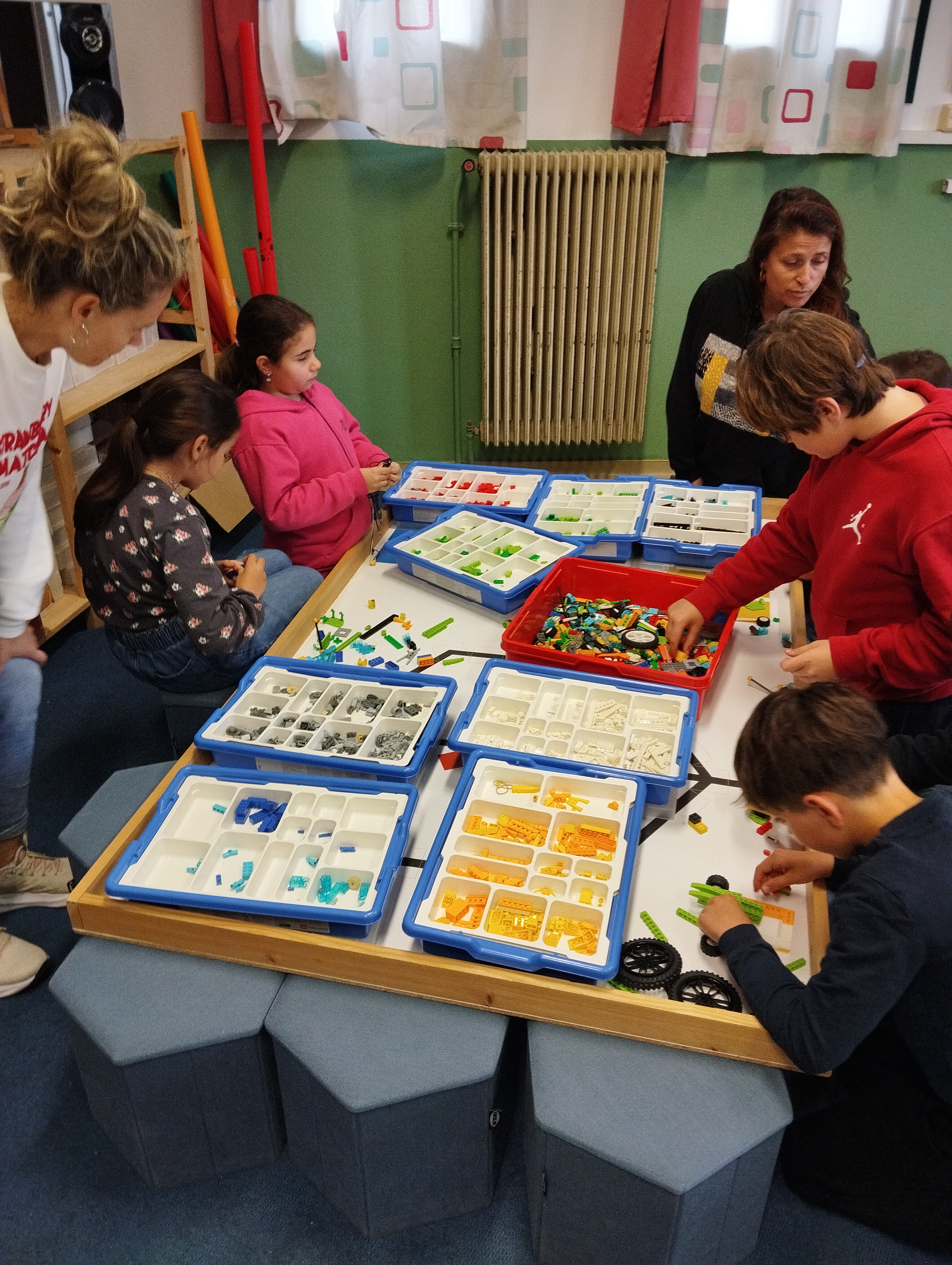
Students developed essential skills in computational thinking, programming, and collaboration through hands-on and group-based activities. Teachers gained practical experience and increased confidence in integrating robotics and programming into their teaching practice. Educational materials (activities, worksheets, lesson plans) were created, organized, and made available on an open digital platform for use by the broader educational community. Link: https://openlessons.gr/
Links:
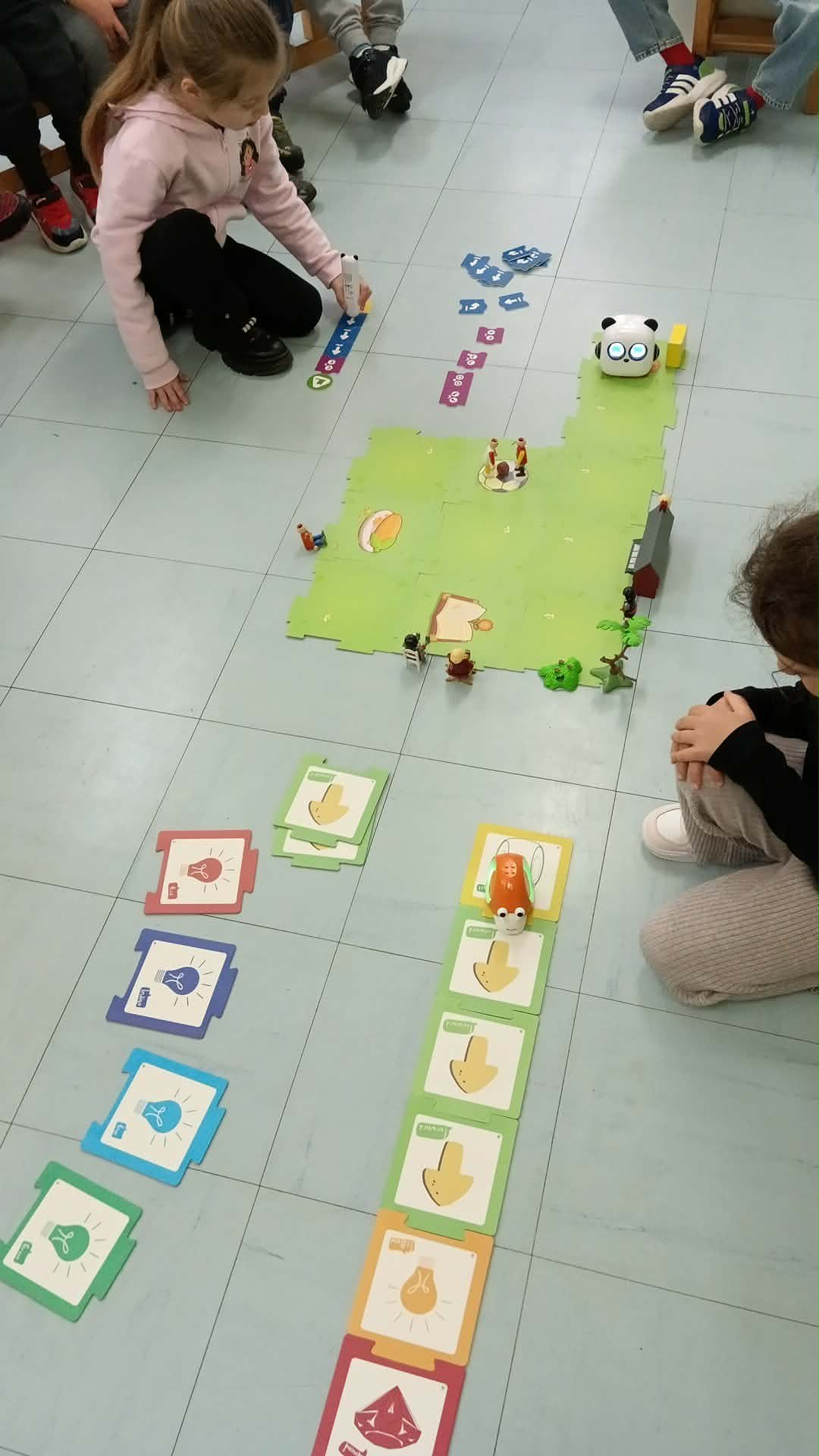
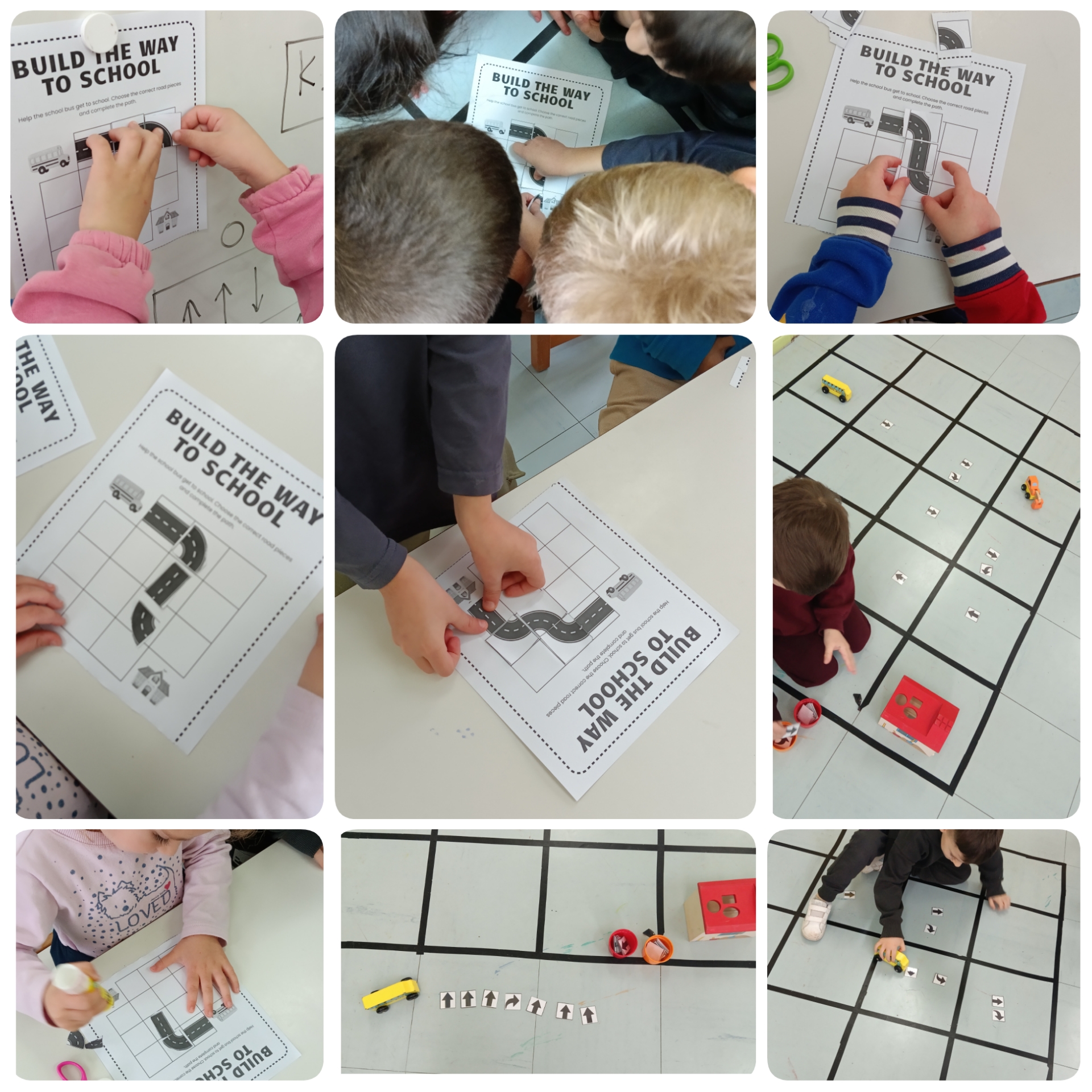
STEP-CODE: STEAM & Tangible Coding for Early Preschool Transition
Organisation: 13th Experimental Kindergarten of Xanthi
Location: Xanthi, Thrace, Greece
Participants: 40 | Educators: 5 | Activities: 39
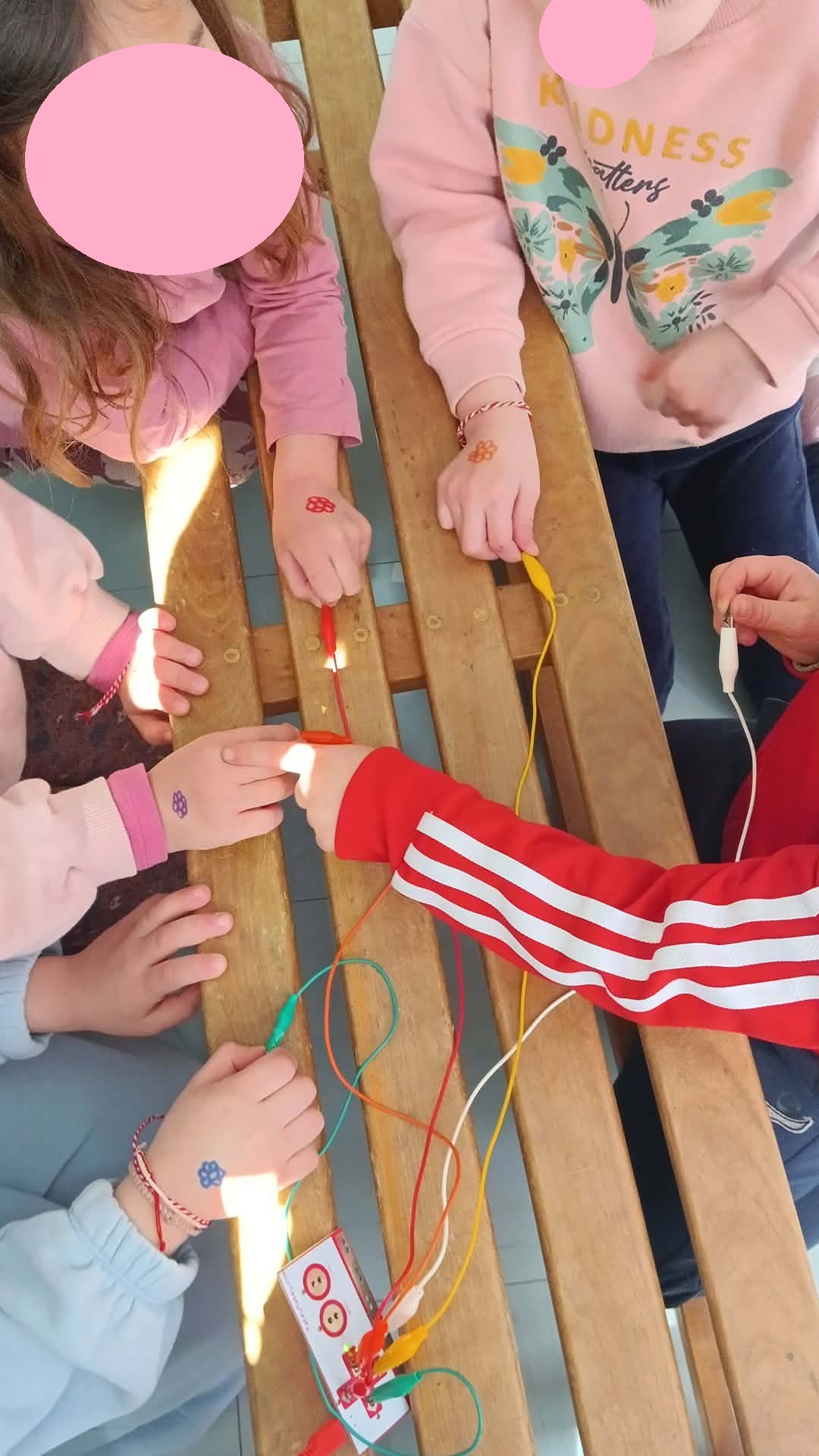
The implementation of the STEP-CODE project contributed significantly to the development of a variety of cognitive and social skills in children, confirming the value of experiential and collaborative learning in preschool education. Through systematic engagement with computational thinking activities, students developed basic skills in logic, sequencing, problem-solving, and pattern recognition, while also becoming familiar with fundamental programming concepts in an understandable and enjoyable way. A particularly important outcome was the strengthening of cooperation between the kindergarten children and the first-grade students.
Links:
- https://codeweek.eu/events?page=4&year=2026&query=cw26-cWmYp
- https://padlet.com/spitsakaterina/step-code-steam-tangible-coding-for-early-preschool-transiti-u412l2kocma5t8v2
- https://padlet.com/spitsakaterina/padlet-hry5q8y0yffwf6x4
- https://blogs.sch.gr/13nipxan/step-code-steam-amp-amp-tangible-coding-for-early-preschool-transition/
- https://drive.google.com/drive/folders/11SHA06NZ-
Bulgaria – JA Bulgaria
Projects funded: 7
Participants reached: 1,500
Educators engaged: 94
Activities on Code Week platform: 20
Projects under this hub focused on robotics, artificial intelligence, coding and computational thinking, digital fabrication. Activities combined hands-on learning, practical technology use, collaboration, and project-based approaches, while strengthening participants’ digital confidence and creating resources or equipment that can continue to support learning beyond the funded period.
Funded Projects
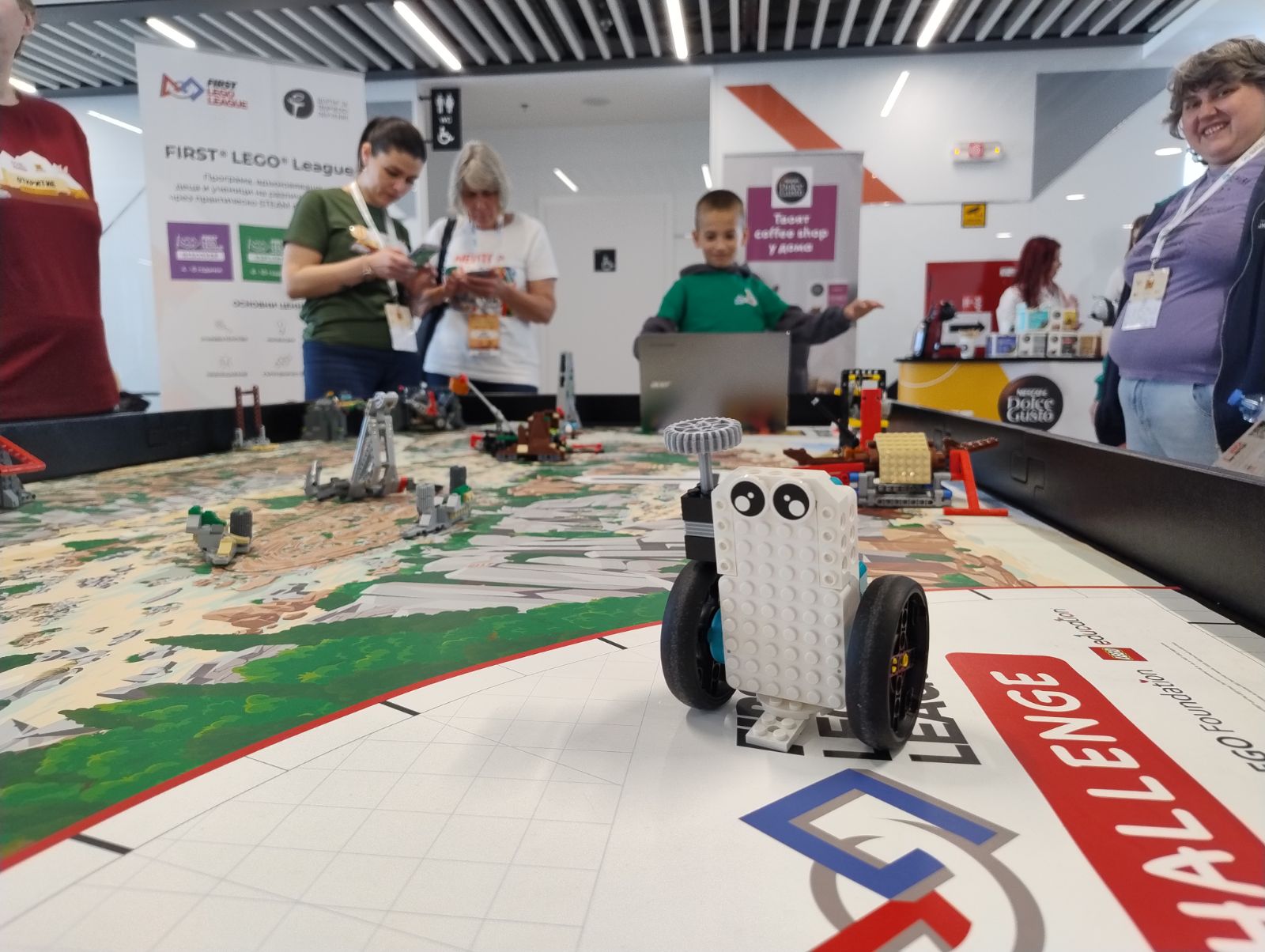
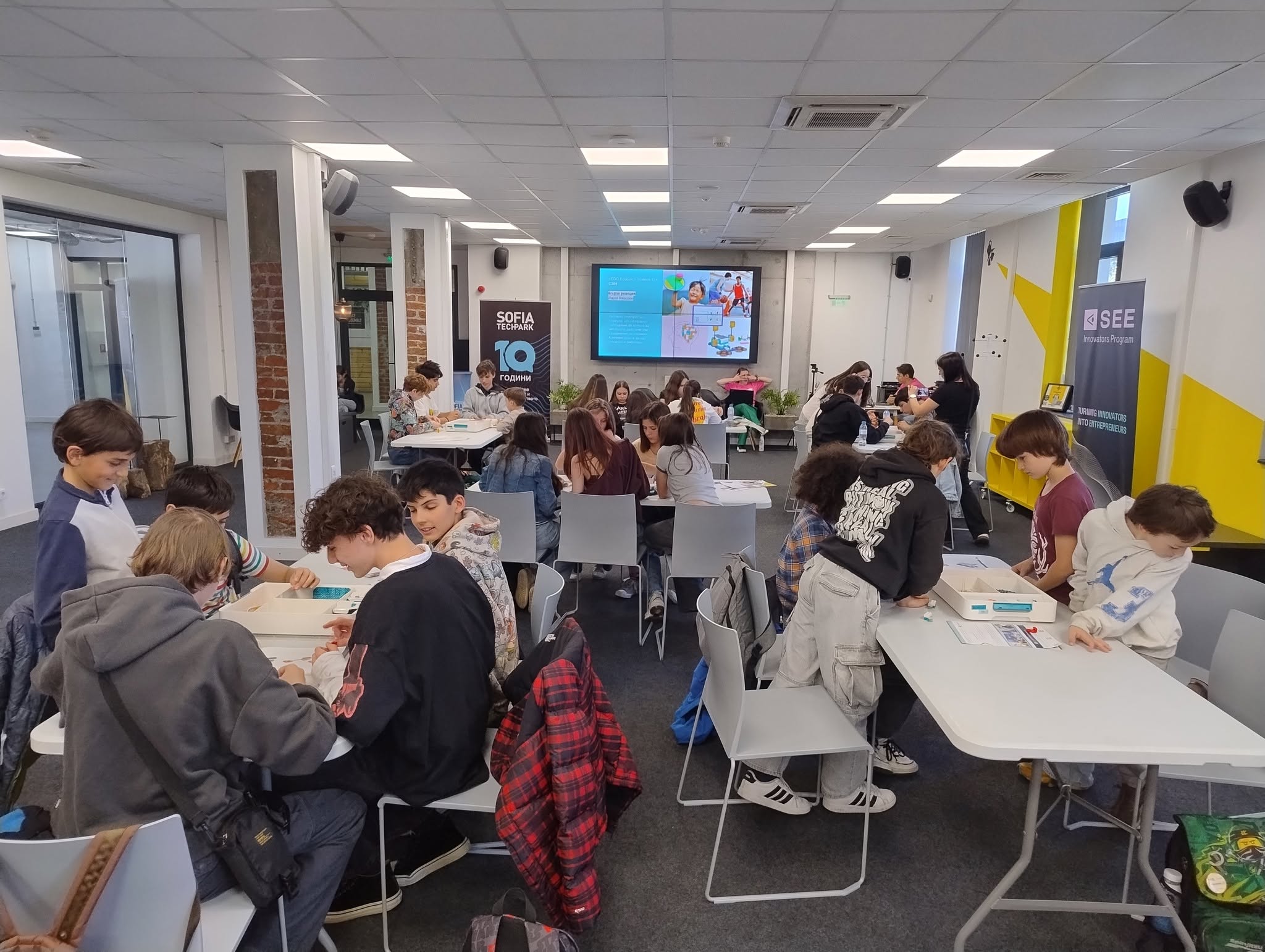
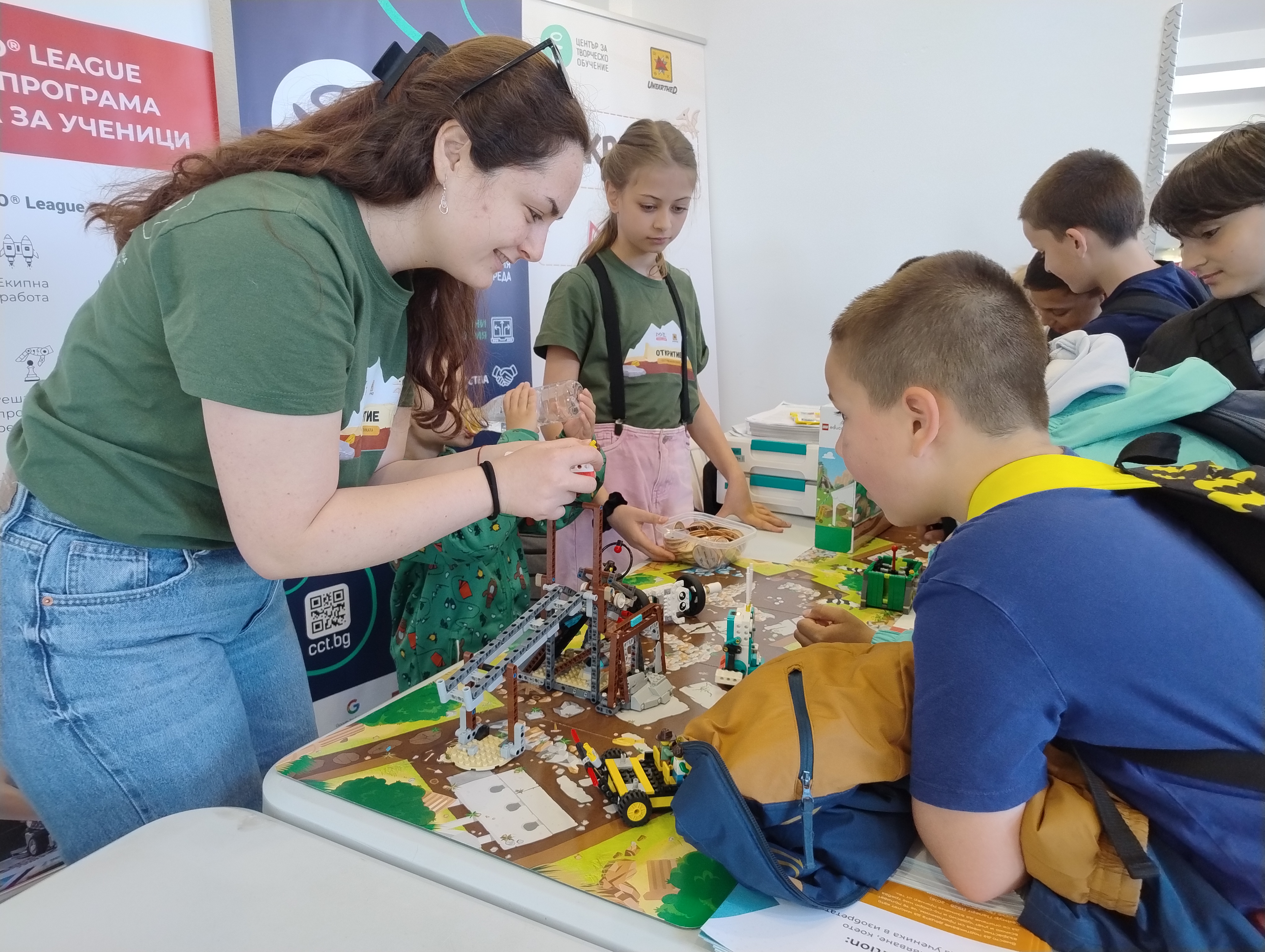
Festival STEM Station: Living Archaeology with Robots and Artificial Intelligence
Organisation: Future inventors
Location: Bourgas and Sofia, Bulgaria
Participants: 950 | Educators: 50 | Activities: 2
The project generated a strong educational and social impact by engaging more than 950 children and young people in practical STEM activities combining robotics, artificial intelligence, engineering, archaeology and cultural heritage. It increased participants’ interest in STEM learning and related career paths, while demonstrating how technology can make education more interactive, interdisciplinary and accessible. The active participation of more than 280 girls supported greater gender inclusion in fields traditionally perceived as male-dominated.
Links:
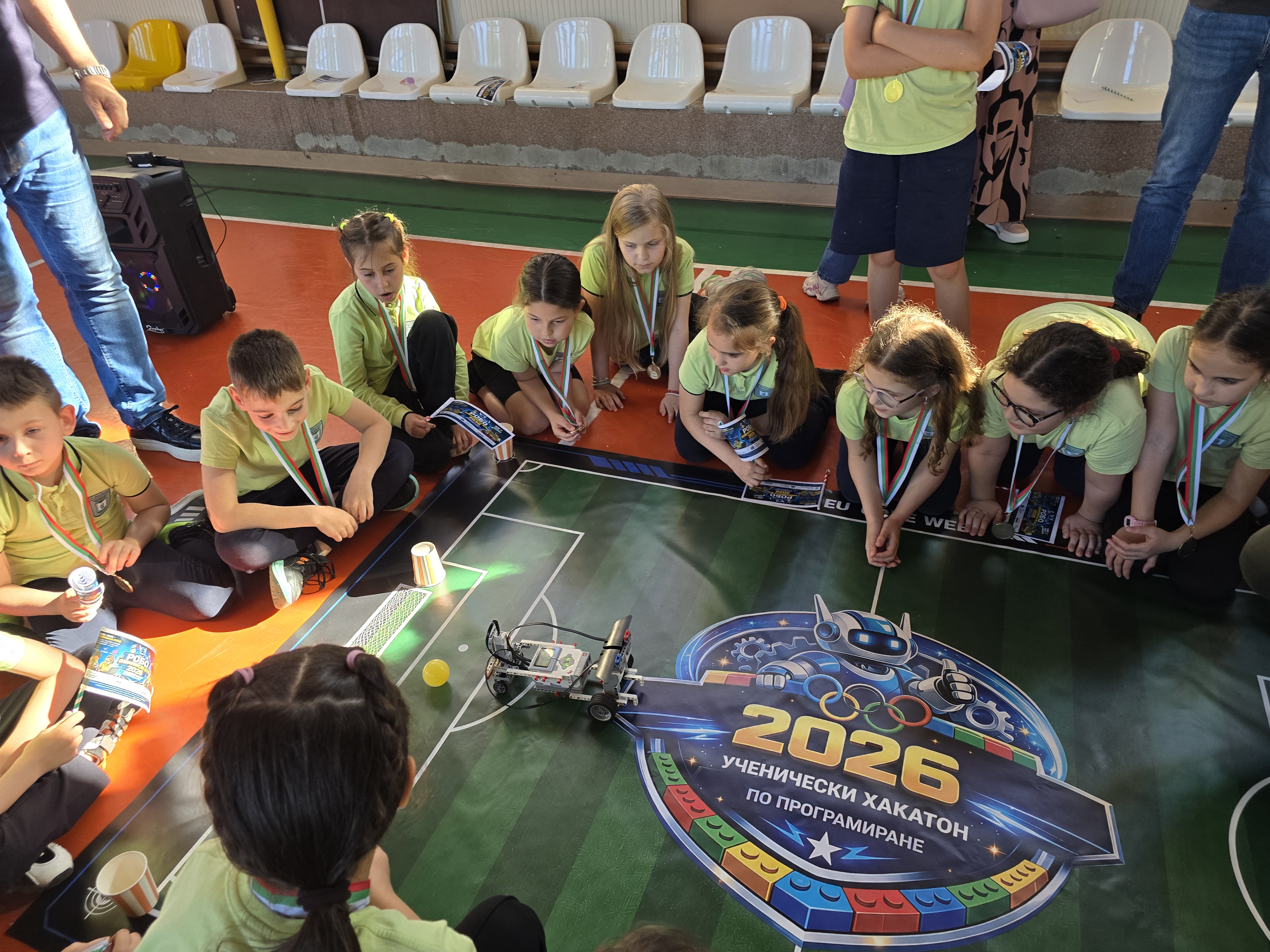
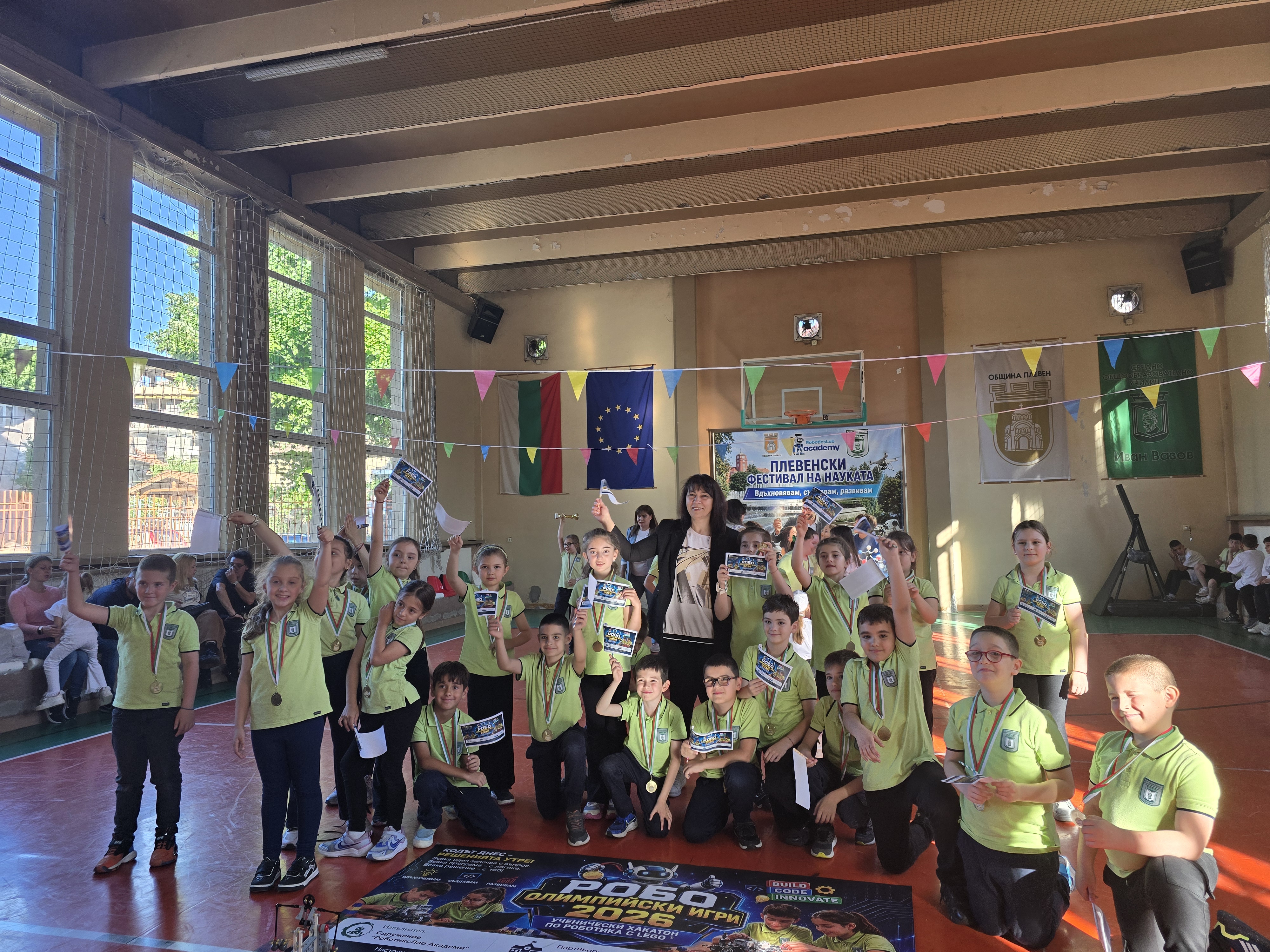
“2026 Robot Olympics: A Student Robotics Hackathon with LEGO”
Organisation: “Roboticslab Academy” Association
Location: Pleven, Bulgaria
Participants: 135 | Educators: 12 | Activities: 1
The project increased interest in STEM education among 76 primary school students by combining robotics, programming, cybersecurity, artificial intelligence, art and teamwork in practical learning activities. Students strengthened their digital literacy, algorithmic thinking, creativity, communication and problem-solving skills while gaining direct experience with robots, drones and AI-supported content creation. The involvement of older students as mentors promoted peer learning, leadership and cooperation across age groups.
Links:
- https://bnrnews.bg/horizont/post/465242/robo-olimpiyski-igri-2026-za-uchenitsi-ot-pleven?fbclid=IwY2xjawSJDqFleHRuA2FlbQIxMQBzcnRjBmFwcF9pZBAyMjIwMzkxNzg4MjAw
- https://www.bta.bg/bg/pressclub/archive-local/Pleven/36282?fbclid=IwY2xjawSJDzZleHRuA2FlbQIxMQBzcnRjBmFwcF9pZBAyMjIwMzk
- https://infopleven.com/%D0%BF%D0%BB%D0%B5%D0%B2%D0%B5%D0%BD-%D1%81%D1%82%D0%B0%D0%B2%D0%B0-stem-%D1%81%D1%86%D0%B5%D0%BD%D0%B0-%D0%BF%D1%80%D0%B5%D0%B7-%D0%BC%D0%B0%D0%B9-%D0%B8-%D1%8E%D0%BD%D0%B8-%D1%81-%D1%84%D0%B5%D1%81/?fbclid=IwY2xjawSJEBNleHRuA2FlbQIxMABicmlkETFmUTJrVVhDZ
- https://utroruse.com/article/1256110/?fbclid=IwY2xjawSJEFhleHRuA2FlbQIxMQBzcnRjBmFwcF9pZBAyMjIwMzkxNzg4MjAwODkyAAEeGP2apy_0XX6_AuO_Yyjp-6c3PfuX38yOw8yzuFboZRVJQsBfVJzWndBOWWU_aem_kZ01CxJcRchOofSCprwB1A#google_vignette
- https://www.plevenpress.com/%D1%80%D0%BE%D0%B1%D0%BE-%D0%BE%D0%BB%D0%B8%D0%BC%D0%BF%D0%B8%D0%B9%D1%81%D0%BA%D0%B8-%D0%B8%D0%B3%D1%80%D0%B8-2026-%D1%83%D1%87%D0%B5%D0%BD%D0%B8%D1%87%D0%B5%D1%81%D0%BA%D0%B8/
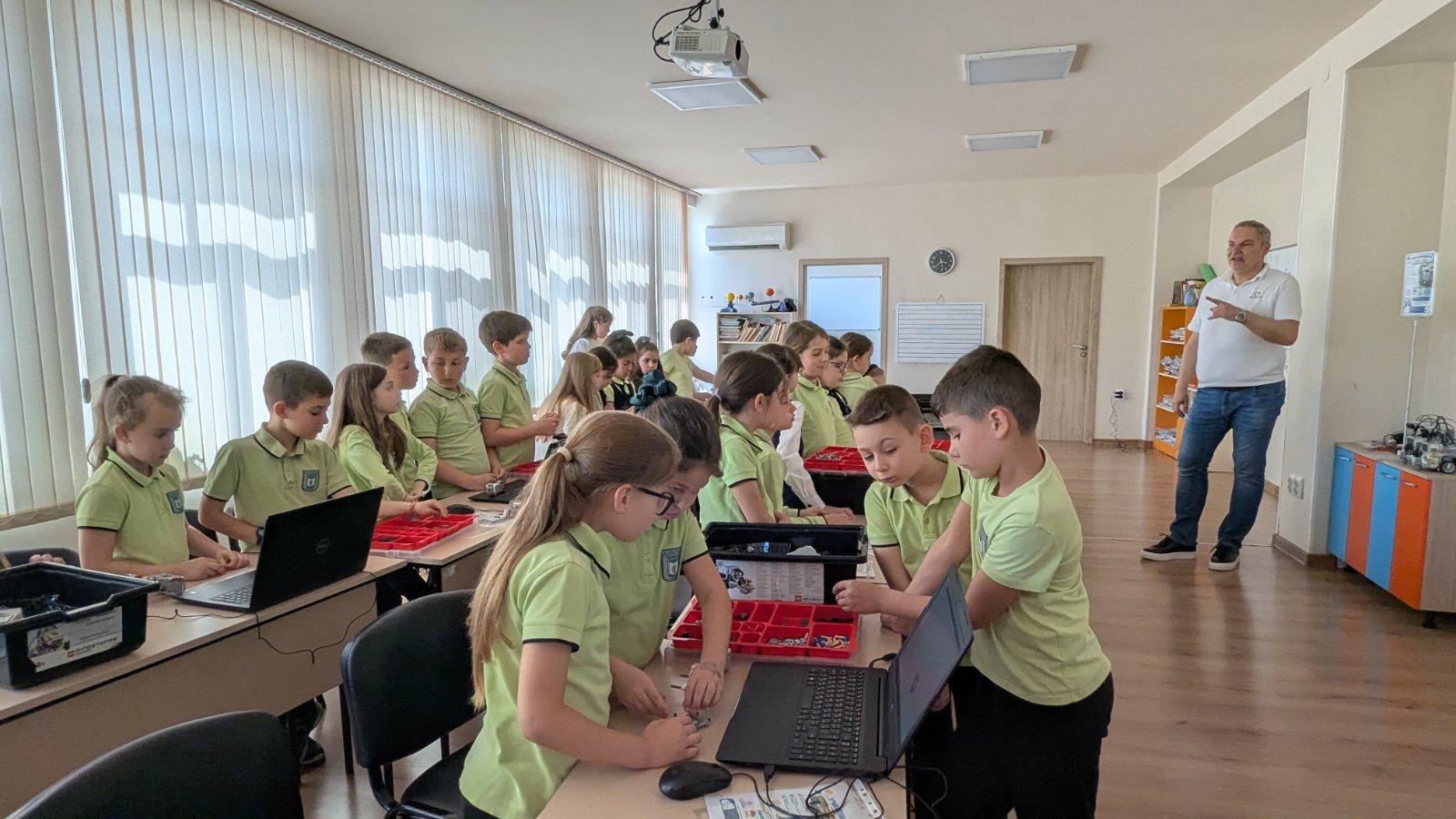
“Robotics and Programming Beyond Competitions: Digital Skills for Students in Grades 5–7”
Organisation: “Tsar Simeon the Great” High School—Vidin
Location: Vidin, Bulgaria
Participants: 216 | Educators: 6 | Activities: 6
The project strengthened the digital, programming, engineering, and problem-solving skills of more than 170 students through practical robotics activities, interdisciplinary STEM lessons, and participation in competitive events. Students applied their knowledge in real-life contexts, developed teamwork and presentation skills, and demonstrated increased confidence in designing and presenting technological solutions. The project achieved particularly strong participation among girls, including their involvement in leadership, demonstration and presentation roles.
Links:
- https://csv-vidin.eu/ikonomikata-na-azia-predizvikatelstvo-za-mladia-predpriemach/
- https://csv-vidin.eu/ekogradat-na-badeshteto-kogato-vaobrazhenieto-sreshtne-naukata-i-tehnologiite-v-3-a-klas/
- https://www.facebook.com/story.php?story_fbid=122211129260510498&id=61565314964278&rdid=LAFJ0MDdWp8ZzuB6#
- https://www.facebook.com/share/p/1EHVVt3Fi3/
- https://codeweek.eu/add
- https://youtu.be/ch3k22Zy2pc?si=Sg24qNF3z6Yb5adm-
- https://bnrnews.bg/vidin/post/471605/vav-vidin-se-provede-regionalen-krag-na-robotika-za-balgariya?fbclid=IwY2xjawSGi2VleHRuA2FlbQIxMABicmlkETB2Y0lJaDE1SjNQYmJuVThic3J0YwZhcHBfaWQQMjIyMDM5MTc4ODIwMDg5MgABHt0Vg1fncvp63gXQ58F5aL0BDSnwseA3ShVdEsuQwAf5gLxiELhMCD8FFfhV_aem_J37we8NAI1gDlZKMwgGKvw
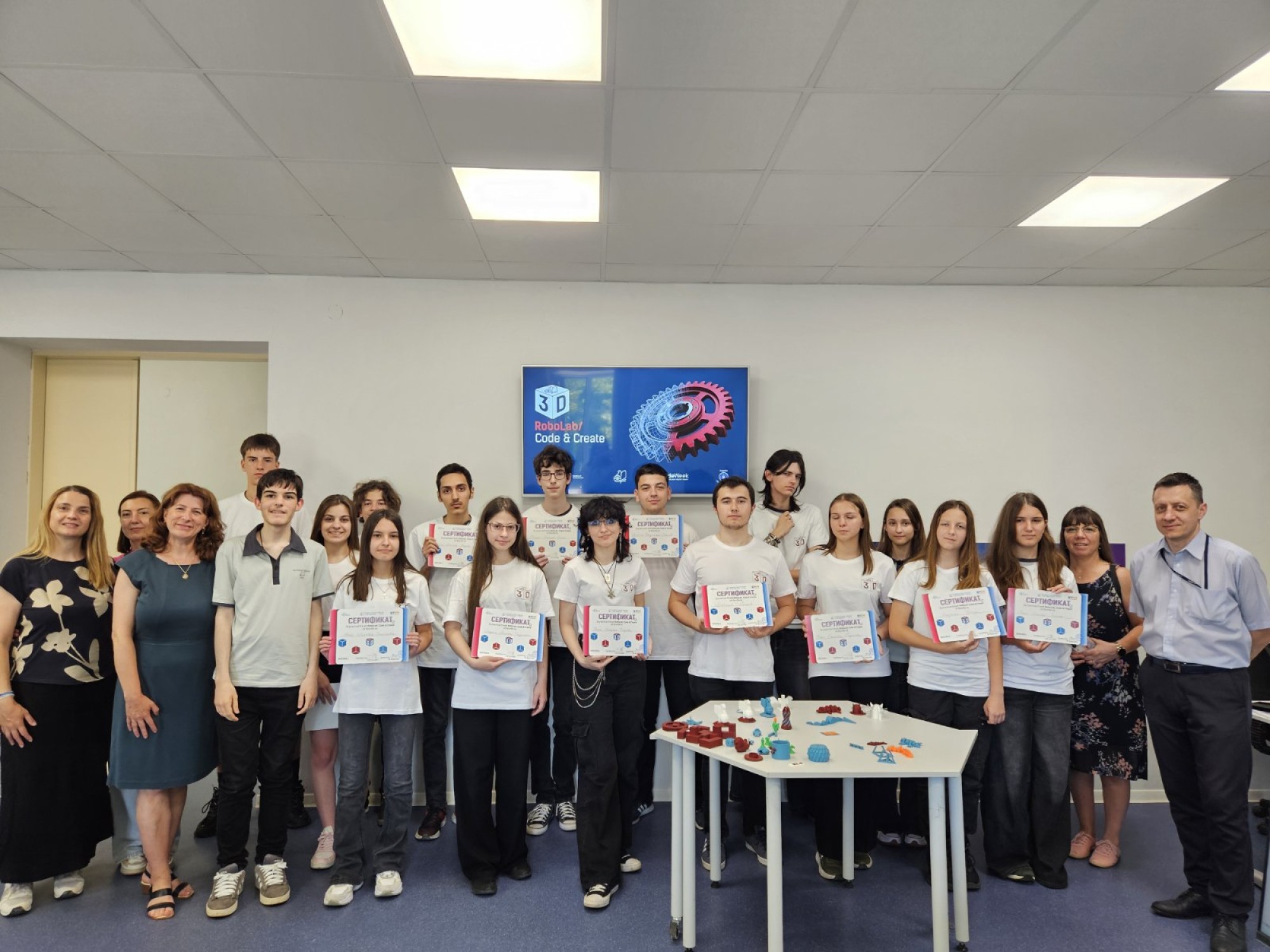
RoboLab: Code & Create
Organisation: AEG “GEO MILEV” – RUSE
Location: Ruse, Bulgaria
Participants: 15 | Educators: 5 | Activities: 1
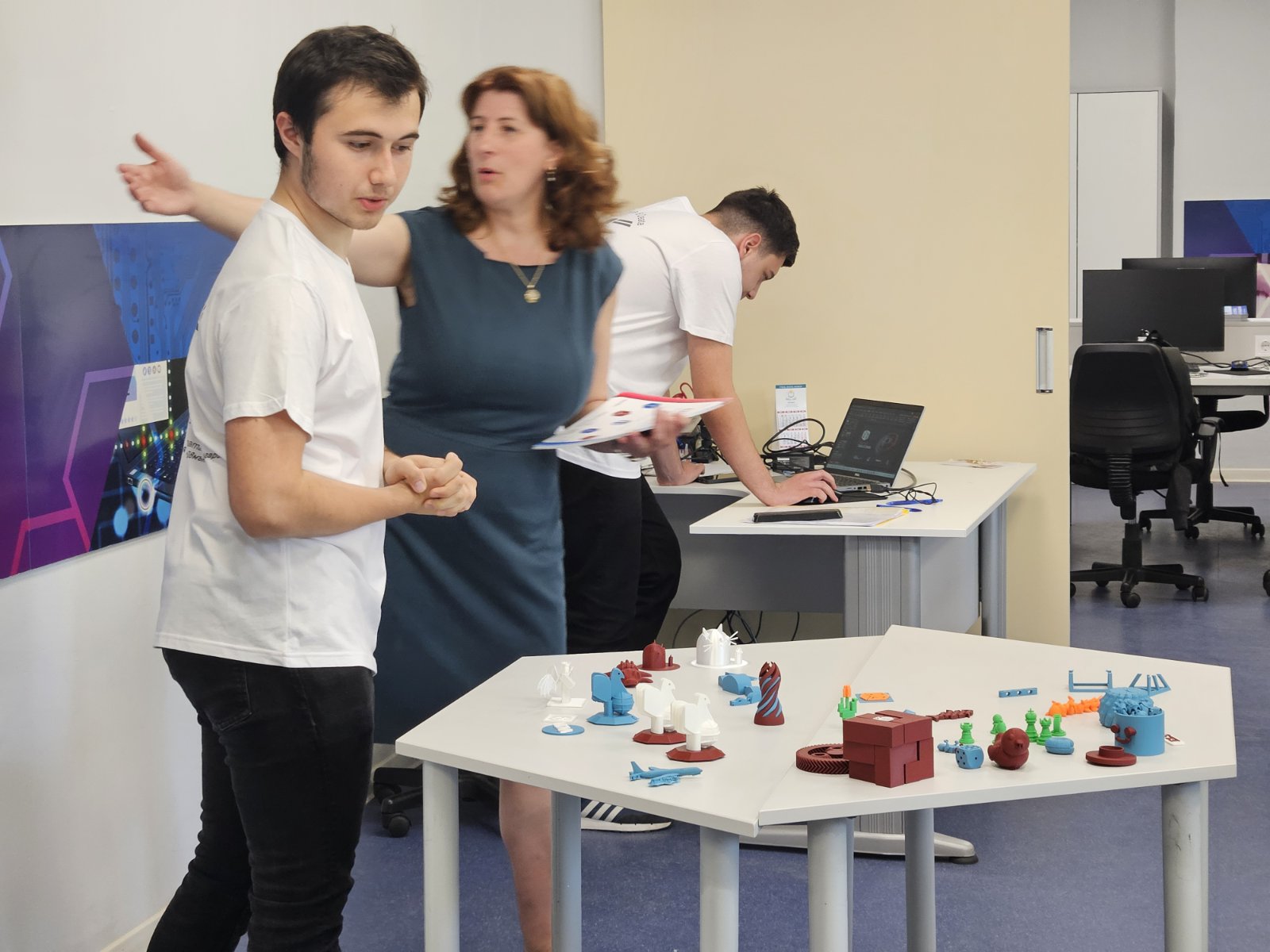
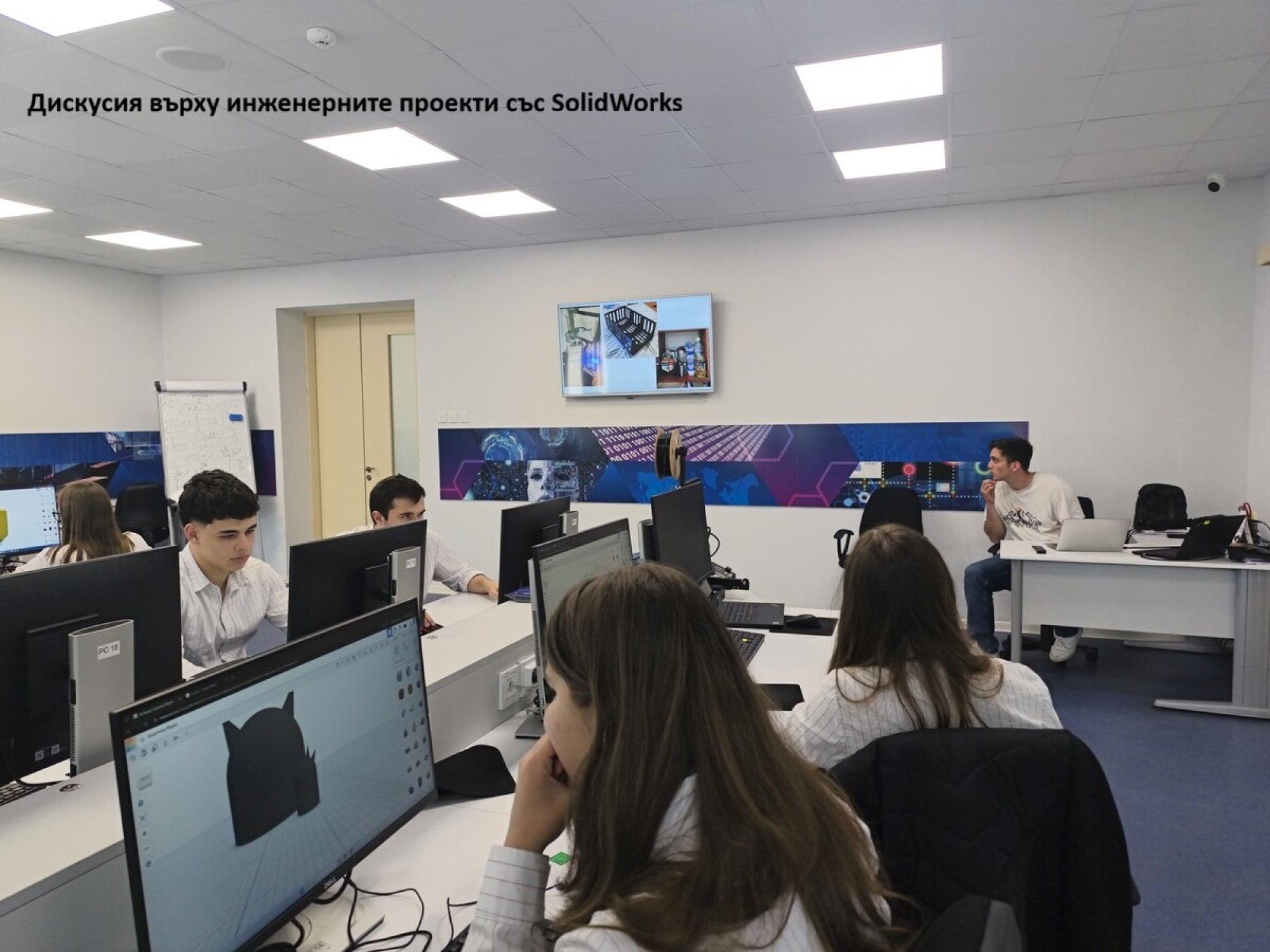
Club "RoboLab: Code & Create" - Youth Empowerment & Diversity: Successfully engaged 15 high school students (aged 15–18), achieving strong gender inclusion with 8 female participants (53%) actively involved in technical design and engineering. - Practical STEM Competency Building: Elevated digital and engineering literacy, moving students from theory to practical application in 3D modeling (SolidWorks, Tinkercad, Bambu Studio), spatial reasoning, and applied mathematics. - Technological Infrastructure Upgrade: Enhanced the school's STEM ecosystem through the integration of an enterprise-grade Bambu Lab P1S 3D printer, enabling students to independently model and manufacture custom components. Link: https://elsruse.eu/%D0%BA%D0%BB%D1%83%D0%B1-%D1%80%D0%BE%D0%B1%D0%BE%D0%BB%D0%B0%D0%B1-code-create-%D0%BF%D1%80%D0%B5%D0%B4%D1%81%D1%82%D0%B0%D0%B2%D0%B8-%D1%81%D0%B2%D0%BE%D0%B8%D1%82%D0%B5-%D0%BF/
“Tail-Bot Adventures: Digital Literacy for Smart Kids”
Organisation: Kindergarten (KG) 156 “Happy Little Mice”
Location: Sofia, Bulgaria
Participants: 82 | Educators: 12 | Activities: 6
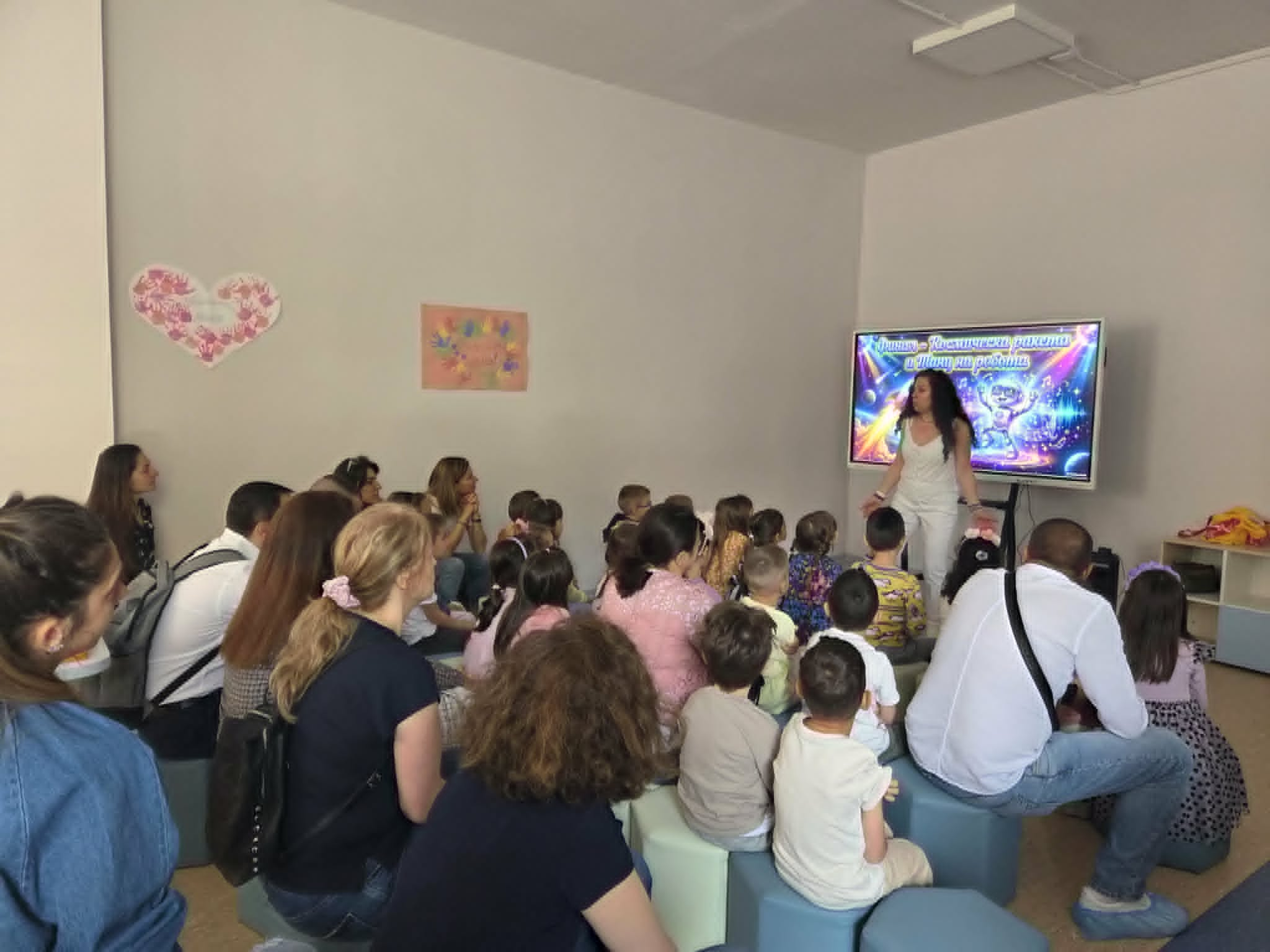
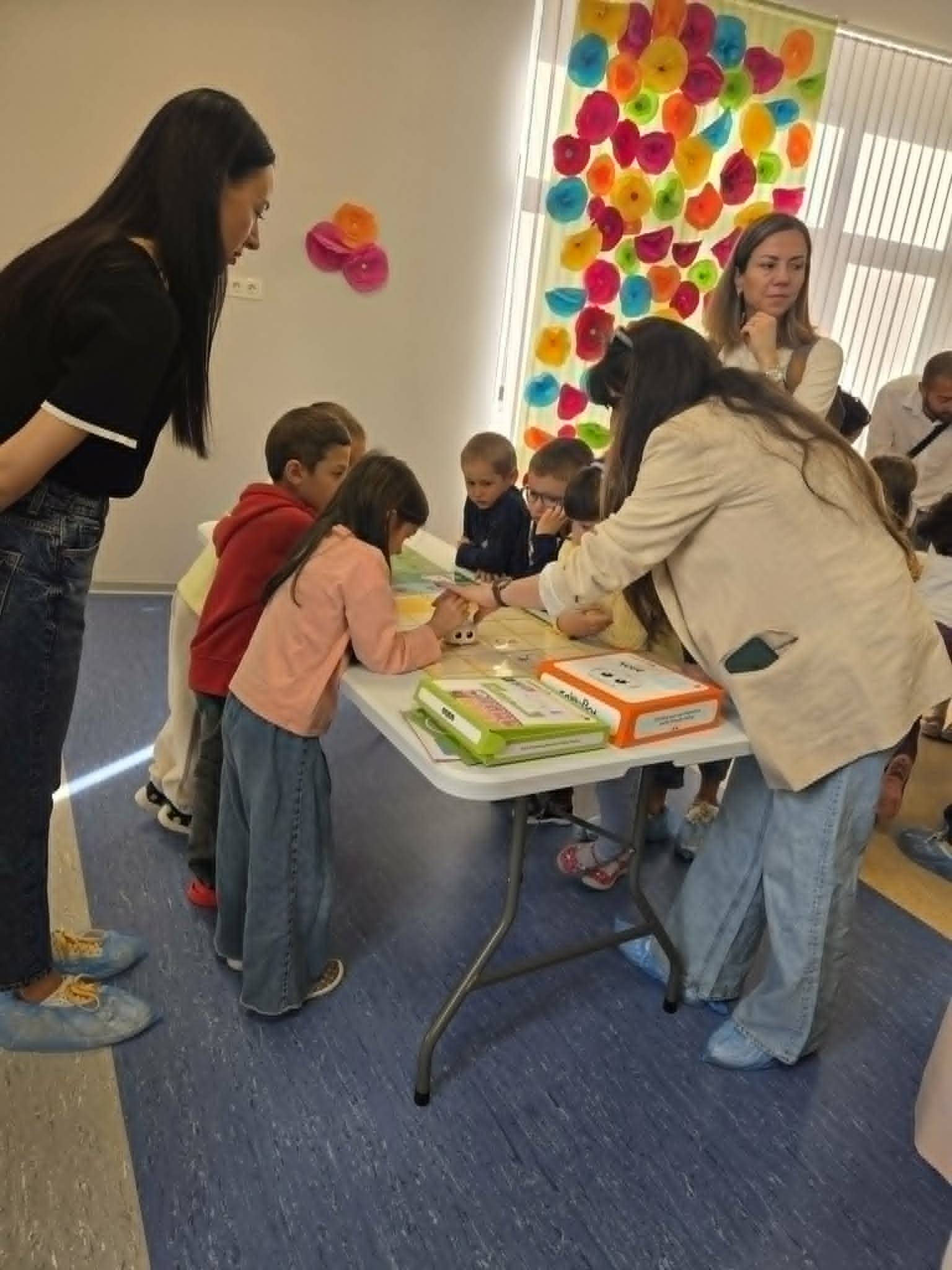
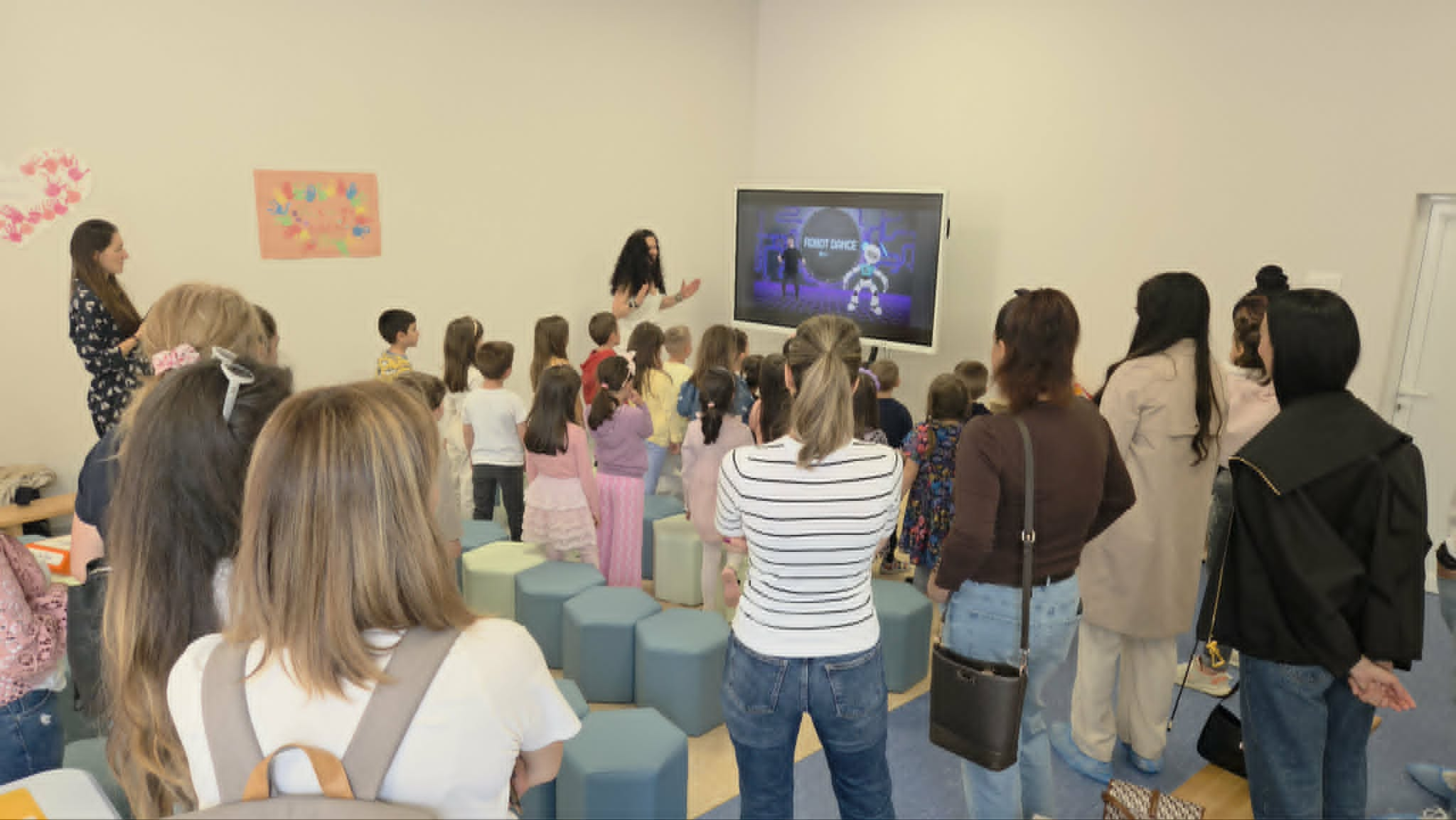
The project established a sustainable foundation for developing digital literacy and early programming skills among preschool children through screen-free coding and educational robotics. A total of 82 children aged 5–7, including 38 girls, strengthened their logical thinking, spatial orientation, sequencing, problem-solving, communication and teamwork skills through practical activities with Tale-Bot Pro. The training of 12 pedagogical specialists and the development of six reusable educational scenarios increased the kindergarten’s capacity to integrate robotics and digital literacy into its everyday educational practice. Link: https://www.dg156.com/%d0%b4%d0%b3156-%d1%81%d1%82%d0%b0%d1%80%d1%82%d0%b8%d1%80%d0%b0-%d0%bf%d1%80%d0%be%d0%b5%d0%ba%d1%82-%d0%bf%d0%be-eu-code-week/
Code & Create: Think. Create. Inspire
Organisation: New Step 1 EOOD (Logiscool Pleven)
Location: Pleven, Bulgaria
Participants: 65 | Educators: 6 | Activities: 1
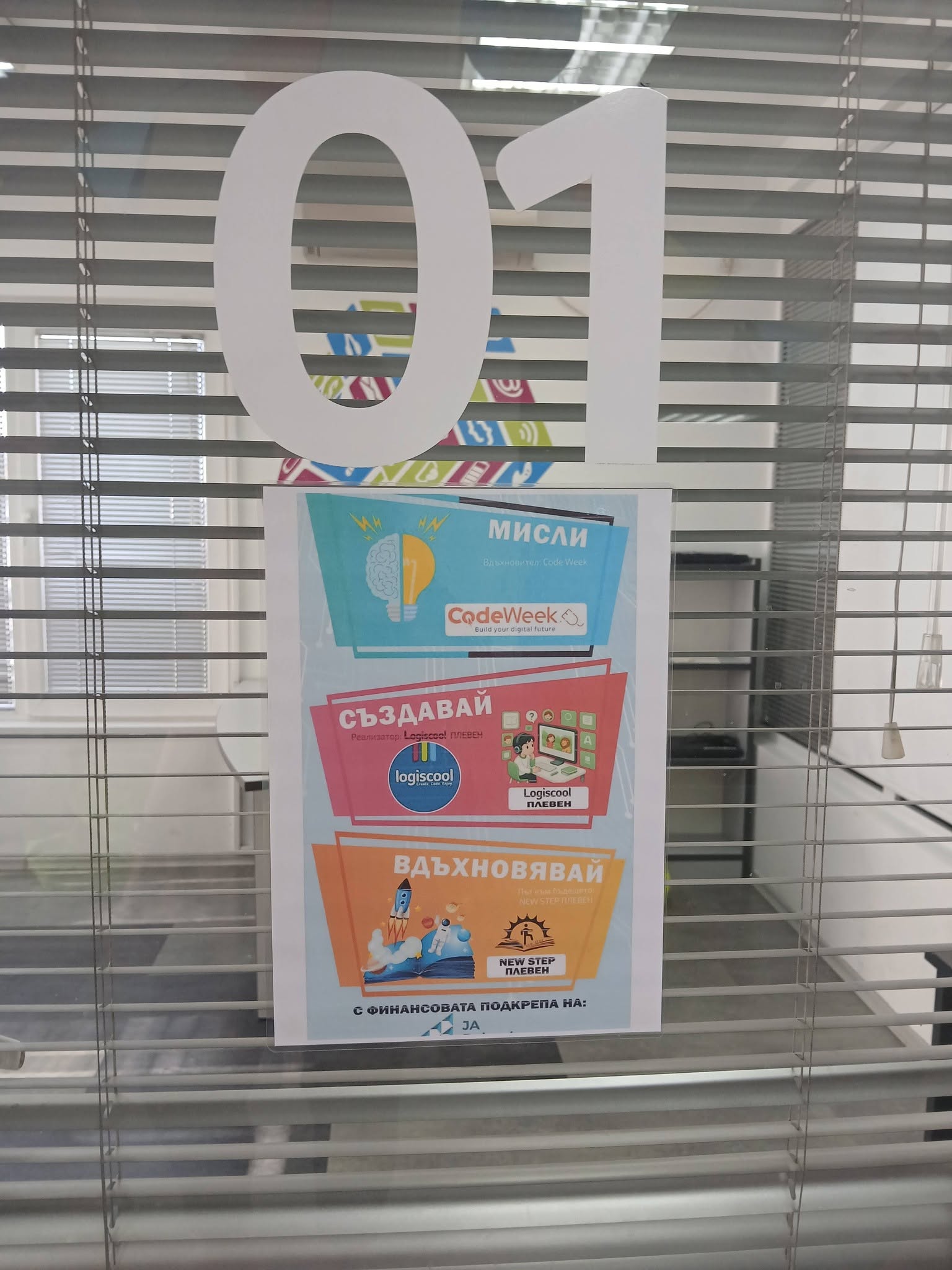
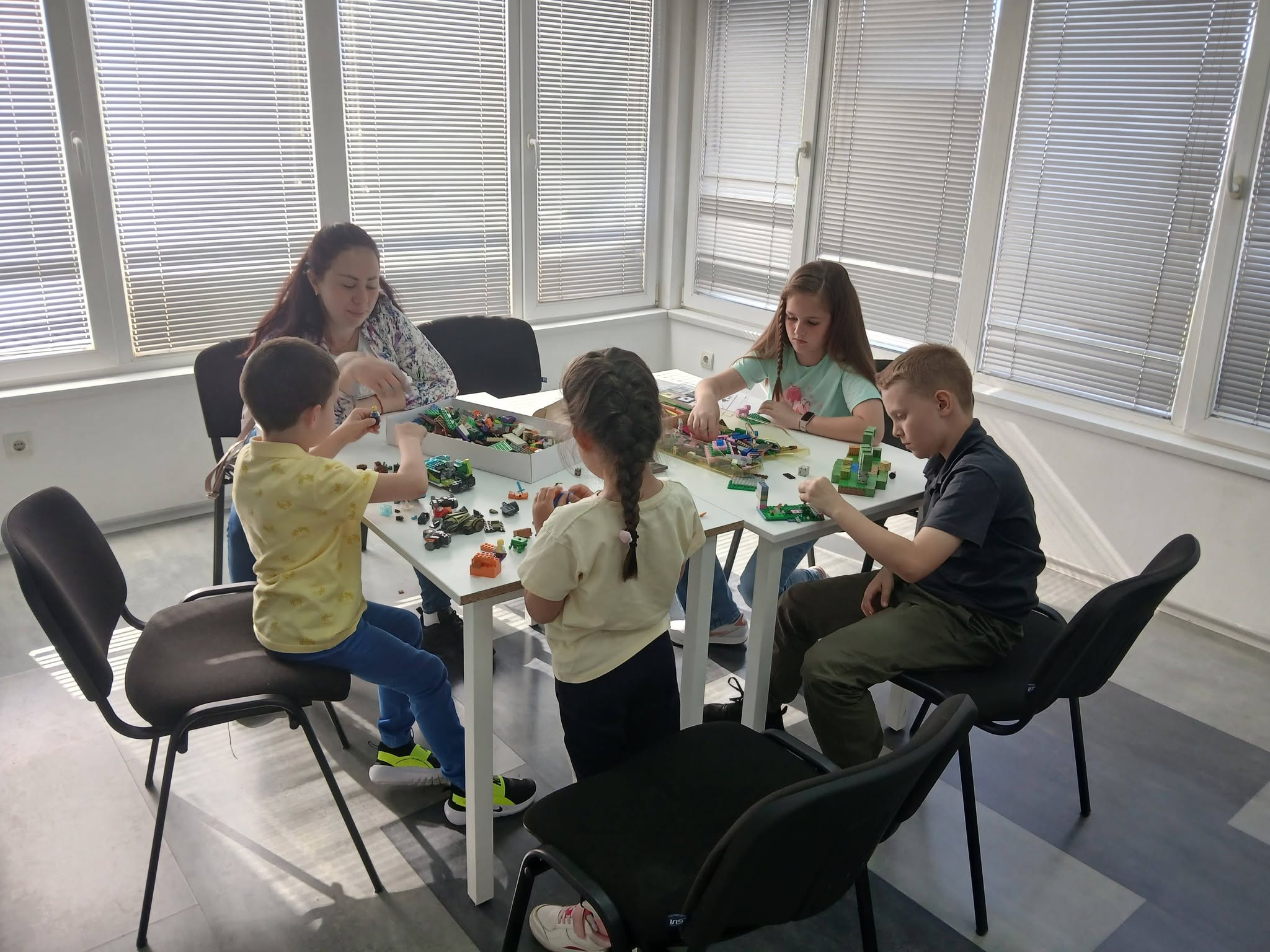
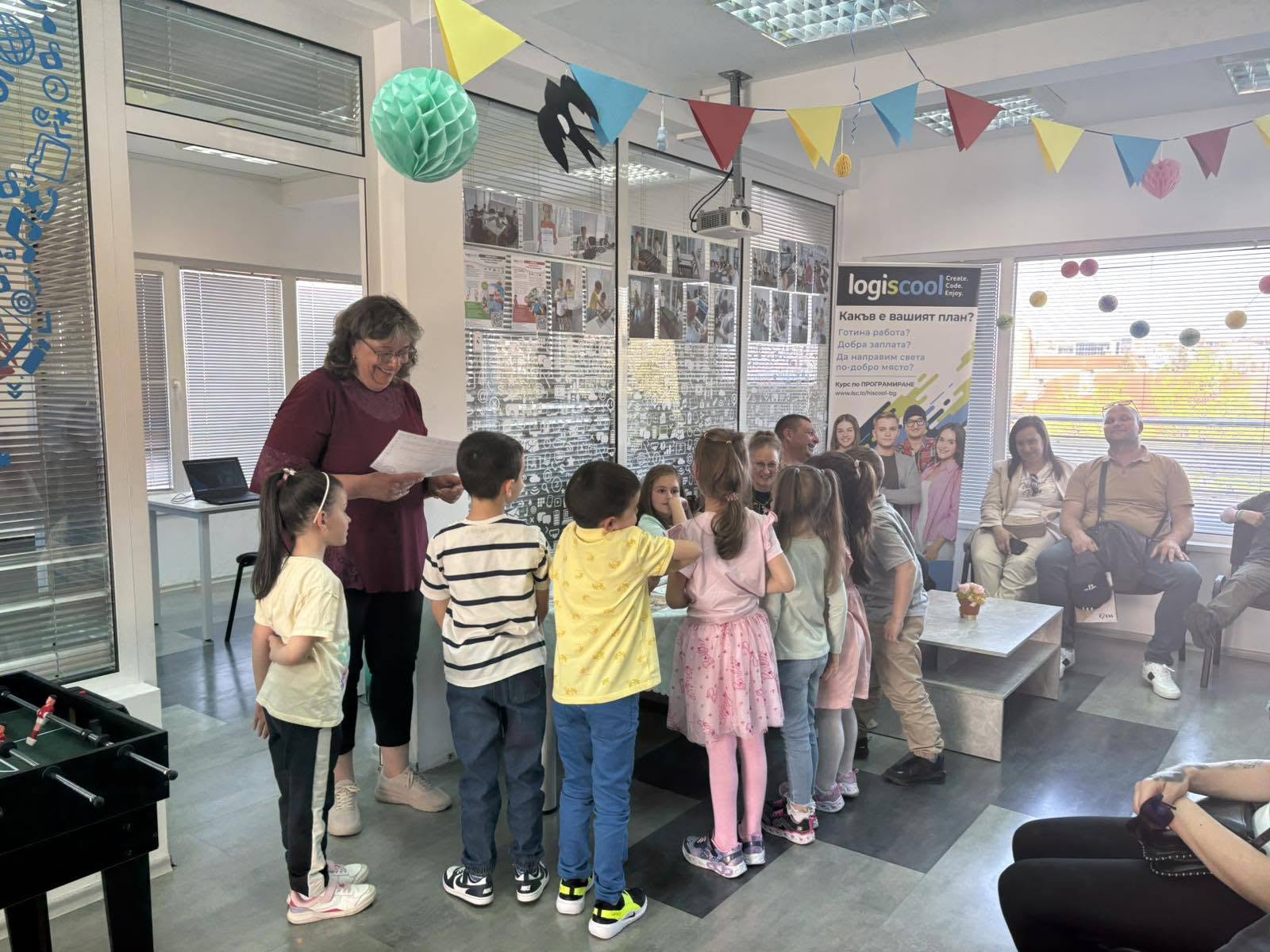
The “Code&Create: Think. Create. Inspire.” project generated significant short- and long-term impact across several key areas: - Digital & Algorithmic Skills: Participating children developed critical problem-solving, structured thinking, and basic coding skills through unplugged activities and block-based programming. Link: https://pleven-dnes.com/code-create-evropeiska-sedmica-na-programiraneto-2026/
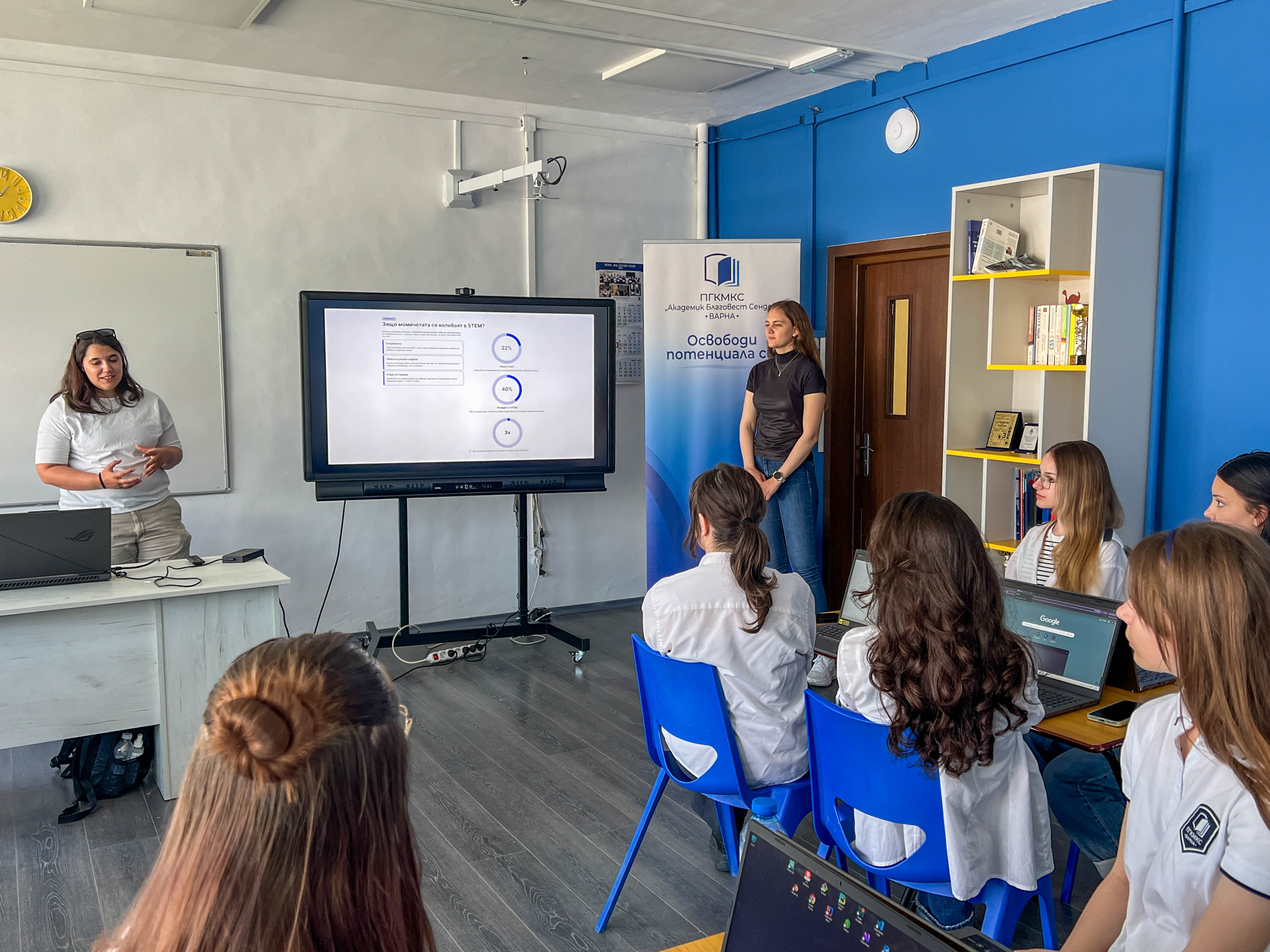
SENDOV TECH PATHFINDERS: An Integrated Model for Digital Leadership
Organisation: Vocational High School of Computer Modeling and Computer Systems "Academic Blagovest Sendov"
Location: Varna, Bulgaria
Participants: 37 | Educators: 3 | Activities: 3
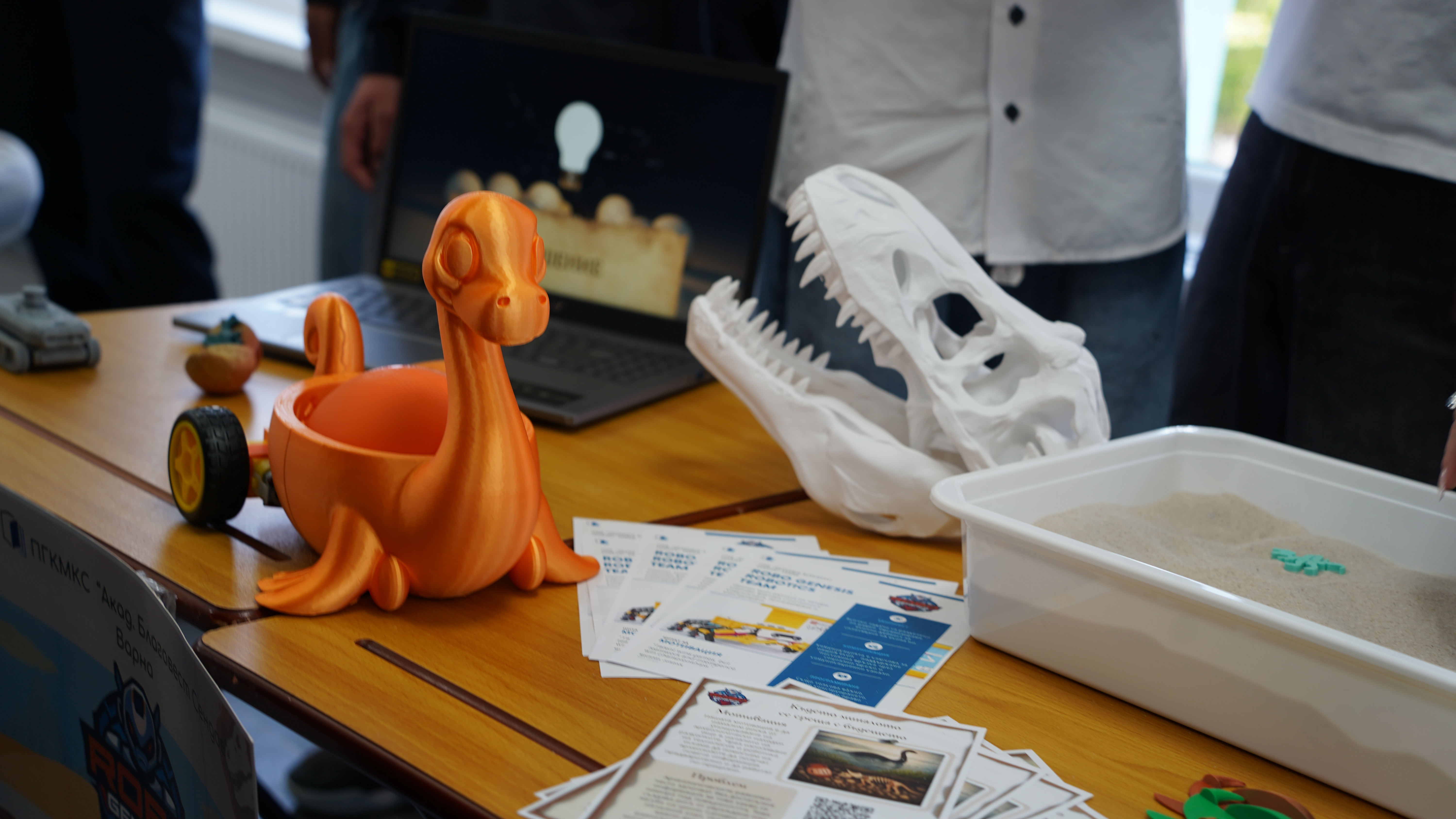
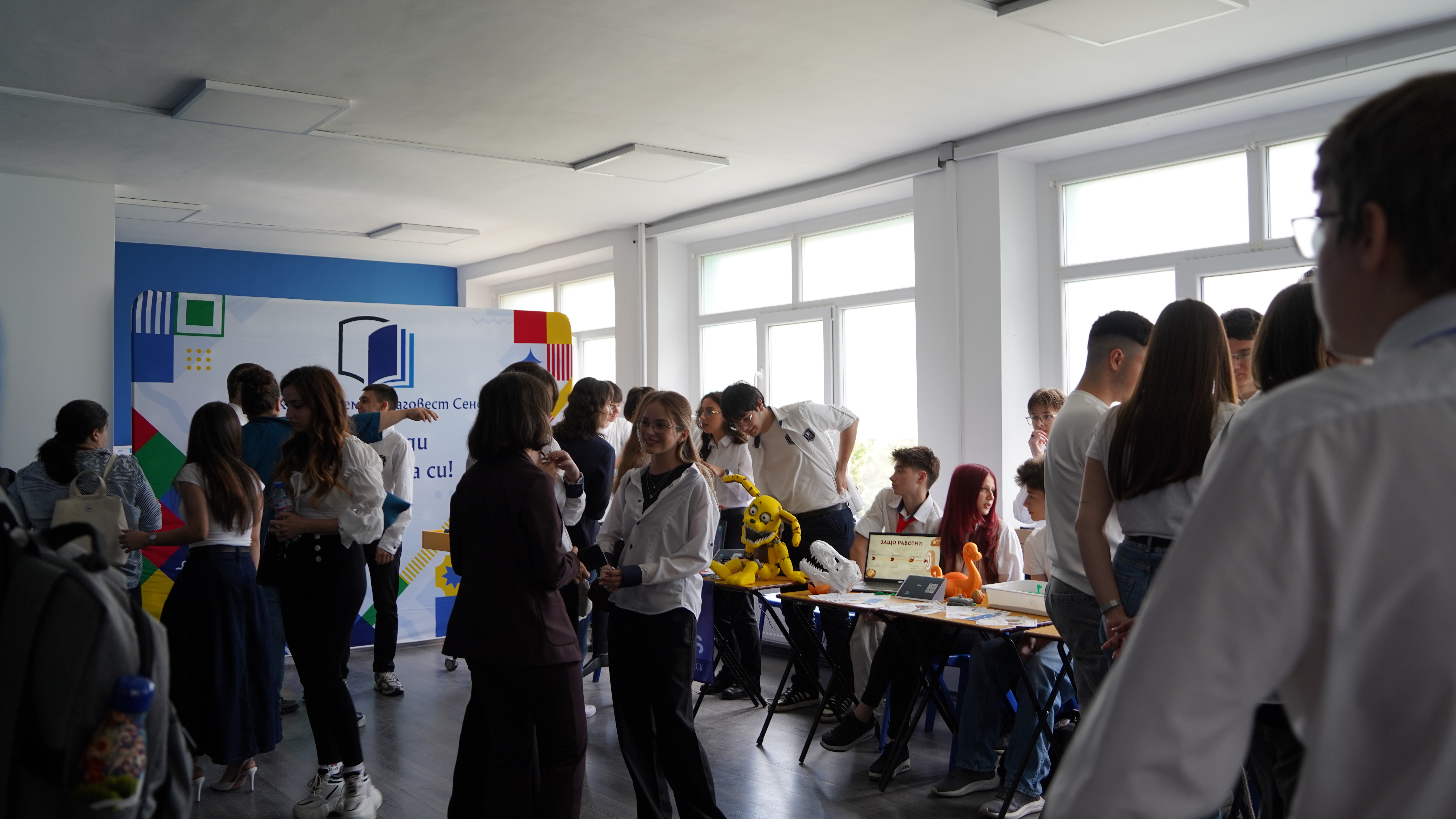
### 1. Educational Growth & Direct Beneficiaries 1. Practical Technical Mastery: Over 25 participating students transitioned from theoretical learning to hands-on engineering, developing skills in robotics, IoT, embedded systems (Arduino, ESP32, Raspberry Pi), computer vision (OpenCV), and programming (Python, C++) through the creation of 7 functioning prototypes. Link: https://www.facebook.com/PGKMKS?locale=bg_BG
Latvia & Lithuania – LIKTA
Projects funded: 6
Participants reached: 28,295
Educators engaged: 825
Activities on Code Week platform: 23
Projects under this hub focused on robotics, coding and computational thinking, environmental education, girls’ participation in STEM. Activities combined hands-on learning, practical technology use, collaboration, and project-based approaches, while strengthening participants’ digital confidence and creating resources or equipment that can continue to support learning beyond the funded period.
Funded Projects
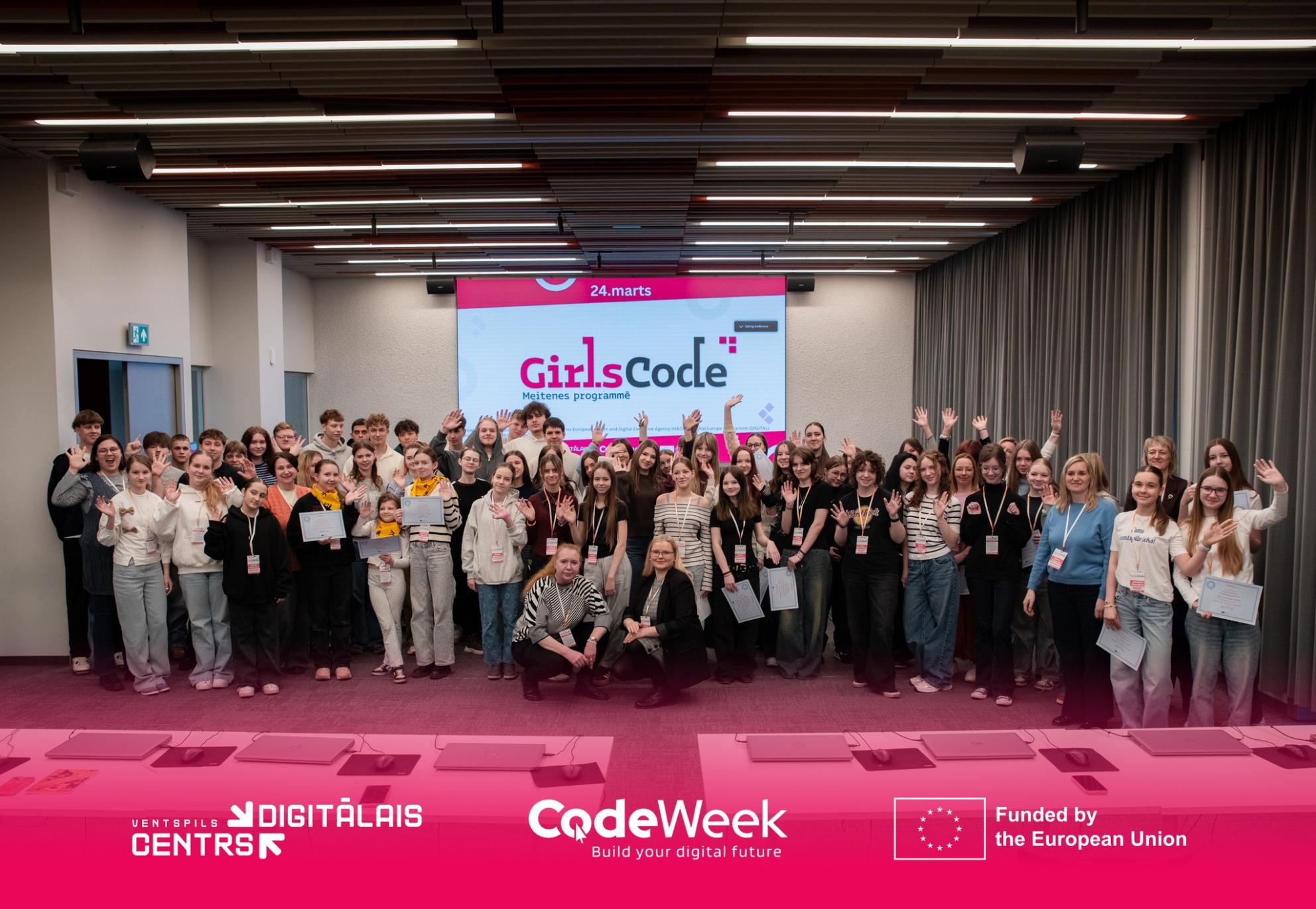
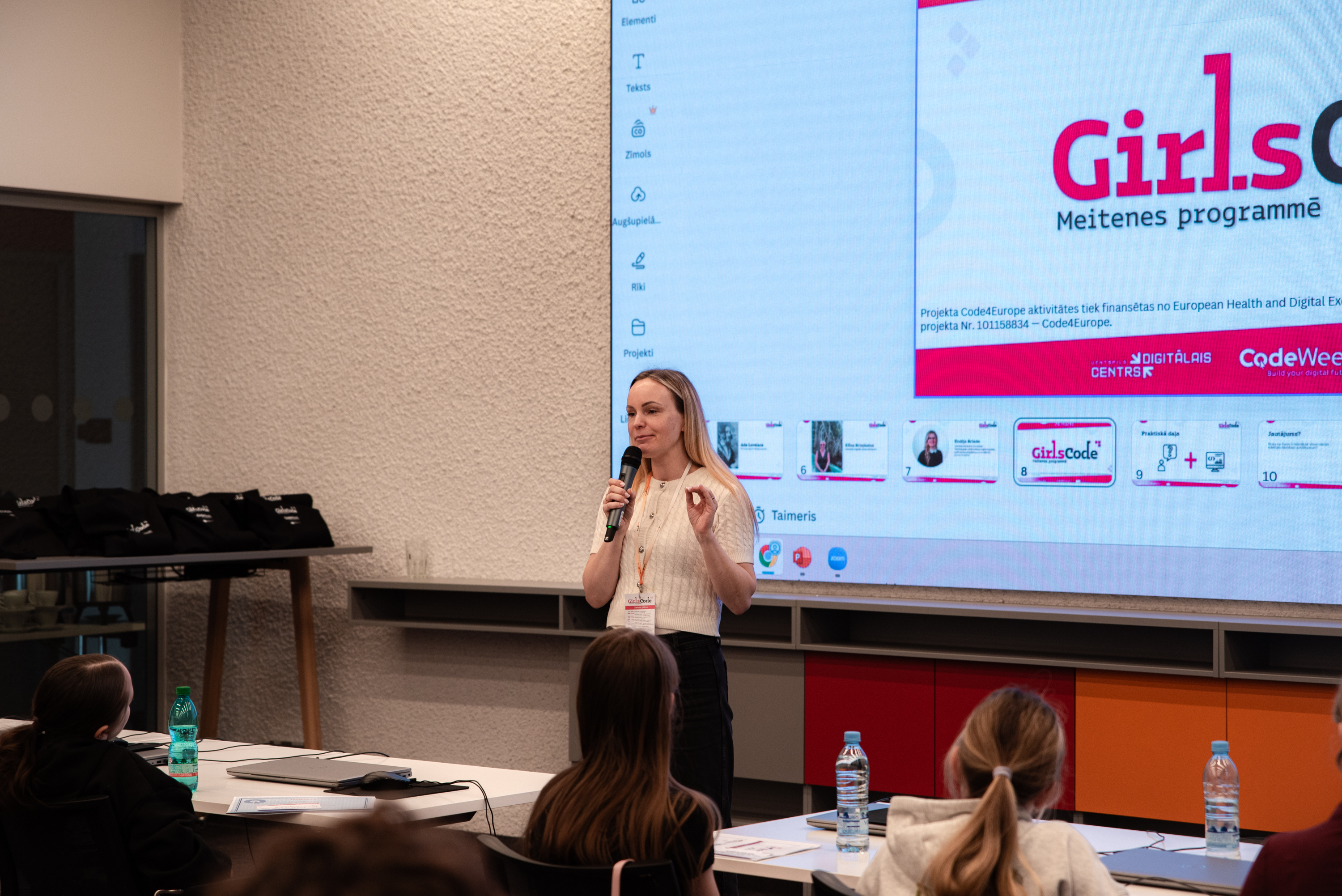
“Girls code: meitenes programmē”
Organisation: Ventspils Digital centre
Location: Ventspils, Latvia
Participants: 81 | Educators: 3 | Activities: 1
The project delivered a strong educational and motivational impact on participants. Girls gained initial programming experience, improved their problem-solving skills, and increased their awareness of career opportunities in the ICT sector. The combination of female role models and hands-on coding activities significantly enhanced participant engagement, confidence, and interest in technology-related fields. Link: https://digital-skills-jobs.europa.eu/en/latest/news/girls-code-it-better-latvia
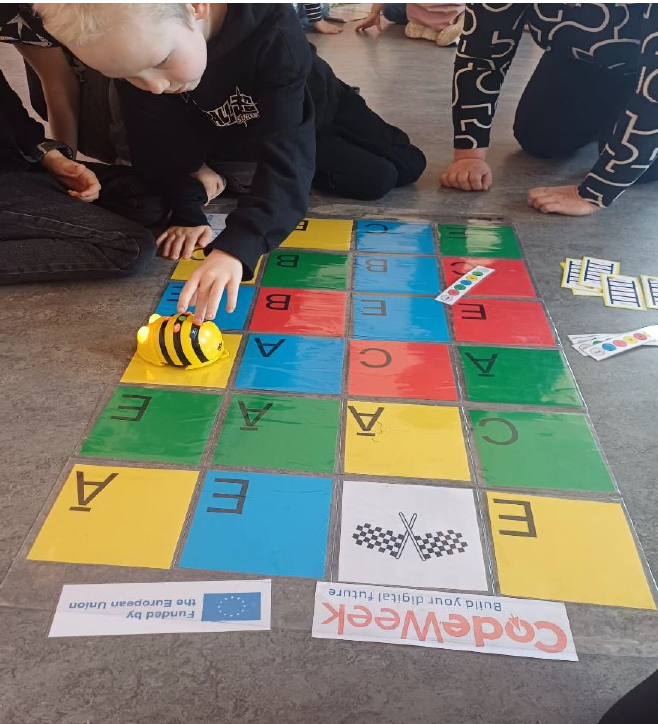
"The First Steps of Young Programmers in the Digital World"
Organisation: Ata Kronvalda Durbes Elementary School Support Association's
Location: Durbe, Latvia
Participants: 147 | Educators: 49 | Activities: 9
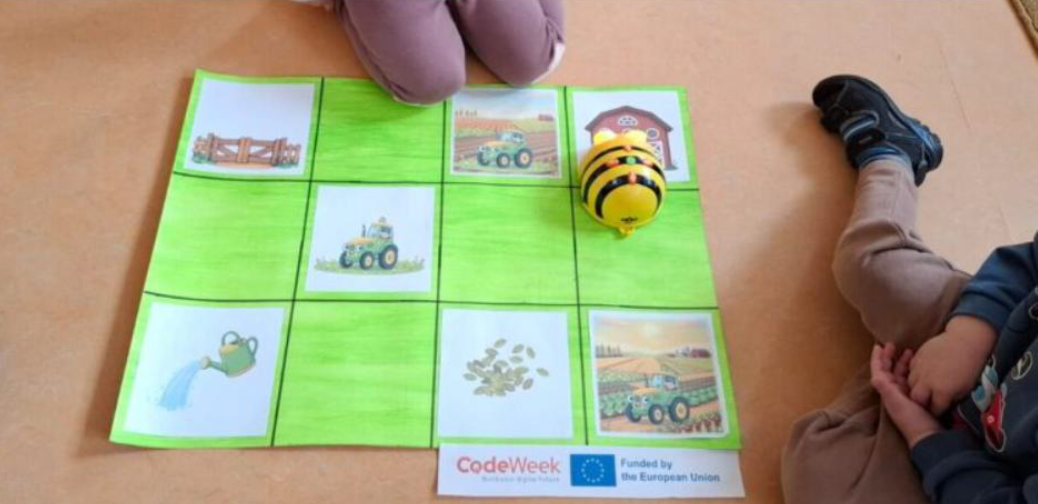
The project significantly increased children’s interest in technology and programming. The children developed logical thinking, problem-solving skills, attention, cooperation skills, and the ability to plan sequences of actions. By working with Bee-Bot robots, the children learned to experiment, analyze mistakes, and search for solutions. Link: https://digital-skills-jobs.europa.eu/en/latest/news/first-steps-young-programmers-project-latvia
Links:
Day of AI – Latvia
Organisation: Riga Business School
Location: Riga, Latvia
Participants: 27,510 | Educators: 700 | Activities: 2
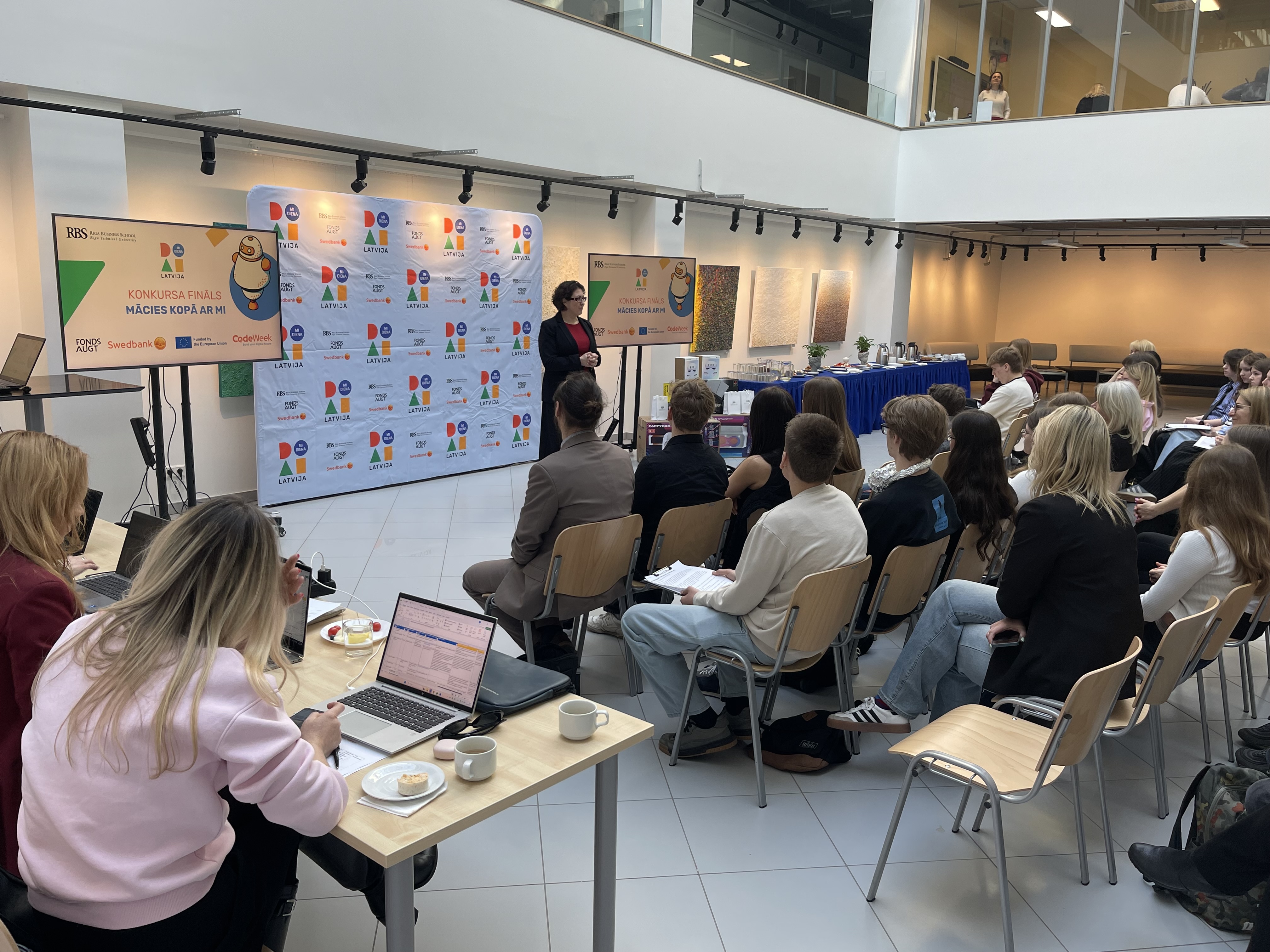
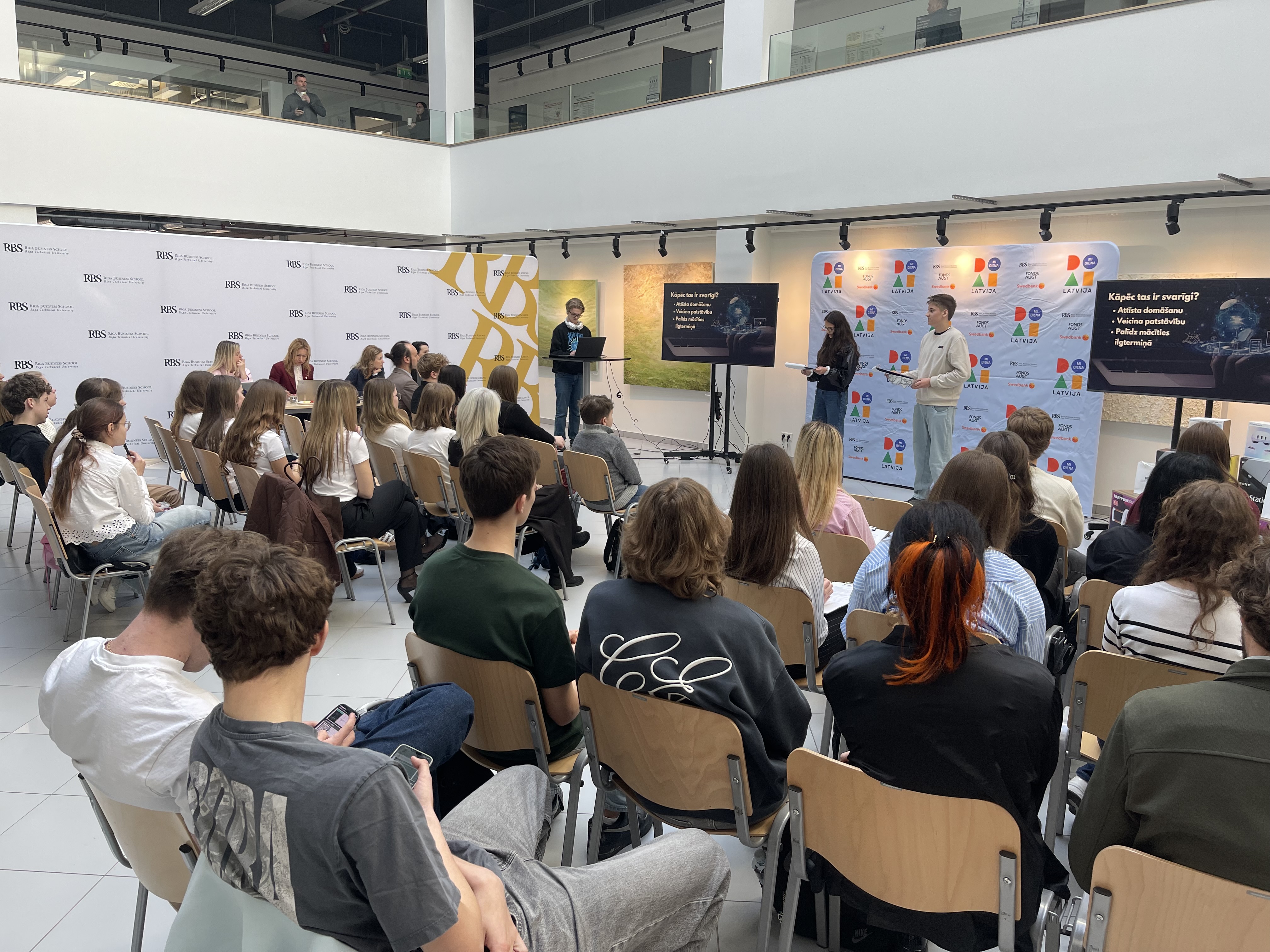
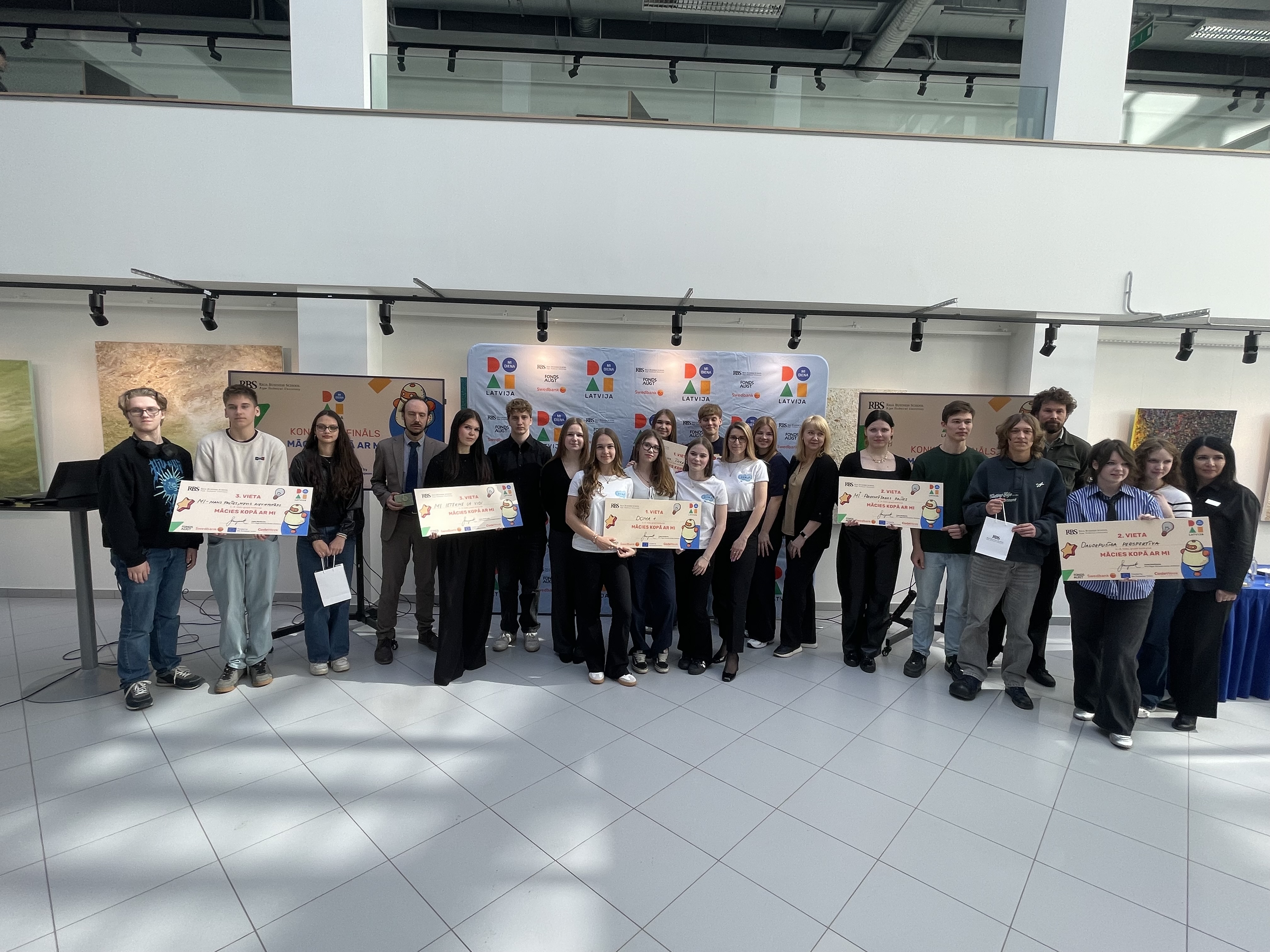
o Reached 273 schools, 27,510 students, and 700+ teachers across Latvia. o Built a strong national community of AI ambassadors, supporting peer learning and regional knowledge transfer. o Significantly improved teachers’ confidence and readiness to address AI in the classroom. Link: https://digital-skills-jobs.europa.eu/en/latest/news/273-schools-and-over-27-500-students-participate-day-ai-latvia
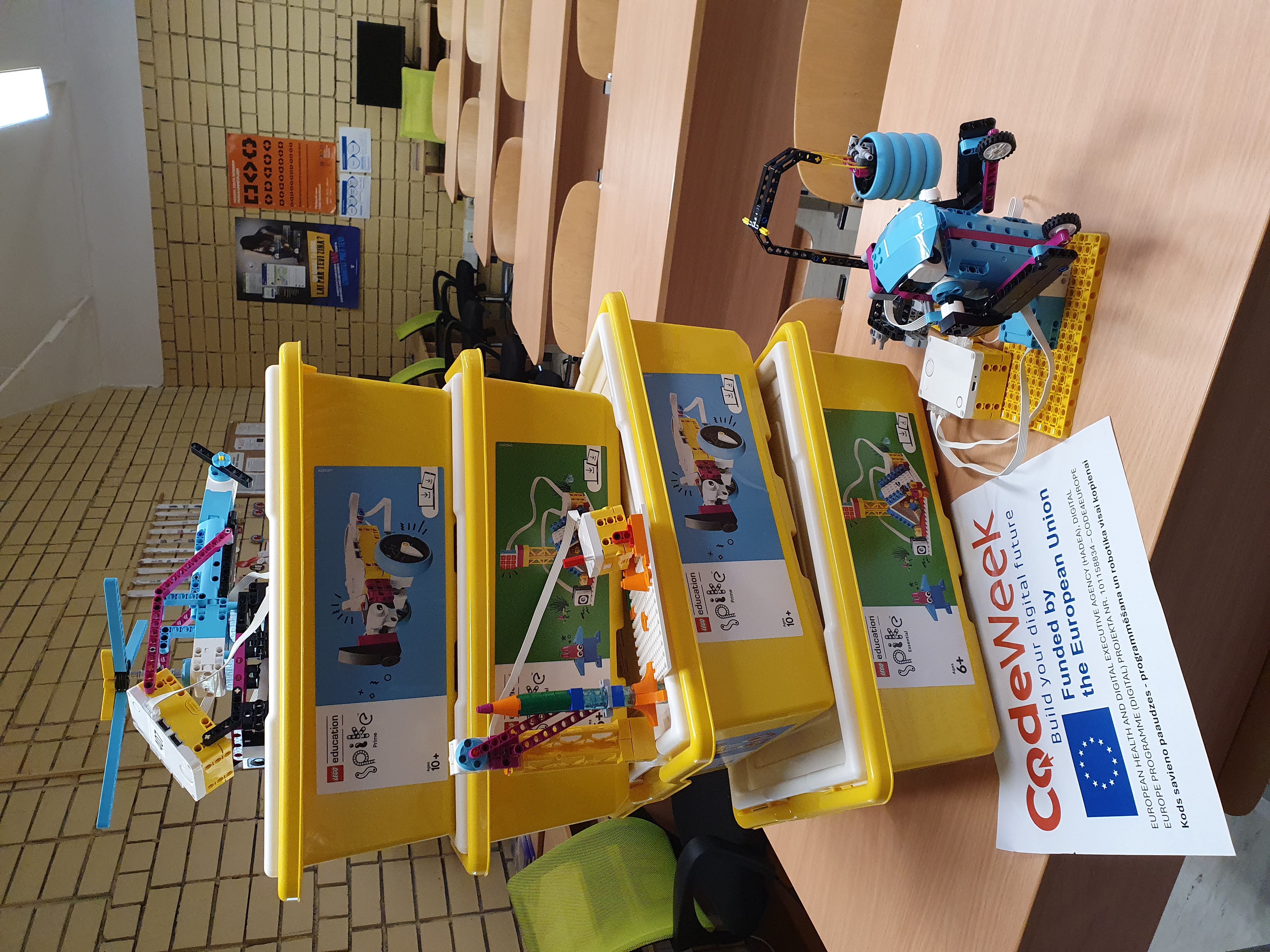
LEGO Education SPIKE Essential Training for Students and Teachers
Organisation: Dobele Secondary school No 1
Location: Dobele,Latvia
Participants: 152 | Educators: 6 | Activities: 2
The project contributed to the development of students’ and teachers’ digital, technological, and problem-solving skills through the use of LEGO Education SPIKE Essential learning solutions. Students improved their programming, collaboration, and creative thinking skills, while teachers learned new STEAM teaching methods and ways to integrate technology into the learning process. As a result of the project, participants’ interest in robotics, engineering, and programming increased, and their motivation to use digital tools in learning was strengthened. Link: https://eprasmes.lv/article/nosledzies-projekts-lego-education-spike-essential-apguve-skoleniem-un-skolotajiem/
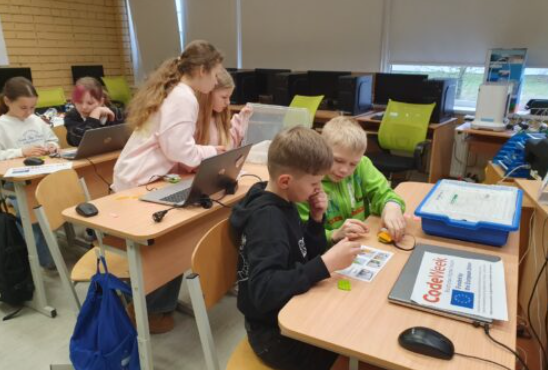
Development of digital skills using robotics
Organisation: Alūksne Children and Youth Center
Location: Aluksne, Latvia
Participants: 245 | Educators: 27 | Activities: 7
The activities implemented within the project helped develop students’ digital skills and understanding of robotics and programming. They also encouraged creative thinking, the development of engineering skills and practical problem-solving. The project sparked students’ interest in STEM by encouraging them to experiment, investigate and draw conclusions. Link: https://eprasmes.lv/article/nosledzies-projekts-digitalo-prasmju-attistiba-izmantojot-robotiku/
Links:
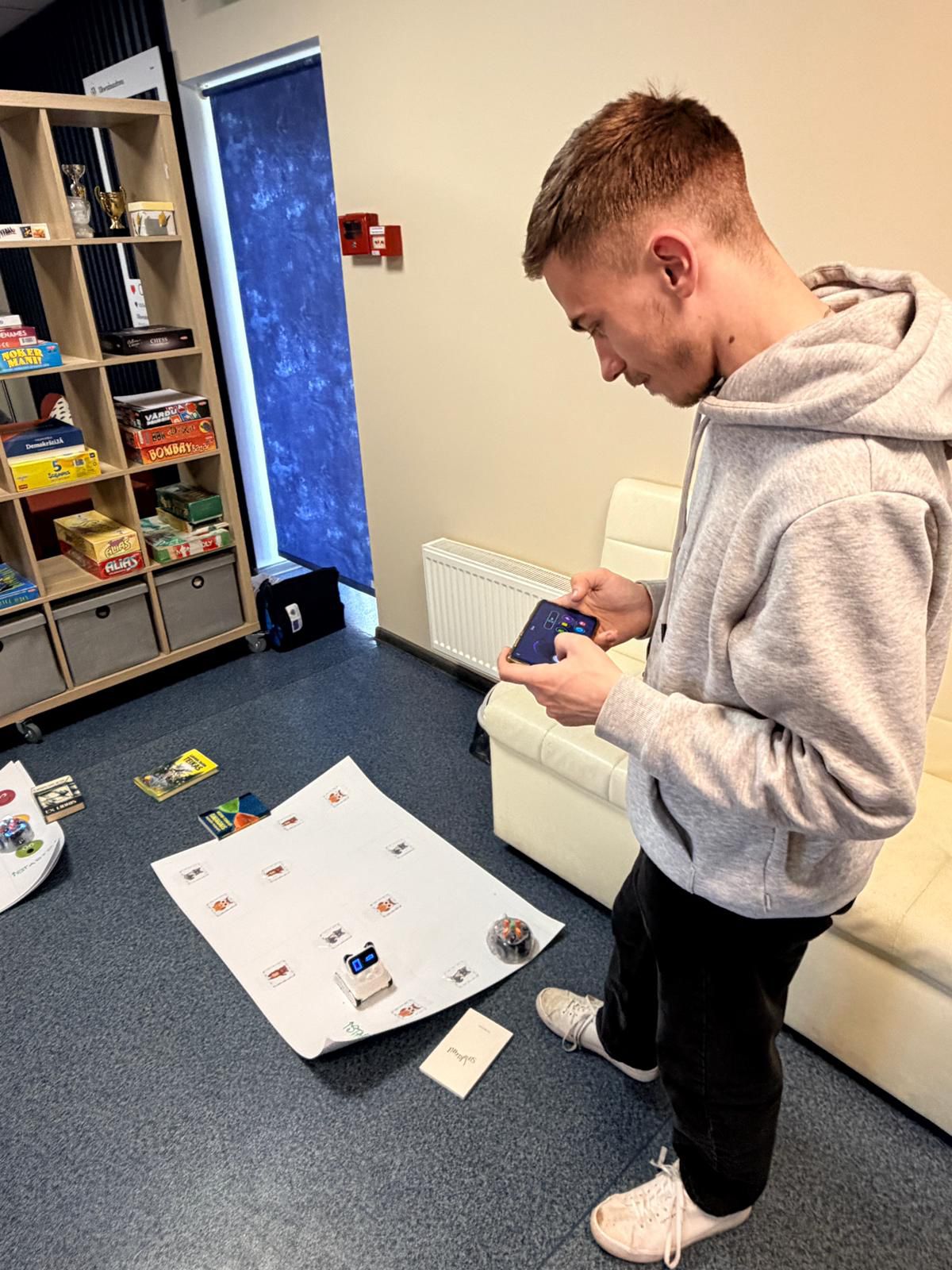
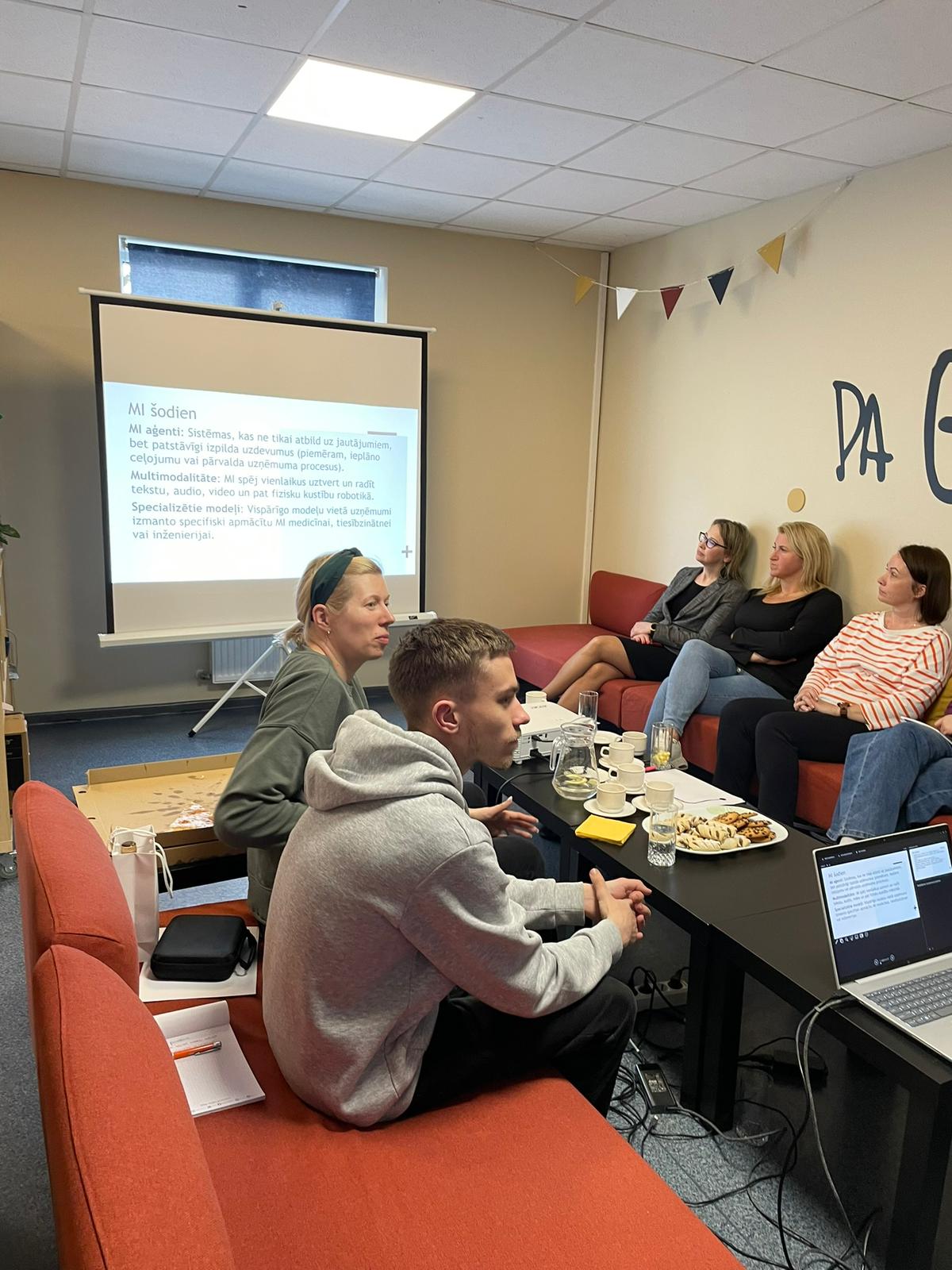
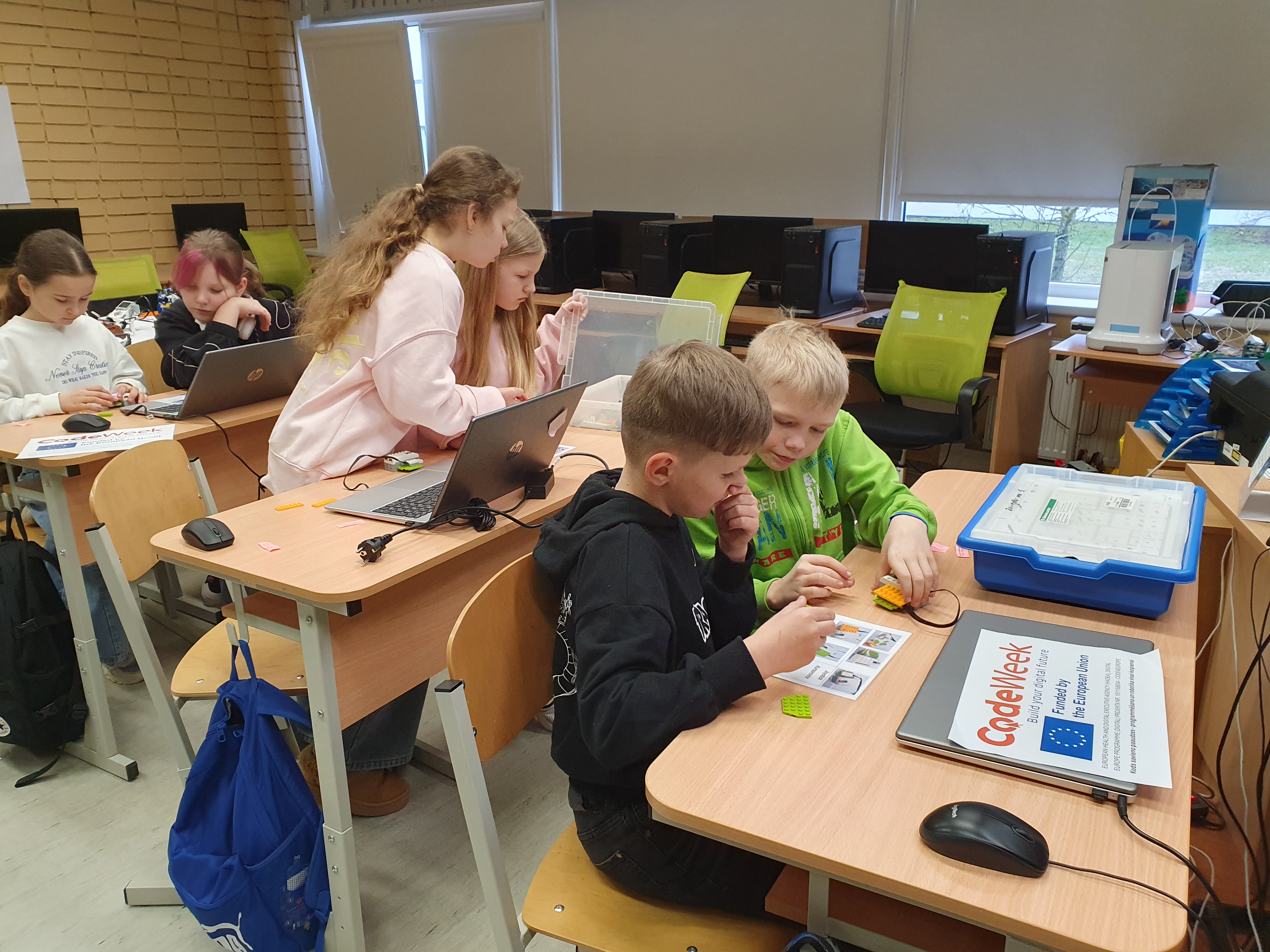
“Code Connects Generations – Programming and Robotics for the Whole Community”
Organisation: Zemgale Secondary School of Tukums Municipality
Location: Tukums, Latvia
Participants: 160 | Educators: 40 | Activities: 2
What worked well ● The participants of different ages were successfully involved in joint activities. ● The students enthusiastically took on mentor roles by leading the workshops for the parents and seniors. ● The international cooperation enriched the students’ experience and motivation. Link: https://eprasmes.lv/article/nosledzies-projekts-kods-savieno-paaudzes-programmesana-un-robotika-visai-kopienai/
Spain & Portugal – JA Spain
Projects funded: 1
Participants reached: 228
Educators engaged: 8
Activities on Code Week platform: 4
Projects under this hub focused on coding, digital skills, and STEAM education. Activities combined hands-on learning, practical technology use, collaboration, and project-based approaches, while strengthening participants’ digital confidence and creating resources or equipment that can continue to support learning beyond the funded period.
Funded Projects
“V.I.D.I.A – Voces Inclusivas y Digitales con Inteligencia Artificial”
Organisation: Inercia Digital S.L (Spain) Vocational training and innovation centre specialised in digital skills development, with extensive experience in European projects
Location: Huelva, Spain
Participants: 228 | Educators: 8 | Activities: 4
The V.I.D.I.A project reached 228 students across four schools, achieving high levels of participation and completion, with over 75% of participants improving their digital and AI-related skills, more than 50% enhancing creativity and digital storytelling competences, over 70% reporting increased awareness of social issues such as mental health, bullying, and inclusion, and more than 80% evaluating the content as clear and useful; in addition, more than 120 digital projects, including AI-generated stories, chatbots, and interactive narratives, were developed and published, demonstrating a strong overall impact in fostering digital skills, critical thinking, collaboration, and responsible use of technology, while contributing to the development of inclusive, socially aware, and digitally empowered young people. Link: https://proyectovidia.com/implementacion-de-los-talleres/
Underserved focus: The project targeted young people from diverse educational contexts, including students with different learning needs and those at risk of digital exclusion, particularly in relation to access to emerging technologies such as artificial intelligence.
Ukraine – JA Ukraine
Projects funded: 8
Participants reached: 1,674
Educators engaged: 102
Activities on Code Week platform: 159
Projects under this hub focused on robotics, artificial intelligence, digital fabrication, environmental education. Activities combined hands-on learning, practical technology use, collaboration, and project-based approaches, while strengthening participants’ digital confidence and creating resources or equipment that can continue to support learning beyond the funded period.
Funded Projects
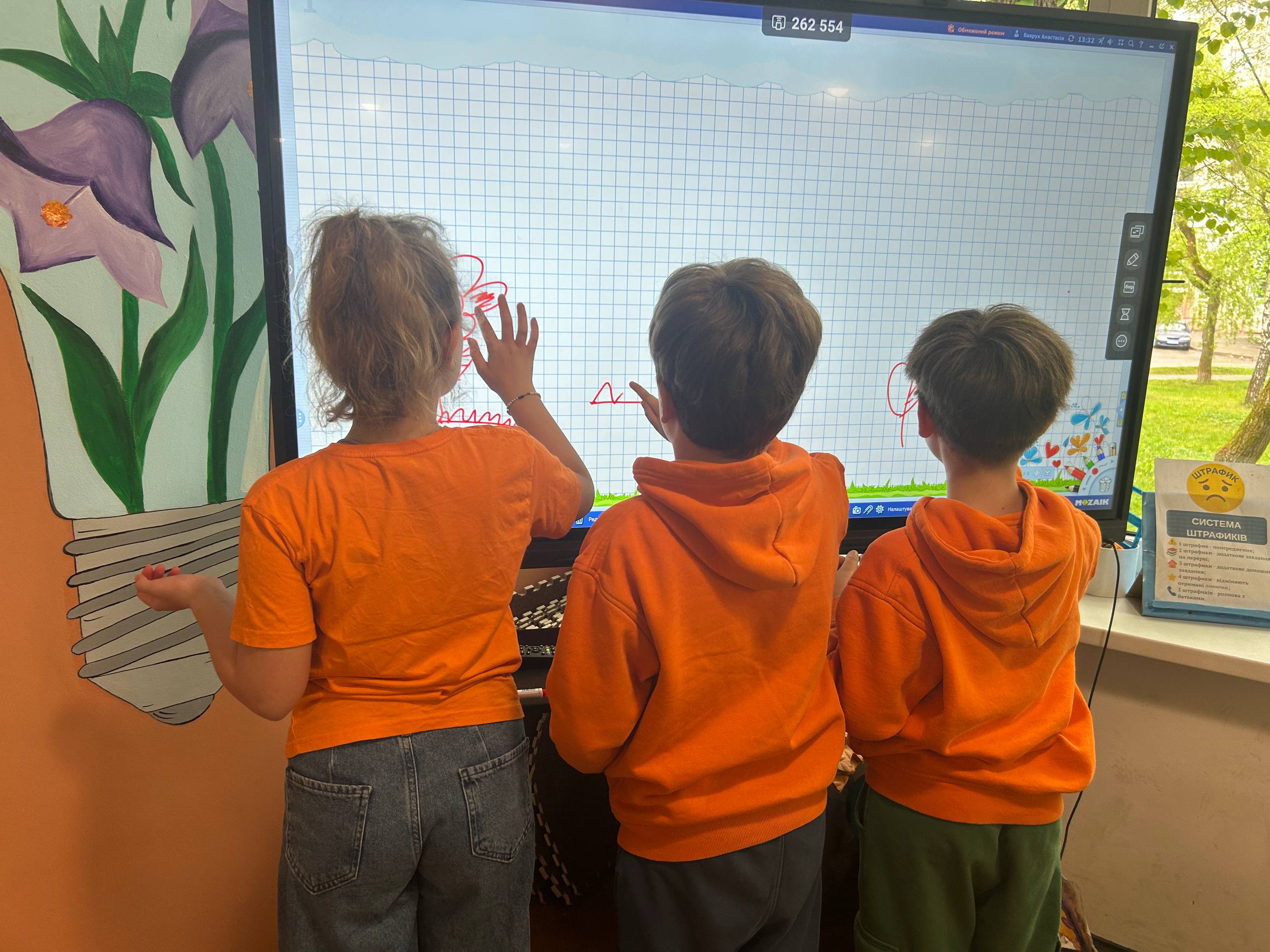
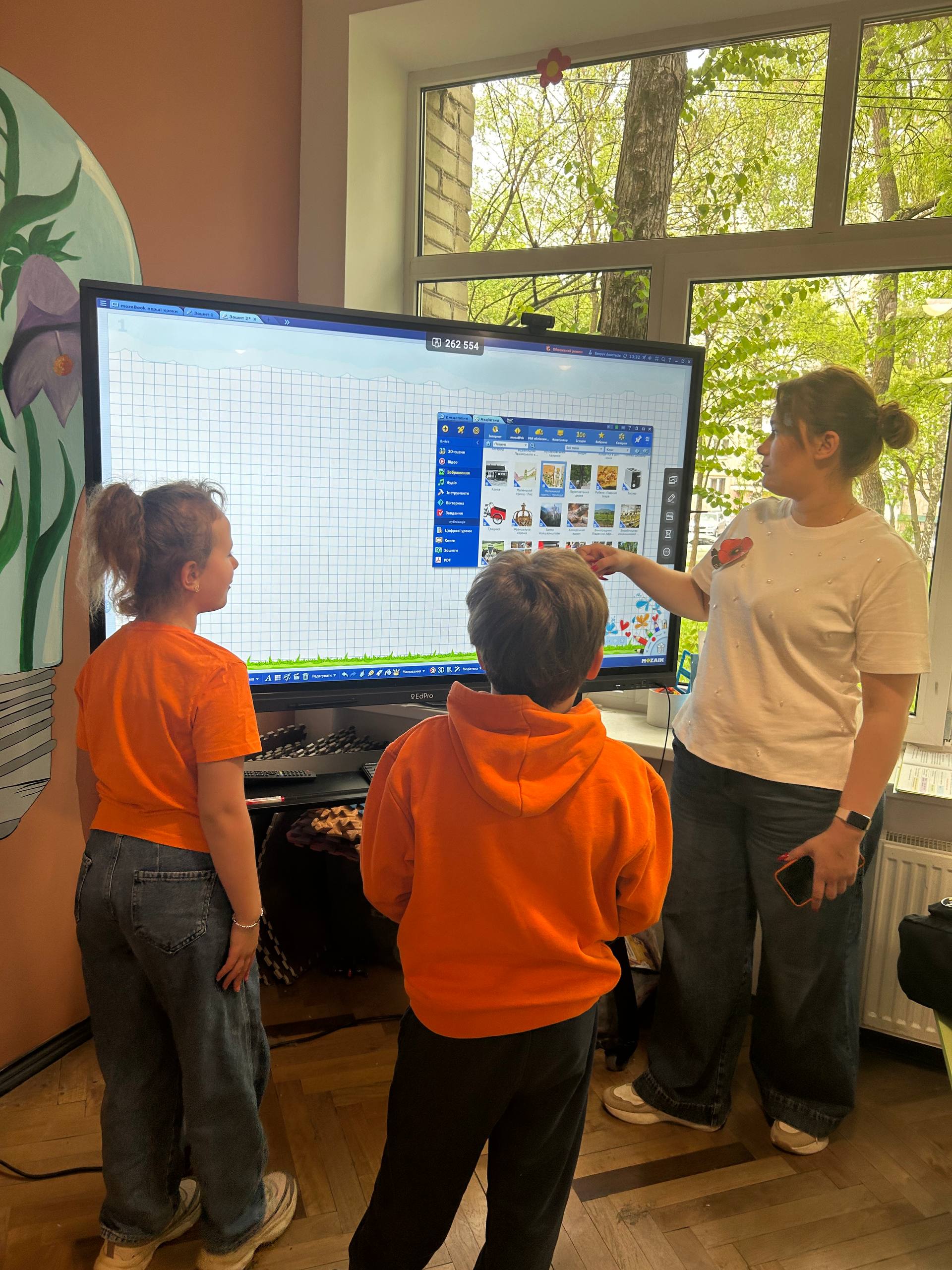
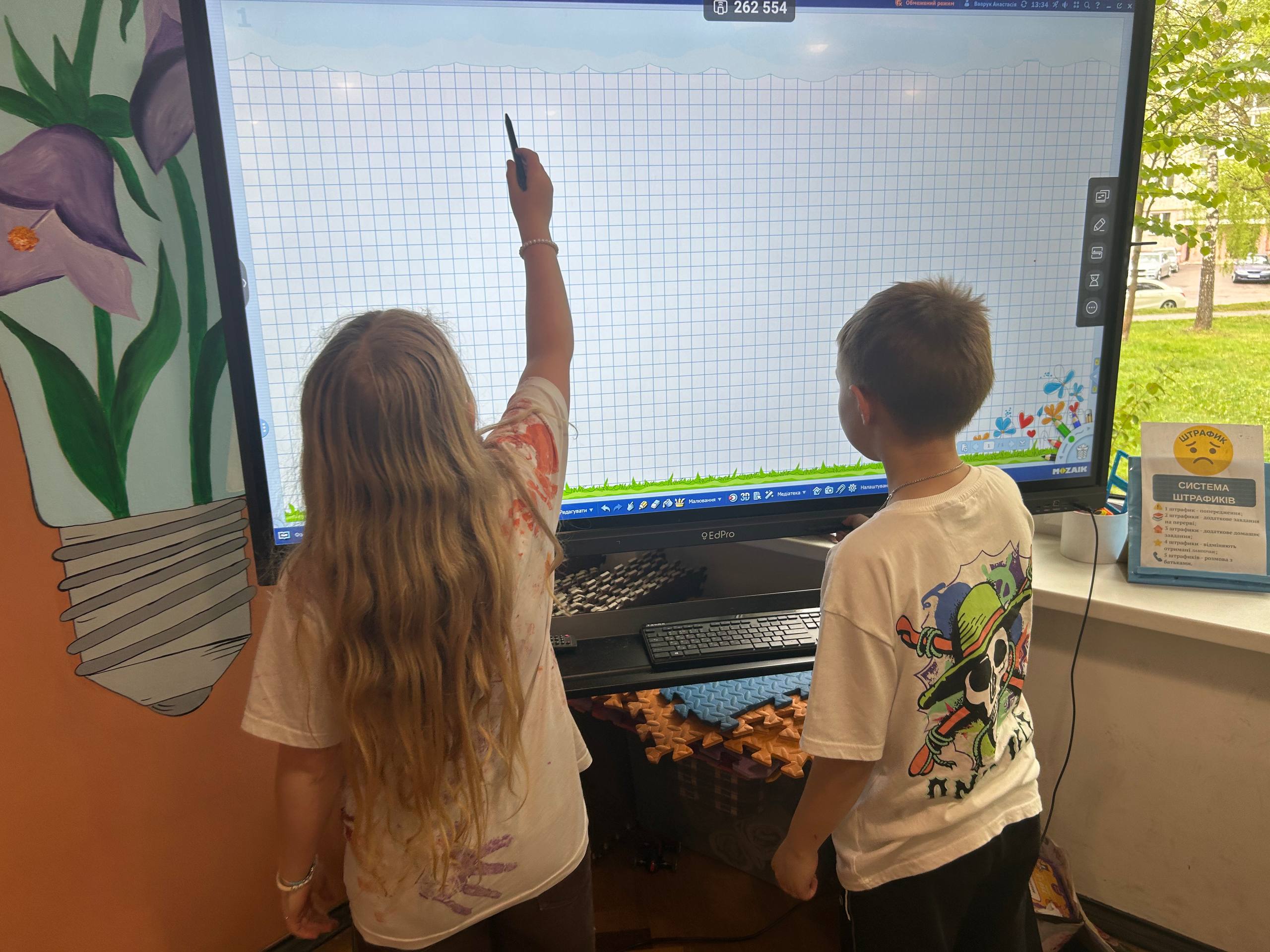
Activities to promote programming, computational thinking, and digital skills among students of the I.Pulyuy Lyceum of the LMR.
Organisation: Lyceum after Ivan Pulyuy
Location: Lviv, Lviv region
Participants: 116 | Educators: 5 | Activities: 5
The project had a positive impact on the target audience, increasing students' interest in programming, STEM education, and the development of computational thinking. Thanks to the interactive panel, classes became more visual and practical, which significantly increased students' motivation and engagement. Of particular importance is the expansion of opportunities for girls, who became more actively involved in digital and STEM activities. Link: https://www.facebook.com/share/p/1BkYo8rVL8/
Underserved focus: children who have moved (internally displaced persons)
Mobile robotic laboratory “Smart RoboLab”
Organisation: Zaporizhzhia Gymnasium No. 62 of the Zaporizhzhia City Council
Location: Zaporizhzhia region, city of Zaporizhzhia
Participants: 405 | Educators: 4 | Activities: 53
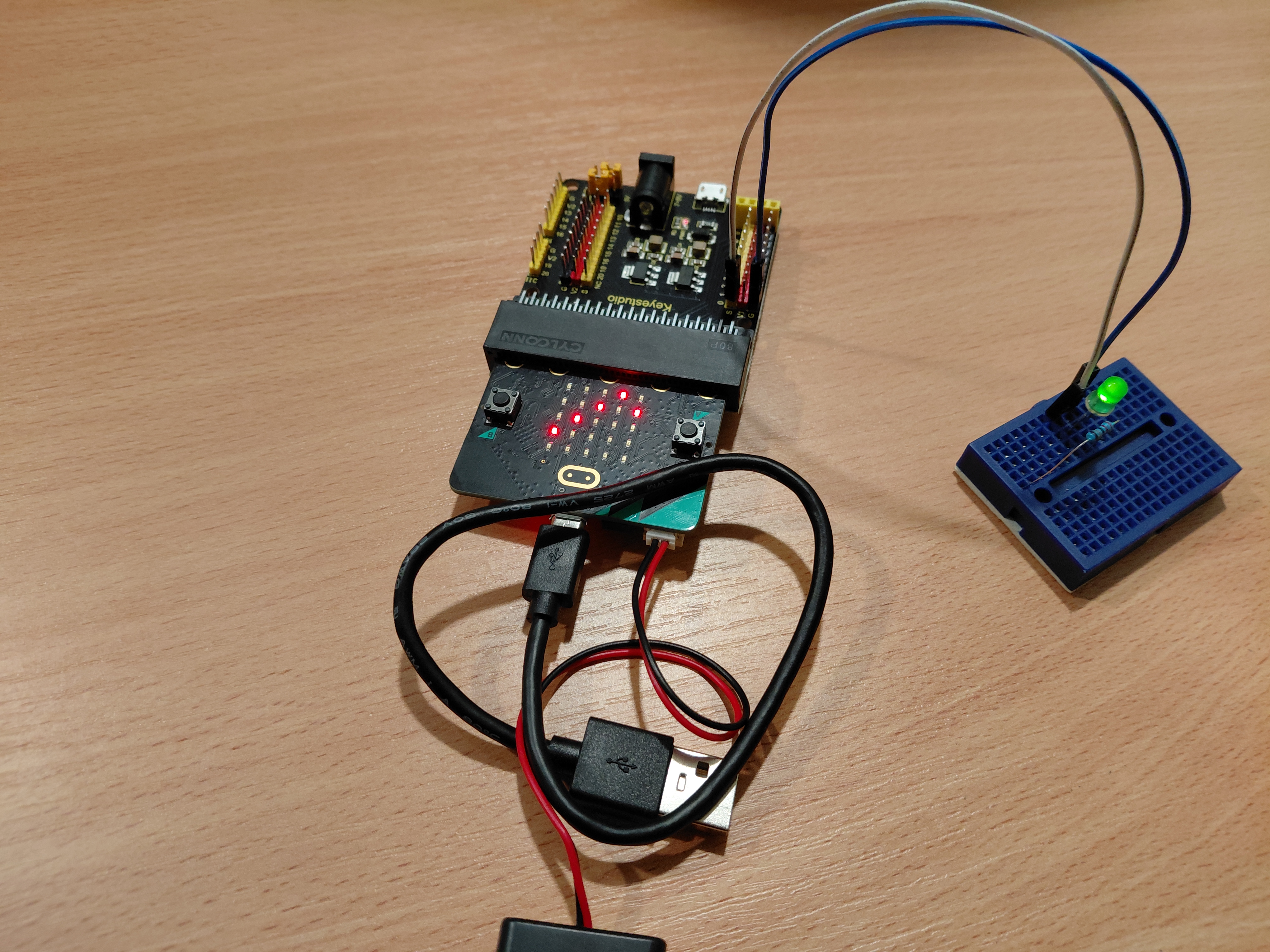
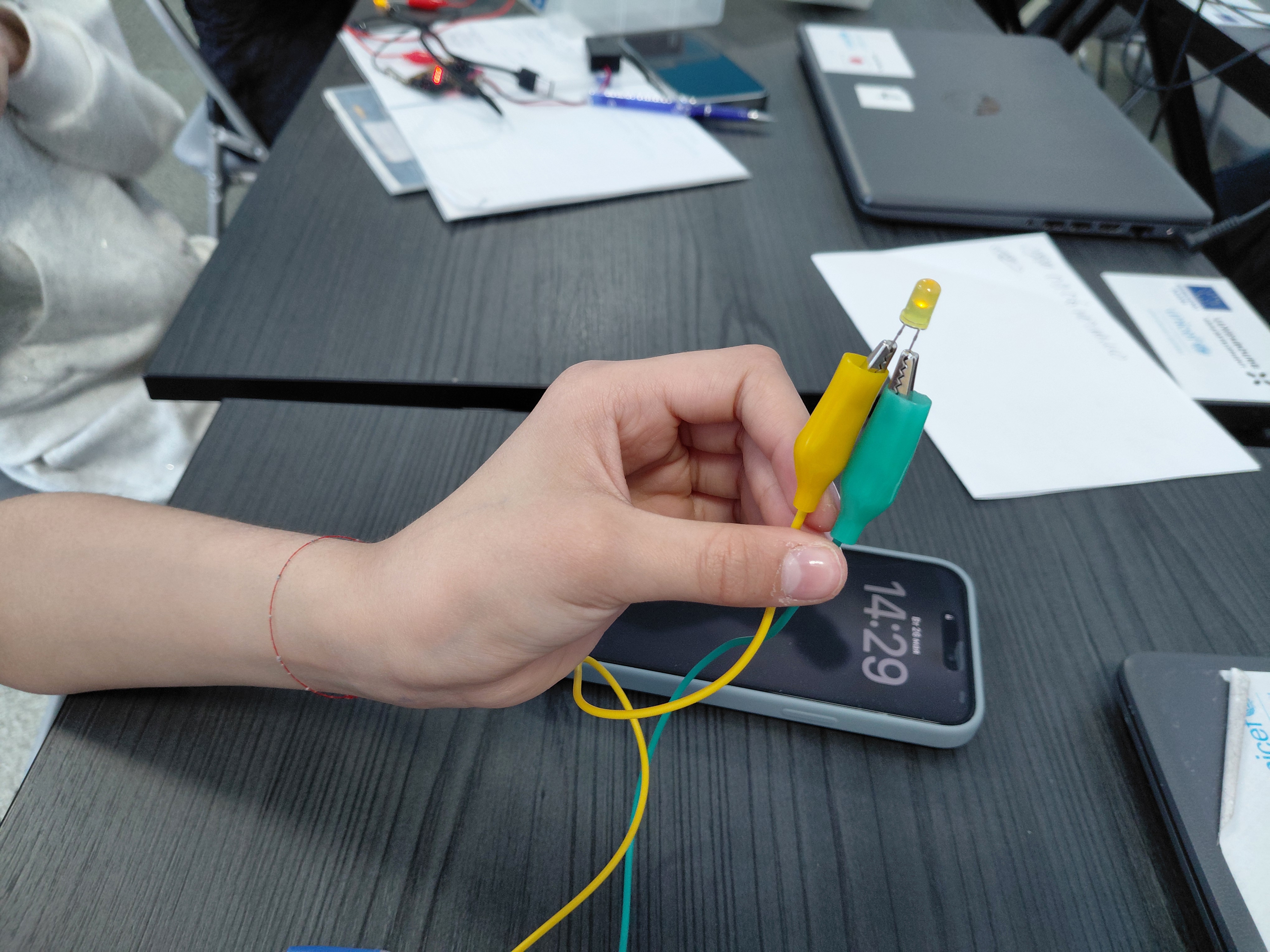
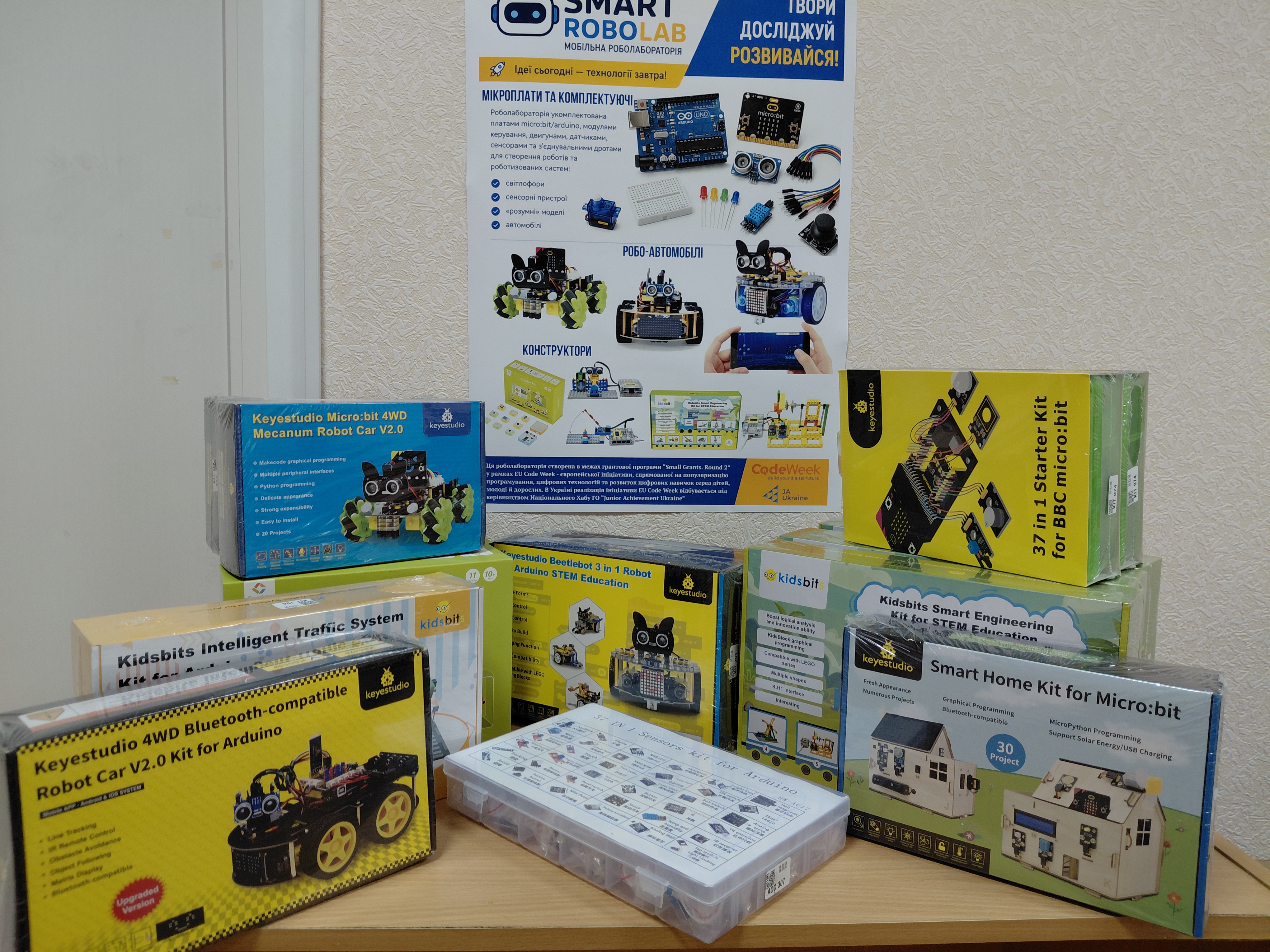
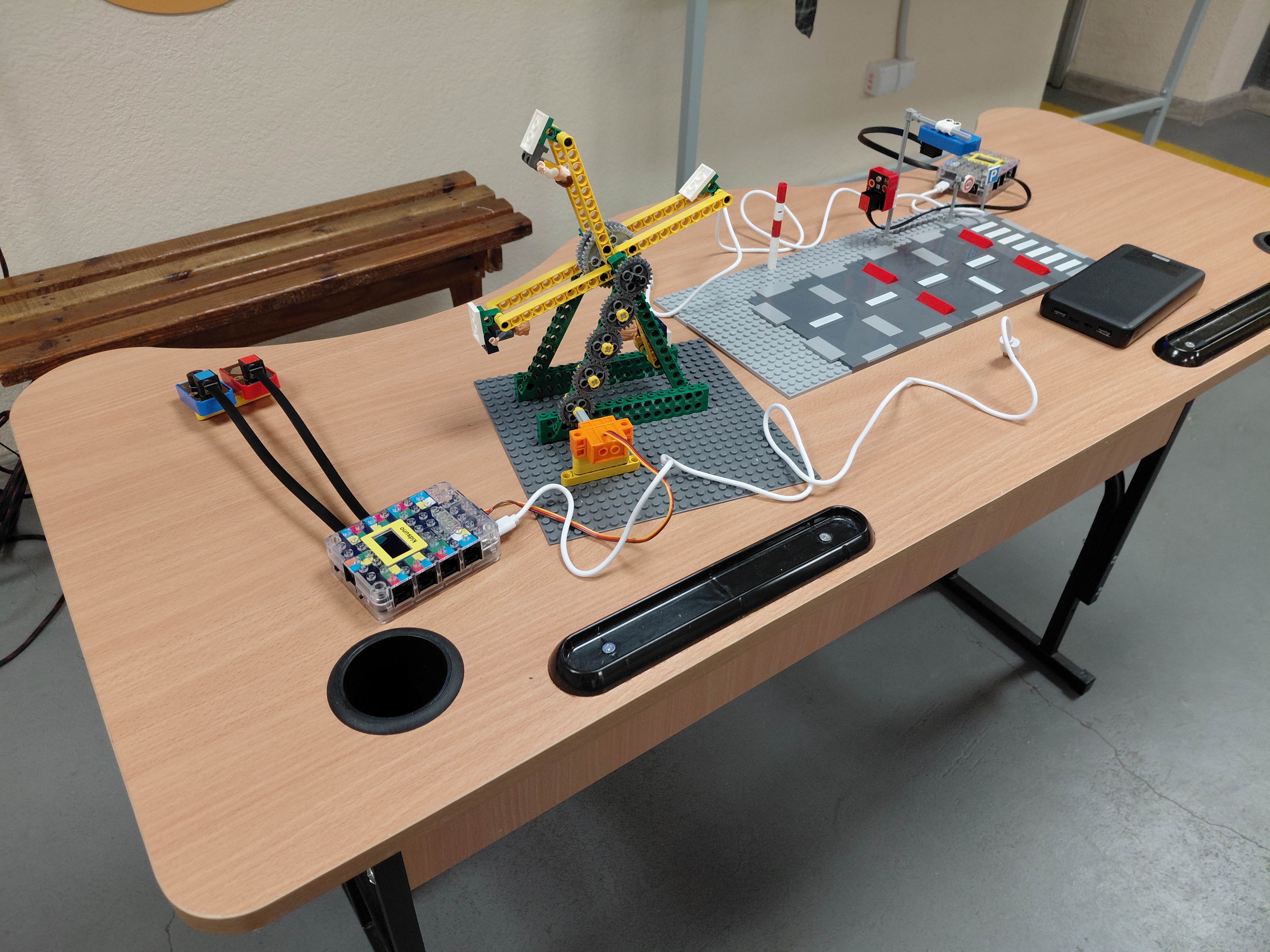
Robotics classes developed students' programming, design, teamwork, and research skills. Solving practical tasks showed children how modern technologies can help people in everyday life and fostered interest in electronics and STEM technologies. The Smart RoboLab mobile robotics project increased the accessibility of STEM education in a safe educational environment.
Underserved focus: Poor Education Outcomes
Links:
- https://www.facebook.com/groups/1414807125336820/permalink/3453747148109464/?app=fbl
- https://www.facebook.com/groups/1414807125336820/permalink/3455432001274312/?app=fbl
- https://www.facebook.com/groups/1414807125336820/permalink/3458837344267111/?app=fbl
- https://www.facebook.com/groups/1414807125336820/permalink/3465912423559603/?app=fbl
- https://www.facebook.com/groups/1414807125336820/permalink/3471863452964500/?app=fbl
- https://www.facebook.com/groups/1414807125336820/permalink/3479064182244427/?app=fbl
- https://www.facebook.com/groups/1414807125336820/permalink/3479385212212324/?app=fbl
"Girls Code the Future: STEM and robotics for IDP girls of Sokal region and Sheptytsky region"
Organisation: Life-giving
Location: Sheptytska and Sokalska communities of Lviv region
Participants: 80 | Educators: 3 | Activities: 8
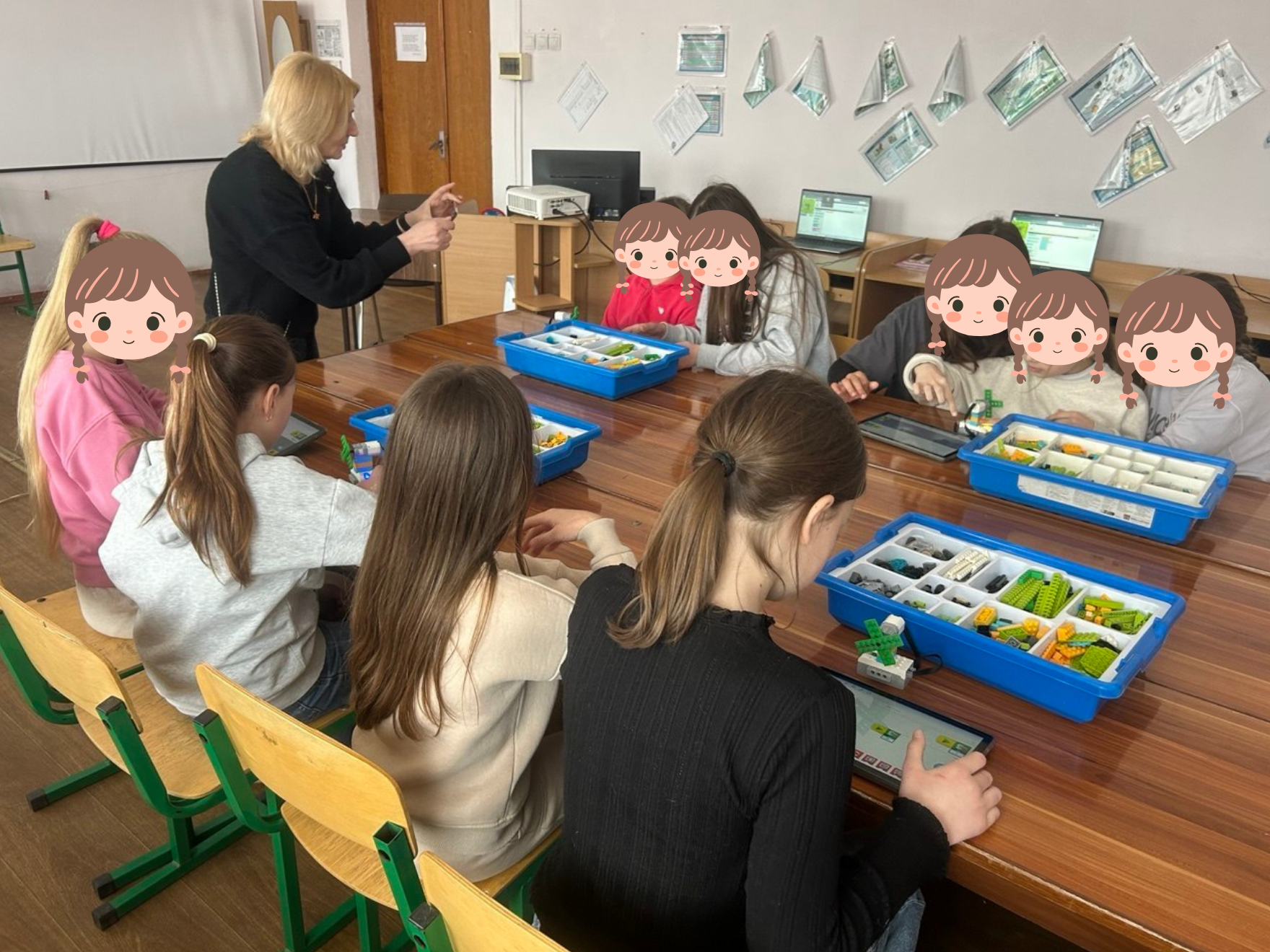
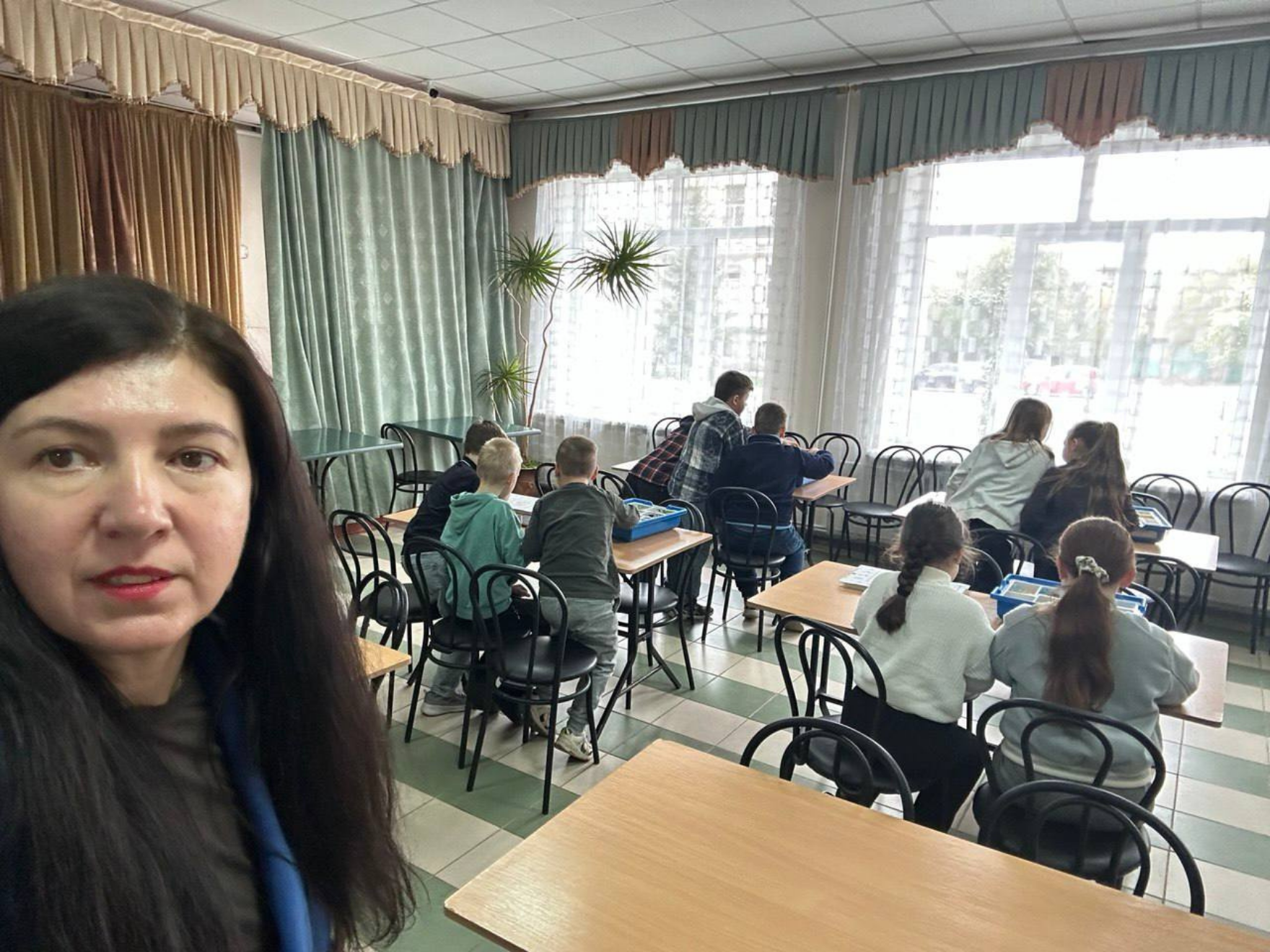
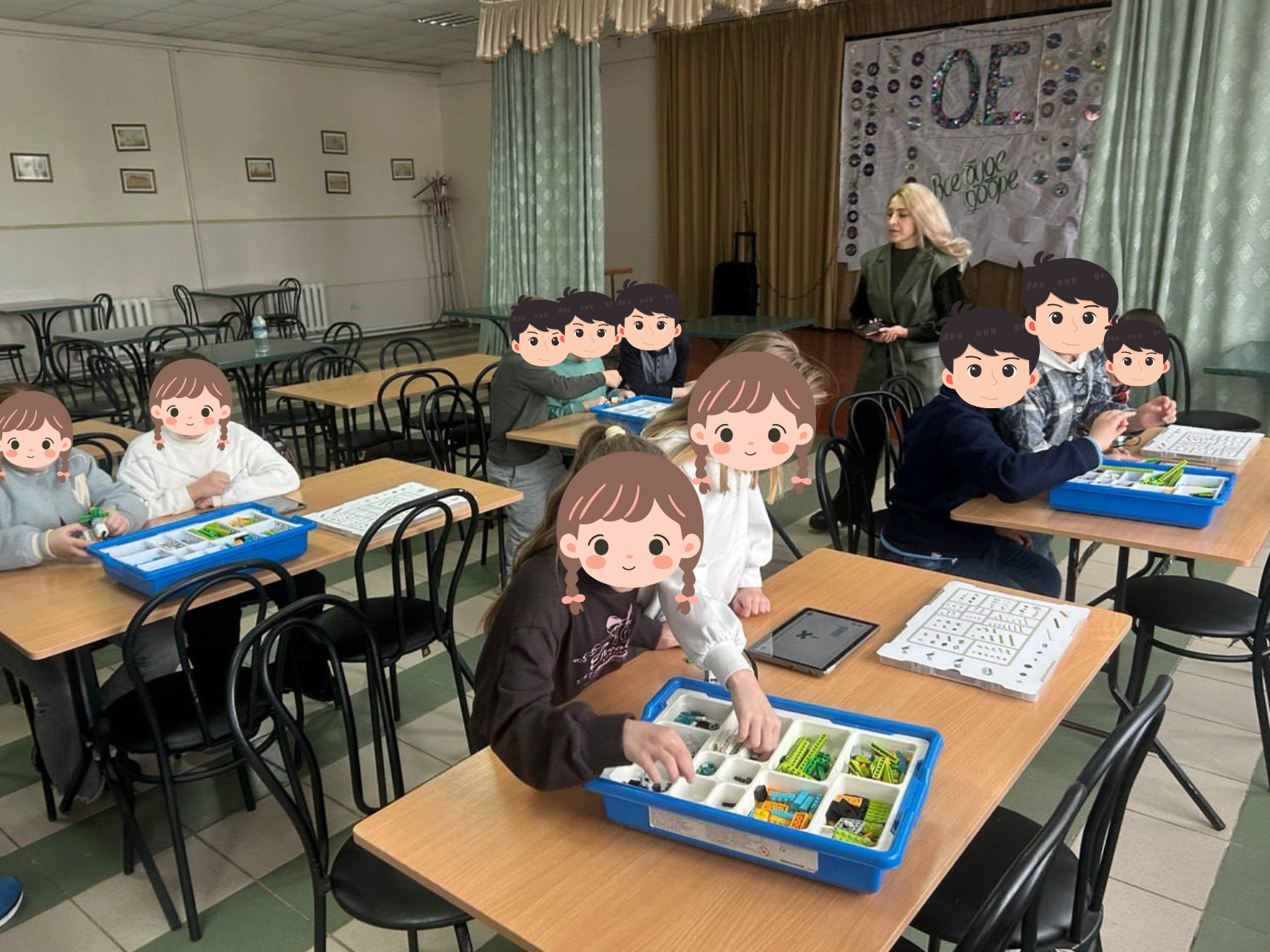
As part of the project, IDP girls mastered basic skills in assembling and programming LEGO Education robots, as they have limited access to modern STEM education and practical digital skills, and the educational environment of the region needs inclusive initiatives that could combine learning, social support, and developing girls’ confidence in technological fields. Accessible opportunities for learning programming and robotics were created for IDP girls. Great emphasis was placed on developing project thinking when creating and programming robots and the ability to work in a team.
Underserved focus: Low Access to Education
Links:
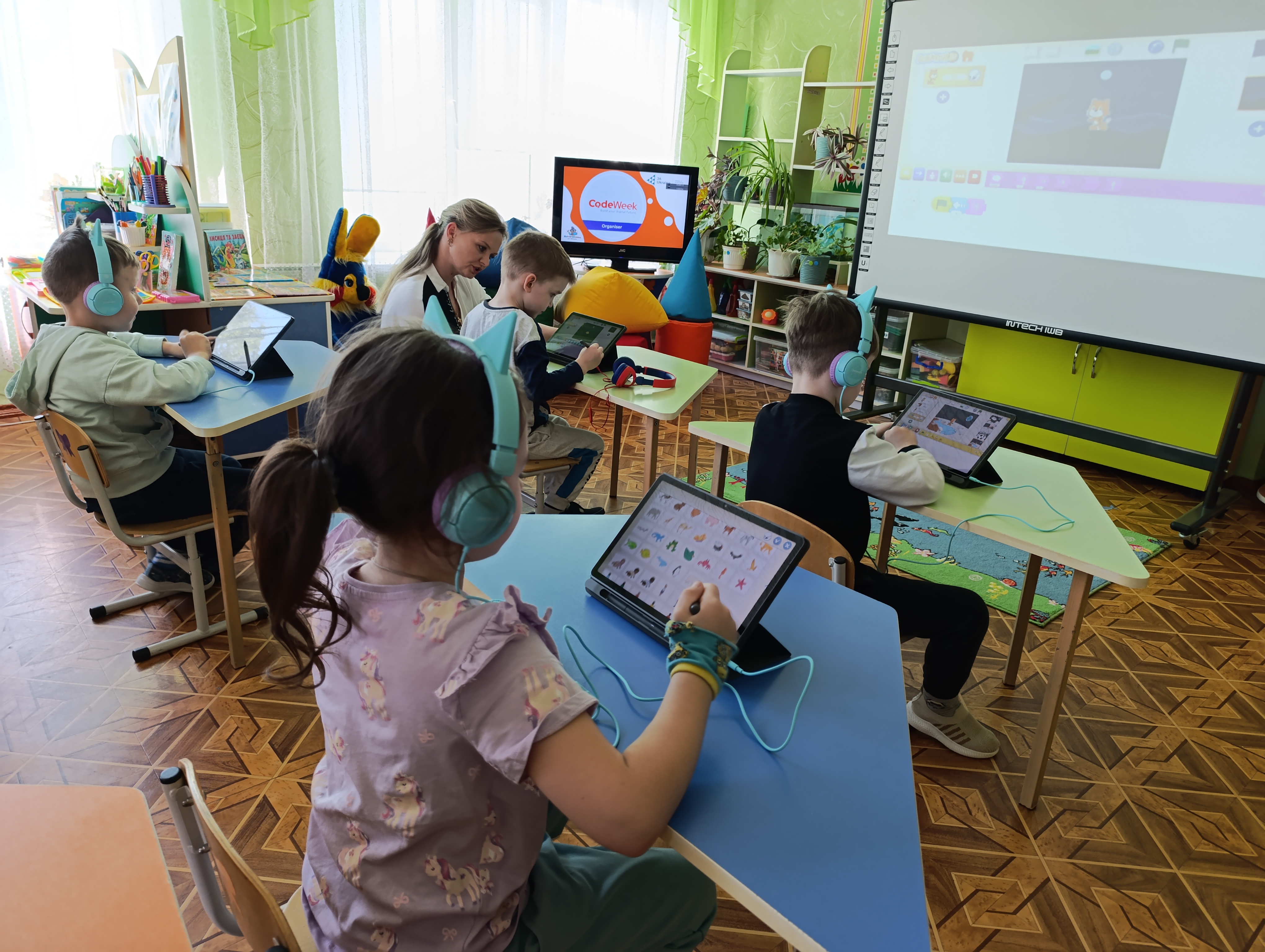
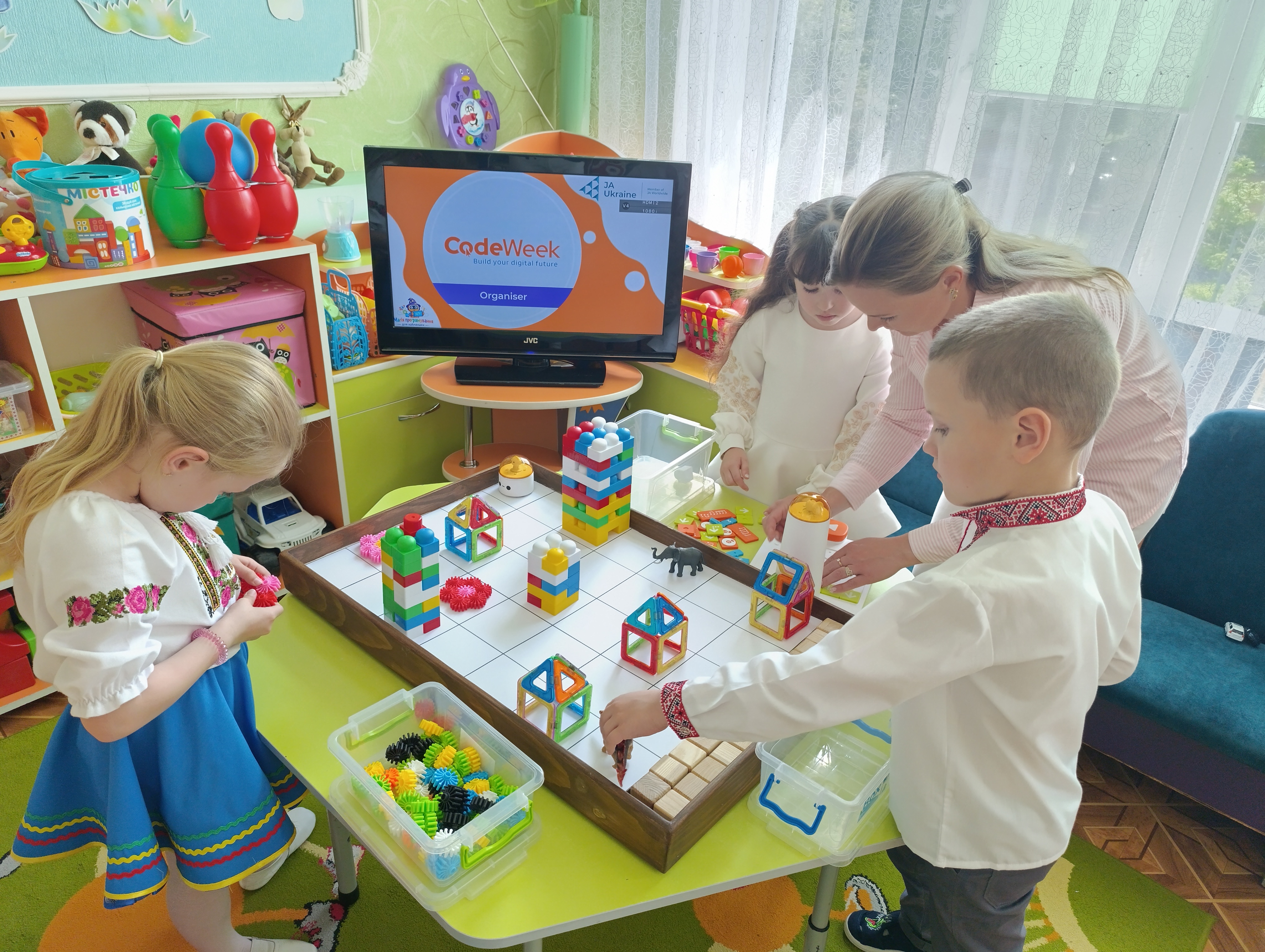
Magic of Programming for the Youngest
Organisation: Municipal Institution "Preschool Education Institution №37 of Vinnytsia City Council"
Location: Vinnytsia region, Vinnytsia district, Vinnytsia city
Participants: 102 | Educators: 4 | Activities: 16
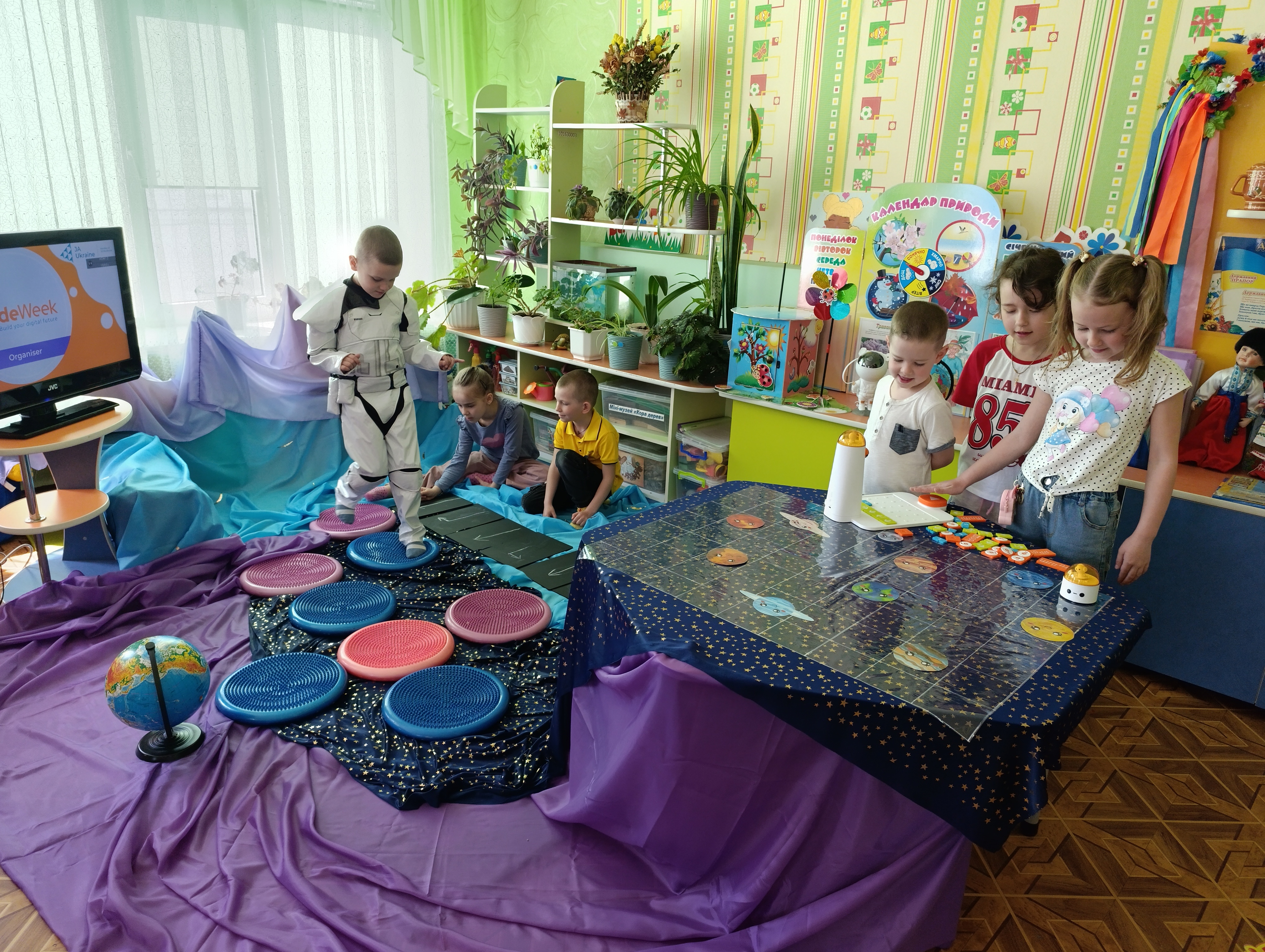
For children, the result was an increase in interest in programming, robotics and STEM activities, the development of computational and creative thinking, cooperation skills, communication and research activities. The project participants gained their first experience in creating algorithms, working with robotics kits and digital tools, which contributed to the formation of confidence in their own abilities and a positive attitude towards learning. Parents became more aware of the possibilities of STEM education and modern approaches to child development, and teachers gained new competencies in the use of digital technologies and robotics in the educational process.
Links:
- https://www.facebook.com/share/p/1Lfq264buq/
- https://www.facebook.com/share/v/1G1AnLc58x/
- https://www.facebook.com/share/v/1BckADGmwW/
- https://www.facebook.com/share/v/1GBWcffrf9/
- https://www.facebook.com/share/v/18TaM8LMZz/
- https://www.facebook.com/share/v/1BWtTod5iE/
- https://www.facebook.com/share/v/1BBkcGZb4Y/
- https://dnz37.edu.vn.ua/news.html
- https://drive.google.com/drive/folders/17flsT_IbtKl1wpitByztSQ_qmvV1xlKK?usp=sharing
"Smart Office Lab: Digital Office Architect - 21st Century Skills"
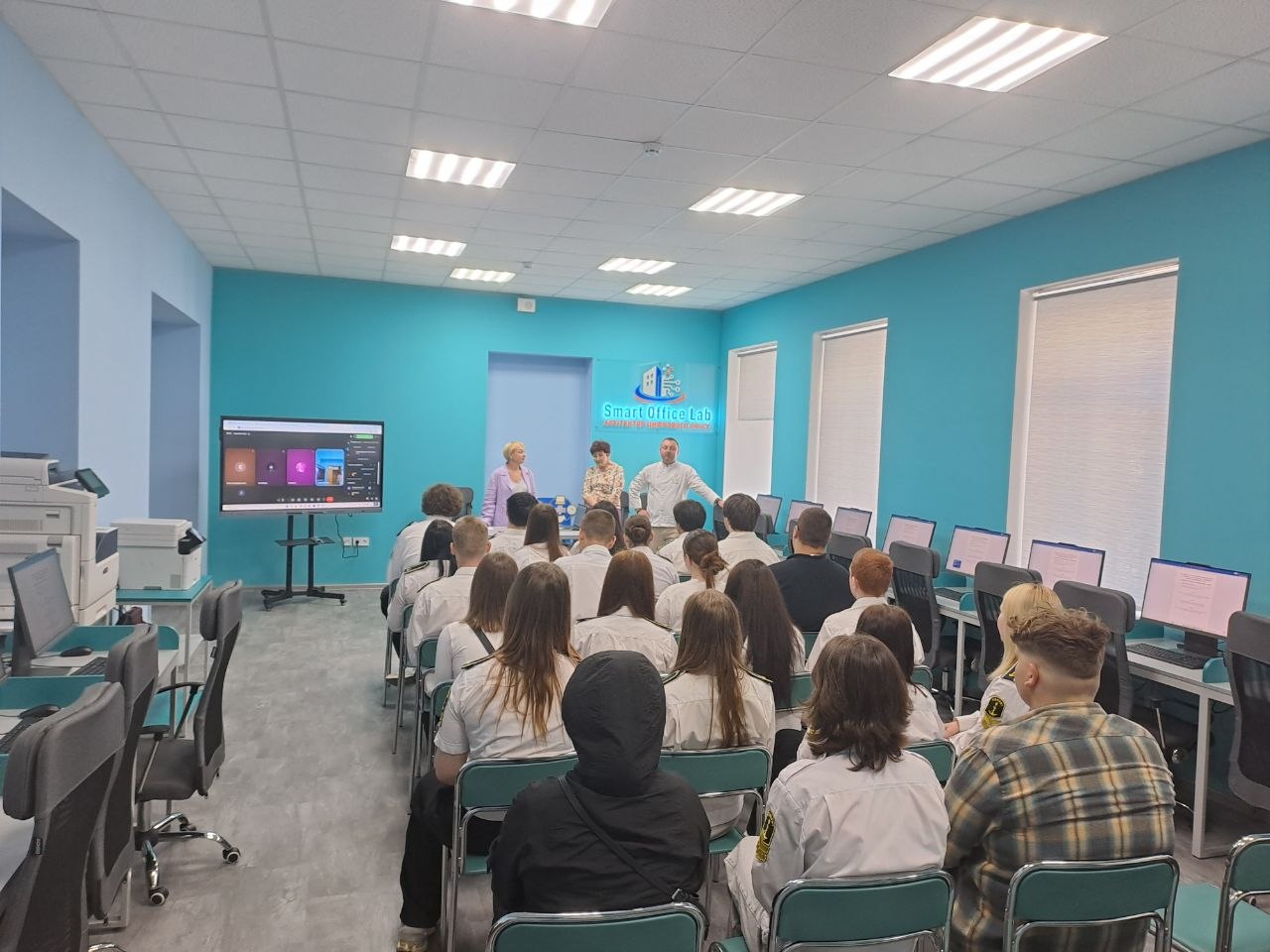
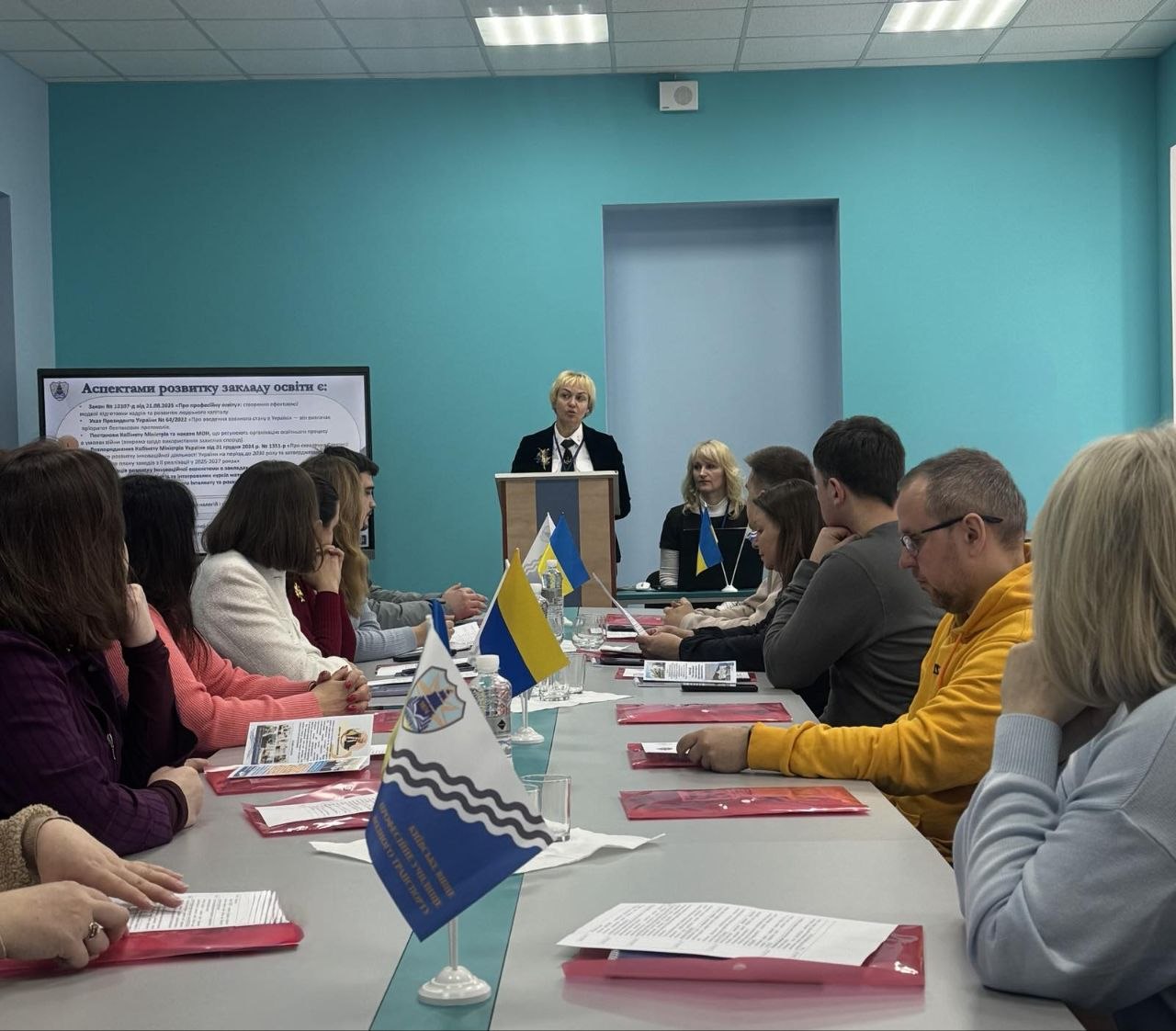
Organisation: THE STATE PROFESSIONAL TEXNICAL EDUCATIONAL ESTABLISHMENT "THE HIGH PROFESSIONAL COLLEGE OF WATER TRANSPORT IN KYIV"
Location: Kyiv
Participants: 377 | Educators: 40 | Activities: 20
Popularization of digital education among peers and for the purpose of career guidance and popularization of the new profession of Office Administrator. Introduction of innovations, unification of approaches to learning, study of new digital technologies and equipment, improvement of teachers' skills
Links:
- https://kvpuvt.kyiv.ua/rezultaty-realizatsiyi-initsiatyvy-eu-code-week-v-mezhah-konkursu-grantiv-sered-zakladiv-osvity-ukrayiny-small-grants-2/
- https://www.instagram.com/reel/DWRv-akiHEO/?igsh=MTZkNDJuNWQ4b3hjeg==
- https://www.facebook.com/share/v/1GTqjjEBkU/
- https://www.facebook.com/groups/kvpuvt/posts/2497320763999424/?comment_id=2497788803952620
- https://www.facebook.com/share/p/1ADh6jdhW3/
- https://www.facebook.com/share/p/1ETxAhbRqV/
- https://www.facebook.com/share/p/1KGxZ2cNpC/
- https://www.facebook.com/share/p/1bN3v4XysD/
- https://www.facebook.com/share/p/1DpT74oPDc/
- https://www.facebook.com/share/p/1UQbxiPnq5/
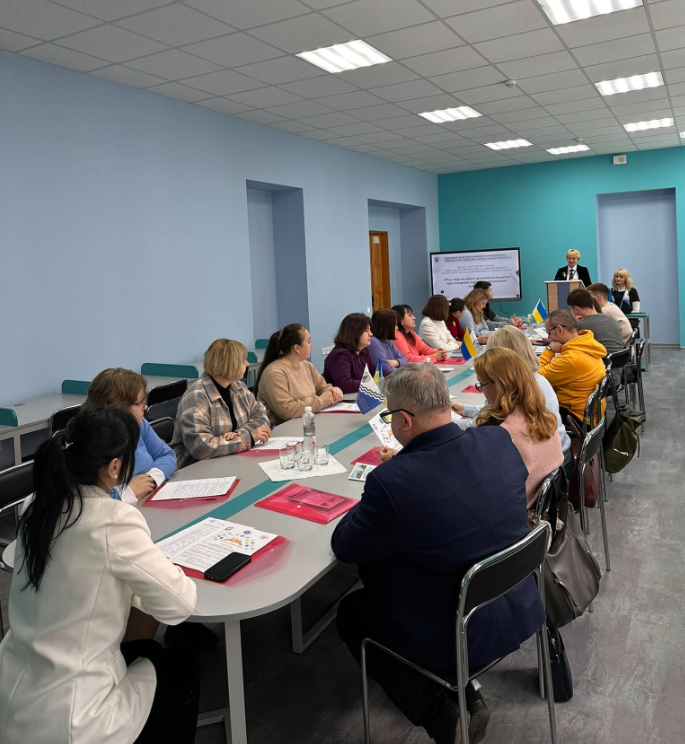
Vashkivtsi Smart Lab: Programming and 3D Modeling Workshop
Organisation: Vashkivetskyi ZZSO 1st-3rd centuries named after I. Bazhansky
Location: Vashkivtsi, Chernivtsi region
Participants: 250 | Educators: 13 | Activities: 28
Transformation of education and inclusion: The project changed the role of students from consumers to creators (makers). The practice of visualizing formulas into 3D objects removed the barrier of fear of mathematics, and the integration of programming with jewelry design allowed to attract 52% of girls, successfully overcoming gender stereotypes in STEM. Teachers received a working tool for modern practical teaching. Link: https://www.facebook.com/share/p/18nLtTaWdF/
Underserved focus: children who have moved (internally displaced persons)
“Smart Classroom: Robotics and AI for Modern Education”
Organisation: "Education Digital Hub"
Location: Ternopil city
Participants: 242 | Educators: 28 | Activities: 13
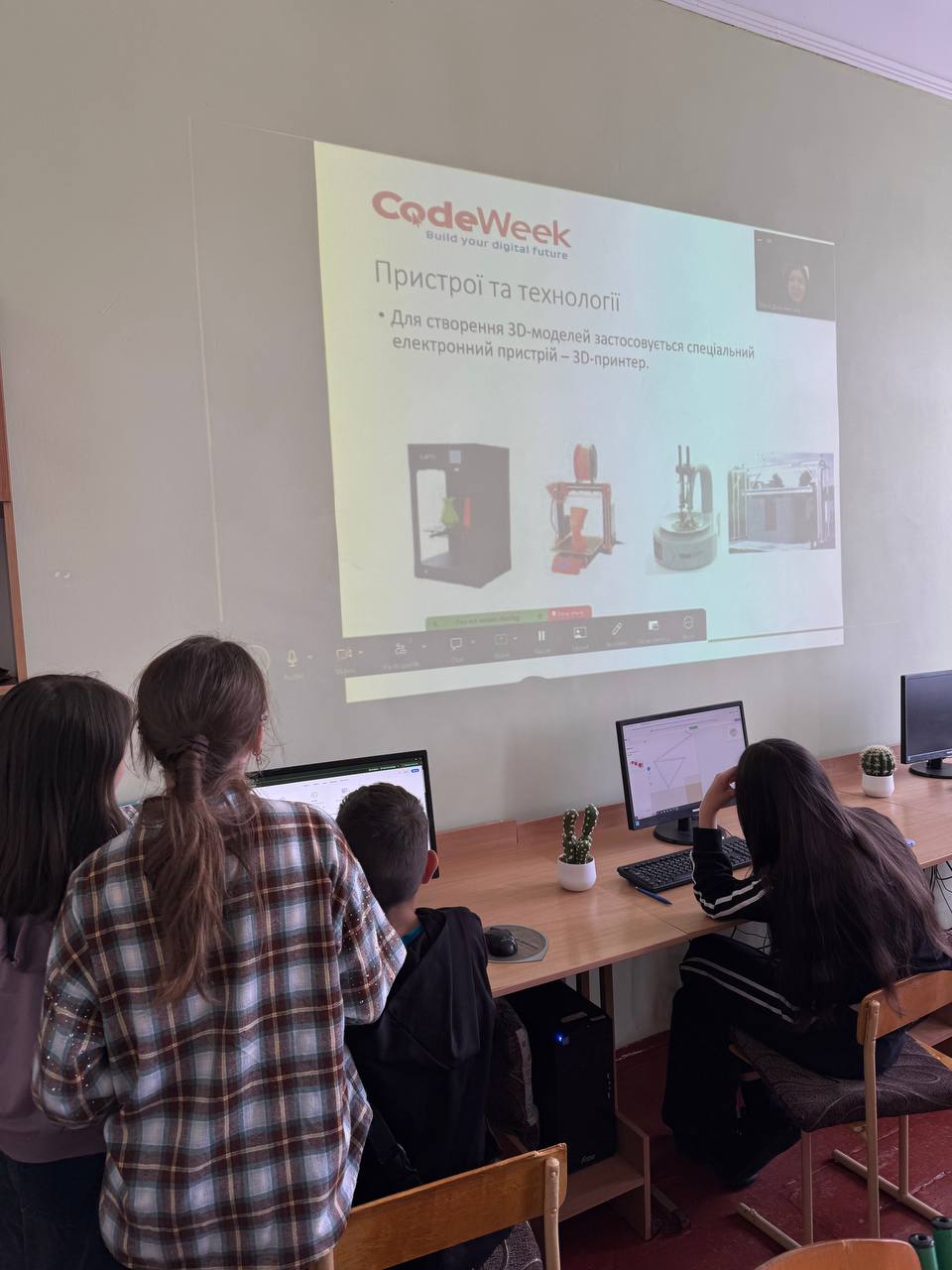
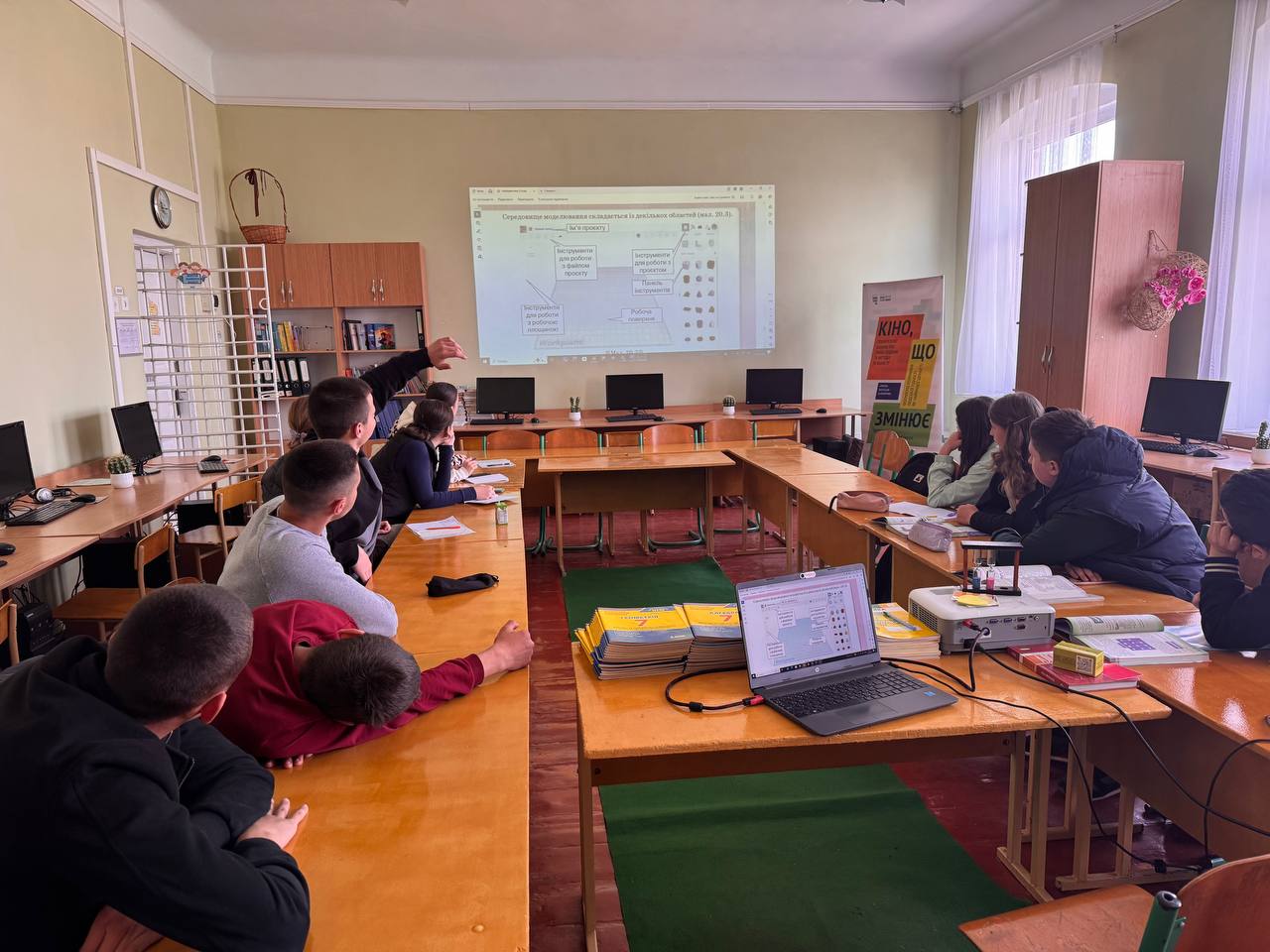
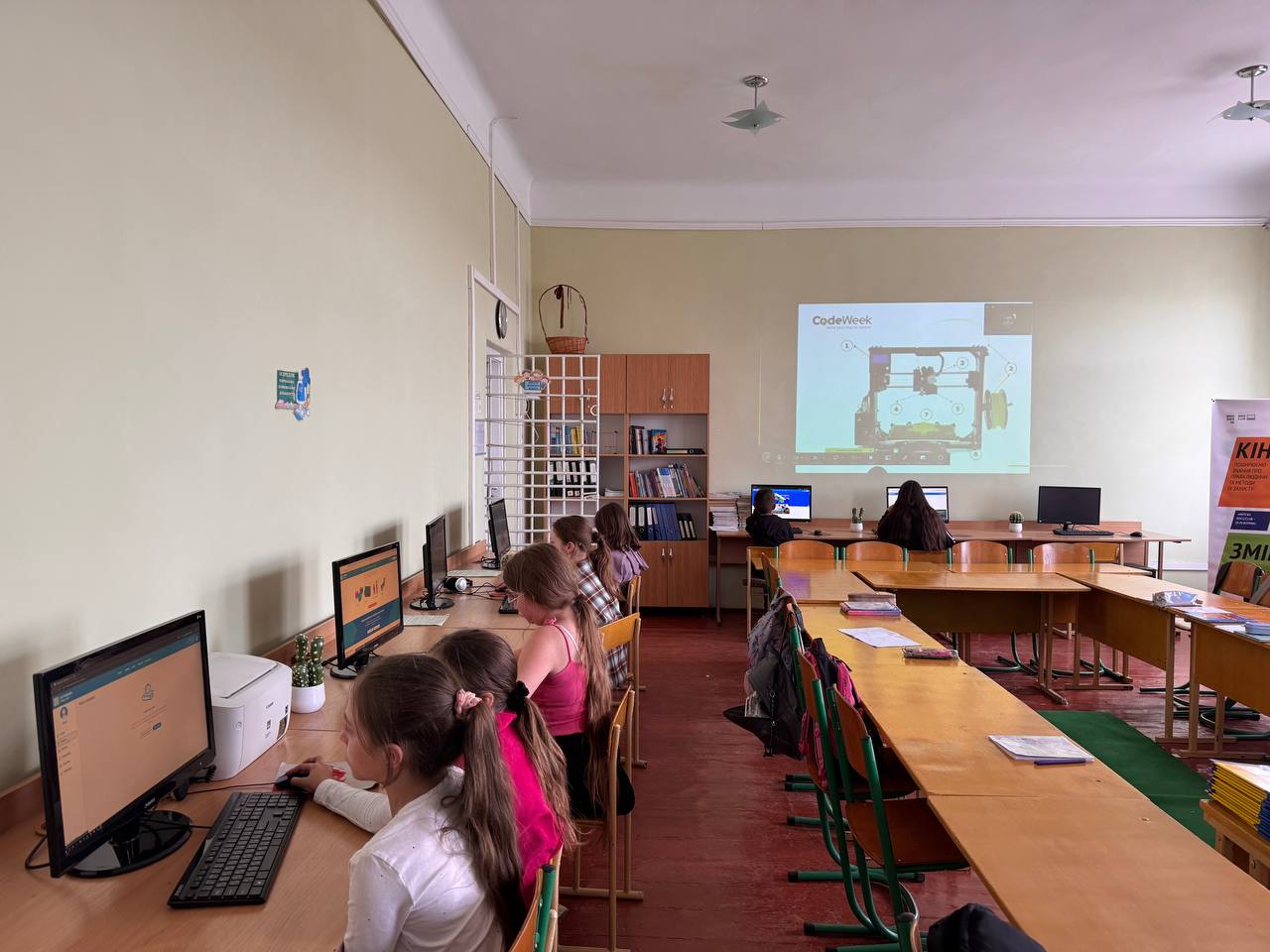
A feature of the implemented project was the creation of a modern educational space, which significantly expanded the opportunities of children and teachers in the field of digital education. At the time of the project, there were no such spaces in Ternopil, focused on a comprehensive combination of robotics, programming, STEM education and artificial intelligence. As a result of the project, an environment was created where students had the opportunity to work with modern equipment, learn the basics of programming, create their own projects, get acquainted with robotics and develop 21st century skills through practical activities.
Underserved focus: children who have moved (internally displaced persons)
Links:
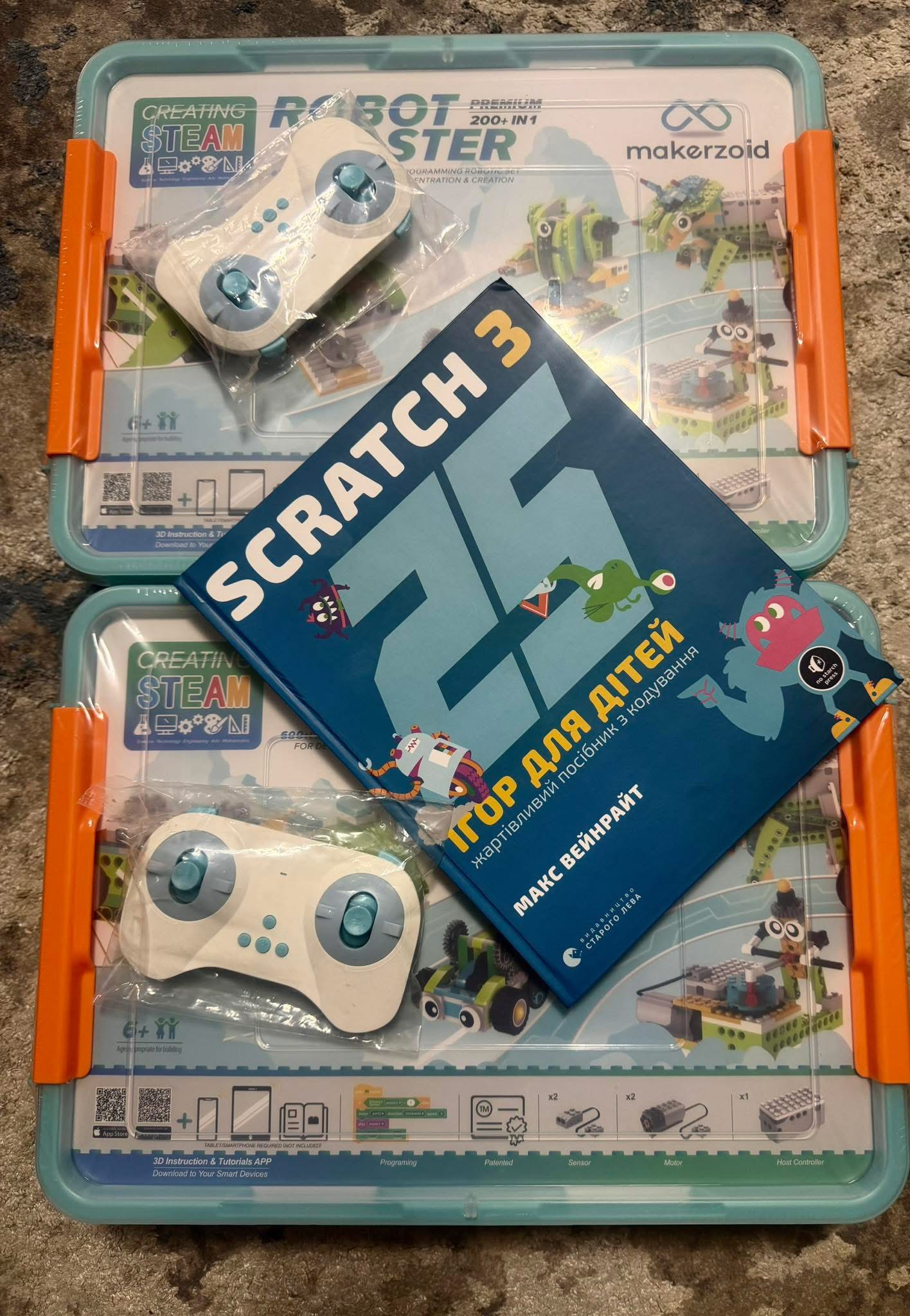
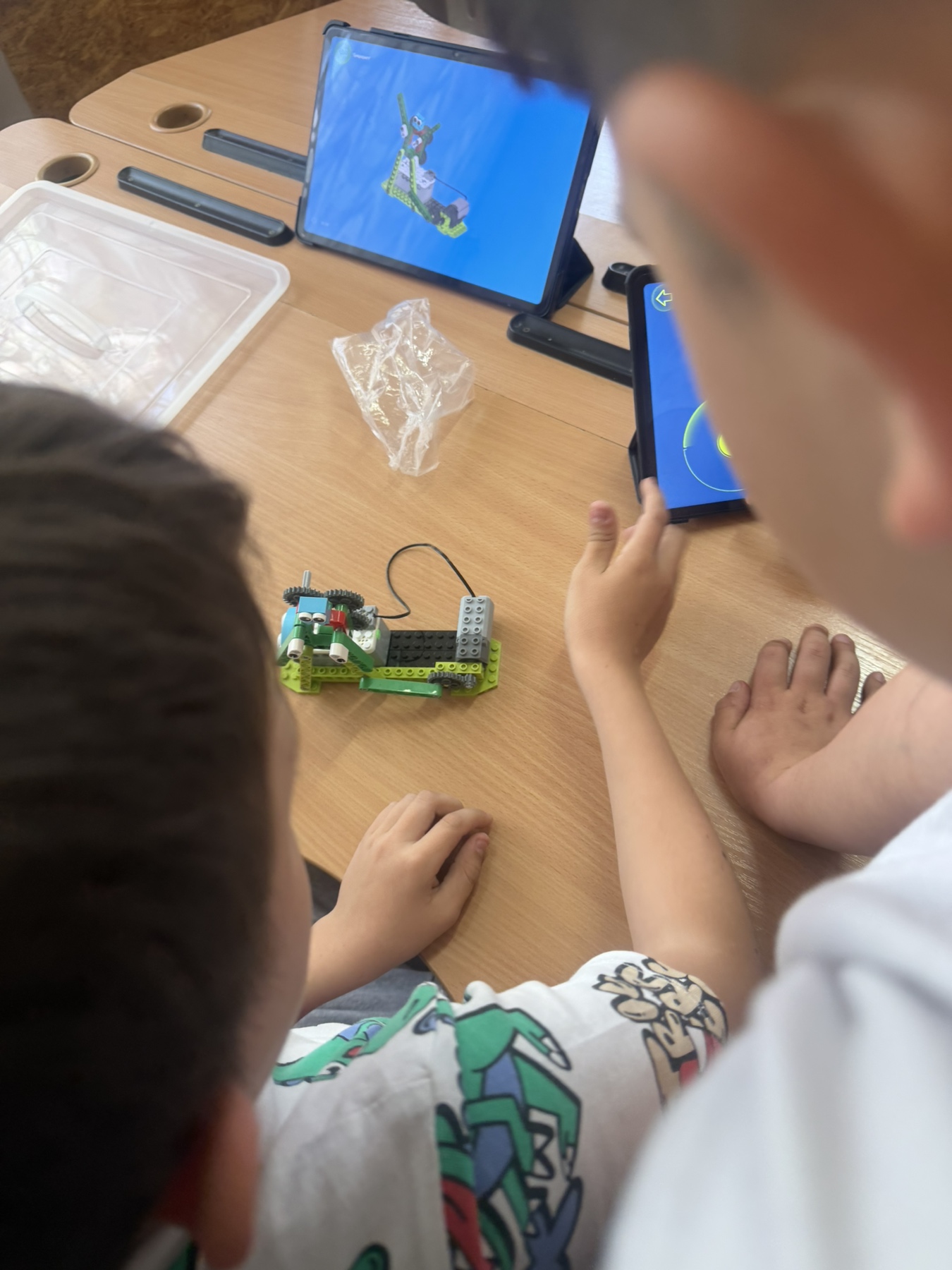
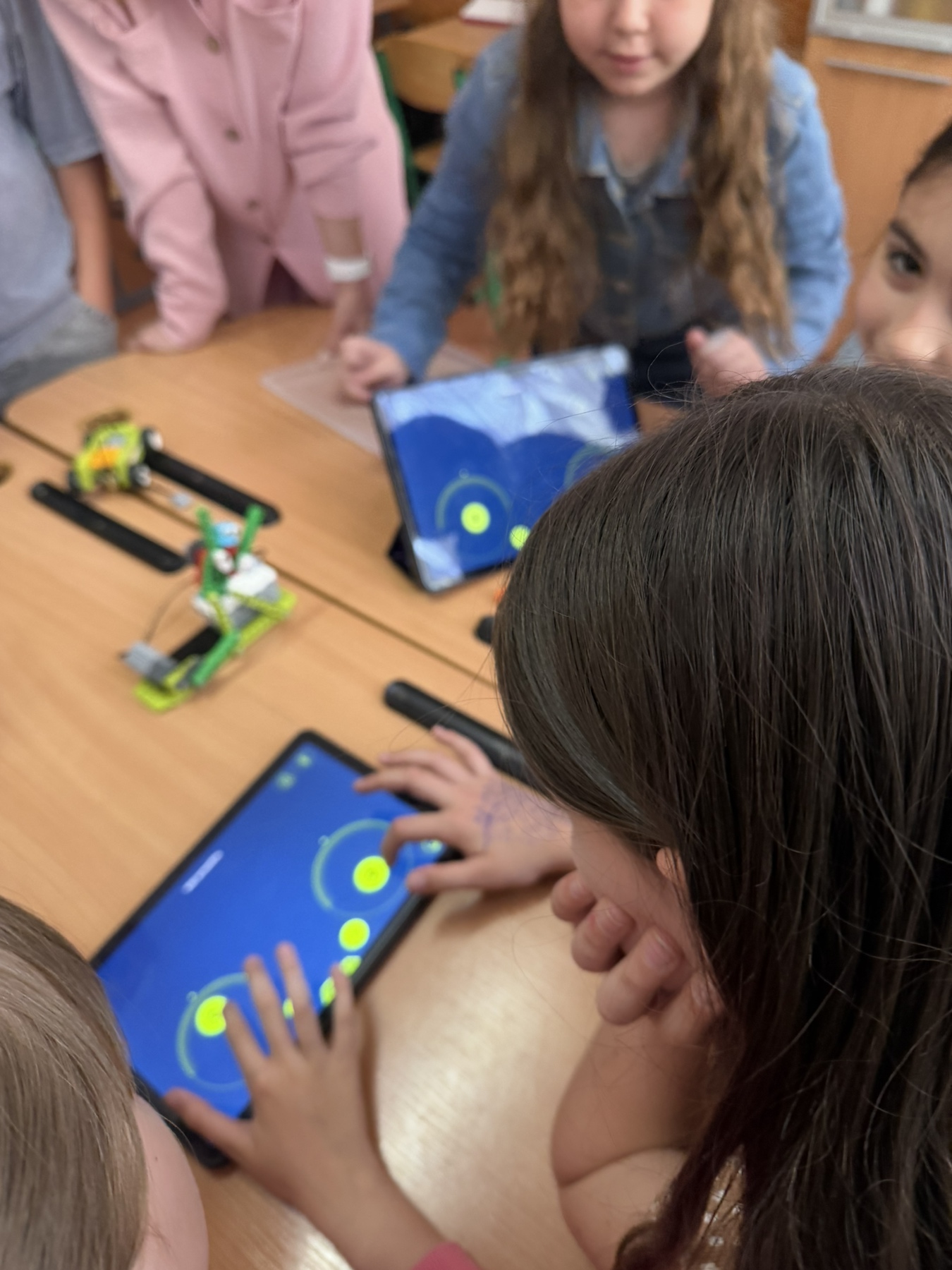
Marathon "IT guy! Who are they?"
Organisation: STATE INSTITUTION "CENTRAL STATE SCIENTIFIC-TECHNICAL LIBRARY OF MOUNTAIN-METALLURGICAL COMPLEX OF UKRAINE"
Location: Dnipro, Dnipropetrovsk region.
Participants: 102 | Educators: 5 | Activities: 16
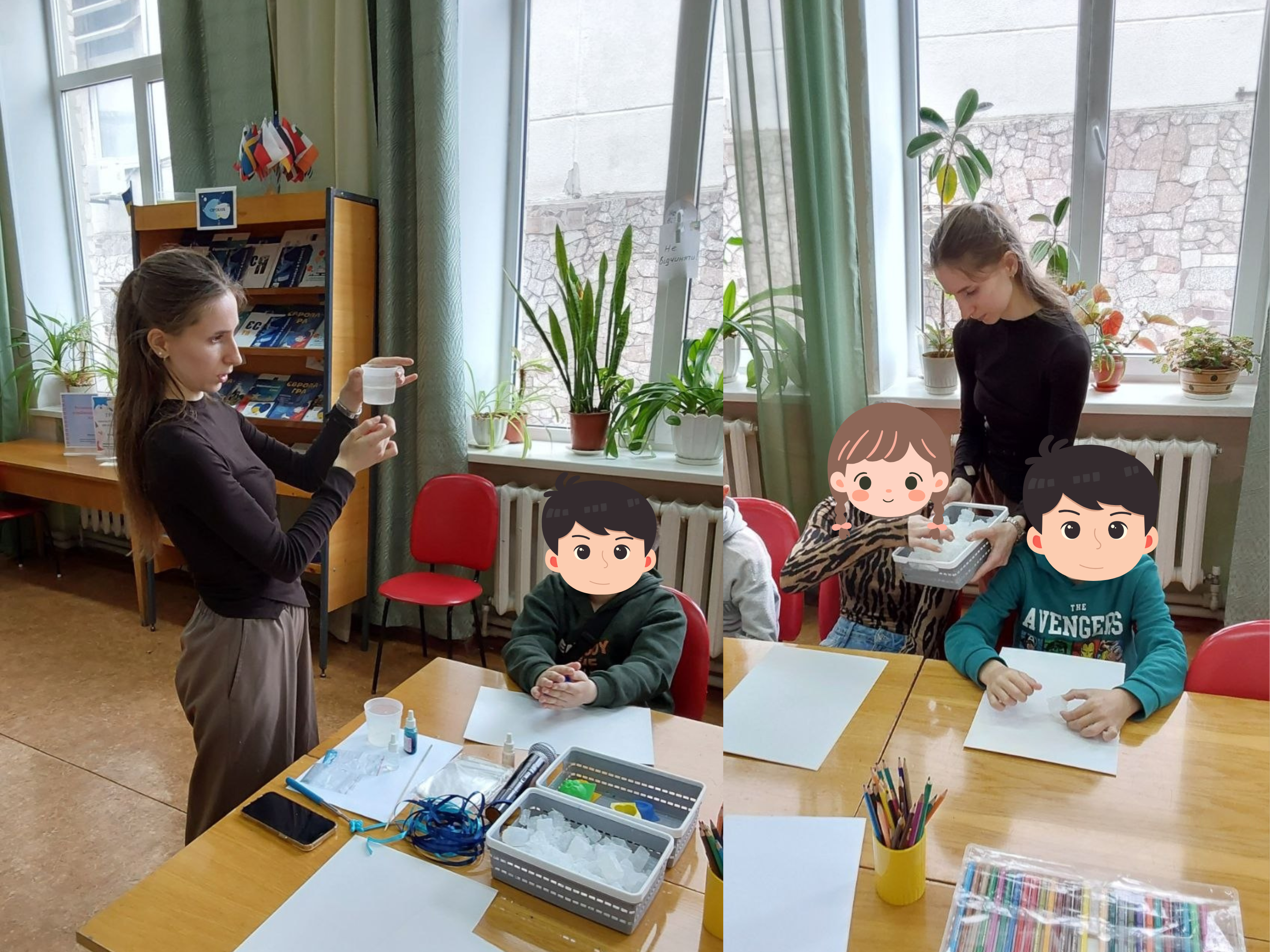
The results of the activity are positive, the youth showed interest in engineering education, through practical cases they learned about the variety of professions in this field, what educational and career opportunities there are for young people in our city and the country as a whole. Our team set an example for fellow librarians and educators - how to implement similar IT initiatives accessible to every child in their centers.
Underserved focus: Low employment/income outcomes, families with difficult living circumstances, children with special educational needs, children from single-parent families.
Links:
- https://cgntb.dp.ua/news_and_events/%d0%b3%d1%80%d0%b0%d0%bd%d1%82%d0%be%d0%b2%d0%b8%d0%b9-%d0%bf%d1%80%d0%be%d1%94%d0%ba%d1%82-small-grants-2/
- https://www.facebook.com/share/p/18e6F1GaUc/
- https://www.facebook.com/share/p/1HQavp8Y6t/
- https://www.facebook.com/share/r/1PBLjG9LTq/
- https://www.facebook.com/share/p/18ohV334h6/
- https://www.facebook.com/share/p/18jLfAguKW/
- https://t.me/vernadskogo23/5715
Poland – KPI Coalition
Projects funded: 8
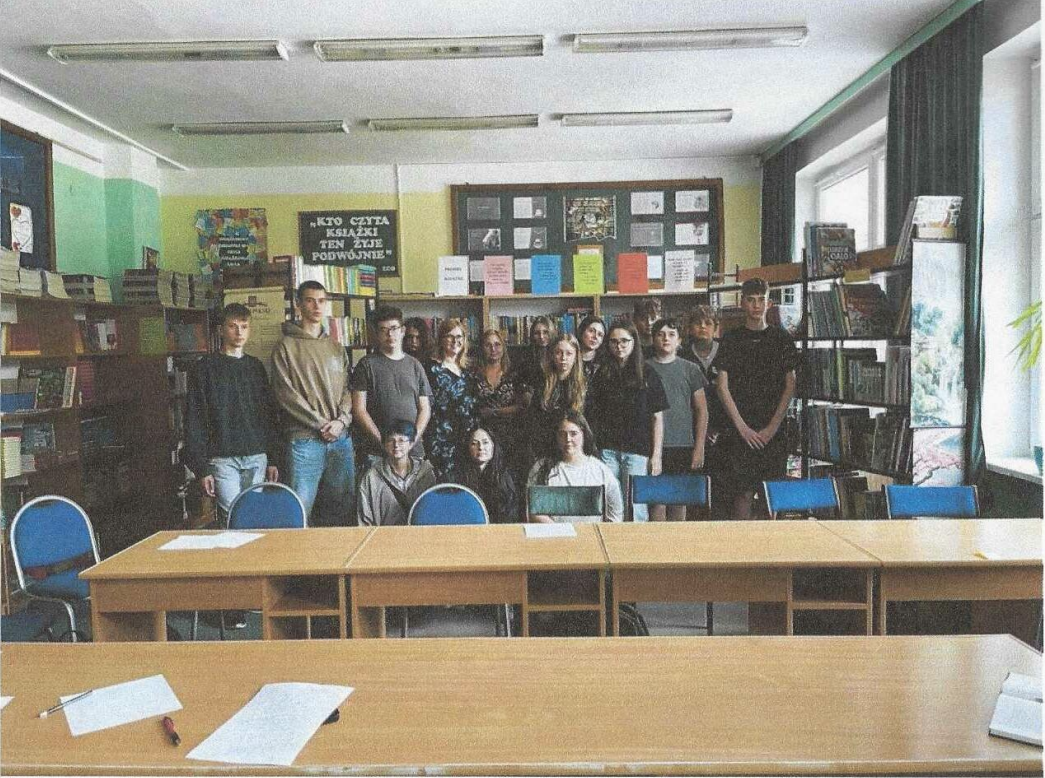
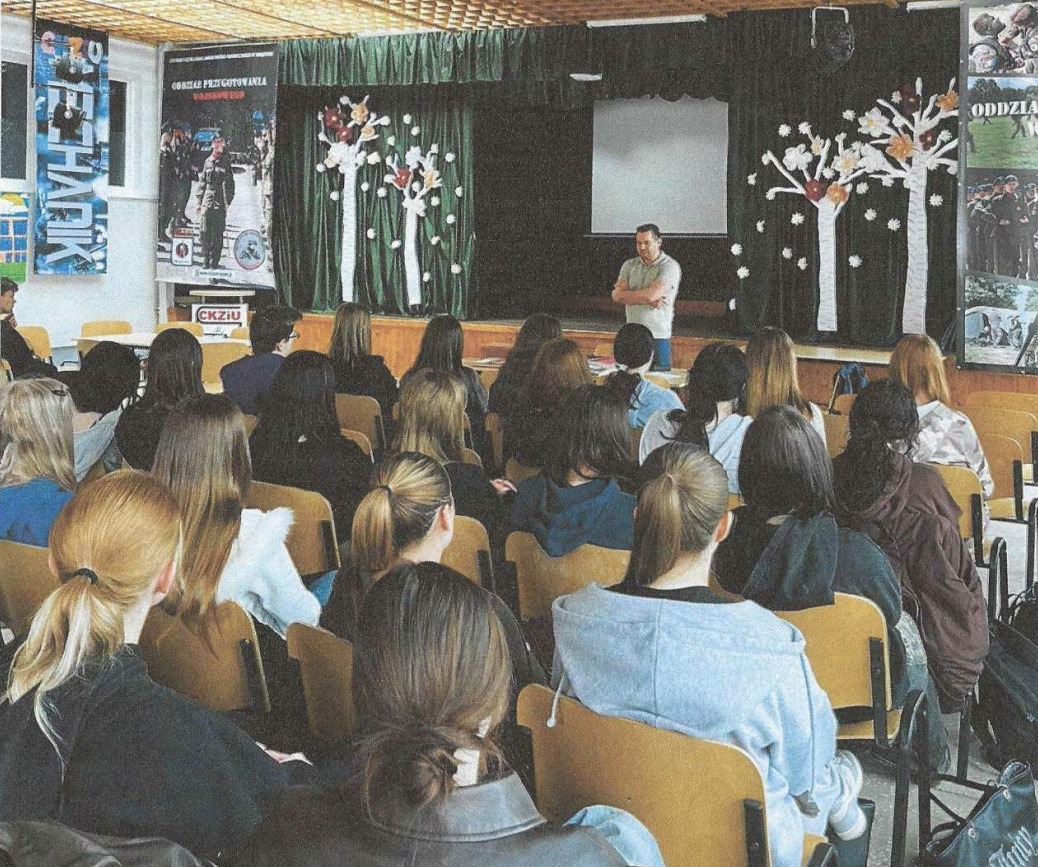
Participants reached: 723
Educators engaged: 18
Activities on Code Week platform: 0
Projects under this hub focused on coding and computational thinking, girls’ participation in STEM, teacher capacity building. Activities combined hands-on learning, practical technology use, collaboration, and project-based approaches, while strengthening participants’ digital confidence and creating resources or equipment that can continue to support learning beyond the funded period.
Funded Projects
Coding at the School by the Forest
Organisation: Primary School No. 15 in Zabrze
Location: Zabrze, Poland
Participants: 78 | Educators: 2
Improved educators' capacity to deliver engaging computational thinking and coding activities. Link: Not available
From Dot to Program
Organisation: Primary School No. 4 in Tarnobrzeg
Location: Tarnobrzeg, Poland
Participants: 98 | Educators: 5
Supported access to computational thinking, creative coding and safe digital learning. Link: https://from-dot-to-program.my.canva.site/
Developing Logical and Digital Skills in Preschool Children Through Coding
Organisation: Municipal Kindergarten No. 1 in Biłgoraj
Location: Biłgoraj, Poland
Participants: 291 | Educators: 2
Introduced age-appropriate computational thinking to 291 preschool children. Gender split is estimated at 51% girls and 49% boys. Link: Not available
Little Architects
Organisation: Polish Foundation for Development Pillars
Location: Łomża, Poland
Participants: 39 | Educators: 2
Participant lists indicate 39 places across two groups (21 girls and 18 boys); cross-group deduplication remains to be confirmed. Link: Not available
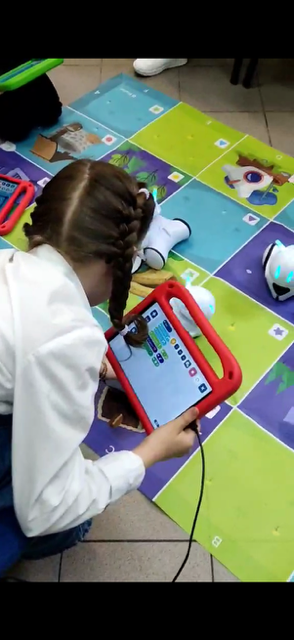
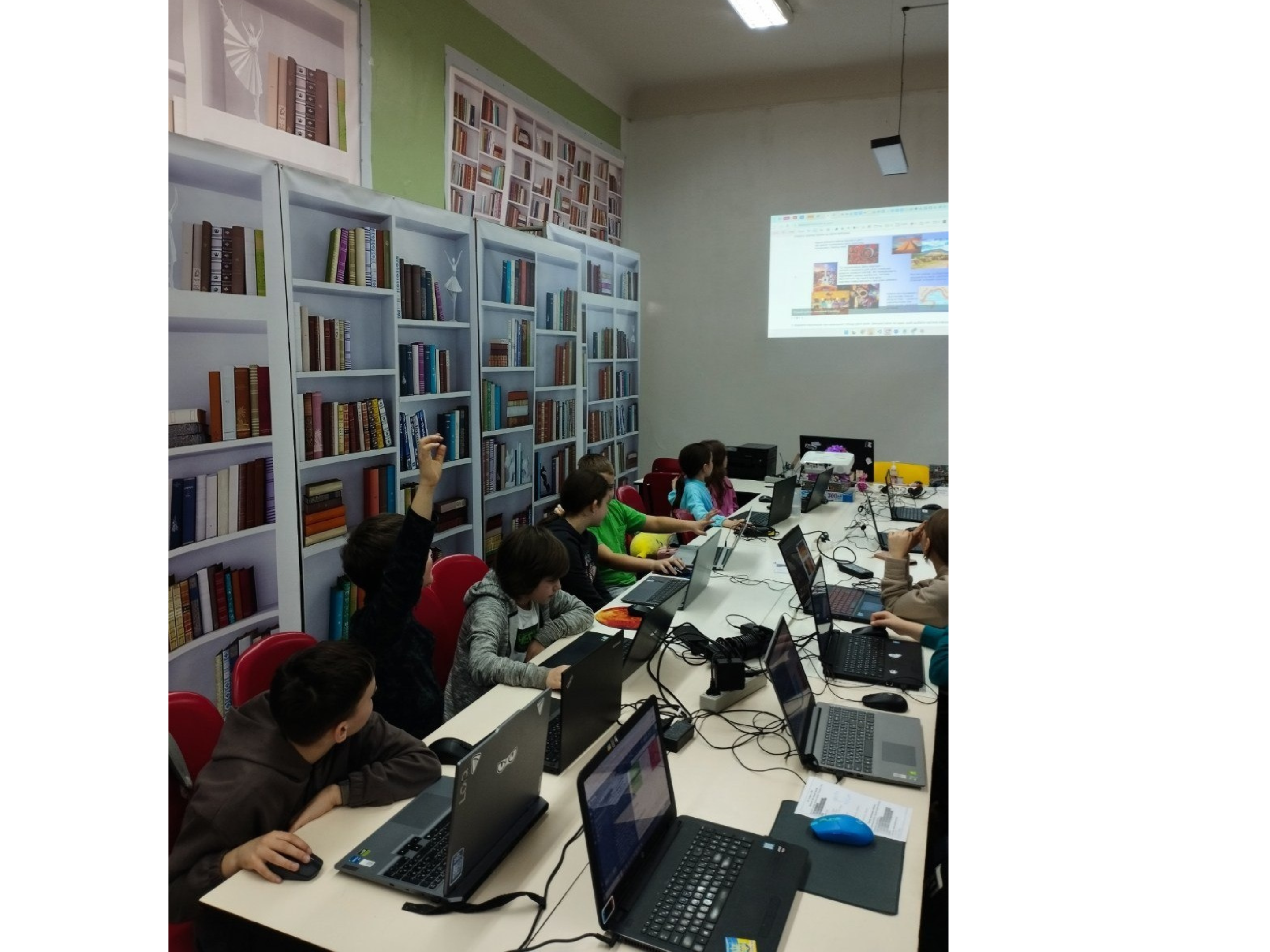
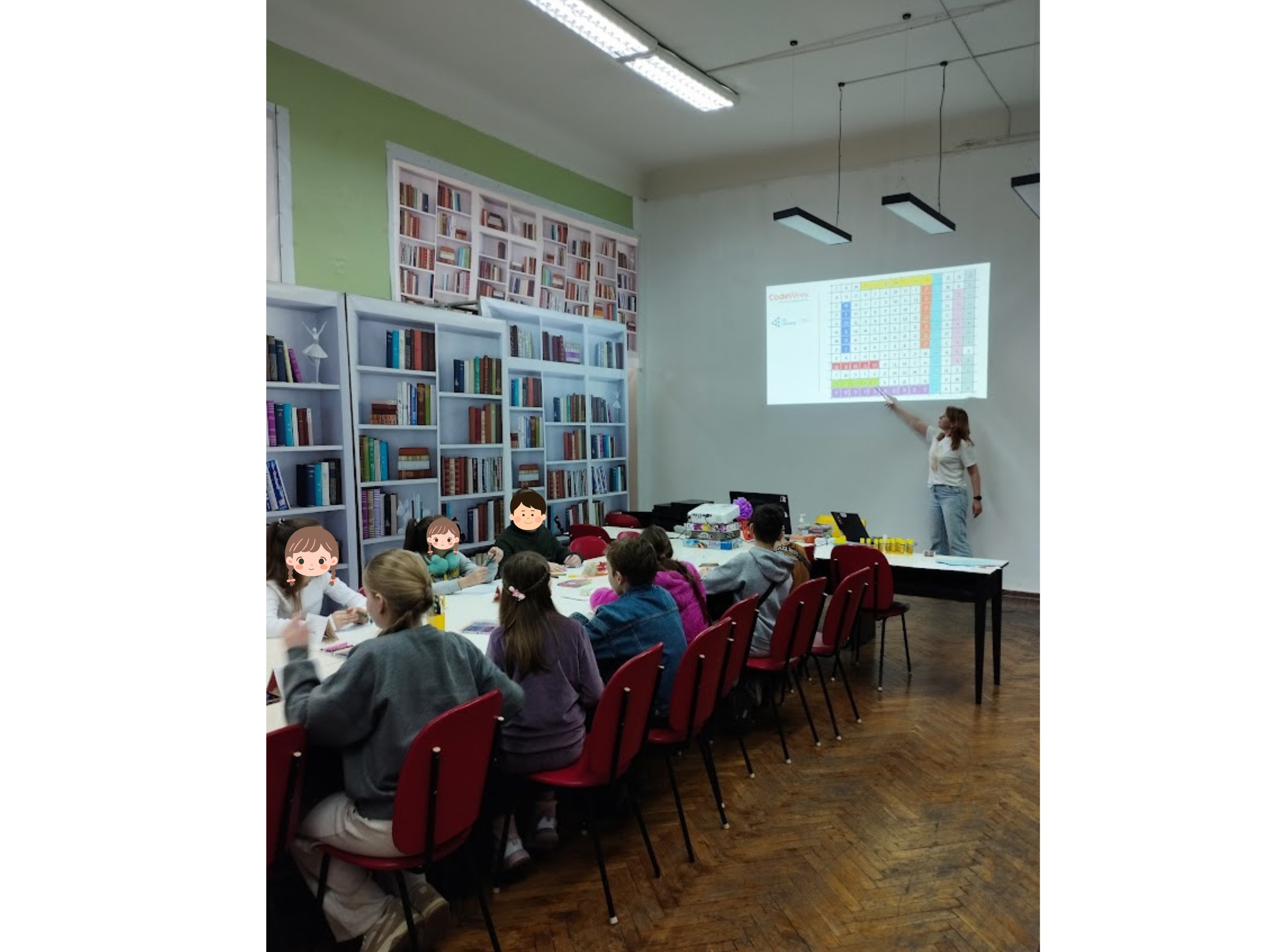
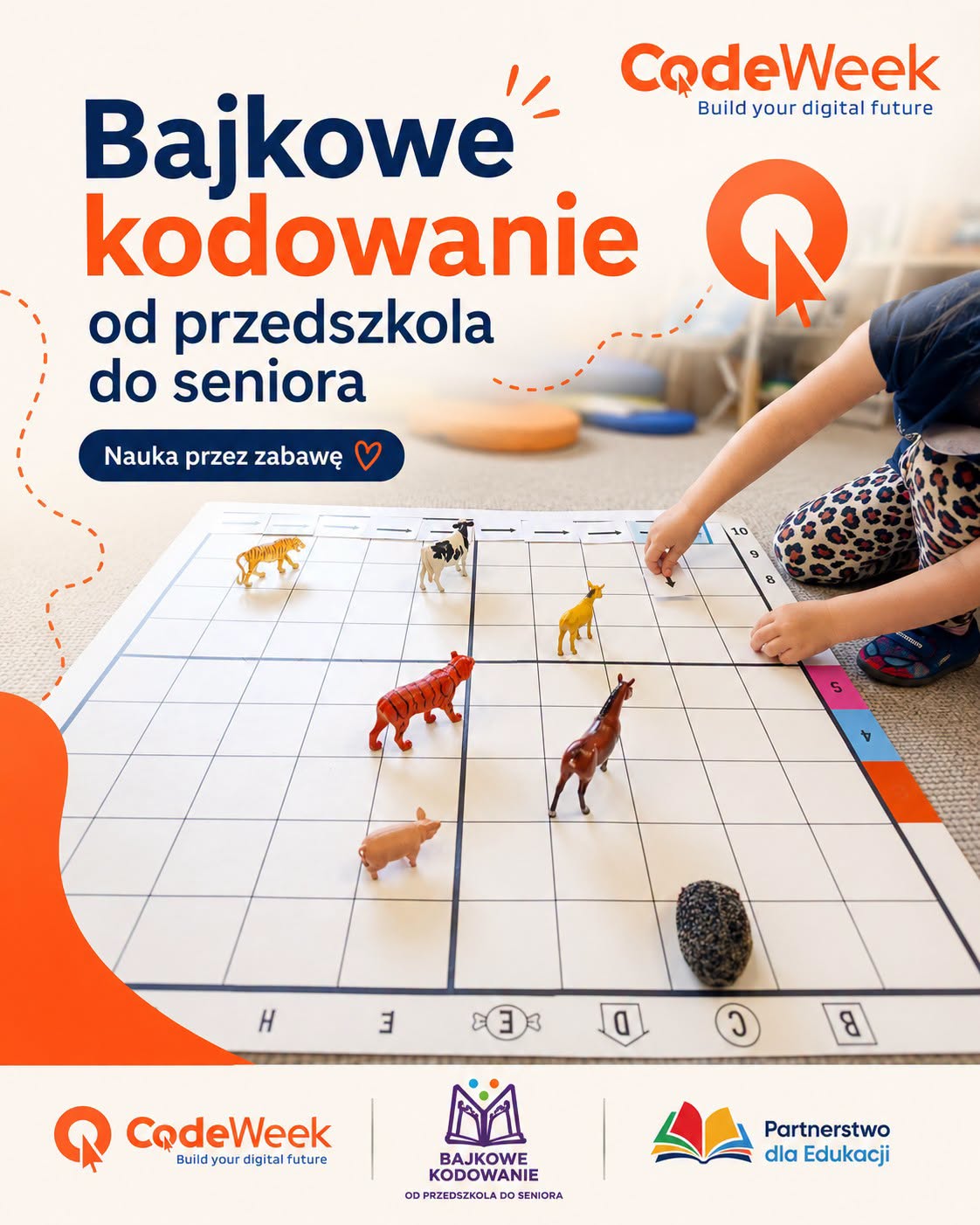
Fairy-Tale Coding: From Preschool to Seniors
Organisation: Association 'Our Szczytno Land'
Location: Szczytno, Poland
Participants: 62 | Educators: 2
Strengthened early computational thinking and intergenerational cooperation. Link: Not available
Underserved focus: Intergenerational participation including seniors
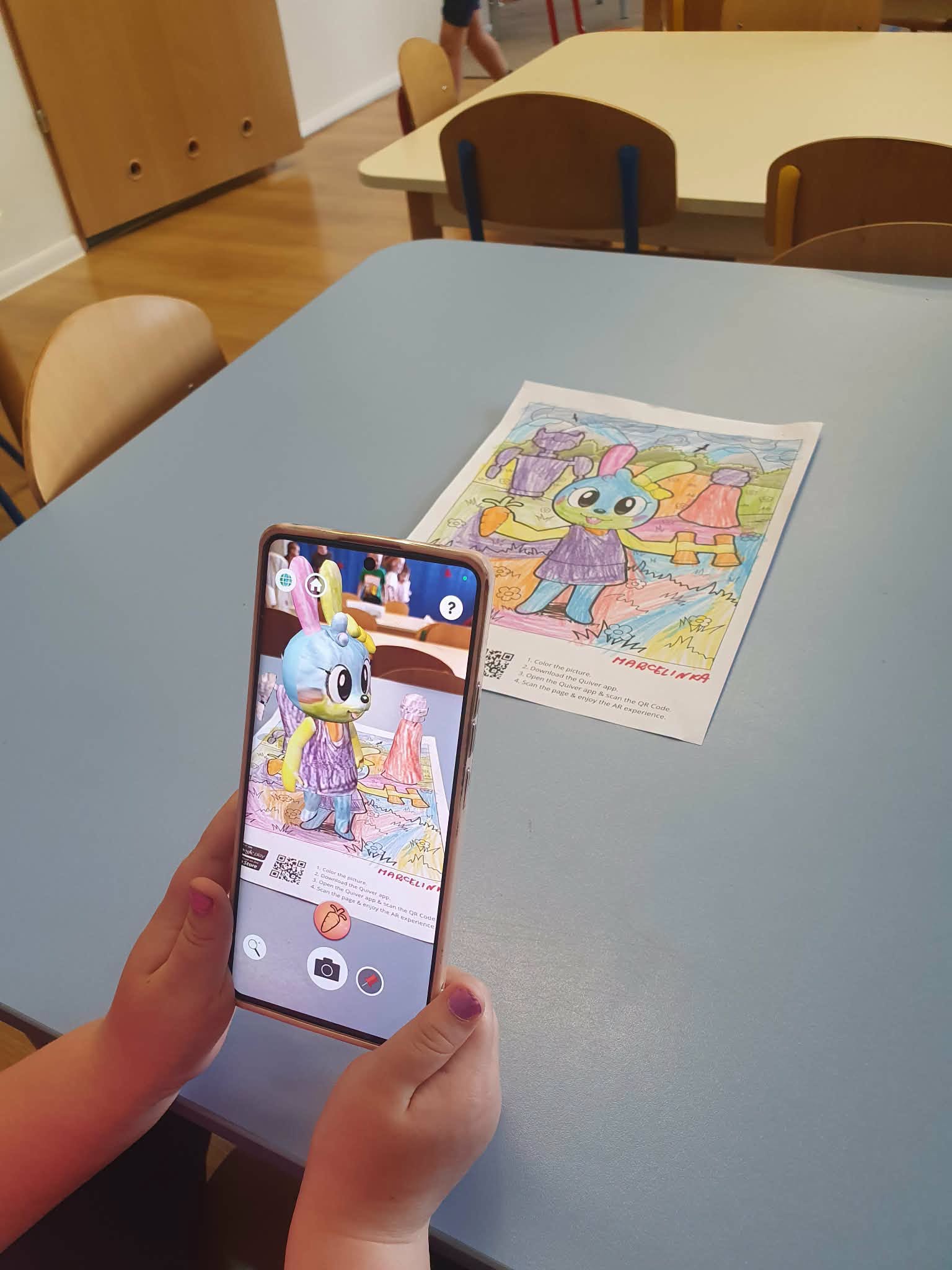
SmartStation LEGO SPIKE Coders – Robotics and Computational Thinking for Rural Children Aged 5+
Organisation: SmartStation Educational Centre – Aleksandra Jowik
Location: Rural communities near Radom, Poland
Participants: 23 | Educators: 2
Broadened access to hands-on coding and STEM education in rural communities. The count of 23 is provisional, based on purchased participant gifts. Link: Not available
Underserved focus: Rural children with limited access to digital education
Coding from the Start – Computational Thinking in Grades 1–3
Organisation: Marta Choińska
Location: Łomża, Poland
Participants: 72 | Educators: 1
Supported early computational thinking and equal participation in STEAM; educator count is based on the planned lead teacher. Link: Not available
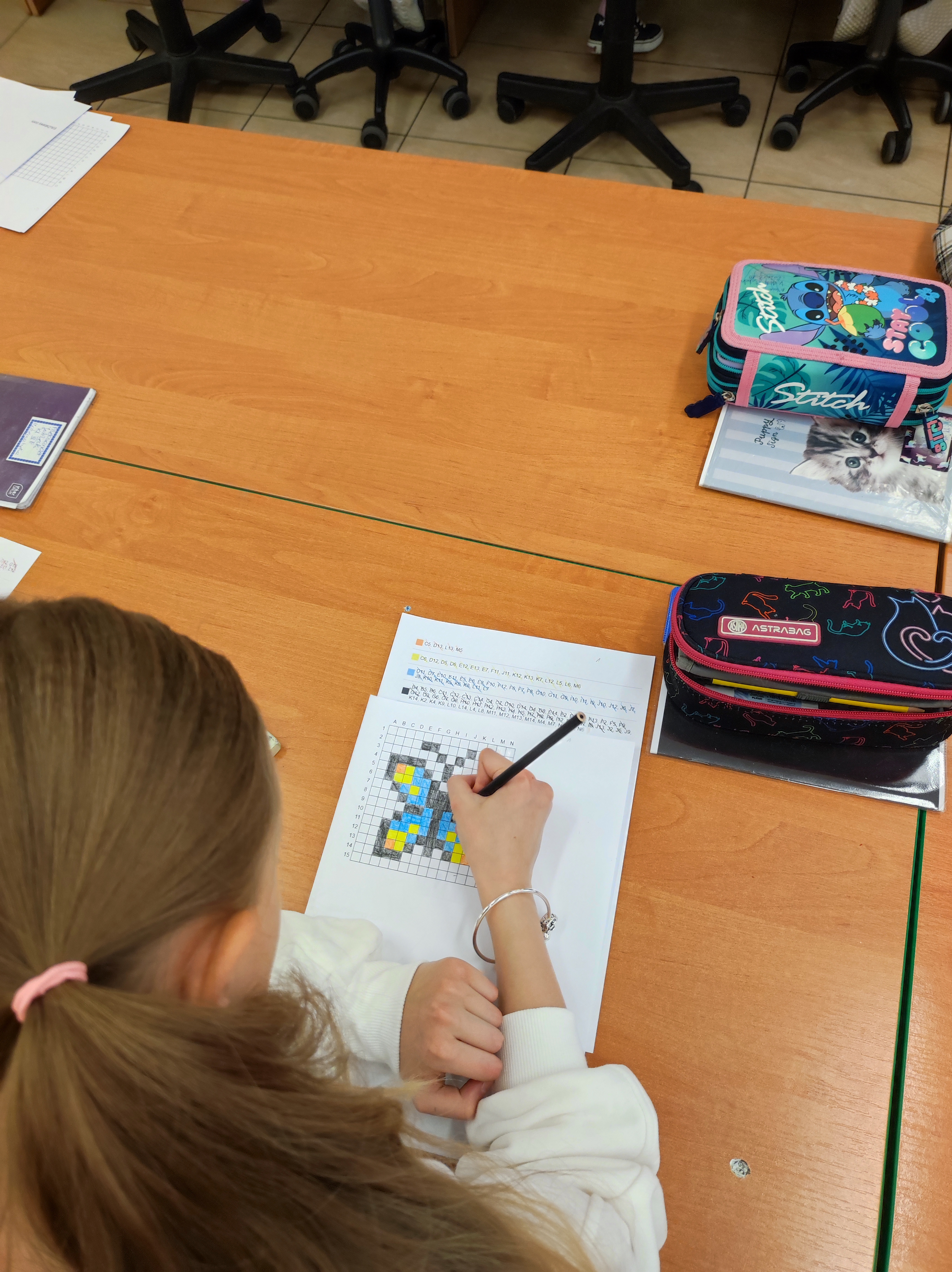
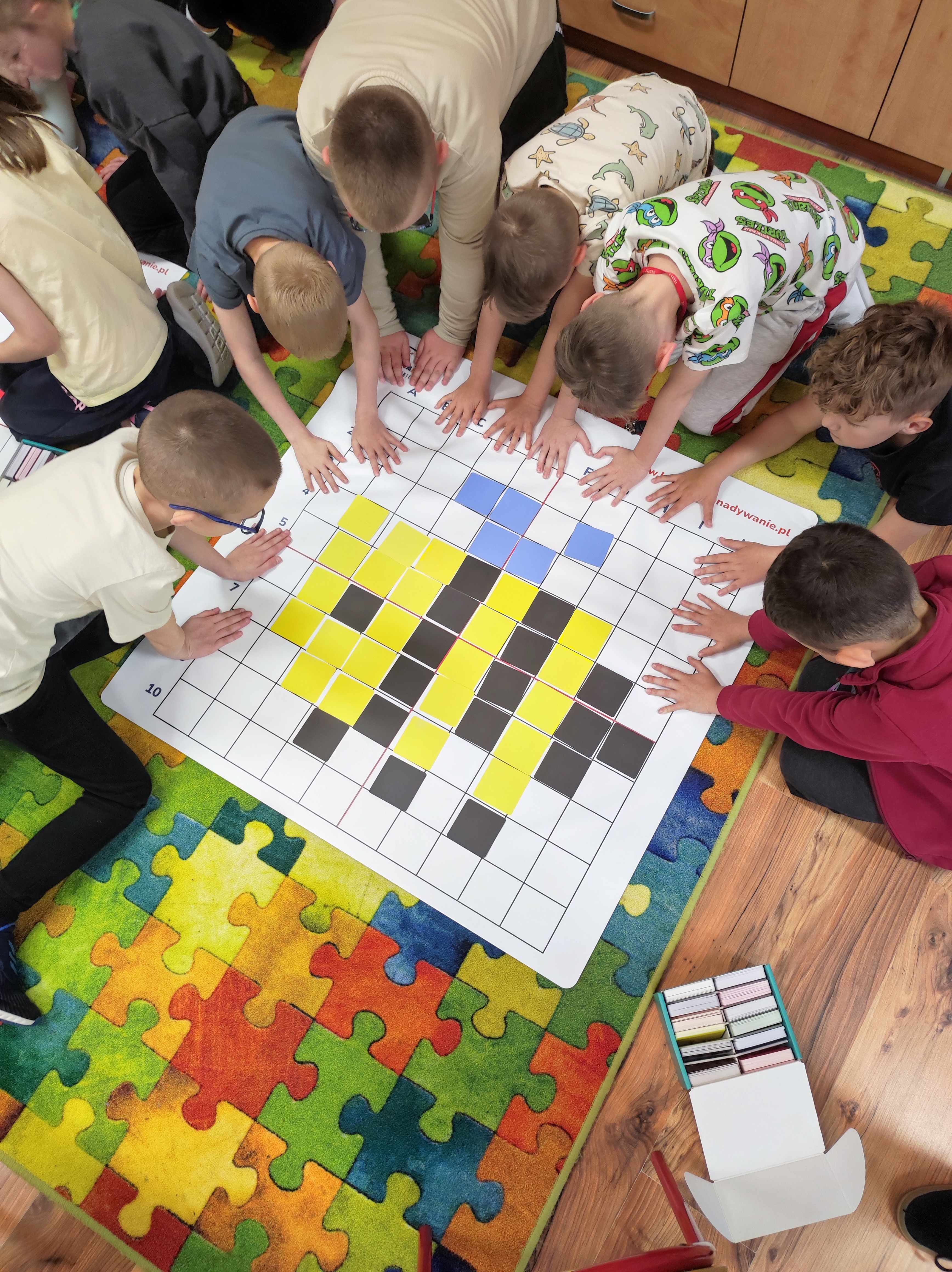
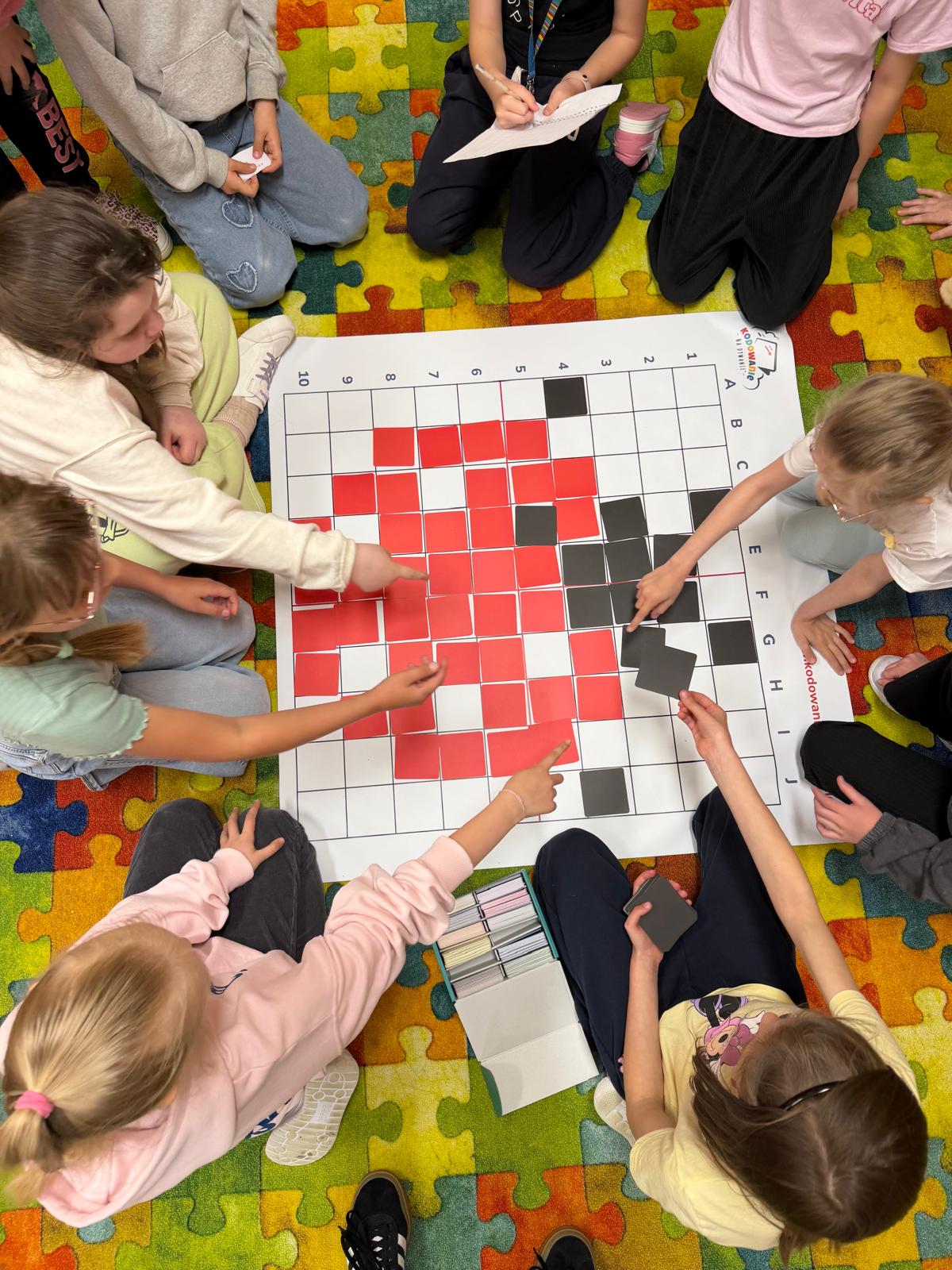
Mrągowo 80.0 – Coding the City's History Through Peer Education
Organisation: Centrum Kształcenia Zawodowego i Ustawicznego w Mrągowie
Location: Mrągowo, Poland
Participants: 60 | Educators: 2
Peer mentoring and intergenerational exchange supported digital skills and local community engagement. Link: Not available
Underserved focus: Intergenerational learning; older students mentor younger students
Malta – eSkills Malta
Projects funded: 3
Participants reached: 570
Educators engaged: 5
Activities on Code Week platform: 26
Projects under this hub focused on robotics, coding and computational thinking, environmental education, teacher capacity building. Activities combined hands-on learning, practical technology use, collaboration, and project-based approaches, while strengthening participants’ digital confidence and creating resources or equipment that can continue to support learning beyond the funded period.
Funded Projects
Community Coding Hubs at Maltese Libraries
Organisation: Nobel Courses
Location: Malta
Participants: 102 | Educators: 1 | Activities: 6
The project reached 102 young people, including 88 females, supporting greater female participation in coding and digital skills. Participants gained practical experience and confidence in coding, robotics and emerging technologies through interactive, hands-on learning. The parental showcase also extended the project’s impact to families and encouraged wider community engagement with digital skills.
Links:
- https://codeweek.eu/view/1431933/robotics-and-coding-workshop-for-young-learners
- https://codeweek.eu/view/1431932/robotics-and-coding-workshop-for-young-learners
- https://codeweek.eu/view/1431931/robotics-and-coding-workshop-for-young-learners
- https://codeweek.eu/view/1431930/robotics-and-coding-workshop-for-young-learners
- https://codeweek.eu/view/1431732/robotics-and-coding-workshop-for-young-learners
- https://codeweek.eu/view/1429615/robotics-and-coding-workshop-for-young-learners
Bebras Bytes
Organisation: Bebras Malta
Location: Malta
Participants: 250 | Educators: 2 | Activities: 15
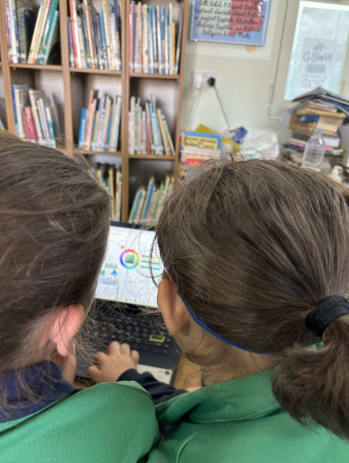
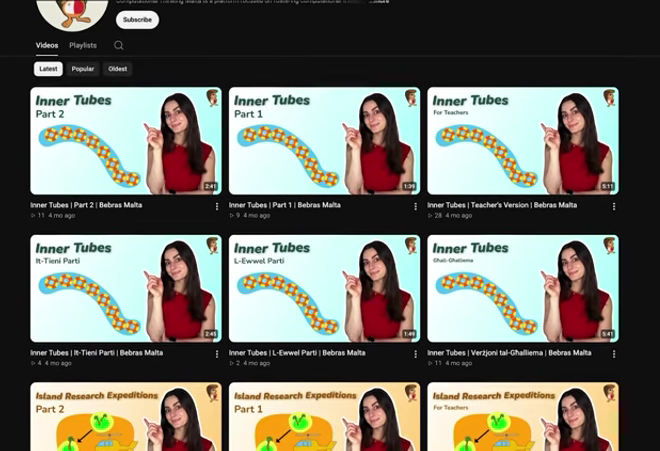
The project has created a sustainable and inclusive bilingual resource that can be reused across multiple student cohorts while reducing language barriers for Maltese-speaking learners. Its teacher-led approach strengthens educators’ ability to introduce computational thinking effectively and supports meaningful classroom engagement rather than passive viewing. Integration with the Bebras Challenge provides significant potential for national reach, building on participation of approximately 2,500 students in 2024/25 and 3,000 students in 2025/26, while creating a resource that can continue supporting computational-thinking education beyond the funded project period. Link: https://www.youtube.com/@computationalthinkingmalta
Coding the Past, Designing the Future: Rabat as a Digital Heritage Classroom
Organisation: St Paul’s Missionary College
Location: Rabat and Mdina Malta
Participants: 218 | Educators: 2 | Activities: 5
The project provided students with a meaningful opportunity to apply coding, computational thinking and environmental science within a real-world local heritage context. Through designing coding resources and collecting and analysing air-quality data, students strengthened their digital, scientific, problem-solving and data interpretation skills while developing a greater appreciation of Malta’s cultural heritage. The environmental monitoring identified differences in humidity and eCO₂ levels across the locations studied, while readings remained within ranges generally associated with good outdoor air quality.
Links:
- https://codeweek.eu/view/1520647/the-heritage-pathfinders-botley-robotics-neighborhood-mapping
- https://codeweek.eu/view/1520674/escape-from-melite-a-sphero-robotics-adventure
- https://codeweek.eu/view/1520695/escape-from-melite-coding-rabat-in-scratchjr
- https://codeweek.eu/view/1520712/sensing-history-air-quality-monitoring-with-microbit-vr
- https://codeweek.eu/view/1520720/smart-infrastructure-and-traffic-engineering-smart-gates-with-microbit
Romania – UPB
Projects funded: 3
Participants reached: 458
Educators engaged: 45
Activities on Code Week platform: 8
Projects under this hub focused on robotics, coding and computational thinking, girls’ participation in STEM, teacher capacity building. Activities combined hands-on learning, practical technology use, collaboration, and project-based approaches, while strengthening participants’ digital confidence and creating resources or equipment that can continue to support learning beyond the funded period.
Funded Projects
RO2D2 Code & Build Lab
Organisation: Pay It Forward RO2D2 Association
Location: Ploiești, Romania
Participants: 20 | Educators: 3 | Activities: 1
The project provided students with practical exposure to programming and educational robotics and supported algorithmic thinking, problem-solving, technological creativity and teamwork. Its inclusion approach admitted students regardless of prior knowledge, encouraged girls’ participation, promoted female STEM role models and aimed for balanced team roles. The modular curriculum can be adapted and replicated in other schools and communities. Link: https://www.ro2d2team.com/en/
„Virtual Exploration of Romania” (Ro-VIBE)
Organisation: Economic College “Costin C. Kirițescu”
Location: Bucharest, Romania, plus online activities
Participants: 398 | Educators: 22 | Activities: 4
The Ro-VIBE platform recorded 398 approved student entries, while 385 contributions received 921 evaluations from 22 active evaluators organised into six commissions. The project connected pupils, students, teachers, specialists and educational and cultural institutions and demonstrated how GIS, photography and interactive mapping can facilitate the documentation and promotion of cultural heritage. The closing symposium showcased participants’ work and recognised creativity, involvement, scientific accuracy and artistic sensitivity through trophies and medals. Link: Not available
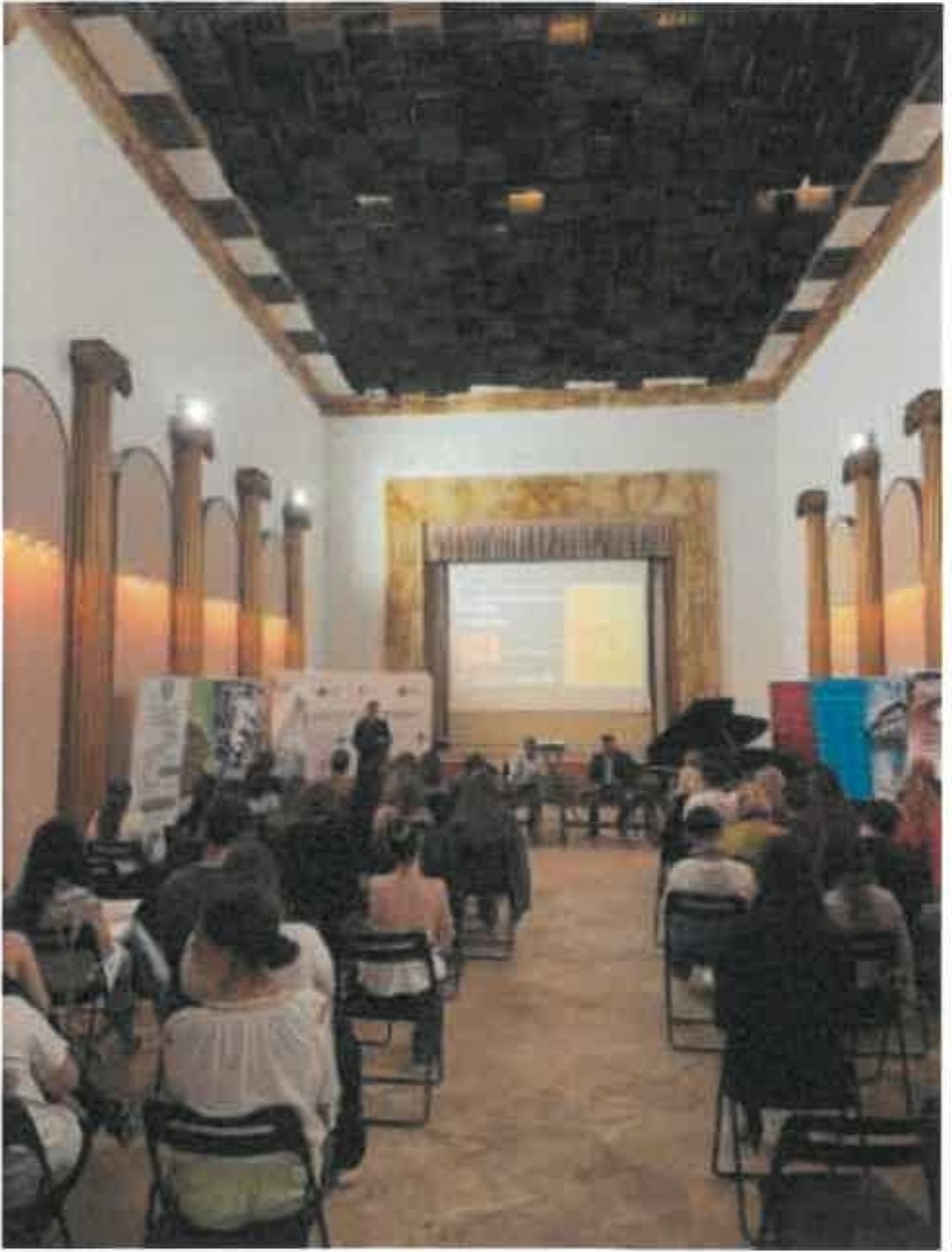
AstroHub – Exploring the Universe through Coding
Organisation: National College “Nicolae Iorga”
Location: Vălenii de Munte, Romania
Participants: 40 | Educators: 20 | Activities: 3
The project developed programming, computational-thinking, problem-solving, teamwork, robotics, sensor-integration, project-planning and presentation skills. It increased students’ interest in programming, robotics, astronomy and space exploration by placing coding activities in practical scientific contexts. The project directly involved 40 high-school students and indirectly reached more than 150 students and approximately 20 teachers. Link: Not available
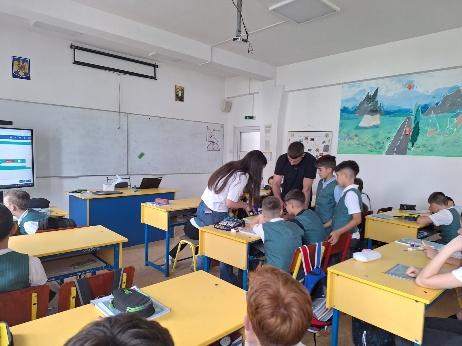
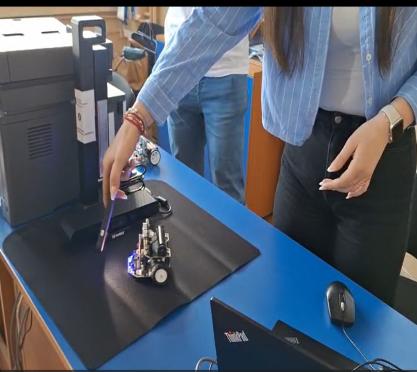
Ireland – Microsoft Dream Space
Projects funded: 3
Participants reached: 320
Educators engaged: 15
Activities on Code Week platform: 3
Projects under this hub focused on coding and computational thinking, environmental education, girls’ participation in STEM, teacher capacity building. Activities combined hands-on learning, practical technology use, collaboration, and project-based approaches, while strengthening participants’ digital confidence and creating resources or equipment that can continue to support learning beyond the funded period.
Funded Projects
EcoCoders, A Biodiversity & Climate Action Coding Lab
Organisation: Ballinakill Mixed NS
Location: Ireland
Participants: 98 | Educators: 5 | Activities: 1
The project had a very positive impact on both pupils and staff. • Increased enthusiasm and confidence in coding and computational thinking. • Encouraged greater participation of girls in STEM through collaborative and creative activities. Link: Not available
LEGO Spike Club
Organisation: Loreto Girls school on the Green
Location: Ireland
Participants: 180 | Educators: 6 | Activities: 1
The project has had a significant impact on student engagement with STEM subjects. Through hands-on learning experiences, students have been encouraged to think creatively, solve problems, and explore different approaches to challenges. The open-ended nature of the activities has inspired students to think outside the box and develop innovative solutions. Link: Not available
SMART POLYTUNNEL: GROWING DIGITAL SKILLS WITH MICRO:BITS
Organisation: Curraghboy National School, Curraghboy, Athlone, Co. Roscommon
Location: Ireland
Participants: 42 | Educators: 4 | Activities: 1
Improved pupil understanding of coding and digital technologies. • Increased awareness of sustainability, climate action and food growing. • Development of problem-solving, teamwork and communication skills. Link: Not available
Cyprus – CY.R.I.C
Projects funded: 7
Participants reached: 1,016
Educators engaged: 80
Activities on Code Week platform: 19
Projects under this hub focused on robotics, environmental education, girls’ participation in STEM. Activities combined hands-on learning, practical technology use, collaboration, and project-based approaches, while strengthening participants’ digital confidence and creating resources or equipment that can continue to support learning beyond the funded period.
Funded Projects
STEAM Builders – Strengthening Engineering and Digital Skills for Children, Young People and Educators
Organisation: Apoplous Cultural Center
Location: Famagusta District, Cyprus
Participants: 56 | Educators: 6 | Activities: 2
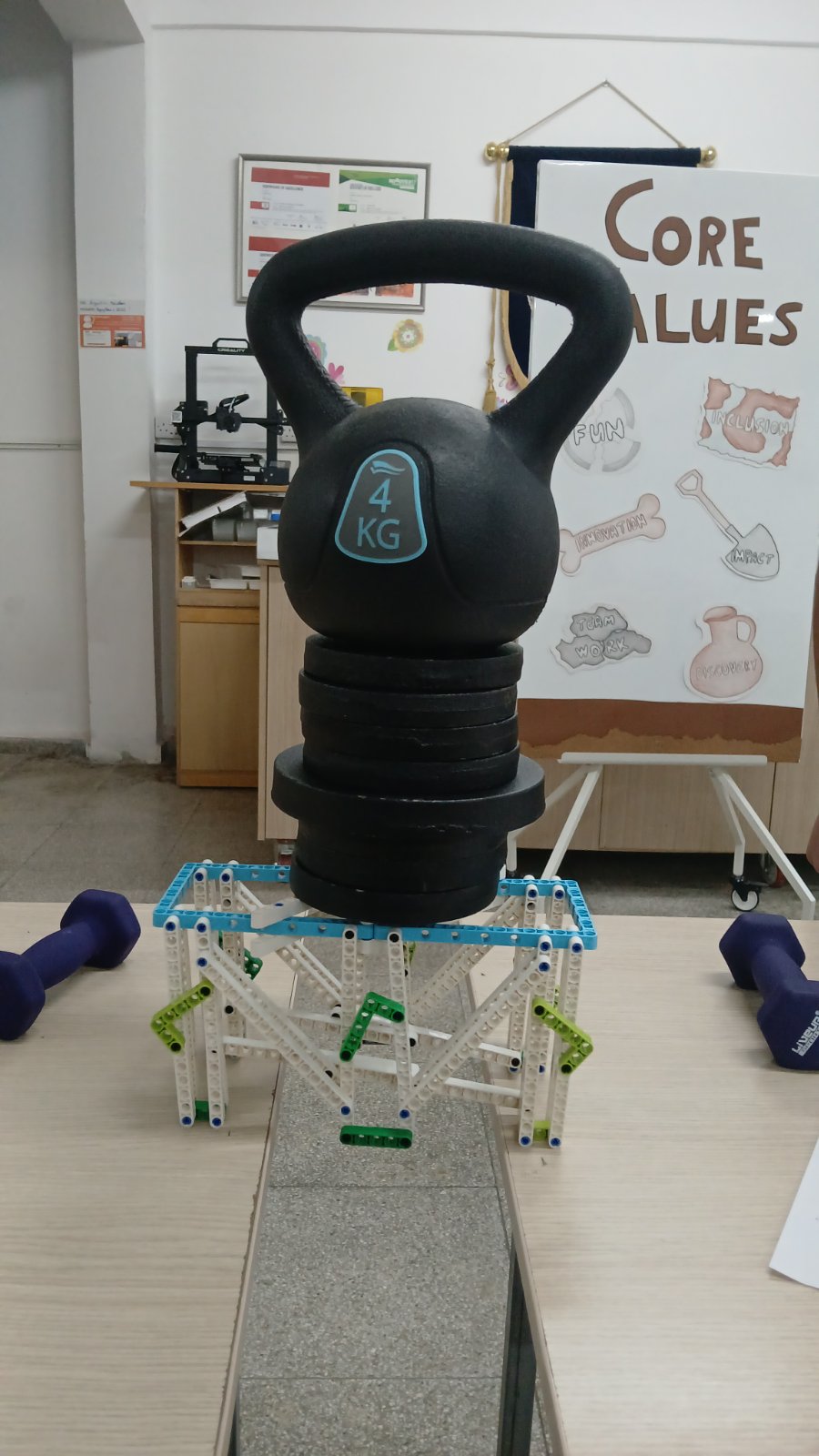
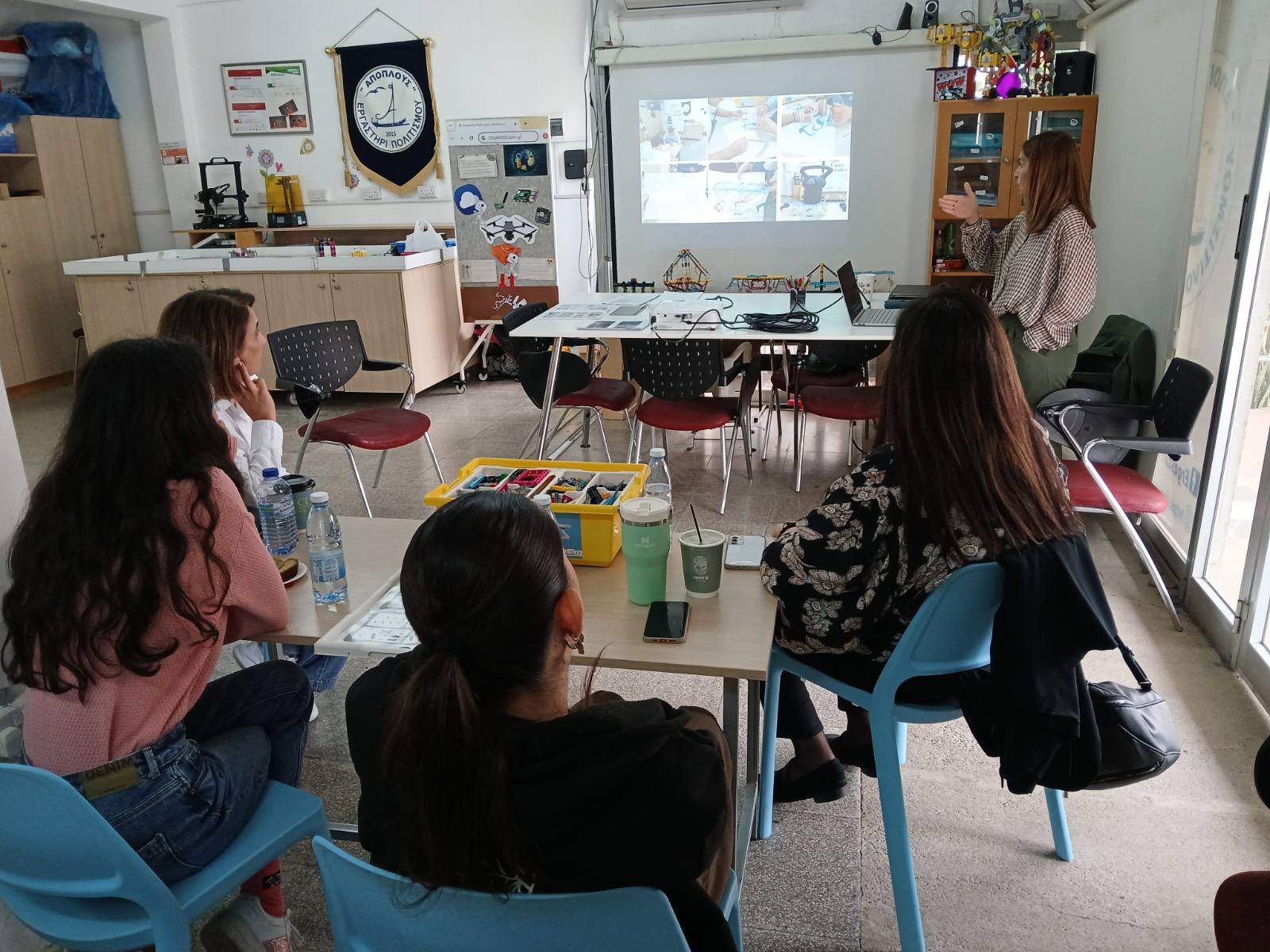
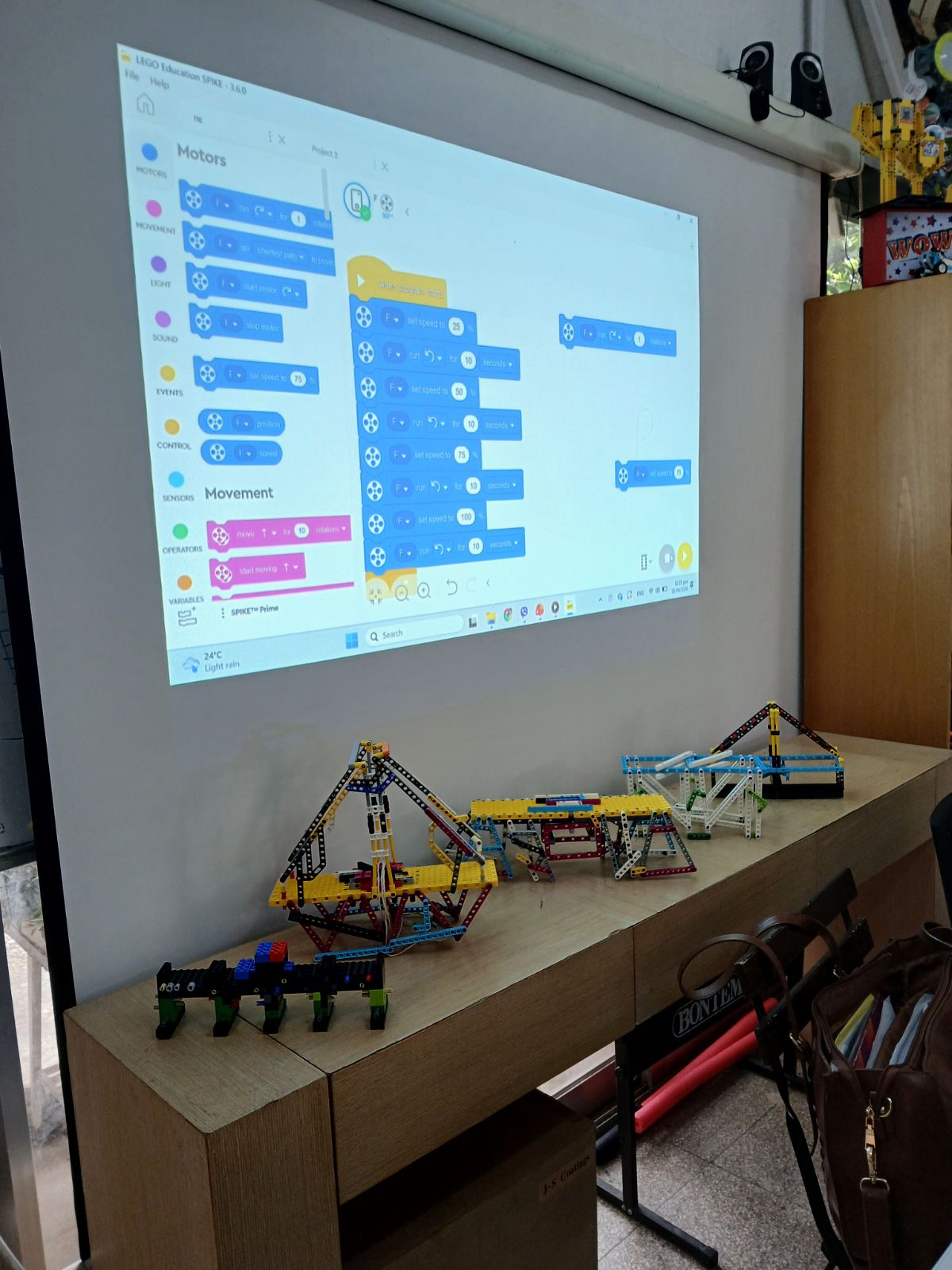
The workshops successfully transformed theoretical concepts in physics and engineering into an interactive, hands-on learning experience. Using LEGO SPIKE Prime, students explored practical engineering challenges such as how to support weight safely, while the activities were successfully adapted for both primary and secondary school students. Participants gained a practical understanding of key engineering principles, including structural stability, centre of gravity, symmetry, force distribution, bending and buckling. Link: https://www.facebook.com/profile.php?id=100013273629472
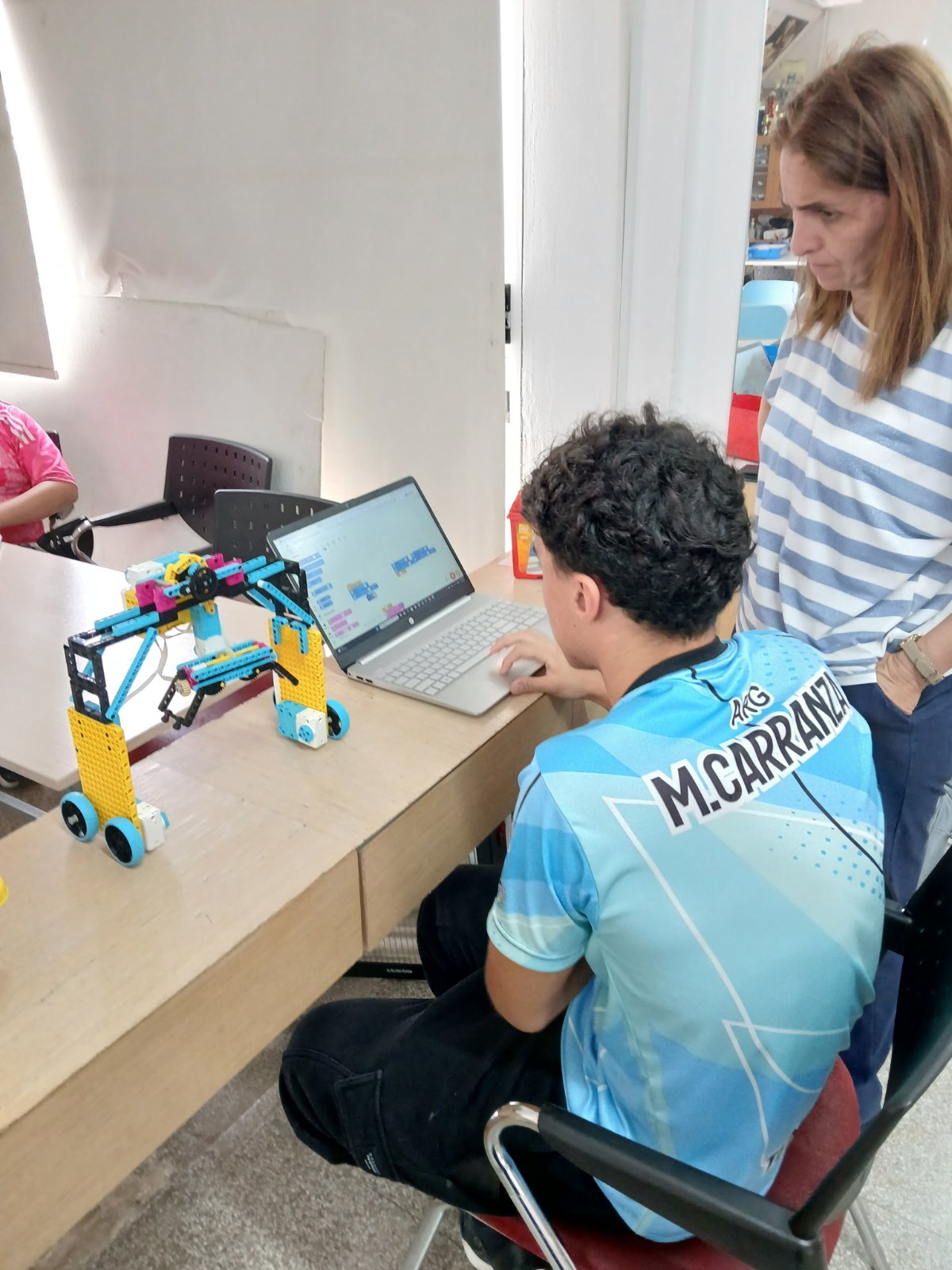
MasterMind V3 The maze runner
Organisation: Agios Vasileios Gymnasium
Location: Famagusta District, Cyprus
Participants: 96 | Educators: 5 | Activities: 1
The activity successfully combined entertainment with learning, offering students an engaging, hands-on experience across the STEAME disciplines. Through experimental challenges and game-based learning, participants applied their existing knowledge, developed new skills, and strengthened their understanding of how Mathematics, Physics, Chemistry, Technology and Computer Science are interconnected. Key benefits included improved teamwork and communication, stronger problem-solving and critical-thinking skills, greater familiarity with programming and algorithmic thinking, and increased creativity.
Links:
- https://ios.org.cy/%ce%b1%ce%bd%ce%b1%ce%ba%ce%bf%ce%b9%ce%bd%cf%89%cf%83%ce%b5%ce%b9%cf%83/
- https://codeweek.eu/view/1407240/mastermind-v3-the-maze-runner
- https://www.facebook.com/story.php?story_fbid=122158011362669507&id=61570085224998&rdid=Xk7Pd9dFLZyqicFd#
- https://www.facebook.com/share/p/17K9K3L6KX/
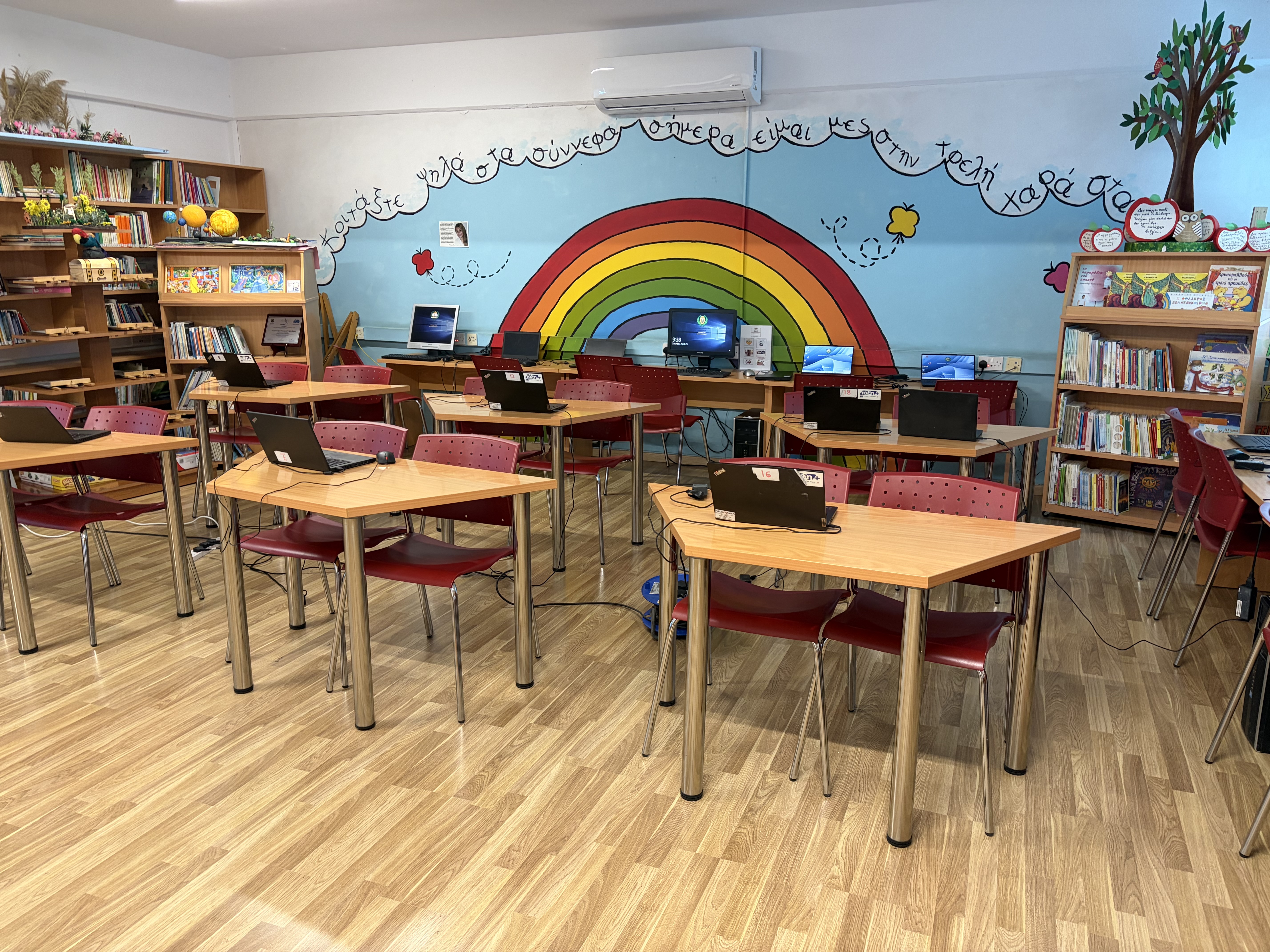
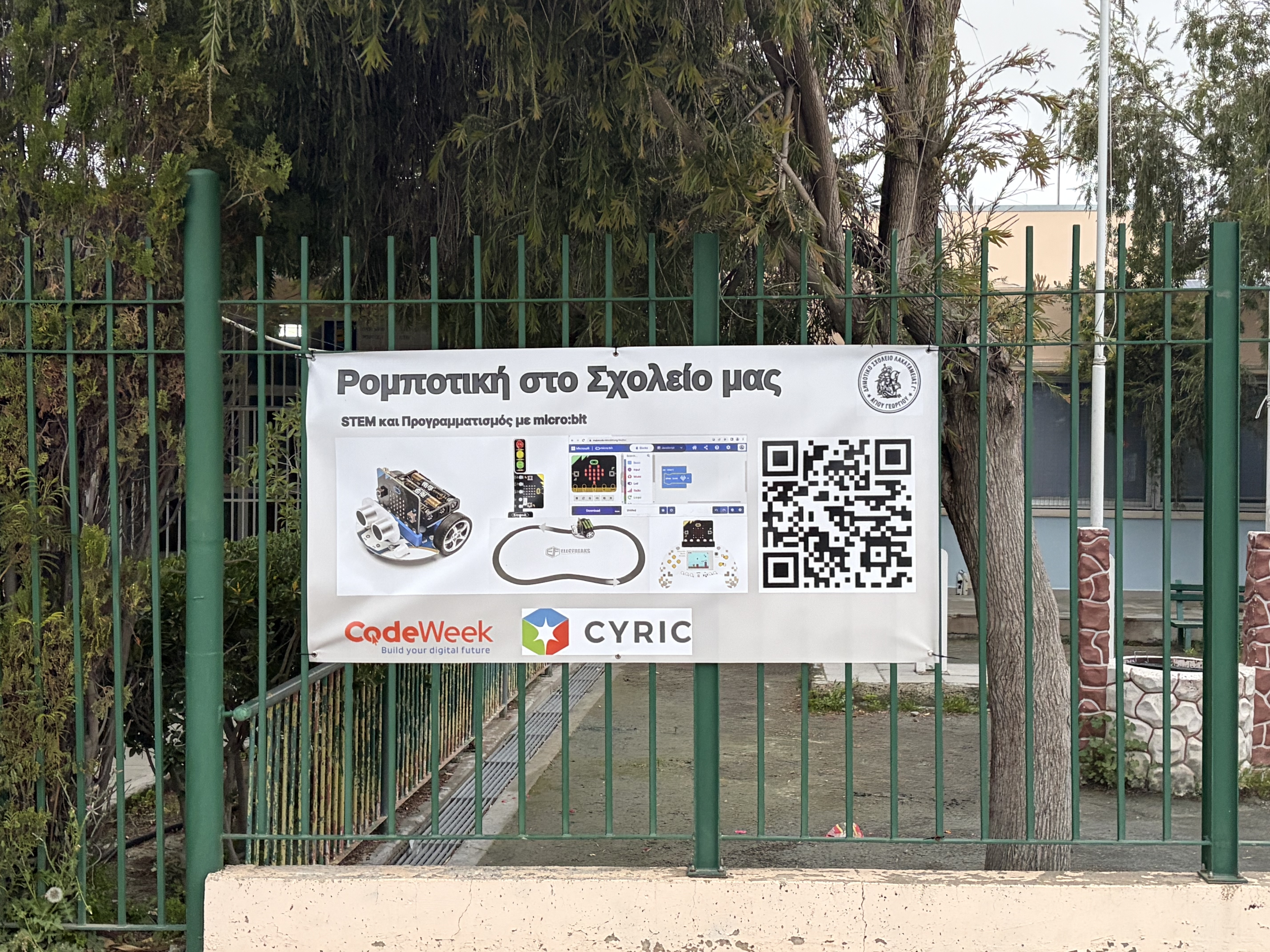
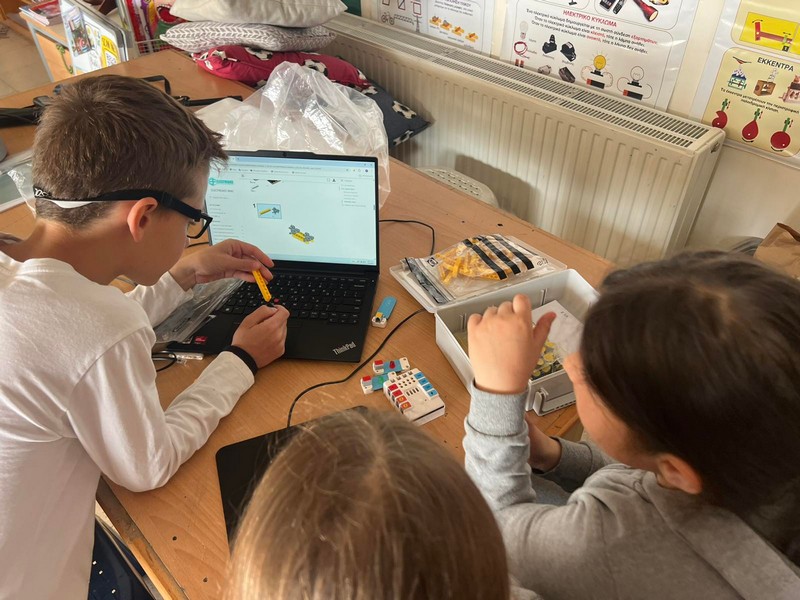
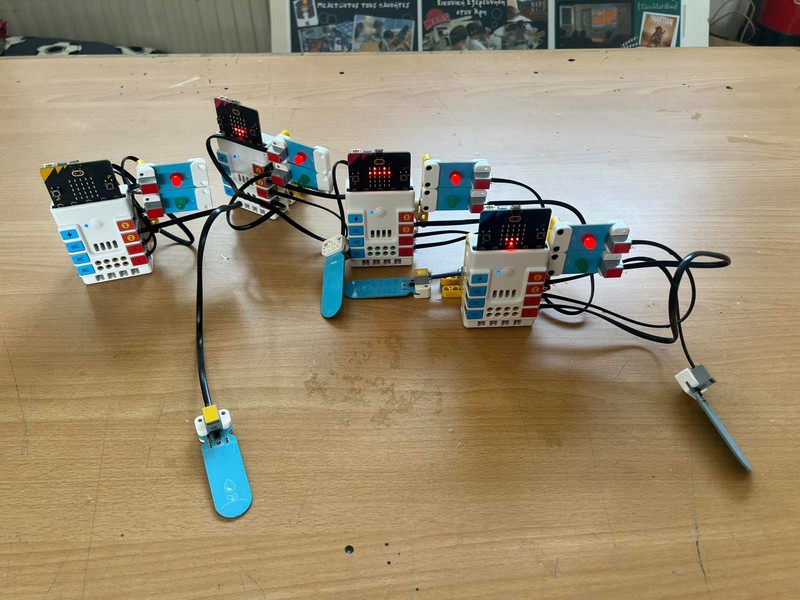
STEM and Programming with micro:bit for Grade 5 and Grade 6 Primary School Students
Organisation: Lakatamia 3rd Primary School – Agios Georgios
Location: Nicosia, Cyprus
Participants: 20 | Educators: 4 | Activities: 1
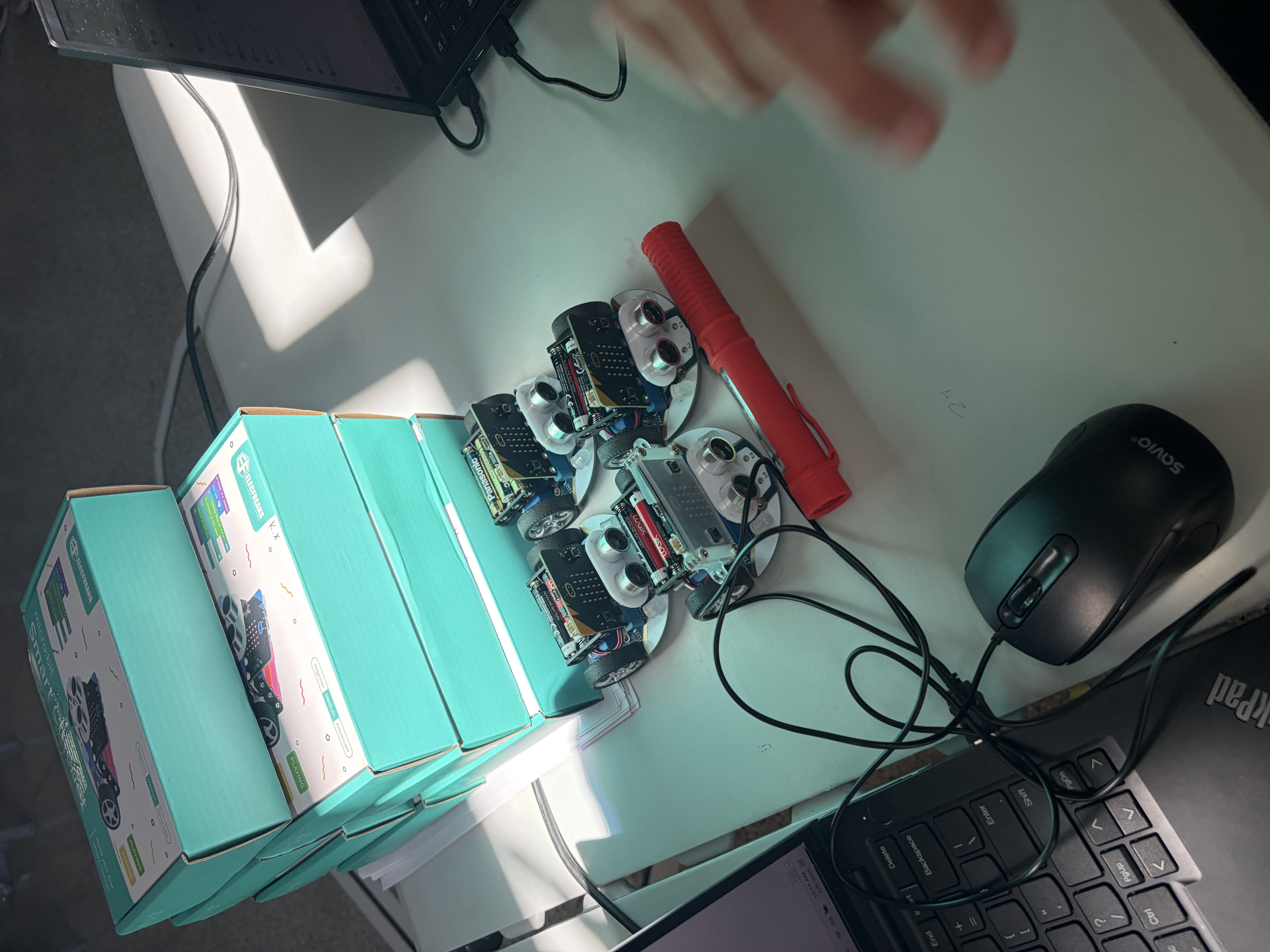
Students developed programming, creativity, collaboration and problem-solving skills through practical STEM and robotics activities, all based on micro:bit technology. They also became familiar with the use of sensors and basic programming logic The activity strengthened computational thinking, teamwork and communication skills, encouraged the creative use of technology, and increased students’ interest in STEM and robotics..
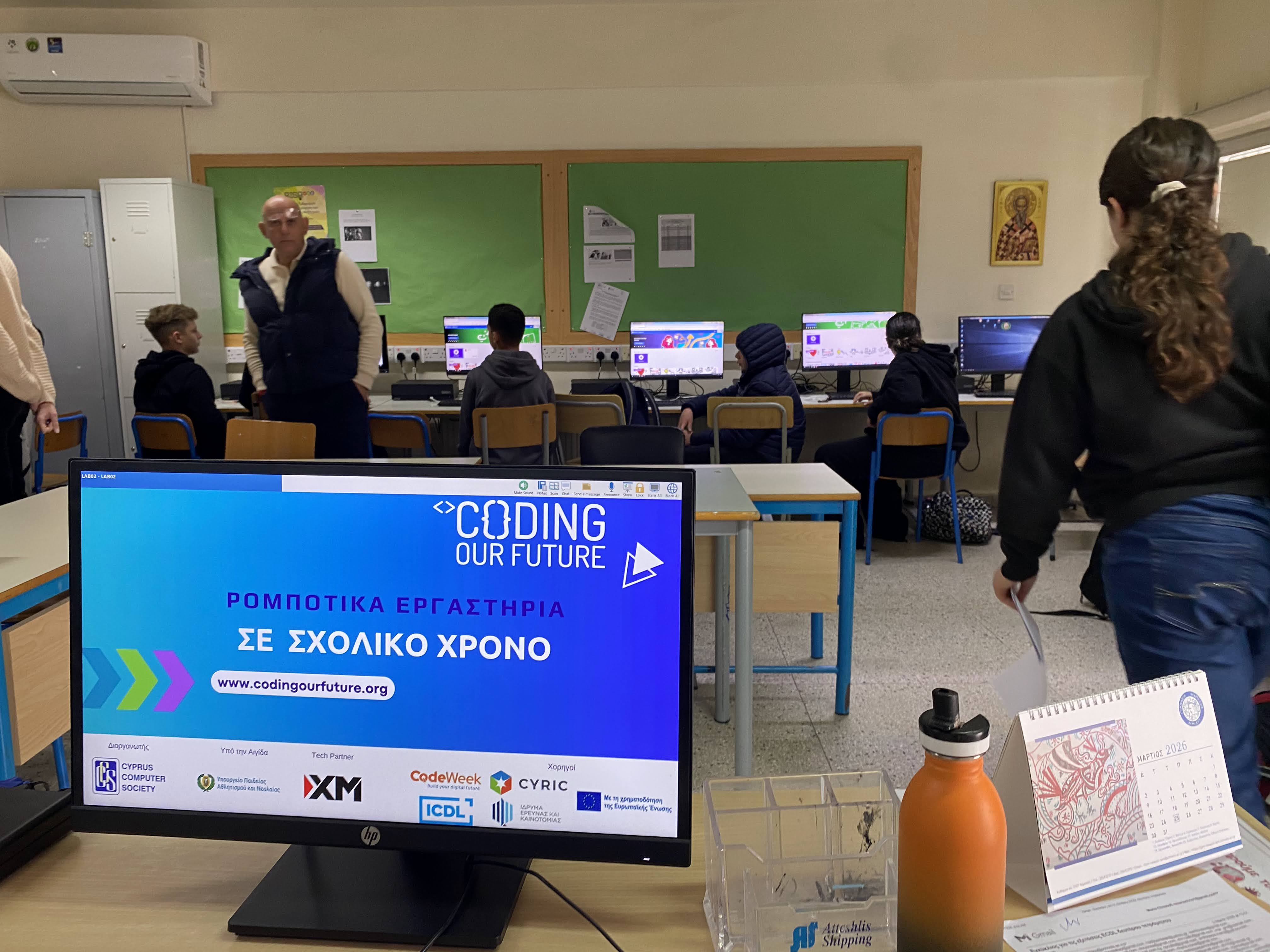
Coding Our Future
Organisation: Cyprus Computer Society
Location: Nicosia, Larnaka - Cyprus
Participants: 328 | Educators: 15 | Activities: 5
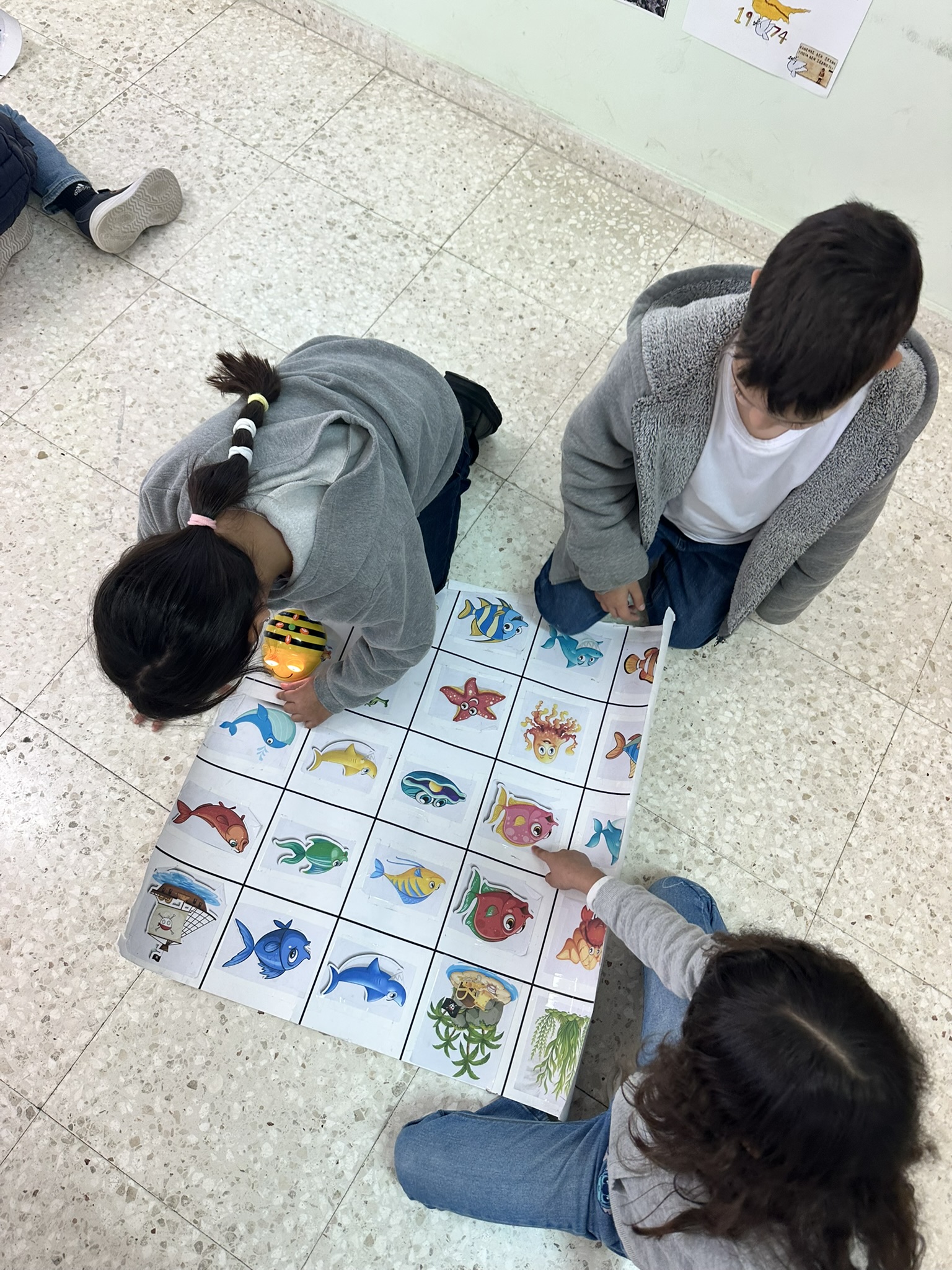
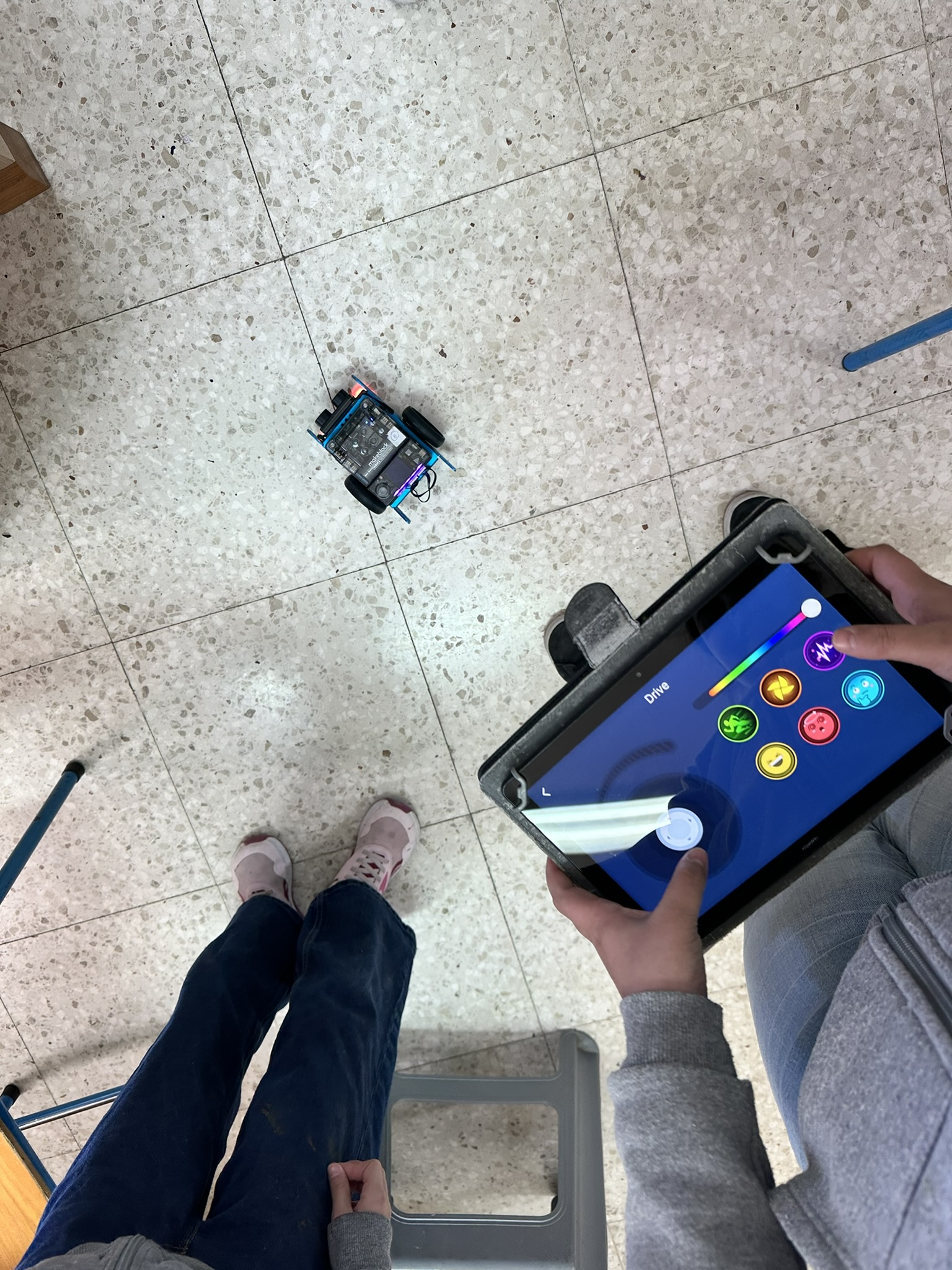
The programme had a positive impact on both boys and girls, strengthening digital skills from an early age and encouraging wider participation in STEM-related fields. Particular emphasis was also placed on attracting and engaging girls in STEM, while ensuring that all students benefited equally from the learning experience. In addition, the activities supported the development of key 21st-century transversal skills, including critical thinking, problem-solving, creativity, teamwork, and collaboration.
Links:
History of Computers & Artificial Intelligence: From the Abacus to the Micro:bit
Organisation: Heron Digital Education & Mathisis
Location: Nicosia, Cyprus
Participants: 391 | Educators: 38 | Activities: 1
The initiative strengthened students’ digital, mathematical and computational thinking skills through hands-on engagement with both historical computing tools and modern technologies such as the micro:bit. It promoted creativity, collaboration and problem-solving, while helping students become active creators of technology rather than simply users. Particular emphasis was placed on gender equality by encouraging girls’ participation and highlighting prominent female role models in computing and STEAM. Link: Not available
From Algorithm to Creation: An Integrated Computational Thinking and Robotics Programme for Primary School
Organisation: Primary School of Pelendri
Location: Limassol, Cyprus
Participants: 25 | Educators: 2 | Activities: 1
The activity strengthened students’ computational thinking, programming skills and collaborative problem-solving through hands-on activities and educational robotics. Participants developed greater confidence in programming, creativity and teamwork, improved their problem-solving abilities, and became more familiar with educational robotics technologies. Link: https://dim-pelendrilem.schools.ac.cy/index.php?id=scholikes
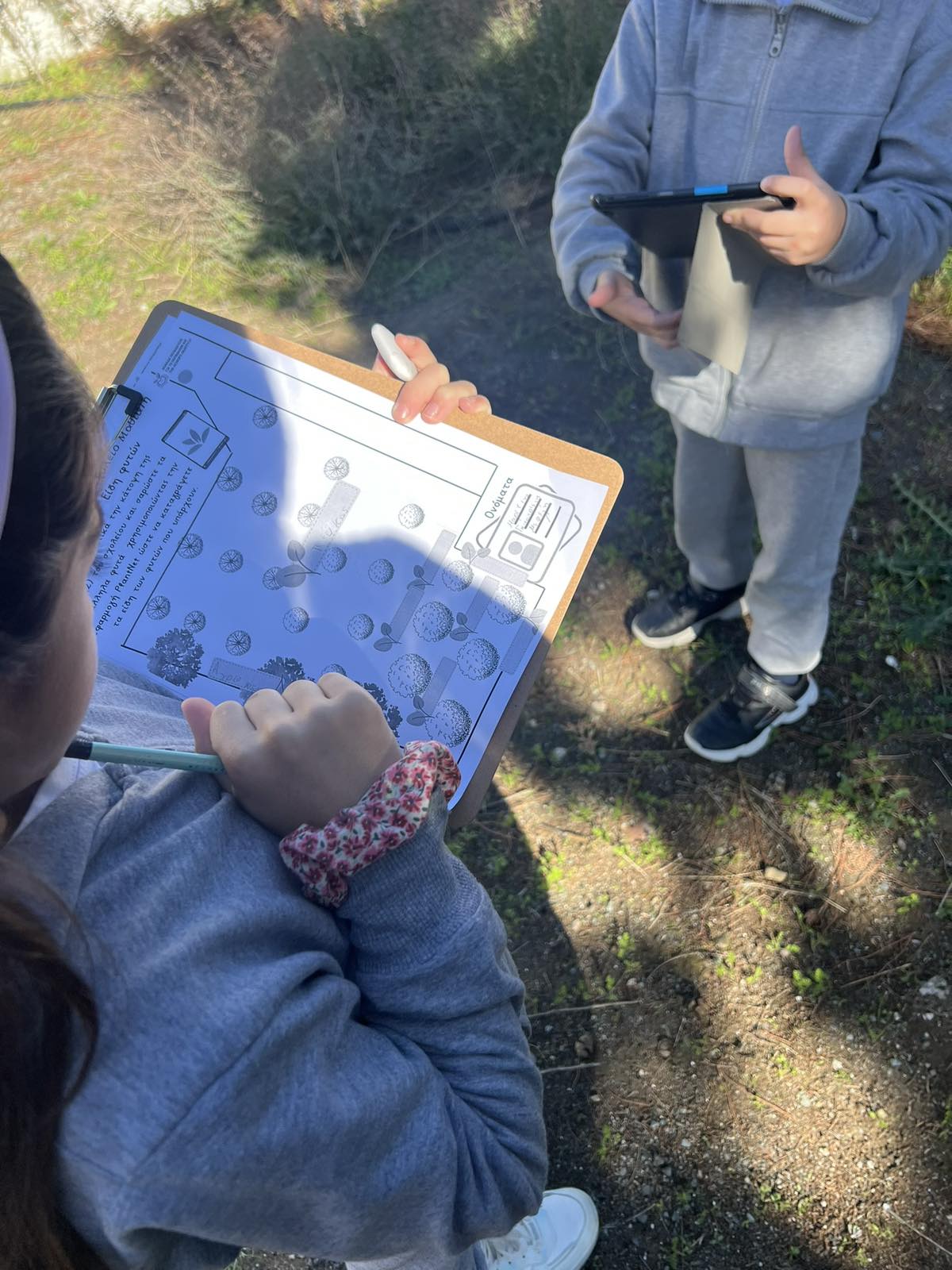
G.R.E.E.N. Minds, Smart Codes: Growing Responsible Environmental Education Network through Programming & Robotics
Organisation: Mathiatis Primary School
Location: Nicosia, cyprus
Participants: 100 | Educators: 10 | Activities: 8
The activity transformed learning into an experiential, interactive and meaningful process, strengthening students’ digital, STEM and environmental skills. It also helped turn the school into a modern, open learning laboratory with permanent infrastructure that can continue to be used in future educational activities. Students developed collaboration, creativity, problem-solving and responsible decision-making skills, while strengthening their environmental awareness and active participation. Link: https://dim-mathiatis-lef.schools.ac.cy/index.php?id=green-minds-smart-codes
Croatia & Slovenia – Profil Klett
Projects funded: 3
Participants reached: 67
Educators engaged: 7
Activities on Code Week platform: 17
Projects under this hub focused on environmental education, girls’ participation in STEM, teacher capacity building. Activities combined hands-on learning, practical technology use, collaboration, and project-based approaches, while strengthening participants’ digital confidence and creating resources or equipment that can continue to support learning beyond the funded period.
Funded Projects
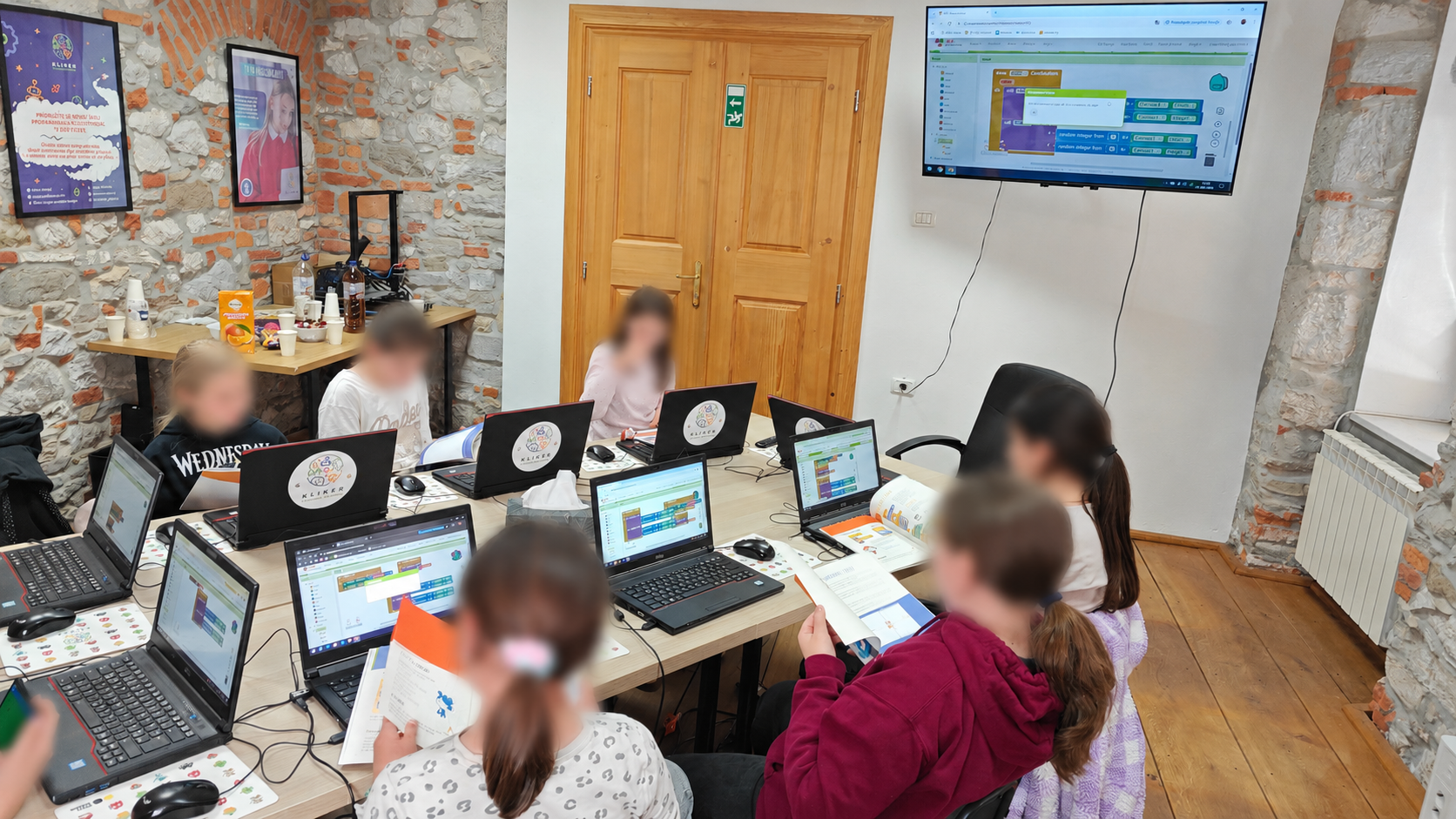
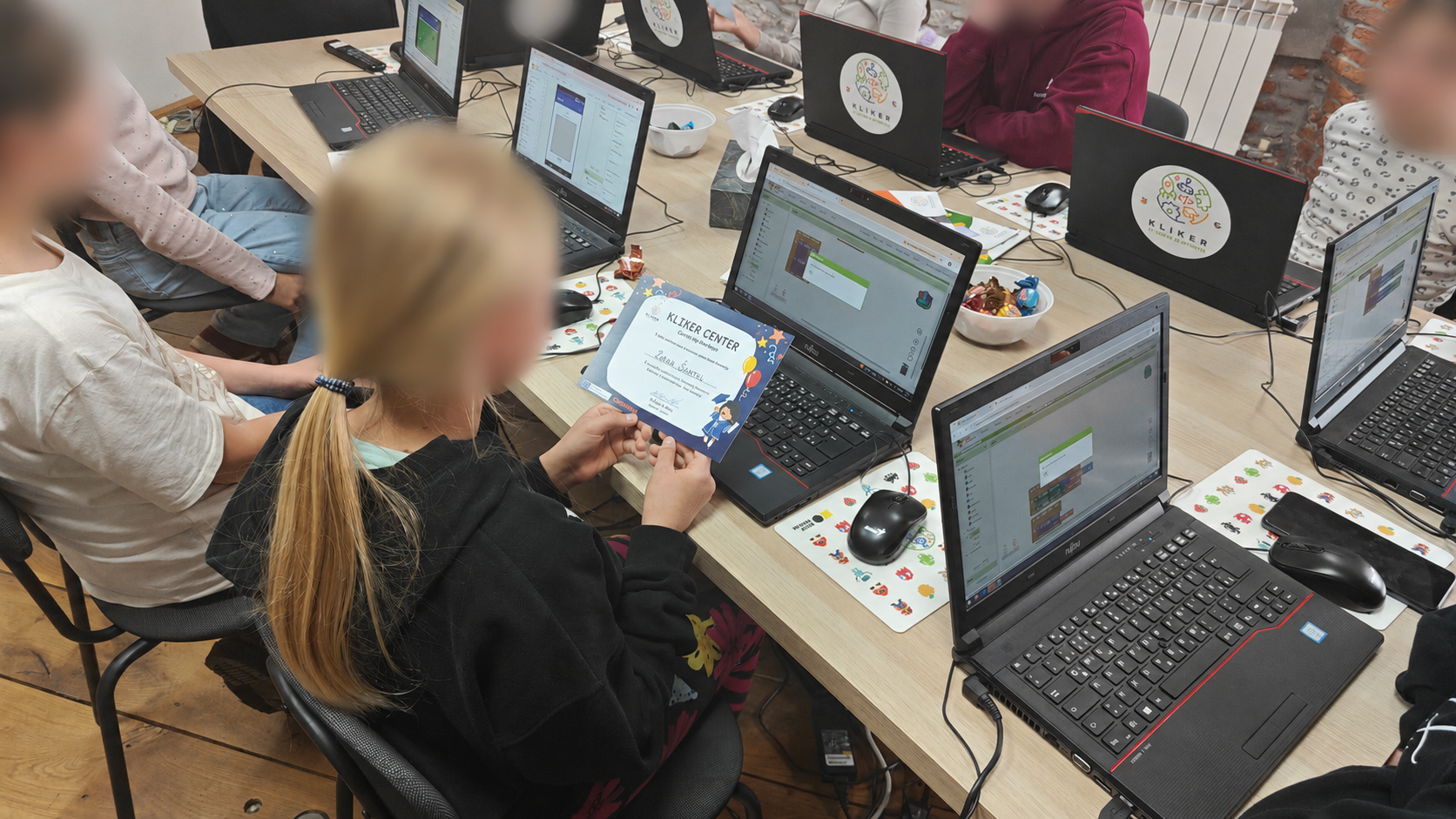
Girls in Coding: Mini Academy
Organisation: Kliker – Institute for Children's Computer Programming Postojna
Location: Postojna, Slovenia
Participants: 14 | Educators: 2 | Activities: 1
The project had a positive impact on participants by increasing their confidence, interest in programming, and motivation to explore STEM fields. Through creative and practical activities, girls developed fundamental digital skills, improved problem-solving abilities, and gained a more positive perception of technology as an accessible and creative field. The workshops encouraged independence, teamwork, and experimentation, helping participants feel more comfortable using digital tools and expressing their own ideas. Link: https://codeweek.eu/view/1432217/dekleta-v-programiranju-mini-academy
Underserved focus: Low Access to Education, Poor Education Outcomes, Low Access to Livelihoods, Poor Livelihood Outcomes
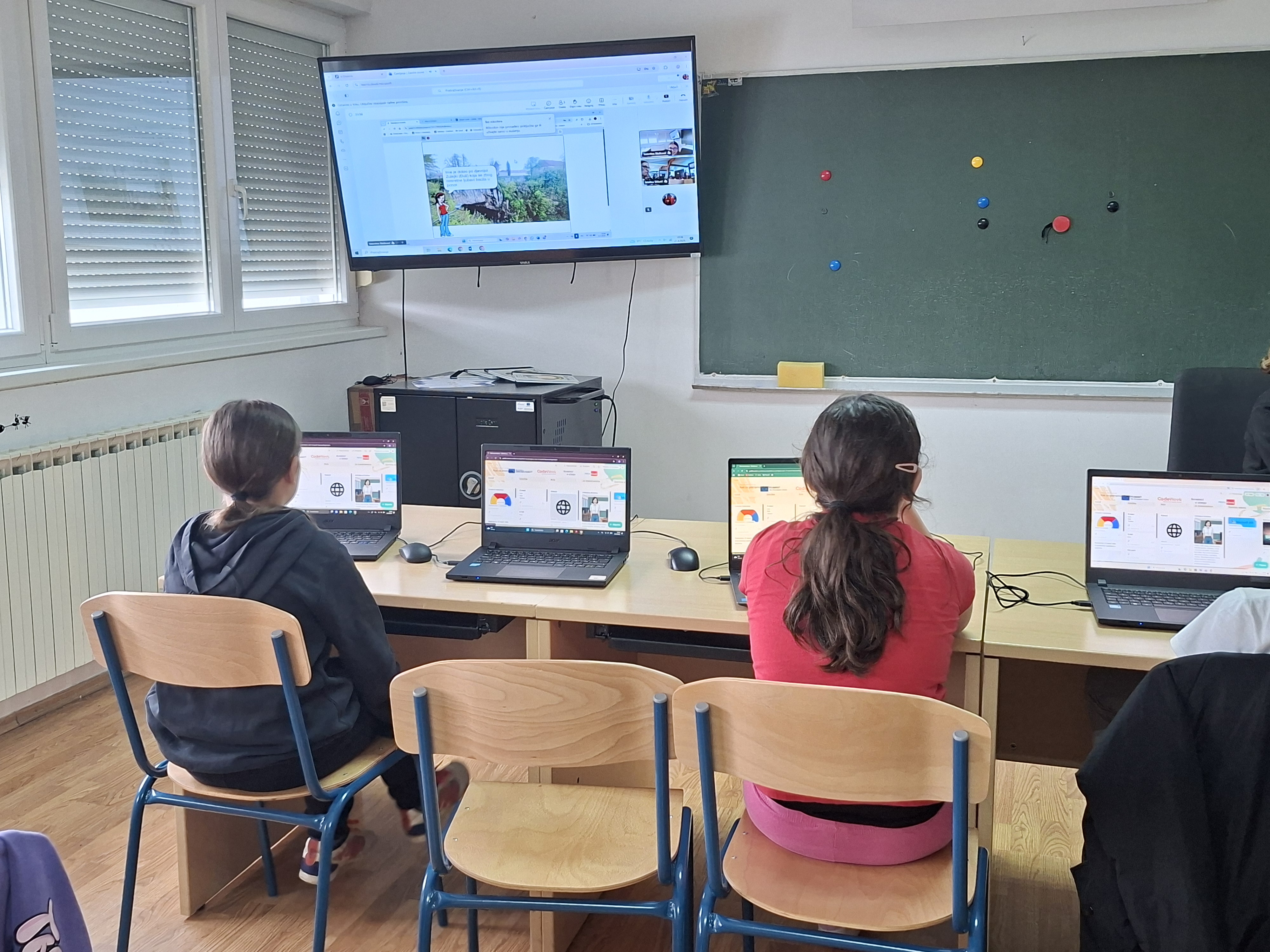
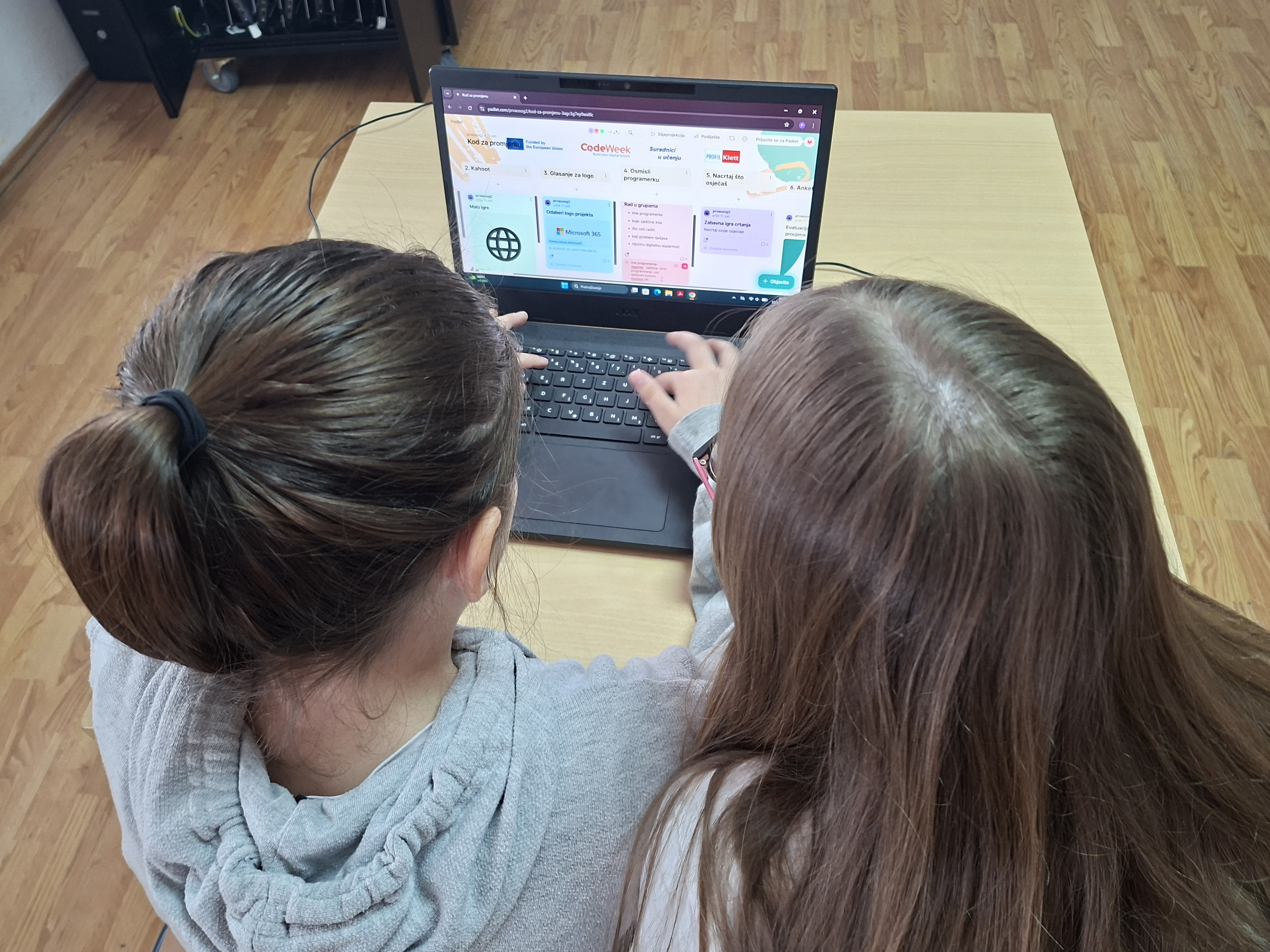
Code for Change
Organisation: Suradnici u učenju Association (EN: Partners in Learning)
Location: Ogulin and Cernik, Croatia
Participants: 15 | Educators: 2 | Activities: 6
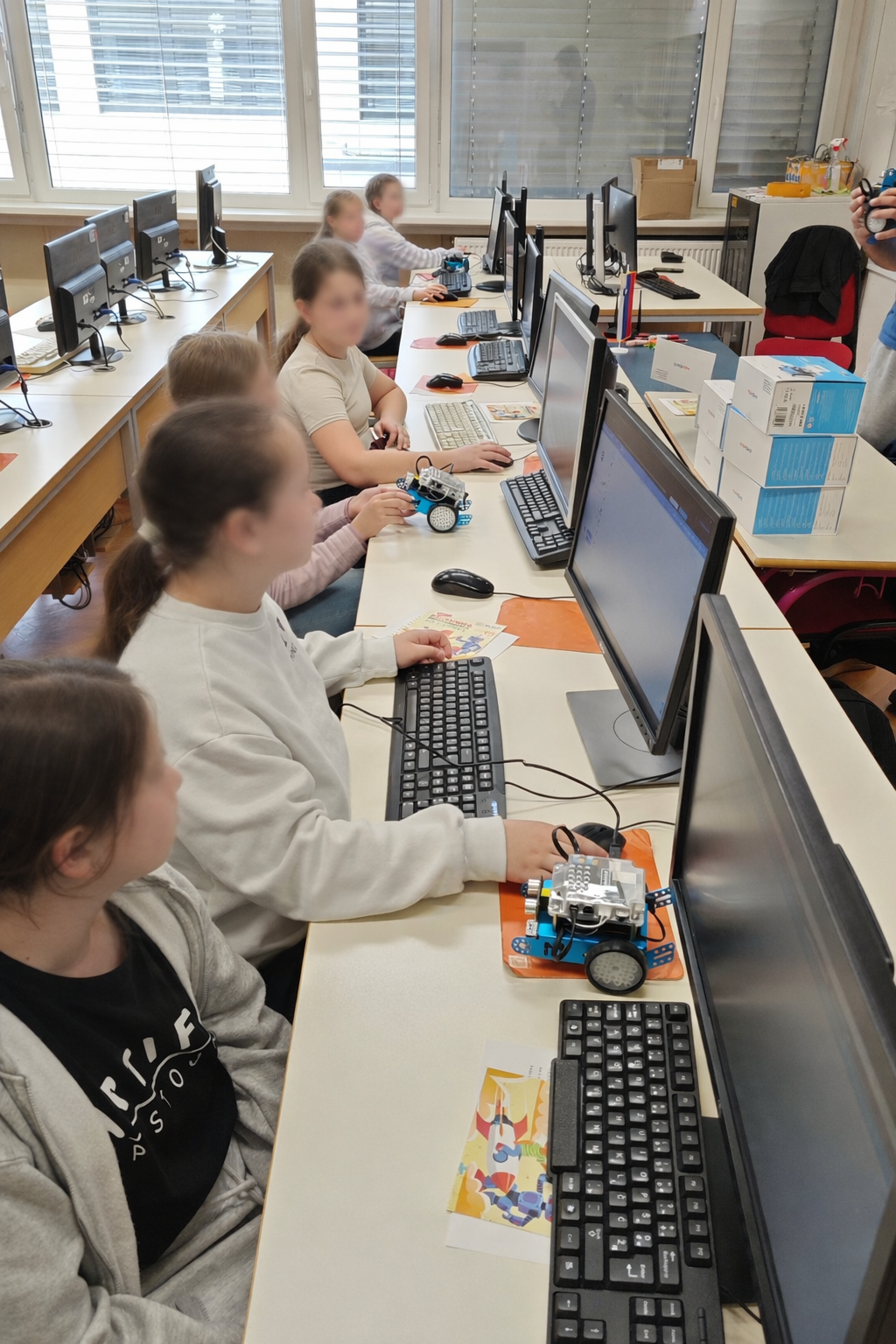
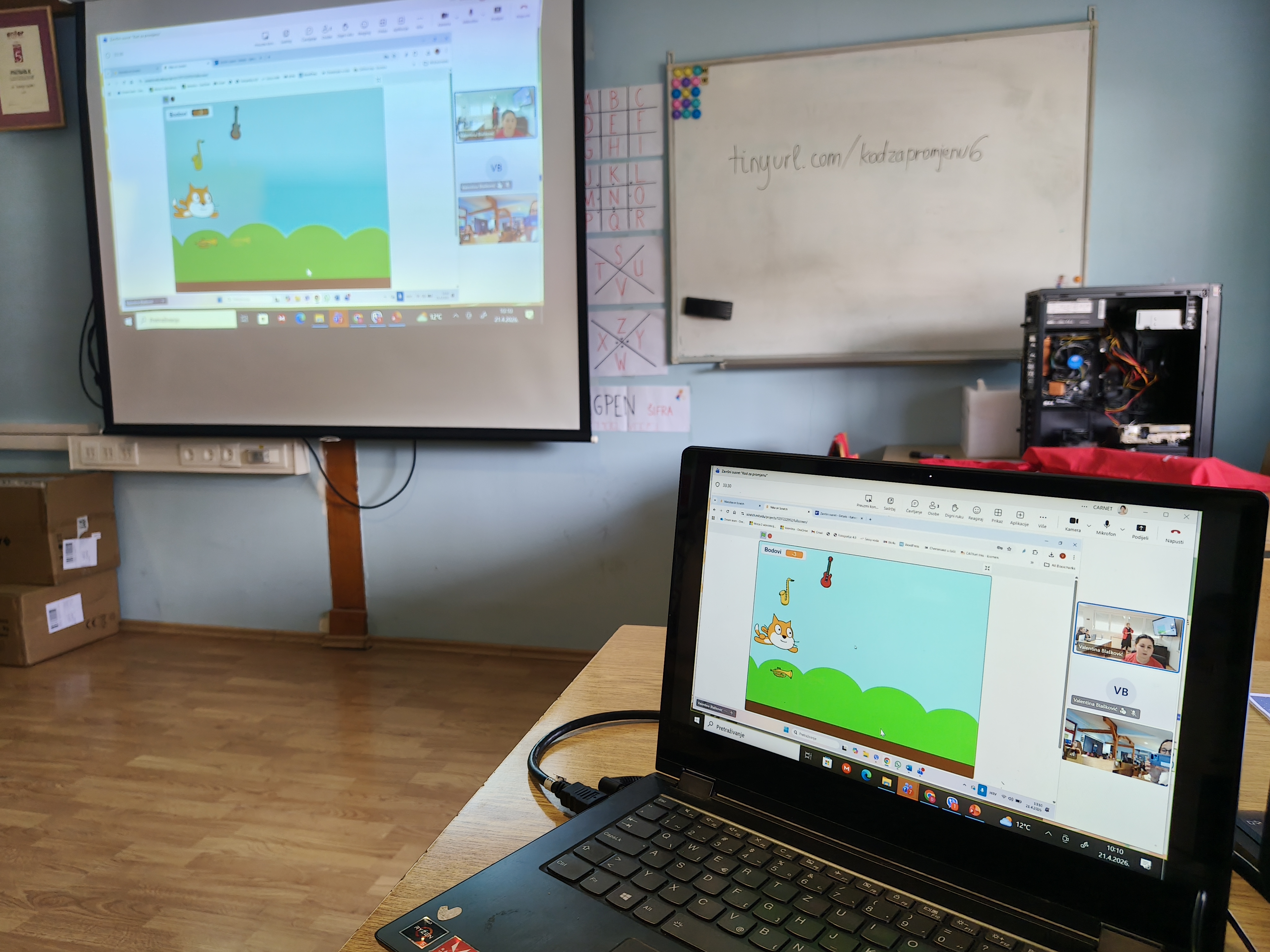
The project had a strong positive impact on young girls’ engagement with STEM, digital technologies, and programming. Through six interactive online workshops, 15 female students from two Croatian primary schools developed computational thinking, problem-solving abilities, creativity, and confidence in using digital tools. The project increased students’ self-confidence in programming, with the majority reporting improved ability to solve problems, identify and correct errors, and create their own digital projects.
Underserved focus: Poor Education Outcomes, Low Access to Livelihoods, Poor Livelihood Outcomes
Links:
- https://ucitelji.hr/projekt-kod-za-promjenu-dobio-potporu-eu-code-week-inicijative/
- https://ucitelji.hr/odrzana-uvodna-online-radionica-projekta-kod-za-promjenu/
- https://ucitelji.hr/odrzana-radionica-programiram-u-scratchu-predstavljam-sebe-i-svoj-grad/
- https://ucitelji.hr/odrzana-radionica-programiram-u-scratchu-o-meni-i-adi/
- https://ucitelji.hr/odrzana-radionica-programiram-u-scratchu-ai-lov-na-ideje/
- https://ucitelji.hr/znanstvena-avantura-u-labirintu-ucenice-programirale-vlastite-igre/
- https://ucitelji.hr/zavrsnim-susretom-uspjesno-priveden-kraju-projekt-kod-za-promjenu/
- https://ucitelji.hr/svi-materijali-projekta-kod-za-promjenu-dostupni-online-za-slobodno-koristenje/
- https://prva-osnovna-skola.hr/projekt-kod-za-promjenu/
- https://prva-osnovna-skola.hr/radionica-programiram-u-scratchu-predstavljam-sebe-i-svoj-grad/
- https://prva-osnovna-skola.hr/programiram-u-sctarchu-ai-lov-na-ideje/
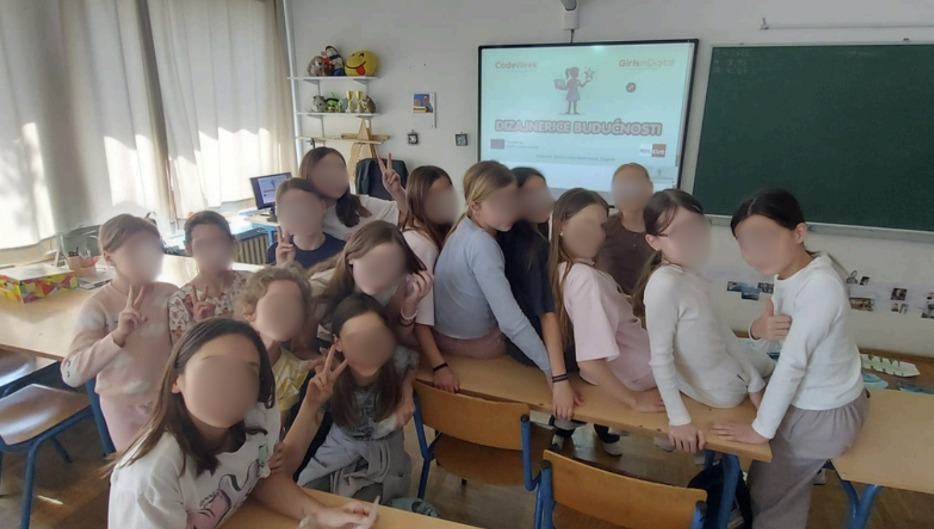
Designers of the Future
Organisation: Ivan Meštrović Elementary School (OŠ Ivana Meštrovića)
Location: Zagreb, Croatia
Participants: 38 | Educators: 3 | Activities: 10
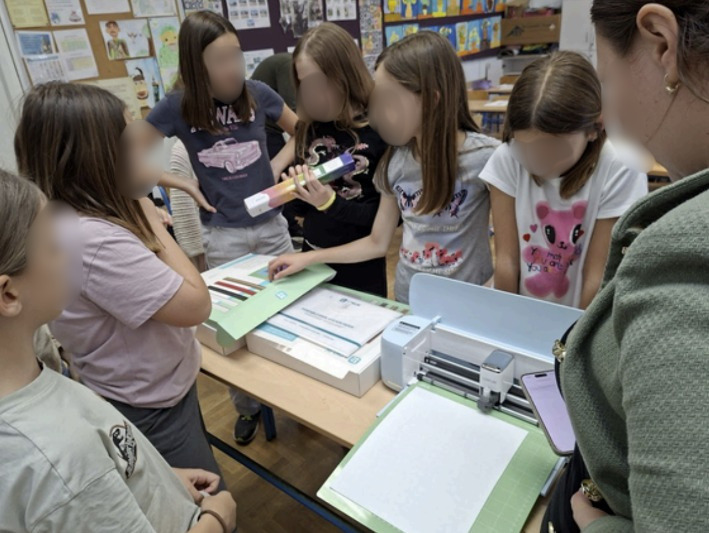
During the project, significant progress was observed among female and male students in several areas. The female students developed digital literacy through working in Canva, where they learned to create their own designs, review codeweek.eu and critically evaluate templates, and select appropriate visual solutions for different surfaces. They acquired technical skills in using the Loklik cutting machine and heat press, including the precise preparation of files for cutting, vinyl cutting, and heat application to textiles and other materials. Link: Not available
Underserved focus: Poor Education Outcomes
Italy – Fondazione LINKS
Projects funded: 4
Participants reached: 773
Educators engaged: 106
Activities on Code Week platform: 73
Projects under this hub focused on robotics, coding and computational thinking, environmental education, girls’ participation in STEM. Activities combined hands-on learning, practical technology use, collaboration, and project-based approaches, while strengthening participants’ digital confidence and creating resources or equipment that can continue to support learning beyond the funded period.
Funded Projects
WELCOME#VergaCoderDojo
Organisation: Istituto Comprensivo "Regio Parco"
Location: Torino, ITALY
Participants: 70 | Educators: 10 | Activities: 5
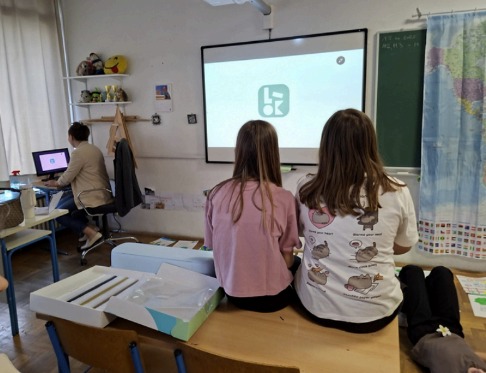
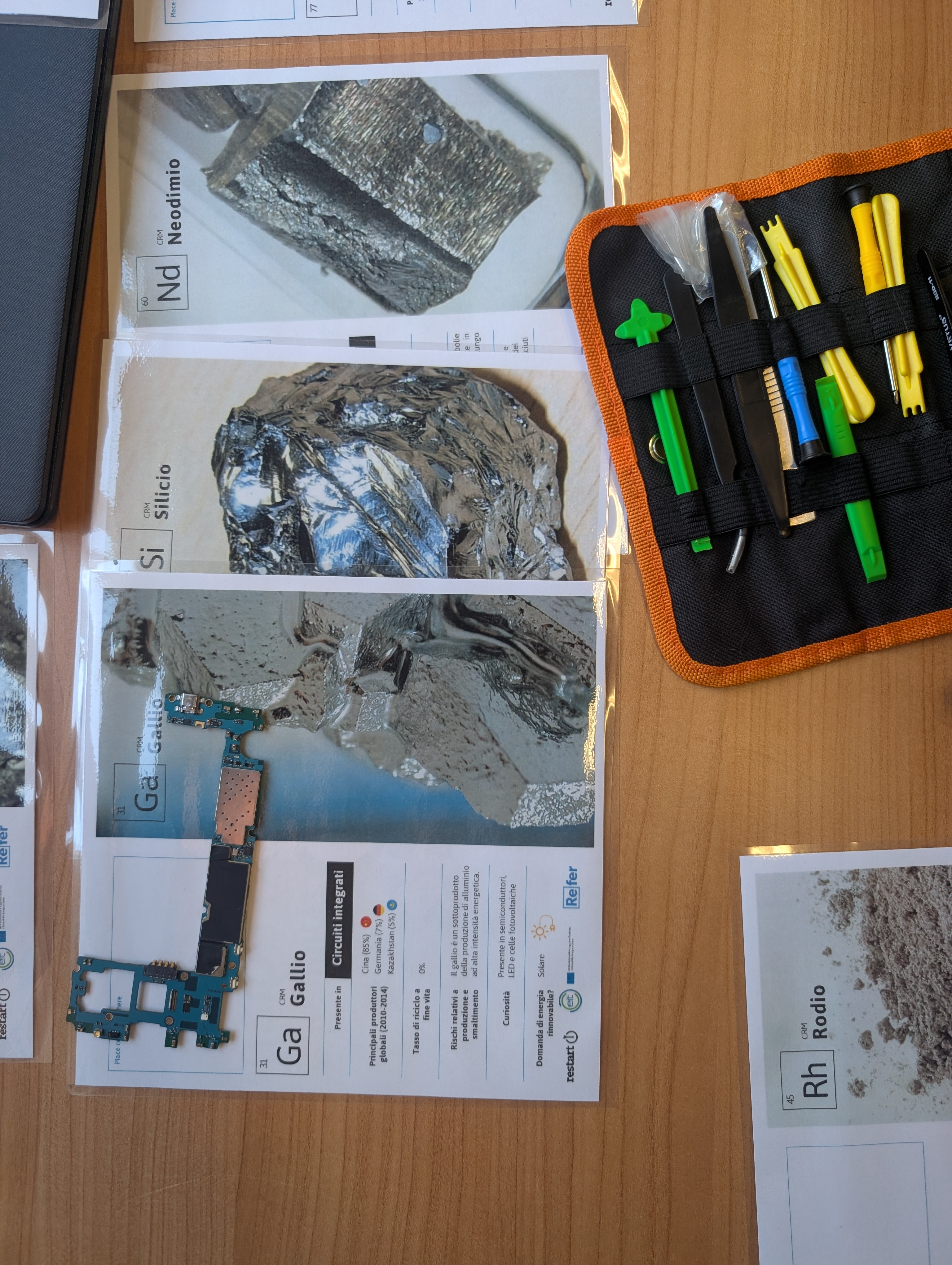
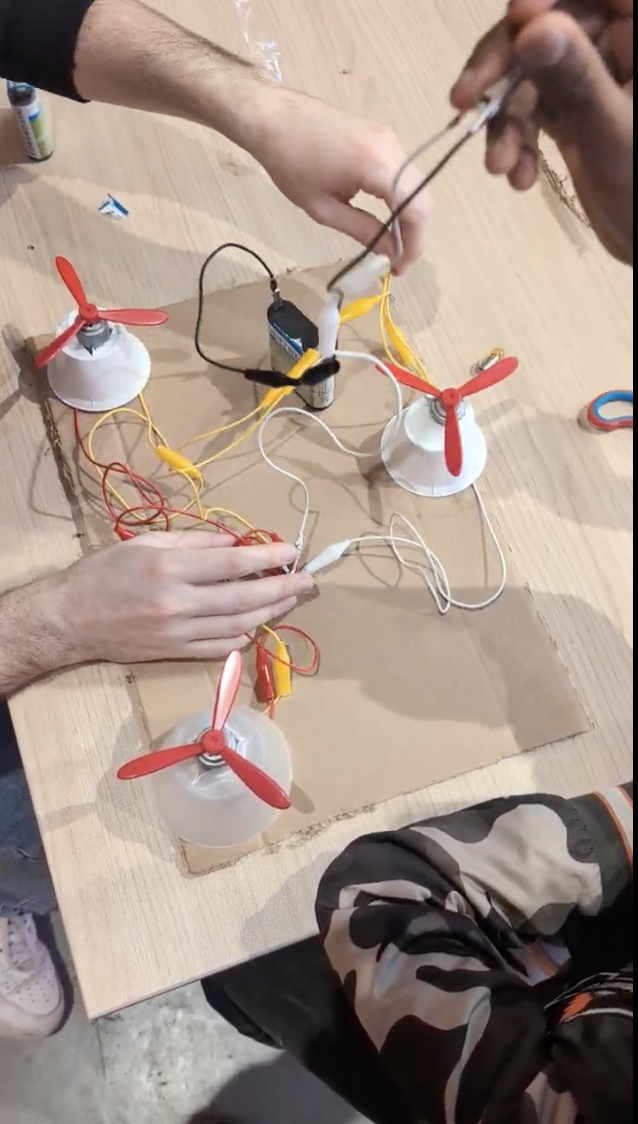
The project involved 70 young people (30 boys, 40 girls) and 10 adults in an inclusive context, in a school located in a high-complexity neighbourhood with a high percentage of students with migrant backgrounds. The open CoderDojo format and mentoring approach increased students’ motivation and sense of belonging by giving them more autonomy, moving the focus from screens to tangible making with boards, sensors and materials. Participants strengthened digital, problem-solving and critical thinking competences, while the ecology pathway raised awareness of the material and environmental dimensions of technology.
Underserved focus: 60% are foreigners students
Links:
mTiny & Feelings: Algoritmi di Empatia. Coding inclusivo, storytelling e robotica sociale
Organisation: ISTITUTO COMPRENSIVO "BONSEGNA - TONIOLO"
Location: Sava- Fragagnano Taranto - Italy
Participants: 16 | Educators: 5 | Activities: 11
"The project generated a high level of engagement among pupils, who showed strong motivation in all phases thanks to the tangible, playful and multisensory nature of activities with the mTiny robot. The integration of coding, educational robotics and storytelling proved particularly effective in supporting students with Special Educational Needs, especially those on the autism spectrum and with cognitive difficulties. The immediate sound and visual feedback of the Tap Pen and the robot facilitated understanding of cause–effect relationships, supported attention and behaviour regulation, and offered clear and predictable communication channels for pupils with communicative and cognitive fragilities.
Underserved focus: Special needs
Links:
- https://codeweek.eu/view/1409234/progetto-mtiny-feelings-algoritmi-di-empatia-progettazione-didattica-del-percorso
- https://codeweek.eu/view/1409243/progetto-mtiny-feelings-scopriamo-mtiny
- https://codeweek.eu/view/1409273/progetto-mtiny-feelings-coding-unplugged-con-mtiny
- https://codeweek.eu/view/1409280/progetto-mtiny-e-feelings-storytelling-algoritmico
- https://codeweek.eu/view/1409284/progetto-mtiny-e-feelings-programmazione-digitale-di-base
- https://codeweek.eu/view/1409286/progetto-mtiny-e-feelings-debugging-emotivo-e-problem-solving
- https://codeweek.eu/view/1409291/progetto-mtiny-e-feelings-storie-sociali-algoritmiche-creazione-collaborativa
- https://codeweek.eu/view/1409293/progetto-mtiny-e-feelings-trasformazione-in-caa-e-materiali-inclusivi
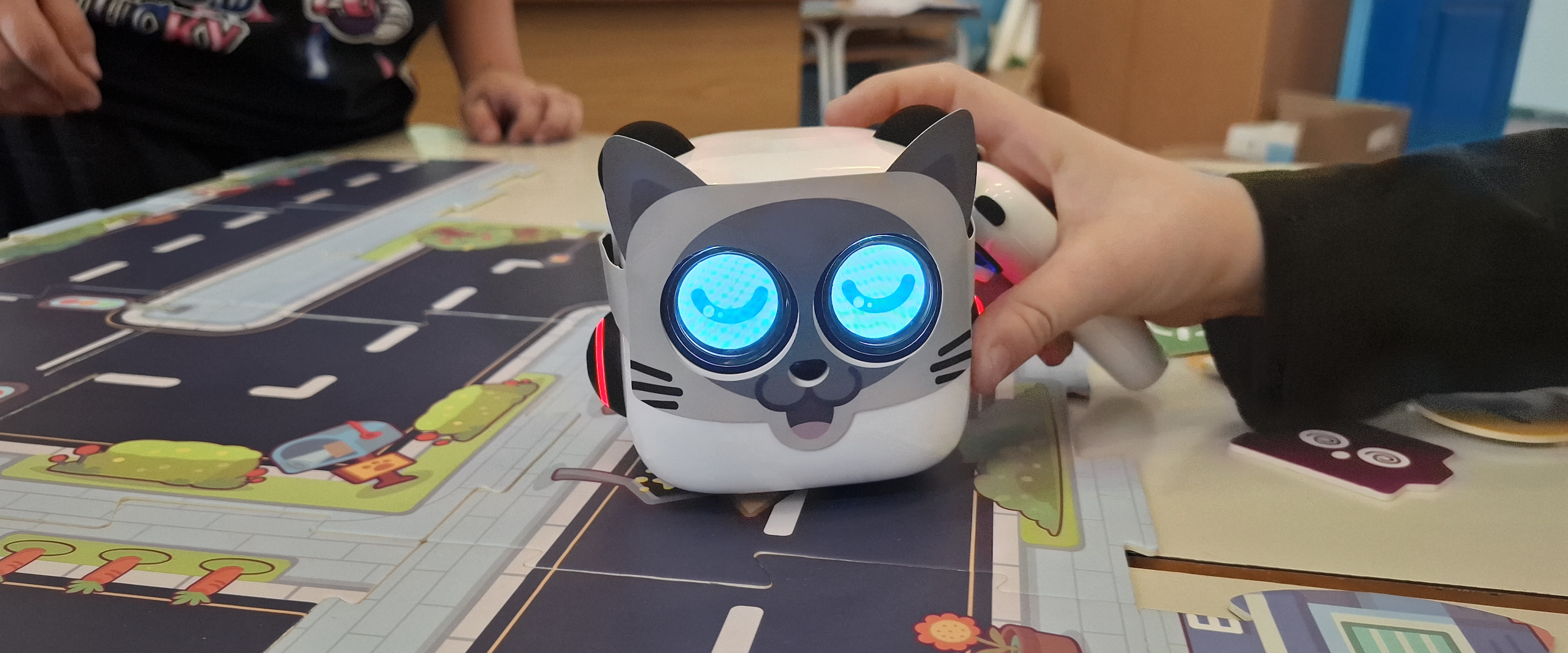
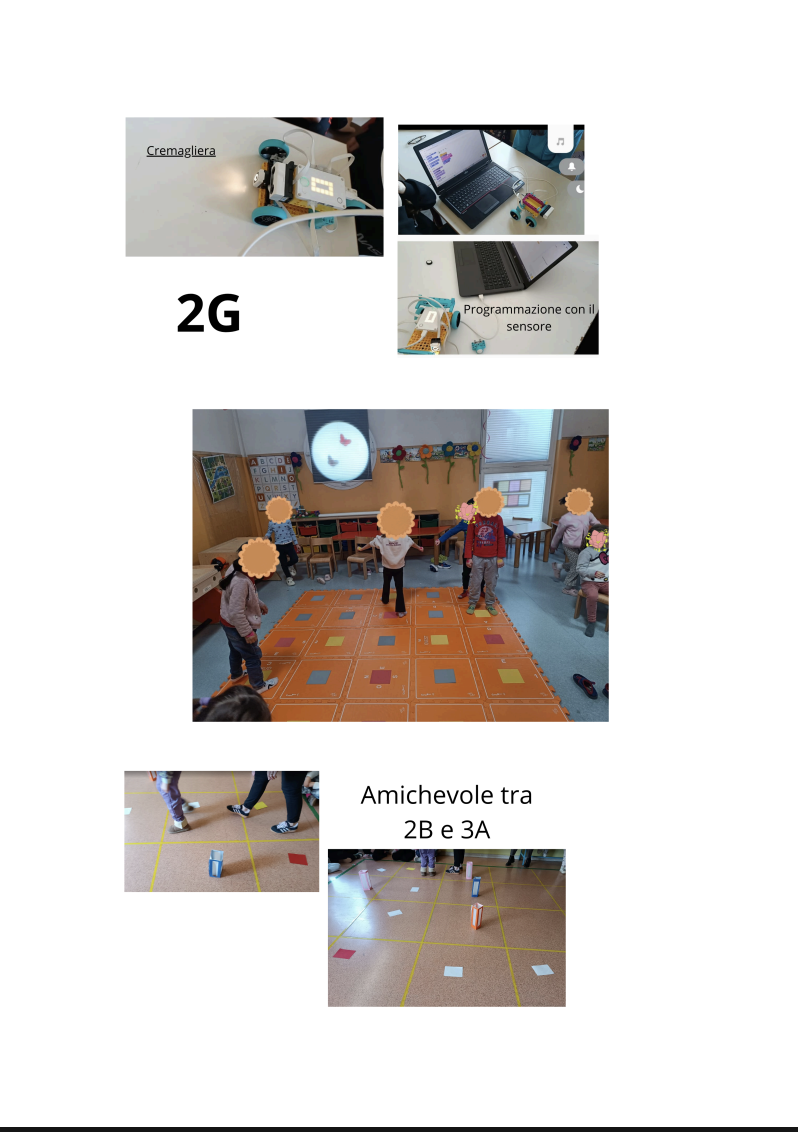
Coding in the challenge
Organisation: Istituto Comprensivo “Luigi Nono”
Location: Mira Venezia ITALY
Participants: 635 | Educators: 73 | Activities: 43
"The project placed pupils at the centre, offering them a new, motivating and engaging experience. By playing and collaborating with peers from other classes and teams, they developed logical thinking, problem solving, social skills and confidence in their own abilities. A key achievement is that coding reached everyone: no class, section or student was excluded.
Underserved focus: Autism spectrum disorders, physical disabilities, special educational needs, specific learning disorder, ADHD
Links:
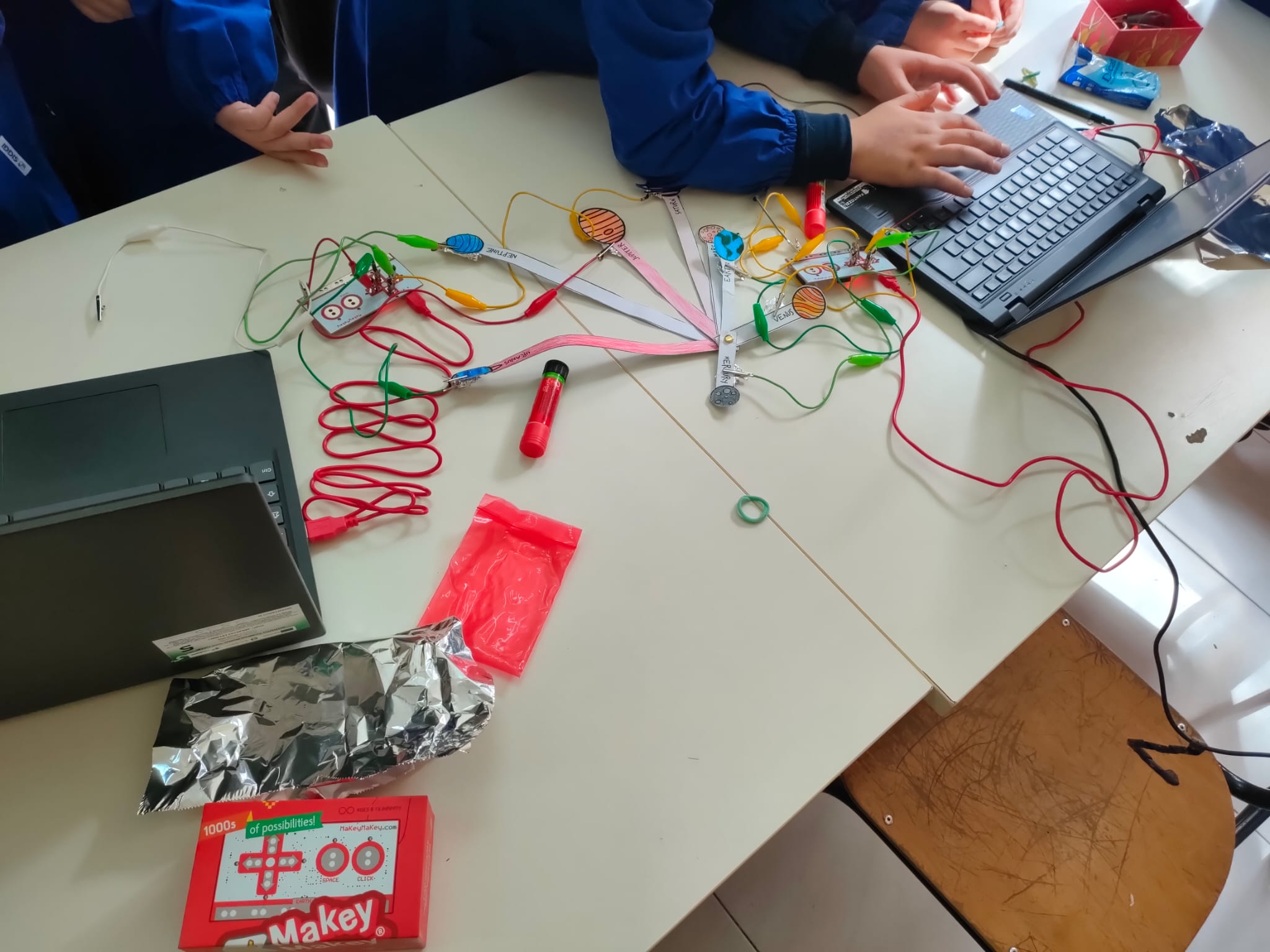
Coding con Makey Makey
Organisation: I.C. Colozza Frosolone (Isernia)
Location: Frosolone Isernia, Italy
Participants: 52 | Educators: 18 | Activities: 14
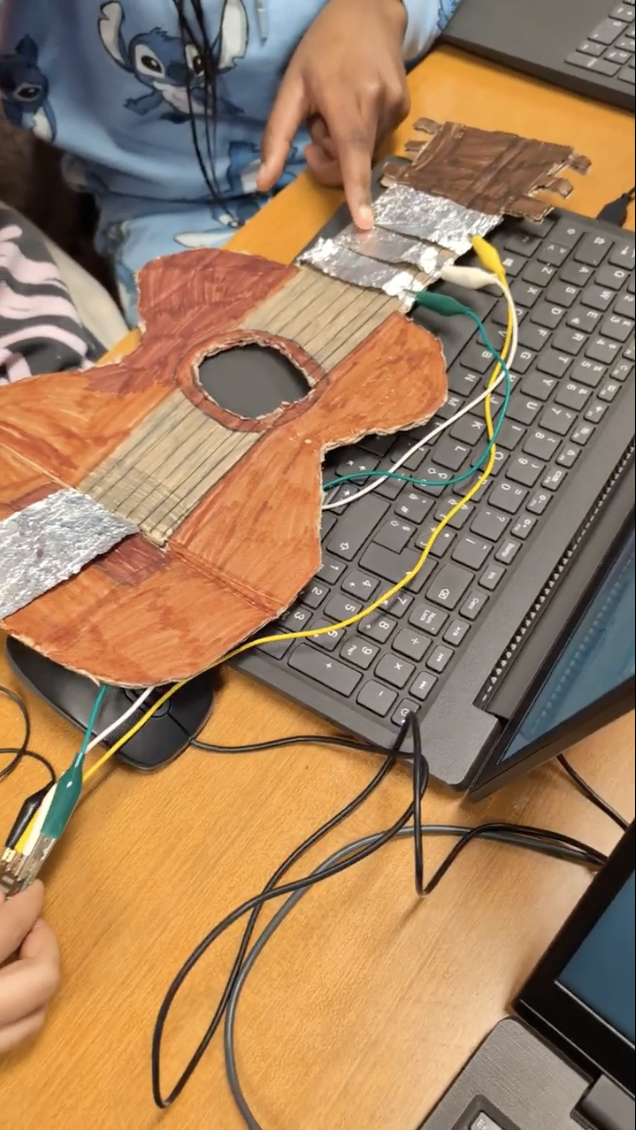
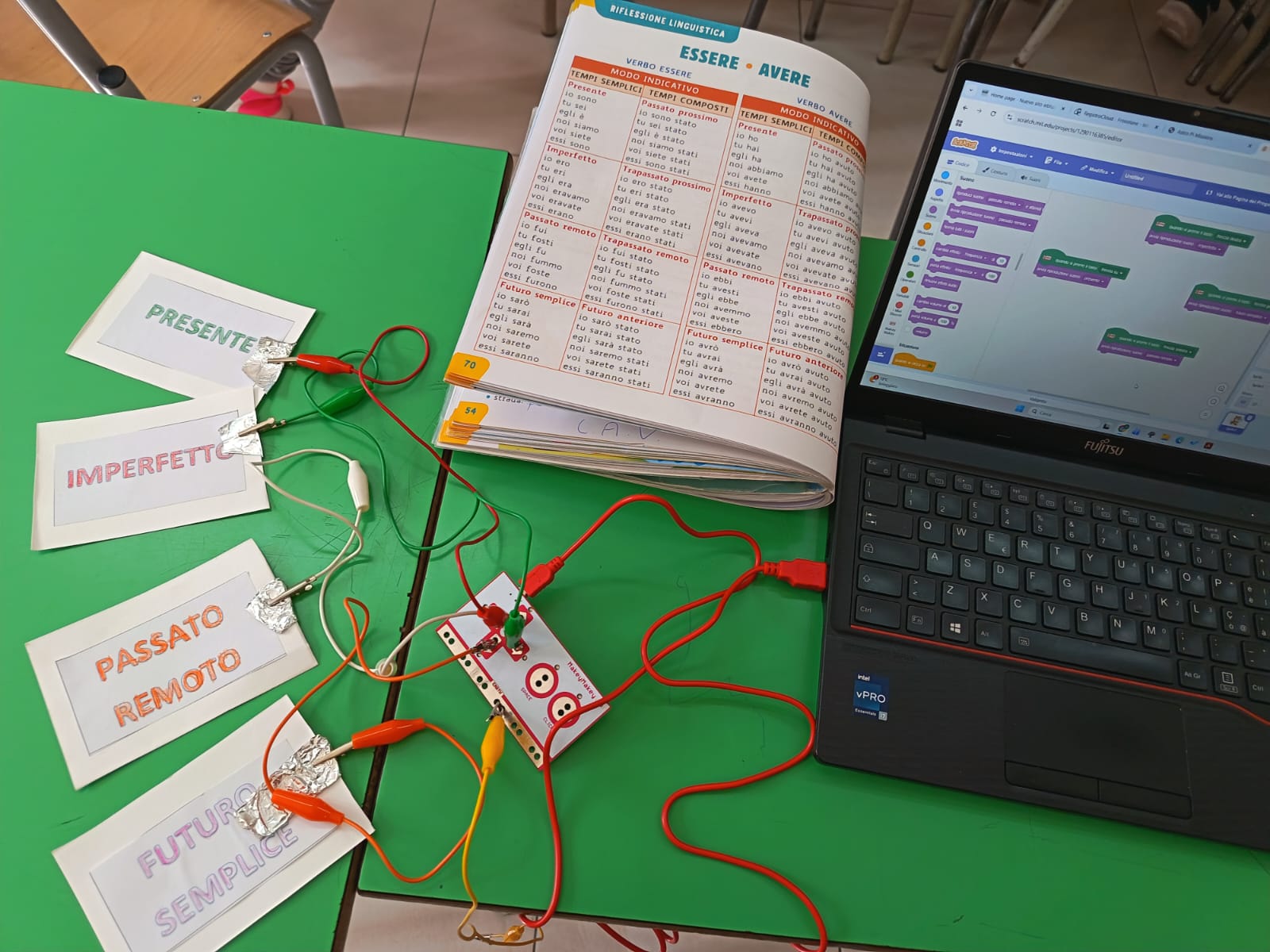
The project involved 52 pupils (28 boys, 24 girls) from 5 classes and fully included learners with certified disabilities (DVA), specific learning disorders (DSA) and other special educational needs (BES). It significantly strengthened digital, coding and problem‑solving skills by engaging students in designing, debugging and improving Scratch programs and correcting physical connections on Makey Makey. The activities fostered creativity, autonomy and perseverance, especially among pupils with difficulties in English, who worked hard on pronunciation and memorisation for quality voice recordings.
Underserved focus: Certified disabilities, special needs, specific learning disorders
Links:
- https://codeweek.eu/view/1405845/disegni-interattivi-questo-e-locchio-bello
- https://codeweek.eu/view/1405846/disegni-interattivi-stop-al-bullismo
- https://codeweek.eu/view/1406825/il-sistema-solare-a-ventaglio
- https://codeweek.eu/view/1406826/sistema-solare-3d
- https://codeweek.eu/view/1406972/laboratorio-delle-forme-geometriche
- https://codeweek.eu/view/1406973/pannello-interattivo-dei-5-sensi
- https://codeweek.eu/view/1407994/il-sistema-respiratorio
- https://codeweek.eu/view/1407995/il-sistema-digerente
- https://codeweek.eu/view/1408016/lavori-di-pasqua-interattivi
- https://codeweek.eu/view/1408021/i-simboli-della-pasqua
- https://codeweek.eu/view/1408990/inglese-con-makey-makey
- https://codeweek.eu/view/1408995/il-verbo-esserecon-makey-makey
- https://codeweek.eu/view/1413740/scienze-a-portata-di-click
- https://codeweek.eu/view/1414270/semaforo-maicotocca-e-impara
Türkiye – JA Türkiye
Projects funded: 4
Participants reached: 464
Educators engaged: 15
Activities on Code Week platform: 0
Projects under this hub focused on robotics, artificial intelligence, coding and computational thinking, digital fabrication. Activities combined hands-on learning, practical technology use, collaboration, and project-based approaches, while strengthening participants’ digital confidence and creating resources or equipment that can continue to support learning beyond the funded period.
Funded Projects
Bilsem’den Kırsala Kodlama Köprüsü: Akran Mentörlüğü ile Dijital Becerilerin Geliştirilmesi
Organisation: Müsiad Saime Sultan Bilim ve Sanat Merkezi
Location: Bursa - Türkiye
Participants: 225 | Educators: 11
The project reached 225 students across 6 rural schools, with 62 students attending intensive coding training and 15 BİLSEM students serving as peer mentors. Participants created 15 digital products, while 6 permanent coding corners were established to support continued learning. Link: Not available
Underserved focus: Low Access to Education, Poor Education Outcomes, Low Access to Livelihoods, Poor Livelihood Outcomes
Mavi-Kod
Organisation: Beldibi Sıtkı Zaralı Ortaokulu
Location: Muğla - Türkiye
Participants: 100 | Educators: 1
The project was implemented by 2 partner schools and extended to 1 additional kindergarten, reaching students from primary, preschool and special education groups. Activities introduced artificial intelligence, robotics, AR/VR and environmental coding, while 1 Jetson Nano infrastructure and 5 thematic festival stations supported future dissemination. Link: Not available
Underserved focus: Low Access to Education, Poor Education Outcomes, Low Access to Livelihoods, Poor Livelihood Outcomes
Masal Tadında Kodlama: Minik Ellerin Robotik Serüveni
Organisation: Kula Kendin Yap Atölyesi
Location: Manisa - Türkiye
Participants: 123 | Educators: 1
The project provided robotics and coding activities to 120 primary school students in 6 rural schools, supported by 3 female peer mentors. Through 3 interactive learning stations, students developed algorithmic thinking, creativity and confidence, while mentors strengthened their leadership and communication skills. Link: Not available
Underserved focus: Low Access to Education, Poor Education Outcomes, Low Access to Livelihoods, Poor Livelihood Outcomes
Kodla, Tasarla, Bas: Oyun ve 3D Tasarım Atölyesi
Organisation: Nurullah Narin Ortaokulu
Location: Tekirdağ - Türkiye
Participants: 16 | Educators: 2
The project engaged 16 girls, who developed 13 digital games and 3D-printed products. A two-day exhibition reached more than 1,000 visitors, strengthening participants’ coding, creativity, teamwork and confidence in STEM. Link: Not available
Underserved focus: Low Access to Education, Poor Education Outcomes, Low Access to Livelihoods, Poor Livelihood Outcomes
Germany, Austria & Liechtenstein – Science on Stage
Projects funded: 1
Participants reached: 50
Educators engaged: 8
Activities on Code Week platform: 0
Projects under this hub focused on coding and computational thinking. Activities combined hands-on learning, practical technology use, collaboration, and project-based approaches, while strengthening participants’ digital confidence and creating resources or equipment that can continue to support learning beyond the funded period.
Funded Projects
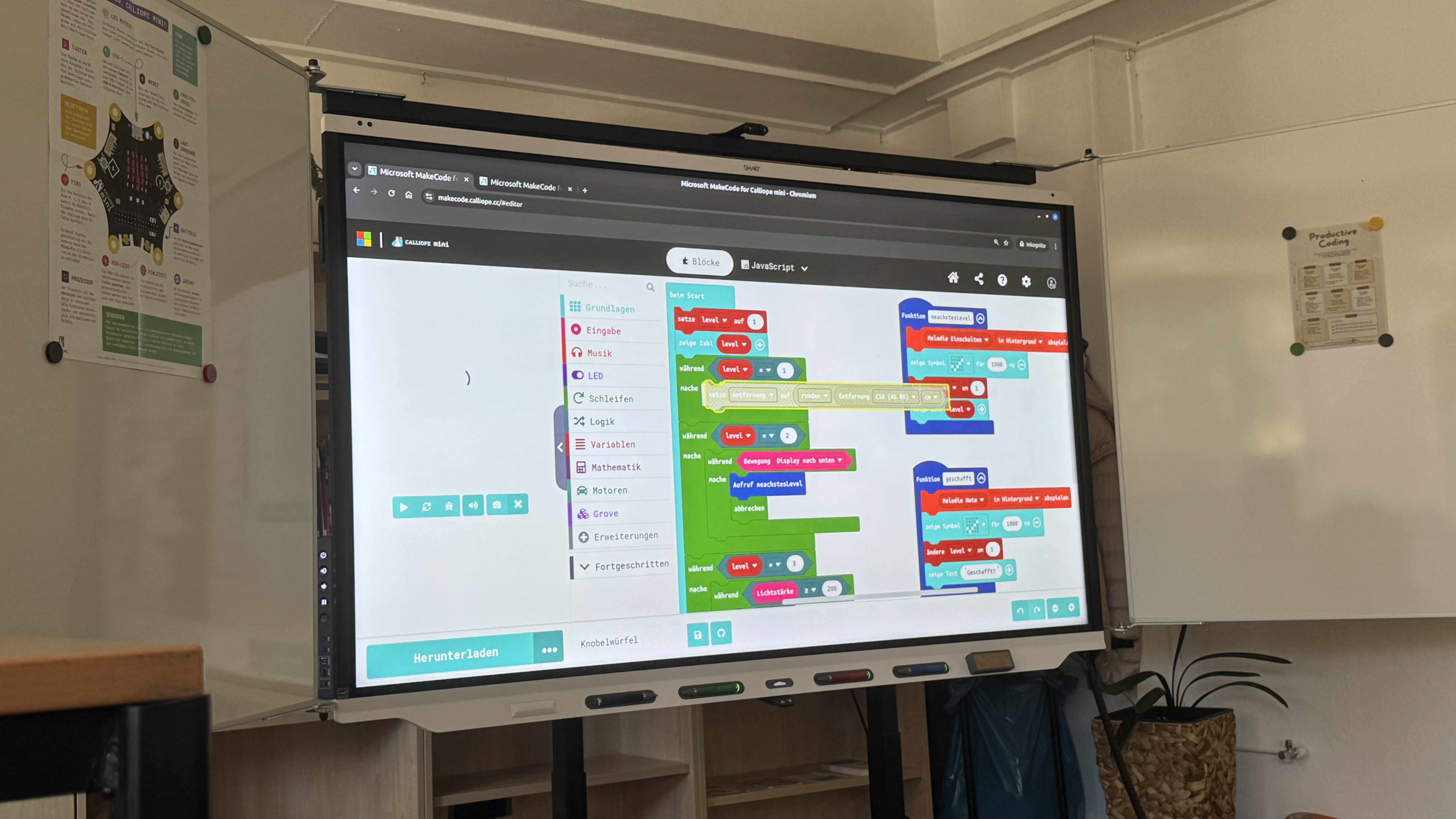
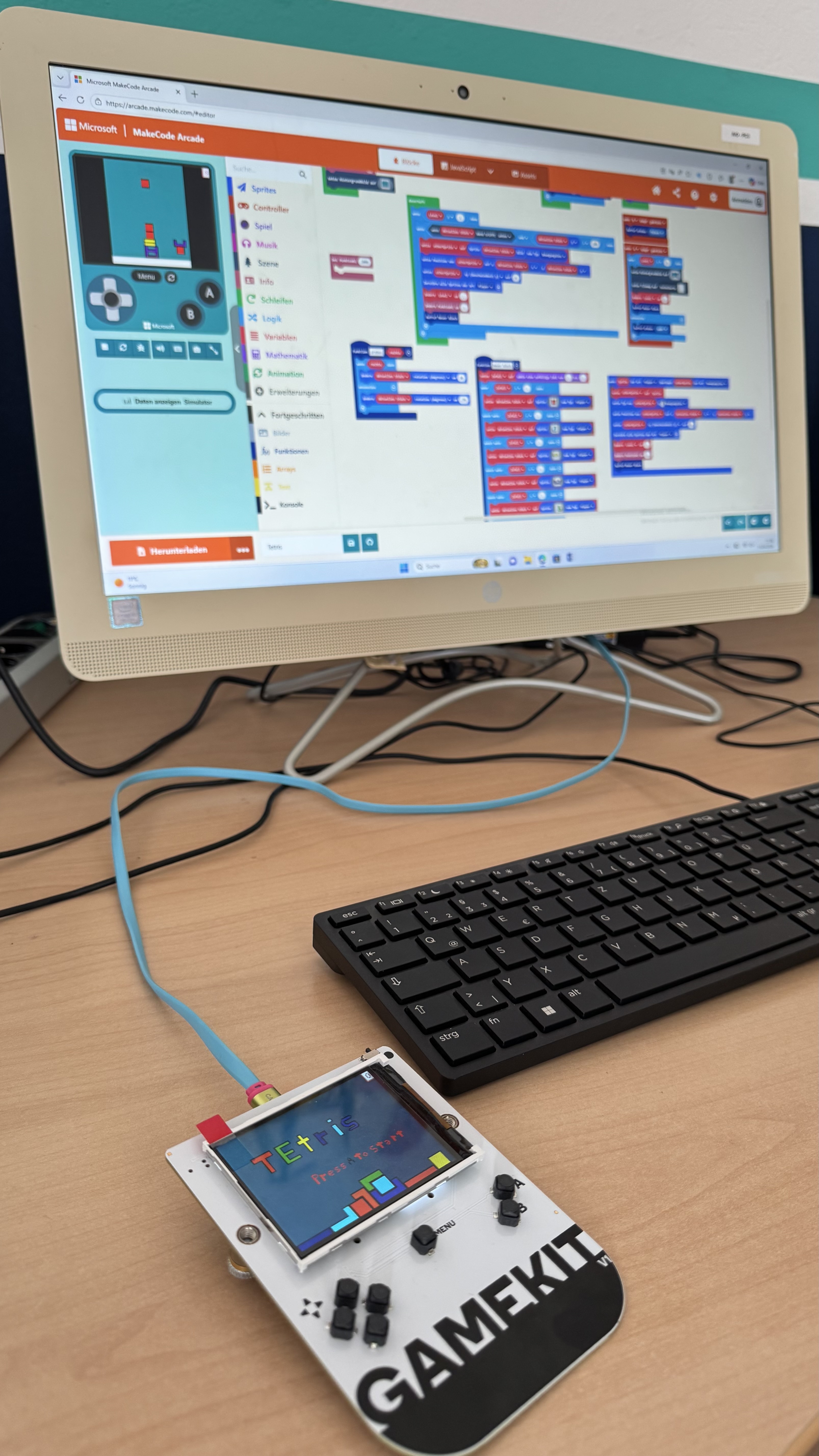
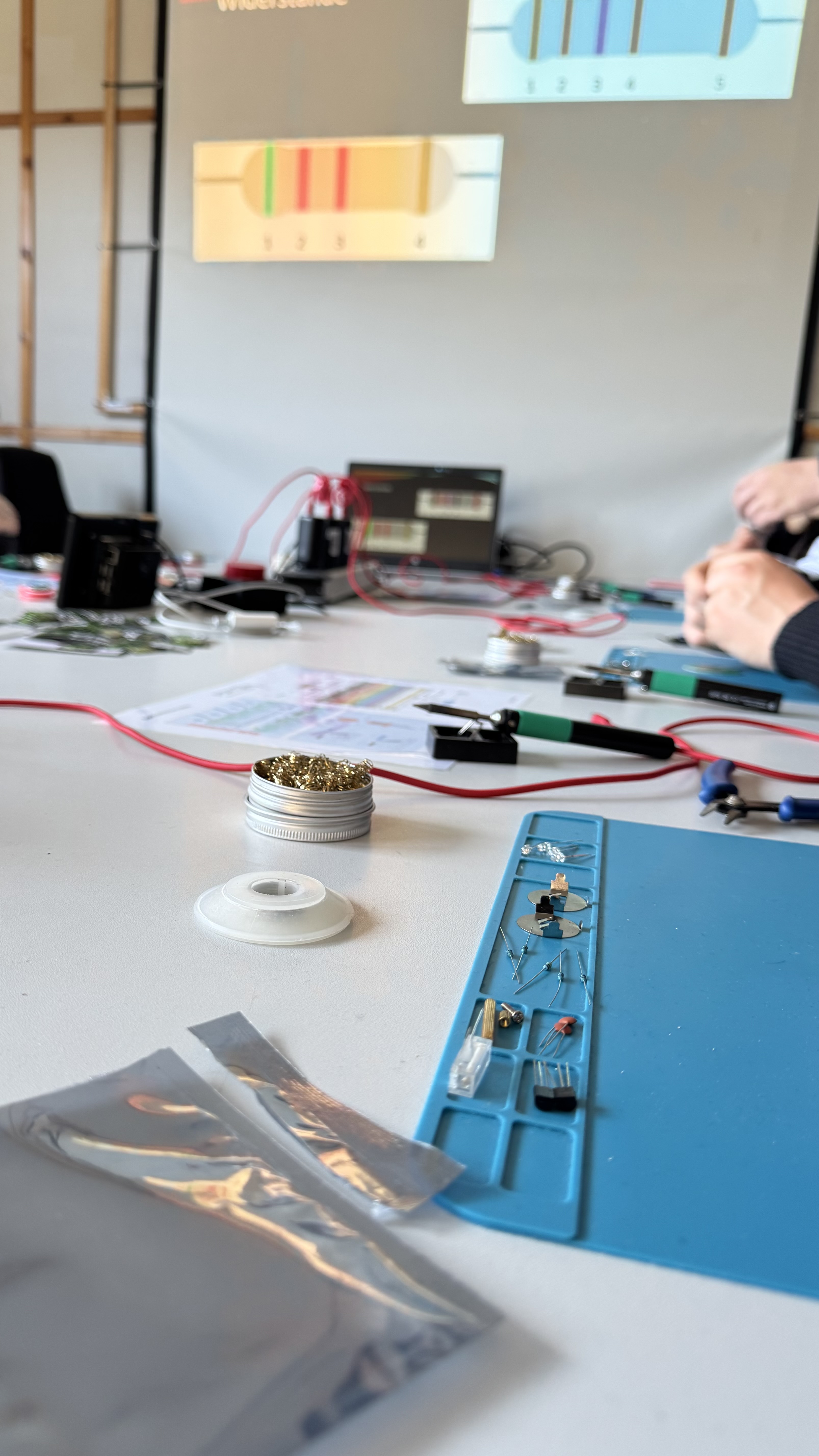
„Productive Coding“ Produktionsschule trifft Programmieren
Organisation: CJD Nord Produktionsschule Vorpommern-Rügen
Location: Stralsund, Germany
Participants: 50 | Educators: 8
The project had a positive impact on participants' digital skills, confidence, and interest in programming and technology. Through hands-on activities, participants developed practical coding competencies, strengthened their problem-solving abilities, and gained experience in collaborative project work. The involvement of mentors and external experts helped broaden participants' understanding of educational and career opportunities in the IT sector and provided valuable role models. Link: https://www.produktionsschulen-mv.de/coding-monat-in-der-produktionsschule-rugen-neue-perspektiven-durch-digitale-kompetenzen
Underserved focus: Low Access to Education, Poor Education Outcomes, Low Access to Livelihoods, Poor Livelihood Outcomes
Slovakia & Czech Republic – Digitalna Koalicia
Projects funded: 3
Participants reached: 378
Educators engaged: 5
Activities on Code Week platform: 24
Projects under this hub focused on digital fabrication, girls’ participation in STEM. Activities combined hands-on learning, practical technology use, collaboration, and project-based approaches, while strengthening participants’ digital confidence and creating resources or equipment that can continue to support learning beyond the funded period.
Funded Projects
SmartGirls
Organisation: Elementary school Kúpeľná 2
Location: Prešov, Slovakia
Participants: 58 | Educators: 1 | Activities: 7
The project involved upper primary school girls who gained hands-on experience with programming, digital creation, machine learning, and 3D technologies. It successfully developed their algorithmic thinking, creativity, and problem-solving skills. The project outputs were: programs created for the BBC micro:bit, prototypes and models created using 3D printing, textile accessories with programmable LED elements, projects utilizing "Create AI with micro:bit," presentations and demonstrations of student outputs. Link: Not available
Smart Fashion
Organisation: Elementary school Františka Hrušovského Kláštor pod Znievom
Location: Kláštor pod Znievom, Slovakia
Participants: 60 | Educators: 3 | Activities: 4
The project was particularly well-received by girls, who actively participated in technical tasks, experimented with design, and came up with their own uses for smart accessories. Several original designs were created during the activities. Out of a total of 60 participating students, 43 were girls. Link: https://zsklastor.edupage.org/
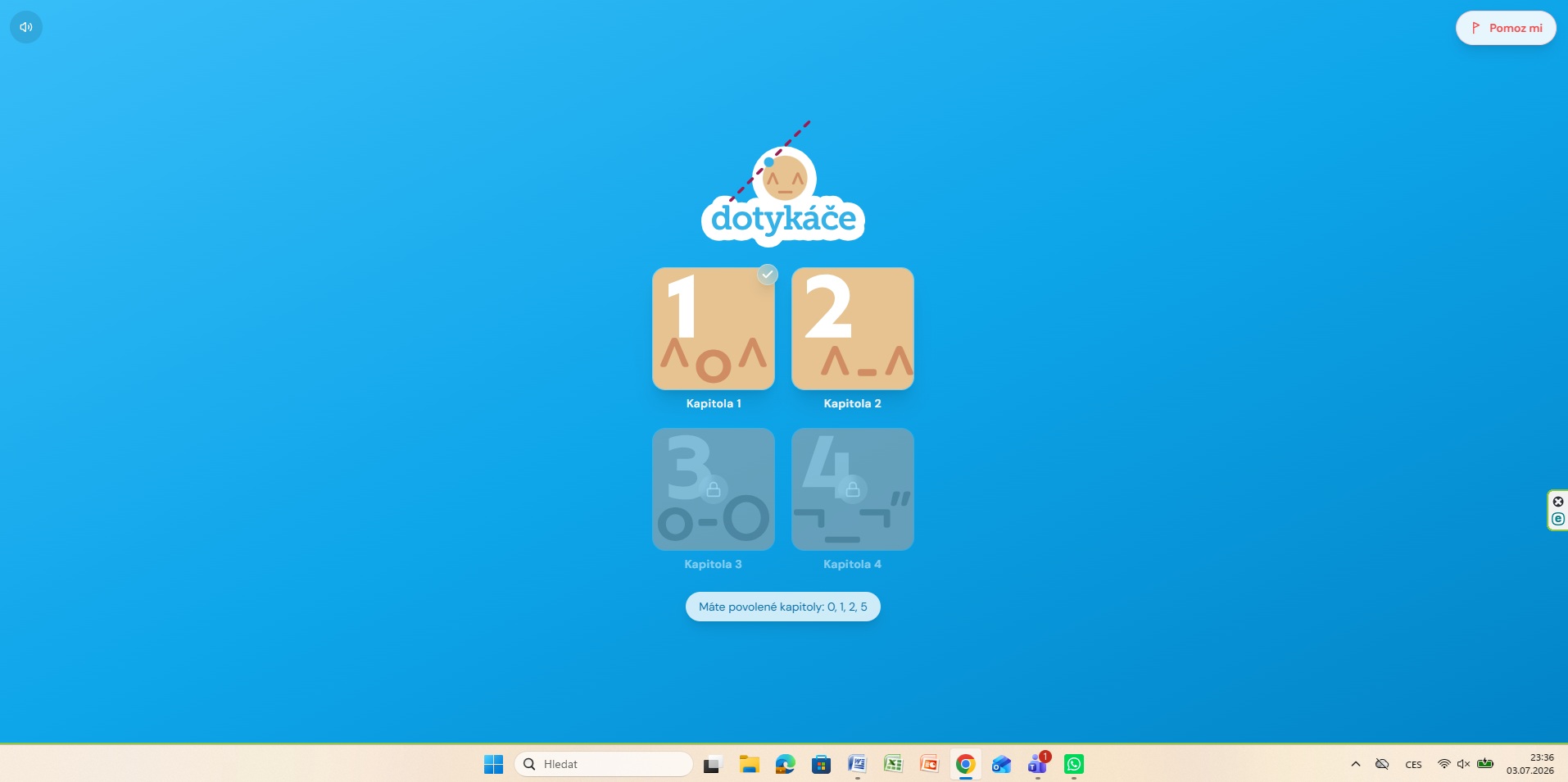
Dotykáče - rozšírenie umelecko-vzdelávacieho programu pre ZŠ a SŠ
Organisation: CIRCULUS
Location: Lažánky, Czech republic
Participants: 260 | Educators: 1 | Activities: 13
A functional add-on module was created for the web application, which serves as the first half of the Dotykáče art-education program for students aged 14–18. The program (including the "14 Fun Facts" minigame) was run 13 times for the target audience. A functional presentation website was created for the project. Link: https://dotykace.com/main/
Links:
France – Simplon
Projects funded: 1
Participants reached: 72
Educators engaged: 4
Activities on Code Week platform: 3
Projects under this hub focused on girls’ participation in STEM. Activities combined hands-on learning, practical technology use, collaboration, and project-based approaches, while strengthening participants’ digital confidence and creating resources or equipment that can continue to support learning beyond the funded period.
Funded Projects
STEMINISM
Organisation: Collège Eugène DElacroix
Location: Roissy-en-Brie, France
Participants: 72 | Educators: 4 | Activities: 3
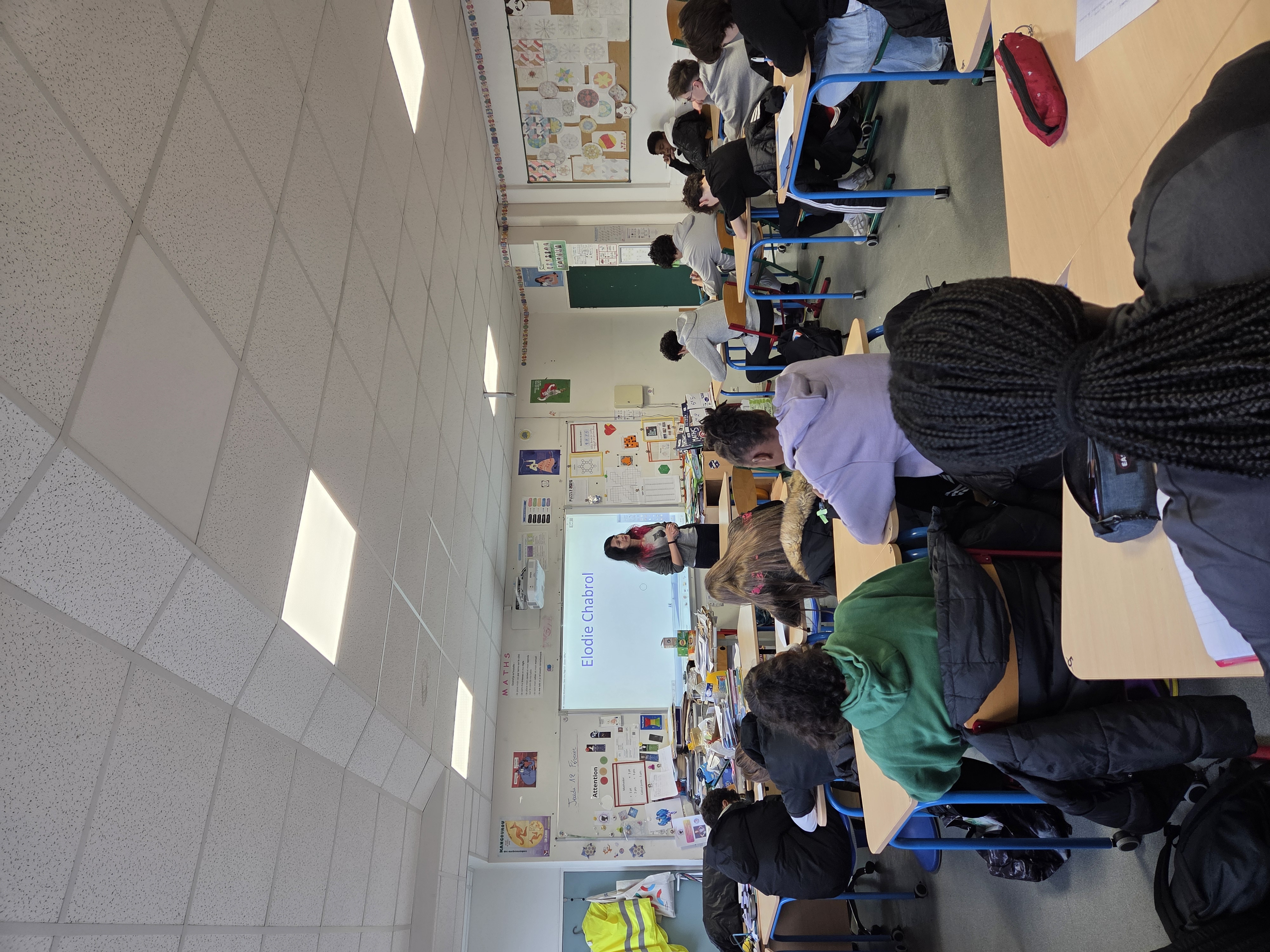
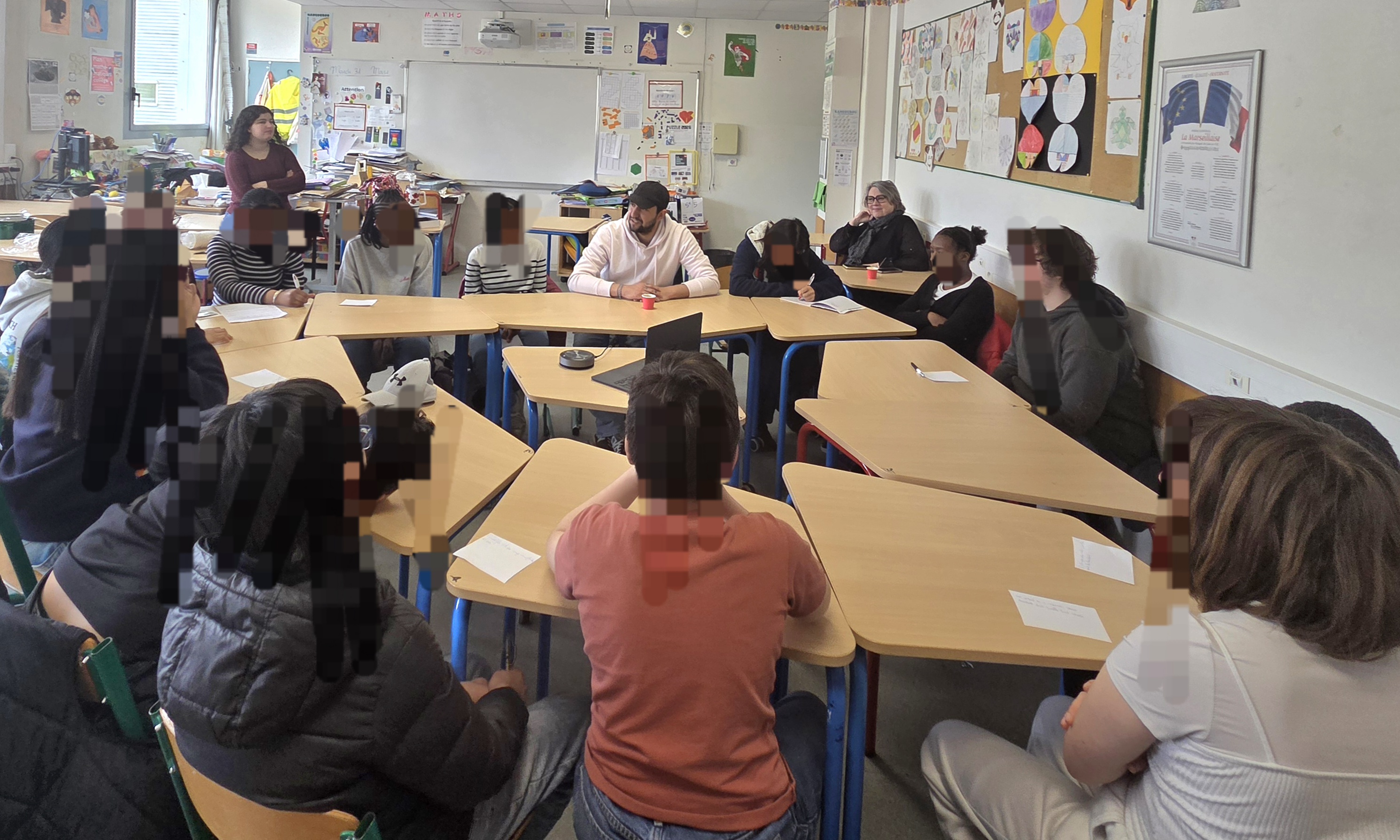
Digital Skills: Measurable progress in mastering algorithmic thinking and video game development. Gender Diversity and Equality: Giving middle school girls priority in the role of mentors (“Code Ambassadors”) has created strong role models for younger students and helped alleviate fears about pursuing technology-related fields. School climate and cross-grade-level collaboration: Recognition of student mentors and strengthening of partnerships with local schools. Link: Not available
Albania, Serbia, North Macedonia & Montenegro – JA Albania
Projects funded: 1
Participants reached: 50
Educators engaged: 25
Activities on Code Week platform: 4
Projects under this hub focused on coding and computational thinking, teacher capacity building. Activities combined hands-on learning, practical technology use, collaboration, and project-based approaches, while strengthening participants’ digital confidence and creating resources or equipment that can continue to support learning beyond the funded period.
Funded Projects
Innovate4Europe
Organisation: Innovation Lab Macedonia
Location: North Macedonia
Participants: 50 | Educators: 25 | Activities: 4
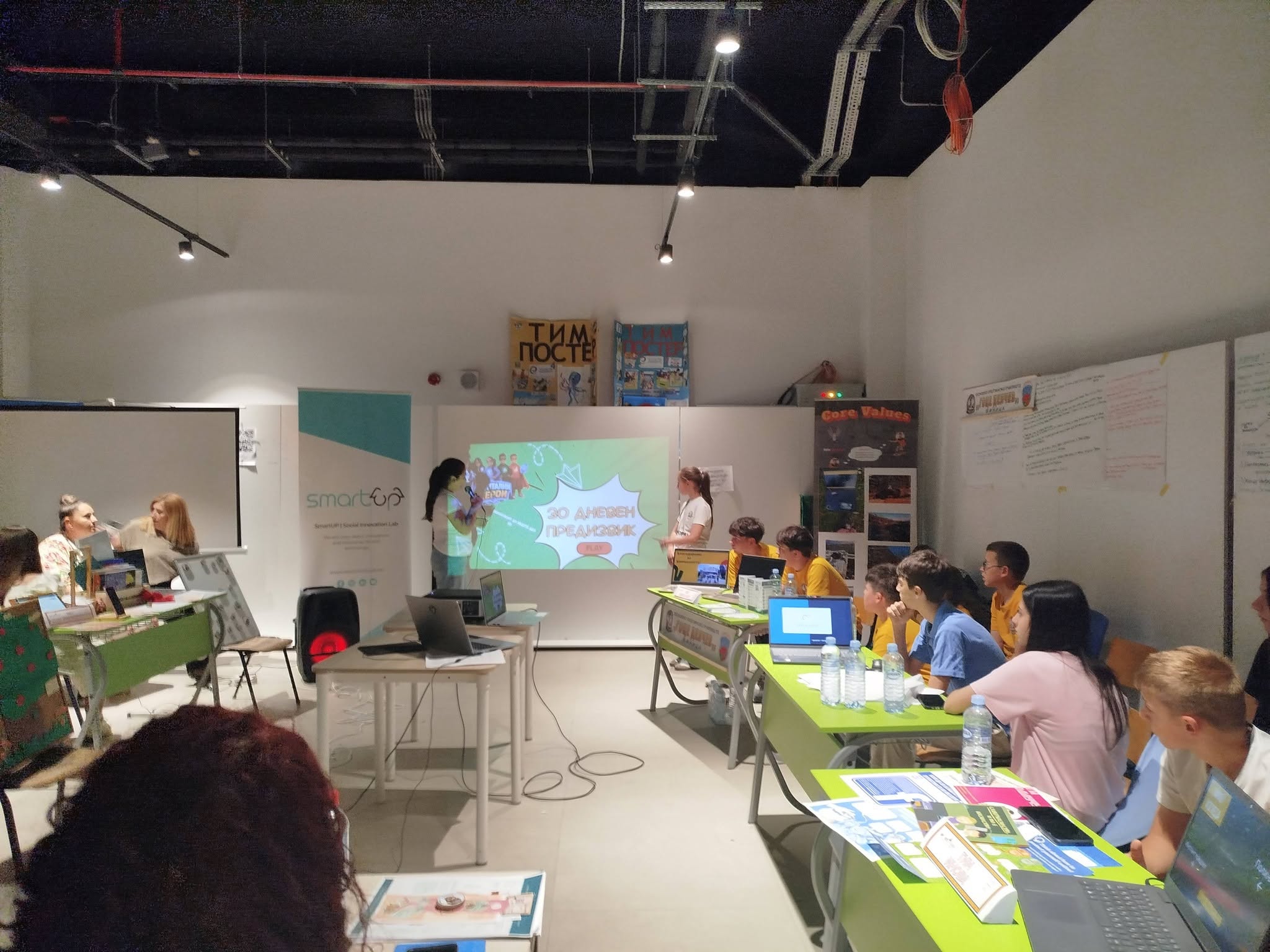
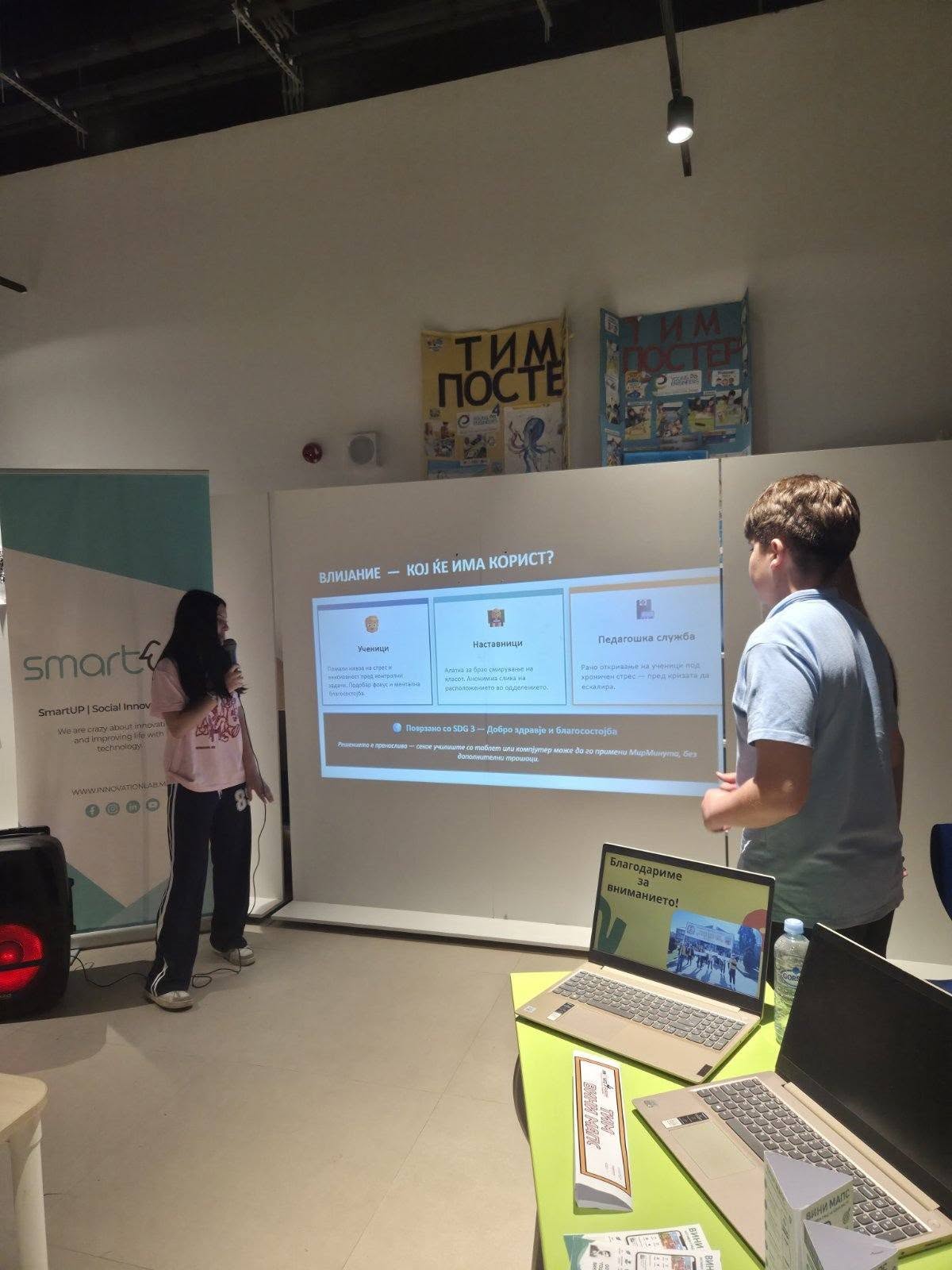
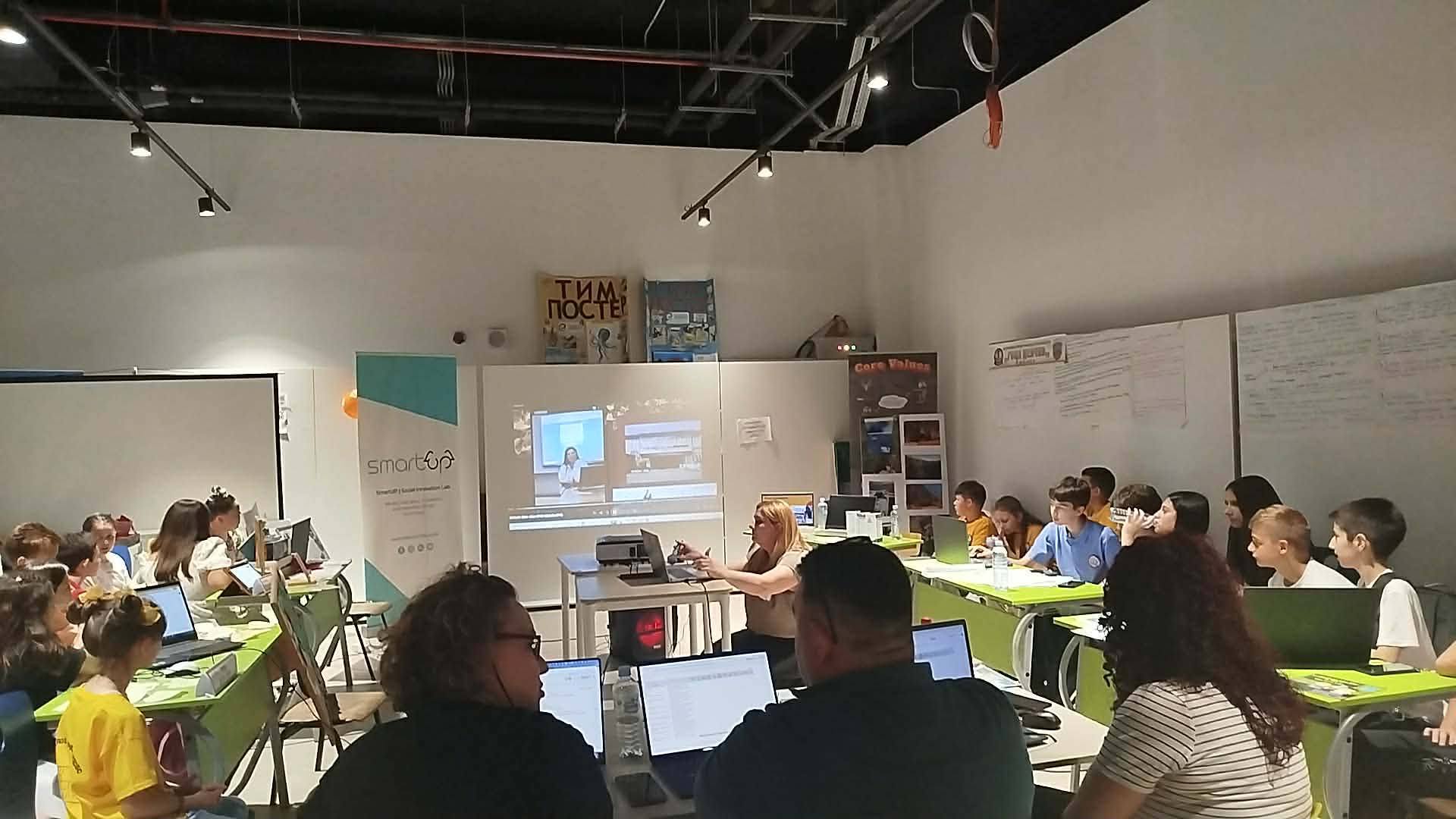
Innovate4Europe Hackathon: Impact Summary 1. Educational & Competency Impact • Digital Literacy & Technical Skills: 50 students developed hands-on coding and problem-solving abilities by building 10 functional digital prototypes using tools such as App Lab, Thunkable, Scratch, and Canva AI. • Capacity Building for Educators: 21 teachers were equipped with project-based learning methodologies, mentoring strategies, and the Engineering Design Process (EDP), establishing a sustainable network of coding mentors across 10 schools. Link: https://www.innovationlab.mk/codeweek-povik-mentori/ Denmark, Finland, Iceland, Norway & Sweden – ECWT Status: Reporting pending Round 2 reporting from the ECWT hub is still pending. Final project results are therefore not yet presented on this page. Luxembourg – WIDE ANDCO Status: Cancelled due to low number of applications The small grants call in Luxembourg was cancelled due to a low number of applications. Consequently, no projects were selected or implemented under Round 2. Belgium & Netherlands – Digitale Wolven Status: Cancelled The small grants call under the Digitale Wolven hub was cancelled. Consequently, no projects were selected or implemented under Round 2.
Underserved focus: Regional/Non-Capital Schools: Schools from outside the capital city (e.g., Vinica, Kavadarci, Tetovo) were included to expand STEM access across different regions of North Macedonia.