Coding, AI and Classroom Practice at the Science on Stage Festival 2026
30/06/26
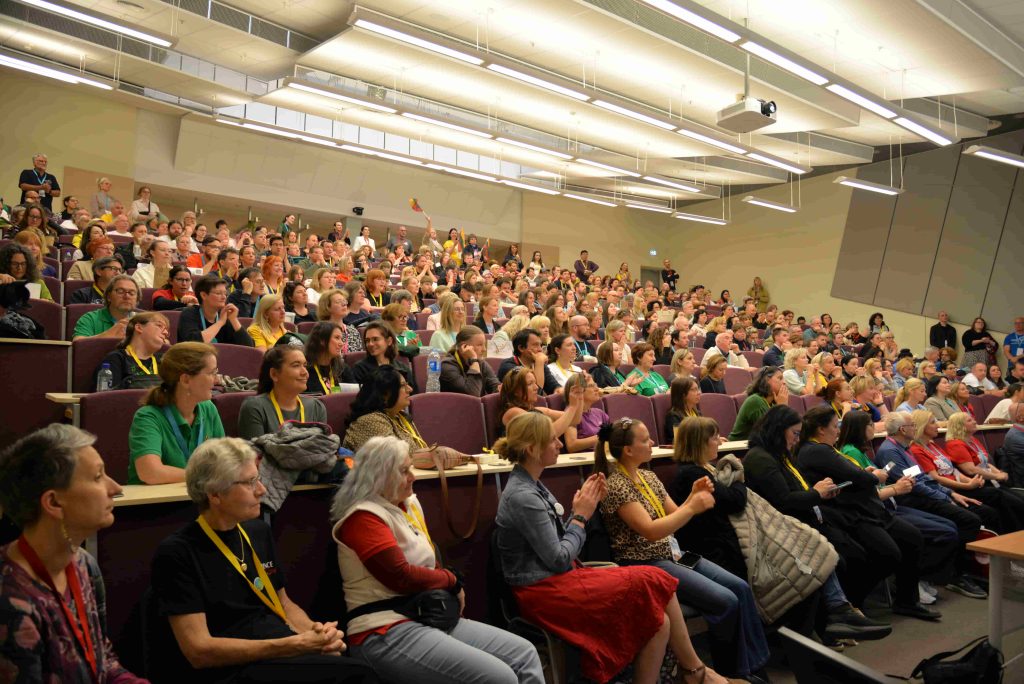
The 14th European Science on Stage Festival took place in Klaipėda, Lithuania, from 28 to 31 May 2026. It brought together around 450 teachers from 34 countries. Together, they exchanged practical ideas for STEM teaching. Throughout the festival, educators shared classroom-tested projects. Above all, they focused on usability and direct classroom application.
AI takes centre stage in STEM education
Digital education played a central role in the programme. Under the guiding theme “AI in STEM Education,” teachers presented fresh approaches to the subject. For example, they introduced algorithms, data processing, and artificial intelligence in an accessible way. In addition, workshops on quantum computing added depth. As a result, teachers broke complex concepts into step-by-step classroom activities. Moreover, each activity linked directly to computational thinking.
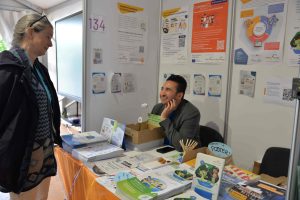
Coding and making across the teaching fair
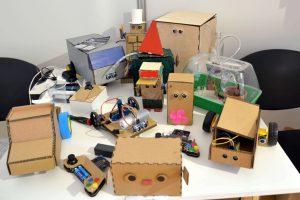
At the teaching fair, coding and making appeared across many projects. These ranged from microcontroller-based activities to interdisciplinary formats. Notably, several combined programming, science, and sustainability. Therefore, students could work actively with digital tools. In turn, they built a deeper understanding of how technology functions.
EU Code Week was part of this exchange, presented both at the Science on Stage Europe stand and in a plenary session. This connected the many hands-on activities at the festival with broader efforts to promote coding and digital skills in schools across Europe.
Why peer exchange matters
The festival’s strength lies in peer exchange. Teachers present their work so that others can test, discuss, and adapt it. As a result, ideas travel quickly from one classroom to the next. In this way, the festival supports coding, computational thinking, and digital literacy in everyday teaching.
The festival’s strength lies in its focus on peer exchange: teachers present their work in a way that allows others to test, discuss, and adapt ideas for their own classrooms. In this way, it supports the integration of coding, computational thinking, and digital literacy into everyday teaching practice.
The next European Science on Stage Festival will take place in 2028. Before then, national festivals will run throughout 2027. These events will select the participants for the European final. To find out more, and to check whether your country takes part, visit the Science on Stage website.
