EU Code Week Grants for Grassroots Round 1
19/06/26
53 local projects bringing coding closer to communities
Across Europe, digital education grows strongest when it starts close to people’s everyday lives: in schools, libraries, youth centres, classrooms, public squares, and community spaces. This was the guiding idea behind the first round of the EU Code Week Grants for Grassroots, which supported local and regional initiatives helping young people discover coding, computational thinking, digital creativity, and emerging technologies.
With the completion of Round 1 reporting, we are pleased to share the results and stories behind this first group of projects. More information about the supported initiatives is now available on the EU Code Week website: codeweek.eu/grassroots-grants
Round 1 by the numbers
Round 1 of the Grants for Grassroots supported 53 projects across 16 hubs, reaching communities across 21 countries: Albania, Austria, Belgium, Bulgaria, Croatia, Cyprus, Czech Republic, France, Germany, Greece, Italy, Latvia, Luxembourg, the Netherlands, Romania, Slovakia, Slovenia, Spain, Switzerland, Türkiye, and Ukraine.
Together, these projects reached:
- 9,348 young people
- Approximately 4,828 female and 4,520 male participants
- 1,048 teachers, educators, mentors, facilitators, and trainers
- 534 activities delivered through the EU Code Week platform, including workshops, trainings, festivals, coding events, school activities, and community sessions
Most projects were implemented between May and December 2025, with some activities and follow-up actions extending into early 2026.
But the impact of Round 1 is not only visible in the numbers. Across the portfolio, the projects showed how small-scale grassroots funding can support meaningful local innovation, strengthen teacher capacity, and make digital education more accessible, creative, and inclusive.
Coding as a tool for local learning
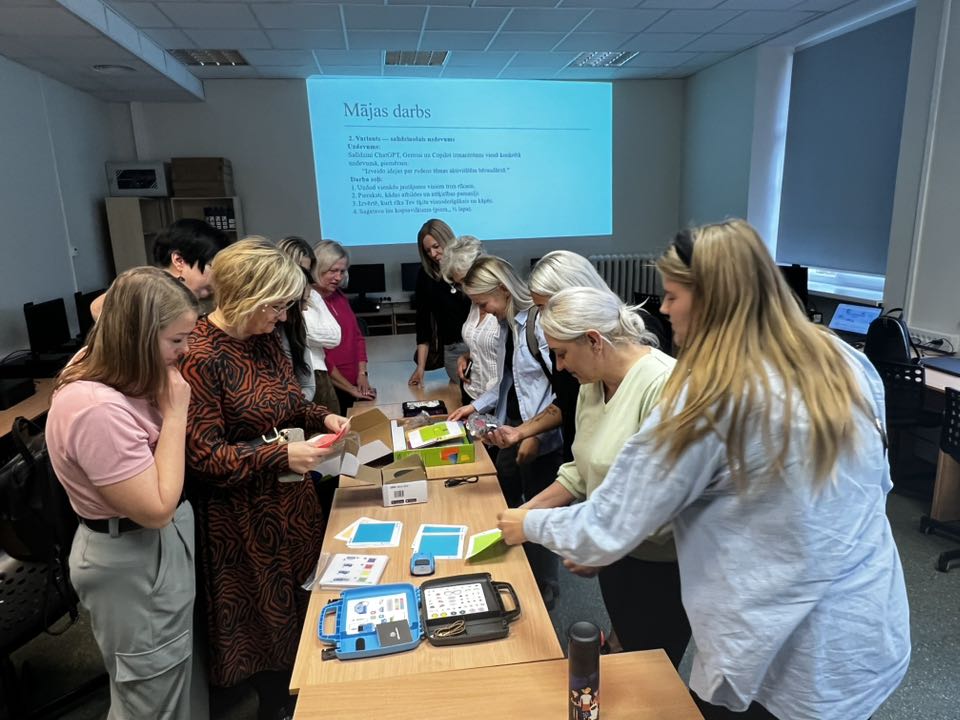
One of the clearest messages from Round 1 is that coding was rarely taught in isolation. Instead, communities used coding as a way to explore real-world topics and local interests.
In several projects, learners connected programming with culture, heritage, and storytelling. Students created interactive exhibits about local history and geography, explored monuments through robotics, linked mythology and archaeology with AI and 3D printing, and used digital tools to bring local stories to life. In other cases, libraries became spaces where reading and coding met, showing how digital and traditional literacies can reinforce each other.
Other projects connected coding with science, environment, and sustainability. Young people programmed flood prevention models, simulated the work of rangers in protected areas, created robotics activities around renewable energy and pollination, and explored sustainability through playful early-years learning. These activities helped participants see that coding is not only about technology, but also about understanding and responding to the world around them.
Hands-on, creative, and practical digital education
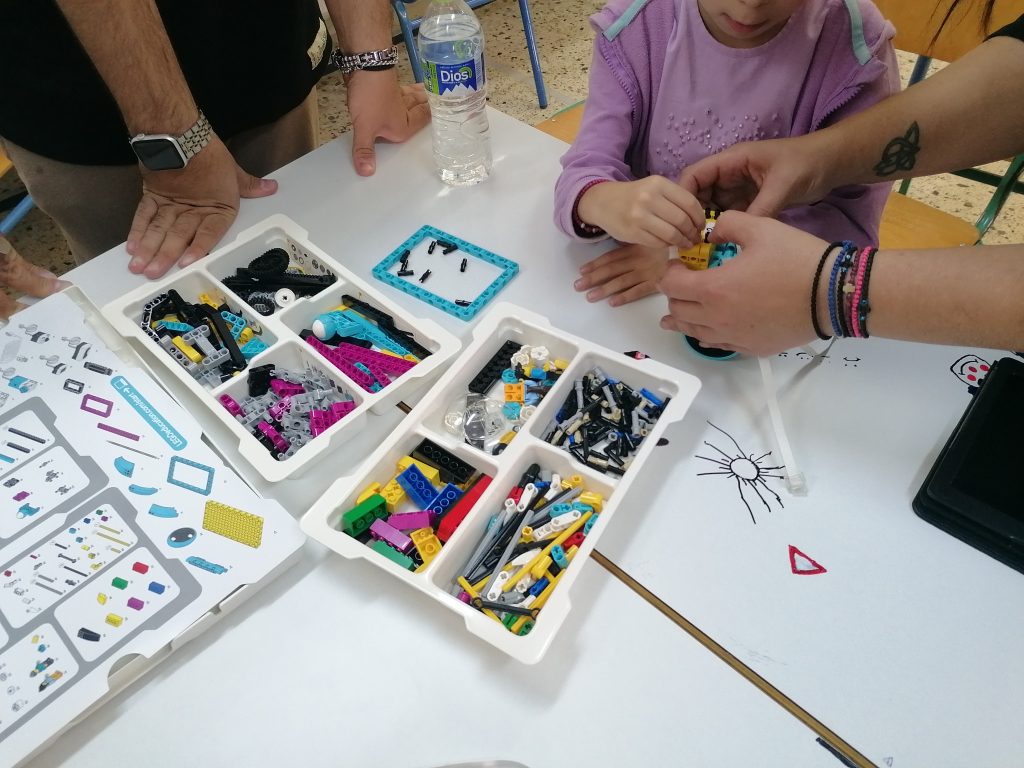
Across the projects, digital learning was highly practical. Learners did not only sit in front of screens; they built, tested, designed, moved, touched, and created.
Many projects used tools such as Scratch, micro:bit, Arduino, LEGO robotics, Bee-Bot, Blue-Bot, Sphero, Ozobot, Makey Makey, Calliope mini, VEX robotics, 3D printers, laser cutters, and tactile coding kits. These tools helped make abstract concepts such as sequencing, loops, conditionals, debugging, data, sensors, and algorithms more tangible.
This hands-on approach was especially visible in robotics, physical computing, and maker education projects. Students built smart home prototypes, programmed robots, designed game prototypes, created digital embroidery patterns, printed 3D models, developed assistive technologies, and participated in hackathons, festivals, and public exhibitions.
The result was a broad and creative understanding of digital skills: coding as building, storytelling, designing, problem-solving, experimenting, and collaborating.
Inclusion at the heart of grassroots digital education
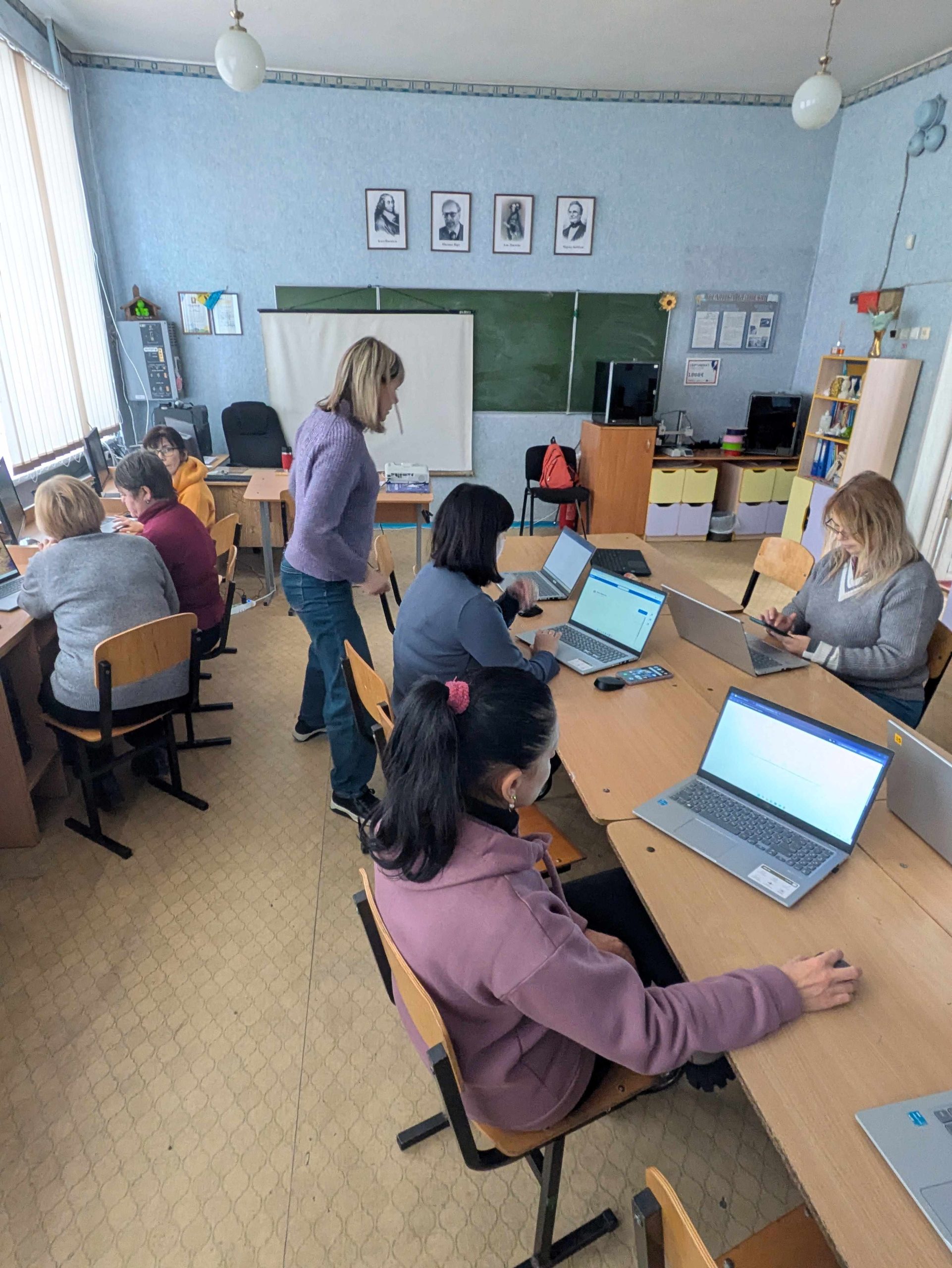
A major strength of Round 1 was its focus on widening access to digital education. While all projects contributed to bringing coding closer to local communities, 19 out of 53 projects specifically targeted underserved or underrepresented groups.
These projects supported girls in STEM, refugee and local children learning together, children affected by war, students in rural and low-access regions, learners with disabilities and visual impairments, neurodivergent learners, young people from disadvantaged schools, and communities with limited access to non-formal digital education opportunities.
Some projects focused on increasing girls’ confidence and participation in STEAM through mentoring, role models, robotics workshops, coding courses, and girls-focused academies. Others developed accessible learning approaches, including tactile programming kits for learners with visual impairments and technology-based tools supporting emotional regulation and sensory needs for children with autism spectrum disorder.
In Türkiye, local and refugee children came together through coding and play, using technology as a shared language for cooperation and social cohesion. In Ukraine, several projects supported children affected by war through STEM laboratories, media literacy, 3D printing, coding, and mobile learning models that kept hands-on education accessible even in challenging conditions.
Together, these examples show that grassroots digital education can directly respond to barriers that young people face in their daily lives.
AI and emerging technologies enter the classroom
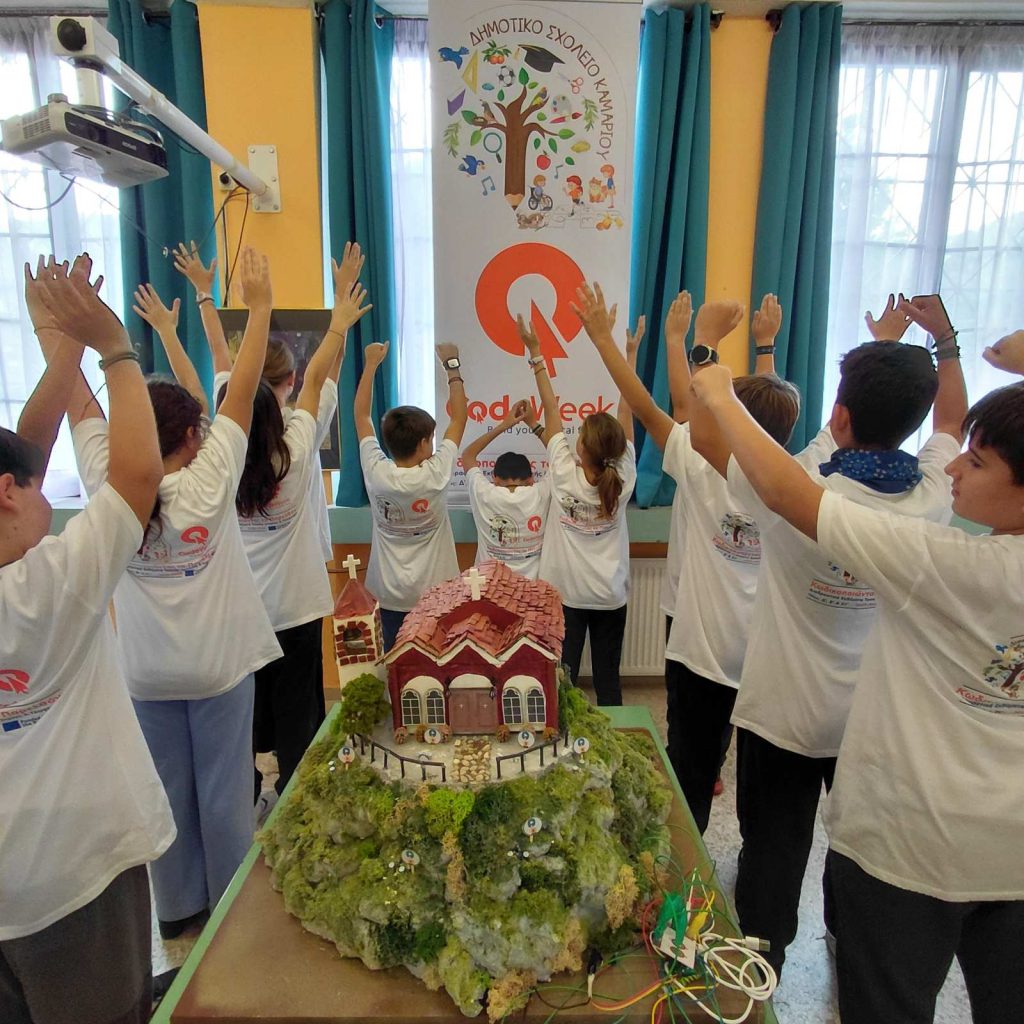
Round 1 also reflected a growing interest in artificial intelligence and emerging technologies. Several projects introduced young people to AI in practical and age-appropriate ways.
Participants explored AI-powered content creation, learned how large language models work, experimented with machine learning tools, created digital avatars, used AI image generation, and discussed how AI shapes everyday life. In some projects, AI was combined with microcontrollers, robotics, cultural heritage, or storytelling, helping students move from passive awareness to active experimentation.
This is an important development for EU Code Week. It shows that communities are not only teaching foundational programming skills, but also helping young people become more confident, critical, and creative users of new technologies.
Teachers and communities as multipliers
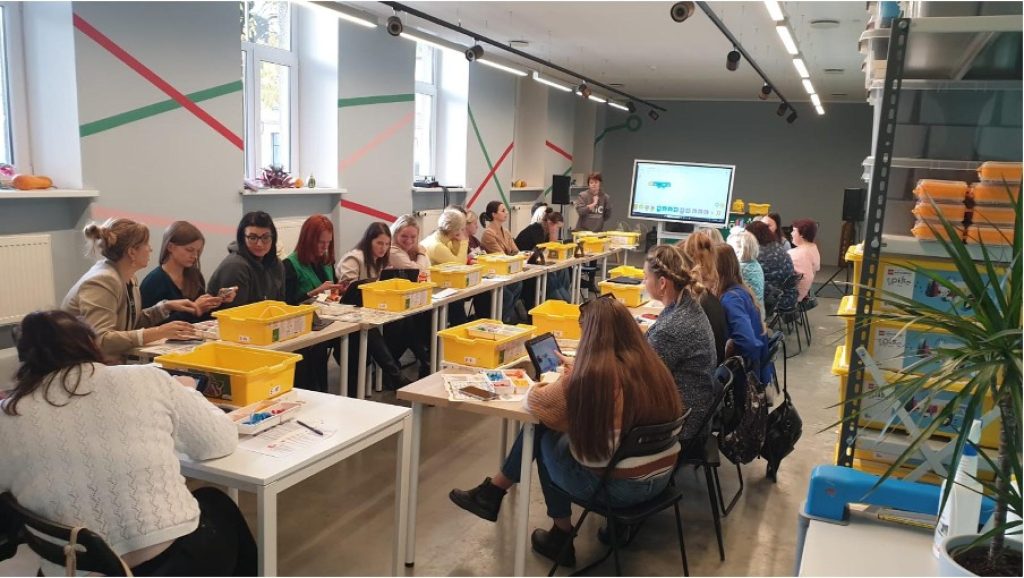
The reach of Round 1 goes beyond the young people directly involved. With 1,048 educators, teachers, mentors, facilitators, and trainers engaged, many projects invested in the people who will continue supporting digital education after the grant period.
Teacher trainings, classroom-ready lesson plans, open educational resources, digital guides, repositories, lending toolkits, new coding clubs, robotics labs, and local partnerships were created across the portfolio. Some projects developed resources that can be reused by other schools and educators, while others strengthened long-term cooperation between schools, universities, libraries, municipalities, NGOs, parents, and local experts.
This multiplier effect is central to the value of grassroots funding. A short project can create longer-lasting capacity when it leaves behind trained educators, reusable materials, equipment, partnerships, and confidence.
From local projects to a European movement
The diversity of Round 1 is one of its greatest strengths. Projects took place in major cities and small towns, in schools and libraries, in STEM centres and youth spaces, in public squares and online classrooms. Some focused on early-years coding; others supported teenagers preparing for robotics competitions. Some introduced children to programming for the first time; others helped teachers integrate new tools into their regular practice.
What connects them is a shared belief: digital education should be accessible, inclusive, creative, and relevant to local communities.
The Grants for Grassroots show how EU Code Week can support this vision from the ground up. By enabling schools, educators, NGOs, libraries, and local organisations to design activities around their own communities’ needs, the grants helped turn coding into a practical tool for inclusion, creativity, confidence, and community change.
Explore the projects
The full list of Round 1 projects is now available on the EU Code Week website. The page brings together the funded initiatives and offers a closer look at the different ways communities across Europe used coding, robotics, AI, digital creativity, and STEM to support young learners.
Looking ahead
As we celebrate the completion of Round 1, work is already continuing through Round 2 of the Grants for Grassroots, which is now being implemented and wrapped up across the network.
We look forward to sharing and showcasing the next group of projects in a similar way, highlighting the educators, organisations, hubs, mentors, and young people who continue to bring EU Code Week to life in their communities.
We are grateful to all participating hubs, project teams, educators, partners, and learners who contributed to Round 1. Their work shows what is possible when local ideas receive the support they need to grow.
