From Community Conversations to Brussels: Preparing the Next Chapter of EU Code Week Together
10/07/26
Over the past two months, the EU Code Week community has been coming together through a series of online meetings to prepare for one of the highlights of the year, the EU Code Week Community Meeting taking place in Brussels on 24 September 2026, as well as this year’s edition of EU Code Week, taking place from 10 to 25 October 2026.
These meetings have brought together ambassadors, edu coordinators, leading teachers, and the project team to exchange ideas, share experiences from across Europe, and collaboratively shape both the agenda for Brussels and the future direction of the community.
Building the agenda together
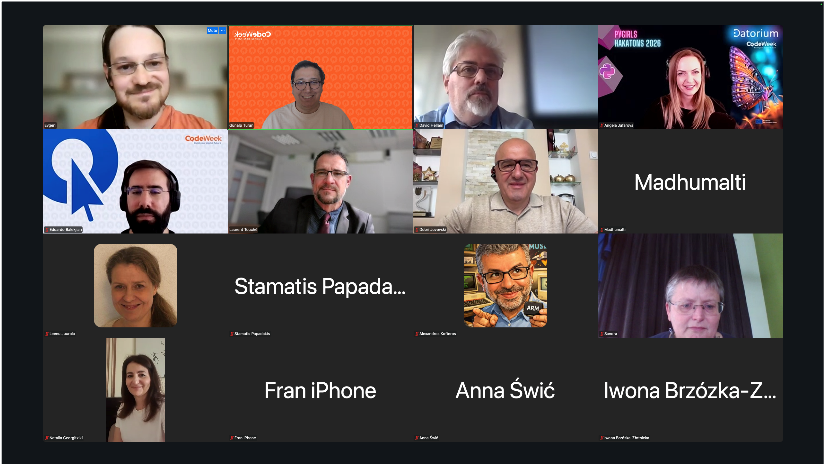
The journey started on 21 May, when 24 ambassadors from 19 countries joined the first community discussion alongside members of the project team.
Rather than simply reviewing updates, the meeting focused on the questions that matter most to the community. How can we continue strengthening our network? How can we support one another during periods of change? What topics should we discuss together in Brussels?
The conversation naturally moved towards the future of EU Code Week, the growing role of artificial intelligence in education, opportunities for stronger collaboration across countries, community-led workshops, and ways to ensure that grassroots voices continue to shape the initiative.
The meeting was also an opportunity for ambassadors to showcase inspiring work happening in their own countries. Participants shared examples ranging from robotics tournaments and girls’ hackathons to interdisciplinary coding activities, AI initiatives, and collaborations between different communities.
These conversations laid the foundations for the Brussels programme and confirmed once again that some of the best ideas come directly from the community itself.
From ideas to a programme
A second ambassadors’ meeting followed on 12 June, bringing together 19 ambassadors from 17 countries to continue developing the programme.
This session focused on turning the ideas from May into a concrete agenda. Together, participants discussed the structure of the day, possible panel discussions, hands-on workshops, and interactive community sessions that would encourage participants to actively contribute rather than simply listen.
The result is a meeting designed by the community, for the community, with plenty of space for discussion, collaboration, and peer learning.
Bringing educational perspectives into the conversation
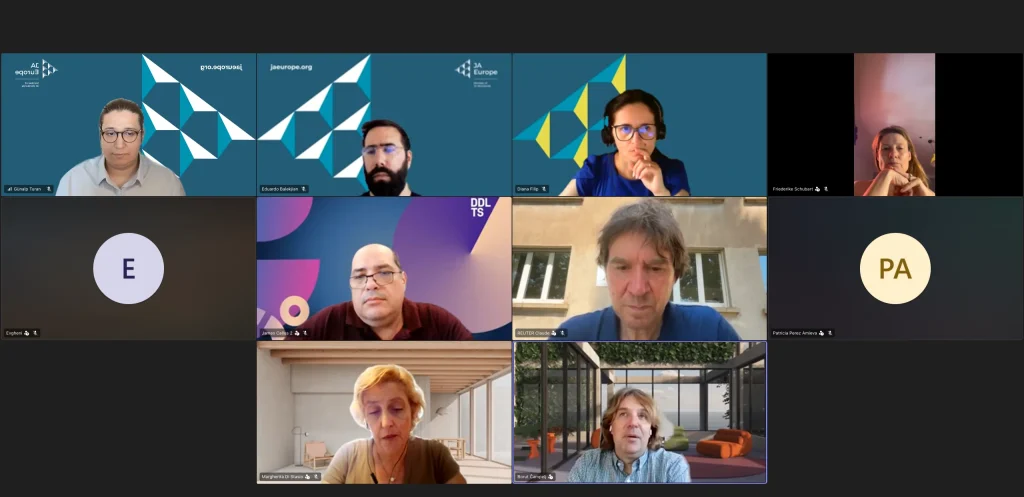
On 26 June, edu coordinators from the Ministries of Education in Germany, Italy, Luxembourg, Malta, Slovenia, and Spain joined ambassadors and the project team for the latest Edu Coordinators Meeting.
Participants exchanged updates from their countries and reflected on both the opportunities and challenges they are experiencing while preparing for EU Code Week 2026.
Teacher engagement, collaboration between ministries, hubs, ambassadors and leading teachers, and recognising educators through EU Code Week Certificates were among the main topics discussed.
The conversation also highlighted inspiring developments across Europe, including initiatives encouraging girls to explore STEM, expanded teacher training programmes, stronger ministry-hub cooperation, and growing engagement across secondary, vocational, and higher education.
Final preparations before Brussels
The final online preparation meeting took place on 8 July, bringing together ambassadors, leading teachers, edu coordinators, and members of the project team to review the programme for the Brussels Community Meeting and agree on the final discussion areas.
Participants reflected on the ideas collected during the previous meetings and explored the topics they felt were most important for the community to discuss together in Brussels. Suggestions included artificial intelligence, funding opportunities, recognition of teachers and ambassadors, collaboration across countries, support for underrepresented groups, and the future of EU Code Week.
Following an open discussion and community vote, four themes were selected to form the core of the community discussion sessions: AI and Code Week, Strengthening the Community, Funding and Grants, and The Future of Code Week.
To make these sessions as collaborative as possible, community members are now joining preparation groups led by volunteer facilitators. Each group will work together over the summer to refine the discussion questions, identify the key challenges and opportunities, and prepare interactive conversations that will continue in Brussels.
The meeting also provided an opportunity to review the hands-on workshops planned for Brussels. Participants will have the chance to explore creative coding with Makey Makey, discover card-based programming with Edison Robots, learn about practical applications of AI in the classroom with Datorium.AI, and build their own robot during another interactive workshop led by members of the EU Code Week community.
Looking forward to meeting in Brussels
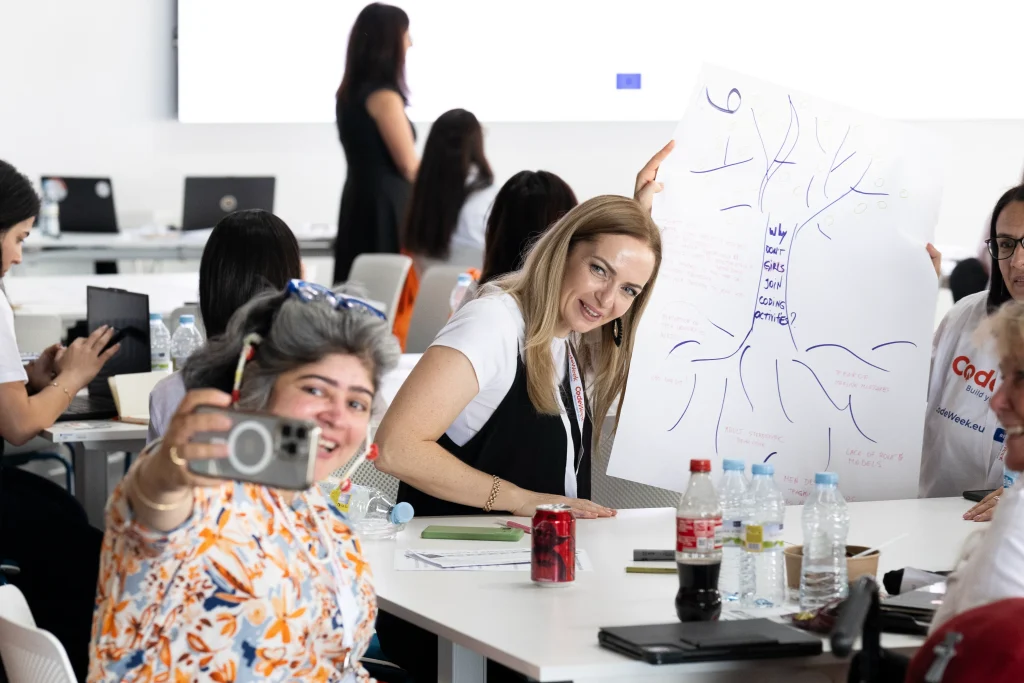
What has stood out throughout these meetings is the collaborative spirit of the EU Code Week community. Every discussion has brought new perspectives, practical ideas, and examples of inspiring work taking place across Europe.
The Brussels Community Meeting will build on these conversations by bringing the community together in person to learn from one another, exchange experiences, strengthen connections, and prepare for another exciting edition of EU Code Week.
We look forward to welcoming ambassadors, edu coordinators, leading teachers, hubs, and partners in Brussels this September and continuing to build the future of EU Code Week together.
