
Devon Young on the rise of human-centered digital careers
08/07/26
For Devon Young, creativity has always been at the centre of technology. Long before leading design teams and shaping digital experiences at Avanade, she was designing CD covers and T-shirts as a teenager – an early creative spark that grew into a more than 20-year career in user experience, strategy and design leadership.
As AI continues to reshape digital industries, Young believes human skills such as empathy, communication and collaboration are becoming more valuable, not less. In this interview, she reflects on leadership, creativity and why successful digital products still depend on people who understand human experience.
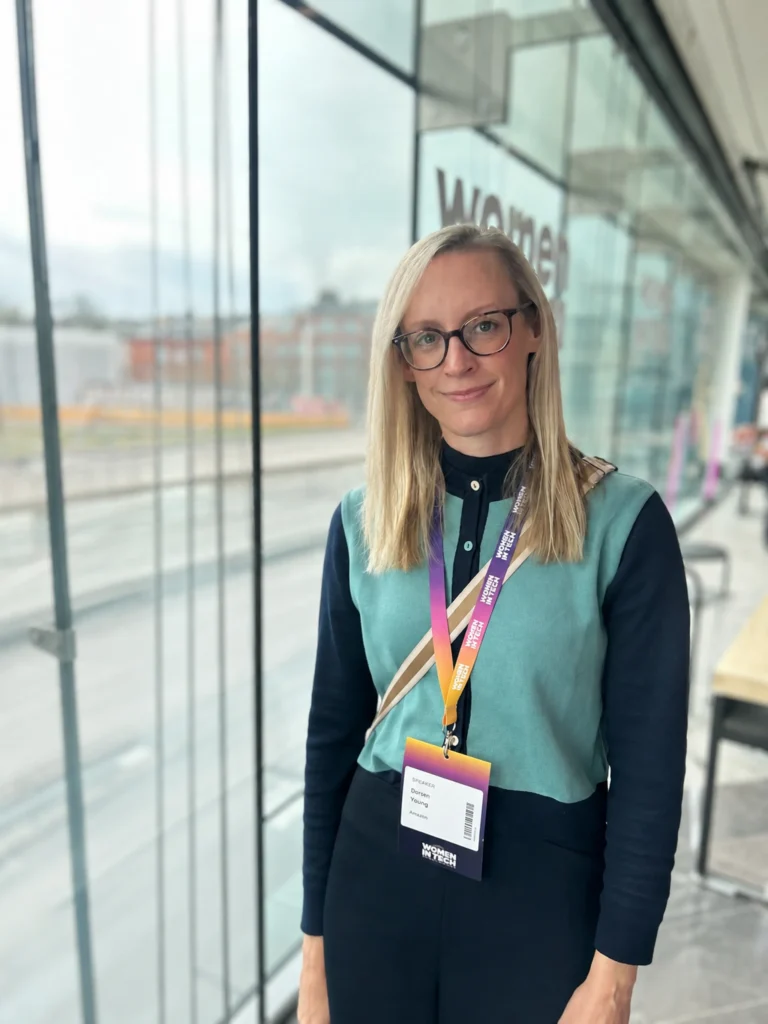
Q: You started out designing CD covers and T-shirts in high school. Which creative skills from those early experiences still matter most in today’s digital and design industries?
DY: So many things! Being trained in aesthetics, typography, colour and composition gave me an appreciation for artists and designers. Because of those early experiences, I have developed a wide range of abilities: art direction, user experience design, design research, user interviews and more.
Q: After more than 20 years in design leadership, how do you see AI and automation changing the role of designers and UX professionals?
DY: Our role has changed so much in the past couple of years already. AI has made us more effective at our jobs, and the rate at which we can accomplish activities and deliverables has increased exponentially.
Sometimes our role is now more about curation, with AI doing much of the heavy lifting we used to do ourselves. But only people with experience know what good looks like, know what questions to ask, and most importantly, know when AI gets things wrong, which it still does.
Q: What does good leadership in digital and design teams look like today, particularly for younger professionals entering the sector?
DY: I think good leaders are those who listen and who care deeply for the people who work for them. We are meant to educate and inspire others, to make things better for each other. Good leaders grow people.
If young people want to become good leaders, I would encourage them to gain as much experience as possible. Work across industries, on different types of projects, both in person and remotely. Speak to others and learn from them.
Q: Many young people still view tech careers mainly through the lens of coding. From your perspective at Avanade, how important are creativity, empathy and storytelling in building successful digital products?
DY: Those skills are the key differentiator for people in my space. We joke quite a bit that the robots are going to take over, but we are miles away from a robot being able to emulate real empathy for a human being. We need each other. Much of our work still involves standing in front of someone and connecting them to the work and to each other. We still own many parts of that experience.
Q: You recently led a multidisciplinary team to a gold medal at the RHS Chelsea Flower Show. What did that experience reveal about the growing overlap between design, technology and innovation?
DY: The success of that project could only have happened by having someone who was able to see across design, tech and innovation, speak to all three and find the balance amongst them.
If tech had been allowed to dominate, you would have seen sensors on every tree and plant. If it had been innovation-led, we might have focused too much on concept, while a design-led approach might have focused too much on aesthetics and not enough on developing technology.
I think it shows that we need people who can themselves be multidisciplinary, ask the right questions, get the best out of their teams, and work on projects that demand excellence across all three areas.
