


Find what inspires you
Browse through a wealth of coding resources, activities, and guides to support your journey into digital creativity and learning
Search results
See the results based on your keyword(s) below:
309064 Results
Activities | 2026-10-28
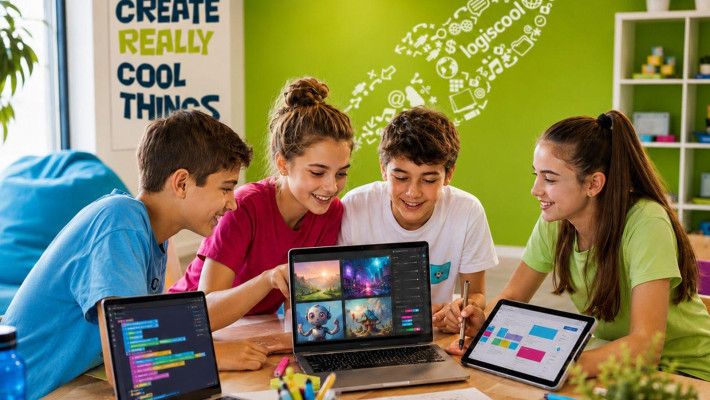
Олимпиада по креативност „Идеите променят света“
Олимпиада по креативност "Идеите променят света" е образователно събитие, което насърчава децата и младежите да развиват творческото си мислене, дигиталните си умения и способността си да решават реални проблеми. Участниците ще се включат в практически предизвикателства, съобразени с възрастта им / 6 г.-18 г./. Ще създават идеи, истории, игри, алгоритми или дигитални продукти. Специален акцент е
Activities | 2026-10-28
Олимпиада по креативност „Идеите променят света“
Олимпиада по креативност "Идеите променят света" е образователно събитие, което насърчава децата и младежите да развиват творческото си мислене, дигиталните си умения и способността си да решават реални проблеми. Участниците ще се включат в практически предизвикателства, съобразени с възрастта им / 6 г.-18 г./. Ще създават идеи, истории, игри, алгоритми или дигитални продукти. Специален акцент е

Activities | 2026-10-28
"Programmiamo con i colori del mare"
Gli alunni, dopo una fase iniziale di osservazione e classificazione dei vetrini del mare raccolti durante un'uscita sul territorio, vengono coinvolti in un'attività di **coding unplugged** finalizzata alla progettazione e realizzazione di gioielli o quadri artistici. Ogni colore di vetrino viene associato a un simbolo o a un codice specifico: - 🟢 Verde = avanzare di una casella - 🔵 Blu = girare a
Activities | 2026-10-28
Harmanlı Bilgisayarsız Yapay Zeka ve Kodlama Atölyesi
Bilgisayarsız Kodlama Etkinlikleri Etkinliğin Adı: Kodla, Düşün, Tahmin Et Etkinliğin Amacı: Öğrencilerin algoritmik düşünme, problem çözme, hata ayıklama ve iş birliği becerilerini geliştirmek; bilgisayar kullanmadan yapay zekânın temel çalışma mantığını kavramalarını sağlamak. Etkinliğin Yönetimi: Etkinlik, Teknoloji ve Tasarım Öğretmeni Güldeniz Korkmaz tarafından yürütülecektir. Öğrenciler küç
Activities | 2026-10-28
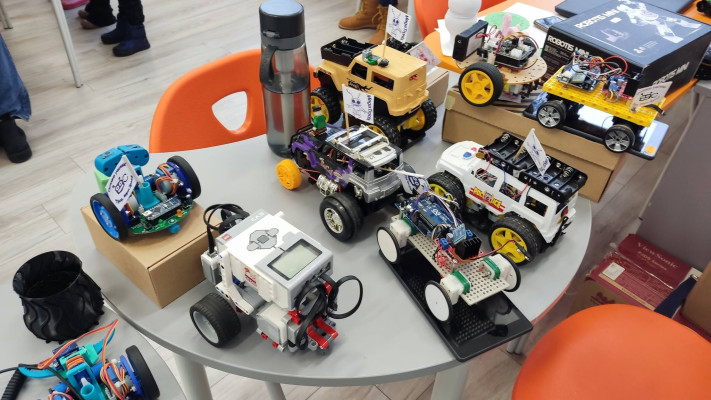
Getting started in robot programming
Getting to know the robot Molivko. Girls with programming experience explain that the robot only executes precise commands: "Forward", "Backward", "Turn left", "Turn right". The children are divided into teams. On the field are pictures of the "Prof. Marin Drinov" Primary School (start) and the "Hisarlaka" Park (finish). Between them there are "obstacles" (for example, rocks or rivers). The teams
Activities | 2026-10-28
UN ROBOT NEL LABIRINTO
Attraverso un 'attività ludica e laboratoriale gli alunni saranno invitati a guidare un robot lungo un percorso prestabilito, individuando la sequenza corretta di comandi per raggiungere l'uscita ed evitando eventuali ostacoli. La scelta di questa attività è motivata dalla possibilità di integrare gioco, apprendimento, ragionamento e ricerca di soluzioni.
Activities | 2026-10-28
PROGRAMMARE CON IL DIAGRAMMA DI FLUSSO 3^B
Inizialmente gli alunni saranno guidati alla conoscenza del diagramma di flusso e alla funzione per poi imparare ad utilizzarlo nella programmazione di semplici attività quotidiane.
Activities | 2026-10-28
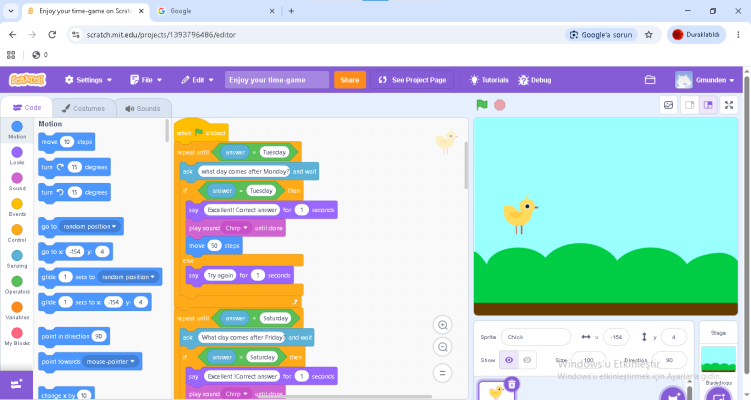
Enjoy your time
Etkinlik bağlantısı: https://scratch.mit.edu/projects/1393796486/editor/ Enjoy your time ;Scratch programında İlkokul 3. sınıf öğrencileri için hazırlanan bir öğrenme oyunudur.Oyunda öğrencilergünler,aylar ,mevsimler temalarıyla ilgili soruları cevaplayarak ilerler. Etkinlik kapsamında öğrenciler oyunu ve kodlamayı gözlemler. Öğrencilerin İngilizce günler,aylar,mevsimler kavramları ile ilgili
Activities | 2026-10-28
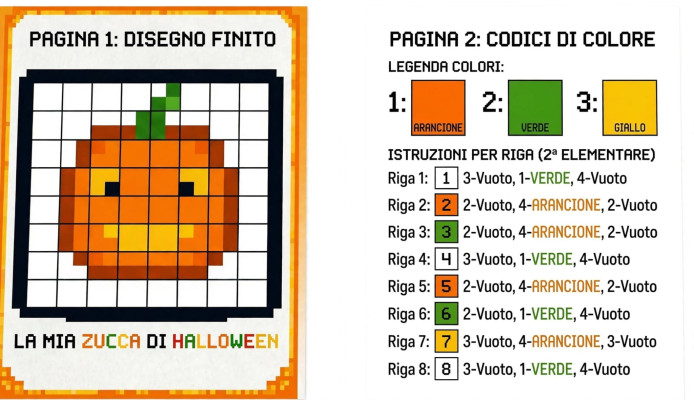
AUTUNNO E HALLOWEEN
ATTIVITA' DIDATTICHE FINALIZZATE ALLO SVILUPPO DEL PENSIERO COMPUTAZIONALE E DELLE COMPETENZE DIGITALI ;VISUAL CODING: PROGETTAZIONE DI SCHEDE UNPLUGGED E QUIZ INTERATTIVO
Activities | 2026-10-28
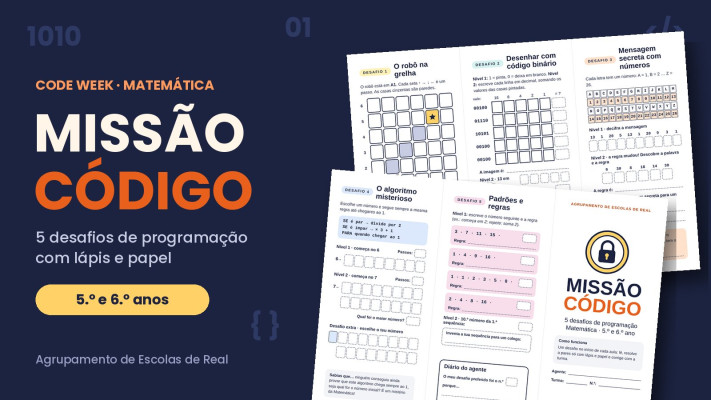
Missão Código: 5 desafios de programação nas aulas de Matemática com lápis e papel
A Missão Código leva a programação às aulas de Matemática do 5.º e 6.º ano do Agrupamento de Escolas de Real. Durante cinco aulas, nos primeiros 10 minutos, os alunos resolvem a pares um desafio de programação só com lápis e papel, num desdobrável que guardam até ao fim da missão. Os cinco desafios ligam o pensamento computacional aos conteúdos de Matemática: O robô na grelha: coordenadas e sequê
Still have a question?