


Find what inspires you
Browse through a wealth of coding resources, activities, and guides to support your journey into digital creativity and learning
Search results
See the results based on your keyword(s) below:
308970 Results
Activities | 2026-10-27
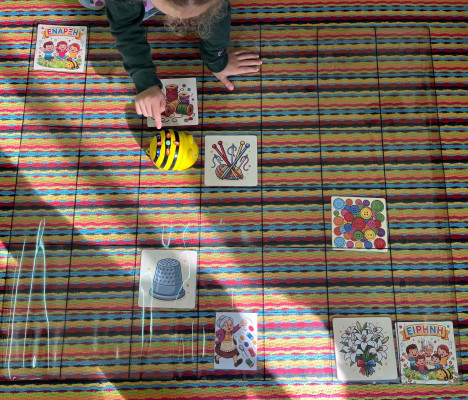
"Ράβοντας κώδικα....με τα "Ραφτικά της γιαγιάς"
Πρόκειται για μια δραστηριότητα ρομποτικής στα πλαίσια της EU Code Week 2026 με τη χρήση της Beebot. &Sigm

Activities | 2026-10-27
L'astronave di Roby
Le alunne e gli alunni della classe 2D primaria con l'ins. Patrizia Multari diventano coders per guidare Roby a raggiungere l'astronave evitando gli asteroidi.
Activities | 2026-10-27
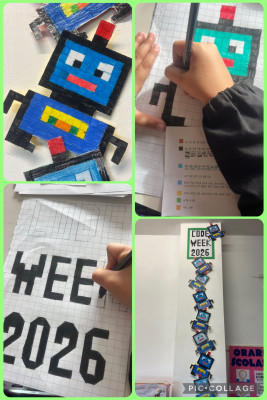
Un robottino in codice
Un'attività ludica e unplugged (senza l'uso di computer) pensata per avvicinare gli alunni della classe terza primaria ai concetti fondamentali del coding e del pensiero computazionale. Gli studenti si sono cimentati nella riproduzione di un simpatico robottino su una griglia costruita da loro, decodificando una serie di istruzioni basate su coordinate cartesiane (lettere per le colonne e n
Activities | 2026-10-27
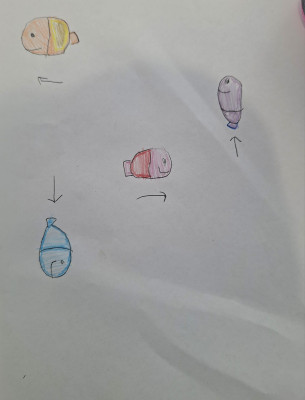
Dove Nuota il Pesciolino? Il Codice dell'Oceano
Sezione E Infanzia, nel grande oceano blu ci sono pesciolini curiosi che si muovono in tutte le direzioni: uno nuota verso sinistra, uno verso destra, uno va su verso la superficie e uno scende giù nel fondo! Ma come facciamo a capire esattamente dove stanno andando? Semplice: ogni pesciolino ha una freccia magica che indica la sua rotta!
 (1).png)
Activities | 2026-10-27
Robijeva tajna misija
Kroz niz zanimljivih zadataka učenici pomažu simpatičnom robotu Robiju u njegovoj svemirskoj avanturi. Upoznaju osnovne naredbe za kretanje (gore, dolje, lijevo i desno), povezuju strelice s odgovarajućim smjerovima, pronalaze put kroz labirint izbjegavajući prepreke te prate zadani niz naredbi kako bi robot stigao do cilja. Učenici također prepoznaju i nastavljaju pravilne nizove strelica te otkr
Activities | 2026-10-27
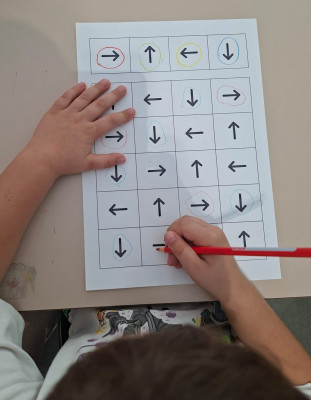
Occhio alla freccia!
Sezione E Infanzia, in cima al foglio c'è la "Legenda segreta": ad ogni direzione corrisponde un cerchio di un determinato colore (ad esempio, le frecce verso destra in rosso, quelle verso il basso in blu, in alto in verde e a sinistra in giallo). Nella griglia sottostante, il bambino deve scovare tutte le frecce e "catturarle" cerchiandole con il matitone del colore giusto!
Activities | 2026-10-27
Pixel-art
Le alunne e gli alunni della classe 2A primaria con l'ins. Anna Melone si divertono a seguire il codice per scoprire immagini a tema autunnale.
Activities | 2026-10-27
Creazione di un dado con MicroBit
Gli alunni della classe I A SSIG realizzeranno un dado elettronico con la scheda micro:bit, utilizzando la programmazione a blocchi per simulare il lancio di un dado tradizionale.
Activities | 2026-10-27
L'energia e le sue forme
Gli studenti della classe 3 B utilizzeranno il simulatore per le trasformazioni energetiche potenziando le proprie conoscenze sulle fonti e forme di energia.
Activities | 2026-10-27
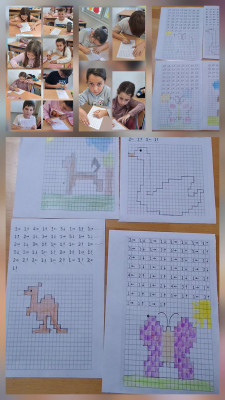
Следи ги стрелките и откриј ја тајната слика
Учениците од III одделение реализираа креативна активност за кодирање без употреба на компјутер. Следејќи ги зададените инструкции со стрелки и броеви, учениците се движеа низ мрежа од квадратчиња и постепено ги откриваа скриените слики. Со внимателно следење на насоките за движење нагоре, надолу, лево и десно, учениците ги поврзуваа чекорите од зададениот код, ја исцртуваа сликата и ја боеја спор
Still have a question?